العودة إلى الصفحة الرئيسية
820К+ مريضًا حصلوا على المساعدة منذ عام 2014
50 دول
1,500 عيادات
6K+ تقييمات
3K+ طبيب مؤهل

ما هي تكلفة فقدان حاسة الشم بعد كوفيد إجراءات التشخيص والعلاج في تايلاند؟ اعرف الآن

السعر يقدم بعد الطلب

مزاياك وضماناتك مع Bookimed

أسعار مباشرة

Bookimed لا يضيف رسوماً إضافية على أسعار علاج فقدان حاسة الشم بعد كوفيد. الأسعار مأخوذة من قوائم الأسعار الرسمية للعيادات. تدفع مباشرة في العيادة مقابل علاجك عند وصولك إلى البلد.

عيادات وأطباء معتمدون فقط

Bookimed ملتزم بسلامتك. نحن نعمل فقط مع المؤسسات الطبية التي تحافظ على معايير دولية عالية في علاج فقدان حاسة الشم بعد كوفيد ولديها التراخيص اللازمة لخدمة المرضى الدوليين في جميع أنحاء العالم.

مساعدة مجانية على مدار الساعة

Bookimed يقدم مساعدة خبراء مجانية. منسق طبي شخصي يدعمك قبل وأثناء وبعد العلاج، ويحل أي مشاكل. لن تكون وحيداً أبداً في رحلة علاج فقدان حاسة الشم بعد كوفيد.

لماذا نحن؟

منسقك الطبي الشخصي في Bookimed

  • يدعمك في كل مرحلة
  • المساعدة في اختيار العيادة الطبية المناسبة والطبيب المناسب
  • يضمن الوصول السريع والمريح إلى المعلومات

اكتشف أفضل فقدان حاسة الشم بعد كوفيد العيادات في تايلاند: 1 خيار معتمدة والأسعار
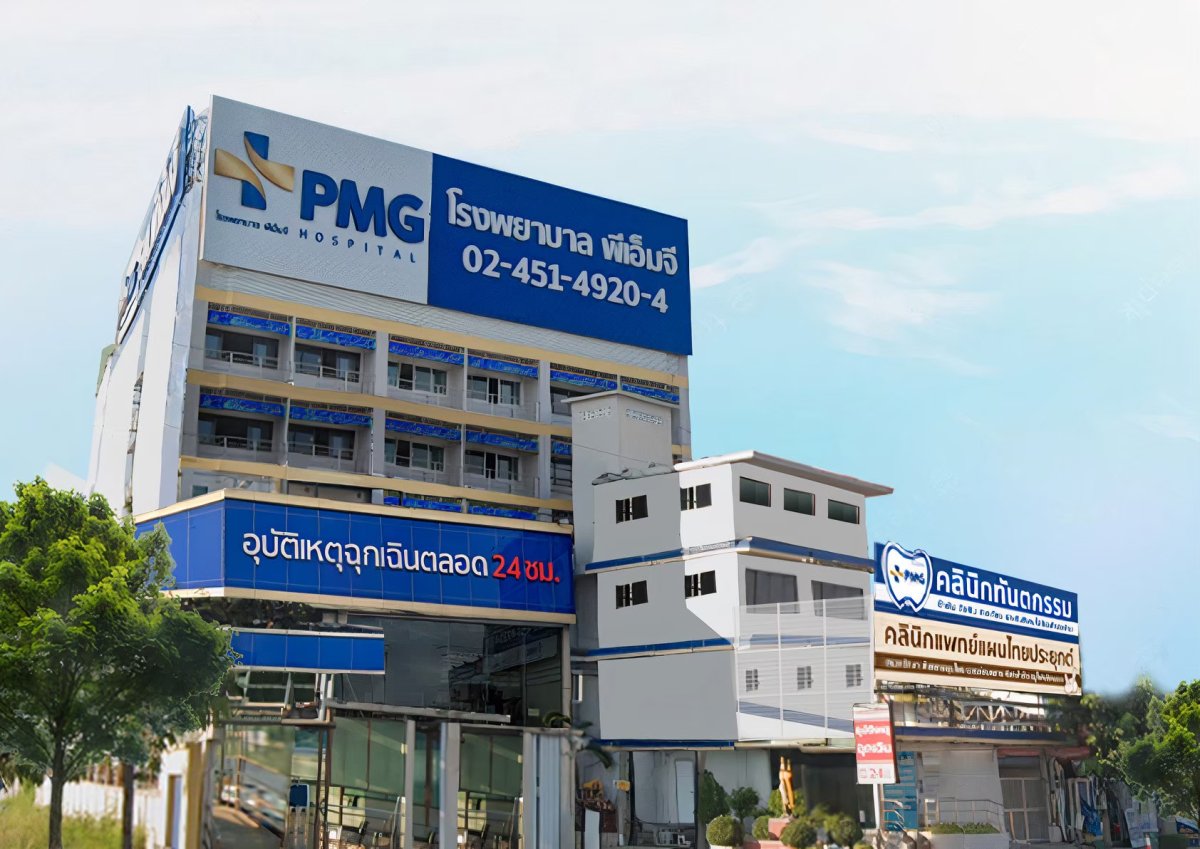
تم تصنيف العيادات بواسطة نظام Bookimed الذكي، باستخدام تحليل علوم البيانات عبر 5 معايير رئيسية.

مشاركة المحتوى

Twitter XLinkedinFacebookWhatsAppEmail
أحصل على الرابط

قصص فيديو من مرضى Bookimed

Dayana
جمعت بين إجازتي في أنطاليا والفحص الطبي.
إجراء: فحص صحة الإناث (انظر فحص النساء)
Igor
كان رائعاً! التنقلات والإقامة والعلاج - كل شيء مشمول.
إجراء: زرع الأسنان
مستشفى: WestDent Clinic
Marina
قام Bookimed بكل شيء من أجلي. لم أضطر للقلق بشأن أي شيء.
إجراء: فحص صحة الإناث (انظر فحص النساء)
مستشفى: Severance Hospital
محدث: 02/27/2026
تأليف
Anna Leonova
Anna Leonova
رئيس فريق تسويق المحتوى
محررة طبية معتمدة لديها خبرة تزيد عن 10 سنوات، طوّرت محتوى Bookimed الموثوق، مدعومة بماجستير في علم اللغة ومقابلات مع خبراء طبيين من جميع أنحاء العالم.
تمت المراجعة من قبل المستشار الطبي في Bookimed
فهد مولود
محرر طبي وعالم بيانات
طبيب عام. حاصل على 4 جوائز علمية. خدم في غرب آسيا. رئيس الفريق الطبي الناطق بالعربية سابقا ومسؤول عن معالجة البيانات ودقة المحتوى الطبي حاليا.
فهد مولود Linkedin
قد تحتوي هذه الصفحة على معلومات تتعلق بمختلف الحالات الطبية والعلاجات وخدمات الرعاية الصحية المتوفرة في بلدان مختلفة. يرجى العلم أن المحتوى مقدم لأغراض إعلامية فقط ولا ينبغي تفسيره على أنه نصيحة أو إرشادات طبية. يرجى استشارة طبيبك أو أخصائي طبي مؤهل قبل البدء أو تغيير العلاج الطبي.

أسئلة متكررة حول علاج فقدان حاسة الشم بعد كوفيد في تايلاند

هذه الأسئلة الشائعة مأخوذة من مرضى حقيقيين يبحثون عن رعاية طبية عبر Bookimed. يتم تقديم الإجابات من قبل منسقين طبيين ذوي خبرة وممثلين موثوقين من العيادات.

What is the primary first-line treatment for post-COVID loss of smell recommended by specialists in Thailand?

Specialists in Thailand recommend olfactory training as the primary first-line treatment for post-COVID smell loss. This non-invasive therapy uses neuroplasticity to retrain the brain. Patients sniff four distinct scents twice daily. GHA-accredited centres like PMG Hospital in Bangkok support these evidence-based protocols.

  • Olfactory training: Sniff lemon, eucalyptus, clove, and rose twice daily.
  • Scent duration: Engage with each scent for 15 to 25 seconds.
  • Treatment length: Continue the retraining process for at least 12 weeks.
  • Medical adjuncts: Specialists may prescribe nasal corticosteroids to reduce local inflammation.

Bookimed Expert Insight: Thai medical centres like PMG Hospital manage over 18,000 patients annually. This high volume across 20 departments allows specialists to integrate olfactory training with multi-speciality support. Patients benefit from centres that combine GHA-accredited standards with long-term recovery tracking.

Patient Consensus: Patients note that consistency with the four scents matters more than intensity. They suggest using familiar household smells and preparing for a slow recovery over several months.

Which medical specialists should I book an appointment with in Thailand for post-COVID olfactory loss treatment?

Patients should book appointments with an otolaryngologist (ENT specialist) in Thailand. Those sub-specialising in rhinology focus on nasal and sinus disorders. Multidisciplinary teams at post-COVID recovery clinics also manage systemic symptoms like brain fog alongside smell loss.

  • ENT specialist: Performs nasal endoscopy to evaluate the olfactory mucosa and nasal structure.
  • Rhinology sub-specialist: Focuses on complex nasal, sinus, and post-viral smell dysfunction cases.
  • Neurologist review: Recommended for prolonged cases to assess potential nerve or brain-related impacts.
  • Multidisciplinary clinics: Coordinate care between internal medicine and ENT for systemic long-COVID symptoms.

Bookimed Expert Insight: Thai medical centres like PMG Hospital often function as private multi-specialty hubs with over 20 departments. This setup allows for rapid internal referrals between ENT and neurology specialists. Such coordination is vital when smell loss persists for over 3 months.

Patient Consensus: Patients note that starting structured smell training early is vital. Many found that adding steroid rinses or PRP injections helped when simple retraining stalled in Thailand.

Do ENT specialists in Thailand prescribe steroids or medications for persistent post-COVID smell loss?

Thai ENT specialists prescribe steroids and medications for persistent post-COVID smell loss. Treatment typically follows international protocols. Specialists use nasal endoscopy to assess inflammation. They often provide corticosteroid sprays or short-term oral steroids. Foundations of care include smell retraining with essential oils.

  • Assessment protocol: Specialists perform nasal endoscopy to check for structural causes like polyps.
  • Steroid options: Doctors may prescribe mometasone or fluticasone sprays to reduce mucosal inflammation.
  • Systemic treatment: Specialists occasionally use short courses of oral prednisolone for early-stage recovery.
  • Olfactory training: Standard practice prioritises daily sniffing of lemon, rose, clove, and eucalyptus.

Bookimed Expert Insight: Thai medical centres like PMG Hospital in Bangkok serve over 18,000 patients annually. They handle diverse international cases with GHA-accredited quality standards. Data suggests major Thai centres often integrate Omega-3 or alpha-lipoic acid supplements. These complement traditional steroid therapies for nerve support. Patients should ask for specific scent-retraining kits during their initial consultation.

Patient Consensus: Patients report mixed results with nasal sprays. However, they note significant gains from early oral steroid use. Most emphasis remains on consistent twice-daily smell retraining using essential oils in Thailand.

Are advanced or experimental treatments like Platelet-Rich Plasma (PRP) or Stellate Ganglion Block (SGB) available in Thailand for post-COVID olfactory loss?

Treatments like Platelet-Rich Plasma (PRP) and Stellate Ganglion Block (SGB) are available in Thailand but remain experimental. These procedures are not routine clinical practice. Private facilities in Bangkok use PRP to stimulate nerve regeneration. These treatments are usually offered off-label.

  • Treatment availability: Specialist clinics in Bangkok offer PRP for olfactory nerve repair.
  • Clinical status: Thai medical guidelines classify these as investigational for post-COVID symptoms.
  • PRP protocol: Doctors often suggest three sessions inside the nasal cavity over time.
  • SGB use: Pain specialists perform SGB mainly to address autonomic nervous system effects.

Bookimed Expert Insight: Thai medical facilities like PMG Hospital hold Global Healthcare Accreditation for international patient services. This means rigorous safety standards apply for non-routine procedures. Our data shows patients choose these accredited centres because they manage risks better. Always check if the facility has specific experience with olfactory cleft injections.

Patient Consensus: Patients note that PRP outcomes vary. Some see improvement in 30 days while others report modest gains. Those seeking treatment in Thailand often find it is a specialised service requiring direct enquiry. Most people suggest treating these options as out-of-pocket expenses rather than standard care.

How long does recovery from post-COVID olfactory loss treatment in Thailand take?

Recovery from post-COVID olfactory loss treatment in Thailand generally begins within 2 to 4 weeks. Most patients notice natural improvements during this initial window. Structured clinical protocols, including smell retraining, often require 6 to 12 weeks. Long-term recovery for persistent symptoms may extend to 6 months.

  • Early recovery: Natural improvement often starts between 2 and 4 weeks for most patients.
  • Smell retraining: Consistent twice-daily practice typically yields noticeable results within 6 to 12 weeks.
  • Clinical protocols: Specialist treatments in Bangkok clinics target recovery windows of 3 to 6 months.
  • Persistent cases: Interventions for long-term dysfunction may require observation for up to 1 year.

Bookimed Expert Insight: Thai medical facilities like PMG Hospital in Bangkok serve nearly 19,000 patients annually. They do so using multi-specialty approaches. Spontaneous recovery is common. However, the most successful outcomes involve starting smell training within the first month. Early clinical assessment helps differentiate between temporary inflammation and nerve-related dysfunction.

Patient Consensus: Patients note that recovery often feels gradual. Smell may start to return about a week after congestion clears. Experiences in Thailand suggest expecting partial improvements first. Full recovery frequently takes 2 to 6 months.

احصل على استشارة مجانية

حدد أفضل طريقة للاتصال بك