الأمراض المعدية في إسرائيل — التكاليف 2026


تمت مراجعة المقالة طبيا من قبل
فهد مولود
ما هي تكلفة الأمراض المعدية في إسرائيل؟ اكتشف الآن
جميع أمراض الأمراض المعدية
مزاياك وضماناتك مع Bookimed
أسعار مباشرة
Bookimed لا يضيف رسوماً إضافية على أسعار علاج الأمراض المعدية. الأسعار مأخوذة من قوائم الأسعار الرسمية للعيادات. تدفع مباشرة في العيادة مقابل علاجك عند وصولك إلى البلد.
عيادات وأطباء معتمدون فقط
Bookimed ملتزم بسلامتك. نحن نعمل فقط مع المؤسسات الطبية التي تحافظ على معايير دولية عالية في علاج الأمراض المعدية ولديها التراخيص اللازمة لخدمة المرضى الدوليين في جميع أنحاء العالم.
مساعدة مجانية على مدار الساعة
Bookimed يقدم مساعدة خبراء مجانية. منسق طبي شخصي يدعمك قبل وأثناء وبعد العلاج، ويحل أي مشاكل. لن تكون وحيداً أبداً في رحلة علاج الأمراض المعدية.

منسقك الطبي الشخصي في Bookimed
- يدعمك في كل مرحلة
- المساعدة في اختيار العيادة الطبية المناسبة والطبيب المناسب
- يضمن الوصول السريع والمريح إلى المعلومات
اكتشف أفضل عيادات الأمراض المعدية: 6 خيارات معتمدة والأسعار










Dental Clinic Dr. Mark Ratner
أفضل مراكز الأمراض المعدية في إسرائيل
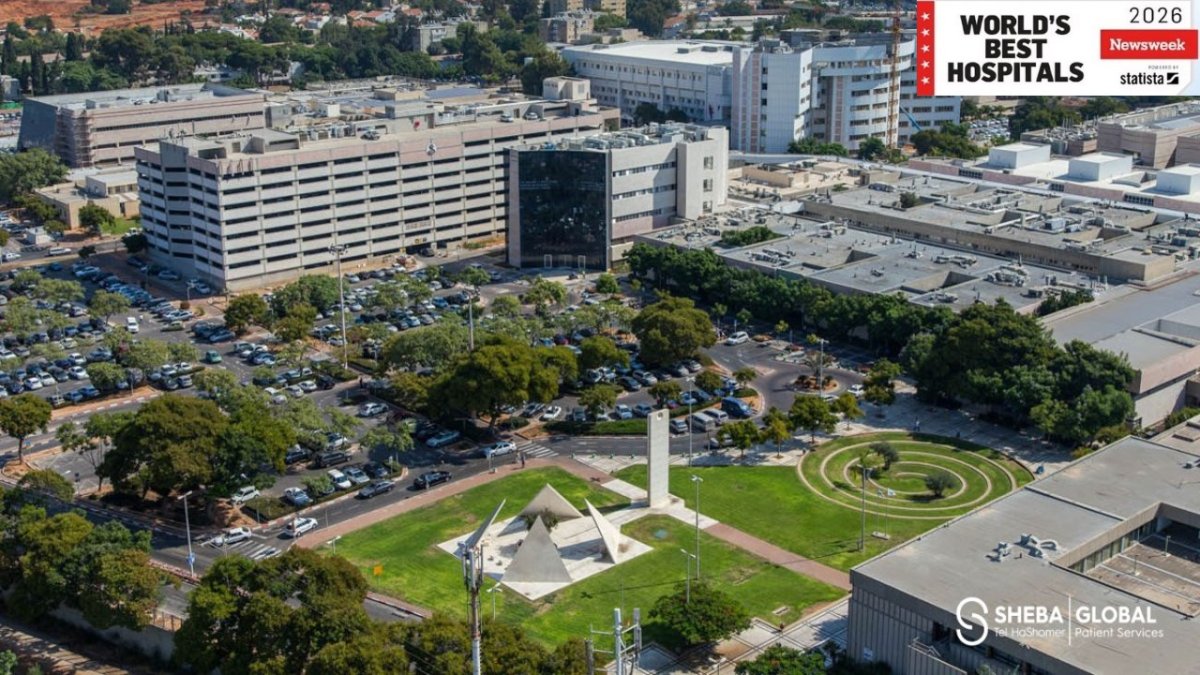
- مركز شيبا الطبي, إسرائيل
- Sourasky Medical Center (Ichilov), إسرائيل
- Assuta Medical Center, إسرائيل
- Hadassah Medical Center, إسرائيل
- Rambam Medical Center, إسرائيل
- Dental Clinic Dr. Mark Ratner, إسرائيل
احصل على تقييم طبي لـ الأمراض المعدية في إسرائيل. استشر الآن 7 أطباء ذوي الخبرة.
عرض جميع الأطباء
Oren Shebolet
أكثر من 50 عاماً كخبير رائد في أمراض الكبد - يترأس الدكتور شيبوليت وحدة الكبد في مركز سوراسكي (إيخيلوف) الطبي.
- متخصص في التهاب الكبد المزمن، وأمراض الكبد المناعية والوراثية
- مؤلف لأكثر من 60 منشوراً حول أبحاث أمراض الكبد
- عضو في كبرى الجمعيات الدولية لدراسة الكبد
- تلقى تدريبه في طب الجهاز الهضمي في كلية الطب بالجامعة العبرية

Grisaro Galia
تقود الدكتورة غريزارو-سوين خدمة الأمراض المعدية لدى الأطفال في مستشفى دانا دويك للأطفال، وتتخصص في حالات العدوى المعقدة لدى المرضى الصغار.
- مديرة قسم الأمراض المعدية للأطفال في أحد مستشفيات الأطفال الرائدة
- حاصلة على درجة مرزي بشير - مؤهل طبي متقدم
- تدربت في مستشفى سفرا للأطفال وجامعة تورنتو
- تركز حصرياً على حالات الأطفال

Mashiah Jacob
يقود البروفيسور ماشيا وحدة أمراض الجلد للأطفال في مركز سوراسكي الطبي، ويتخصص في الأمراض الجلدية المعدية لدى الأطفال باستخدام تقنيات متطورة.
- خبرة تزيد عن 15 عاماً في طب الأمراض الجلدية للأطفال
- خبير في العلاجات الجراحية والعلاج بالضوء
- يستخدم أحدث التقنيات لتقييم الشامات
- يركز على الرعاية الشاملة للمرضى الصغار

Rafael Bruck
يقود البروفيسور رافائيل بروك قسم أمراض الكبد في مركز سوراسكي الطبي، وهو متخصص في علاجات التهاب الكبد الفيروسي المتقدمة.
- أكثر من 40 عامًا من الخبرة السريرية في أمراض الجهاز الهضمي والكبد
- خبير في علاج أمراض الكبد والقنوات الصفراوية المعقدة
- يطبق أحدث المخططات الطبية لالتهاب الكبد B وC
- عضو أول في الجمعية الإسرائيلية لأمراض الجهاز الهضمي والكبد
مواد ذات صلة

عقار جديد يقضي على التهاب الكبد سي في غضون أسابيع قليلة
كتب بواسطة Veronika Kazina

ما هي أنواع التهاب الكبد الفيروسي؟
كتب بواسطة Veronika Kazina
مشاركة المحتوى
قصص فيديو من مرضى Bookimed
 Anna Leonova
أسئلة متكررة حول الأمراض المعدية في إسرائيل
ما مدى تأهيل الأطباء الإسرائيليين الذين يعالجون الأمراض المعدية، وهل هم معتمدون للمرضى الدوليين؟
يخضع أخصائيو الأمراض المعدية في إسرائيل لما يصل إلى 15 عاماً من التدريب السريري الصارم. يحمل العديد منهم زمالات متقدمة من مؤسسات أمريكية وأوروبية رائدة. وعلى الرغم من عدم وجود ترخيص فردي محدد للمرضى الدوليين، إلا أن عيادات مثل مركز شيبا الطبي حاصلة على اعتماد اللجنة الدولية المشتركة (JCI) لمعايير السلامة العالمية.
- التدريب المتخصص: يخضع أطباء مثل الدكتورة غريسارو غاليا في مركز سوراسكي الطبي لتدريب متخصص في الأمراض المعدية لدى الأطفال.
- اعتماد المستشفيات: تحافظ المراكز الرائدة مثل أسوتا ورمبام على شهادة JCI للرعاية الدولية.
- حجم العمل السريري: يعالج مركز هداسا الطبي حوالي 1,000,000 مريض سنوياً بوجود 900 طبيب خبير.
- التنظيم المتخصص: تنظم وزارة الصحة عمل الأخصائيين بدقة لضمان الامتثال للمعايير الطبية الدولية.
رؤية خبير Bookimed: تظهر بياناتنا أن المراكز الإسرائيلية الرائدة غالباً ما تدمج الخبرة الطبية العسكرية في الممارسة المدنية. على سبيل المثال، يقدم مركز شيبا الطبي 1,990 تخصصاً ويستخدم الذكاء الاصطناعي المتقدم والطب عن بعد. تساعد هذه البيئة ذات الكثافة العالية الأطباء على إتقان علاج العدوى النادرة والمقاومة للمضادات الحيوية بشكل أكثر فعالية من العديد من المرافق الغربية.
إجماع المرضى: يشير المرضى إلى أن الأطباء الإسرائيليين يتمتعون بكفاءة عالية في التعامل مع العدوى المعقدة التي غالباً ما تحير المتخصصين في أماكن أخرى. وينصحون بإعطاء الأولوية للمرافق المعتمدة من JCI والترتيب للحصول على موافقة مسبقة من التأمين قبل الوصول
ما هي بروتوكولات السلامة التي تستخدمها المستشفيات الإسرائيلية لمنع انتشار الأمراض المعدية بين السياح الطبيين؟
تمنع المستشفيات الإسرائيلية الأمراض المعدية من خلال بروتوكولات صارمة لوزارة الصحة واعتماد اللجنة الدولية المشتركة (JCI). توظف مرافق مثل مركز سوراسكي الطبي ومركز شيبا الطبي فرقاً متخصصة من أطباء الأمراض المعدية. توفر الفحوصات الإلزامية قبل الوصول، والمراقبة النشطة لمسببات الأمراض المقاومة للأدوية المتعددة، وأنظمة العزل عالية التقنية طبقات أمان متعددة للسياح الطبيين.
- اعتمادات العيادات: تتبع المراكز المعتمدة من JCI مثل أسوتا ورمبام معايير السلامة العالمية.
- إشراف المتخصصين: يقود مديرون مثل الدكتورة غريسارو غاليا فرقاً متخصصة في الأمراض المعدية لدى الأطفال.
- العزل المتقدم: تستخدم المرافق غرف ضغط سلبي مراقبة وأنظمة جودة هواء مدعومة بالذكاء الاصطناعي.
- الفحص الصارم: يشمل الاستقبال كيمياء حيوية شاملة للدم واختبارات لالتهاب الكبد أو فيروس نقص المناعة البشرية.
- الامتثال للنظافة: يصل متوسط الامتثال لنظافة اليدين إلى 83.1% من خلال مراقبة الملاحظة المباشرة.
رؤية خبير Bookimed: غالباً ما تحافظ المستشفيات الإسرائيلية، وخاصة المراكز الكبيرة متعددة التخصصات مثل مركز سوراسكي الطبي، على نتائج سلامة أفضل من خلال التعامل مع أكثر من 400,000 مريض سنوياً. يسمح هذا الحجم الهائل لهم بالاستثمار في تقنيات متخصصة مثل تنقية الهواء المدفوعة بالذكاء الاصطناعي وأنظمة التطهير الروبوتية. نادراً ما توجد هذه الأدوات في العيادات الصغيرة المستقلة وتقلل بشكل كبير من خطر الإصابة بالعدوى المرتبطة بالمستشفيات.
إجماع المرضى: يشير الم
ما هي التقنيات التشخيصية المتاحة للتعرف السريع على العدوى الاستوائية أو الوافدة في إسرائيل؟
تستخدم إسرائيل اختبارات جزيئية ومصلية واختبارات مستضدات سريعة متقدمة لتحديد العدوى الاستوائية في غضون دقائق. توظف مراكز مثل مركز سوراسكي الطبي (إيخيلوف) ومركز شيبا الطبي تقنية تفاعل البوليميراز المتسلسل (PCR) في الوقت الفعلي وتقنيات استجابة المضيف المبتكرة. تضمن هذه الأساليب الكشف الدقيق عن الملاريا وفيروس زيكا وحمى الضنك للمرضى الدوليين.
- اختبارات المستضدات السريعة: تكتشف مستضدات الملاريا وحمى الضنك مثل NS1 في غضون 15 دقيقة.
- التشخيص الجزيئي: يعتبر اختبار PCR المعيار الذهبي لتحديد فيروسي زيكا وشيكونغونيا.
- تقنية استجابة المضيف: تميز تقنية MeMed BV المطورة إسرائيلياً بين العدوى البكتيرية والفيروسية في 15 دقيقة.
- لوحات المتلازمات: تقوم أنظمة مثل BioFire FilmArray بفحص أكثر من 20 مسبباً للأمراض في ساعتين.
رؤية خبير Bookimed: غالباً ما تضم مستشفيات تل أبيب الكبرى مثل مركز سوراسكي الطبي (إيخيلوف) وحدات متخصصة تدمج التشخيص والعلاج في جناح واحد. تظهر البيانات أن المراكز التي تضم أكثر من 120 قسماً متخصصاً، مثل هداسا، توفر تحديداً أسرع لأنواع الطفيليات النادرة لأنها تحتفظ بمختبرات مرجعية في الموقع. هذا القرب يمكن أن يقلل وقت انتظار النتائج المعقدة من أيام إلى بضع ساعات فقط.
إجماع المرضى: يشير المرضى إلى أهمية تقديم تاريخ سفر مفصل على الفور لبدء الاختبار السريع. ويؤكدون أن طلب المساعدة في المراكز الطبية الكبيرة يضمن الوصول إلى مجموعات الفحص بجانب السرير التي توفر نتائج أسرع بكثير من المختبرات القياسية.
ما هي المدة التي يجب أن يخطط لها السائح الطبي للبقاء في إسرائيل لاستشارة الأمراض المعدية وأي علاجات متابعة؟
يجب على السياح الطبيين التخطيط لإقامة تتراوح بين 3 إلى 7 أيام في إسرائيل للتشخيص الأولي للأمراض المعدية. تغطي هذه الفترة الزمنية استشارات المتخصصين ونتائج المختبرات. قد تتطلب الحالات المعقدة أو الأمراض المزمنة مثل التهاب الكبد إقامات أطول أو رعاية متابعة عن بعد من خلال الطب الاتصالي.
- الاستشارة الأولية: يراجع المتخصص السجلات الطبية ويقدم تقييمات أولية في غضون يومي عمل.
- مرحلة التشخيص: عادة ما تظهر نتائج الفحوصات المخبرية القياسية وفحوصات العدوى في غضون 2-3 أيام.
- الاختبارات المعقدة: إجراءات مثل البزل القطني أو مراجعة التصوير بالرنين المغناطيسي قد تمدد الجدول الزمني للتشخيص.
- تخطيط العلاج: عادة ما ينهي الأطباء البروتوكولات الطبية الدقيقة في غضون 5 أيام من الوصول.
- إدارة الأمراض المزمنة: حالات مثل فيروس نقص المناعة البشرية أو التهاب الكبد غالباً ما تتضمن دورات دوائية لمدة 3 أشهر ومراقبة.
رؤية خبير Bookimed: المراكز الطبية الإسرائيلية مثل شيبا وسوراسكي هي الرائدة في دمج الطب الاتصالي في بروتوكولات الأمراض المعدية. تظهر بياناتنا أن المرضى غالباً ما يوفرون 4 أيام أو أكثر من الإقامة في البلاد عن طريق إجراء المراجعات الأولية وفحوصات ما بعد العلاج عن بعد. هذا فعال بشكل خاص لإدارة الحالات المزمنة التي تتطلب مراقبة دوائية طويلة الأمد.
إجماع المرضى: يشير المرضى إلى أنه من المهم إحضار نسخ ورقية من الفحوصات السابقة لأن النقل الرقمي قد يتأخر أحياناً. وغالباً ما يقترحون الإقامة بالقرب من المستشفى في تل أبيب
هل يمكن الاستمرار في تناول الأدوية المستوردة أو الوقاية المستمرة (مثل مضادات الملاريا) أثناء تلقي العلاج في إسرائيل؟
يمكن للمرضى عمومًا الاستمرار في تناول الأدوية المستوردة والوقاية في إسرائيل باتباع قواعد وزارة الصحة. يمكنك إحضار كمية تكفي لمدة 90 يومًا من الأدوية غير الخاضعة للرقابة للاستخدام الشخصي. يجب أن تحمل وصفة طبية صالحة باللغة الإنجليزية وخطابًا طبيًا يشرح ضرورة علاجك.
- التوثيق: احمل خطابًا من الطبيب وملصق الوصفة الطبية الأصلي باللغة الإنجليزية.
- حدود الإمداد: يقتصر الاستيراد على حد أقصى قدره 90 يومًا للاستخدام الشخصي.
- بروتوكول المستشفى: أبلغ الموظفين على الفور للتحقق من التفاعلات الدوائية مع العلاجات الجديدة.
- العبوة الأصلية: احتفظ بجميع الأدوية في عبواتها الأصلية لتجنب مشاكل الجمارك.
رؤية خبير Bookimed: تعطي المستشفيات الإسرائيلية مثل مركز سوراسكي الطبي وأسوتا الأولوية لاستمرارية الدواء من خلال التحقق في صيدلية المستشفى. تظهر بياناتنا أن كبار المتخصصين، بما في ذلك الدكتور أورين شيبوليت، غالبًا ما يراجعون الأنظمة العلاجية المستوردة أثناء الاستشارة الأولية لمنع فجوات العلاج. بالنسبة للإقامات التي تتجاوز 90 يومًا، يجب على المرضى حجز استشارة محلية مبكرًا لتحويل الوصفات الطبية الأجنبية إلى وصفات إسرائيلية في الصيدليات المحلية.
إجماع المرضى: يشير المرضى إلى أنه من الضروري الإعلان عن جميع الأدوية في جمارك المطار مع خطاب الطبيب لتجنب المصادرة. يجد معظمهم أن المستشفيات تدمج الوقاية الشخصية بسلاسة بعد أن يراجع الموظفون الوصفة الطبية للتأكد من سلامتها.
ما هو الدعم اللغوي والمساعدة الثقافية المقدمة أثناء رعاية الأمراض المعدية للمرضى الذين لا يتحدثون العبرية؟
توفر المستشفيات الإسرائيلية الدعم اللغوي من خلال مركز وطني للترجمة الطبية وتنسيق متخصص في الموقع. توظف مرافق مثل مركز شيبا الطبي ومركز سوراسكي الطبي (إيخيلوف) موظفين متعددي اللغات ومنسقين مخصصين. تتوفر الترجمة المهنية للمتحدثين بالعربية والإنجليزية والروسية والفرنسية أثناء الاستشارات.
- مركز الترجمة الطبية: يمكنك الوصول إلى الترجمة الهاتفية في الوقت الفعلي عن طريق الاتصال بالرقم 5144 أثناء المواعيد الطبية.
- طاقم طبي ثنائي اللغة: يتحدث العديد من الأطباء والممرضين في أسوتا ورامبام الروسية أو الإنجليزية.
- التنسيق في الموقع: يرافق المنسقون الطبيون في المراكز الرئيسية المرضى للترجمة أثناء التشخيصات المعقدة.
- الأدوات التكنولوجية: تستخدم بعض العيادات منصة CommU لسد الفجوات في الفروق الطبية والثقافية.
رؤية خبير Bookimed: غالبًا ما تمتلك العيادات التي تستقبل أعدادًا كبيرة من المرضى الدوليين، مثل مركز سوراسكي الطبي الذي يعالج أكثر من 400,000 مريض سنويًا، البنية التحتية اللغوية الأكثر قوة. تظهر بياناتنا أن المرافق في تل أبيب وحيفا تقدم عمومًا دعمًا أكثر اتساقًا باللغتين الإنجليزية والروسية بسبب التركيبة السكانية المتنوعة للقوى العاملة المحلية. وهذا مفيد بشكل خاص أثناء استشارات الأمراض المعدية حيث يكون الإبلاغ الدقيق عن الأعراض أمرًا بالغ الأهمية.
إجماع المرضى: يشير المرضى إلى أنه على الرغم من أن المتحدثين بالإنجليزية والروسية يتنقلون بسهولة في الرعاية، فمن الضروري إحضار مرافق ثنائي اللغة لنماذج الطوارئ التي تكون باللغة العبرية ف
ما هي المدن أو المستشفيات في إسرائيل الأكثر شهرة في علاج الأمراض المعدية المعقدة المستوردة أو المكتسبة من المستشفيات؟
تعد تل أبيب ورامات غان والقدس المراكز الإسرائيلية الرئيسية لعلاج العدوى المعقدة المستوردة والمكتسبة من المستشفيات. تعمل المؤسسات الرائدة مثل مركز شيبا الطبي ومركز سوراسكي الطبي (إيخيلوف) كمراكز إحالة وطنية. وهي متخصصة في الكائنات الحية المقاومة للأدوية المتعددة، والأمراض الاستوائية، ورعاية كوفيد-19 المتخصصة.
- مركز شيبا الطبي: تدير هذه المنشأة في رامات غان أكثر من 1.5 مليون مريض وتتعامل مع الحالات المعقدة في المنطقة.
- مركز سوراسكي الطبي: يقع في تل أبيب، ويضم عيادة MALRAM المتخصصة للأمراض الاستوائية.
- مركز هداسا الطبي: هذا المستشفى الجامعي الذي يقع في القدس هو رائد عالمي في علم الأحياء الدقيقة السريري والأبحاث.
- مركز رمبام الطبي: يقع في حيفا، وهو معترف به لإدارة العدوى المتعلقة بالجيش والعدوى المعقدة الحديثة.
رؤية خبير Bookimed: بينما يبحث معظم المرضى عن التميز العام، تظهر البيانات تخصصاً إقليمياً واضحاً في إسرائيل. العيادات المركزية في تل أبيب مثل سوراسكي، التي تخدم 1.8 مليون مريض سنوياً، مجهزة عادة بشكل أفضل للحالات المستوردة الحادة مثل الملاريا. في المقابل، يستفيد رمبام في حيفا من موقعه للحفاظ على خبرة فريدة في العدوى المتعلقة بالجيش.
إجماع المرضى: يؤكد المرضى على أهمية تقديم تاريخ سفر كامل ونتائج مختبرية سابقة على الفور. ويشيرون إلى أنه بينما تتفوق القدس في العدوى الفطرية، فإن تل أبيب هي الخيار المفضل للعزل السريع للسلالات الاستوائية النادرة.
لماذا تُعد إسرائيل واحدة من الوجهات الرائدة في جراحة الأعصاب؟
تُعدّ إسرائيل مركزًا رائدًا في جراحة الأعصاب بفضل مزيجها من التطورات الطبية عالية التقنية والخبرات الجراحية المتميزة. وتستخدم مرافق متطورة مثل مركز شيبا الطبي أنظمة ملاحة تعتمد على الذكاء الاصطناعي والتصوير بالرنين المغناطيسي أثناء الجراحة في الوقت الفعلي. وتشير المراكز المتخصصة إلى نسبة نجاح تصل إلى 98% في العمليات الجراحية المعقدة، بما في ذلك جراحة الدماغ مع اليقظة وعلاج اضطرابات الحركة.
- التكنولوجيا المتقدمة: تستخدم العيادات الموجات فوق الصوتية المركزة الموجهة بالرنين المغناطيسي (MRgFUS) والأنظمة الروبوتية لإجراء الشقوق.
- الخبرة الجراحية: يقود جراحون مثل الدكتور تسفي رام جمعيات دولية بخبرة تزيد عن 25 عامًا.
- الوصول السريع: يمكن للمرضى الدوليين عادةً تحديد مواعيد لإجراء عمليات جراحية معقدة في الدماغ أو العمود الفقري في غضون 2-4 أسابيع.
- الرعاية الطبية المعتمدة: المراكز الكبيرة مثل سوراسكي (إيشيلوف) وأسوتا معتمدة من قبل اللجنة الدولية المشتركة، مما يؤكد سلامتها.
رأي خبراء بوكيمد: تُظهر البيانات فرقًا واضحًا بين خيارات العلاج في القطاعين العام والخاص في إسرائيل. تُجري المراكز الخاصة، مثل مركز أسوتا الطبي، أكثر من 92,000 عملية جراحية سنويًا، وتتيح للمرضى اختيار جراح را
ما هي أنواع الأمراض العصبية التي يتم علاجها في إسرائيل؟
يعالج جراحو الأعصاب الإسرائيليون طيفاً واسعاً من الحالات، بدءاً من أورام الدماغ والحبل الشوكي وصولاً إلى الاضطرابات الوظيفية المعقدة. وتستخدم المراكز المتخصصة أحدث التقنيات، مثل جهاز جاما نايف، والتحفيز العميق للدماغ، والتصوير بالرنين المغناطيسي أثناء الجراحة، لتشخيص دقيق للغاية لحالات الصرع، ومرض باركنسون، وأمراض الأوعية الدموية الدماغية.
- الأمراض السرطانية: علاج الأورام الدبقية والأورام السحائية وأورام الغدة النخامية باستخدام استئصال قاعدة الجمجمة.
- الاضطرابات الوظيفية: علاج مرض باركنسون والرعاش الأساسي باستخدام التحفيز العميق للدماغ.
- أمراض العمود الفقري: تصحيح الجنف، وانزلاق الغضروف، وأورام العمود الفقري باستخدام الأنظمة الروبوتية.
- علاج أمراض الأوعية الدموية الدماغية: العلاج الجراحي لتمدد الأوعية الدموية الدماغية والتشوهات الشريانية الوريدية باستخدام التدخلات داخل الأوعية الدموية.
- جراحة الأعصاب للأطفال: رعاية متخصصة لاستسقاء الرأس والتشوهات الخلقية في مراكز طب الأطفال المتخصصة.
رأي خبراء بوكيمد: غالبًا ما تجمع المستشفيات الإسرائيلية بين تخصصات طبية متعددة لمعالجة الحالات المعقدة. ففي مركز سوراسكي ا
ما هي المستشفيات في إسرائيل التي تشتهر بأقسام جراحة الأعصاب فيها؟
تضم إسرائيل مراكز جراحة أعصاب عالمية المستوى، مثل مركز سوراسكي الطبي، ومركز شيبا الطبي، ومركز هداسا الطبي. وتُعدّ هذه المؤسسات رائدة عالميًا في علاج أورام الدماغ المعقدة، وأمراض العمود الفقري، واضطرابات الحركة. وتستخدم أحدث التقنيات، مثل جهاز جاما نايف، والأنظمة الروبوتية، والتصوير بالرنين المغناطيسي أثناء الجراحة.
- سوراسكي (إيخيلوف): يجري أكثر من 2500 عملية جراحية عصبية سنوياً في تل أبيب بنسبة نجاح تبلغ 98%.
- مركز شيبا الطبي: مصنف ضمن أفضل عشرة مستشفيات في العالم، حيث يعالج 1.9 مليون مريض سنوياً.
- مركز هداسا الطبي: مرشح لجائزة نوبل للسلام. رائد في جراحة الأعصاب للأطفال والعلاج الجيني.
- مركز أسوتا الطبي: أكبر منشأة طبية خاصة في إسرائيل. متخصص في جراحات العمود الفقري والدماغ طفيفة التوغل.
- مستشفى شنايدر للأطفال: مركز رائد في جراحة الأعصاب للأطفال، يعالج 275000 طفل سنوياً.
رأي خبراء بوكيمد: تُظهر بياناتنا أنه بينما يلجأ معظم المرضى للعلاج في تل أبيب، يُقدّم مركز رامبام الطبي في حيفا رعايةً فريدةً لإصابات الدماغ. فهو يضم وحدةً متخصصةً للعناية المركزة العصبية تُعالج ما يقارب مليون مريض سنويًا. وهذا ما يجعله