علاج ألم مزمن في إسبانيا: 8 مستشفيات


تمت مراجعة المقالة طبيا من قبل
فهد مولود
كيف نعمل؟
ما هي تكلفة ألم مزمن إجراءات التشخيص والعلاج في إسبانيا؟ اعرف الآن
| تركيا | إسبانيا | ألمانيا | |
|---|---|---|---|
| محفز الحبل الشوكي (SCS) | من $16,000 | من $22,200 | ≈ $17,500 |
| العلاج مكركرنت | ≈ $450 | ≈ $450 | ≈ $450 |
| العلاج بالخلايا الجذعية للألم المزمن | ≈ $6,500 | ≈ $2,200 | ≈ $2,800 |
اكتشف أفضل ألم مزمن العيادات في إسبانيا: 8 خيارات معتمدة والأسعار















احصل على تقييم طبي لـ في إسبانيا. استشر الآن 12 أطباء ذوي الخبرة.
عرض جميع الأطباء
Gerardo Conesa Bertran
يحمل الطبيب شهادة طبية من جامعة برشلونة وأكمل تخصصًا في جراحة الأعصاب في مستشفى جامعة دي بيلفيتجي. مع تركيز واسع على أورام الدماغ والحبل الشوكي، وجراحة الأعصاب الوعائية، والعلاجات الجراحية العصبية للصرع ومرض باركنسون والاضطرابات النفسية، يمتلك الطبيب خبرة كبيرة في الجراحات التي تشمل المناطق ذات الوظائف العالية وجذع الدماغ. ساهم الطبيب في أبحاث حول أصل الكلام، والواقع المعزز في جراحة الأعصاب، والتحفيز العميق للدماغ لعلاج فقدان الشهية. شغل الطبيب مناصب قيادية، بما في ذلك أدوار مديرية في مستشفيا

Joaquim Casañas
يوفر جراحة فريدة لليد وجراحة مجهرية ترميمية للأعصاب. من بين مرضاه داني بيدروسا ، أسطورة الدراجات النارية الإسبانية

Evgeniy Blum
مؤسس SOMATODYNAMICS - نهج رائد لعلاج الألم المزمن. مخترع مكرم حاصل على 62 براءة اختراع دولية في مجال استعادة الصحة.
- رئيس قسم في جامعة الصداقة بين الشعوب في روسيا
- درب أكثر من 5800 متخصص طبي
- أسس معهد أبحاث إعادة التأهيل السريري
- يطور تقنيات إعادة تأهيل مبتكرة

Anna Pujol
أكثر من 900 علاج تم إجراؤه – يتخصص الدكتور بوجول في متلازمات الألم المعقدة في مركز تكنون الطبي (Centro Médico Teknon).
- _doctor_8193_سنوات_ من الخبرة في طب الأعصاب
- أطروحة دكتوراه حول المضاعفات العصبية لزراعة الكبد
- أستاذ طب الأعصاب في ISEP و UIB
- عضو في الأكاديمية الأمريكية لطب الأعصاب
مشاركة المحتوى
قصص فيديو من مرضى Bookimed
 Anna Leonova
أسئلة متكررة حول علاج ألم مزمن في إسبانيا
كيف يمكنني الوصول إلى علاج الألم المزمن من خلال النظام العام؟
يتطلب الوصول إلى علاج الألم المزمن في إسبانيا إحالة من طبيب الرعاية الأولية الخاص بك إلى المتخصصين. يعطي النظام العام الأولوية للرعاية متعددة التخصصات من خلال وحدات الألم الموجودة في المستشفيات الكبرى. يخضع المرضى عادةً لفرز سريري لتحديد مدى إلحاح التدخلات المتخصصة أو خطط إدارة الألم.
- الاستشارة الأولية: قم بزيارة طبيب الأسرة (médico de cabecera) لطلب إحالات متخصصة.
- إحالة المتخصص: ينسق الممارسون العامون الوصول إلى أطباء الأعصاب أو وحدات الألم للتشخيص.
- الفرز السريري: تراجع فرق الفرز التاريخ الطبي لتحديد مستويات الأولوية للعلاج.
- أوقات الانتظار: غالبًا ما يبلغ المرضى في مدريد أو برشلونة عن وصول أسرع إلى المتخصصين مقارنة بالمناطق الريفية.
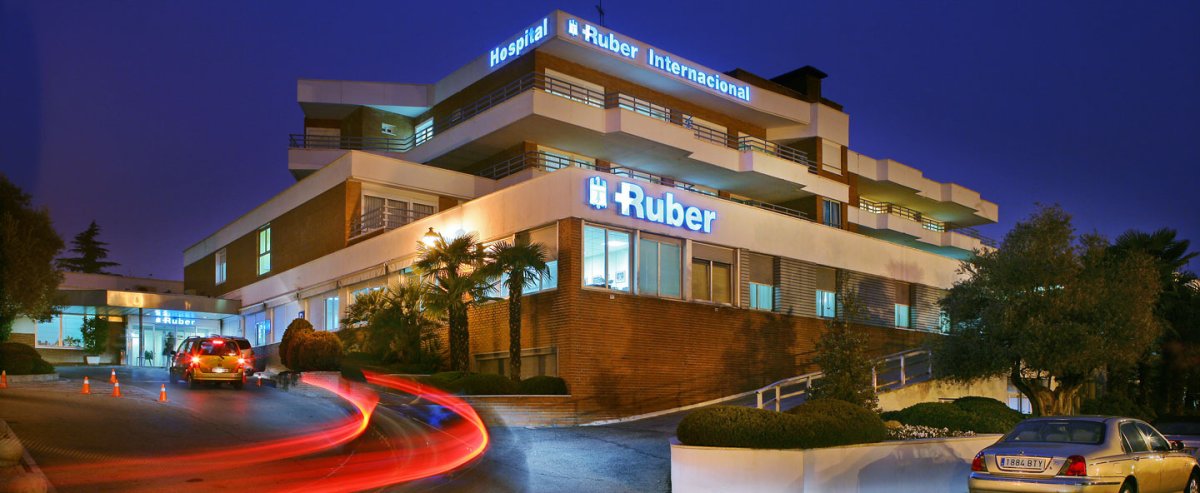
رؤية خبير Bookimed: تسلط بيانات الرعاية الصحية الإسبانية الضوء على تركيز كبير على أقسام الأعصاب وجراحة الأعصاب ذات الحجم الكبير في مدريد وبرشلونة. على سبيل المثال، يخدم مستشفى روبير الدولي (Hospital Ruber Internacional) 25,000 مريض سنويًا بخدمات أعصاب معتمدة من JCI. حتى أن كويرونسالود مدريد (Quironsalud Madrid) يوفر فرصًا للمرضى للانضمام إلى التجارب السريرية للأورام أو الأمراض التنكسية العصبية مجانًا. يشير هذا العمق الأكاديمي إلى أن المراكز الحضرية مجهزة بشكل أفضل لحالات الألم المزمن المعقدة مقارنة بالمرافق الإقليمية الأصغر.
إجماع المرضى: يؤكد المرضى على ضرورة أن يكونوا محددين للغاية بشأن القيود الوظيفية عند التحدث إلى طبيب الأسرة لتجنب تجاهل حالتهم. يجد الكثيرون أنه من المفيد إحضار
هل توصف المواد الأفيونية بشكل شائع للألم المزمن في إسبانيا؟
تخضع المواد الأفيونية لرقابة صارمة لعلاج الألم المزمن في إسبانيا. يعطي المتخصصون الطبيون الأولوية للعلاجات متعددة الوسائط قبل التفكير في وصفات المواد الأفيونية. على الرغم من زيادة الاستخدام بعد التغييرات التشريعية في عام 2012، لا يزال الأطباء حذرين. تتطلب المواد الأفيونية القوية مثل الفنتانيل موافقة متخصصين من وحدات الألم في المستشفيات أو أطباء الأعصاب.
- الأدوية الشائعة: الترامادول هو المعيار لإدارة آلام العضلات والعظام المتوسطة.
- إشراف متخصص: تدير وحدات الألم (unidades de dolor) وصفات المواد الأفيونية القوية.
- التحكم المركزي: تتعقب السجلات الإلكترونية كل عملية صرف لمنع الاعتماد طويل الأمد.
- العلاجات البديلة: تستخدم العيادات بشكل متكرر محفزات الحبل الشوكي أو العلاج بالخلايا الجذعية التجديدية.
رؤية خبير Bookimed: يُظهر المشهد الطبي في إسبانيا نمطًا متميزًا من الخبرة الإقليمية. تخدم مستشفيات HM في مدريد أكثر من 2.3 مليون مريض خارجي سنويًا بموارد تشخيصية واسعة. بالنسبة للألم المزمن، غالبًا ما يؤدي طلب آراء ثانية من أطباء الأعصاب في مراكز مثل Teknon أو Ruber Internacional إلى تدخلات متقدمة غير دوائية. تشمل هذه التدخلات إعادة التأهيل الميكانيكي الحيوي أو التشخيصات الخاصة بالأعصاب التي تستهدف السبب الجذري.
إجماع المرضى: يلاحظ المرضى أن الأطباء غالبًا ما يرفضون تجديد وصفات المواد الأفيونية للحالات المزمنة مثل الألم العضلي الليفي. يبلغ الكثيرون عن تركيز كبير على الكتل التدخلية أو تغييرات نمط الحياة بدلاً من استخدام الأدوية ع
ما هي العلاجات التدخلية المقدمة في إسبانيا؟
توفر إسبانيا علاجات تدخلية متقدمة للألم المزمن بما في ذلك تحفيز الحبل الشوكي والعلاجات التجديدية. تستخدم المراكز الطبية الكبرى في برشلونة ومدريد حقن الأعصاب الموجهة بالصور أو الاستئصال بالترددات الراديوية. تستهدف هذه الإجراءات مصدر الألم مع الحفاظ على الأنسجة السليمة.
- تعديل الأعصاب: تساعد محفزات الحبل الشوكي (SCS) في إدارة آلام الظهر الشديدة أو المزمنة.
- الطب التجديدي: تعالج حقن الخلايا الجذعية في مركز تيكنون الطبي (Centro Médico Teknon) إصابات المفاصل والعمود الفقري.
- الحقن الموجه بالصور: يستخدم الأخصائيون الأشعة المقطعية أو الموجات فوق الصوتية لحقن الأعصاب الدقيقة ورعاية المفاصل.
- جراحة العمود الفقري طفيفة التوغل: تعالج إجراءات مثل رأب الحدبة مشاكل الفقرات بشقوق صغيرة جداً.
رؤية خبير Bookimed: يربط الطب الإسباني بشكل فريد بين التعافي الرياضي الاحترافي وإدارة الألم العامة. يستخدم مركز تيكنون الطبي نفس بروتوكولات الخلايا الجذعية للألم المزمن التي يستخدمونها للاعبي نادي برشلونة. هذا المعيار عالي الأداء متاح للمرضى الدوليين الذين يبحثون عن راحة طويلة الأمد دون جراحة تقليدية.
إجماع المرضى: يشير المرضى إلى أهمية اختيار العيادات ذات الشهادات الدولية مثل JCI من أجل السلامة. وغالباً ما يذكرون أن تلقي الرعاية في مناخ البحر الأبيض المتوسط يساعد في تعافيهم النفسي أثناء العلاج.
ما هي أنواع عيادات الألم المتخصصة المتاحة؟
تشمل عيادات الألم المتخصصة المراكز متعددة التخصصات، والمرافق التداخلية، وبرامج إعادة التأهيل، ومواقع إدارة الأدوية. توفر المستشفيات الإسبانية المعتمدة من قبل اللجنة الدولية المشتركة (JCI) خيارات متقدمة مثل تحفيز الحبل الشوكي والعلاج بالخلايا الجذعية. تستخدم هذه العيادات فرقاً من أطباء الأعصاب، وأطباء الطب الطبيعي وإعادة التأهيل، وأطباء التخدير لإدارة الحالات المزمنة المعقدة.
- العيادات متعددة التخصصات: تقدم رعاية متكاملة من قبل أطباء الأعصاب وعلماء النفس وأخصائيي العلاج الطبيعي.
- المرافق التداخلية: تركز المراكز على كتل الأعصاب، والاستئصال بالترددات الراديوية، وحقن العمود الفقري.
- برامج إعادة التأهيل: تركز الجلسات المكثفة للمرضى الخارجيين على التعافي الوظيفي والإدارة الميكانيكية الحيوية طويلة المدى.
- أنواع فرعية متخصصة: تعالج وحدات مخصصة آلام الأورام، أو حالات الأطفال، أو اضطرابات العمود الفقري المعقدة.
رؤية خبير Bookimed: غالباً ما تتخصص العيادات الخاصة الإسبانية في التعديل العصبي عالي التقنية والطب التجديدي الذي لا يوجد دائماً في الوحدات العامة. على سبيل المثال، يدمج مركز تيكنون الطبي (Centro Médico Teknon) ومستشفى كيرون ديكسوس الجامعي (Hospital Universitari Quiron-Dexeus) العلاج المتقدم بالخلايا الجذعية في بروتوكولات تعافي العمود الفقري والصدمات الخاصة بهم. وهذا يجعل برشلونة وجهة رئيسية للمرضى الذين يبحثون عن إصلاحات بيولوجية إلى جانب كتل الألم التقليدية.
إجماع المرضى: يشير المرضى إلى أن اختيار مراكز متخصصة مع دعم ن
هل يمكنني استخدام وصفتي الطبية الأجنبية لمسكنات الألم في إسبانيا؟
الوصفات الطبية من خارج الاتحاد الأوروبي لمسكنات الألم غير صالحة بشكل عام في الصيدليات الإسبانية. بينما يمكنك حمل إمدادات شخصية، يتطلب إعادة صرف الدواء وصفة طبية محلية. غالبًا ما يتم قبول وصفات الاتحاد الأوروبي للأدوية غير المخدرة إذا كانت تتضمن الأسماء العامة للأدوية وتفاصيل الاتصال الكاملة للطبيب.
- الحد القانوني للإمداد: يمكن للمرضى إحضار إمدادات لمدة 30 أو 90 يومًا للاستخدام الشخصي.
- الوثائق الإلزامية: احمل العبوة الأصلية، والوصفة الطبية الموقعة، وتقريرًا طبيًا مترجمًا إلى الإسبانية.
- المواد الخاضعة للرقابة: تتطلب المواد الأفيونية القوية تصريحًا من الوكالة الإسبانية للأدوية والمنتجات الصحية.
- التحقق المحلي: يمكن للأطباء الخواص إعادة إصدار الوصفات الطبية أثناء الموعد لضمان قبولها في الصيدلية.
رؤية خبير Bookimed: تتعامل المراكز الصحية الإسبانية مثل مستشفى جامعة HM مدريد وQuiron برشلونة مع أحجام هائلة من المرضى، وغالبًا ما تتجاوز 40,000 سنويًا. نظرًا لأن هذه المؤسسات الكبيرة معتادة على الحالات الدولية، فإن أطباءها يتمتعون بكفاءة عالية في ترجمة خطط العلاج الأجنبية إلى وصفات طبية محلية. حجز استشارة خاصة أولية بحوالي 50-100 يورو هو أسرع طريقة لتجنب فترات الانتظار الطويلة في النظام العام.
إجماع المرضى: يحذر المرضى من أن استخدام وصفة طبية أجنبية في الصيدلية غالبًا ما يكون بمثابة يانصيب. يوصي معظمهم بإحضار خطاب من الطبيب والعثور على عيادة ألم خاصة على الفور لتجنب نفاد الدواء.
ما هي الأسباب الرئيسية للألم المزمن التي يتم تشخيصها في إسبانيا؟
ينبع الألم المزمن في إسبانيا بشكل رئيسي من اضطرابات الجهاز العضلي الهيكلي والتنكس المرتبط بالعمر. آلام أسفل الظهر هي التشخيص الأكثر تكراراً. وهي تؤثر على 58% من المصابين بألم مزمن. تشمل الأسباب الرئيسية الأخرى تقلصات العضلات وآلام الرقبة. كما يساهم الفصال العظمي والصداع النصفي المزمن في هذه الإحصائيات.
- حالات أسفل الظهر: التشخيص الأكثر انتشاراً ويؤثر على حوالي 58% من المرضى الإسبان الذين يعانون من ألم مزمن.
- توتر العضلات: يتم الإبلاغ عن تقلصات لا إرادية مستمرة في أكثر من 50% من الحالات التي تم تشخيصها.
- الأمراض التنكسية: يعد الفصال العظمي سبباً رئيسياً لـ 33% من السكان المتأثرين.
- الأسباب العصبية: يؤثر الصداع النصفي والصداع المزمن على ما يقرب من 32% من الأفراد الذين يعانون من الألم.
رؤية خبير Bookimed: تُظهر مراكز الأعصاب الإسبانية مثل Centro Médico Teknon و Hospital Ruber Internacional خبرة عالية في التشخيصات المعقدة. تعالج هذه العيادات آلاف المرضى الدوليين سنوياً لحالات غالباً ما يتم تشخيصها خطأً على أنها مجرد توتر بسيط. تُظهر البيانات أن متخصصين مثل الدكتورة آنا بوجول يركزون بشكل كبير على الأسباب العنقية. غالباً ما تمثل هذه 40% من حالات الصداع في العيادات الخاصة. يمكن أن يؤدي البحث عن تقييم عصبي متخصص في مدريد أو برشلونة إلى تحديد هذه المحفزات المحددة بشكل أسرع من الفحوصات العامة.
إجماع المرضى: يشير المرضى إلى أن أوقات الانتظار في النظام العام يمكن أن تصل إلى 6 إلى 12 شهراً للحصول على تصوير متخصص. يوصي الكثيرون با
هل موظفو الصيدليات مفيدون في الإدارة الأولية للألم؟
يُعد موظفو الصيدليات الإسبانية نقاط اتصال أولية أساسية للإدارة الأولية للألم. فهم يقومون بتقييم الأعراض ويوصون بأدوية بدون وصفة طبية مثل الإيبوبروفين أو الباراسيتامول. كما يقوم الصيادلة بفحص التفاعلات الدوائية وعلامات التحذير. وغالباً ما يقومون بفرز الحالات البسيطة قبل اقتراح إحالة إلى أخصائي.
- إرشادات الأدوية: يوفر الموظفون جداول الجرعات ونصائح السلامة لمسكنات الألم التي تُصرف بدون وصفة طبية.
- فحص السلامة: يتحقق الصيادلة من التفاعلات الدوائية المحتملة مع أدويتك الحالية.
- الإحالة المهنية: يحدد الموظفون علامات التحذير الحرجة التي تتطلب استشارة فورية مع أخصائي.
- نصائح غير دوائية: يشرح الكثيرون تغييرات نمط الحياة أو العلاجات الموضعية لدعم التعافي الأولي.
رؤية خبير Bookimed: تُظهر بيانات الرعاية الصحية الإسبانية تركيزاً عالياً لعلاجات الألم المتقدمة في عيادات مدريد وبرشلونة. تخدم المراكز المعتمدة من JCI مثل Centro Médico Teknon أو Ruber Internacional أكثر من 10,000 مريض سنوياً. بينما تدير الصيدليات المحلية الأعراض الخفيفة الأولية، توفر هذه المراكز المتخصصة خيارات متقدمة. يجب على المرضى الذين يعانون من أعراض مستمرة التفكير في العيادات التي توفر تحفيز الحبل الشوكي أو العلاج بالخلايا الجذعية الموجه.
إجماع المرضى: يلاحظ المرضى أن موظفي الصيدليات في إسبانيا غالباً ما يقومون بفرز الشكاوى الخفيفة بفعالية. ومع ذلك، يتلقى غير الناطقين بالإسبانية أحياناً نصائح أكثر عمومية بسبب حواجز اللغة.