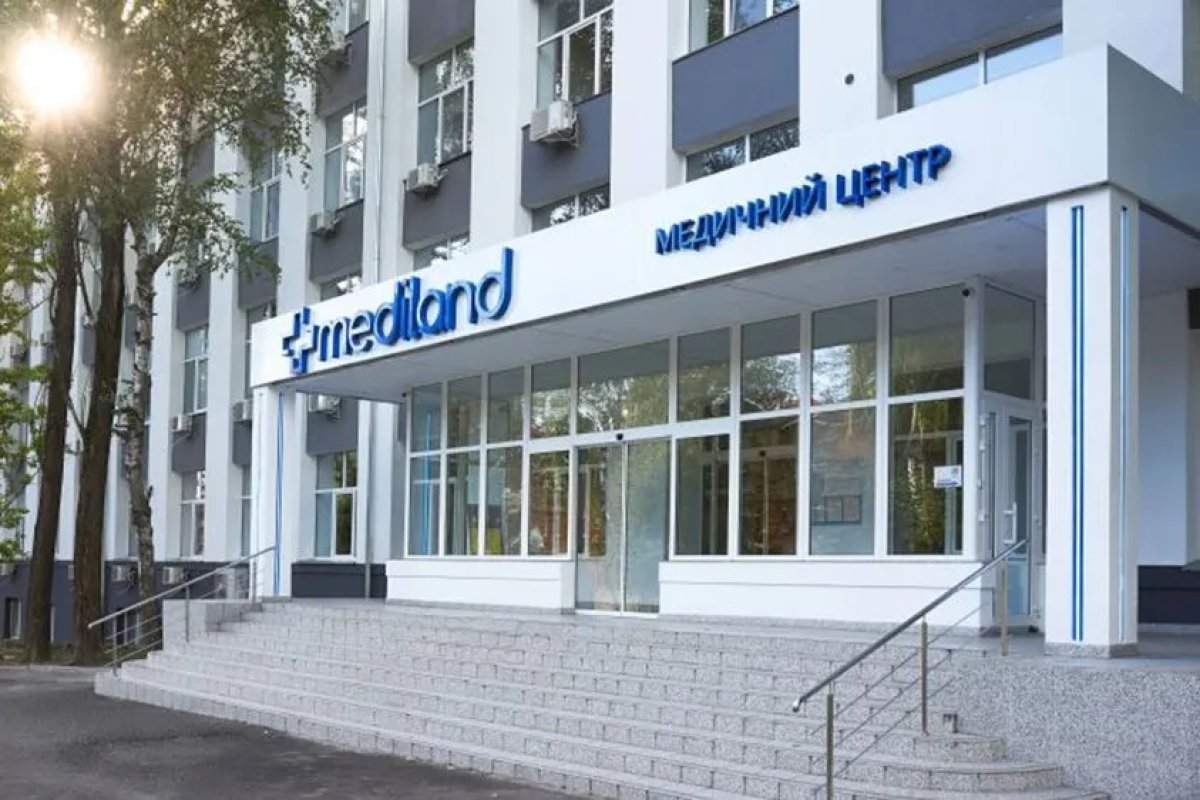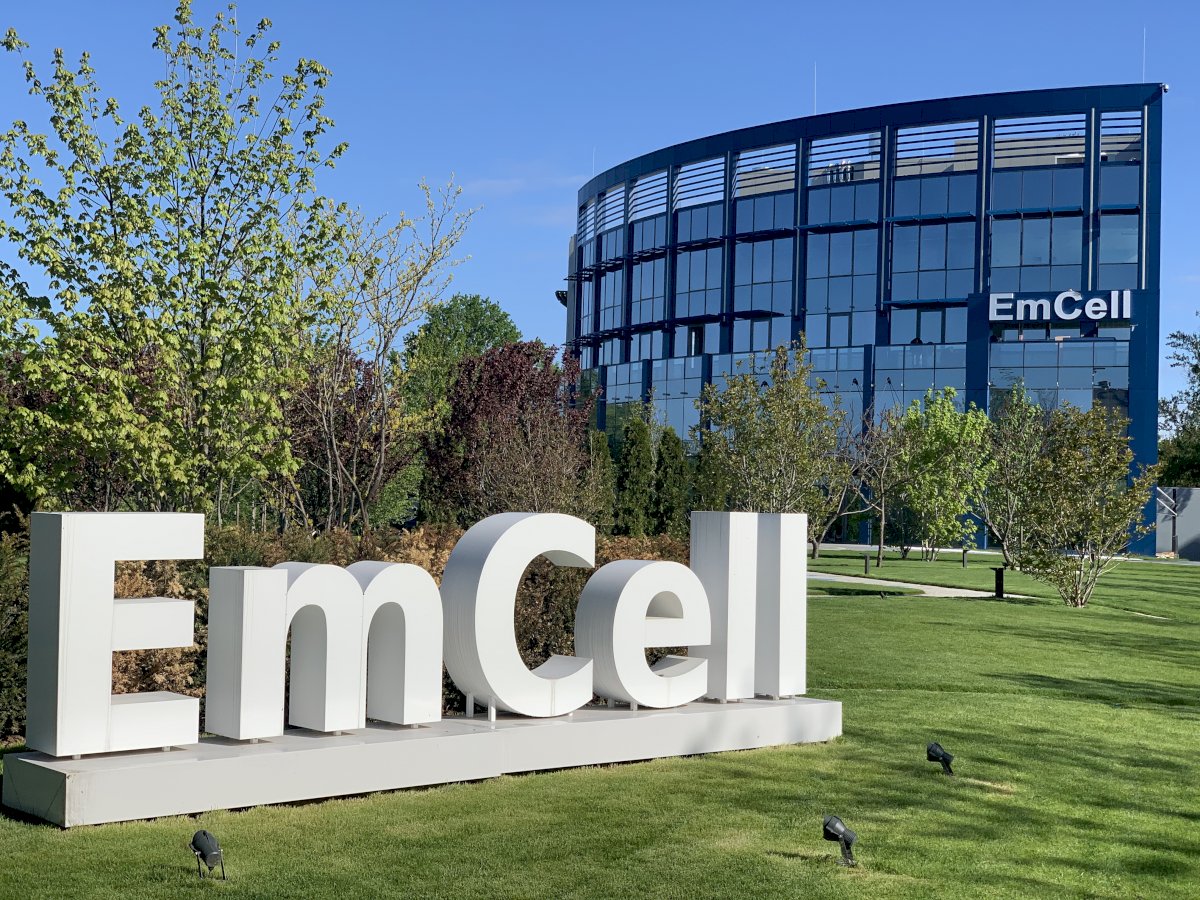
EmCell Cell Therapy Center
أوكرانيا, كييف


تمت مراجعة المقالة طبيا من قبل
فهد مولود
| أوكرانيا | تركيا | إسبانيا | |
|---|---|---|---|
| محفز الحبل الشوكي (SCS) | ≈ $13,500 | من $16,000 | من $22,000 |
| العلاج مكركرنت | ≈ $250 | ≈ $450 | ≈ $450 |
| العلاج بالخلايا الجذعية للألم المزمن | من $7,800 | ≈ $6,500 | ≈ $2,200 |


يتمتع الدكتور ياروسلاف ميروشنيكوف بـ 30 سنة من الخبرة في طب المسالك البولية وأمراض الذكورة، ويقود مركز رينيسانس تكنولوجي الطبي.

يتخصص الدكتور فيداش-كيرسانوف في إدارة الألم المزمن، ويقدم علاجات مستهدفة في مركز إمبولس الطبي.
 Anna Leonova
تقدم أوكرانيا إدارة متقدمة للألم التدخلي بما في ذلك تحفيز الحبل الشوكي، وحقن الخلايا الجذعية الوسيطة، وإعادة التأهيل العصبي المتخصص. تستخدم الشبكات الخاصة الرائدة في كييف كتل الأعصاب الموجهة بالموجات فوق الصوتية والتحفيز العصبي لاستهداف حالات الاعتلال العصبي المزمن والحالات العضلية الهيكلية. تدمج الفرق متعددة التخصصات أدوات إعادة التأهيل الرقمي مع بروتوكولات الطب التجديدي.
رؤية خبير Bookimed: أصبحت كييف مركزاً رئيسياً لإدارة الألم التجديدي. تتخصص مرافق مثل EmCell و Renaissance Technology Clinic في بروتوكولات فريدة للخلايا الجذعية. غالباً ما تكون هذه المراكز بدائل للمرضى الذين يبحثون عن علاجات بيولوجية بدلاً من الغرسات الجراحية الدائمة. تدير الشبكات متعددة التخصصات مثل Dobrobut أكثر من 330,000 مريض سنوياً. وهي تجمع بين جراحة العظام وكتل الألم التي يقودها أطباء الأعصاب للحصول على رعاية شاملة.
إجماع المرضى: يلاحظ المرضى أن العيادات الخاصة في كييف توفر وصولاً أسرع إلى المعدات عالية التقنية مثل الهياكل الخ
إن الحصول على الأفيونيات القوية لعلاج الألم المزمن غير السرطاني في أوكرانيا قانوني ولكنه يتطلب إجراءات سريرية دقيقة. يمكن للأطباء وصف كمية تكفي لمدة تصل إلى 15 يوماً للاستخدام المنزلي. ومع ذلك، غالباً ما يواجه المرضى تردداً من مقدمي الخدمة وشبكة محدودة من الصيدليات المرخصة. يلزم تقديم وثائق طبية شاملة.
رؤية خبير Bookimed: تظهر البيانات من الشبكات الطبية مثل Dobrobut أن المراكز الكبيرة متعددة التخصصات تقدم دعماً تشخيصياً أكثر موثوقية. يركز أطباء الأعصاب مثل الدكتور ياروسلاف ميروشنيكوف أو الدكتور لوزوفوي يوري فلاديميروفيتش على بروتوكولات معقدة. غالباً ما توفر العيادات ذات الكثافة العالية نتائج التصوير بالرنين المغناطيسي وتخطيط العضلات الكهربائي التفصيلية اللازمة لتبرير وصفات الأفيونيات.
إجماع المرضى: يشير المرضى إلى أن الأطباء غالباً ما يفضلون وصف الترامادول أو الجابابنتين قبل التفكير في أفيونيات أقوى. من المهم إحضار السجلات الطبية الكاملة إلى الأخصائيين في العيادات الخاصة في كييف لإثبات فشل العلاجات الأخرى.
تحد الحرب بشكل كبير من الوصول إلى إدارة الألم المزمن من خلال تدمير البنية التحتية الطبية وقطع سلاسل توريد الأدوية. غالبًا ما تحول عيادات الألم المتخصصة تركيزها إلى رعاية الإصابات الحادة. كما يؤدي نزوح الموظفين الخبراء وانقطاع التيار الكهربائي إلى تأخير الإجراءات غير الطارئة مثل حقن الأعصاب أو تحفيز النخاع الشوكي.
رؤية خبير Bookimed: بينما تواجه البنية التحتية العامة ضغوطاً، تكيفت الشبكات الخاصة في كييف من خلال دمج طاقة احتياطية ومختبرات مستقلة. على سبيل المثال، يحتفظ مركز Impuls الطبي بخمسة أقسام مع إمدادات أكسجين مخصصة وأجهزة تنفس. تسمح هذه المرونة لهم بخدمة أكثر من 6000 مريض سنوياً على الرغم من عدم الاستقرار الإقليمي المستمر.
إجماع المرضى: يلاحظ المرضى أن الحصول على مسكنات ألم قوية يتطلب غالباً التواصل عبر تليجرام أو مساعدة من الأقارب في بولندا. يوصي الكثيرون بالانتقال إلى المدن الغربية مثل لفيف للحصول على وصول أكثر اتساقاً إلى علاجات المنتجعات الطبية وإعادة التأهيل.
يمكن للمرضى في أوكرانيا الوصول إلى علاج متخصص للألم المزمن من خلال الاستشارات الافتراضية، أو الشبكات الطبية الدولية، أو السفر إلى دول الاتحاد الأوروبي المجاورة. توفر المراكز الرائدة في كييف خيارات تجديدية وجراحة أعصاب متقدمة. غالبًا ما توفر المنظمات الإنسانية ومجموعات الطيارين المتطوعين منحًا للنقل لتلقي الرعاية خارج المنطقة.
رؤية خبير Bookimed: على الرغم من أن التوفر المحلي للعلاجات النادرة مثل محفزات الحبل الشوكي قد يكون محدودًا، تظل كييف مركزًا إقليميًا لأبحاث الخلايا الجذعية. تدير عيادة Renaissance Technology وEmCell أكثر من 600 مريض سنويًا، مع التركيز على تجديد الجهاز العضلي الهيكلي والجهاز العصبي. بالنسبة للاحتياجات الجراحية المعقدة، تحافظ مستشفيات مثل Dobrobut على معايير ISO وتجري أكثر من 11,000 عملية سنويًا. غالبًا ما يؤدي هذا الحجم الكبير إلى فترات انتظار أقصر مقارنة بأنظمة الصحة العامة في أوروبا الغربية.
إجماع المرضى: يشير المرضى إلى أنه حتى في الأوقات الصعبة، يمكن للبروتوكولات عن بُ
أثناء زيارة تقييم الألم، اسأل عن السبب الكامن وراء الألم واختبارات التشخيص المحددة المطلوبة. في أوكرانيا، يجب على المرضى توضيح مدى توفر العلاجات الحديثة مثل العلاج بالخلايا الجذعية الجنينية أو محفزات الحبل الشوكي. غالبًا ما تكمل هذه الخيارات المبتكرة الرعاية العصبية التقليدية وبروتوكولات إعادة التأهيل البدني.
رؤية خبير Bookimed: تدير العيادات الأوكرانية مثل Dobrobut وImpuls أعدادًا كبيرة من المرضى، حيث يجري بعض الجراحين أكثر من 11,000 عملية جراحية سنويًا. تعني هذه الكثافة العالية أن الأطباء غالبًا ما يتمتعون بخبرة عملية واسعة في مشاكل الأعصاب والعمود الفقري المعقدة. عند اختيار أخصائي، ابحث عن أولئك الذين لديهم أكثر من 20 عامًا من الخبرة لضمان أنهم قد واجهوا تحديات تشخيصية متنوعة.
إجماع المرضى: يشير المرضى إلى أنه من الضروري السؤال عن نقص الأدوية بسبب مشاكل لوجستية حديثة. كما يوصون بتوثيق جميع الإجابات لضمان أن يق