علاج ألم مزمن في إسرائيل — احصل على 3 عيادات مختارة خصيصاً لك


تمت مراجعة المقالة طبيا من قبل
فهد مولود
كيف نعمل؟
ما هي تكلفة ألم مزمن إجراءات التشخيص والعلاج في إسرائيل؟ اعرف الآن
| إسرائيل | تركيا | إسبانيا | |
|---|---|---|---|
| محفز الحبل الشوكي (SCS) | ≈ $32,000 | من $16,000 | من $22,000 |
| العلاج مكركرنت | ≈ $450 | ≈ $450 | ≈ $450 |
| العلاج بالخلايا الجذعية للألم المزمن | ≈ $4,500 | ≈ $6,500 | ≈ $2,200 |
اكتشف أفضل ألم مزمن العيادات في إسرائيل: 5 خيارات معتمدة والأسعار









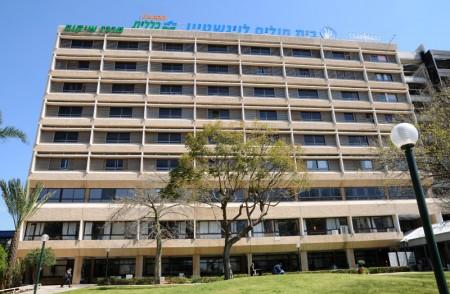
Loewenstein hospital Rehabilitation center

Reuth Rehabilitation Сenter
احصل على تقييم طبي لـ في إسرائيل. استشر الآن 7 أطباء ذوي الخبرة.
عرض جميع الأطباء
Aviva Fatal-valevsky
مديرة وحدة طب أعصاب الأطفال في مركز سوراسكي الطبي – أفيفا فاتال-فاليفسكي متخصصة في الاضطرابات العصبية الوراثية في الدماغ لدى الأطفال.
- أكثر من _doctor_36_عاماً_ من الخبرة في طب أعصاب الأطفال
- عضو في العديد من الجمعيات الطبية المرموقة بما في ذلك الجمعية الأوروبية لطب أعصاب الأطفال
- تخرجت من كلية ساكلر للطب بجامعة تل أبيب

Rotstein Michael
يتخصص الدكتور مايكل روتشتاين في علاج اضطرابات الجهاز العصبي لدى الأطفال، ويتمتع بخبرة من مستشفى دانا للأطفال والمركز الطبي لجامعة كولومبيا.
- متخصص في طب أعصاب الأطفال مع التركيز على الزهري العصبي والتهاب الدماغ
- تدرب في الجامعة العبرية في القدس، كلية الطب
- مرتبط بالمركز الطبي سوراسكي (إيخيلوف)

Mosek Amnon
تخرج الدكتور أمنون من جامعة تل أبيب - إحدى أفضل كليات الطب في أوروبا - وهو حاصل على شهادة البورد في الطب الصيني من سريلانكا.
- خبير في تحفيز العصب المبهم وفصادة البلازما لعلاج الصداع وآلام الوجه
- علاجات متقدمة تستهدف حالات الألم المزمن المعقدة
- مؤهل في الطب الصيني من سريلانكا

Veronika Chernuha
يتخصص الدكتور تشيرنوها في طب أعصاب الأطفال مع تدريب متقدم في علاج الصرع المقاوم للأدوية، ويعالج الأطفال في مركز سوراسكي الطبي.
- أكمل الإقامة في طب الأطفال في مركز إيميك الطبي
- مؤلف 8 أوراق علمية في طب أعصاب الأطفال
- عضو في الرابطة الدولية لمكافحة الصرع
- تدرب في بروكسل على علاجات الصرع المتقدمة
مشاركة المحتوى
قصص فيديو من مرضى Bookimed
 Anna Leonova
أسئلة متكررة حول علاج ألم مزمن في إسرائيل
ما هي حالات الألم المزمن الأكثر شيوعاً التي يتم علاجها في إسرائيل، وما هي العلاجات التي يتم تقديمها عادةً؟
تعالج مراكز الألم المزمن في إسرائيل بشكل أساسي آلام أسفل الظهر (36%)، والصداع النصفي (21%)، وآلام الرقبة (14%). تشمل الخيارات العلاجية التعديل العصبي المتقدم، والقنب الطبي، والطب التجديدي. توفر مرافق مثل مركز سوراسكي الطبي ومركز أسوتا الطبي رعاية متعددة التخصصات من خلال بروتوكولات معتمدة من اللجنة الدولية المشتركة (JCI) وإعادة تأهيل متخصصة.
- تقنيات التعديل العصبي: تقدم العيادات محفزات الحبل الشوكي (SCS) واستئصال الترددات الراديوية للألم المرتبط بالأعصاب.
- طب الأعصاب المتخصص: يعالج خبراء مثل الدكتور موسيك أمنون الصداع المقاوم للأدوية باستخدام تحفيز العصب المبهم.
- العلاجات التجديدية: يستخدم مقدمو الخدمة العلاج بالخلايا الجذعية والبلازما الغنية بالصفائح الدموية (PRP) لمشاكل المفاصل.
- التركيز على إعادة التأهيل: تتخصص مراكز مثل لوينشتاين وريوث في برامج التعافي العصبي والعظام.
رؤية خبير Bookimed: يتميز علاج الألم في إسرائيل بالتركيز العالي للخبرة العصبية في تل أبيب. في مركز سوراسكي الطبي وحده، يعمل أكثر من 2200 طبيب في 240 قسماً. تسمح هذه الكثافة باستشارة متقاطعة فورية بين متخصصي الألم وجراحي الأعصاب. يستفيد المرضى الذين يعانون من حالات معقدة مثل الألم المرتبط بمرض باركنسون أو الصداع النصفي المقاوم للعلاج من هذا النهج المتكامل، والذي غالباً ما يتضمن بروتوكولات مبتكرة طورها باحثو العيادة أنفسهم.
إجماع المرضى: يشير المرضى إلى أن العيادات الخاصة توفر وصولاً أسرع بكثير إلى العلاجات المتقدمة مثل العلاج بالأوزون أو حقن الكيتامين
ما مدى أمان الأجهزة القابلة للزرع (محفزات الحبل الشوكي، المضخات داخل القراب) في إسرائيل، وكيف يتم تقليل المضاعفات؟
تعتبر الأجهزة القابلة للزرع آمنة للغاية في إسرائيل بفضل الرقابة الصارمة من وزارة الصحة والالتزام بمعايير إدارة الغذاء والدواء الأمريكية (FDA) وعلامة CE الأوروبية. تعمل المراكز الرائدة على تقليل المضاعفات من خلال فترات تجريبية إلزامية واختيار دقيق للمرضى. يستخدم الجراحون المتخصصون تقنيات جلدية طفيفة التوغل لضمان استقرار الجهاز على المدى الطويل.
- الرقابة التنظيمية: تفرض إدارة الأجهزة الطبية بوزارة الصحة (AMAR) معايير التصنيع ISO 13485.
- مكافحة العدوى: تحافظ بروتوكولات المضادات الحيوية المحيطة بالجراحة والضمادات الانسدادية على معدلات العدوى السريرية عند حوالي 2.5%.
- التثبيت المتقدم: يتم تقليل مخاطر هجرة الأسلاك من خلال الأساليب الجلدية المحسنة والخبرة الجراحية الكبيرة.
- ضمان السلامة: يتم تسجيل الأجهزة ذات الأداء الأمني العالمي المثبت فقط للاستخدام في إسرائيل.
رؤية خبير Bookimed: تُظهر المراكز الطبية الإسرائيلية مستوى عالٍ من الدقة الجراحية من خلال إجراء أعداد هائلة من العمليات. على سبيل المثال، يجري مركز أسوتا الطبي 92,000 عملية سنويًا، بينما يخدم مركز سوراسكي الطبي 1,800,000 مريض. تسمح هذه الكثافة الإجرائية العالية للوحدات المتخصصة بتحسين تقنيات الزرع، وهو أمر أساسي للحفاظ على انخفاض معدلات المضاعفات المرتبطة بالأجهزة.
إجماع المرضى: يؤكد المرضى أن فترة تجريبية ممتدة لا تقل عن أسبوعين أمر حيوي لتجنب الندم في المستقبل. كما يشيرون إلى أن اختيار المراكز ذات الحجم الكبير يساعد في ضمان أن الجراحين لديهم خبرة في التعامل مع مش
ما هي المؤهلات التي يجب أن أبحث عنها في أخصائي الألم الإسرائيلي الذي يجري إجراءات الترددات الراديوية أو محفز الحبل الشوكي؟
يجب أن يحمل أخصائيو الألم الإسرائيليون المؤهلون شهادة أساسية في التخدير أو جراحة الأعصاب أو طب الأعصاب. يجب عليهم إكمال تخصص فرعي في طب الألم لمدة 27 شهراً معترف به من قبل الجمعية الطبية الإسرائيلية. ابحث عن الخبراء الذين يمارسون عملهم في مرافق معتمدة من قبل اللجنة الدولية المشتركة (JCI) مثل مركز سوراسكي الطبي أو مركز أسوتا الطبي.
- شهادة التخصص الفرعي: يجب على الأطباء اجتياز الامتحانات الوطنية بعد تدريب متخصص في وحدة الألم المزمن.
- المؤهلات الدولية: تعطى الأولوية لزملاء ممارسة الألم التداخلية (FIPP) من WIP.
- حجم الإجراءات: غالباً ما يقوم الممارسون رفيعو المستوى بإجراء ما لا يقل عن 100 عملية زرع محفز للحبل الشوكي.
- اعتماد المرافق: عادة ما يعمل كبار الأخصائيين في مستشفيات معتمدة من قبل اللجنة الدولية المشتركة (JCI).
- التدريب على التعديل العصبي: يجب أن يكون لدى الجراحين تدريب محدد معترف به من قبل جمعية التعديل العصبي في أمريكا الشمالية (NANS).
رؤية خبراء Bookimed: تظهر البيانات من المراكز الكبرى مثل مركز سوراسكي الطبي اتجاهاً نحو الفرق متعددة التخصصات. بينما يقوم الجراح بإجراء الزرع، غالباً ما تضم العيادات التي يعمل بها أكثر من 2000 طبيب أطباء أعصاب مخصصين للبرمجة بعد الجراحة. هذا النهج التعاوني يحسن بشكل كبير نتائج إدارة الألم على المدى الطويل مقارنة بالممارسات الفردية.
إجماع المرضى: يؤكد المرضى على اختيار الأطباء الذين يجرون إجراءات موجهة بالتنظير التألقي يومياً لضمان الدقة. كما يوصون بالتحقق
كم من الوقت أحتاج للبقاء في إسرائيل لعلاج محفز الحبل الشوكي، وكيف يبدو الجدول الزمني المعتاد للسفر؟
بالنسبة لمحفز الحبل الشوكي في إسرائيل، خطط لإقامة تتراوح بين 10 إلى 14 يوماً لإجراء تجربة من مرحلة واحدة. إذا كنت ستجمع بين التجربة والزرع الدائم، فستمتد الرحلة إلى 3 أو 4 أسابيع. يضمن هذا الإطار الزمني وضع الأقطاب الكهربائية بشكل صحيح، والشفاء، والبرمجة الأولية للجهاز.
- مرحلة التجربة: تبقى الأقطاب الكهربائية المؤقتة في مكانها لمدة 5 إلى 7 أيام للاختبار.
- المراقبة الإلزامية: عادة ما يطلب الجراحون من 48 إلى 72 ساعة من المراقبة بعد الزرع للمرضى الدوليين.
- فترة الشفاء: ينتظر المرضى من أسبوعين إلى 4 أسابيع بين نجاح التجربة والزرع الجراحي الدائم.
- قيود السفر: ينصح معظم جراحي الأعصاب بالانتظار لمدة 10 أيام على الأقل بعد الجراحة قبل السفر جواً إلى الوطن.
رؤية خبراء Bookimed: غالباً ما تعالج المراكز الطبية الإسرائيلية مثل سوراسكي أو أسوتا أكبر عدد من المرضى في المنطقة. تشير بياناتنا إلى اختيار مركز به أقسام إعادة تأهيل متخصصة، مثل لوفنشتاين، إذا كان ألمك المزمن يتطلب تعديلاً مكثفاً بعد الجراحة. يمكن لهذا النهج المتكامل أن يقلل من معدل المراجعة البالغ 30% الذي يُلاحظ أحياناً عندما يتم التعجل في البرمجة بسبب السفر.
إجماع المرضى: يؤكد المرضى على أهمية الاستعداد لاحتمالية تمديد الإقامة وتأمين تأمين السفر. ويشيرون إلى أن البقاء لمدة 3 أسابيع على الأقل يمنع حدوث مشاكل في البرمجة عن بُعد للجهاز بمجرد العودة إلى المنزل.
ما هي الآثار الجانبية أو المخاطر المرتبطة بالاستئصال بالترددات الراديوية (RFA) للفروع الإنسية أو العقدة الجذرية الظهرية (DRG)، وكيف يتم تخفيفها؟
يعد الاستئصال بالترددات الراديوية للفروع الإنسية أو العقدة الجذرية الظهرية (DRG) آمناً بشكل عام. تشمل الآثار الجانبية الشائعة ألماً موضعياً مؤقتاً أو شعوراً بحروق الشمس يستمر لمدة تصل إلى أسبوعين. تشمل المخاطر النادرة التهاب الأعصاب أو إصابة الأعصاب. يقوم المتخصصون بتخفيف هذه المخاطر باستخدام التنظير التألقي المباشر والاختبارات الحسية.
- التصوير الدقيق: يستخدم المتخصصون التنظير التألقي أو الموجات فوق الصوتية لضمان وضع الإبرة بدقة بالقرب من الأعصاب.
- اختبارات السلامة: يقوم الأطباء بتطبيق تيارات كهربائية للتأكد من أن الإبرة تتجنب الأعصاب الحركية.
- إدارة الألم: يتم التعامل مع نوبات الألم بعد الإجراء بالثلج، أو مضادات الالتهاب غير الستيرويدية، أو التخفيض التدريجي لجرعات الجابابنتين.
- بروتوكولات صارمة: تقلل التقنيات المعقمة وإيقاف مميعات الدم من مخاطر العدوى والنزيف.
رؤية خبير Bookimed: تتعامل المراكز الإسرائيلية مثل مركز سوراسكي الطبي وأسوتا مع أعداد هائلة من المرضى، حيث تجري ما بين 34,000 إلى 92,000 عملية سنوياً. غالباً ما يرتبط هذا التكرار العالي للإجراءات ببروتوكولات سلامة محسنة. بالنسبة لإجراءات العقدة الجذرية الظهرية المعقدة، فإن اختيار هذه المرافق ذات الحجم الكبير والمعتمدة من اللجنة الدولية المشتركة (JCI) يضمن الوصول إلى فرق متعددة التخصصات. تضم هذه الفرق كبار أطباء الأعصاب والأساتذة المتخصصين في تحديد موانع الاستعمال النادرة قبل بدء الإجراء.
إجماع المرضى: يؤكد المرضى على أهمية إجراء ما لا يقل عن كتلتين تشخيصيتين ن
هل تعتبر الوثائق باللغة العبرية فقط عائقاً أمام الأجانب الذين يخضعون لعلاج الألم المزمن في إسرائيل؟
تظل الوثائق باللغة العبرية فقط عقبة يمكن إدارتها للأجانب الذين يسعون للحصول على علاج للألم المزمن في إسرائيل. على الرغم من أن السجلات الطبية الأساسية باللغة العبرية، إلا أن المراكز المعتمدة من قبل اللجنة الدولية المشتركة (JCI) مثل سوراسكي وأسوتا توفر ملخصات باللغة الإنجليزية عند الطلب. يتمتع المرضى بحق قانوني في الحصول على ملخصات سريرية مترجمة لأغراض التأمين الدولي أو استمرار الرعاية.
- الحقوق القانونية: يمكن للمرضى طلب ملخصات طبية مفصلة باللغة الإنجليزية لأغراض التأمين أو السفر.
- المعايير المعتمدة: تلتزم المرافق المعتمدة من JCI مثل مركز رامبام الطبي ببروتوكولات اتصال دولية صارمة.
- أنظمة الدعم: توظف المستشفيات الكبرى منسقين طبيين للمساعدة في ترجمة استشارات الألم المعقدة.
- ميزة القطاع الخاص: غالباً ما توفر العيادات الخاصة مثل مركز أسوتا الطبي دعماً إدارياً ثنائي اللغة بشكل أكبر.
رؤية خبير Bookimed: بينما تتعامل المستشفيات العامة مع أحجام هائلة من المرضى، حيث يستقبل سوراسكي أكثر من 400,000 مريض سنوياً، توفر المرافق الخاصة تجربة أكثر سلاسة لغير الناطقين بالعبرية. تظهر البيانات أن المراكز الأكبر مثل رامبام أو سوراسكي تمتلك البنية التحتية للمرضى الدوليين. ومع ذلك، فإن اختيار عيادة خاصة يضمن غالباً وصولاً أسرع إلى موظفين ثنائيي اللغة وأوراق خروج مترجمة مسبقاً.
إجماع المرضى: يشير المرضى إلى أنه على الرغم من أن نماذج القبول غالباً ما تكون باللغة العبرية في المقام الأول، إلا أن الأطباء والممرضين ينتقلون بسهولة إلى اللغة الإنجل
ما هي خدمات الرعاية اللاحقة التي يمكن لمرضى الألم المزمن توقعها بمجرد عودتهم إلى بلدهم الأصلي؟
تتضمن رعاية الألم المزمن اللاحقة الانتقال من الإشراف السريري الإسرائيلي إلى خطة متعددة التخصصات في المنزل. تشمل هذه العملية فحوصات طبية محلية، وعلاجاً طبيعياً، واستشارات عن بُعد مع متخصصين إسرائيليين. يتلقى المرضى ملخصات خروج مفصلة ونتائج التصوير لضمان تسليم سلس لمقدمي الرعاية الصحية المحليين.
- التسليم الطبي: اتصل بطبيب محلي في غضون 24 ساعة من العودة إلى المنزل.
- نقل الوثائق: قدم ملخصات الخروج والتصوير لمقدمي الخدمة المحليين في غضون 72 ساعة.
- الاستشارات عن بُعد: استخدم الطب عن بُعد أو البريد الإلكتروني للمتابعة مع منشأة العلاج الإسرائيلية الخاصة بك.
- خطة إعادة التأهيل: اتبع بروتوكولات العلاج الطبيعي المخصصة وبرامج الحركة التي تعتمد على مبدأ `ابدأ منخفضاً، تقدم ببطء` (start low, go slow).
رؤية خبير Bookimed: تخدم المراكز الإسرائيلية مثل مركز سوراسكي الطبي (إيخيلوف) ومركز رامبام الطبي أكثر من 1,000,000 مريض سنوياً بشكل مشترك. هذا الحجم الكبير يعني أن وثائقهم تتبع معايير دولية صارمة. إحدى المزايا الرئيسية للمنشآت الكبيرة المعتمدة من JCI هي دمج السجلات الصحية الإلكترونية (EHR). تعمل هذه التكنولوجيا على تبسيط نقل بروتوكولات إدارة الألم المعقدة إلى طبيبك المحلي.
إجماع المرضى: يشير المرضى إلى أنه من المهم ترتيب موعد مع طبيب عام محلي قبل السفر. ويوصون بالحصول على جميع صور الأشعة بتنسيقات عالمية لتجنب مشاكل القراءة في مراكز الأشعة المحلية.
لماذا تُعد إسرائيل واحدة من الوجهات الرائدة في جراحة الأعصاب؟
تُعدّ إسرائيل مركزًا رائدًا في جراحة الأعصاب بفضل مزيجها من التطورات الطبية عالية التقنية والخبرات الجراحية المتميزة. وتستخدم مرافق متطورة مثل مركز شيبا الطبي أنظمة ملاحة تعتمد على الذكاء الاصطناعي والتصوير بالرنين المغناطيسي أثناء الجراحة في الوقت الفعلي. وتشير المراكز المتخصصة إلى نسبة نجاح تصل إلى 98% في العمليات الجراحية المعقدة، بما في ذلك جراحة الدماغ مع اليقظة وعلاج اضطرابات الحركة.
- التكنولوجيا المتقدمة: تستخدم العيادات الموجات فوق الصوتية المركزة الموجهة بالرنين المغناطيسي (MRgFUS) والأنظمة الروبوتية لإجراء الشقوق.
- الخبرة الجراحية: يقود جراحون مثل الدكتور تسفي رام جمعيات دولية بخبرة تزيد عن 25 عامًا.
- الوصول السريع: يمكن للمرضى الدوليين عادةً تحديد مواعيد لإجراء عمليات جراحية معقدة في الدماغ أو العمود الفقري في غضون 2-4 أسابيع.
- الرعاية الطبية المعتمدة: المراكز الكبيرة مثل سوراسكي (إيشيلوف) وأسوتا معتمدة من قبل اللجنة الدولية المشتركة، مما يؤكد سلامتها.
رأي خبراء بوكيمد: تُظهر البيانات فرقًا واضحًا بين خيارات العلاج في القطاعين العام والخاص في إسرائيل. تُجري المراكز الخاصة، مثل مركز أسوتا الطبي، أكثر من 92,000 عملية جراحية سنويًا، وتتيح للمرضى اختيار جراح را
ما هي أنواع الأمراض العصبية التي يتم علاجها في إسرائيل؟
يعالج جراحو الأعصاب الإسرائيليون طيفاً واسعاً من الحالات، بدءاً من أورام الدماغ والحبل الشوكي وصولاً إلى الاضطرابات الوظيفية المعقدة. وتستخدم المراكز المتخصصة أحدث التقنيات، مثل جهاز جاما نايف، والتحفيز العميق للدماغ، والتصوير بالرنين المغناطيسي أثناء الجراحة، لتشخيص دقيق للغاية لحالات الصرع، ومرض باركنسون، وأمراض الأوعية الدموية الدماغية.
- الأمراض السرطانية: علاج الأورام الدبقية والأورام السحائية وأورام الغدة النخامية باستخدام استئصال قاعدة الجمجمة.
- الاضطرابات الوظيفية: علاج مرض باركنسون والرعاش الأساسي باستخدام التحفيز العميق للدماغ.
- أمراض العمود الفقري: تصحيح الجنف، وانزلاق الغضروف، وأورام العمود الفقري باستخدام الأنظمة الروبوتية.
- علاج أمراض الأوعية الدموية الدماغية: العلاج الجراحي لتمدد الأوعية الدموية الدماغية والتشوهات الشريانية الوريدية باستخدام التدخلات داخل الأوعية الدموية.
- جراحة الأعصاب للأطفال: رعاية متخصصة لاستسقاء الرأس والتشوهات الخلقية في مراكز طب الأطفال المتخصصة.
رأي خبراء بوكيمد: غالبًا ما تجمع المستشفيات الإسرائيلية بين تخصصات طبية متعددة لمعالجة الحالات المعقدة. ففي مركز سوراسكي ا
ما هي المستشفيات في إسرائيل التي تشتهر بأقسام جراحة الأعصاب فيها؟
تضم إسرائيل مراكز جراحة أعصاب عالمية المستوى، مثل مركز سوراسكي الطبي، ومركز شيبا الطبي، ومركز هداسا الطبي. وتُعدّ هذه المؤسسات رائدة عالميًا في علاج أورام الدماغ المعقدة، وأمراض العمود الفقري، واضطرابات الحركة. وتستخدم أحدث التقنيات، مثل جهاز جاما نايف، والأنظمة الروبوتية، والتصوير بالرنين المغناطيسي أثناء الجراحة.
- سوراسكي (إيخيلوف): يجري أكثر من 2500 عملية جراحية عصبية سنوياً في تل أبيب بنسبة نجاح تبلغ 98%.
- مركز شيبا الطبي: مصنف ضمن أفضل عشرة مستشفيات في العالم، حيث يعالج 1.9 مليون مريض سنوياً.
- مركز هداسا الطبي: مرشح لجائزة نوبل للسلام. رائد في جراحة الأعصاب للأطفال والعلاج الجيني.
- مركز أسوتا الطبي: أكبر منشأة طبية خاصة في إسرائيل. متخصص في جراحات العمود الفقري والدماغ طفيفة التوغل.
- مستشفى شنايدر للأطفال: مركز رائد في جراحة الأعصاب للأطفال، يعالج 275000 طفل سنوياً.
رأي خبراء بوكيمد: تُظهر بياناتنا أنه بينما يلجأ معظم المرضى للعلاج في تل أبيب، يُقدّم مركز رامبام الطبي في حيفا رعايةً فريدةً لإصابات الدماغ. فهو يضم وحدةً متخصصةً للعناية المركزة العصبية تُعالج ما يقارب مليون مريض سنويًا. وهذا ما يجعله