العودة إلى الصفحة الرئيسية
820К+ مريضًا حصلوا على المساعدة منذ عام 2014
50 دول
1,500 عيادات
6K+ تقييمات
3K+ طبيب مؤهل

ما هي تكلفة ألم مزمن إجراءات التشخيص والعلاج في الصين؟ اعرف الآن

Chronic pain treatment cost in China typically depends on the underlying condition and chosen therapy. Direct medical expenses for specialized procedures like a spinal cord stimulator (SCS) range from $28,500 to $45,000, while stem cell therapy for chronic pain runs from $8,500 to $22,000. Total costs vary by clinic tier and treatment complexity. Patients often save 40-70% compared to the US. Top treatment hubs include Beijing and Shanghai.

Typical Chronic Pain Treatment Costs in China

  • Stem cell therapy for chronic pain: $8,500 – $22,000
  • Spinal cord stimulator (SCS): $28,500 – $45,000
  • Microcurrent therapy: $1,200 – $3,800

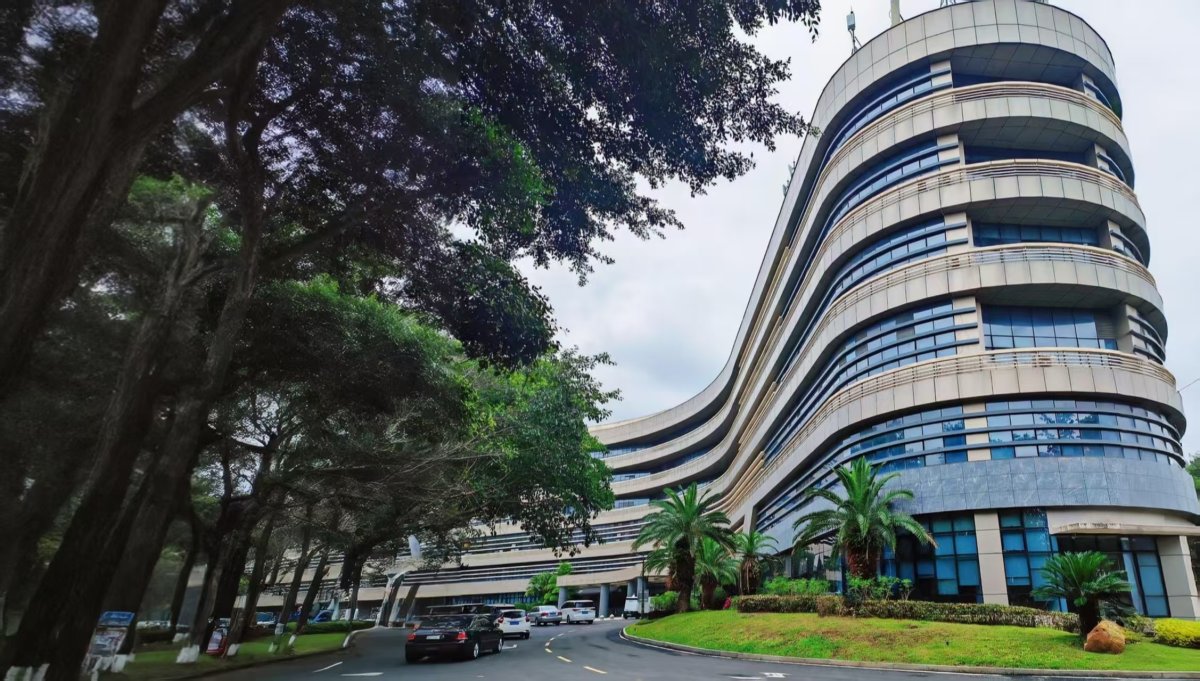
Bookimed Expert Insight: Patients with complex neurological pain benefit most from integrative approaches. Yanda International Hospital in Beijing is a Class A level III clinic. It combines modern Western technologies with traditional Chinese medicine. Director Fan Yun Pin specializes in multiple sclerosis and chronic headaches. This multidisciplinary approach is ideal for patients with difficult-to-treat chronic fatigue or encephalopathy. The facility maintains Joint Commission International (JCI) accreditation for safety.

الصينتركياإسبانيا
محفز الحبل الشوكي (SCS)من $28,500من $16,000من $15,000
العلاج بالخلايا الجذعية للألم المزمنمن $8,500من $6,500من $12,000
العلاج مكركرنتمن $1,150من $750-
تم التحقق من البيانات بواسطة Bookimed اعتبارًا من May 2026، استنادًا إلى طلبات المرضى والعروض الرسمية من 95 عيادة حول العالم. تستند التكاليف المتوسطة إلى الفواتير الحقيقية (2025–2026) ويتم تحديثها شهريًا. قد تختلف الأسعار الفعلية.

مزاياك وضماناتك مع Bookimed

أسعار مباشرة

Bookimed لا يضيف رسوماً إضافية على أسعار علاج ألم مزمن. الأسعار مأخوذة من قوائم الأسعار الرسمية للعيادات. تدفع مباشرة في العيادة مقابل علاجك عند وصولك إلى البلد.

عيادات وأطباء معتمدون فقط

Bookimed ملتزم بسلامتك. نحن نعمل فقط مع المؤسسات الطبية التي تحافظ على معايير دولية عالية في علاج ألم مزمن ولديها التراخيص اللازمة لخدمة المرضى الدوليين في جميع أنحاء العالم.

مساعدة مجانية على مدار الساعة

Bookimed يقدم مساعدة خبراء مجانية. منسق طبي شخصي يدعمك قبل وأثناء وبعد العلاج، ويحل أي مشاكل. لن تكون وحيداً أبداً في رحلة علاج ألم مزمن.

لماذا نحن؟

منسقك الطبي الشخصي في Bookimed

  • يدعمك في كل مرحلة
  • المساعدة في اختيار العيادة الطبية المناسبة والطبيب المناسب
  • يضمن الوصول السريع والمريح إلى المعلومات

احصلوا على تقييم طبي لـ ألم مزمن في الصين: استشيروا أطباء ذوي خبرة الآن

عرض جميع الأطباء
يؤكد

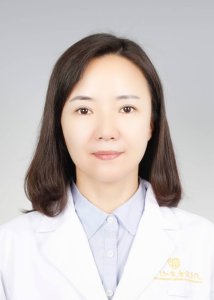
Fan Yun Pin

37سنة خبره ١٦ سنة

رائد في الطب السريري الصيني والغربي التكاملي - يجمع الدكتور فان بين التخصصين لمعالجة الألم المزمن بفعالية في مستشفى ياندا الدولي.

  • مدير الجمعية الوطنية للطب الصيني
  • رئيس مجموعة الطب الصيني والغربي التكاملي في المركز السريري الوطني للأمراض العصبية
  • مؤلف لأكثر من 180 مقالاً علمياً و8 كتب
  • حائز على جائزة بكين للعلوم والتكنولوجيا
  • موهبة سريرية وطنية متميزة في الطب الصيني

مشاركة المحتوى

Twitter XLinkedinFacebookWhatsAppEmail
أحصل على الرابط

قصص فيديو من مرضى Bookimed

Dayana
جمعت بين إجازتي في أنطاليا والفحص الطبي.
إجراء: فحص صحة الإناث (انظر فحص النساء)
Igor
كان رائعاً! التنقلات والإقامة والعلاج - كل شيء مشمول.
إجراء: زرع الأسنان
مستشفى: WestDent Clinic
Marina
قام Bookimed بكل شيء من أجلي. لم أضطر للقلق بشأن أي شيء.
إجراء: فحص صحة الإناث (انظر فحص النساء)
مستشفى: Severance Hospital
محدث: 05/27/2022
تأليف
Anna Leonova
Anna Leonova
رئيس فريق تسويق المحتوى
محررة طبية معتمدة لديها خبرة تزيد عن 10 سنوات، طوّرت محتوى Bookimed الموثوق، مدعومة بماجستير في علم اللغة ومقابلات مع خبراء طبيين من جميع أنحاء العالم.
تمت المراجعة من قبل المستشار الطبي في Bookimed
فهد مولود
محرر طبي وعالم بيانات
طبيب عام. حاصل على 4 جوائز علمية. خدم في غرب آسيا. رئيس الفريق الطبي الناطق بالعربية سابقا ومسؤول عن معالجة البيانات ودقة المحتوى الطبي حاليا.
فهد مولود Linkedin
قد تحتوي هذه الصفحة على معلومات تتعلق بمختلف الحالات الطبية والعلاجات وخدمات الرعاية الصحية المتوفرة في بلدان مختلفة. يرجى العلم أن المحتوى مقدم لأغراض إعلامية فقط ولا ينبغي تفسيره على أنه نصيحة أو إرشادات طبية. يرجى استشارة طبيبك أو أخصائي طبي مؤهل قبل البدء أو تغيير العلاج الطبي.

أسئلة متكررة حول علاج ألم مزمن في الصين

هذه الأسئلة الشائعة مأخوذة من مرضى حقيقيين يبحثون عن رعاية طبية عبر Bookimed. يتم تقديم الإجابات من قبل منسقين طبيين ذوي خبرة وممثلين موثوقين من العيادات.

How does Traditional Chinese Medicine (TCM) approach chronic pain?

Traditional Chinese Medicine (TCM) treats chronic pain by restoring the flow of vital energy and blood. Practitioners identify blockages like Qi stagnation or blood stasis. They use acupuncture, herbal medicine, and moxibustion to address root imbalances. This holistic approach integrates physical and energetic healing.

  • Acupuncture therapy: Stimulates nervous systems to release natural painkillers like endorphins.
  • Herbal formulations: Uses customized plants like Corydalis or Turmeric to balance internal energy.
  • Integrative care: Some centers combine TCM with international protocols for neurology and rheumatology.
  • Pattern diagnosis: Experts analyze tongue and pulse to identify specific disharmony patterns.

Bookimed Expert Insight: High-volume centers like Yanda International Hospital serve 2,500,000 patients annually. They use an integrative model where traditional methods support 28,500 modern technologies. This fusion often allows clinicians like Dr. Fan Yun Pin to manage complex neurological pain. This scale provides a level of clinical data rarely seen in Western private practices.

Patient Consensus: Patients note that combining cupping with acupuncture provides deeper fascia relief than medication alone. Many emphasize that hospital-grade herbs are essential to avoid quality issues and ensure safe results.

What integrative strategies do top Chinese hospitals use for chronic pain?

Top Chinese hospitals use a multimodal strategy combining Western interventional techniques with Traditional Chinese Medicine (TCM). Grade 3A institutions like Yanda International Hospital integrate nerve blocks and spinal cord stimulation with acupuncture and tuina massage. This dual approach aims to reduce opioid reliance and enhance functional recovery for chronic conditions.

  • Interdisciplinary care: Centers integrate anesthesiology, neurosurgery, and TCM into single patient-care pathways.
  • Acupuncture-centric protocols: Electroacupuncture is used with Western pharmacotherapy to manage complex neuropathic pain.
  • TCM differentiation: Doctors use pulse and tongue diagnostics to tailor custom herbal formulas.
  • Mind-body rehabilitation: Hospitals incorporate Tai Chi and Qi Gong to improve mobility and distress.

Bookimed Expert Insight: Yanda International Hospital functions as a Class A level III clinic, the highest tier in China. This status allows specialists like Dr. Fan Yun Pin to bridge international protocols with TCM. Our data shows these large-scale facilities manage 2,500,000 patients annually. This high volume ensures doctors are experts in identifying which specific pain patterns respond best to integrative versus purely Western methods.

Patient Consensus: Patients note that daily acupuncture sessions can significantly reduce sciatica pain within a single week. Many emphasize using herbal patches and tuina massage as effective alternatives to surgery for chronic knee and back issues.

Is acupuncture in China safe and regulated for foreign patients?

Acupuncture in China is safe and highly regulated within the national healthcare system. Licensed practitioners must hold medical degrees and complete specialized residencies. The State Administration of Traditional Chinese Medicine enforces strict hygiene standards. Facilities use single-use sterile needles to ensure patient safety.

  • Government oversight: Official practitioners follow licensing standards identical to Western medical doctors.
  • Hygiene protocols: Hospitals must use single-use needles and routine disinfection to prevent infections.
  • Facility grading: Class A Level III hospitals represent the highest tier of medical care.
  • International departments: Major hospitals provide specialized units with better language support for foreigners.

Bookimed Expert Insight: While many search for local clinics, our data shows a clear advantage in Class A Level III centers. Specifically, Yanda International Hospital holds JCI accreditation for meeting global safety goals. This clinic treats 2,500,000 patients annually and manages complex cases within 39 specialized departments. Choosing these high-volume centers ensures access to specialized leaders like Dr. Fan Yun Pin.

Patient Consensus: Patients recommend choosing TCM departments in top-tier hospitals over spas for better safety. They suggest using translator apps and verifying that needles are disposable before starting sessions.

How long is a typical integrative pain-rehabilitation stay and what does recovery involve?

Integrative pain rehabilitation in China typically lasts from 3 to 10 weeks. Inpatient stays for complex cases often average 28 to 56 days. Recovery focuses on functional restoration through multidisciplinary protocols. These programs blend Western medical technology with traditional Chinese medicine to improve daily quality of life.

  • Program duration: Intensive inpatient programs generally require a 3 to 4-week stay.
  • Treatment approaches: Protocols include spinal cord stimulation, microcurrent therapy, and stem cell injections.
  • Integrated methods: Recovery combines acupuncture, medicinal herbs, and qigong with standard physical restoration.
  • Functional goals: Therapy emphasizes core strengthening and graded activity to restore social participation.

Bookimed Expert Insight: China offers a unique advantage for chronic pain through Class A Level III hospitals like Yanda International Hospital. These facilities integrate traditional Chinese medicine with over 28,500 modern technologies. Patients benefit from specialists like Prof. Dr. Fan Yun Pin. He holds leadership roles in both national Chinese medicine and integrative western medicine associations. This dual expertise ensures a comprehensive recovery plan that targets neurological and metabolic pain triggers simultaneously.

Patient Consensus: Patients note that recovery is a long-term commitment requiring 6 to 12 months of daily exercises. They emphasize that while there is no magic pill, sticking to the phased home protocols leads to sustainable gains.

What diagnostics are performed before starting TCM pain therapy?

Traditional Chinese Medicine diagnostics for pain prioritize the Four Diagnostic Methods: inspection, auscultation, inquiry, and palpation. Practitioners analyze tongue characteristics and radial pulse patterns to identify specific syndromes. This process determines the flow of Qi and blood before starting any therapy.

  • Tongue diagnosis: Practitioners examine color, shape, and coating to assess internal organ health.
  • Pulse palpation: Doctors feel the radial artery at three depths to detect meridian imbalances.
  • Inquiry interview: Consultations focus on sleep, digestion, and emotions alongside specific pain triggers.
  • Physical assessment: Specialists inspect posture and movement while identifying Ashi (painful) points on meridians.

Bookimed Expert Insight: Top-tier Chinese institutions like Yanda International Hospital successfully bridge the diagnostic gap. They combine TCM tradition with Class A level III hospital standards. While separate practitioners often focus on one discipline, Dr. Fan Yun Pin leads an integrative group. This model allows patients to access 28,500 technologies while receiving traditional pulse diagnosis. Choosing such a high-volume facility ensures your TCM pattern diagnosis is backed by modern safety screenings.

Patient Consensus: Patients note that initial exams focus heavily on tongue and pulse rather than scans. Many suggest bringing detailed symptom logs, as doctors ask more about lifestyle and stress than the pain site itself.

Who is a poor candidate for combined TCM-Western pain treatment in China?

Poor candidates for combined TCM-Western pain treatment in China include patients with organ failure or those taking blood thinners like Warfarin. These herbs can amplify anticoagulant effects and cause bleeding. Individuals with narrow therapeutic range medications or severe psychiatric disorders are also excluded due to safety risks.

  • Organ health: Not suited for those with severe heart, liver, or kidney pathologies.
  • Medication usage: Counterindicated for patients on lithium, digitalis, or complex psychiatric drug regimens.
  • Physical conditions: Acupuncture integration is avoided for people with haemophilia or metal allergies.
  • Surgical needs: Patients with structural damage requiring surgery may risk irreversible nerve deterioration.

Bookimed Expert Insight: JCI-accredited centers like Yanda International Hospital serve over 2,500,000 patients annually using adult-only protocols. This high volume emphasizes that candidacy often depends on age and the complexity of the condition. For example, Dr. Fan Yun Pin focuses on merging treatments for complex nervous system diseases. Patients with multiple comorbidities should seek such specialists to manage the frequent 1- to 2-hour dosing gaps required between Western and Chinese medicines.

Patient Consensus: Patients note that integrated therapy requires at least 3 months of commitment to see results. Many emphasize that TCM cannot replace Western imaging for structural issues like spinal damage.

احصل على استشارة مجانية

حدد أفضل طريقة للاتصال بك