ألم مزمن العلاج في ألمانيا - التكاليف 2026


تمت مراجعة المقالة طبيا من قبل
فهد مولود
ما هي تكلفة ألم مزمن إجراءات التشخيص والعلاج في ألمانيا؟ اعرف الآن
| تركيا | إسبانيا | ألمانيا | |
|---|---|---|---|
| محفز الحبل الشوكي (SCS) | من $16,000 | من $22,000 | ≈ $17,500 |
| العلاج مكركرنت | ≈ $450 | ≈ $450 | ≈ $450 |
| العلاج بالخلايا الجذعية للألم المزمن | ≈ $6,500 | ≈ $2,200 | ≈ $2,800 |
مزاياك وضماناتك مع Bookimed
أسعار مباشرة
Bookimed لا يضيف رسوماً إضافية على أسعار علاج ألم مزمن. الأسعار مأخوذة من قوائم الأسعار الرسمية للعيادات. تدفع مباشرة في العيادة مقابل علاجك عند وصولك إلى البلد.
عيادات وأطباء معتمدون فقط
Bookimed ملتزم بسلامتك. نحن نعمل فقط مع المؤسسات الطبية التي تحافظ على معايير دولية عالية في علاج ألم مزمن ولديها التراخيص اللازمة لخدمة المرضى الدوليين في جميع أنحاء العالم.
مساعدة مجانية على مدار الساعة
Bookimed يقدم مساعدة خبراء مجانية. منسق طبي شخصي يدعمك قبل وأثناء وبعد العلاج، ويحل أي مشاكل. لن تكون وحيداً أبداً في رحلة علاج ألم مزمن.

منسقك الطبي الشخصي في Bookimed
- يدعمك في كل مرحلة
- المساعدة في اختيار العيادة الطبية المناسبة والطبيب المناسب
- يضمن الوصول السريع والمريح إلى المعلومات
اكتشف أفضل ألم مزمن العيادات في ألمانيا: 8 خيارات معتمدة والأسعار






Hospital in the Pfeiffer`s foundations


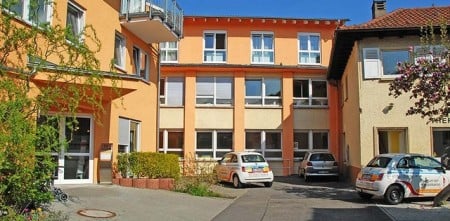
Zentrum der Rehabilitation Pforzheim



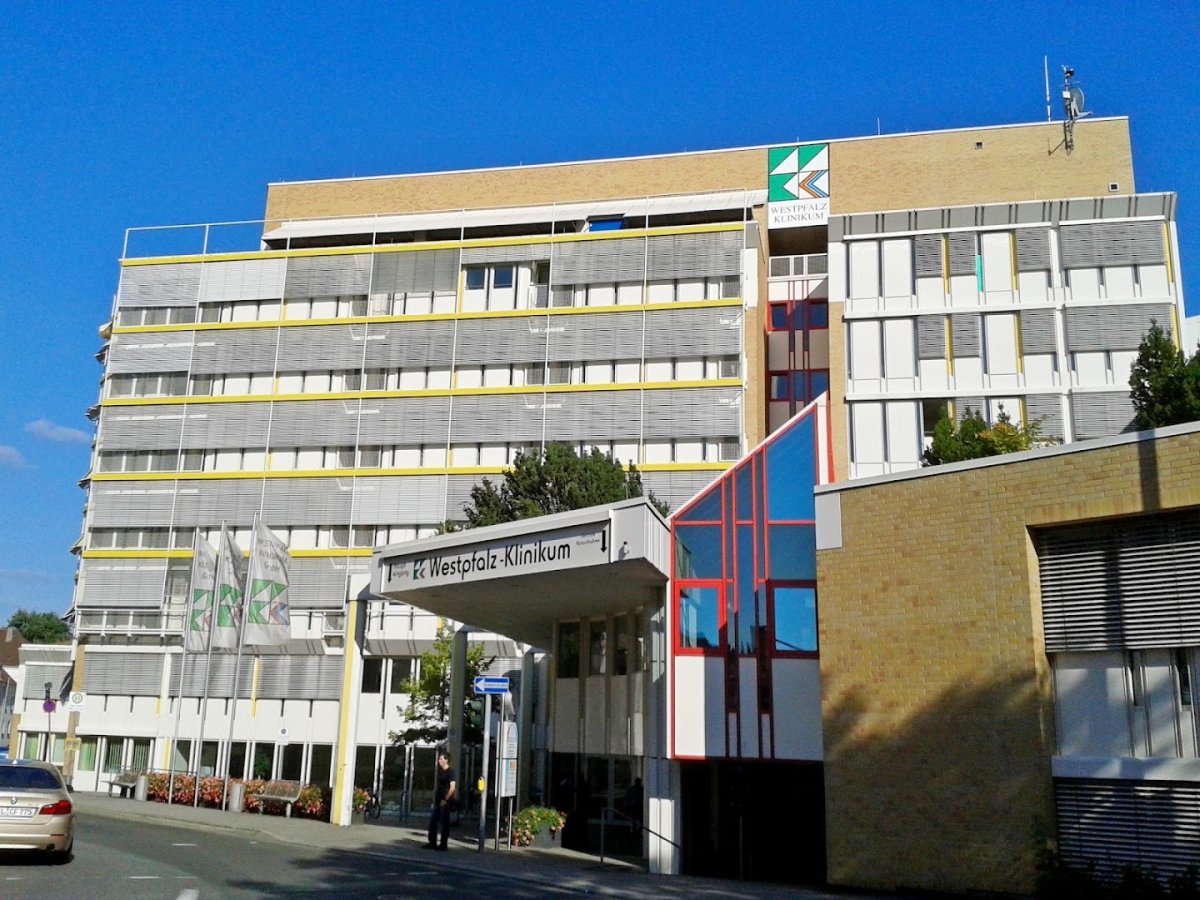
Westpfalz-Klinikum GmbH
احصلوا على تقييم طبي لـ ألم مزمن في ألمانيا: استشيروا أطباء ذوي خبرة الآن
عرض جميع الأطباء
Marcel Dihne
يتخصص البروفيسور ديني في علاج الألم المزمن مع 22 سنة من الخبرة في طب الأعصاب، مع التركيز على تجديد الجهاز العصبي والعلاجات المبتكرة.
- رئيس قسم الأعصاب في عيادة سانت لوكاس سولينجن لمدة 22 سنة
- خبير في الخلايا الجذعية ومصفوفات الأقطاب الدقيقة لإدارة الألم
- حاصل على جائزة أبحاث مؤسسة كريستيان وكلوديا هيمبل
- عضو الجمعية الألمانية للأطباء
- حالياً يشغل منصب كبير الأطباء في مستشفى سولينجن الجامعي
مشاركة المحتوى
قصص فيديو من مرضى Bookimed
 Anna Leonova
أسئلة متكررة حول علاج ألم مزمن في ألمانيا
هل يمكن علاج الألم المزمن تماماً في ألمانيا؟
نادراً ما يتم تحقيق القضاء التام على الألم المزمن في ألمانيا. يركز المتخصصون على علاج الألم متعدد الوسائط (IMPT) لاستعادة جودة حياة عالية. يدمج هذا النهج العلاجات البيولوجية والنفسية والاجتماعية. غالباً ما يعني الشفاء الإدارة الفعالة بحيث لا يعود الألم يملي النشاط اليومي.
- العلاج متعدد الوسائط: يجمع بين العلاج الطبيعي وعلم النفس والعلاج المائي لإدارة أنماط الألم المعقدة.
- الإجراءات التدخلية: يستخدم محفزات الحبل الشوكي (SCS)، وحقن الأعصاب، والعلاج بالتيار الدقيق لتخفيف الألم.
- الطب التجديدي: يقدم أبحاث وعلاجات الخلايا الجذعية من خلال خبراء مثل الدكتور مارسيل ديني.
- التشخيص المتقدم: يستخدم الذكاء الاصطناعي والتصوير الرقمي في مرافق مصنفة من قبل نيوزويك مثل مستشفى جامعة إرلانجن.
رؤية خبير Bookimed: تقود العيادات الألمانية أوروبا في زراعة محفزات الحبل الشوكي (SCS) للألم العصبي. تظهر بياناتنا وجود 85 عيادة شريكة في ألمانيا تخدم أكثر من 4700 مريض سنوياً. تجمع المستشفيات الأكاديمية مثل المركز الطبي في سولينجن بين هذه الخبرة الجراحية وإعادة التأهيل المكثف. غالباً ما يؤدي هذا إلى تخفيف طويل الأمد أفضل من الأدوية وحدها.
إجماع المرضى: يلاحظ الكثيرون أن النجاح يعني تخفيفاً مستداماً بدلاً من الوصول إلى صفر ألم. يؤكد المرضى أن برامج الإقامة في المستشفى لمدة 3 أسابيع التي يغطيها التأمين توفر أهم التحسينات الوظيفية.
ما هو علاج الألم متعدد الوسائط؟
يجمع علاج الألم متعدد الوسائط بين الأدوية والتقنيات ذات الآليات المختلفة لإدارة الحالات المزمنة. يستهدف هذا النهج التآزري مسارات متعددة في الجهاز العصبي في وقت واحد. فهو يقلل من الاعتماد على المواد الأفيونية مع تحسين الوظيفة البدنية من خلال العلاج الطبيعي المتكامل، والعلاج النفسي، والتدخلات الطبية المتقدمة.
- المبادئ الأساسية: يستخدم تآزر الأدوية لتحقيق أقصى قدر من الراحة مع تقليل الآثار الجانبية للأدوية.
- طرق العلاج: تشمل محفزات الحبل الشوكي، والعلاج بالخلايا الجذعية، وحقن الأعصاب.
- التكامل الشامل: يجمع بين الرعاية الطبية والعلاج السلوكي المعرفي والتدريب البدني المكثف.
- البيئة السريرية: تعالج المراكز الألمانية الكبرى مثل مستشفى جامعة إيسن 370,000 مريض سنوياً.
رؤية خبير Bookimed: توفر المستشفيات الجامعية الألمانية مستوى من التخصص نادراً ما يوجد في أماكن أخرى. يدير المستشفى الجامعي في إرلنغن 105 أقسام متميزة. وهذا يسمح لأخصائيي الألم بالتعاون الفوري مع أطباء الأعصاب مثل الدكتور مارسيل ديني. يعد هذا الوصول عبر الأقسام أمراً حيوياً للحالات المعقدة حيث ينبع الألم من مشاكل نادرة في التجديد العصبي.
إجماع المرضى: يشير المرضى إلى أن هذه البرامج مكثفة. توقع جلسات يومية تستمر من 6 إلى 8 ساعات. يؤكد الكثيرون أنه على الرغم من أن التمارين قد تزيد من الانزعاج الأولي، إلا أن المكاسب الوظيفية طويلة المدى تجعل العمل العاطفي يستحق العناء.
هل توجد عيادات متخصصة لأنواع معينة من الألم؟
توفر عيادات الألم المتخصصة في ألمانيا خبرة مستهدفة لحالات مثل الألم العصبي، أو العضلي الهيكلي، أو الألم المرتبط بالسرطان. تستخدم هذه المراكز فرقاً متعددة التخصصات لمعالجة المتلازمات المعقدة. تشمل الخيارات المتقدمة تحفيز الحبل الشوكي والعلاجات التجديدية المتاحة في المؤسسات الأكاديمية والخاصة الكبرى.
- فئات العيادات: تجمع المراكز متعددة التخصصات بين طب الأعصاب، وجراحة العظام، وعلم النفس لتوفير رعاية شاملة.
- التركيز العصبي: يركز متخصصون مثل الدكتور مارسيل ديني على تجديد الجهاز العصبي وطب الأعصاب.
- التقنيات الحديثة: توفر المرافق محفزات الحبل الشوكي (SCS) وعلاجاً مبتكراً بالخلايا الجذعية.
- برامج متخصصة: تركز المراكز على متلازمات محددة بما في ذلك الصداع النصفي، واضطرابات العمود الفقري، وطب الأطفال.
رؤية خبير Bookimed: توفر المستشفيات الجامعية الألمانية مثل مستشفيات إيسن أو إرلنغن كثافة أعلى من الأقسام المتخصصة للحالات المعقدة. غالباً ما تحتوي هذه المؤسسات الكبيرة على أكثر من 50 قسماً وأكثر من 1000 سرير. وهذا يسمح بإحالات داخلية أسرع بين أطباء الأعصاب والجراحين لمرضى الألم الذين يحتاجون إلى آراء متعددة.
إجماع المرضى: يلاحظ المرضى أن الحضور مع مذكرات مفصلة للأعراض وعمليات المسح السابقة يساعد في تسريع عملية التشخيص. يجد الكثيرون أن العيادات الخاصة غالباً ما توفر وصولاً أسرع بكثير إلى الأطباء المتخصصين مقارنة بالنظام العام.
ما هي المدة التي يستغرقها برنامج إعادة التأهيل عادةً؟
تستغرق إعادة تأهيل الألم المزمن في ألمانيا عادةً 21 يوماً للإقامات الداخلية القياسية. وغالباً ما تمتد البرامج المتخصصة للحالات الشديدة مثل الألم العضلي الليفي (فيبروميالغيا) إلى 42 يوماً. تعتمد مدة البرنامج على موافقة التأمين والتقدم السريري تحت إشراف الخبراء في المستشفيات المعتمدة من قبل JCI أو ISO.
- المدة القياسية: تستغرق معظم برامج الإقامة الداخلية حوالي 3 أسابيع لتحقيق الاستقرار.
- رعاية الألم العضلي الليفي: غالباً ما تتطلب الحالات المعقدة من 4 إلى 6 أسابيع من العلاج.
- عملية التمديد: يمكن للأطباء تقديم التماس لشركات التأمين للحصول على وقت إضافي بناءً على التقدم المحرز.
- دورات المتابعة: يمكن تكرار جلسات العيادات الخارجية الأقصر لمدة 10 أيام كل 6 أشهر.
رؤية خبراء Bookimed: تدمج العيادات الألمانية مثل المركز الطبي في سولينغن ومستشفيات أسكليبيوس بين البحث والممارسة. تظهر البيانات أن المرافق الأكاديمية تحصل على تمديدات التأمين بسهولة أكبر. وذلك لأنها تستخدم التقدم العصبي الموثق لتبرير إقامات أطول وأكثر فعالية لمدة 4 أسابيع للألم المعقد.
إجماع المرضى: يشير المرضى إلى أن 3 أسابيع تساعد في بناء الزخم. ومع ذلك، فهم يؤكدون على أهمية توثيق الأعراض مبكراً مع طبيب الأسرة لضمان موافقة أكثر سلاسة من التأمين على التمديدات اللازمة.
ما هي المستندات التي أحتاجها للقبول في برنامج إدارة الألم؟
يتطلب القبول في برنامج ألماني لإدارة الألم إحالة رسمية من طبيب الرعاية الأولية بالإضافة إلى بطاقة هوية سارية المفعول تحمل صورة وبطاقة تأمين حالية. يجب على المرضى تقديم سجلات طبية شاملة بما في ذلك تقارير التصوير الحديثة وقائمة مفصلة بجميع الأدوية الحالية وجرعاتها.
- الإحالة الطبية: الإحالة الرسمية من طبيب الأسرة (Hausarzt) ضرورية لقبول العيادة.
- التصوير التشخيصي: قدم صور الرنين المغناطيسي أو الأشعة المقطعية والتقارير المكتوبة من آخر 12 شهراً.
- تاريخ العلاج: قم بتضمين سجلات موثقة للعلاج الطبيعي السابق أو العمليات الجراحية أو استشارات المتخصصين.
- قائمة الأدوية: قدم قائمة كاملة بالوصفات الطبية والمكملات الغذائية الحالية باللغة الألمانية.
- تفويض التأمين: تتطلب شركات التأمين القانونية الألمانية موافقة خطية على التكاليف (Kostenzusage) قبل بدء البرنامج.
رؤية خبير Bookimed: غالباً ما ترفض العيادات الألمانية مثل المركز الطبي في سولينغن أو مستشفى أسكليبيوس بارمبيك المتقدمين بسبب عدم كفاية العلاج التحفظي. تظهر البيانات أن مجرد الشعور بالألم لا يكفي للقبول. لضمان الحصول على مكان، يجب أن تثبت وثائقك أنك قد استنفدت بالفعل مجموعات محددة من الأدوية والعلاج الطبيعي. اسأل العيادة عن معايير عدم الكفاية الخاصة بهم قبل تقديم أوراقك النهائية لتجنب الرفض الفوري.
إجماع المرضى: يؤكد المرضى على أهمية جمع جميع تقارير المتخصصين بنفسك بدلاً من انتظار طلب العيادات لها. من الضروري أيضاً تأكيد تفويض التأمين الخاص بك في وقت مب
ما هي المستشفيات في ألمانيا التي تحظى بأعلى التقييمات في جراحة الأعصاب؟
تضم ألمانيا بعضًا من أرقى أقسام جراحة الأعصاب في العالم، بقيادة مستشفى شاريتيه الجامعي في برلين ومستشفى جامعة هايدلبرغ. وتتميز هذه المراكز بخبرتها الواسعة في علاج أورام الدماغ المعقدة وأمراض الأوعية الدموية الدماغية. ولتحقيق أقصى قدر من الفعالية في عملياتها، تستخدم هذه المراكز أحدث التقنيات، مثل التصوير بالرنين المغناطيسي أثناء الجراحة والتوجيه العصبي بمساعدة الحاسوب.
- مستشفى شاريتيه برلين: يُجري أكثر من 5000 عملية جراحية سنوياً. ويرأس العيادة جراح الأعصاب الشهير الدكتور بيتر فايكوتشي.
- المركز الطبي في سولينجن: أجرى الدكتور رالف بوهل أكثر من 4000 عملية جراحية، بما في ذلك جراحات العمود الفقري طفيفة التوغل.
- عيادة أسكليبيوس نورد: مجهزة بنظام التصوير بالرنين المغناطيسي الثنائي الوحيد في ألمانيا أثناء الجراحة لضمان الدقة الجراحية في الوقت الحقيقي أثناء إزالة الورم.
- عيادة نوردويست: تم الاعتراف بها من قبل مجلة نيوزويك كمستشفى رائد في مجال الابتكار في تكنولوجيا الموجات فوق الصوتية ثلاثية الأبعاد.
رأي خبراء بوكيمد: تشير البيانات إلى أن اختيار المراكز ذات الحجم الجراحي الكبير غالبًا ما يؤدي إلى توصيات علاجية أكثر تحفظًا. ففي مركز سولينجن الطبي، الذي يعالج أكثر من 60,000 مريض
ما هي نسب نجاح العمليات الجراحية العصبية المعقدة في ألمانيا؟
في ألمانيا، تتميز العمليات الجراحية العصبية بالغة التعقيد بمستوى أمان استثنائي. تصل نسبة نجاح عمليات دمج الفقرات إلى 99%، بينما تبلغ نسبة النجاة بعد استئصال أورام الدماغ الأولية 97%. كما يتمتع المرضى بقدرة عالية على الاعتماد على أنفسهم في أداء وظائفهم اليومية، حيث يغادر أكثر من 82% منهم المستشفى مباشرةً بعد العلاج. وتولي المراكز الألمانية اهتماماً بالغاً بالحفاظ على الوظائف العصبية باستخدام أحدث تقنيات التخطيط العصبي.
- استئصال الورم: يحقق الجراحون استئصالًا كاملاً للورم في 87.2% من حالات النقائل الدماغية.
- النجاح في علاج أمراض الأوعية الدموية: أفادت المستشفيات الألمانية بنسبة نجاة بلغت 98.7% لحالات تمدد الأوعية الدموية غير الممزقة.
- تحسن الحالة العصبية: يشهد ما يقرب من 43% من المرضى تحسناً في المعايير الوظيفية بعد عمليات الاستئصال المعقدة.
- سلامة التدخلات الجراحية: في المراكز الجراحية الكبيرة، تتراوح معدلات بقاء المرضى على قيد الحياة بعد جراحة العمود الفقري بين 98-99%.
رأي خبراء بوكيمد: يُجري جراحون ذوو خبرة، مثل الدكتور أوفه كولر من عيادة أسكليبيوس ألتونا، أكثر من 2000 عملية جراحية سنويًا. تُشير البيانات إلى أن هؤلاء المتخصصين يحافظون على معدلات نجاح تصل إلى 90%، حتى
ما هي التقنيات المتقدمة المتوفرة عادةً في عيادات جراحة الأعصاب الألمانية؟
تُدخل عيادات جراحة الأعصاب الألمانية بانتظام أدوات رقمية عالية الدقة وتقنيات تصوير فوري في الممارسة الجراحية. تشمل التقنيات الرئيسية الملاحة العصبية الحاسوبية لجراحات الدماغ والحبل الشوكي. تستخدم مؤسسات مثل عيادة أسكليبيوس نورد التصوير بالرنين المغناطيسي أثناء الجراحة للتحقق من استئصال الورم في الوقت الفعلي. توفر هذه الأنظمة للجراحين نظام ملاحة ثلاثي الأبعاد.
- الملاحة العصبية: توفر تصورًا ثلاثي الأبعاد وتتبعًا فوريًا للأدوات لتحقيق دقة جراحية تصل إلى مستوى أقل من المليمتر.
- التصوير أثناء العملية: تسمح أنظمة مثل التصوير بالرنين المغناطيسي أثناء العملية (iMRI) والتصوير المقطعي المحوسب ذي الذراع O (O-arm CT) بالتأكيد الفوري على نجاح عملية الاستئصال.
- المراقبة العصبية: تراقب الوظائف الحركية والحسية أثناء الجراحة لحماية الجهاز العصبي.
- التشخيص الفلوري: يتم استخدام صبغة 5-ALA لتسليط الضوء على حدود الورم من أجل إزالته بشكل أكثر اكتمالاً.
- المساعدة الروبوتية: تعمل أنظمة مثل نظام دافنشي على تحسين الدقة في الإجراءات المعقدة ذات التدخل الجراحي البسيط.
رأي خبراء بوكيمد: تُجري مراكز طبية كبيرة، مثل مستشفى شاريتيه الج
ما هي التدريبات المتخصصة التي يتلقاها جراحو الأعصاب الممارسون في ألمانيا؟
في ألمانيا، يتعين على جراحي الأعصاب إكمال برنامج إقامة تخصصي لمدة ست سنوات بعد التخرج من كلية الطب. يشمل هذا البرنامج المنظم العناية المركزة، والتدريب السريري، وكتابة مقالات في مجلة جراحية إلزامية. بعد ذلك، يجتاز المرشحون امتحانًا حكوميًا للحصول على لقب طبيب مقيم (Facharzt für Neurochirurgie).
- الإقامة السريرية: تتطلب من 48 إلى 72 شهرًا من الممارسة المتخصصة في جراحة الأعصاب.
- العناية المركزة: تتضمن فترة تدريب إلزامية لمدة 6 أشهر في وحدة العناية المركزة لجراحة الأعصاب.
- المجلة الجراحية: يوثق الجراحون مئات العمليات الجراحية، بما في ذلك عمليات فتح الجمجمة وجراحات العمود الفقري.
- امتحان الترخيص: يجب على المتقدمين اجتياز امتحان طبي شفوي وعملي تديره الدولة.
رأي خبراء بوكيميد: يركز التدريب الألماني في جراحة الأعصاب على الخبرة الجراحية الواسعة. فعلى سبيل المثال، أجرى الدكتور رالف بول من المركز الطبي في سولينجن أكثر من 4000 عملية جراحية. ويتمتع الدكتور يورغن كيويت من مستشفى ميوكلينيك بخبرة تزيد عن 25 عامًا. يضمن هذا النظام الدقيق أن يتعامل المتخصصون في المراكز الكبرى مع الحالات المعقدة بدقة مثبتة.
آراء المرضى: يشع
ما هي متطلبات اللغة والترخيص المطلوبة للجراحين الأجانب الراغبين في التدرب أو مراقبة العمليات الجراحية العصبية في ألمانيا؟
يجب على جراحي الأعصاب الأجانب استيفاء متطلبات لغوية وترخيصية صارمة للالتحاق بالتدريب أو فترة التدريب العملي في ألمانيا. يتطلب التدريب رخصة طبية سارية أو تصريحًا مؤقتًا. أما المتدربون، فيجب عليهم الحصول على إذن من مستشفى محدد. ويتطلب كلا الخيارين إتقانًا عاليًا للغة الألمانية للمشاركة في المناقشات السريرية وإجراء العمليات الجراحية المعقدة بأمان.
- المهارات اللغوية: مطلوب مستوى عام في اللغة الألمانية B2 ومستوى في اللغة الطبية C1 (Fachsprachprüfung) للتدريب السريري.
- الترخيص السريري: يحتاج الجراحون إلى تصريح لممارسة دائمة (Approbation) أو تصريح مهني (Berufserlaubnis) للتدريب الداخلي المؤقت الخاضع للإشراف.
- حالة المراقبة: يسمح دخول المستشفى بمراقبة العمليات الجراحية دون تحمل المسؤولية الطبية أو الحصول على ترخيص رسمي.
- تقييم المؤهلات: غالباً ما يتعين على خريجي الطب من خارج الاتحاد الأوروبي الخضوع لعملية التحقق من صحة الشهادة في غضون 3-6 أشهر.
رأي خبراء بوكيمد: غالبًا ما تُعطي العيادات الألمانية ذات الأعداد الكبيرة من المرضى، مثل عيادة نوردويست أو أسكليبيوس نورد، الأولوية للمرشحين الذين خضعوا بالفعل لتقييم أولي للوثائق. تُظهر بياناتنا أن أساتذة مثل الدكتور أوفه كولر والدكتور