جراحة القلب في إسبانيا — التكاليف 2026

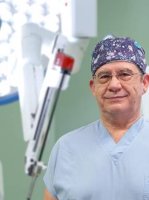
تمت مراجعة المقالة طبيا من قبل
Hasim Ustunsoy
ما هي تكلفة جراحة القلب في إسبانيا؟ اكتشف الآن
تتراوح تكلفة جراحة القلب في إسبانيا عادةً ما بين $36,100 و $55,500. يعتمد السعر الإجمالي على نوع الإجراء، ومدى تعقيد الحالة، والمستشفى المحدد، والتقنية المستخدمة. يمكن للمرضى الذين يختارون رعاية القلب الخاصة في إسبانيا غالباً تحقيق وفورات تصل إلى حوالي 75% مقارنة بالولايات المتحدة.
تكاليف جراحة القلب النموذجية في إسبانيا
- فحص القلب: السعر عند الطلب
- استشارة جراح قلب: من $560
- جراحة القلب المفتوح: السعر عند الطلب
- جراحة مجازة الشريان التاجي: من $44,800
- استبدال الصمام الأبهري عبر القسطرة (TAVI): السعر عند الطلب
- استبدال صمام القلب: من $44,900
- تركيب دعامة الشريان التاجي: من $19,500
- تركيب جهاز تنظيم ضربات القلب: من $33,600
- جراحة تمدد الأوعية الدموية الأبهرية: السعر عند الطلب
- الاستئصال بالترددات الراديوية: من $22,400
تشمل المراكز الطبية الرئيسية لإجراءات القلب برشلونة ومدريد، مع وجود مراكز مثل Centro Médico Teknon و Quirónsalud. استشر أخصائياً للحصول على تسعير دقيق لحالتك الخاصة وفهم ما تغطيه الباقات الفردية.
| تركيا | إسبانيا | ألمانيا | |
|---|---|---|---|
| جراحة فتح مجرى جانبي للشريان التاجي | من $8,200 | من $44,800 | من $25,000 |
| جراحة عيوب الحاجز التداخلية | من $10,500 | ≈ $35,000 | ≈ $28,000 |
| تجمد القلب | من $8,100 | من $20,200 | ≈ $22,000 |
| تثبيت جهاز تنظيم ضربات القلب | من $6,500 | من $33,600 | من $13,000 |
| الدعامة التاجية | من $2,800 | من $19,500 | من $8,000 |
جميع أمراض جراحة القلب
مزاياك وضماناتك مع Bookimed
أسعار مباشرة
Bookimed لا يضيف رسوماً إضافية على أسعار علاج جراحة القلب. الأسعار مأخوذة من قوائم الأسعار الرسمية للعيادات. تدفع مباشرة في العيادة مقابل علاجك عند وصولك إلى البلد.
عيادات وأطباء معتمدون فقط
Bookimed ملتزم بسلامتك. نحن نعمل فقط مع المؤسسات الطبية التي تحافظ على معايير دولية عالية في علاج جراحة القلب ولديها التراخيص اللازمة لخدمة المرضى الدوليين في جميع أنحاء العالم.
مساعدة مجانية على مدار الساعة
Bookimed يقدم مساعدة خبراء مجانية. منسق طبي شخصي يدعمك قبل وأثناء وبعد العلاج، ويحل أي مشاكل. لن تكون وحيداً أبداً في رحلة علاج جراحة القلب.

منسقك الطبي الشخصي في Bookimed
- يدعمك في كل مرحلة
- المساعدة في اختيار العيادة الطبية المناسبة والطبيب المناسب
- يضمن الوصول السريع والمريح إلى المعلومات
اكتشف أفضل عيادات جراحة القلب: 14 خيارات معتمدة والأسعار




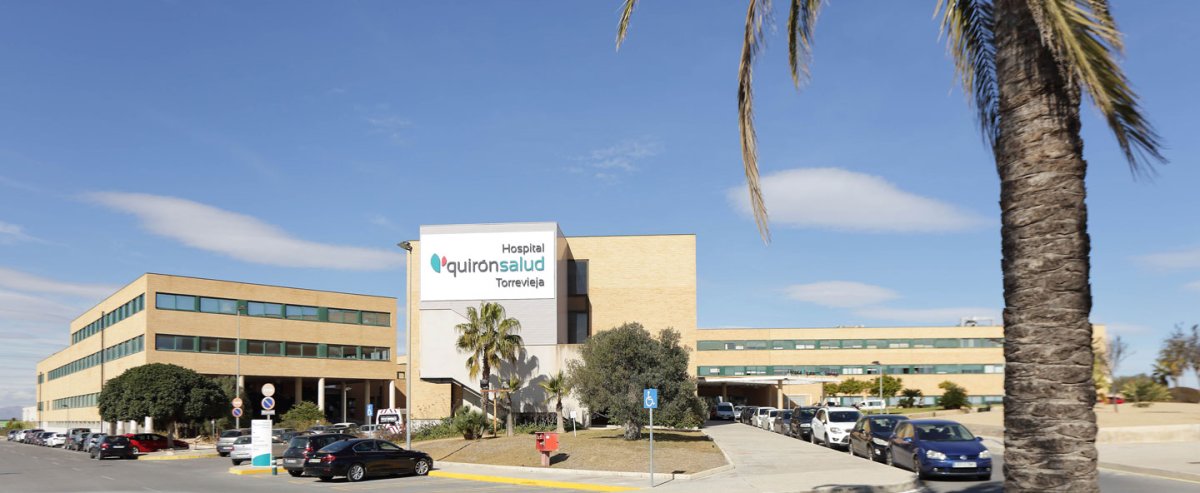


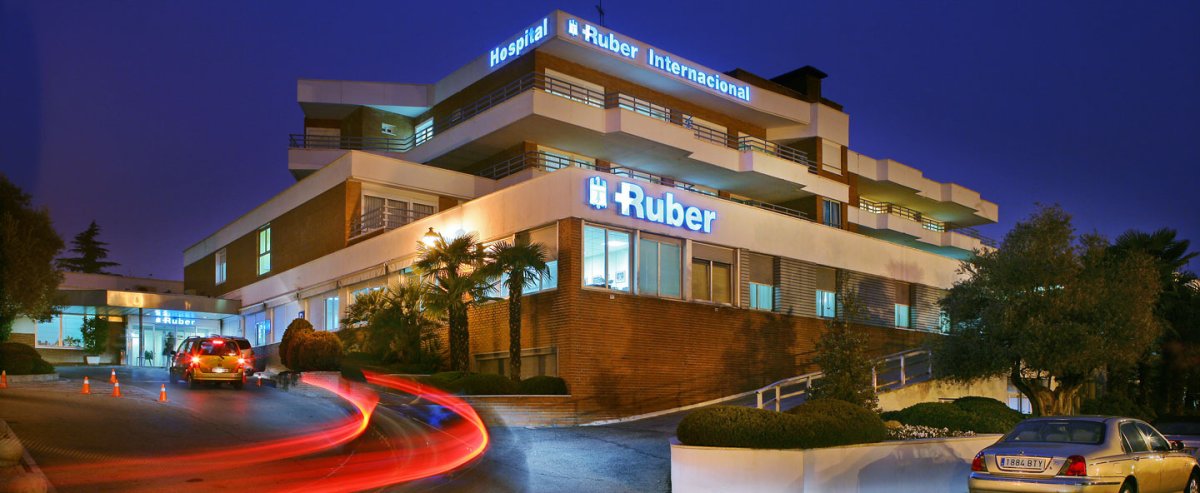

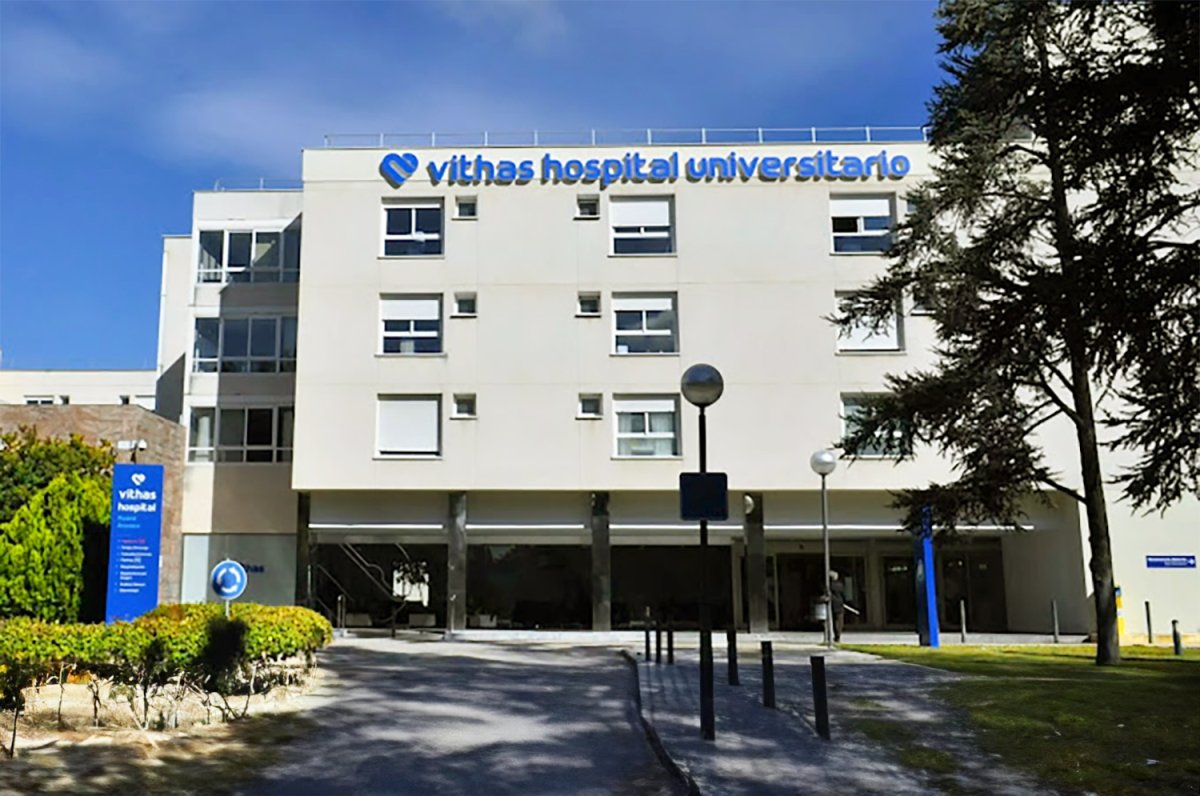

SJD Barcelona Children’s Hospital







أفضل مراكز جراحة القلب في إسبانيا
- Centro Médico Teknon, إسبانيا
- Quironsalud Torrevieja, إسبانيا
- Quironsalud Madrid, إسبانيا
- مستشفى Ruber Internacional, إسبانيا
- Clinica Granado Tiagonce, إسبانيا
- SJD Barcelona Children’s Hospital, إسبانيا
- Hospital Quiron Barcelona, إسبانيا
- HM Hospitales, إسبانيا
- Clinica Universidad de Navarra (Navarra Hospital), إسبانيا
- Hospital HM Nou Delfos, إسبانيا
احصل على تقييم طبي لـ جراحة القلب في إسبانيا. استشر الآن 14 أطباء ذوي الخبرة.
عرض جميع الأطباء
Xavier Ruyra Baliarda
أحد المتخصصين الرائدين في العالم في إجراء روس – أجرى الدكتور رويرا بالياردا أكثر من 5000 عملية جراحية ناجحة للقلب.
- خبرة تزيد عن 35 عاماً في جراحة القلب
- اخترع 3 تقنيات حاصلة على براءة اختراع لإصلاح الصمام المترالي
- متخصص في جراحة القلب طفيفة التوغل وبدون نقل دم
- رئيس وحدة جراحة القلب في معهد تيكنون للقلب

Josep Brugada
اكتشف البروفيسور بروجادا متلازمة بروجادا - وهي حالة وراثية مرتبطة بالموت القلبي المفاجئ - وأجرى أكثر من 25000 عملية كي قلبي.
- متخصص في عدم انتظام ضربات القلب، والرجفان الأذيني، وحالات الأطفال
- الرئيس السابق للجمعية الأوروبية لنظم القلب
- نشر أكثر من 350 ورقة بحثية حول علاجات القلب
- يقود بعثات إنسانية لعلاج الأطفال في أفريقيا

Juli Carballo Garrido
يُجري الدكتور خولي كاربالو جاريدو أكثر من 1,000 إجراء قلبي سنويًا ويتخصص في تركيب الدعامات التاجية وتدخلات الصمام التاجي في مركز تكنون الطبي (Centro Médico Teknon).
- أكثر من 30 عامًا من الخبرة في أمراض القلب التداخلية
- نشر على نطاق واسع حول آفات التفرع التاجي والانسدادات المزمنة
- اعتماد مزدوج في أمراض القلب التداخلية من الجمعية الإسبانية لأمراض القلب
- عضو في كل من الجمعيتين الأوروبية والإسبانية لأمراض القلب

Raul Felipe Abella
أكثر من 5000 عملية قلب بنسبة نجاح بلغت 98.2% - يقود الدكتور أبيلا رعاية القلب في مركز تيكنون الطبي (Centro Médico Teknon).
- متخصص في عيوب القلب الخلقية لدى الأطفال والبالغين
- تخرج من جامعة لا سابينزا مع تدريب في فرنسا وسويسرا والولايات المتحدة الأمريكية
- نشر أكثر من 200 مقال حول جراحة القلب والأوعية الدموية
- طور 3 برامج لجراحة القلب والأوعية الدموية في جميع أنحاء العالم
المراجعات
جميع المراجعات
مشاركة المحتوى
قصص فيديو من مرضى Bookimed
 Anna Leonova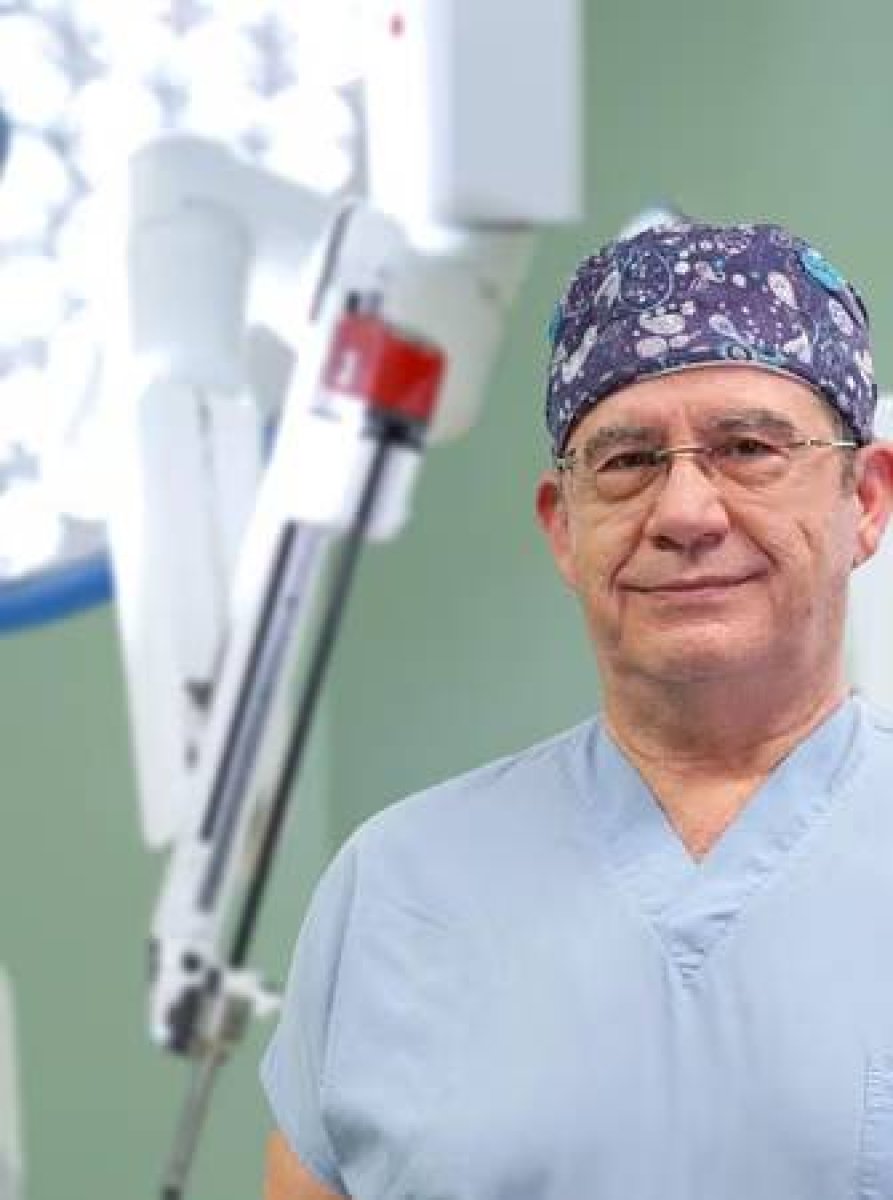
أسئلة متكررة حول جراحة القلب في إسبانيا
ما هي الاعتمادات المعترف بها وطنياً ودولياً التي تحملها مراكز جراحة القلب الإسبانية؟
تحمل مراكز جراحة القلب الإسبانية شهادات عالمية ووطنية مرموقة تثبت سلامتها وجودتها الجراحية. تحافظ المؤسسات الرائدة على اعتماد اللجنة الدولية المشتركة (JCI) ومعايير ISO 9001. كما تظهر العديد من العيادات في تصنيفات مجلة نيوزويك لأفضل المستشفيات المتخصصة في العالم للتميز في أمراض القلب والابتكار السريري.
- اللجنة الدولية المشتركة (JCI): المعيار الذهبي للسلامة الذي يحمله مركز Centro Médico Teknon وعيادة Clínica Universidad de Navarra.
- شهادة ISO 9001: تضمن العمليات السريرية الموحدة في مرافق مثل مستشفى Hospital Ruber Internacional وQuirónsalud Madrid.
- نموذج التميز EFQM: يعترف بالإدارة التنظيمية عالية المستوى في HM Hospitales وCentro Médico Teknon.
- تصنيف نيوزويك العالمي: يكرم مراكز مثل Quironsalud Madrid وSJD Barcelona لمؤشرات الأداء المتخصصة.
رؤية خبير Bookimed: غالباً ما تحمل العيادات ذات الحجم الكبير شهادات متعددة متداخلة لتلبية احتياجات أنواع معينة من المرضى. على سبيل المثال، كانت Clinica Universidad de Navarra أول عيادة في إسبانيا تحصل على اعتماد JCI وتعالج أكثر من 140,000 مريض سنوياً. يسمح لهم هذا الحجم بالحفاظ على شهادات متخصصة عبر 37 قسماً، مما يوفر مستوى أعلى من الرعاية المتكاملة مقارنة بالمراكز الأصغر ذات التخصص الواحد.
إجماع المرضى: يشير المرضى إلى أن اعتماد JCI يوفر راحة البال ويتماشى مع معايير الجودة العالمية. ويؤكدون أن التحقق من هذه الشهادات يرتبط ارتباطاً مباشراً بالخدمات الدولية المتخصصة والفرق الجراحية ذ
ما هي معدلات المضاعفات والنجاح لجراحة مجازة الشريان التاجي (CABG) المنفردة ولجراحة CABG المدمجة مع جراحة الصمامات في إسبانيا؟
تحافظ جراحة مجازة الشريان التاجي (CABG) المنفردة في إسبانيا على معدل نجاح يصل إلى 97% مع متوسط وفيات داخل المستشفى يبلغ 3.0%. وتتميز جراحات CABG المدمجة مع الصمامات بتعقيد أعلى. وتظهر هذه الإجراءات عادةً معدلات وفيات تتراوح بين 3.3% و6.5%. وأبلغت المراكز الإسبانية المتخصصة عن معدل مضاعفات بنسبة 8.3% لحالات المجازة المنفردة.
- معدلات النجاح: يتجاوز نجاح CABG المنفردة 97%. وتبلغ نسبة نجاح الإجراءات المدمجة من 93.5% إلى 96.7%.
- المضاعفات الرئيسية: يؤثر الرجفان الأذيني على 30% من المرضى. ويحدث فشل تنفسي في 22% من الحالات المدمجة.
- السلامة العصبية: تظل معدلات السكتة الدماغية منخفضة عند 0.9–1.2% لجراحات المجازة المنفردة في إسبانيا.
- مكافحة العدوى: تحدث عدوى موقع الجراحة في 3.8% من الحالات. وتبلغ مشاكل الجروح العميقة 0.9%.
رؤية خبير Bookimed: تُظهر المراكز الإسبانية ذات الأحجام السنوية الأعلى، والتي تتجاوز عمومًا 155–200 حالة، معدل وفيات معدل حسب المخاطر أقل بنسبة 17%. تستفيد مستشفيات مثل Centro Médico Teknon وClinica Universidad de Navarra من أحجام المرضى العالية لتحسين الدقة الجراحية. تشير البيانات إلى أن اختيار هذه المرافق واسعة النطاق يحسن بشكل كبير نتائج البقاء على قيد الحياة على المدى الطويل للإجراءات المدمجة المعقدة.
إجماع المرضى: غالبًا ما يلاحظ المرضى أن التعافي من المجازة المنفردة أسرع بكثير من الجراحة المدمجة. وكثيرًا ما يذكرون أهمية مراقبة إيقاع القلب المبكرة لإدارة مشاكل ما بعد الجراحة الشائعة مثل الرجفان الأذين
ما هي تقنيات جراحة القلب المستخدمة بشكل روتيني في إسبانيا؟
تتركز جراحة القلب في إسبانيا على التقنيات طفيفة التوغل وتقنيات القسطرة لإصلاح صمامات القلب وإعادة التروية التاجية. يقوم الجراحون بشكل روتيني بإجراء عمليات بمساعدة الروبوت باستخدام نظام دا فينشي. تستخدم مستشفيات مثل Centro Médico Teknon بروتوكولات متقدمة مثل إجراء روس وجراحة المجازة بدون مضخة لتحسين نتائج المرضى.
- إجراءات الصمامات: يعتبر TAVI هو المعيار لتضيق الأبهر مع أوقات خروج تصل إلى 48 ساعة.
- جراحة طفيفة التوغل: يتم استخدام بضع الصدر المصغر الأيمن في 90% من حالات الصمامات المنفردة.
- جراحة المجازة: تجنب جراحة المجازة الشريانية بدون مضخة استخدام آلة القلب والرئة للتعافي بشكل أسرع.
- الأنظمة الروبوتية: يسهل روبوت دا فينشي إصلاحات الصمام التاجي المعقدة في برشلونة.
- علاج عدم انتظام ضربات القلب: يعالج استئصال الترددات الراديوية، بقيادة الدكتور جوزيب بروجادا، الرجفان الأذيني بفعالية.
رؤية خبير Bookimed: إن تميز إسبانيا في رعاية القلب مدفوع بمتخصصين ذوي حجم عمليات كبير مثل الدكتور كزافييه رويرا بالياردا، الذي يحمل براءات اختراع لتقنيات إصلاح صمامات محددة. تظهر بياناتنا أن العيادات الكبرى مثل Centro Médico Teknon تدير أكثر من 23,500 عملية سنويًا. يسمح هذا الحجم الهائل للجراحين بالحفاظ على معدل بقاء على قيد الحياة بنسبة 98% حتى في الحالات الخلقية المعقدة.
إجماع المرضى: يلاحظ المرضى أن اختيار الرعاية الخاصة في إسبانيا يقلل بشكل كبير من أوقات الانتظار من أشهر إلى أيام. إنهم يقدرون التعافي الأسرع من ال
من هو المرشح المثالي لجراحة مجازة الشريان التاجي بدون مضخة أو لإصلاح الصمام التاجي الروبوتي في إسبانيا، ومن يجب استبعاده؟
المرشحون المثاليون للمجازة بدون مضخة (off-pump) في إسبانيا يشملون المرضى ذوي المخاطر العالية الذين يعانون من الفشل الكلوي، أو مشاكل تنفسية، أو تكلس الشريان الأورطي (الأورطي الخزفي). إصلاح الصمام التاجي الروبوتي مناسب للمرضى الأصغر سناً الذين يعانون من تدلي الشرفة الخلفية المعزول ومؤشر كتلة جسم أقل من 30. تركز كلتا التقنيتين على تقليل الالتهاب الجهازي ومخاطر السكتة الدماغية.
- الملاءمة للمجازة بدون مضخة: الأفضل للمرضى المسنين أو المصابين بالسكري لتقليل المضاعفات العصبية الوعائية.
- متطلبات الأوعية الدموية: تتطلب شرايين تاجية مستهدفة بقطر بعيد يتجاوز 1.5 مم.
- معايير الإصلاح الروبوتي: مثالية للمرضى الذين لديهم شرايين فخذية سليمة ولا توجد لديهم جراحات صدرية سابقة.
- عوامل الاستبعاد: عادة ما يتم استبعاد المرضى الذين يعانون من عدم استقرار ديناميكي دموي أو صمامات تاجية متكلسة بشدة.
رؤية خبراء Bookimed: تظهر البيانات من المراكز الرائدة في برشلونة مثل Centro Médico Teknon أن حجم عمليات الجراح هو المؤشر الرئيسي للنجاح. يتخصص الدكتور خافيير رويرا بالياردا والدكتور ألبرت ميراليس كاسينا في هذه التقنيات المعقدة والخالية من الدم. يجب على المرضى إعطاء الأولوية للعيادات التي تجري أكثر من 20,000 عملية سنوياً لضمان أن الفريق الجراحي قد تجاوز منحنى التعلم المكون من 200 حالة للبروتوكولات الروبوتية وبدون مضخة.
إجماع المرضى: يشير المرضى إلى أن اختيار طريقة بدون مضخة يمكن أن يقلل وقت التعافي إلى النصف. يؤكد الكثيرون على أهمية تأكيد جودة الأوعي
ما الذي تتضمنه حزمة الرعاية القياسية بعد الجراحة لمرضى جراحة القلب الدوليين؟
تنتقل الرعاية القياسية بعد الجراحة في إسبانيا بالمرضى من المراقبة المكثفة إلى التعافي المنظم في المنزل. تشمل الحزم تتبع إيقاع القلب المستمر، وأدوية مضادة للتخثر، والعلاج التنفسي. توفر المراكز الرائدة مثل Centro Médico Teknon أو Clinica Universidad de Navarra بيئات معتمدة من JCI لهذه المراحل الحرجة.
- المراقبة السريرية: تشمل تخطيط القلب المستمر وتتبع تشبع الأكسجين في وحدة العناية المركزة أو وحدات الرعاية المتوسطة.
- إدارة الأدوية: إعطاء المسكنات الوريدية، وحاصرات بيتا، ومضادات التخثر لمنع الجلطات.
- الدعم التنفسي: يركز على تمارين التنفس العميق وقياس التنفس التحفيزي للحفاظ على نظافة الرئتين.
- التشخيص: غالبًا ما تشمل تقييمات ما قبل الخروج تخطيط صدى القلب وتحاليل دم شاملة لضمان السلامة.
رؤية خبراء Bookimed: تظهر البيانات من أفضل المستشفيات الإسبانية تركيزاً قوياً على حجم الحالات المتخصصة. على سبيل المثال، أجرى الدكتور جوزيب بروغادا في Centro Médico Teknon أكثر من 25,000 عملية استئصال قلبي. يسمح هذا الحجم الكبير للعيادات بتقديم بروتوكولات أكثر دقة بعد الجراحة. يجب على المرضى إعطاء الأولوية للعيادات التي تضم أكثر من 20 قسماً، حيث توفر وصولاً فورياً إلى متخصصين متعددي التخصصات إذا تغيرت احتياجات التعافي.
إجماع المرضى: يشير المرضى إلى أهمية طلب ملخصات الخروج باللغة الإنجليزية في وقت مبكر. كما يوصون بتوثيق أسماء الأدوية بوضوح، حيث تختلف الأسماء التجارية في إسبانيا غالباً عن تلك الموجودة في الوطن.
كم من الوقت يجب أن يخطط السياح الطبيون للبقاء في إسبانيا بعد استبدال صمام القلب؟
يجب على السياح الطبيين التخطيط للبقاء في إسبانيا لمدة 3 إلى 4 أسابيع بعد استبدال صمام القلب. يشمل هذا الجدول الزمني إقامة في المستشفى من 5 إلى 12 يومًا وفترة تعافي محلية إلزامية مدتها 14 يومًا. يحتاج المرضى إلى هذا الوقت لإجراء اختبارات المتابعة والحصول على التصريح الطبي للسفر جوًا.
- الإقامة السريرية: توقع من 5 إلى 12 يومًا من الاستشفاء بما في ذلك مراقبة العناية المركزة.
- التعافي المحلي: ابقَ من 14 إلى 16 يومًا بالقرب من العيادة لفحص الجروح.
- تشخيصات المتابعة: عادة ما يلزم إجراء تخطيط صدى القلب بعد الجراحة بعد أسبوعين من الإجراء.
- تأثير الطريقة: قد يتمكن مرضى زراعة الصمام الأبهري عبر القسطرة (TAVI) من السفر بعد 10 أيام.
رؤية خبير Bookimed: تظهر بيانات التنسيق أن العيادات في برشلونة مثل Centro Médico Teknon و Hospital HM Nou Delfos غالبًا ما تتعامل مع أحجام جراحية أعلى بكثير من المراكز الإقليمية الأصغر. هذه الخبرة حيوية لعمليات إعادة بناء الصمامات المعقدة. نوصي بحجز سكن مرن في برشلونة لمدة 25 يومًا على الأقل. يمكن أن تؤدي حالات عدم انتظام ضربات القلب غير المتوقعة بعد الجراحة أحيانًا إلى تمديد الإقامة لعدة أيام، ويوفر وجود تسجيل خروج مرن الكثير من التوتر.
إجماع المرضى: يشير المرضى إلى أنه من الضروري تخصيص 3 أسابيع على الأقل للعملية بأكملها. سلط أحد المرضى الضوء على أن وجود منسق طبي محلي ساعد في إدارة بيروقراطية أوراق الخروج التي تطلبها شركات الطيران للحصول على تصريح السفر.
ما هي معايير السلامة والاعتمادات الدولية التي تحملها مراكز جراحة القلب الإسبانية؟
تحافظ مراكز جراحة القلب الإسبانية على السلامة من خلال اعتماد اللجنة الدولية المشتركة (JCI) ومعايير ISO 9001. تتبع مرافق مثل عيادة جامعة نافارا (Clinica Universidad de Navarra) ومركز تيكنون الطبي (Centro Medico Teknon) إرشادات الجمعية الأوروبية لأمراض القلب (ESC). تضمن هذه البروتوكولات معدلات بقاء عالية ورعاية محيطة بالجراحة موحدة للمرضى الدوليين.
- الاعتماد الدولي: تضمن شهادة JCI في مراكز مثل مستشفى روبر الدولي (Hospital Ruber Internacional) أهداف السلامة العالمية.
- مراقبة الجودة: يمنح برنامج SEC-Excellent الاعتماد للأقسام التي تلبي مقاييس القلب والأوعية الدموية الصارمة.
- السلامة الجراحية: يستخدم الجراحون قائمة مراجعة منظمة الصحة العالمية "الجراحة الآمنة تنقذ الأرواح" لتقليل المخاطر.
- بروتوكولات التعافي: تساعد إرشادات التعافي المعزز بعد الجراحة (ERAS) في تقليل المضاعفات وفترات الإقامة في المستشفى.
رؤية خبير Bookimed: غالبًا ما تحقق المراكز الإسبانية ذات أحجام المرضى الكبيرة نتائج متفوقة في الحالات المعقدة. على سبيل المثال، يبلغ الدكتور راؤول فيليبي أبيلا في مركز تيكنون الطبي عن معدل بقاء بنسبة 98.2%. يوجد هذا المستوى من الخبرة عادةً في العيادات التي تخدم أكثر من 10,000 مريض سنويًا.
إجماع المرضى: يشير المرضى إلى أن المراكز الخاصة توفر وصولاً أسرع ودعمًا ممتازًا باللغة الإنجليزية. يقترحون التحقق من شهادات JCI أو ISO على مواقع المستشفيات للتأكد من أن مستويات السلامة تتوافق مع المعايير البريطانية والألمانية.
ما هي التقنيات الجراحية المستخدمة بشكل روتيني لتقليل وضوح الندبات بعد جراحة القلب المفتوح؟
يقلل الجراحون من وضوح ندبات جراحة القلب باستخدام الغرز تحت الجلد وتقنيات تقليل التوتر. كما تعمل الأساليب طفيفة التوغل مثل بضع الصدر المصغر أو الجراحة الروبوتية على تقليل العلامات. تستخدم المراكز المتخصصة في إسبانيا، مثل Centro Médico Teknon، طرق الإغلاق المتقدمة هذه لضمان أفضل شفاء تجميلي للمرضى.
- الغرز تحت الجلد: غرز قابلة للامتصاص توضع تحت الجلد وتخلق نتيجة خطية نظيفة.
- تقليل التوتر: يتم خياطة طبقات اللفافة العميقة لإزالة 90% من شد الجلد السطحي.
- جراحة طفيفة التوغل: تستخدم خيارات مثل بضع الصدر المصغر شقوقاً صغيرة تتراوح بين 5 إلى 12 سم وغالباً ما تكون مخفية تحت الطيات.
- المساعدة الروبوتية: تترك شقوق ثقب المفتاح التي يتم إجراؤها باستخدام الأنظمة الروبوتية علامات صغيرة جداً وباهتة فقط.
رؤية خبير Bookimed: غالباً ما تجمع مراكز القلب ذات الحجم الكبير في إسبانيا، مثل Quironsalud Madrid أو Centro Médico Teknon، بين الدقة الجراحية وبروتوكولات التعافي المتقدمة. تشير البيانات إلى أن العيادات التي تجري أكثر من 23,000 عملية سنوياً تعطي الأولوية للدعم الهيكلي الداخلي أثناء الإغلاق. تسمح هذه الخبرة القائمة على الحجم للجراحين مثل الدكتور خافيير رويرا بالياردا بتحسين التقنيات التي تحسن بشكل كبير من نضج الندبة على المدى الطويل.
إجماع المرضى: يلاحظ المرضى أنه على الرغم من أن الندبات تبدو بارزة في عمر 6 أشهر، إلا أنها تتلاشى بشكل كبير بحلول 18 شهراً. حماية المنطقة من التعرض لأشعة الشمس باستخدام عامل حماية من الشمس (SPF 50+) أمر ضرور
ما هو الجدول الزمني النموذجي للتعافي وإعادة التأهيل بعد الجراحة للسائح الطبي؟
يتطلب التعافي بعد جراحة القلب في إسبانيا عادةً من 14 إلى 21 يومًا قبل السماح للمرضى بالسفر جوًا. تمتد إعادة التأهيل الكاملة بشكل عام من 8 إلى 16 أسبوعًا. توفر المراكز المتخصصة في برشلونة ومدريد مراقبة أولية لضمان استقرار القلب والتئام الجروح قبل الخروج من المستشفى.
- الإقامة في المستشفى: تستمر الرعاية الداخلية من 7 إلى 14 يومًا لمعظم إجراءات القلب الرئيسية.
- التعافي في العناية المركزة: غالبًا ما يقضي المرضى من 4 إلى 7 أيام في العناية المركزة بعد الجراحة المفتوحة.
- بدء النشاط: يبدأ المشي تحت الإشراف عادةً في غضون يوم إلى يومين بعد الإجراء بمساعدة.
- إعادة التأهيل: تستمر برامج إعادة تأهيل القلب المكثفة عادةً لمدة 8 إلى 12 أسبوعًا في المنزل.
رؤية خبير Bookimed: تشير البيانات إلى أن اختيار العيادات التي لديها شراكات راسخة في إعادة التأهيل العصبي، مثل مستشفى HM Nou Delfos، يوفر دعمًا فائقًا للتعافي. تسمح هذه التعاونات بانتقال سلس من الرعاية الجراحية الحادة إلى العلاج الطبيعي المكثف. غالبًا ما يبلغ المرضى في مثل هذه المرافق عن نتائج أفضل في الحركة المبكرة مقارنة بأولئك الموجودين في الأجنحة الجراحية القياسية.
إجماع المرضى: يؤكد المرضى أن محاولة السفر إلى الوطن قبل مرور 3 أسابيع غالبًا ما تؤدي إلى إرهاق شديد. يوصي الكثيرون بالبقاء في إسبانيا لمدة 4 أسابيع على الأقل لإكمال المرحلة الأولية من إعادة التأهيل بشكل مريح.
من هو المرشح المثالي لجراحة القلب طفيفة التوغل في إسبانيا؟
المرشحون المثاليون لجراحة القلب طفيفة التوغل في إسبانيا هم المرضى الذين يعانون من أمراض القلب المعزولة. ويشمل ذلك عيوب الصمام الواحد أو مرض الشريان التاجي الموضعي. يجب أن يتمتع المرشحون بتشريح وعائي وصدري يسمح بالوصول الآمن عبر شق صغير. تعالج المراكز الإسبانية مثل Centro Médico Teknon بانتظام المرضى الذين يعانون من وظائف أعضاء مستقرة.
- اللياقة التشريحية: يحتاج المرضى إلى أوعية فخذية أو إبطية واضحة للقنية المحيطية.
- نوع الحالة: الأفضل لأمراض الصمام التاجي أو الأبهري أو ثلاثي الشرفات المعزولة.
- حالة الشريان التاجي: مناسب للانسدادات المقتصرة على شريان أو شريانين.
- الملف البدني: يستفيد المرضى الأصغر سنًا والنشطون وكبار السن الأصحاء أكثر من غيرهم.
رؤية خبير Bookimed: غالبًا ما تحقق العيادات الإسبانية ذات أحجام الجراحات العالية، مثل تلك التي تجري أكثر من 23,500 عملية سنويًا مثل Centro Médico Teknon، نتائج أفضل. تظهر البيانات أن متخصصين مثل الدكتور راؤول فيليبي أبيلا يبلغون عن معدلات بقاء على قيد الحياة بنسبة 98.2%. توفر هذه المراكز ذات الحجم الكبير الخبرة المتنوعة اللازمة لتحديد ما إذا كان المريض يتناسب حقًا مع ملف التوغل الطفيف أو يحتاج إلى جراحة قياسية.
إجماع المرضى: يشير المرضى إلى أن الجراحين صريحون جدًا بشأن ما إذا كان تشريح صدرك أو مؤشر كتلة الجسم يسمح بشق صغير. سيعطي كبار الأطباء الأولوية لنهج آمن وتقليدي على نهج طفيف التوغل إذا وجدوا ندبات شديدة أو مشاكل شريانية معقدة.