علاج متلازمة ضغط الشريان الأورطي المساريقي في إسبانيا — احصل على 3 عيادات مختارة خصيصاً لك


تمت مراجعة المقالة طبيا من قبل
فهد مولود
كيف نعمل؟
ما هي تكلفة متلازمة ضغط الشريان الأورطي المساريقي إجراءات التشخيص والعلاج في إسبانيا؟ اعرف الآن
| تركيا | إسبانيا | ألمانيا | |
|---|---|---|---|
| زراعة النخاع العظمي من متبرع قريب | من $55,000 | من $130,000 | ≈ $130,000 |
اكتشف أفضل متلازمة ضغط الشريان الأورطي المساريقي العيادات في إسبانيا: 3 خيارات معتمدة والأسعار








احصلوا على تقييم طبي لـ متلازمة ضغط الشريان الأورطي المساريقي في إسبانيا: استشيروا أطباء ذوي خبرة الآن
عرض جميع الأطباء
Angel Pinto Gonzalez
الدكتور أنخيل بينتو غونزاليس هو استشاري أمراض القلب التداخلية في مستشفى جامعة إتش إم مونتيبرينسيبي (Hospital Universitario HM Montepríncipe) في مدريد. يعالج الدكتور حالات مرض الشريان التاجي، وتصلب الشرايين، واضطرابات صمامات القلب. كما يجري عمليات تركيب الدعامات، والاستئصال بالترددات الراديوية، وتركيب أجهزة تنظيم ضربات القلب. يعمل في مستشفى معتمد من المنظمة الدولية للمعايير (ISO) يستقبل 500,000 مريض سنوياً.
- يجري عمليات رأب الأوعية السباتية وتركيب الدعامات للوقاية من السكتات الدماغية
مشاركة المحتوى
قصص فيديو من مرضى Bookimed
 Anna Leonova
أسئلة متكررة حول علاج متلازمة ضغط الشريان الأورطي المساريقي في إسبانيا
ما هي العلاجات غير الجراحية التي يتم تجربتها في البداية؟
يركز العلاج غير الجراحي لضغط الشريان الأورطي المساريقي على إعادة التأهيل الغذائي لاستعادة وسادة الدهون خلف الصفاق. تشمل البروتوكولات القياسية وجبات صغيرة متكررة، ومكملات سائلة عالية السعرات الحرارية، وتغييرات في الوضعية بعد الأكل. تعطي العيادات الإسبانية الأولوية لزيادة الوزن لتخفيف الضغط الوعائي قبل التفكير في التدخل الجراحي.
- إعادة التأهيل الغذائي: يهدف الأطباء إلى زيادة دهون الجسم لتوسيد الشريان المضغوط.
- تعديل النظام الغذائي: يتناول المرضى وجبات صغيرة متكررة لتقليل آلام البطن والقيء.
- التغذية المعوية: توفر أنابيب الأنف والصائم تغذية بديلة عندما يكون تناول الطعام عن طريق الفم مستحيلاً.
- إدارة الأعراض: تساعد العوامل المحركة للجهاز الهضمي والأدوية المضادة للغثيان في استقرار المرضى أثناء التعافي.
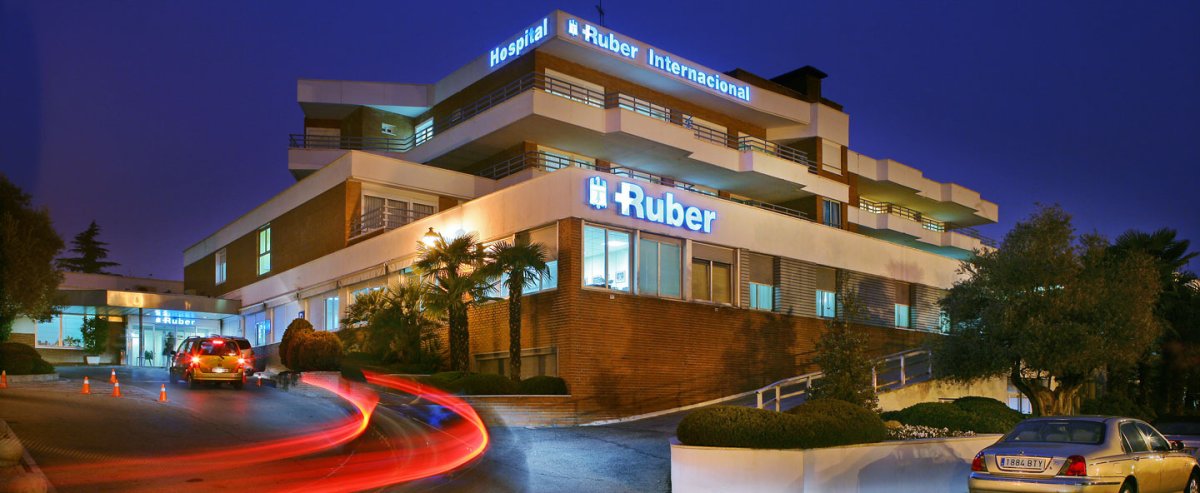
رؤية خبير Bookimed: تتعامل المراكز الإسبانية مثل مستشفى روبر الدولي وكويرونسالود مدريد مع أعداد هائلة من المرضى، حيث يدير مستشفى روبر وحده أكثر من 93,000 استشارة سنويًا. هذا الحجم الكبير يعني أن المتخصصين غالبًا ما يفضلون فترة مراقبة متحفظة. إذا لم تؤدِ زيادة الوزن إلى حل الأعراض خلال إطار زمني محدد، فإنهم ينتقلون بسرعة إلى التخطيط الجراحي.
إجماع المرضى: يشير المرضى إلى أن تتبع الأعراض جنبًا إلى جنب مع زيادة الوزن أمر حيوي. يجد الكثيرون أن المكملات السائلة أسهل بكثير في التحمل من الأطعمة الصلبة خلال مرحلة الشفاء الأولية.
متى تصبح الجراحة ضرورية؟
تصبح الجراحة لعلاج انضغاط الشريان المساريقي الأورطي ضرورية عندما يفشل الدعم الغذائي التحفظي في حل الأعراض. يتدخل الأطباء إذا كان القيء المستعصي، أو فقدان الوزن الشديد، أو الألم المزمن يمنع الأداء الطبيعي. تعطي المراكز الإسبانية المعتمدة من قبل JCI الأولوية للاستقرار الجراحي عندما تهدد الانسدادات التشريحية بضرر دائم للأعضاء أو سوء تغذية حاد.
- الفشل الغذائي: يستهدف الحالات التي لا يستطيع فيها المرضى الحفاظ على وزنهم من خلال التدخلات الغذائية عن طريق الفم أو الأنبوب.
- الأعراض المستعصية: ضرورية إذا كان الغثيان والقيء المستمر يسببان جفافاً متكرراً أو اختلالات في توازن الكهارل.
- الانسداد الموضوعي: مطلوب عندما تؤكد الصور التشخيصية وجود انخفاض حرج في الزاوية الأورطية المساريقية.
- جودة الحياة: يشار إليها عندما يمنع الألم المزمن بعد الأكل من العمل أو أداء المهام اليومية الأساسية.
رؤية خبير Bookimed: تستخدم المراكز الجراحية الإسبانية مثل مستشفى روبير الدولي (Hospital Ruber Internacional) تقنية التصوير بالرنين المغناطيسي المتقدمة بقوة 3 تسلا لرسم خرائط تشريحية دقيقة. يعد هذا التصوير عالي الدقة أمراً بالغ الأهمية لأن شدة الأعراض غالباً ما تملي الحاجة الجراحية أكثر من الزوايا التقليدية. تؤكد المراكز ذات الحجم الكبير في مدريد وبرشلونة على التدخل المبكر إذا بدأ فقدان الوزن في تفاقم دورة الانضغاط.
إجماع المرضى: يشير المرضى إلى أن الجراحة غالباً ما تصبح الحل الوحيد عندما يبدو الأكل مستحيلاً. ويؤكدون أن الانتظار لفترة طويلة أثناء التده
ما هي الإجراءات الجراحية التي يقدمها المتخصصون في إسبانيا؟
يقدم المتخصصون في إسبانيا رعاية جراحية متقدمة لمتلازمة انضغاط الشريان المساريقي العلوي باستخدام تقنيات طفيفة التوغل. تجري المراكز المعتمدة من قبل اللجنة الدولية المشتركة (JCI) إجراءات تحويل مسار معقدة وجراحات بمساعدة الروبوت. يركز معظم الجراحين على جراحة الاثني عشر والصائم لحل انسداد الأمعاء واستعادة وظيفة الجهاز الهضمي الطبيعية بكفاءة.
- جراحة الاثني عشر والصائم: يقوم الجراحون بتجاوز الأجزاء المنضغطة عن طريق توصيل الاثني عشر مباشرة بالصائم.
- نهج طفيف التوغل: تقلل التقنيات بالمنظار من الندبات وتقصر فترة التعافي في المستشفى لاضطرابات الجهاز الهضمي.
- الأنظمة الروبوتية: تستخدم مرافق مثل مستشفى روبر الدولي (Hospital Ruber Internacional) نظام دافنشي إكس آي (Da Vinci Xi) للتدخلات عالية الدقة.
- التشخيص المتقدم: يستخدم المتخصصون التصوير بالرنين المغناطيسي بقوة 3 تسلا والتصوير الطبي لتأكيد الانضغاط قبل الجراحة.
رؤية خبير بوكيميد (Bookimed): بينما تقدم العديد من المستشفيات العامة رعاية للجهاز الهضمي، تجري المراكز ذات الحجم الكبير مثل مركز تيكنون الطبي (Centro Médico Teknon) أكثر من 23,000 عملية جراحية سنويًا. هذه الخبرة الجراحية الواسعة ضرورية للحالات النادرة مثل متلازمة الشريان المساريقي العلوي (SMAS). اختيار مرفق يعالج أكثر من 10,000 مريض كل عام يضمن الوصول إلى فرق متعددة التخصصات على دراية بالانضغاطات المجاورة للأوعية الدموية.
إجماع المرضى: يؤكد المرضى على أهمية العثور على جراح يعالج متلازمة الشريان المساريقي العلوي بانتظام
كيف يتعامل الأطباء مع متلازمات الضغط المتعددة؟
يتعامل الأطباء مع متلازمات الضغط المتعددة من خلال تحديد المسبب الرئيسي للأعراض عبر التصوير الديناميكي واختبارات الاستفزاز. وهم يعطون الأولوية لعلاج التضيق التشريحي الأكثر خطورة أولاً. إذا استمرت الأعراض بعد الإجراء الأولي، يقوم المتخصصون بتقييم مواقع الضغط الثانوية للتدخل.
- التخطيط التشخيصي: يستخدم الجراحون التصوير بالرنين المغناطيسي بقوة 3 تسلا والأشعة المقطعية للتمييز بين المتلازمات المتداخلة.
- العلاج ذو الأولوية: يستهدف المتخصصون المسبب الرئيسي أولاً لتجنب العمليات الجراحية المعقدة غير الضرورية.
- الاستراتيجية الجراحية: يختار الأطباء بين إزالة الضغط المتزامنة أو الإجراءات المرحلية بناءً على استقرار المريض.
- الخبرة الإسبانية: تستخدم المراكز المعتمدة من اللجنة الدولية المشتركة (JCI) في مدريد وبرشلونة أنظمة روبوتية من نوع Da Vinci Xi.
رؤية خبير Bookimed: تحتل إسبانيا المرتبة الثالثة عالمياً في السياحة العلاجية على منصة Bookimed، ويرجع ذلك إلى حد كبير إلى المراكز ذات القدرة العالية مثل مستشفى روبر الدولي (Hospital Ruber Internacional). بينما تركز العديد من العيادات الخاصة على البالغين، تعالج هذه المنشأة 25,000 مريض سنوياً من جميع الفئات العمرية. هذا الحجم ضروري لحالات الضغط الوعائي النادرة حيث تؤثر خبرة الجراح بشكل مباشر على قرار إجراء العمليات على مراحل أو دمجها.
إجماع المرضى: يشير المرضى إلى أنه من الضروري المطالبة بتكرار التصوير عندما تتداخل الأعراض في مناطق متعددة. ويجدون أن المتخصصين غالباً ما يعالجون متلازمة واحد
هل يمكن للمرضى الدوليين أو الخاصين الحصول على هذا العلاج في إسبانيا؟
يمكن للمرضى الدوليين والخاصين الحصول على علاج متخصص في إسبانيا لحالات الأوعية الدموية المعقدة. تقدم المراكز الكبرى مثل Centro Médico Teknon و Hospital Ruber Internacional تشخيصات متقدمة وفرق جراحية متعددة التخصصات. توفر هذه المؤسسات الخاصة منسقين يتحدثون الإنجليزية ومسارات مبسطة لغير المقيمين.
- مرافق متخصصة: يخدم Centro Médico Teknon 10,000 مريض دولي سنويًا برعاية معتمدة من JCI.
- تشخيصات متقدمة: يستخدم Hospital Ruber Internacional التصوير بالرنين المغناطيسي 3-تسلا والتصوير عالي الدقة للفحوصات.
- مسارات خاصة: تسمح المؤسسات الخاصة للمرضى بتجاوز قوائم الانتظار العامة التقليدية للتقييمات المتخصصة.
- الخبرة السريرية: يوفر Quironsalud Madrid الوصول إلى كبار المتخصصين والتجارب السريرية القائمة على الأبحاث.
رؤية خبير Bookimed: على الرغم من أن إسبانيا تحتل المرتبة الثالثة عالميًا في شبكتنا، إلا أن حجم المرافق يختلف بشكل كبير حسب الحجم. يدير Hospital Ruber Internacional 25,000 مريض سنويًا مع 800 طبيب. تشير هذه النسبة العالية من الأطباء إلى المرضى إلى وصول أفضل إلى المتخصصين للحالات النادرة مقارنة بالعيادات الخاصة الأصغر.
إجماع المرضى: يجد المرضى أن الرعاية الخاصة أسرع بكثير للحصول على مراجعات التصوير والآراء الثانية. من الضروري إحضار تاريخك الكامل للأعراض وفقدان الوزن لمساعدة الجراحين في تأكيد التشخيص.