جراحة القلب في إسرائيل — التكاليف 2026

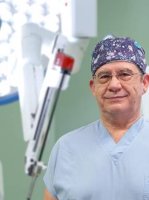
تمت مراجعة المقالة طبيا من قبل
Hasim Ustunsoy
ما هي تكلفة جراحة القلب في إسرائيل؟ اكتشف الآن
تتراوح تكلفة جراحة القلب في إسرائيل عادةً ما بين $26,000 و $52,000. تعتمد التكاليف على الإجراء المحدد، والمرفق الطبي، ومدى تعقيد الحالة. يمكن للمرضى توفير ما بين 70-75% مقارنة بالولايات المتحدة.
تكاليف جراحة القلب النموذجية في إسرائيل
- الموجات فوق الصوتية (الألتراساوند): من $190
- تخطيط القلب (ECG): من $60
- جهاز هولتر لمراقبة القلب: من $200
تقع مراكز جراحة القلب الرائدة في تل أبيب وحيفا والقدس. استشر أخصائي قلب للحصول على تسعير دقيق لحالتك المحددة واحتياجاتك العلاجية.
جميع أمراض جراحة القلب
مزاياك وضماناتك مع Bookimed
أسعار مباشرة
Bookimed لا يضيف رسوماً إضافية على أسعار علاج جراحة القلب. الأسعار مأخوذة من قوائم الأسعار الرسمية للعيادات. تدفع مباشرة في العيادة مقابل علاجك عند وصولك إلى البلد.
عيادات وأطباء معتمدون فقط
Bookimed ملتزم بسلامتك. نحن نعمل فقط مع المؤسسات الطبية التي تحافظ على معايير دولية عالية في علاج جراحة القلب ولديها التراخيص اللازمة لخدمة المرضى الدوليين في جميع أنحاء العالم.
مساعدة مجانية على مدار الساعة
Bookimed يقدم مساعدة خبراء مجانية. منسق طبي شخصي يدعمك قبل وأثناء وبعد العلاج، ويحل أي مشاكل. لن تكون وحيداً أبداً في رحلة علاج جراحة القلب.

منسقك الطبي الشخصي في Bookimed
- يدعمك في كل مرحلة
- المساعدة في اختيار العيادة الطبية المناسبة والطبيب المناسب
- يضمن الوصول السريع والمريح إلى المعلومات
اكتشف أفضل عيادات جراحة القلب: 14 خيارات معتمدة والأسعار











Assaf Harofeh Medical Center



Soroka Medical Center


Herzliya Medical Center
أفضل مراكز جراحة القلب في إسرائيل
- مركز شيبا الطبي, إسرائيل
- Sourasky Medical Center (Ichilov), إسرائيل
- Assuta Medical Center, إسرائيل
- Hadassah Medical Center, إسرائيل
- Rambam Medical Center, إسرائيل
- Assaf Harofeh Medical Center, إسرائيل
- Schneider Center for Children Medicine, إسرائيل
- Soroka Medical Center, إسرائيل
- Rabin Medical Center, إسرائيل
- Herzliya Medical Center , إسرائيل
احصل على تقييم طبي لـ جراحة القلب في إسرائيل. استشر الآن 14 أطباء ذوي الخبرة.
عرض جميع الأطباء
Pevni Dimitry
رائد البروفيسور بيفني طريقة فريدة لاستبدال صمام القلب على قلب ينبض – مما أدى إلى تحسين النتائج في مركز سوراسكي الطبي.
- أجرى عمليات زرع صمام أبهري رائدة، بما في ذلك لمرضى القلب الاصطناعي
- تخصص في التقنيات طفيفة التوغل في أفضل المراكز الأوروبية
- أستاذ ومحاضر في كلية الطب بجامعة تل أبيب
- عضو في جمعيات جراحة القلب المرموقة مثل AHA و EACTS

Sami Viskin
152 مقالاً تمت مراجعته من قبل الزملاء و4 تجارب سريرية - يتخصص الدكتور فيسكين في عدم انتظام ضربات القلب المعقد في مركز سوراسكي الطبي.
- خبير في الحالات النادرة مثل متلازمات بروجادا وQT الطويلة
- يقوم بإجراء عمليات الاستئصال القلبي المتقدمة وزراعة أجهزة تنظيم ضربات القلب
- حاصل على تقييم عالٍ في 15 حالة قلبية
- باحث نشط يساهم في بروتوكولات العلاج الجديدة

Gideon Uretzky
جراح قلب رائد في مركز سوراسكي الطبي، متخصص في التقنيات طفيفة التوغل لتعافي أسرع ونتائج أفضل.
- أستاذ في جامعة تل أبيب
- خبير في إعادة التأهيل القلبي بعد الجراحة
- متخصص في جراحة الصمامات طفيفة التوغل وجراحة مجازة الشريان التاجي (CABG)
- يعمل في مستشفى إيخيلوف - أحد أفضل المراكز الطبية في إسرائيل

Kramer Amir
صنفته صحيفة معاريف كواحد من أفضل 5 جراحي قلب في إسرائيل، يتخصص الدكتور كرامر أمير في إجراءات صمامات القلب المعقدة في مركز سوراسكي الطبي.
- أكثر من 30 عامًا من الخبرة في جراحة القلب
- تدرب على زراعة الصمامات الحيوية الاصطناعية بدون دعامة في جامعة أكسفورد
- يجري إجراءات متقدمة مثل جراحة MIDCAB وزراعة أجهزة المساعدة البطينية
- عضو في نقابة أطباء إسرائيل ومجلس الأطباء
مشاركة المحتوى
قصص فيديو من مرضى Bookimed
 Anna Leonova
أسئلة متكررة حول جراحة القلب في إسرائيل
ما هي أفضل المستشفيات لجراحة القلب في إسرائيل؟
تضم إسرائيل مراكز قلب معترف بها عالمياً مثل مركز شيبا الطبي ومركز سوراسكي الطبي. هذه المرافق المعتمدة من قبل اللجنة الدولية المشتركة (JCI) هي الرائدة في الجراحة بمساعدة الروبوت واستبدال الصمامات المعقدة. وهي تخدم أكثر من 1,000,000 مريض سنوياً. يقوم جراحون خبراء بإجراء عمليات متقدمة مثل TAVI وزراعة القلب بمعدلات نجاح عالية.
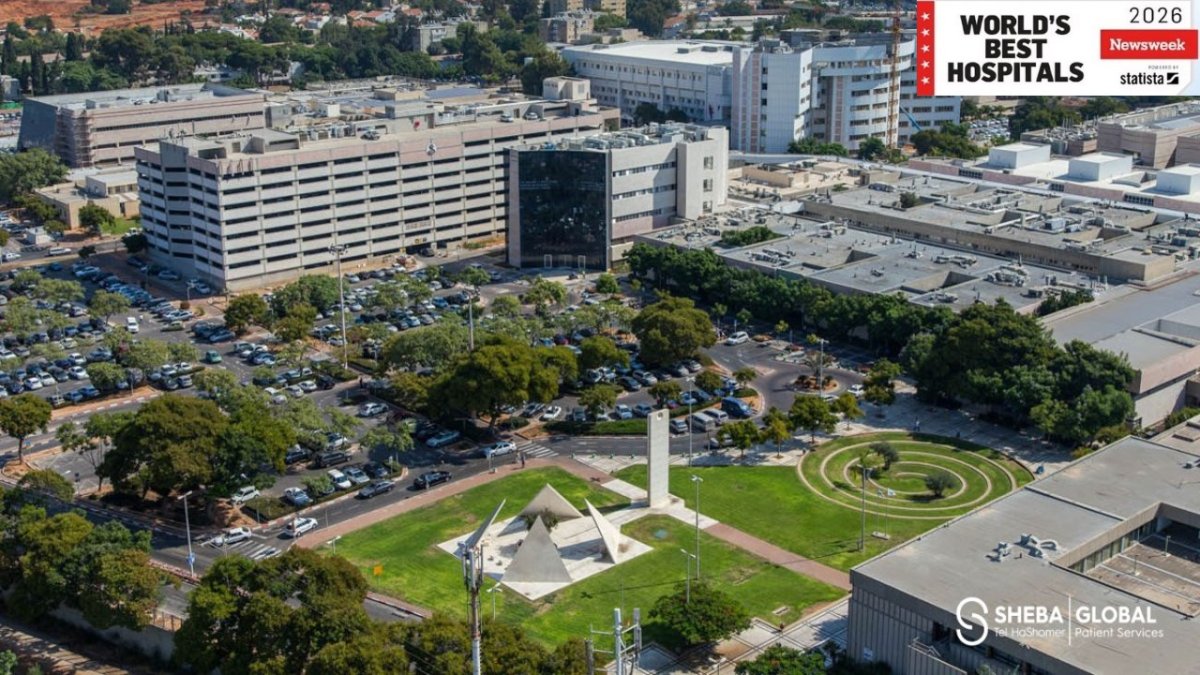
- مركز شيبا الطبي: صُنف ضمن أفضل 10 مستشفيات في العالم لعامي 2025 و2026 من قبل مجلة نيوزويك.
- سوراسكي (إيخيلوف): يجري 34,000 عملية سنوياً باستخدام أنظمة روبوتية وتقنيات التصوير الرقمي.
- مركز هداسا الطبي: يضم أطباء مدرجين في قائمة فوربس وأبلغ عن إجراء أكثر من 40,000 جراحة سنوياً في تخصصات متعددة.
- مركز أسوتا الطبي: أكبر مستشفى خاص في إسرائيل متخصص في جراحة القلب والصدر طفيفة التوغل.
رؤية خبير Bookimed: تظهر البيانات أن المراكز الخاصة مثل أسوتا تسمح للمرضى باختيار طبيبهم المعالج بشكل محدد. في المقابل، غالباً ما تدير المراكز العامة الكبيرة مثل شيبا أو سوراسكي أحجاماً أكبر من عمليات الزراعة المعقدة. اختيار مرفق خاص يمكن أن يوفر تحكماً أكبر في فريقك الجراحي.
إجماع المرضى: يشير المرضى إلى أن المراكز الإسرائيلية توفر وصولاً أسرع بكثير للجراحة مقارنة بالبدائل الأوروبية. يؤكد الكثيرون أن البحث في خبرة جراح فردي أكثر أهمية من العلامة التجارية العامة للمستشفى.
ما هو معدل نجاح جراحة القلب في إسرائيل؟
تحافظ جراحة القلب في إسرائيل على معدل نجاح يصل إلى 95% في إجراءات مثل استبدال الصمامات وجراحة المجازة التاجية. تجمع المراكز الرائدة بين العناية المركزة والتكنولوجيا المتقدمة. تجري مرافق مثل مركز سوراسكي الطبي (إيخيلوف) أكثر من 34,000 عملية سنويًا. يدعم هذا الحجم الكبير نتائج ممتازة للمرضى وتعافيًا سريعًا.
- نجاح الإجراء: تتمتع جراحة القلب المفتوح بمعدل فعالية يصل إلى 95% في المراكز الإسرائيلية.
- إصلاح الصمامات: تتجاوز معدلات نجاح إصلاح صمامات القلب 85% لتحقيق نتائج أفضل.
- جراحة طفيفة التوغل: تبلغ إجراءات TAVI عن معدل نجاح بنسبة 95% باستخدام تقنيات القسطرة.
- استقرار النظام: حافظت أقسام القلب الإسرائيلية على نتائج مستقرة حتى خلال فترات العمل المكثف.
رؤية خبير Bookimed: يرتبط نجاح جراحة القلب في إسرائيل بالتخصص الدقيق داخل الأقسام. على سبيل المثال، أجرى الدكتور بيفني ديمتري في مركز سوراسكي الطبي (إيخيلوف) أكثر من 1,000 إجراء خصيصًا على قلوب نابضة. تسمح هذه الخبرة المتخصصة للجراحين بالتعامل مع الحالات عالية الخطورة التي قد تتجنبها المرافق الأصغر. اختيار مركز ذو حجم كبير مثل هداسا، الذي يخدم 1,000,000 مريض سنويًا، يربطك بأطباء مدرجين ضمن أفضل المتخصصين في فوربس.
إجماع المرضى: يشير المرضى إلى أن التعافي من جراحة المجازة سريع بشكل مدهش، وغالبًا ما يستغرق بضعة أيام فقط. يسلط الكثيرون الضوء على أن دقة الفرق الجراحية توفر مستوى من الثقة لم يجدوه في أي مكان آخر.
لماذا تُعتبر إسرائيل وجهة رائدة لرعاية القلب؟
تُعد إسرائيل وجهة رائدة لرعاية القلب بفضل معدلات نجاح جراحية تصل إلى 95% وابتكارات رائدة مثل أول قلب مطبوع بتقنية ثلاثية الأبعاد في العالم. تقدم المراكز المعتمدة من قبل JCI في تل أبيب والقدس إجراءات متقدمة. وتشمل هذه الإجراءات استبدال الصمام الأبهري عبر القسطرة (TAVI) والجراحة بمساعدة الروبوت بتكاليف أقل مما هي عليه في الولايات المتحدة.
- الخبرة: أجرى جراحون مثل الدكتور بيفني ديمتري أكثر من 1000 عملية قلب معقدة.
- التكنولوجيا: تستخدم العيادات أجهزة تنظيم ضربات القلب بدون أسلاك MICRA وتقنية VenaSeal لعلاجات القلب والأوعية الدموية المتقدمة.
- الاعتماد: تُصنف المرافق الرائدة مثل مركز شيبا الطبي باستمرار ضمن قائمة أفضل 10 مراكز في مجلة نيوزويك.
- التخصصات: تُبلغ مراكز مثل مركز سوراسكي الطبي (إيخيلوف) عن نسبة نجاح تصل إلى 90% في الحالات المعقدة.
رؤية خبير Bookimed: تُظهر البيانات اتجاهاً واضحاً حيث توفر المرافق الخاصة مثل مركز أسوتا الطبي وصولاً أسرع إلى جراحين محددين. غالباً ما يختار المرضى هذه المراكز لاختيار خبراء يتمتعون بخبرة تزيد عن 30 عاماً. وهذا يتجاوز فترات الانتظار الطويلة الموجودة عادةً في المستشفيات الجامعية العامة الكبيرة.
إجماع المرضى: يقدر المرضى حقيقة أن الجراحين الإسرائيليين غالباً ما يتدربون في أفضل المؤسسات الأمريكية ويجلبون تلك المعايير العالية إلى الوطن. وكثيراً ما يذكرون أنه على الرغم من أن الجراحة نفسها عالمية المستوى، فمن المهم طلب تقارير جراحية باللغة الإنجليزية بشكل استباقي لطبيبك المحلي.
ما هي أنواع جراحات القلب المتاحة في إسرائيل؟
توفر إسرائيل مجموعة كاملة من جراحات القلب، بدءاً من جراحة مجازة الشريان التاجي (CABG) وصولاً إلى عمليات زراعة القلب المعقدة. يستخدم الجراحون أنظمة روبوتية متقدمة وتقنيات طفيفة التوغل. تقوم مراكز معتمدة مثل مركز سوراسكي الطبي (إيخيلوف) ومركز شيبا الطبي بإجراء الآلاف من هذه العمليات سنوياً.
- إجراءات الشرايين التاجية: استعادة تدفق الدم باستخدام جراحة المجازة (CABG) مع أو بدون استخدام جهاز القلب والرئة.
- جراحة الصمامات: استبدال أو جراحة تجميلية لصمامات القلب الأبهري والتاجي وثلاثي الشرفات.
- تقنيات طفيفة التوغل: يُعد زرع الصمام الأبهري عبر القسطرة (TAVI) بديلاً للجراحة المفتوحة.
- التدخلات المتقدمة: علاج تمدد الأوعية الدموية الأبهري، والاستئصال بالترددات الراديوية، وتركيب أجهزة تنظيم ضربات القلب أو مزيلات الرجفان.
رؤية خبير Bookimed: غالباً ما يعطي المتخصصون الإسرائيليون الأولوية لتقنيات القلب النابض لإجراءات الصمامات والمجازة. وقد أجرى الدكتور ديمتري بيفني في مركز سوراسكي الطبي أكثر من 1000 عملية من هذا النوع. هذا النهج يلغي الحاجة إلى جهاز القلب والرئة، مما يؤدي إلى تعافٍ أسرع وتقليل المضاعفات بعد الجراحة للمرضى المعرضين لمخاطر عالية.
إجماع المرضى: يشير المرضى إلى أن التعافي من جراحة المجازة يمكن أن يكون سريعاً بشكل ملحوظ. يبلغ البعض عن العودة إلى الأنشطة الطبيعية في غضون أسبوعين. يسلط المرضى المسنون الضوء بشكل خاص على فوائد إجراءات TAVI، حيث تسمح لهم غالباً بالعودة إلى المنزل بعد 3 أيام فقط من استبدال صمام القلب.
هل تتوفر خيارات طفيفة التوغل في إسرائيل؟
تعد إسرائيل رائدة عالمياً في جراحة القلب طفيفة التوغل. يقوم الجراحون بإجراء إصلاحات معقدة للصمامات وعمليات تحويل مسار الشريان التاجي من خلال شقوق صغيرة بين الضلوع. تلغي هذه التقنيات الحاجة إلى فتح الصدر. تستخدم المراكز الرائدة مثل مركز شيبا الطبي أنظمة روبوتية متقدمة لتحقيق دقة فائقة.
- الإجراءات المتاحة: يقوم المتخصصون بإجراء عمليات TAVI وMitraClip وإصلاح الصمامات بمساعدة الروبوت بانتظام.
- الخبرة السريرية: الدكتور جدعون أوريتسكي في مركز سوراسكي الطبي هو خبير معترف به في هذه التقنيات.
- نتائج المرضى: تقلل الأساليب طفيفة التوغل عادةً وقت التعافي من 8 أسابيع إلى أسبوعين فقط.
- المرافق المتقدمة: تستخدم أفضل المستشفيات مثل هداسا وأسوتا غرف عمليات هجينة للتدخلات القائمة على القسطرة.
رؤية خبير Bookimed: تظهر البيانات أن المراكز الخاصة مثل مركز أسوتا الطبي توفر غالباً وصولاً أسرع إلى الإجراءات الاختيارية طفيفة التوغل مقارنة بالمستشفيات العامة. يستفيد المرضى الذين يختارون هذه المرافق عادةً من تقنيات متخصصة مثل أجهزة تنظيم ضربات القلب بدون أسلاك MICRA وVenaSeal. يمكن أن يقلل هذا بشكل كبير من أوقات الانتظار للمرضى الدوليين الذين يبحثون عن رعاية قلبية عاجلة.
إجماع المرضى: يشير المرضى إلى أن التعافي أسرع بكثير من الجراحة التقليدية. ويؤكدون على أهمية اختيار جراح يقوم بإجراء ما لا يقل عن 50 حالة طفيفة التوغل سنوياً.
هل تتوفر جراحة القلب المتخصصة للأطفال في إسرائيل؟
تعد إسرائيل مركزاً عالمياً رئيسياً لجراحة القلب المتخصصة للأطفال. تعالج مرافق مثل مركز شنايدر لطب الأطفال ومركز شيبا الطبي العيوب الخلقية المعقدة. وهي توفر قسطرة جنينية متقدمة وجراحات تحويلية لحديثي الولادة. وتتطابق نتائج إجراءات مثل جراحة التبديل الشرياني مع أعلى المعايير العالمية.
- مرافق متخصصة: يعالج مركز شنايدر لطب الأطفال 70% من حالات قلب الأطفال في إسرائيل.
- تشخيص متقدم: توفر المراكز تخطيط صدى القلب للجنين والقسطرة بدءاً من الأسبوع 27.
- جراحة طفيفة التوغل: يقوم الجراحون بإجراء إصلاحات القلب من خلال شقوق بطول 4 سم لتقليل الندبات.
- دعم الحياة: تستخدم العيادات أجهزة ECMO وأجهزة دعم البطين لحالات فشل القلب الحادة.
رؤية خبير Bookimed: تتخصص مراكز قلب الأطفال الإسرائيلية في الحالات المعقدة ذات الحجم الكبير التي قد تؤجلها مناطق أخرى. يجري مركز شيبا الطبي 400 عملية جراحية و300 إجراء غير جراحي سنوياً. يسمح هذا الحجم للفرق بالحفاظ على أعلى مستويات الكفاءة في إصلاحات حديثي الولادة النادرة. يستفيد المرضى من هذه الخبرة المركزة في واحدة من الأماكن القليلة التي تجري تدخلات جنينية.
إجماع المرضى: يجد الآباء أن الرعاية الطبية تضاهي أفضل المستشفيات الأمريكية ولكن بتكلفة أكثر قابلية للإدارة. ويشيرون إلى أن الجراحين غالباً ما يكونون مدربين في أماكن مثل مستشفى بوسطن للأطفال ويقدمون استشارات افتراضية واضحة باللغة الإنجليزية قبل السفر.
كيف يبدو الجدول الزمني للتعافي بعد جراحة القلب في إسرائيل؟
يتضمن التعافي بعد جراحة القلب في إسرائيل عادةً إقامة في المستشفى تتراوح من 4 إلى 7 أيام. يقضي المرضى عادةً أول 24 إلى 48 ساعة في العناية المركزة. يستغرق التعافي الأساسي من 6 إلى 8 أسابيع حتى يلتئم عظم القص. يعود معظم المرضى إلى أنشطتهم الطبيعية في غضون 3 إلى 6 أشهر.
- الإقامة في المستشفى: يبقى المرضى من 4 إلى 7 أيام بعد جراحة القلب المفتوح القياسية للمراقبة.
- الحركة الأولية: تشجع البروتوكولات الإسرائيلية على المشي في اليوم الأول لمنع حدوث مضاعفات.
- التئام عظم القص: يتطلب تعافي العظام من 6 إلى 8 أسابيع مع قيود صارمة على رفع الأثقال.
- الجراحة طفيفة التوغل: يكون التعافي أسرع، حيث تستغرق الإقامة في المستشفى غالبًا من 3 إلى 4 أيام فقط.
- إعادة التأهيل طويل الأمد: يحدث التعافي الوظيفي الكامل عادةً بين 3 و 12 شهرًا.
رؤية خبير Bookimed: تعطي بروتوكولات التعافي الإسرائيلية الأولوية للحركة المبكرة لتقليل المخاطر المكتسبة في المستشفى. تجري عيادات مثل مركز سوراسكي الطبي (إيخيلوف) 34,000 عملية سنويًا. يسمح حجم العمل المرتفع للفرق بتوحيد معايير الرعاية بعد الجراحة. غالبًا ما يؤدي هذا إلى أن يكون المرضى مستعدين للدعم المنزلي في وقت أقرب مما هو عليه في مناطق أخرى. تأكد دائمًا مما إذا كانت عيادتك تتضمن العلاج الطبيعي المنزلي في خطة الخروج الأولية.
إجماع المرضى: يلاحظ المرضى مستويات عالية من التعب خلال الأسابيع من 4 إلى 6 ويؤكدون على أهمية وجود مساعدة عائلية خلال الأيام الـ 14 الأولى. تفاجأ الكثيرون بمدى سرعة تش
كيف تدعم المستشفيات الإسرائيلية المرضى الدوليين فيما يتعلق باحتياجات السفر واللغة؟
توفر المستشفيات الإسرائيلية دعمًا متخصصًا لمرضى جراحة القلب الدوليين من خلال أقسام دولية مخصصة. تقوم هذه المراكز بتنسيق التأشيرات الطبية، وخدمات النقل من المطار، والمساعدة متعددة اللغات. تخصص مرافق مثل مركز سوراسكي الطبي ومركز هداسا الطبي منسقين شخصيين لإدارة الجداول السريرية والترجمة الفورية أثناء الاستشارات.
- لوجستيات السفر: يساعد الموظفون في وثائق التأشيرة الطبية ويرتبون عمليات نقل مخصصة من المطار.
- دعم اللغة: يوفر المنسقون الشخصيون الترجمة للأطباء وطاقم التمريض أثناء فترة التعافي.
- السجلات الطبية: توفر عيادات مثل هداسا أوراق الخروج والتعليمات بلغة المريض.
- التخطيط المسبق: تساعد استشارات الفيديو عن بُعد مع أطباء القلب في وضع اللمسات الأخيرة على خطط العلاج قبل السفر.
- المساعدة في الإقامة: غالبًا ما تتفاوض المستشفيات على أسعار في فنادق قريبة أو توفر سكنًا للعائلات داخل الحرم الجامعي.
رؤية خبير Bookimed: بينما تخدم المراكز العامة مثل رامبام ما يقرب من 1,000,000 مريض سنويًا، توفر المرافق الخاصة مثل مركز أسوتا الطبي ميزة واضحة للمرضى الدوليين. تظهر بياناتنا أن العيادات الخاصة تسمح للمرضى باختيار الجراح المعالج ونوع الغرفة بأنفسهم. هذا المستوى من التخصيص نادر في المؤسسات الحكومية الأكبر ويقلل بشكل كبير من أوقات الانتظار لإجراءات القلب المعقدة.
إجماع المرضى: يلاحظ المرضى أنه على الرغم من أن الجراحين يتحدثون الإنجليزية بطلاقة عادةً، فقد يكون لدى ممرضي الأقسام مهارات لغوية محدودة أثناء التعافي. يوص
لماذا تُعد إسرائيل واحدة من الوجهات الرائدة في جراحة الأعصاب؟
تُعدّ إسرائيل مركزًا رائدًا في جراحة الأعصاب بفضل مزيجها من التطورات الطبية عالية التقنية والخبرات الجراحية المتميزة. وتستخدم مرافق متطورة مثل مركز شيبا الطبي أنظمة ملاحة تعتمد على الذكاء الاصطناعي والتصوير بالرنين المغناطيسي أثناء الجراحة في الوقت الفعلي. وتشير المراكز المتخصصة إلى نسبة نجاح تصل إلى 98% في العمليات الجراحية المعقدة، بما في ذلك جراحة الدماغ مع اليقظة وعلاج اضطرابات الحركة.
- التكنولوجيا المتقدمة: تستخدم العيادات الموجات فوق الصوتية المركزة الموجهة بالرنين المغناطيسي (MRgFUS) والأنظمة الروبوتية لإجراء الشقوق.
- الخبرة الجراحية: يقود جراحون مثل الدكتور تسفي رام جمعيات دولية بخبرة تزيد عن 25 عامًا.
- الوصول السريع: يمكن للمرضى الدوليين عادةً تحديد مواعيد لإجراء عمليات جراحية معقدة في الدماغ أو العمود الفقري في غضون 2-4 أسابيع.
- الرعاية الطبية المعتمدة: المراكز الكبيرة مثل سوراسكي (إيشيلوف) وأسوتا معتمدة من قبل اللجنة الدولية المشتركة، مما يؤكد سلامتها.
رأي خبراء بوكيمد: تُظهر البيانات فرقًا واضحًا بين خيارات العلاج في القطاعين العام والخاص في إسرائيل. تُجري المراكز الخاصة، مثل مركز أسوتا الطبي، أكثر من 92,000 عملية جراحية سنويًا، وتتيح للمرضى اختيار جراح را
ما هي أنواع الأمراض العصبية التي يتم علاجها في إسرائيل؟
يعالج جراحو الأعصاب الإسرائيليون طيفاً واسعاً من الحالات، بدءاً من أورام الدماغ والحبل الشوكي وصولاً إلى الاضطرابات الوظيفية المعقدة. وتستخدم المراكز المتخصصة أحدث التقنيات، مثل جهاز جاما نايف، والتحفيز العميق للدماغ، والتصوير بالرنين المغناطيسي أثناء الجراحة، لتشخيص دقيق للغاية لحالات الصرع، ومرض باركنسون، وأمراض الأوعية الدموية الدماغية.
- الأمراض السرطانية: علاج الأورام الدبقية والأورام السحائية وأورام الغدة النخامية باستخدام استئصال قاعدة الجمجمة.
- الاضطرابات الوظيفية: علاج مرض باركنسون والرعاش الأساسي باستخدام التحفيز العميق للدماغ.
- أمراض العمود الفقري: تصحيح الجنف، وانزلاق الغضروف، وأورام العمود الفقري باستخدام الأنظمة الروبوتية.
- علاج أمراض الأوعية الدموية الدماغية: العلاج الجراحي لتمدد الأوعية الدموية الدماغية والتشوهات الشريانية الوريدية باستخدام التدخلات داخل الأوعية الدموية.
- جراحة الأعصاب للأطفال: رعاية متخصصة لاستسقاء الرأس والتشوهات الخلقية في مراكز طب الأطفال المتخصصة.
رأي خبراء بوكيمد: غالبًا ما تجمع المستشفيات الإسرائيلية بين تخصصات طبية متعددة لمعالجة الحالات المعقدة. ففي مركز سوراسكي ا