TAVI مع إصلاح صمام مُرخَّص ببراءة اختراع على يد جراح أجرى أكثر من 10,000 عملية قلبية
إسبانيا, برشلونة
Xavier Ruyra Baliarda
34سنة خبره ١٦ سنة

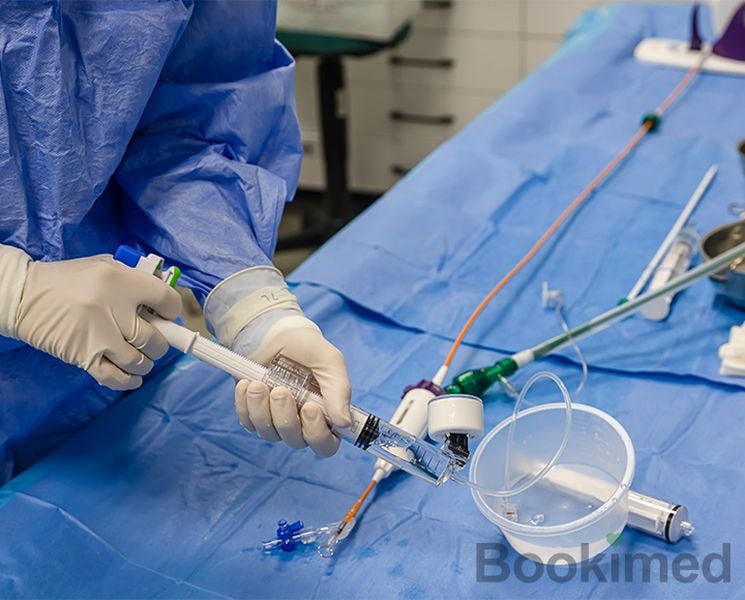
يستخدم هذا الإجراء نهج الشريان الفخذي - لا حاجة لجراحة القلب المفتوح. يقوم الدكتور كزافييه رويرا بالياردا، وهو رئيس قسم لديه 3 براءات اختراع مسجلة لإصلاح الصمامات، بإجرائه في Centro Médico Teknon. تبلغ تكلفة الحزمة حوالي 53,800 دولار، وتغطي الصمام الاصطناعي، والجراحة، وتخطيط صدى القلب والأشعة المقطعية قبل العملية، والإقامة في المستشفى لمدة 5 أيام. أجرت هذه العيادة المعتمدة من قبل اللجنة الدولية المشتركة (JCI)، والتي تستخدم التصوير المتقدم ثلاثي الأبعاد، أكثر من 10,000 إجراء قلبي تحت قيادة الدكتور رويرا.