العودة إلى الصفحة الرئيسية
820К+ مريضًا حصلوا على المساعدة منذ عام 2014
50 دول
1,500 عيادات
6K+ تقييمات
3K+ طبيب مؤهل

ما هي تكلفة جراحة القلب في الصين؟ اكتشف الآن

Heart surgery in China typically costs from $25,500 to $47,900. The total expense depends on the specific procedure complexity, the hospital's tier, and the length of the postoperative stay. Patients generally save between 70% and 85% compared to costs in the United States.

Typical Heart Surgery Costs in China

  • Heart ultrasound: $35 – $35
  • Radiofrequency ablation: $8,500 – $17,500
  • Heart Valve Replacement: $28,500 – $44,500
  • Installing heart pacemaker: $12,500 – $22,500
  • Open heart surgery: $18,500 – $34,500
  • Coronary stenting: $13,500 – $24,500
  • Coronary artery bypass grafting: $18,500 – $34,500
  • Transcatheter aortic valve implantation (TAVI): $42,000 – $55,000
  • Aortic aneurysm surgery: $35,000 – $62,000
  • Plastic surgery for cardiac valve: $24,000 – $48,000

Specialized cardiac care is concentrated in major hubs like Beijing and Shanghai. While Beijing offers world-class tertiary hospitals, costs can vary based on the choice between standard wards and VIP facilities. Consulting with a specialist can help determine exact pricing for your specific medical needs.

الصينتركياإسبانيا
عملية القلب المفتوحمن $18,500من $8,000من $30,000
زرع الصمام الأبهري عبر القثطار (TAVI)من $42,000من $20,340من $25,000
رأب الأوعية الشريانية داخل القحف وتركيب الدعاماتمن $14,500من $12,000من $18,000
رأب الأوعية الدموية الشرياني عبر الشرايين (PTA) والدعاماتمن $9,200من $2,000من $7,500
رأب الأوعية الدمويةمن $9,200من $3,500من $12,000
تم التحقق من البيانات بواسطة Bookimed اعتبارًا من June 2026، استنادًا إلى طلبات المرضى والعروض الرسمية من 1 عيادة حول العالم. تستند التكاليف المتوسطة إلى الفواتير الحقيقية (2025–2026) ويتم تحديثها شهريًا. قد تختلف الأسعار الفعلية.

مزاياك وضماناتك مع Bookimed

أسعار مباشرة

Bookimed لا يضيف رسوماً إضافية على أسعار علاج جراحة القلب. الأسعار مأخوذة من قوائم الأسعار الرسمية للعيادات. تدفع مباشرة في العيادة مقابل علاجك عند وصولك إلى البلد.

عيادات وأطباء معتمدون فقط

Bookimed ملتزم بسلامتك. نحن نعمل فقط مع المؤسسات الطبية التي تحافظ على معايير دولية عالية في علاج جراحة القلب ولديها التراخيص اللازمة لخدمة المرضى الدوليين في جميع أنحاء العالم.

مساعدة مجانية على مدار الساعة

Bookimed يقدم مساعدة خبراء مجانية. منسق طبي شخصي يدعمك قبل وأثناء وبعد العلاج، ويحل أي مشاكل. لن تكون وحيداً أبداً في رحلة علاج جراحة القلب.


لماذا نحن؟

منسقك الطبي الشخصي في Bookimed

  • يدعمك في كل مرحلة
  • المساعدة في اختيار العيادة الطبية المناسبة والطبيب المناسب
  • يضمن الوصول السريع والمريح إلى المعلومات

مشاركة المحتوى

Twitter XLinkedinFacebookWhatsAppEmail
أحصل على الرابط

قصص فيديو من مرضى Bookimed

Dayana
جمعت بين إجازتي في أنطاليا والفحص الطبي.
إجراء: فحص صحة الإناث (انظر فحص النساء)
Igor
كان رائعاً! التنقلات والإقامة والعلاج - كل شيء مشمول.
إجراء: زرع الأسنان
مستشفى: WestDent Clinic
Marina
قام Bookimed بكل شيء من أجلي. لم أضطر للقلق بشأن أي شيء.
إجراء: فحص صحة الإناث (انظر فحص النساء)
مستشفى: Severance Hospital
محدث: 05/27/2022
تأليف
Anna Leonova
Anna Leonova
رئيس فريق تسويق المحتوى
محررة طبية معتمدة لديها خبرة تزيد عن 10 سنوات، طوّرت محتوى Bookimed الموثوق، مدعومة بماجستير في علم اللغة ومقابلات مع خبراء طبيين من جميع أنحاء العالم.
تمت المراجعة من قبل المستشار الطبي في Bookimed
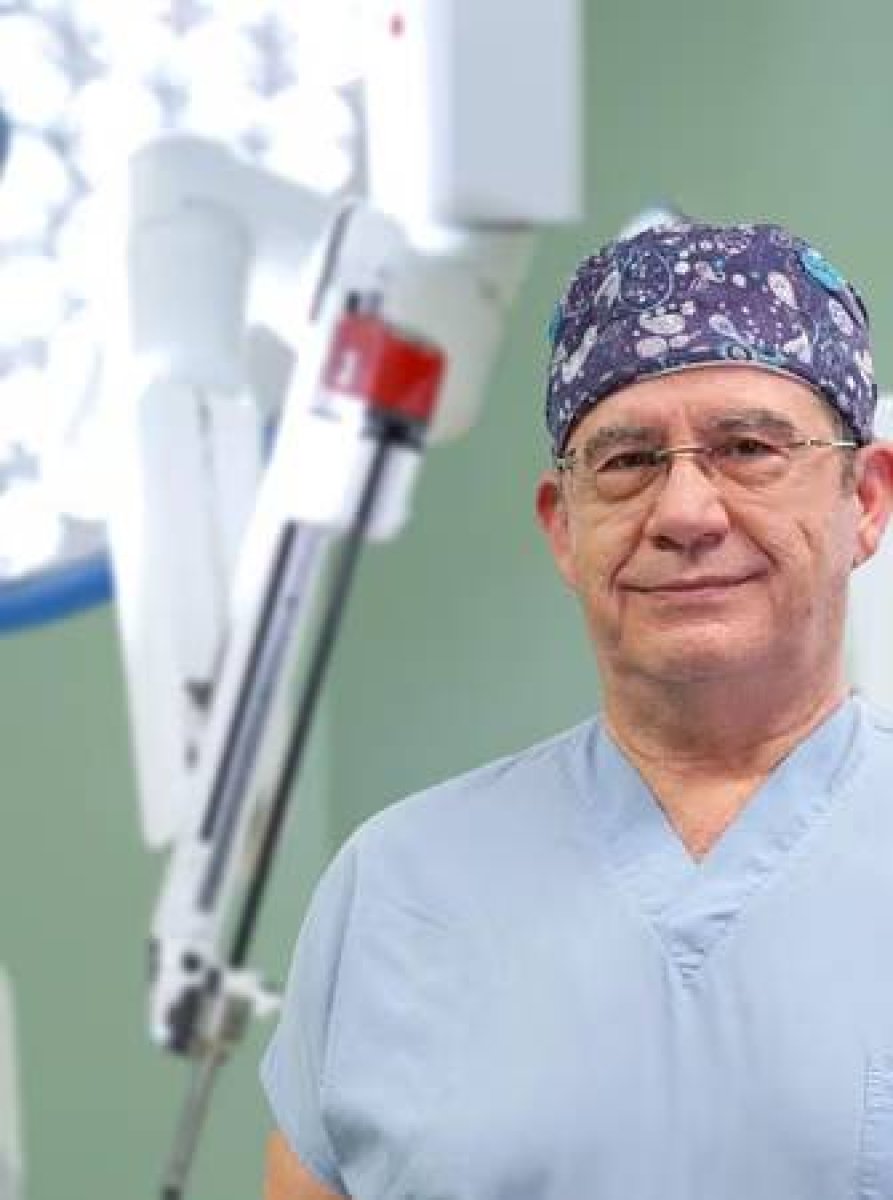
Hasim Ustunsoy
جراح القلب والأوعية الدموية
الأستاذ الدكتور هاشم أوستنسوي جراح قلب وأوعية دموية متخصص في جراحة القلب الروبوتية، وإصلاح الصمامات، وجراحة تحويل مسار الشريان التاجي. وهو رائد في جراحة القلب الروبوتية باستخدام نظام دافنشي في تركيا.
قد تحتوي هذه الصفحة على معلومات تتعلق بمختلف الحالات الطبية والعلاجات وخدمات الرعاية الصحية المتوفرة في بلدان مختلفة. يرجى العلم أن المحتوى مقدم لأغراض إعلامية فقط ولا ينبغي تفسيره على أنه نصيحة أو إرشادات طبية. يرجى استشارة طبيبك أو أخصائي طبي مؤهل قبل البدء أو تغيير العلاج الطبي.

أسئلة متكررة حول جراحة القلب في الصين

هذه الأسئلة الشائعة مأخوذة من مرضى حقيقيين يبحثون عن رعاية طبية عبر Bookimed. يتم تقديم الإجابات من قبل منسقين طبيين ذوي خبرة وممثلين موثوقين من العيادات.

What are documented success rates for heart surgeries in China?

Documented heart surgery success rates in China generally exceed 90% at specialized tertiary centers. National registry data shows coronary artery bypass grafting maintains a 99% survival rate. Congenital heart interventional procedures report 99.9% survival. Heart transplant one-year survival rates are documented at 85.4%.

  • Bypass surgery: Recent data indicates in-hospital survival rates between 99.1% and 99.4% nationally.
  • Congenital procedures: Interventional treatments achieved a documented 99.99% in-hospital survival rate in 2023.
  • Valve repair: Specialized centers report effective success rates exceeding 99% for routine procedures.
  • Aortic surgery: In-hospital survival for aortic aneurysm repairs is approximately 99.4% in leading facilities.

Bookimed Expert Insight: High patient volumes drive specialized expertise in China. Xiamen Humanity Hospital serves 1,000,000 patients annually across 47 departments. Large facilities often participate in Phase I-IV clinical trials. This high-frequency environment usually correlates with refined surgical techniques in urban tertiary centers.

Patient Consensus: Patients emphasize choosing top-tier hospitals to ensure better outcomes and post-operative monitoring. Some note that verifying a surgeon performs 200+ cases yearly is essential for safety.

Are Chinese heart surgeons well-trained and experienced?

Chinese heart surgeons at top-level institutions are exceptionally well-trained and maintain higher surgical volumes than Western counterparts. Senior surgeons at leading centers often perform 300 to 500 open-heart surgeries annually. This extensive daily practice builds technical proficiency. Many specialists also complete international fellowships in Europe or North America.

  • Training duration: Surgeons undergo a rigorous 8 to 14 year medical training pipeline.
  • Surgical volume: Leading specialists perform 3 to 5 times more cases than US peers.
  • Technology access: Top hospitals use robotic systems, 3D imaging, and hybrid operating rooms.
  • Global expertise: Elite surgeons often hold fellowships from world-renowned international cardiac programs.

Bookimed Expert Insight: While surgical skill is high, domestic registry data is less public than in Europe. Patients should prioritize Tier-1 hospitals in Beijing, Shanghai, or Guangzhou like Xiamen Humanity Hospital. These centers handle over 1,000,000 patients annually. This massive scale ensures surgeons encounter rare complications more frequently than those in lower-volume regions.

Patient Consensus: Patients note that while surgeons at top hospitals are highly skilled, language barriers remain common. Many recommend confirming a surgeon's international training and planning post-operative care with a local cardiologist beforehand.

Is the pricing transparent for international patients?

Pricing for heart surgery in China is moderately transparent but requires careful verification. Costs for cardiac procedures generally range from _price_from_ to _price_to_. While hospitals provide base estimates, international patients often encounter additional fees. These can include mandatory translation services or premium room surcharges.

  • Cost range: Cardiac treatments typically range from _price_from_ to _price_to_ overall.
  • Potential add-ons: Bills often increase by 20–50% due to ICU stays or medications.
  • Service fees: Patients should expect separate charges for translators and VIP coordination services.
  • Clinical trials: Xiamen Humanity Hospital conducts extensive clinical trials for new medical devices.

Bookimed Expert Insight: Data suggests a clear transparency gap between hospital types in China. Large facilities like Xiamen Humanity Hospital manage 1,000,000 patients annually with standardized pricing structures. However, these centers often prioritize local clinical trials over international package bundling. Patients should request a breakdown in USD to avoid currency fluctuation risks.

Patient Consensus: Patients note that initial quotes often skip essential costs like bloodwork or rehab. Many recommend budgeting an extra 30% to cover the real costs that emerge after admission.

Will my international health insurance be accepted?

International health insurance is rarely accepted for direct payment during heart surgery in China. Most facilities, including JCI-accredited centers like Fuda Cancer Hospital, require full upfront payment. Patients typically pay out-of-pocket and then file for reimbursement from their insurance provider after the procedure.

  • Payment protocol: You must pay the entire bill at the time of admission.
  • Direct billing: Only specialized global plans with pre-negotiated networks offer direct hospital payments.
  • Accepted methods: Hospitals prioritize WeChat Pay, Alipay, or UnionPay over foreign credit cards.
  • Reimbursement steps: Collect all translated medical receipts and invoices to submit your claim.

Bookimed Expert Insight: Data suggests larger facilities like Xiamen Humanity Hospital manage 1,000,000 patients annually across 47 departments. This high volume means administrative staff focus on standard payment flows. Patients should prepare a 20% to 30% financial buffer beyond the initial quote for any additional medical needs.

Patient Consensus: Patients note that state-run cardiac centers often treat international visitors as cash patients. It is important to confirm payment methods early as foreign cards are frequently declined at the desk.

Are minimally invasive and robotic techniques available for heart surgery?

Minimally invasive and robotic heart surgery is available at top-tier Chinese medical centers. These techniques use small incisions between the ribs rather than a large breastbone opening. Surgeons perform procedures like mitral valve repair and bypass surgery using advanced robotic systems or percutaneous methods.

  • Available procedures: Surgeons perform robotic mitral valve repair and tumor removals.
  • Advanced technology: Tier-1 hospitals in Beijing and Shanghai use da Vinci robotic systems.
  • Recovery time: Minimally invasive patients often return to activity within 2 to 3 weeks.
  • Hospital stay: Transcatheter aortic valve replacement allows for discharge in 3 days.

Bookimed Expert Insight: Patients should target tertiary hospitals in major cities like Beijing or Shanghai for these procedures. These centers handle high volumes, with Xiamen Humanity Hospital alone serving 1,000,000 patients annually. High patient volume often correlates with greater surgeon experience in complex robotic maneuvers.

Patient Consensus: Patients note that robotic options are standard for valve repairs but harder to find for bypass surgery. They suggest asking specifically for transcatheter methods early to avoid longer hospital stays associated with traditional surgery.

How long should I plan to stay post-surgery before flying home?

Patients should plan to stay in China for 4 to 6 weeks after major heart surgery. This timeframe allows for critical recovery and ensures stability for long-haul flights. International travel involves cabin pressure changes and prolonged immobility. These factors significantly increase the risk of blood clots and arrhythmias.

  • Recovery window: Major procedures require 4 to 6 weeks before safe commercial flight.
  • Clinical stability: Surgeons typically require a clear echocardiogram 21 days after the procedure.
  • Clot prevention: Staying active and using compression socks helps prevent deep vein thrombosis.
  • Post-sternotomy care: Incisions need 4 weeks to stabilize against cabin pressure stresses.

Bookimed Expert Insight: Heart surgery patients in China often stay 14 days in the hospital. Large facilities like Xiamen Humanity Hospital manage 1,000,000 patients annually with 460 doctors. High patient volumes mean hospitals discharge stable patients quickly to open beds. You should book a local hotel for 2 additional weeks to ensure access to follow-up care.

Patient Consensus: Patients emphasize that flying home too early feels reckless and risky. One patient noted that even with surgeon approval at 10 days, the physical toll of a long flight was overwhelming.

What documents are required to travel to China for heart surgery?

Travel to China for heart surgery requires a Category S2 visa and a formal Medical Invitation Letter from a Tier-3 hospital. Your passport must have 6 months of validity beyond your stay. You also need documented proof of medical condition and bank statements showing at least 10,000 USD to cover expenses.

  • Medical invitation letter: Official stamped document from a Grade 3 hospital detailing treatment and stay.
  • Clinical records pack: Recent EKG and echocardiogram results on a CD in DICOM format.
  • Financial verification: Bank statements proving you can cover the full cost of cardiac care.
  • Proof of kinship: Notarized certificates for family members traveling as caregivers to obtain visas.

Bookimed Expert Insight: Heart surgery patients should secure a post-operative travel waiver from their Chinese surgeon before departure. Airlines often refuse boarding to recent surgery patients without this specific medical clearance. Xiamen Humanity Hospital, which serves over 1,000,000 patients annually, typically provides these essential documents through their international departments to facilitate safe return flights.

Patient Consensus: Patients emphasize checking passport expiration dates early as even a 5-month validity can lead to immediate visa rejection. They also recommend setting up digital payment apps like Alipay before arrival since most facilities are nearly cashless.

احصل على استشارة مجانية

حدد أفضل طريقة للاتصال بك