العودة إلى الصفحة الرئيسية
820К+ مريضًا حصلوا على المساعدة منذ عام 2014
50 دول
1,500 عيادات
6K+ تقييمات
3K+ طبيب مؤهل

ما هي تكلفة تفتيت الحصى بالليزر في كوريا الجنوبية؟ اكتشف الآن

السعر المتوسط ل في كوريا الجنوبية هو $8,000. الحد الأدنى للسعر هو $6,000 والحد الأقصى $10,000.
تم التحقق من البيانات بواسطة Bookimed اعتبارًا من August 2026، استنادًا إلى طلبات المرضى والعروض الرسمية من 10 عيادة حول العالم. تستند التكاليف المتوسطة إلى الفواتير الحقيقية (2025–2026) ويتم تحديثها شهريًا. قد تختلف الأسعار الفعلية.

مزاياك وضماناتك مع Bookimed

أسعار مباشرة

Bookimed لا يضيف رسوماً إضافية على أسعار تفتيت الحصى بالليزر. الأسعار مأخوذة من قوائم الأسعار الرسمية للعيادات. تدفع مباشرة في العيادة مقابل تفتيت الحصى بالليزر عند وصولك.

عيادات وأطباء معتمدون فقط

Bookimed ملتزم بسلامتك. نحن نعمل فقط مع المؤسسات الطبية التي تحافظ على معايير دولية عالية في تفتيت الحصى بالليزر ولديها التراخيص اللازمة لخدمة المرضى الدوليين في جميع أنحاء العالم.

مساعدة مجانية على مدار الساعة

Bookimed يقدم مساعدة خبراء مجانية. منسق طبي شخصي يدعمك قبل وأثناء وبعد العلاج، ويحل أي مشاكل. لن تكون وحيداً أبداً في رحلة تفتيت الحصى بالليزر.

لماذا نحن؟

منسقك الطبي الشخصي في Bookimed

  • يدعمك في كل مرحلة
  • المساعدة في اختيار العيادة الطبية المناسبة والطبيب المناسب
  • يضمن الوصول السريع والمريح إلى المعلومات

لا تفوت الصفقات الحصرية تفتيت الحصى بالليزر في كوريا الجنوبية لمدة أغسطس 2026

نوع الإجراء
جراحة المسالك البولية المتقدمة طفيفة التوغل والإطار الجراحي المُخصص

كوريا الجنوبية, سول

Yoon Sik Kang

36سنة خبره ١٦ سنة
  • يون سيك كانغ هو مطور تقنية «كانغ ريبير» الجراحية الخالية من الشبكات لعلاج الفتق.
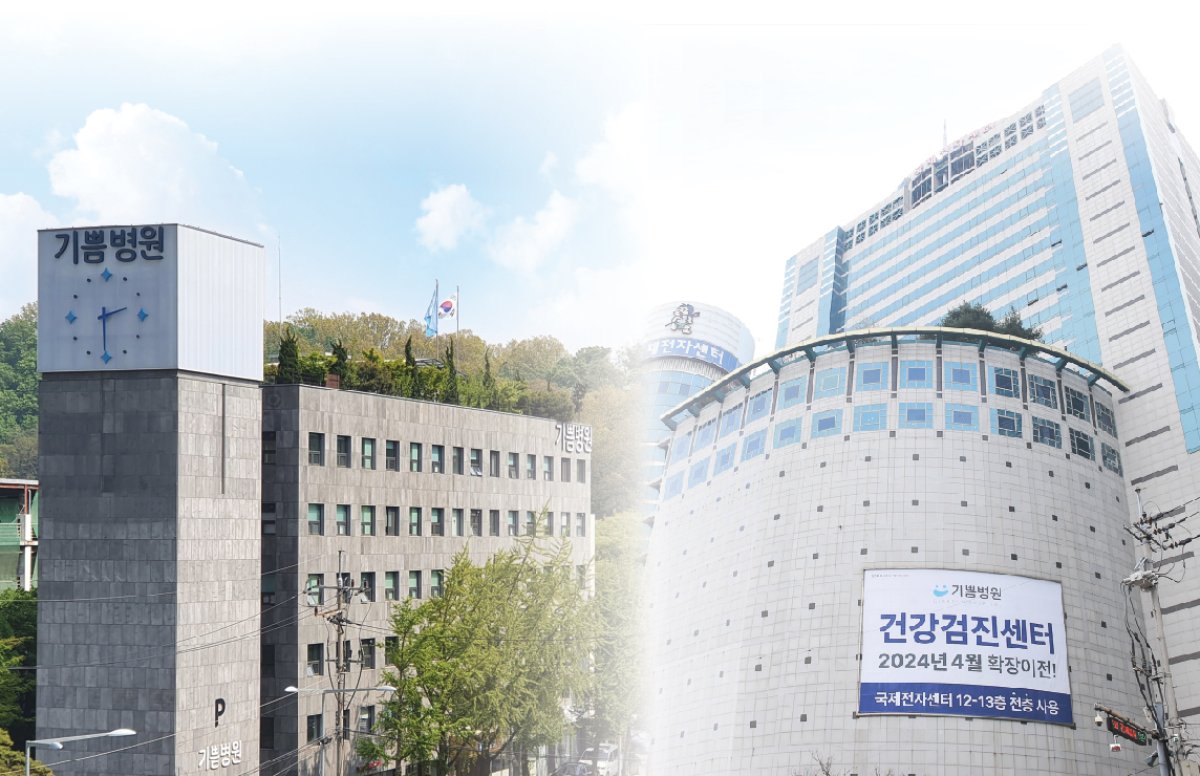
  • يستقبل مستشفى جيبوم العام مرضى دوليين من أكثر من 56 دولة، بما في ذلك الولايات المتحدة والمملكة المتحدة.
  • الخدمات المشمولة: اختبار 100 Hue، التصوير المقطعي المحوسب ثلاثي الأبعاد (CT)، اختبار فيروس نقص المناعة البشرية (HIV)، فحوصات الدم، الخزعة، التصوير المقطعي المحوسب (CT)، استشارة مع أخصائي المسالك البولية.
  • معلومات الإقامة: إقامة لمدة يومين في المستشفى و14 يومًا في الفندق؛ لا تشمل الأسعار تكاليف الإقامة.

اكتشف أفضل تفتيت الحصى بالليزر العيادات في كوريا الجنوبية: 2 خيارات معتمدة والأسعار

تم تصنيف العيادات بواسطة نظام Bookimed الذكي، باستخدام تحليل علوم البيانات عبر 5 معايير رئيسية.

نظرة عامة على تفتيت الحصى بالليزر في كوريا الجنوبية

الوجبات الجاهزة
الإجراءات والتكاليف ذات الصلة
كيف نعمل؟
المزايا
دفع
مرضى يوصي -
85%
تمت معالجة الطلبات - 10917
رسوم الحجز - $0

احصل على تقييم طبي لـ تفتيت الحصى بالليزر في كوريا الجنوبية: اختر أخصائيك من بين الأفضل في هذا المجال

عرض جميع الأطباء
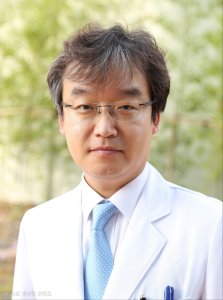
يؤكد

Sohn Dong-wan

31سنة خبره ١٦ سنة

الدكتور سون دونغ-وان متخصص في أورام المسالك البولية والسلس البولي والضعف الجنسي. يجري جراحات البروستاتا بالليزر. ويقدم علاجاً روبوتياً وبالتنظير البطني لسرطانات البروستاتا والمثانة والحالب والكلية. كما يعالج انسداد الوصل الحويضي الحالبي.

تشمل ممارساته طفيفة التوغل استئصال الكلية واستئصال البروستاتا بالمنظار. يجري TURBT وTURP بالمنظار المثاني. ويقدم إزالة الحصوات بالليزر عبر المنظار الحالبي واستخراج حصى الكلى عبر الجلد. ويعالج تضخم البروستاتا الحميد (BPH)، والتهاب البروستاتا، وحصوات المسالك البولية، وسرطان الخصية، والسلس البولي الجهدي (SUI)، وفرط نشاط المثانة (OAB)، والعقم الذكري.

قصص فيديو من مرضى Bookimed

Jamie
جعل Bookimed هذه الرحلة الطبية سهلة للغاية.
إجراء: جراحة إعادة تحديد الجنس
Niculcea
الطريق صعب — لكننا لا نسير فيه وحدنا. وهذا يعني الكثير. شكرًا مرة أخرى لـ Bookimed.
إجراء: العلاج بـ Lutetium-177

مشاركة المحتوى

Twitter XLinkedinFacebookWhatsAppEmail
أحصل على الرابط
محدث: 06/30/2026
تأليف
Anna Leonova
Anna Leonova
رئيس فريق تسويق المحتوى
محررة طبية معتمدة لديها خبرة تزيد عن 10 سنوات، طوّرت محتوى Bookimed الموثوق، مدعومة بماجستير في علم اللغة ومقابلات مع خبراء طبيين من جميع أنحاء العالم.
تمت المراجعة من قبل المستشار الطبي في Bookimed
فهد مولود
محرر طبي وعالم بيانات
طبيب عام. حاصل على 4 جوائز علمية. خدم في غرب آسيا. رئيس الفريق الطبي الناطق بالعربية سابقا ومسؤول عن معالجة البيانات ودقة المحتوى الطبي حاليا.
فهد مولود Linkedin
قد تحتوي هذه الصفحة على معلومات تتعلق بمختلف الحالات الطبية والعلاجات وخدمات الرعاية الصحية المتوفرة في بلدان مختلفة. يرجى العلم أن المحتوى مقدم لأغراض إعلامية فقط ولا ينبغي تفسيره على أنه نصيحة أو إرشادات طبية. يرجى استشارة طبيبك أو أخصائي طبي مؤهل قبل البدء أو تغيير العلاج الطبي.

أسئلة متكررة حول تفتيت الحصى بالليزر في كوريا الجنوبية

هذه الأسئلة الشائعة مأخوذة من مرضى حقيقيين يبحثون عن رعاية طبية عبر Bookimed. يتم تقديم الإجابات من قبل منسقين طبيين ذوي خبرة وممثلين موثوقين من العيادات.

Is laser lithotripsy in the Republic of Korea safe, and what are the potential complications?

Laser lithotripsy in the Republic of Korea is exceptionally safe, with stone-free success rates reaching 98.9%. Accredited facilities like NAEUN HOSPITAL and Gibbeum General Hospital use minimally invasive ureteroscopy to break down stones without incisions. This ensures high safety standards and rapid recovery.

  • Safety certifications: KOIHA-accredited clinics meet rigorous international standards for surgical quality and patient safety.
  • Expert specialists: Doctors like Dr Sohn Dong-wan at NAEUN HOSPITAL specialise in advanced endoscopic stone removal.
  • Common side effects: Patients may experience minor blood in urine or stinging during urination for a few days.
  • Stent discomfort: Temporary ureteral stents can cause bladder spasms or flank pain during the recovery phase.
  • Technological precision: Surgeons use high-resolution imaging and low-dose CT scans to precisely target and fragment stones.

Bookimed Expert Insight: While many AU patients focus on surgeons, the KOIHA accreditation in Korea is the real safety benchmark. It requires clinics to pass strict government checks. These often exceed international baseline standards, making it a reliable signal for high-quality urological care.

Patient Consensus: Patients in the Republic of Korea find the procedure quick and manageable, though temporary stent discomfort remains the most noted part of recovery. Most suggest staying near the clinic for the first few days and confirm the importance of knowing infection warning signs before travelling home.

What is the success rate of laser lithotripsy for kidney stones in the Republic of Korea?

Laser lithotripsy in the Republic of Korea achieves a success rate between 90.2% and 93.5% for total stone clearance. Specialists in Seoul and Incheon use holmium lasers and flexible ureteroscopy to treat stones larger than 10 mm. It is more effective than traditional shockwave therapy.

  • Stone clearance: Success rates reach 96.9% for urinary stones located below the pelvic brim.
  • Clinical volume: Major centres like NAEUN HOSPITAL treat 500,000 patients annually with advanced urology units.
  • Advanced techniques: Dr Sohn Dong-wan specialises in ureteroscopic laser removal and robotic surgery at NAEUN HOSPITAL.
  • Hospital stay: Patients typically require 2 days in hospital for monitoring and initial recovery.
  • Treatment options: Clinics provide percutaneous nephrolithotomy (PCNL) and laser lithotripsy for complex, hard stones.

Bookimed Expert Insight: While many centres focus on throughput, Gibbeum General Hospital in Seoul offers comprehensive pre-op screening packages for A$1,900. These include 3D CT scans and urologist consultations to map stone density before surgery. This level of detail helps surgeons choose the exact laser frequency needed for 90%+ clearance.

Patient Consensus: Patients report that ureteroscopy with laser provides the best results for the least pain compared to other methods. Recovery often involves a temporary stent and minor bleeding, but most stones are cleared in one session.

What can I expect after laser lithotripsy in Korea, and how long does recovery take?

Laser lithotripsy in Korea typically results in a rapid recovery. Most patients return home the same day. Full recovery usually takes 3 to 5 days. Specialists use minimally invasive ureteroscopy to break stones. This allows most individuals to return to light work within 24 to 48 hours.

  • Hospital stay: Most patients undergo outpatient surgery and leave hospital on the same day.
  • Stent management: Surgeons often place a temporary ureteral stent to assist with urine flow.
  • Physical activity: Avoid strenuous exercise and heavy lifting for at least 1 to 2 weeks.
  • Hydration needs: Drinking 2 to 3 litres of water daily helps flush out stone fragments.
  • Follow-up care: Stent removal usually occurs in a clinic setting within 5 to 14 days.

Bookimed Expert Insight: Korean urologists often perform 1,000+ endoscopic procedures annually. This high volume leads to precise stent placement. Patients benefit from updated laser technology that reduces tissue trauma. This often leads to shorter hospital stays compared to traditional methods.

Patient Consensus: Patients in Korea report feeling immediate relief from stone pain. They often find the medical staff very efficient during discharge. The clear instructions on hydration and stent care support a smooth transition home.

How long does laser lithotripsy take to perform in the Republic of Korea?

Laser lithotripsy in the Republic of Korea usually takes 30–60 minutes to perform under general anaesthesia. This minimally invasive procedure often involves flexible ureterorenoscopy. It allows most patients same-day discharge within 1–2 hours of finishing their surgery.

  • Operation duration: Most surgeons complete the actual laser stone removal within 30–60 minutes.
  • Total hospital time: Expect 2–3 hours total for pre-operative preparation and post-surgical recovery.
  • Same-day discharge: Most facilities prioritise outpatient care, letting patients return home the same day.
  • In-patient care: Some packages at centres like Gibbeum General Hospital include a 2-day stay.

Bookimed Expert Insight: While the surgery is fast, Seoul clinics often perform comprehensive pre-operative testing. This includes 3D CT scans and blood tests. Dr. Yoon Sik Kang at Gibbeum General Hospital includes these in all-inclusive packages. This allows precise stone localisation before the 30-minute laser procedure.

Patient Consensus: The operation is quick and efficient. Patients often leave the hospital within an hour of waking up. Many suggest checking if a stent is required. This impacts comfort more than the short surgery time in Korea.

What is laser lithotripsy, and how is it performed in the Republic of Korea?

Laser lithotripsy is a minimally invasive procedure. It uses concentrated laser energy to fragment kidney, bladder, or ureteral stones. Surgeons in the Republic of Korea perform this with high-resolution ureteroscopes inserted through the urethra. They shatter stones into dust without incisions while patients are under general anaesthesia.

  • Ureteroscopic approach: Specialists pass flexible scopes through natural openings, avoiding external surgical cuts.
  • Laser fragmentation: Holmium or Thulium lasers break stones into tiny pieces for natural passage.
  • Basket retrieval: Surgeons use tiny Dormia baskets to remove larger fragments during the procedure.
  • Stent placement: Temporary tubes ensure ureteral drainage and prevent blockage from post-operative swelling.

Bookimed Expert Insight: South Korean university hospitals often quote A$8,300 to A$13,800. However, specialised centres like Gibbeum General Hospital offer targeted packages around A$1,900. These lower-cost options often include comprehensive 3D CT imaging and 2 nights of hospital monitoring. This is vital because Australian patients may experience stent-related urgency shortly after discharge.

Patient Consensus: Expect the first urination to sting and some blood in the urine, but these symptoms usually fade after 24 hours. Staying well-hydrated helps manage stent discomfort before the quick removal procedure in the Republic of Korea.

Why choose the Republic of Korea for laser lithotripsy?

The Republic of Korea attracts patients for laser lithotripsy due to JCI-accredited facilities and KOIHA-certified standards. Specialists like Dr Sohn Dong-wan at Naeun Hospital use flexible ureteroscopy and holmium lasers. These minimally invasive techniques offer precise stone removal, faster recovery, and high success rates.

  • Advanced technology: Clinics use thulium fibre lasers for efficient kidney stone fragmentation.
  • Expert specialists: Surgeons at Naeun Hospital manage 500,000 patients annually with specialised urology units.
  • Integrated diagnostics: Facilities provide one-stop services with low-dose CT and high-resolution imaging.
  • Proven volume: Gibbeum General Hospital has performed over 150,000 endoscopy procedures since 2005.

Bookimed Expert Insight: While basic laser lithotripsy packages at clinics like Gibbeum General Hospital start around A$1,900, this often covers only diagnostic screenings and consultations. Patients should budget for a 2-day hospital stay. The most efficient clinics in Seoul bundle 3D CT scans and blood tests into the initial surgical framework.

Patient Consensus: Success rates are high for removing 7 mm stones in a single session. Patients appreciate the clear communication via KakaoTalk and the value of bundled post-operative medications.

Which are the best clinics for laser lithotripsy in the Republic of Korea?

Top clinics for laser lithotripsy in the Republic of Korea include Gibbeum General Hospital in Seoul. NAEUN HOSPITAL in Incheon is another top choice. These KOIHA-accredited facilities specialise in minimally invasive ureteroscopic laser stone removal. Specialists use Holmium lasers to fragment kidney stones without incisions, typically requiring a 2-day hospital stay.

  • Gibbeum General Hospital: a Seoul centre serving international patients from 56 countries, with KOIHA accreditation.
  • NAEUN HOSPITAL: a large facility in Incheon treating 500,000 patients annually with urology departments.
  • Specialist expertise: Dr Sohn Dong-wan at NAEUN HOSPITAL performs complex ureteroscopic laser stone removal.
  • Technology: Centres use low-dose CT and high-resolution imaging for precise stone localisation.

Bookimed Expert Insight: While large university hospitals are prestigious, specialised general hospitals like NAEUN HOSPITAL handle massive patient volumes. They treat 500,000 patients annually. This high-frequency environment often leads to streamlined pathways for routine laser lithotripsy. This helps international patients secure theatre dates and specialist consultations. They secure these much faster than at major academic centres.

احصل على استشارة مجانية

حدد أفضل طريقة للاتصال بك