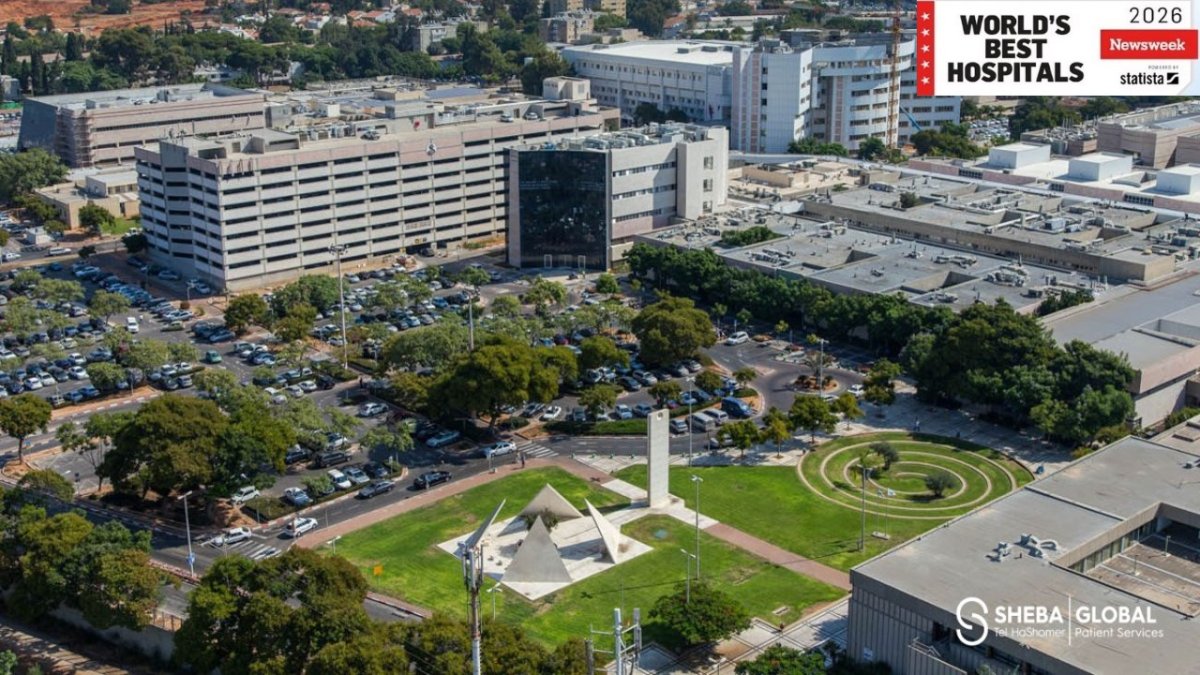
Sourasky Medical Center (Ichilov)
إسرائيل, Tel Aviv
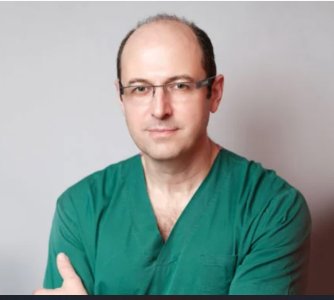
Pelles Sharon
23سنة خبره ١٦ سنة

العيادة معتمدة من قبل : 





تمت مراجعة المقالة طبيا من قبل
فهد مولود
تتراوح تكلفة علاج سرطان المستقيم في إسرائيل عادةً ما بين $17,000 و $24,000 للتدخلات الجراحية المتقدمة. أما الفحوصات التشخيصية القياسية، بما في ذلك التصوير بالموجات فوق الصوتية عبر المستقيم، فتتراوح تكلفتها بين السعر عند الطلب و السعر عند الطلب. تعتمد النفقات الإجمالية على مرحلة السرطان، واستخدام التكنولوجيا الروبوتية، ومستوى المستشفى. وغالباً ما يحقق المرضى وفورات تتراوح بين 20-40% مقارنة بالولايات المتحدة. تقع أفضل مراكز العلاج في تل أبيب والقدس وحيفا.
تكاليف علاج سرطان المستقيم النموذجية في إسرائيل
رؤية خبراء Bookimed: يجب على المرضى الذين يبحثون عن جراحة عالية الدقة إعطاء الأولوية للمراكز التي تمتلك قدرات روبوتية. يُبلغ مركز سوراسكي الطبي (إيخيلوف) عن معدل نجاح في علاج الأورام يصل إلى 90% ويستخدم تقنيات تعتمد على الذكاء الاصطناعي. بالنسبة للحالات المعقدة التي تنطوي على انتشار في الصفاق، توفر خبرة مركز إيخيلوف في تقنية HIPEC قيمة متعددة التخصصات. توفر الخيارات الخاصة مثل مركز أسوتا الطبي أقصى قدر من التحكم للمريض في اختيار الجراح. يظل مركز هداسا الطبي في القدس خياراً أول للعلاج الإشعاعي المتخصص للجهاز الهضمي.
| إسرائيل | تركيا | إسبانيا | |
|---|---|---|---|
| نانو نايف NanoKnife | من $30,000 | ≈ $9,500 | ≈ $9,500 |
| منظومة دا فينشي الجراحية | ≈ $17,000 | من $23,900 | من $16,800 |
| سايبر نايف CyberKnife | ≈ $17,000 | من $4,900 | من $14,800 |
| المعالجة المقطعية | ≈ $16,000 | من $6,700 | ≈ $7,500 |
| العلاج المناعي مع Keytruda (Pembolizumab) | ≈ $4,800 | من $3,900 | من $10,300 |
تقود الدكتورة شارون بيليس معهد أورام الجهاز الهضمي في مركز سوراسكي الطبي، وهي متخصصة في العلاجات الجهازية لسرطان المستقيم.

يرأس البروفيسور ميريمسكي قسم أورام العظام والأنسجة الرخوة في مركز سوراسكي الطبي، وهو متخصص في علاجات الأورام المصممة خصيصاً.
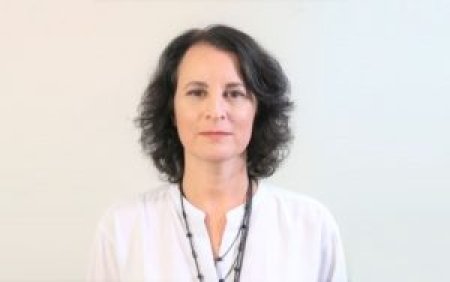
الدكتورة عينات شاحام‑شموئيلي استشارية أورام طبية في عيادة الجهاز الهضمي، مركز السرطان، مركز شيبا الطبي. تعالج سرطانات القولون والمعدة والبنكرياس، وتدير حالات المرض النقيلي. تستخدم التشخيص الدقيق والواسمات الحيوية، والعلاجات الجهازية، والعلاج الإشعاعي. تُقدَّم الرعاية ضمن فريق متعدد التخصصات.
نشرت أكثر من 25 مقالة مُحكَّمة حول أورام الجهاز الهضمي وبيولوجيا الأورام والعلاجات الجديدة، ويشمل عملها دراسات عن وضع الدعامات لعلاج الانسداد الخبيث في القولون. تعمل باحثة في برامج دولية، منها المع
الدكتور يوري غولدس جرّاح عام يتمتع بأكثر من 20 عامًا من الخبرة السريرية. يختص بجراحات الجهاز الهضمي العلوي وجراحة الأورام. يشغل منصب نائب مدير قسم الجراحة العامة وزراعة الأعضاء في مركز شيبا الطبي بتل أبيب، ويرأس وحدة جراحة الجهاز الهضمي العلوي. أُدرِج ضمن قائمة أفضل أطباء فوربس إسرائيل لعام 2025، ومُصنّف ضمن أفضل جراحي الجهاز الهضمي في إسرائيل بحسب فوربس. في 2019، نال جائزة «طبيب العام» من وزارة الصحة الإسرائيلية.
خبير في الجراحة طفيفة التوغل والمتقدمة والروبوتية. يعالج فتق الحجاب الحا
 Anna Leonova
تحقق مراكز الأورام الإسرائيلية نسبة 80-90% في الحفاظ على العضلة العاصرة لأورام المستقيم المتوسطة والعالية. غالبًا ما تتجنب التقنيات الجراحية الحديثة مثل الاستئصال الأمامي المنخفض (LAR) الحاجة إلى كيس فغر قولون دائم. تعتمد الضرورة على موقع الورم، والاستجابة للعلاج قبل الجراحة، وما إذا كانت العضلة العاصرة الشرجية لا تزال تعمل.
رؤية خبير Bookimed: تظهر البيانات أن اختيار مراكز ذات حجم عمليات كبير مثل مركز سوراسكي الطبي، الذي يجري أكثر من 34,000 عملية سنويًا، يزيد بشكل كبير من فرصة إجراء جراحة الحفاظ على العضلة العاصرة. يتخصص جراحون ذوو خبرة مثل الدكتورة هاجيت تولشينسكي في استئصال المستقيم الترميمي. تعد تقنية إعادة البناء هذه عاملاً رئيسيًا في تجنب الكيس الدائم حتى للأورام منخفضة الموقع.
إجماع المرضى: يشير المرضى إلى أن الانكماش القوي للورم بعد الإشعاع الأولي غالبًا ما يغير الخطة الجراحية من كيس دائم إلى كيس مؤقت. يؤكد الكثيرون أن التعافي الناجح لمدة 12 أسبوعًا يؤدي عادةً إلى إجراء عكسي مباشر.
توفر إسرائيل جراحات متقدمة لسرطان المستقيم تركز على الحفاظ على العضلة العاصرة والدقة. تستخدم مراكز رائدة مثل سوراسكي وشيبا نظام دافنشي الروبوتي للاستئصال المعقد. تشمل التقنيات المتاحة الاستئصال الكامل للميزوريكتوم عبر الشرج (TaTME) وHIPEC لعلاج الحالات المتقدمة أو النقيلية.
رؤية خبير Bookimed: تُظهر مراكز الأورام الإسرائيلية قدرة عالية على التعامل مع الحالات المعقدة، وهو ما يتضح من الإقامة في المستشفى لمدة 14 ليلة المدرجة في باقات HIPEC في سوراسكي. تتجاوز فترة المراقبة الممتدة هذه أوقات التعافي الجراحي القياسية، مما يعكس التركيز على إدارة العلاجات عالية الكثافة مثل جراحة اختزال الأورام. تعد رعاية المرضى الداخليين طويلة الأمد هذه عاملاً مميزاً رئيسياً للمرضى الدوليين الذين يبحثون عن الأمان في إجراءات الأورام الكبرى.
إجماع المرضى: يؤكد المرضى على قيمة الخيارات بمساعدة الروبوت للحفاظ على الوظيفة الطبيعية وتجنب فغر القولون الدائم. يشير الكثيرون إلى أن الحصول على رأي ثانٍ عن بُعد م
يركز علاج سرطان المستقيم المتقدم في إسرائيل على التنميط الجزيئي والعلاجات الإقليمية المكثفة. يحصل المرضى على خيارات مبتكرة مثل العلاج المناعي MSI-H/dMMR، وأنظمة العلاج الثلاثية الموجهة لـ BRAF، وتقنية HIPEC. تستخدم المراكز المتخصصة أنظمة روبوتية وCyberKnife للتدمير الدقيق للأورام في الحالات النقيلية.
رؤية خبير Bookimed: غالباً ما تجمع مراكز الأورام الإسرائيلية مثل Sourasky أو Sheba بين الخبرة الجراحية عالية المستوى والبحث الجزيئي. على سبيل المثال، يتمتع الدكتور جوزيف كلاوزنر بأكثر من 45 عاماً من الخبرة في حالات القولون والمستقيم المعقدة. هذه الخبرة حيوية لأن العلاج النقيلي الناجح يتطلب غالباً تسلسلاً مخصصاً من SIRT وHIPEC والأدوية البيولوجية.
إجماع المرضى: يؤكد المرضى على ضرورة إجراء اختبارات المؤشرات الحيوية لـ KRAS وBRAF قبل بدء أي علاج جهازي. يشير الكثيرون إلى أن الحصول على رأي ثانٍ من جراحي الكبد ذوي الخبرة العالية أمر بالغ الأهمية إذا انتشر السرطان إلى الكبد.
تقع أفضل مراكز علاج سرطان المستقيم في إسرائيل في تل أبيب، ورامات غان، والقدس. تشمل هذه المرافق المعتمدة من قبل اللجنة الدولية المشتركة (JCI) مركز شيبا الطبي ومركز سوراسكي الطبي. كلاهما يصنف ضمن أفضل 10 مستشفيات على مستوى العالم وفقاً لمجلة نيوزويك. وهي تقدم جراحة روبوتية متقدمة وبروتوكولات أورام مخصصة.
رؤية خبير Bookimed: بينما يختار الكثيرون تل أبيب لتركيز العيادات ذات التصنيف العالي فيها، يقدم مركز شيبا الطبي في رامات غان نموذجاً فريداً لـ "مدينة الصحة". حيث يدير 6 مستشفيات متخصصة في حرم جامعي واحد. هذا يسمح لمرضى سرطان المستقيم بالوصول إلى علاج CAR-T، والعلاجات المناعية TIL، والاستئصال الروبوتي المعقد في موقع متكامل واحد، وهو أمر نادر حتى بين أكثر المؤسسات الطبية نخبوية في العالم.
إجماع المرضى: يشير المرضى إلى كفاءة الأقسام الدولية في إسرائيل. وغالباً ما يذكرون أن نتائج التشخيص، التي قد تستغرق أسابيع في أماكن أخرى، يتم الانتهاء منها غالباً في غضون 3 إلى 5 أيام.
تُعدّ إسرائيل مركزًا رائدًا في جراحة الأعصاب بفضل مزيجها من التطورات الطبية عالية التقنية والخبرات الجراحية المتميزة. وتستخدم مرافق متطورة مثل مركز شيبا الطبي أنظمة ملاحة تعتمد على الذكاء الاصطناعي والتصوير بالرنين المغناطيسي أثناء الجراحة في الوقت الفعلي. وتشير المراكز المتخصصة إلى نسبة نجاح تصل إلى 98% في العمليات الجراحية المعقدة، بما في ذلك جراحة الدماغ مع اليقظة وعلاج اضطرابات الحركة.
رأي خبراء بوكيمد: تُظهر البيانات فرقًا واضحًا بين خيارات العلاج في القطاعين العام والخاص في إسرائيل. تُجري المراكز الخاصة، مثل مركز أسوتا الطبي، أكثر من 92,000 عملية جراحية سنويًا، وتتيح للمرضى اختيار جراح را
يعالج جراحو الأعصاب الإسرائيليون طيفاً واسعاً من الحالات، بدءاً من أورام الدماغ والحبل الشوكي وصولاً إلى الاضطرابات الوظيفية المعقدة. وتستخدم المراكز المتخصصة أحدث التقنيات، مثل جهاز جاما نايف، والتحفيز العميق للدماغ، والتصوير بالرنين المغناطيسي أثناء الجراحة، لتشخيص دقيق للغاية لحالات الصرع، ومرض باركنسون، وأمراض الأوعية الدموية الدماغية.
رأي خبراء بوكيمد: غالبًا ما تجمع المستشفيات الإسرائيلية بين تخصصات طبية متعددة لمعالجة الحالات المعقدة. ففي مركز سوراسكي ا
تضم إسرائيل مراكز جراحة أعصاب عالمية المستوى، مثل مركز سوراسكي الطبي، ومركز شيبا الطبي، ومركز هداسا الطبي. وتُعدّ هذه المؤسسات رائدة عالميًا في علاج أورام الدماغ المعقدة، وأمراض العمود الفقري، واضطرابات الحركة. وتستخدم أحدث التقنيات، مثل جهاز جاما نايف، والأنظمة الروبوتية، والتصوير بالرنين المغناطيسي أثناء الجراحة.
رأي خبراء بوكيمد: تُظهر بياناتنا أنه بينما يلجأ معظم المرضى للعلاج في تل أبيب، يُقدّم مركز رامبام الطبي في حيفا رعايةً فريدةً لإصابات الدماغ. فهو يضم وحدةً متخصصةً للعناية المركزة العصبية تُعالج ما يقارب مليون مريض سنويًا. وهذا ما يجعله
من بين أبرز جراحي الأعصاب الإسرائيليين البروفيسور تسفي رام، والبروفيسور شلومي كونستانتيني، والبروفيسور إسحاق فريد من مركز سوراسكي الطبي. ويشغل هؤلاء المتخصصون مناصب قيادية في الجمعية الأوروبية لجمعيات جراحة الأعصاب (EANS) والجمعية العالمية لجراحة الأعصاب التجسيمية والوظيفية (WSSFN). ويستخدمون تقنيات رسم الخرائط المتقدمة أثناء الجراحة وأنظمة الروبوتات.
رأي خبراء بوكيمد: تشير بيانات مركز سوراسكي وشيبا إلى وجود علاقة وثيقة بين ارتفاع عدد العمليات الجراحية وسلامة المرضى. فعلى سبيل المثال، يُجري مركز سوراسكي أكثر من 34,000 عملية جراحية لعلاج الأورام سنويًا بنسبة نجاح تصل إلى 90%. لذا، ينبغي على المرضى الذين يحتاجون إلى استئصال أورام معقدة إعطاء الأولوية لمراكز كهذه، حيث يُجري الجراحون مئات العمليات الجراحية ا
يجب على المرضى الأجانب الذين يحتاجون إلى علاج جراحي للأعصاب في إسرائيل تقديم وثائق طبية كاملة، بما في ذلك نتائج التصوير بالرنين المغناطيسي أو التصوير المقطعي المحوسب الحديثة، مترجمة إلى اللغة الإنجليزية. يتطلب دخول المستشفى فحصًا سريريًا من قبل أخصائيين للتأكد من ملاءمة المريض للعلاج. غالبًا ما تطلب المستشفيات دفعًا مسبقًا كاملًا أو دفعة مقدمة كبيرة قبل تأكيد مواعيد الجراحة أو إصدار وثائق التأشيرة.
رأي خبراء بوكيمد: تُظهر البيانات أن المؤسسات الطبية الإسرائيلية الرائدة، مثل مركز شيبا الطبي ومركز هداسا الطبي، تستقبل عددًا هائلًا من المرضى، يتجاوز مليون مريض سنويًا. هذا الطلب المرتفع يعني أن العيادات تُعطي الأول
تتراوح مدة الإقامة المعتادة في قسم جراحة الأعصاب في إسرائيل بين 10 و14 يومًا للحالات غير المعقدة. أما المرضى الذين يخضعون لإجراءات معقدة، مثل استئصال ورم دماغي أو تحفيز الدماغ العميق، فغالبًا ما يحتاجون إلى الإقامة لمدة تتراوح بين 4 و6 أسابيع. تشمل هذه الفترة التشخيص قبل الجراحة، والجراحة نفسها، والمتابعة اللازمة بعد العملية.
رأي خبراء بوكيمد: تُظهر بيانات مركز سوراسكي الطبي أنه يعالج أكثر من 400,000 مريض سنويًا بنسب نجاح عالية. غالبًا ما تتميز العيادات التي تستقبل هذا العدد الكبير من المرضى، مثل هاداسا وأسوتا، بإجراءات خروج مبسطة. وهذا يُسهّل على المرضى الدوليين الانتقال بسرعة أكبر إلى إعادة التأهيل في ا