علاج سرطان المستقيم في إسبانيا — احصل على 3 عيادات مختارة خصيصاً لك


تمت مراجعة المقالة طبيا من قبل
فهد مولود
كيف نعمل؟
ما هي تكلفة سرطان المستقيم إجراءات التشخيص والعلاج في إسبانيا؟ اعرف الآن
تبدأ تكلفة علاج سرطان المستقيم في إسبانيا عادةً بالتشخيصات الأساسية مثل التصوير بالموجات فوق الصوتية عبر المستقيم (TRUS) والتي تتراوح ما بين السعر عند الطلب إلى السعر عند الطلب. من $20,100. تعتمد النفقات الإجمالية على مرحلة السرطان والتكنولوجيا المستخدمة. وغالباً ما يحقق المرضى وفورات تتراوح بين 40-70% مقارنة بالولايات المتحدة. تقع مراكز العلاج الرئيسية في برشلونة ومدريد وبامبلونا.
تكاليف علاج سرطان المستقيم النموذجية في إسبانيا
- التصوير بالموجات فوق الصوتية عبر المستقيم (TRUS): السعر عند الطلب
- استشارة طبيب الأورام: $280 – $450
- خزعة: من $1,700
- تنظير القولون مع إزالة الزوائد اللحمية: السعر عند الطلب
- استئصال المستقيم: من $20,100
- نظام دافنشي الروبوتي: من $16,800
- العلاج الكيميائي مفرط الحرارة داخل الصفاق (HIPEC): من $81,700
- سايبر نايف (CyberKnife): من $14,800
- نانو نايف (NanoKnife): $9,500 – $15,500
- توموثيرابي (Tomotherapy): $7,500 – $12,000
رؤية خبراء Bookimed: يجب على المرضى الذين يسعون للحصول على أفضل النتائج الجراحية المتقدمة إعطاء الأولوية للمراكز التي تقدم تقنيات الجراحة الروبوتية والتقنيات عبر الشرج. يُعد مستشفى كيرون برشلونة (Hospital Quiron Barcelona) خياراً أول لهذه الإجراءات المعقدة. بالنسبة للحالات التي تنطوي على إصابة الصفاق، يوفر مركز تيكنون الطبي (Centro Médico Teknon) بروتوكولات HIPEC متخصصة تحت إشراف خبراء معترف بهم دولياً. قد يجد المرضى الذين يبحثون عن علاجات تجريبية قيمة في مستشفى كيرون سالود مدريد (Quironsalud Madrid)، حيث يوفرون للمرضى المؤهلين إمكانية الوصول إلى التجارب السريرية القائمة على الأبحاث دون أي تكلفة. تضمن المرافق الحاصلة على اعتماد اللجنة الدولية المشتركة (JCI) في إسبانيا رعاية عالية المستوى بأسعار أقل من الولايات المتحدة.
| تركيا | إسبانيا | ألمانيا | |
|---|---|---|---|
| نانو نايف NanoKnife | ≈ $9,500 | ≈ $9,500 | ≈ $9,500 |
| منظومة دا فينشي الجراحية | من $23,900 | من $16,800 | ≈ $17,500 |
| سايبر نايف CyberKnife | من $4,900 | من $14,800 | من $9,000 |
| المعالجة المقطعية | من $6,700 | ≈ $7,500 | ≈ $7,500 |
| العلاج المناعي مع Keytruda (Pembolizumab) | من $3,900 | من $10,300 | من $6,000 |
اكتشف أفضل سرطان المستقيم العيادات في إسبانيا: 11 خيارات معتمدة والأسعار


Centro Médico Teknon
Jaume Capdevila
















GenesisCare Clinics

احصل على تقييم طبي لـ في إسبانيا. استشر الآن 13 أطباء ذوي الخبرة.
عرض جميع الأطباءJaume Capdevila
الدكتور Jaume Capdevila هو طبيب مؤهل تأهيلا عاليا لسرطان الجهاز الهضمي والبنكرياس ، حاصل على شهادة في الطب والجراحة من جامعة Lleida وتخصص في طب الأورام من مستشفى Santa Creu i Sant Pau. وهو عضو في العديد من المنظمات المهنية ، بما في ذلك EORTC و ESMO و ENETS و ASCO و GEMCAD و TTD و GETHI.

Carlos Ballesta Lopez
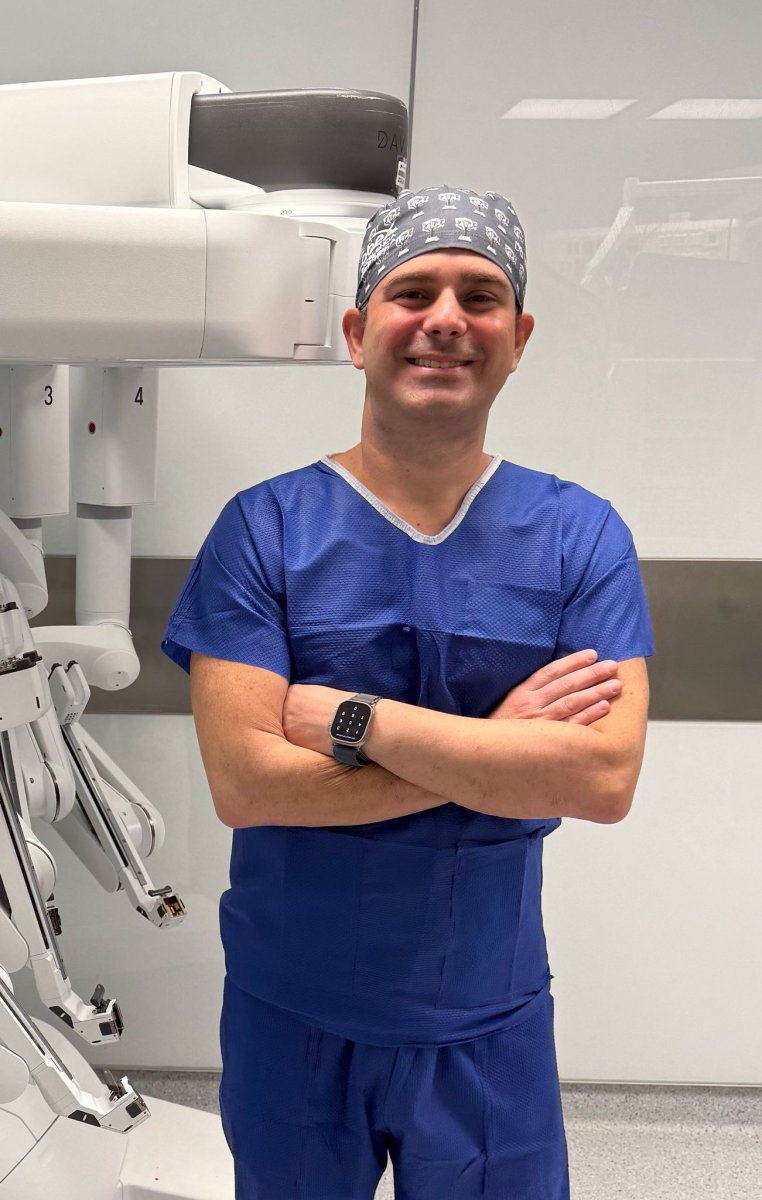
تم إجراء أكثر من 12,000 جراحة بالمنظار – كان الدكتور باليستا لوبيز رائدًا في التقنيات طفيفة التوغل لسرطان المستقيم في مركز تكنون الطبي (Centro Médico Teknon).
- _doctor_691_عامًا_ من الخبرة السريرية في جراحة الجهاز الهضمي
- مدير مركز الجراحة بالمنظار مع مساعدة الروبوت دافنشي (Da Vinci)
- مركز تميز معتمد من IFSO للدقة الجراحية
- مدرب دولي في تقنيات الجراحة بالمنظار المتقدمة
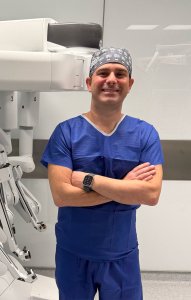
Carlos Garcia Vasquez
جرّاح في الجراحة العامة وجراحة الجهاز الهضمي. يركز على جراحات القولون والمستقيم والشرج وجدار البطن طفيفة التوغل. رئيس مشارك، Infanta Elena University Hospital (2021–). جرّاح معاون، Fundación Jiménez Díaz (2013–).
الاعتمادات: دكتوراه في الجراحة بامتياز مع مرتبة الشرف العليا (UAM). معتمد في الجراحة الروبوتية (Da Vinci X/Xi/5). تدريب متقدم في الجراحة العامة بالمنظار (IRCAD، ستراسبورغ). اختصاصي في الجراحة العامة وجراحة الجهاز الهضمي (Fundación Jiménez Díaz).
الإنجازات: باحث (2013–).
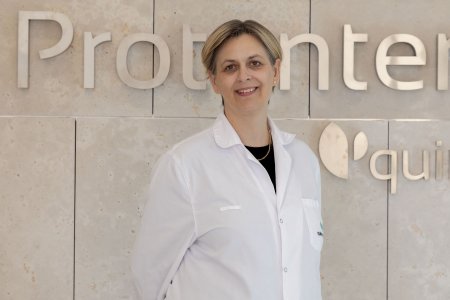
Stephanie Lilianne E Bolle
الدكتورة ستيفاني ليليان إي. بولي اختصاصية علاج الأورام بالإشعاع ورئيسة قسم علاج الأورام بالإشعاع في مركز كيرونسالود للعلاج بالبروتون في مدريد. تتولى قيادة القسم منذ يوليو/تموز 2024. يُعد المركز أول مرفق للعلاج بالبروتون في إسبانيا.
دكتوراه في الطب، جامعة لييج (1998). حاصلة على البورد في علاج الأورام بالإشعاع (2003). عضو نشط في الجمعية الأوروبية لطب أورام الأطفال وتعمل مع مجموعة أورام الدماغ ومجموعة عمل علاج الأورام بالإشعاع التابعة لها.
نشرت أكثر من 120 مقالة علمية حول أورام دما
المراجعات
جميع المراجعاتمشاركة المحتوى
قصص فيديو من مرضى Bookimed
 Anna Leonova
أسئلة متكررة حول علاج سرطان المستقيم في إسبانيا
ما هي خيارات العلاج الرئيسية لسرطان المستقيم المتاحة في إسبانيا؟
يستخدم علاج سرطان المستقيم في إسبانيا بروتوكولات متعددة التخصصات تشمل الجراحة الروبوتية المتقدمة، والعلاج المناعي، والعلاج الكيميائي الإشعاعي المساعد الجديد. توفر المراكز المعتمدة من قبل اللجنة الدولية المشتركة (JCI) في برشلونة ومدريد تقنيات متخصصة مثل استئصال المساريق المستقيمي الكلي عبر الشرج (TaTME) لتحسين دقة إزالة الورم مع الحفاظ على وظائف الأعضاء.
- المعيار الذهبي الجراحي: يظل استئصال المساريق المستقيمي الكلي (TME) هو النهج الجراحي العلاجي الأساسي.
- خيارات طفيفة التوغل: يستخدم الجراحون نظام دافنشي الروبوتي لعمليات تشريح الحوض عالية الدقة.
- العلاج الكيميائي المتقدم: غالبًا ما يتضمن العلاج أنظمة FOLFOX أو FOLFIRI مع علاجات دوائية موجهة.
- تقنيات مبتكرة: يتوفر علاج HIPEC (العلاج الكيميائي داخل الصفاق مفرط الحرارة) للحالات المتقدمة التي تشمل الصفاق.
رؤية خبير Bookimed: إسبانيا رائدة عالميًا في الابتكار الجراحي. كان الدكتور أنطونيو دي لاسي فورتوني في مستشفى كيرون برشلونة رائدًا في تقنية TaTME. كما تجمع العيادات المتخصصة مثل Centro Médico Teknon بين أكثر من 45 عامًا من الخبرة الجراحية وأطباء الأورام المعتمدين من المجلس الأمريكي. يسمح هذا التكامل بين المعايير العالمية والأساليب المحلية الرائدة بتحقيق معدلات نجاح عالية في عمليات استئصال المستقيم المعقدة.
إجماع المرضى: يشير المرضى إلى أن الرعاية الخاصة تقلل بشكل كبير من أوقات الانتظار مقارنة بالخيارات العامة. ويؤكدون أنه على الرغم من أن التعامل مع فغر اللفائفي المؤقت يمثل
هل سأحتاج إلى فغر القولون الدائم (فغرة)؟
عادةً لا يكون فغر القولون الدائم مطلوباً لعلاج سرطان المستقيم في إسبانيا. يتلقى معظم المرضى جراحات تحافظ على العضلة العاصرة مثل الاستئصال الأمامي المنخفض. تبلغ مراكز الأورام الإسبانية عن معدلات فغرة دائمة تقل عن 5% في المرافق المتخصصة. يستخدم الجراحون فغرات مؤقتة للسماح بشفاء الأمعاء لمدة تتراوح بين 3 إلى 12 شهراً.
- موقع الورم: الأورام التي تبعد أكثر من 5 سم عن فتحة الشرج تسمح غالباً بإعادة التوصيل بدون فغرة.
- التكنولوجيا المتقدمة: يستخدم الجراحون أنظمة Da Vinci الروبوتية وتقنية TaTME للحفاظ الدقيق على العضلة العاصرة.
- العلاج المساعد الجديد: يعمل الإشعاع أو العلاج الكيميائي على تقليص الأورام لتحسين فرص العكس الجراحي.
- تقنيات الحفاظ: تعطي المراكز المتخصصة الأولوية للنهج التي تحافظ على الأعصاب للحفاظ على وظائف الأمعاء والوظيفة الجنسية.
رؤية خبير Bookimed: إسبانيا هي رائدة عالمية في ابتكار جراحة المستقيم. كان الدكتور أنطونيو دي لاسي فورتوني في مستشفى كيرون برشلونة رائداً في استئصال المستقيم الكلي عبر الشرج (TaTME). تسمح هذه التقنية للجراحين بإزالة الأورام القريبة جداً من فتحة الشرج مع تجنب الأكياس الدائمة. تدير عيادات مثل Centro Médico Teknon أكثر من 10,000 مريض سنوياً. وغالباً ما يجمعون بين العلاج الكيميائي والجراحة الروبوتية طفيفة التوغل لزيادة احتمالية الاستعادة.
إجماع المرضى: يؤكد المرضى على مراقبة تقلص الورم من خلال التصوير بالرنين المغناطيسي لتحديد ما إذا كان العكس ممكناً. يشير الكثيرون إلى أن الاستعداد لانتظار يت
ما هو معدل البقاء على قيد الحياة الإجمالي لسرطان المستقيم الذي يتم علاجه في إسبانيا؟
تُبلغ إسبانيا عن معدل بقاء على قيد الحياة لمدة 5 سنوات يتراوح بين 62.5% إلى 65% لسرطانات القولون والمستقيم. يصل معدل البقاء على قيد الحياة لسرطان المستقيم في مراحله المبكرة إلى 90% في أفضل مراكز الأورام الإسبانية. تحافظ حالات المرحلة الثالثة المتقدمة على معدل بقاء على قيد الحياة بنسبة 62%. تستخدم المستشفيات ذات الحجم الكبير الجراحة بمساعدة الروبوت لتحسين هذه النتائج.
- البقاء على قيد الحياة في المرحلة المبكرة: يرى المرضى الذين يتم تشخيصهم مبكرًا معدلات بقاء تصل إلى 90%.
- البقاء على قيد الحياة في المرحلة المتقدمة: يتمتع مرضى سرطان المستقيم في المرحلة الثالثة بمتوسط معدل بقاء على قيد الحياة بنسبة 62%.
- البقاء على قيد الحياة في حالة النقائل: تبلغ حالات المرحلة الرابعة حاليًا عن معدل بقاء على قيد الحياة يتراوح بين 10% إلى 16%.
- الاستئصال العلاجي: يرتفع معدل البقاء على قيد الحياة إلى 72.3% للمرضى الذين يخضعون لاستئصال جراحي علاجي محتمل.
رؤية خبير Bookimed: تسلط البيانات الواردة من المراكز الإسبانية الكبرى الضوء على تأثير حجم العمليات الجراحية على النجاح. أجرى الدكتور أنطونيو دي لاسي فورتوني في مستشفى كيرون برشلونة أكثر من 15,000 إجراء. يسمح هذا التركيز العالي للخبرة للعيادات الإسبانية بريادة تقنيات مثل الاستئصال الكلي للمستقيم عبر الشرج. اختيار جراح ذو حجم عمل كبير يقوم بإجراء أكثر من 1,000 جراحة طفيفة التوغل سنويًا يدعم بشكل كبير احتمالات البقاء على قيد الحياة على المدى الطويل.
إجماع المرضى: يؤكد المرضى أن مجالس الأورام م
ما هي المدن والمستشفيات المتخصصة في رعاية سرطان المستقيم للمرضى الدوليين؟
تعد برشلونة ومدريد المركزين الرئيسيين لرعاية سرطان المستقيم المتخصصة في إسبانيا. تقدم عيادات مثل Centro Médico Teknon و Hospital Quiron Barcelona علاجات متقدمة. تستخدم هذه المراكز مرافق معتمدة من JCI وتقنيات مساعدة بالروبوت مثل نظام Da Vinci لتحسين الدقة الجراحية.
- بروتوكولات الروبوت: يقوم الجراحون بإجراء عمليات استئصال بمساعدة روبوت Da Vinci للحصول على دقة عالية.
- الخبرة الجراحية: أجرى الدكتور أنطونيو دي لاسي فورتوني أكثر من 15,000 إجراء جراحي.
- الاعتراف العالمي: يصنف مستشفى نافارا و Quironsalud Madrid ضمن أفضل المستشفيات في العالم وفقاً لمجلة نيوزويك.
- العلاجات المتقدمة: توفر المراكز المتخصصة علاج HIPEC والعلاج المناعي بأدوية مثل Keytruda.
رؤية خبير Bookimed: تظهر مراكز برشلونة حجماً جراحياً استثنائياً يرتبط بالخبرة. يقوم الدكتور أنطونيو دي لاسي فورتوني في مستشفى كيرون برشلونة بإجراء أكثر من 1,000 إجراء طفيف التوغل سنوياً. يساعد هذا التكرار العالي الجراحين على إتقان تقنيات معقدة مثل استئصال المستقيم الكلي عبر الشرج (TaTME).
إجماع المرضى: يسلط المرضى الضوء على أن سلاسل الرعاية الصحية الخاصة توفر تنسيقاً سلساً باللغة الإنجليزية. يلاحظ الكثيرون أن هذه المراكز تبسط العملية الدولية من خلال دمج الرعاية الطبية مع الدعم الإداري.
هل هناك تجارب سريرية جارية قد تسمح لي بتجنب الجراحة أو الإشعاع؟
تسمح تجارب الحفاظ على الأعضاء في إسبانيا لبعض المرضى بتجنب الجراحة أو الإشعاع من خلال العلاج المناعي الموجه أو العلاج الكيميائي المكثف. تتوفر استراتيجيات مثل "المراقبة والانتظار" (Watch and wait) للأورام التي تختفي تماماً بعد العلاج الأولي. غالباً ما تتطلب الأهلية علامات جينية محددة مثل نقص إصلاح عدم التطابق (dMMR).
- المراقبة والانتظار: مراقبة الأورام التي تظهر استجابة سريرية كاملة بعد العلاج الكيميائي.
- تجارب العلاج المناعي: استخدام أدوية مثل Keytruda لاستبدال الجراحة التقليدية لأورام dMMR.
- الحفاظ على الأعضاء: التركيز على الحفاظ على وظيفة الأمعاء والعضلة العاصرة من خلال الإدارة غير الجراحية.
- الخرائط الجينية: اختبارات مكثفة للمؤشرات الحيوية لـ MSI و HER2 و KRAS لتحديد الأهلية.
رؤية خبير Bookimed: يوفر مستشفى Quironsalud Madrid مساراً فريداً للمرضى لتلقي العلاج مجاناً من خلال المشاركة في تجارب سريرية نشطة. هذه ميزة كبيرة في إسبانيا، حيث تتعاون مراكز ذات حجم كبير مثل Quironsalud Barcelona أيضاً مع معاهد أمريكية رائدة لأبحاث الأورام المتقدمة. يجب على المرضى إعطاء الأولوية للمستشفيات الحاصلة على اعتماد اللجنة الدولية المشتركة (JCI) لضمان اتباع بروتوكولات التجارب لأعلى معايير السلامة.
إجماع المرضى: يشير المرضى إلى أنه من المهم إجراء اختبار dMMR مبكراً لفتح خيارات غير جراحية. ويؤكدون أنه على الرغم من أن تجنب الإشعاع يحسن جودة الحياة، إلا أنه يجب عليك الالتزام بإجراء فحوصات التصوير بالرنين المغناطيسي المتكررة والصارمة.
ما هي التقنيات الجراحية المتقدمة المستخدمة لتحسين السلامة والوظيفة؟
تستخدم مراكز الأورام الإسبانية تقنيات متقدمة مثل نظام Da Vinci Xi الروبوتي واستئصال المستقيم الكلي عبر الشرج لزيادة السلامة إلى أقصى حد. تتيح هذه الأدوات إزالة الورم بدقة مع الحفاظ على الأعصاب الحيوية. يستخدم الجراحون أيضًا تصوير الفلورسنت لضمان تدفق دم صحي أثناء عمليات إعادة بناء المستقيم المعقدة.
- الجراحة بمساعدة الروبوت: توفر أنظمة Da Vinci Xi رؤية ثلاثية الأبعاد وحركات مفلترة للدقة.
- الوصول عبر الشرج (TaTME): يصل الجراحون إلى الأورام المنخفضة من الأسفل لتحسين معدلات الحفاظ على العضلة العاصرة.
- الجراحة الموجهة بالفلورسنت: يقلل تصوير الأوعية باللون الأخضر الإندوسيانين من تسرب المفاغرة عن طريق فحص تروية الأنسجة في الوقت الفعلي.
- نمذجة الحوض ثلاثية الأبعاد: يقوم التخطيط القائم على الذكاء الاصطناعي برسم خرائط للأعصاب اللاإرادية لحماية الوظائف البولية والجنسية.
رؤية خبير Bookimed: تقدم المراكز الإسبانية مثل Centro Médico Teknon و Hospital Quiron Barcelona حجمًا كبيرًا من الإجراءات بالمنظار والروبوتية. أجرى مركز Teknon وحده أكثر من 12000 جراحة بالمنظار. غالبًا ما يؤدي هذا الحجم الكبير من المرضى إلى حماية أفضل للأعصاب اللاإرادية. تظهر بياناتنا أن أطباء مثل الدكتور كارلوس باليستا لوبيز لديهم أكثر من 45 عامًا من الخبرة في هذه التقنيات المتخصصة.
إجماع المرضى: يشير المرضى إلى أن اختيار جراحين إسبان لأورام المستقيم المنخفضة المعقدة يحسن فرصهم في تجنب أكياس فغر القولون الدائمة. كما يؤكدون أن الأقسام الدولية في برشلونة ومدريد ت