علاج سرطان المستقيم في تركيا — احصل على 3 عيادات مختارة خصيصاً لك


تمت مراجعة المقالة طبيا من قبل
فهد مولود
كيف نعمل؟
ما هي تكلفة سرطان المستقيم إجراءات التشخيص والعلاج في تركيا؟ اعرف الآن
تختلف تكلفة علاج سرطان المستقيم في تركيا حسب خطة العلاج المحددة. تتراوح تكلفة الاستشارات الأولية من $100 إلى $220، بينما يمكن أن تتراوح تكلفة الإجراءات مثل PET-CT وMRI بين $450 و$700. قد تصل تكلفة التدخلات الجراحية، مثل استئصال المستقيم الأمامي المنخفض بالمنظار، إلى $29,000، والتي تشمل الإقامة في المستشفى والخدمات الإضافية. يتم تحديد خطة العلاج النهائية بعد تقييم شامل من قبل المتخصصين الطبيين.
| تركيا | إسبانيا | ألمانيا | |
|---|---|---|---|
| نانو نايف NanoKnife | ≈ $9,500 | ≈ $9,500 | ≈ $9,500 |
| منظومة دا فينشي الجراحية | من $23,900 | ≈ $9,500 | ≈ $17,500 |
| سايبر نايف CyberKnife | من $4,900 | من $14,800 | من $9,000 |
| المعالجة المقطعية | من $6,700 | ≈ $7,500 | ≈ $7,500 |
| العلاج المناعي مع Keytruda (Pembolizumab) | من $4,200 | من $10,300 | من $6,000 |
اكتشف أفضل سرطان المستقيم العيادات في تركيا: 37 خيارات معتمدة والأسعار
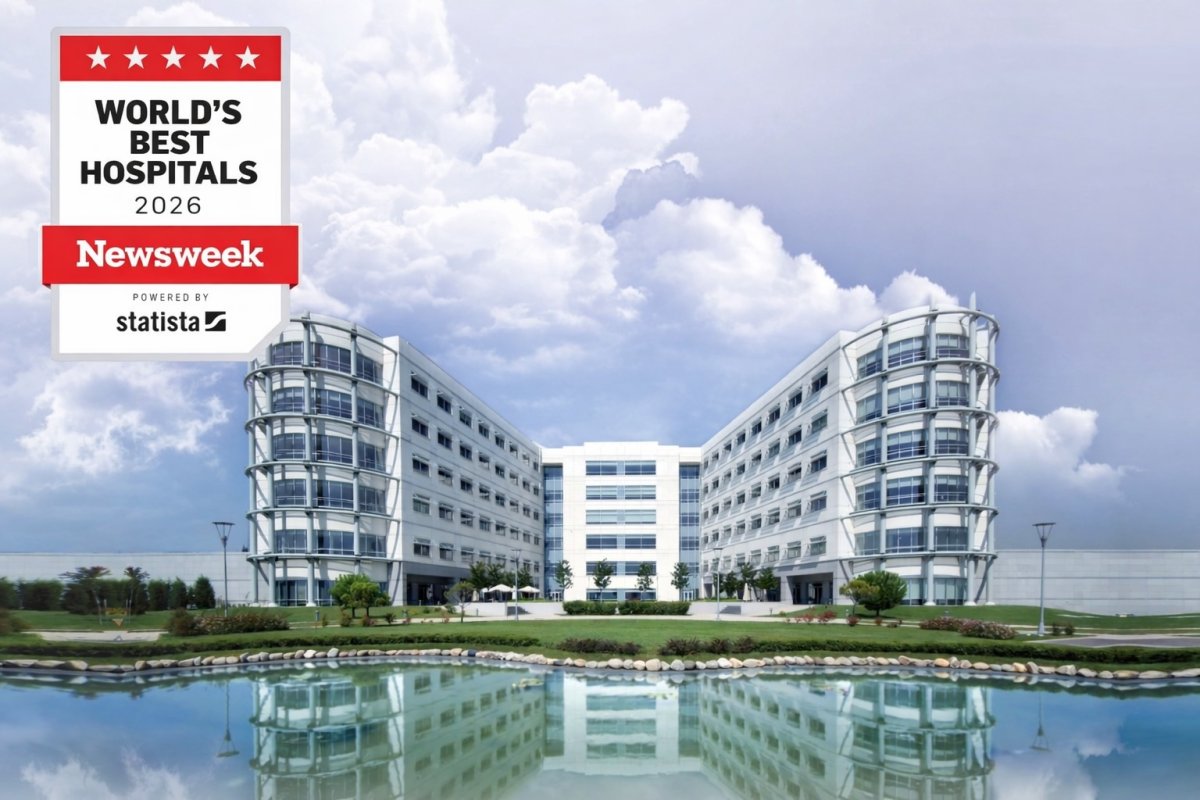









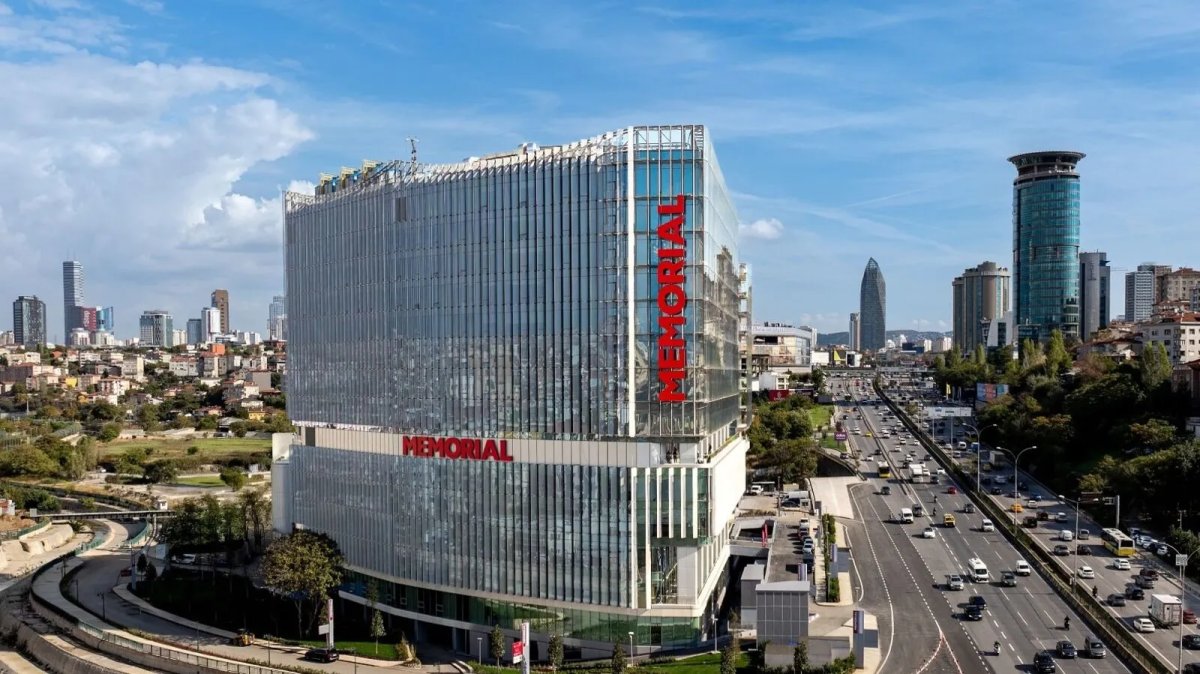
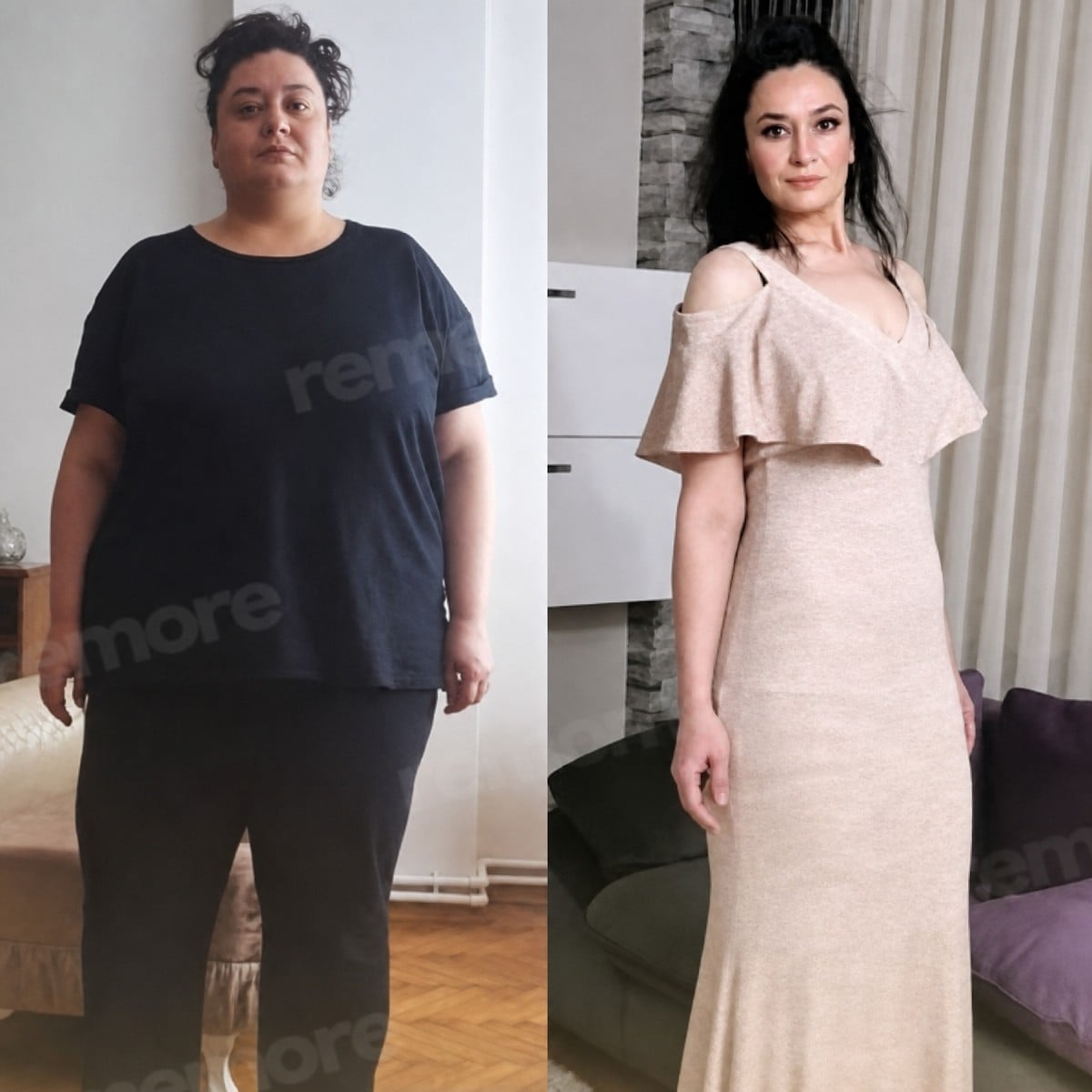
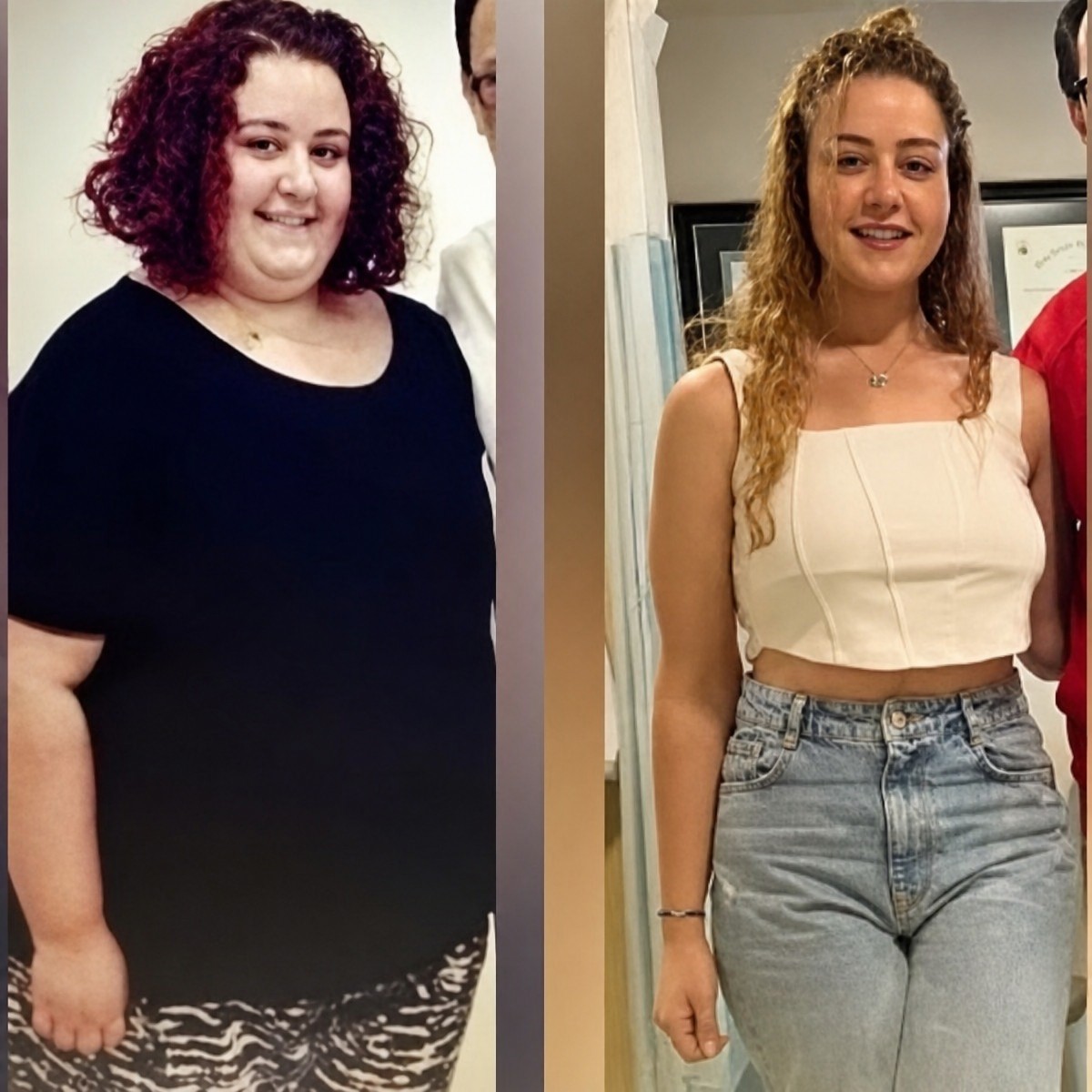
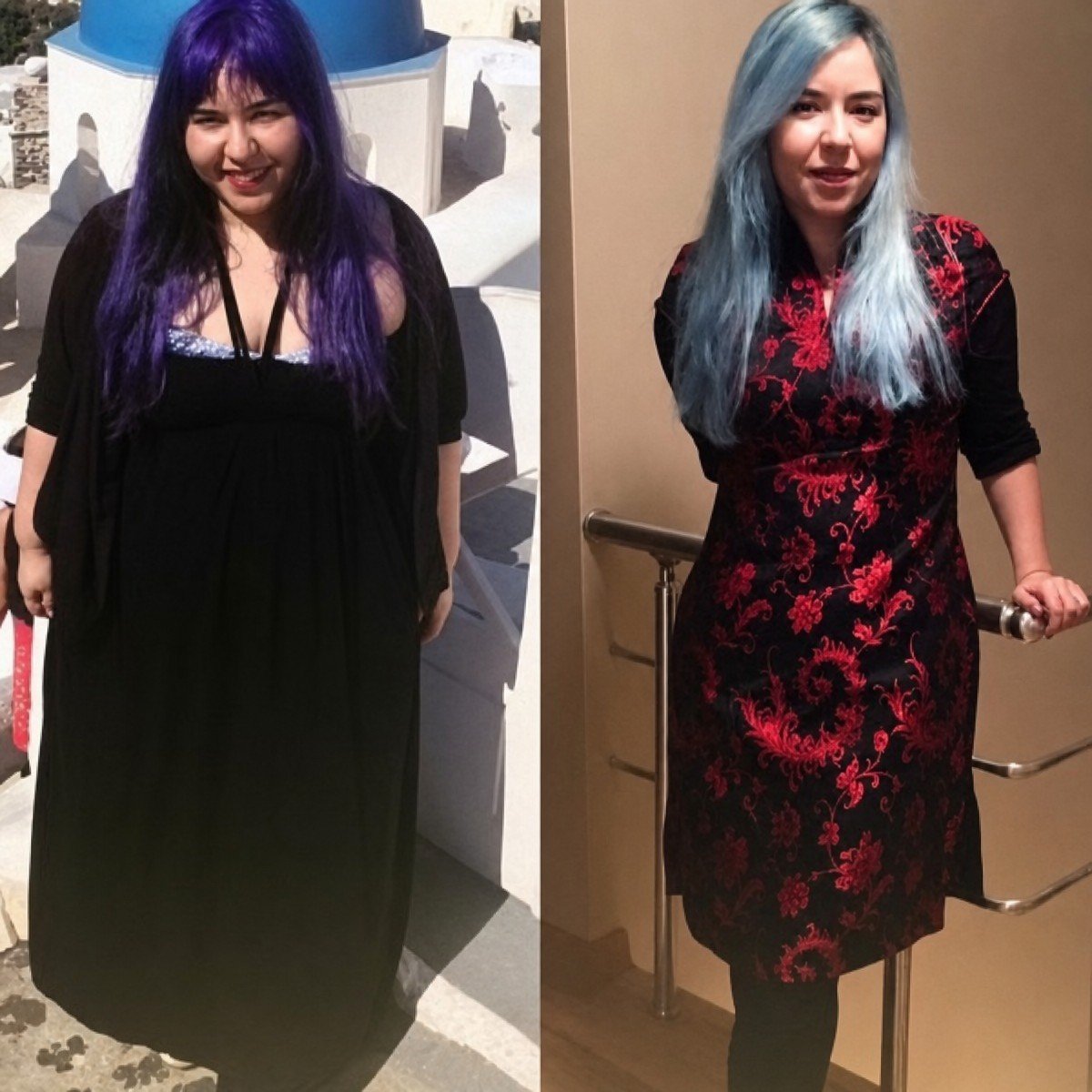


Memorial Ankara Hospital


احصل على تقييم طبي لـ في تركيا. استشر الآن 63 أطباء ذوي الخبرة.
عرض جميع الأطباء
Bulent Karagoz
الطبيب هو أخصائي أورام طبية تركي ذو خبرة عالية متخصص في الساركوما، الليمفوما، سرطان البنكرياس، سرطان الرئة، وسرطان الثدي. مع أكثر من 20 عامًا من الخبرة، يركز الطبيب على بيولوجيا الأورام، علم المناعة للأورام، العلاج المناعي للسرطان، والعلاجات المستهدفة. منذ عام 2019، يعمل الطبيب كأخصائي أورام طبية في مركز الأناضول الطبي وكان قد شغل سابقًا مناصب قيادية في كلية الطب بجامعة إسطنبول أوكان ومستشفى التدريب غاتا حيدر باشا. قام الطبيب بتأليف أكثر من 40 منشورًا في أبحاث السرطان وهو عضو في جمعية الأورام

Serdar Turhal
تتخصص الدكتورة إيدا تانريكولو في الأورام الطبية والعلاج الكيميائي في مركز الأناضول الطبي، مع التركيز على سرطان المستقيم.
- أكملت تدريبها في الأورام الطبية في جامعة مرمرة
- حصلت على المركز الثالث في تركيا في امتحان التخصص الفرعي
- ترأست وحدة الأورام الطبية في مستشفى حيدر باشا نوموني للتدريب والبحوث
- شاركت في دراسات سريرية دولية في مجال الأورام الطبية

Vafi Atalay
الدكتور وافي أتالاي جراح أورام وجراحة عامة ذو خبرة تزيد عن 17 عامًا. يختص في جراحات البنكرياس والقولون والمستقيم والكبد، ويجري أيضًا إجراءات تنظيرية متقدمة. نشر 31 مقالة في مجلات محلية ودولية، مساهماً بشكل كبير في الأدبيات الطبية.
حصل على الجائزة الأولى في مسابقة الأبحاث بالمؤتمر العشرين، وجائزة أفضل بحث في المؤتمر الخامس لجراحة الأبحاث. الدكتور أتالاي عضو في الجمعية التركية للجراحة، وجمعية الأطباء الفلسطينيين، والجمعية الدولية للجراحة، ويعكس نشاطه في هذه المنظمات التزامه بالتطور المه
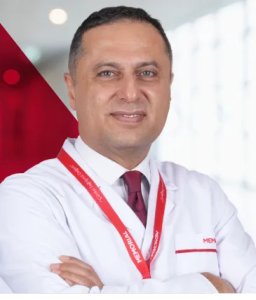
Koray Karabulut
الدكتور كوراي كارابولوت اختصاصي جراحة عامة في مستشفى ميموريال غوزتبه (2025–). يركز على جراحة الكبد والبنكرياس والقنوات الصفراوية، وزراعة الكبد، والجراحة الروبوتية أو طفيفة التوغل. كان الاختصاصي المسؤول في مركز زرع الكبد بجامعة الفرات (2014–2018)، ثم عمل اختصاصي زرع أعضاء في ميموريال شيشلي (2018–2019). في عام 2024 عمل في جراحة الكبد والبنكرياس والقنوات الصفراوية الروبوتية في مركز أجيئو الطبي.
تشمل أبرز تدريباته الجراحة طفيفة التوغل للكبد والبنكرياس والقنوات الصفراوية في IRCAD (2015). أت
المراجعات
جميع المراجعاتمشاركة المحتوى
قصص فيديو من مرضى Bookimed
 Anna Leonova
أسئلة متكررة حول علاج سرطان المستقيم في تركيا
ما هي معدلات النجاح والبقاء على قيد الحياة لعلاج سرطان المستقيم في تركيا؟
تصل معدلات البقاء على قيد الحياة لسرطان المستقيم في تركيا إلى 93% للحالات في مراحلها المبكرة. وتفيد المراكز المتخصصة بأن معدل البقاء على قيد الحياة لمدة خمس سنوات يتراوح بين 68% و90% للسرطان غير المنتشر. تحقق التقنيات الجراحية المتقدمة مثل نظام Da Vinci Xi فعالية بنسبة 90% في عمليات استئصال المستقيم وإزالة الأورام بنجاح.
- البقاء على قيد الحياة الموضعي: تظهر حالات المرحلة الأولى معدلات بقاء تتراوح بين 87% و93%.
- النتائج الإقليمية: يحافظ مرضى المرحلتين الثانية والثالثة على معدل بقاء يتراوح بين 60% و82%.
- السيطرة على التكرار: الاستجابة الكاملة للعلاج الكيميائي الإشعاعي تقلل من خطر التكرار الموضعي إلى 3.6%.
- معدل الخلو من النقائل: يظل حوالي 63% من المرضى خاليين من النقائل بعد خمس سنوات من العلاج.
- الفعالية الجراحية: تبلغ العيادات المتخصصة عن نجاح بنسبة 85% إلى 90% في عمليات الاستئصال المعقدة.
رؤية خبير Bookimed: غالبًا ما تستخدم مراكز الأورام التركية أنظمة Da Vinci الروبوتية لجراحات المستقيم. هذه التكنولوجيا حيوية للحفاظ على وظيفة الأعصاب أثناء إجراءات الحوض العميقة. فهي تساعد في الحفاظ على الصحة البولية والجنسية مع ضمان معدلات بقاء عالية. نرى هذه التقنيات في الغالب في المراكز المعتمدة من قبل JCI في إسطنبول وأنقرة.
إجماع المرضى: غالبًا ما يتفاجأ المرضى بالمعايير التكنولوجية العالية في مستشفيات إسطنبول. ويشير الكثيرون إلى أن نهج الفريق متعدد التخصصات يساعدهم على الشعور بالثقة بشأن تعافيهم.
هل الفغرة الدائمة ضرورية دائمًا؟
لا تعد الفغرة الدائمة ضرورية دائمًا لعلاج سرطان المستقيم في تركيا. يعطي الجراحون الأولوية لتقنيات الحفاظ على العضلة العاصرة للحفاظ على وظيفة الأمعاء الطبيعية. عادة ما يتم تخصيص الفغرات الدائمة للحالات التي يشمل فيها الورم عضلات الشرج أو عندما يتم استئصال المستقيم بالكامل.
- الحفاظ على العضلة العاصرة: يهدف الجراحون إلى تجنب الفغرات الدائمة عن طريق إجراء استئصال أمامي منخفض للغاية.
- التحويل المؤقت: تحمي الفغرة المؤقتة الوصلات الجراحية أثناء التئام الأمعاء.
- الجدول الزمني للإغلاق: يتم إغلاق معظم الفغرات المؤقتة بعد 3 إلى 12 شهرًا من الجراحة.
- الضرورة الطبية: تُستخدم الفغرات الدائمة إذا كان الشرج أو المثانة يتطلبان استئصالًا كاملًا.
رؤية خبير Bookimed: تظهر مراكز الأورام التركية اتجاهًا قويًا نحو الجراحة بمساعدة الروبوت لأورام المستقيم المنخفضة. يستخدم مركز الأناضول الطبي نظام CyberKnife والأنظمة الروبوتية لتقليص الأورام قبل الجراحة. غالبًا ما يساعد هذا النهج الجراحين في الحفاظ على العضلة العاصرة وتجنب الفغرة الدائمة.
إجماع المرضى: يشير المرضى إلى أنه على الرغم من أن الفغرة المؤقتة قد تبدو مربكة، إلا أن التوجيه الواضح يجعلها قابلة للإدارة. ويؤكدون أن الممرضات المتخصصات في عيادات إسطنبول يوفرن تدريبًا حيويًا للعناية بالفغرة.
هل يمكن علاج سرطان المستقيم بدون جراحة؟
علاج سرطان المستقيم بدون جراحة ممكن من خلال استراتيجية "المراقبة والانتظار" (watch-and-wait) أو العلاج المناعي. يمكن للمرضى الذين يظهرون استجابة كاملة للعلاج الكيميائي والإشعاعي اختيار المراقبة المكثفة. هذا المسار يحافظ على وظيفة العضو ويتجنب أكياس فغر القولون. يعتمد النجاح على جينات الورم والتشخيص في مرحلة مبكرة.
- بروتوكول المراقبة والانتظار: يقوم الأطباء بمراقبة المرضى الذين تختفي أورامهم بعد العلاج الكيميائي والإشعاعي الأولي.
- معدلات النجاح: حوالي 50% من الحالات المتقدمة محلياً يمكنها تجنب الجراحة الكبرى بنجاح.
- طفرة العلاج المناعي: المرضى الذين يعانون من طفرات نقص إصلاح عدم التطابق (MMRd) قد يحققون مغفرة بنسبة 100%.
- الإزالة بالمنظار: يقوم المتخصصون بإزالة الزوائد اللحمية في مرحلة مبكرة جداً أثناء تنظير القولون دون شقوق خارجية.
- المراقبة المكثفة: يخضع المرضى لفحوصات التصوير بالرنين المغناطيسي والمناظير المتكررة لضمان عدم نمو الورم مرة أخرى.
رؤية خبير Bookimed: تظهر التحليلات أن مراكز الأورام الرائدة في تركيا مثل مركز الأناضول الطبي ونيولايف تعطي الأولوية للحفاظ على الأعضاء. يستخدمون تقنيات PET-CT والتصوير بالرنين المغناطيسي 3T المتقدمة لتأكيد الاستجابة السريرية الكاملة. تضمن هذه التكنولوجيا أن نهج المراقبة والانتظار آمن. تقدم بعض العيادات الاستئصال الموضعي بمساعدة الروبوت كحل وسط. هذا يتجنب الاستئصال الكبير مع إزالة الأنسجة المتبقية.
إجماع المرضى: يؤكد المرضى أن تجنب كيس الفغرة الدائم هو
ما هي مدة الإقامة في المستشفى والتعافي العام؟
عادة ما يبقى المرضى في مستشفى تركي لمدة 5 إلى 7 أيام بعد جراحة سرطان المستقيم. تسمح التقنيات طفيفة التوغل بالمنظار أو الروبوتية بخروج أسرع. يعود معظمهم إلى الأنشطة الخفيفة في غضون 3 أسابيع. يستغرق التعافي الكامل عادةً من شهرين إلى 3 أشهر.
- مدة الإقامة في المستشفى: يبلغ متوسط الإقامة الجراحية من 5 إلى 7 أيام لمعظم مراكز الأورام التركية.
- فائدة التدخل الجراحي البسيط: غالبًا ما تقلل إجراءات المنظار من فترات الإقامة في المستشفى بمقدار يومين إلى 3 أيام.
- مرحلة التعافي الأولية: يستأنف المرضى عمومًا المهام اليومية الخفيفة في غضون 14 إلى 21 يومًا.
- العودة إلى النشاط الكامل: يستغرق استئناف التمارين الشاقة أو العمل الشاق من 8 إلى 12 أسبوعًا.
رؤية خبير Bookimed: غالبًا ما تدرج العيادات التركية إقامات فندقية إضافية في باقات علاج سرطان المستقيم الخاصة بها. على سبيل المثال، غالبًا ما تجمع باقات مركز الأناضول الطبي بين 5 ليالٍ في المستشفى و10 أيام في الفندق. وهذا يضمن بقاء المرضى بالقرب من جراحهم خلال الأسبوعين الأولين الحاسمين من الشفاء.
إجماع المرضى: يشير المرضى إلى أن وجود مرافق مخصص أمر حيوي خلال الأسبوع الأول. ويؤكدون أنه على الرغم من أن الخروج من المستشفى سريع، فإن المشي يوميًا هو المفتاح لاستعادة القوة. ساعد التحرك بعد الجراحة بفترة وجيزة الكثيرين على الشعور بالطبيعية بشكل أسرع بكثير مما توقعوا.
ما هي الرعاية اللاحقة التي يمكنني متابعتها في بلدي بعد العلاج في تركيا؟
تجمع الرعاية اللاحقة بعد علاج سرطان المستقيم في تركيا بين مراجعات المتخصصين عن بُعد والخدمات السريرية المحلية. توفر مراكز الأورام التركية استشارات رقمية لمراقبة تقدم الشفاء. يجب عليك تنسيق الفحوصات البدنية واختبارات الدم الروتينية مع طبيب الأورام المحلي الخاص بك لضمان المراقبة المستمرة والسلامة.
- الاستشارات عن بُعد: يراجع الأطباء الأتراك نتائج الفحوصات والمختبرات عبر مكالمات فيديو آمنة.
- المراقبة المحلية: يتولى طبيبك العام في بلدك العناية بالجروح والفحوصات البدنية محلياً.
- نقل الوثائق: توفر المستشفيات ملخصات الخروج وتقارير علم الأمراض لفريقك المحلي.
- تنسيق العلاج: يتواصل الجراحون الأتراك مع الأطباء في بلدك بخصوص تحديثات الأدوية والعلاجات.
- مراجعات التصوير: يمكنك تحميل صور الرنين المغناطيسي الجديدة إلى بوابات تركية للحصول على آراء ثانية من خبراء.
رؤية خبير Bookimed: يوفر مركز الأناضول الطبي ومستشفى ليف منسقين متخصصين للمرضى الدوليين. تستخدم هذه العيادات بوابات مخصصة لتخزين التصوير الرقمي وتقارير علم الأمراض. هذا يضمن أن يرى طبيب الأورام في بلدك التقنيات الجراحية الدقيقة المستخدمة. وجود هذه الملفات جاهزة يمنع التأخير في التشخيص بمجرد عودتك إلى المنزل.
إجماع المرضى: يؤكد المرضى على الارتياح لوجود جهة اتصال مباشرة عبر واتساب لطرح الأسئلة السريعة. يقترح الكثيرون إحضار ملخص طبي مترجم لمساعدة الأطباء المحليين على فهم البروتوكولات التركية المحددة.