علاج سرطان المستقيم في النمسا: 3 مستشفيات


تمت مراجعة المقالة طبيا من قبل
فهد مولود
كيف نعمل؟
ما هي تكلفة سرطان المستقيم إجراءات التشخيص والعلاج في النمسا؟ اعرف الآن
تتضمن تكلفة علاج سرطان المستقيم في النمسا عادةً تشخيصات أساسية مثل التصوير بالموجات فوق الصوتية عبر المستقيم، والتي تتراوح تكلفتها من السعر عند الطلب إلى السعر عند الطلب. وتتراوح تكلفة الإجراءات الجراحية الأولية مثل استئصال المستقيم من $21,000 إلى $40,000. تعتمد النفقات الإجمالية على المرحلة السريرية، والتقنية الجراحية المختارة، ومستوى المنشأة. غالبًا ما يجد المرضى الرعاية المتخصصة تتركز في فيينا، وسالزبورغ، وإنسبروك.
تكاليف علاج سرطان المستقيم النموذجية في النمسا
- استشارة طبيب أورام: من $260
- التصوير بالموجات فوق الصوتية عبر المستقيم (TRUS): السعر عند الطلب
- تنظير القولون مع إزالة الزوائد اللحمية: السعر عند الطلب
- استئصال المستقيم: $21,000 – $40,000
- نظام دافنشي الجراحي الروبوتي: $14,500 – $22,500
- العلاج الكيميائي مفرط الحرارة داخل الصفاق (HIPEC): $24,000 – $37,000
- العلاج المقطعي (Tomotherapy): $9,500 – $15,500
- سايبر نايف (CyberKnife): $7,500 – $12,000
- نانو نايف (NanoKnife): $25,000 – $35,000
- العلاج المناعي باستخدام كيترودا (Keytruda): $5,800 – $8,400
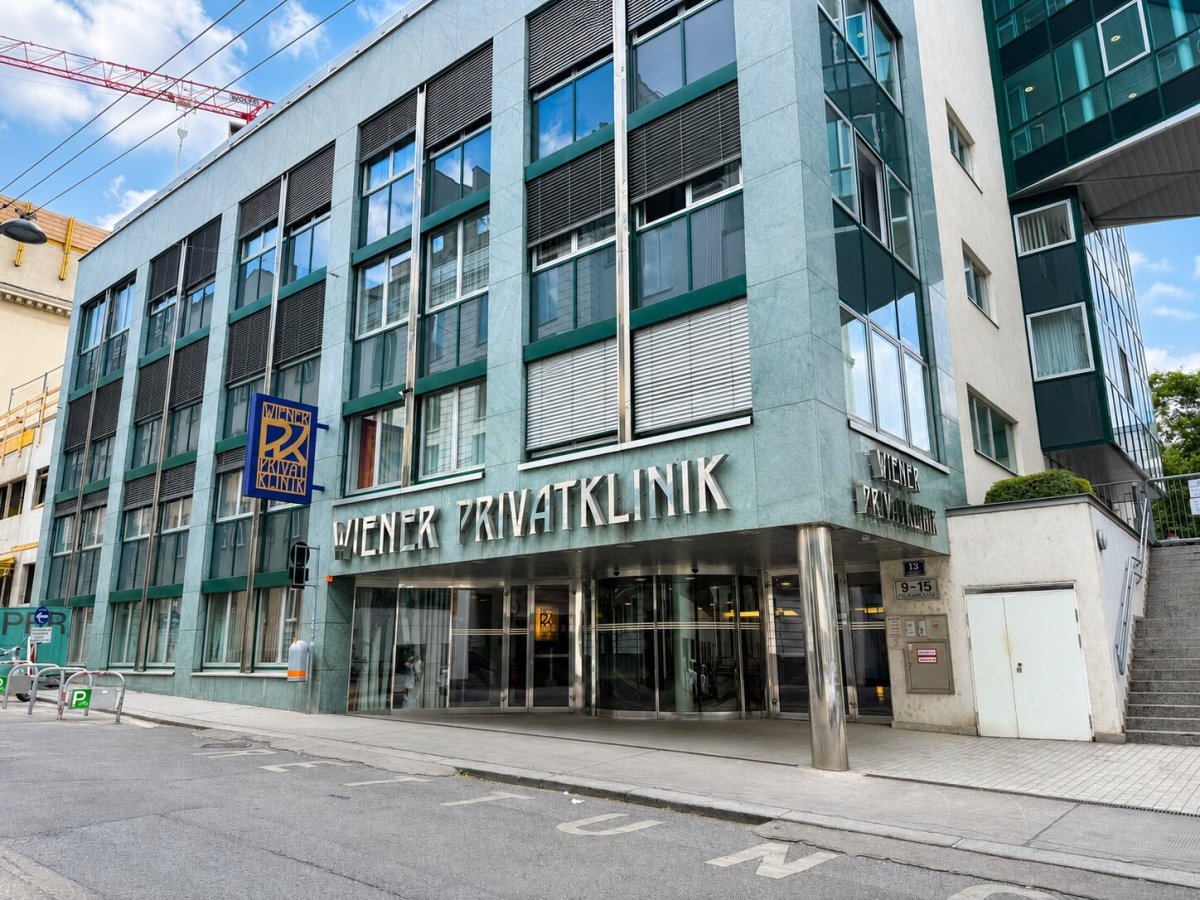
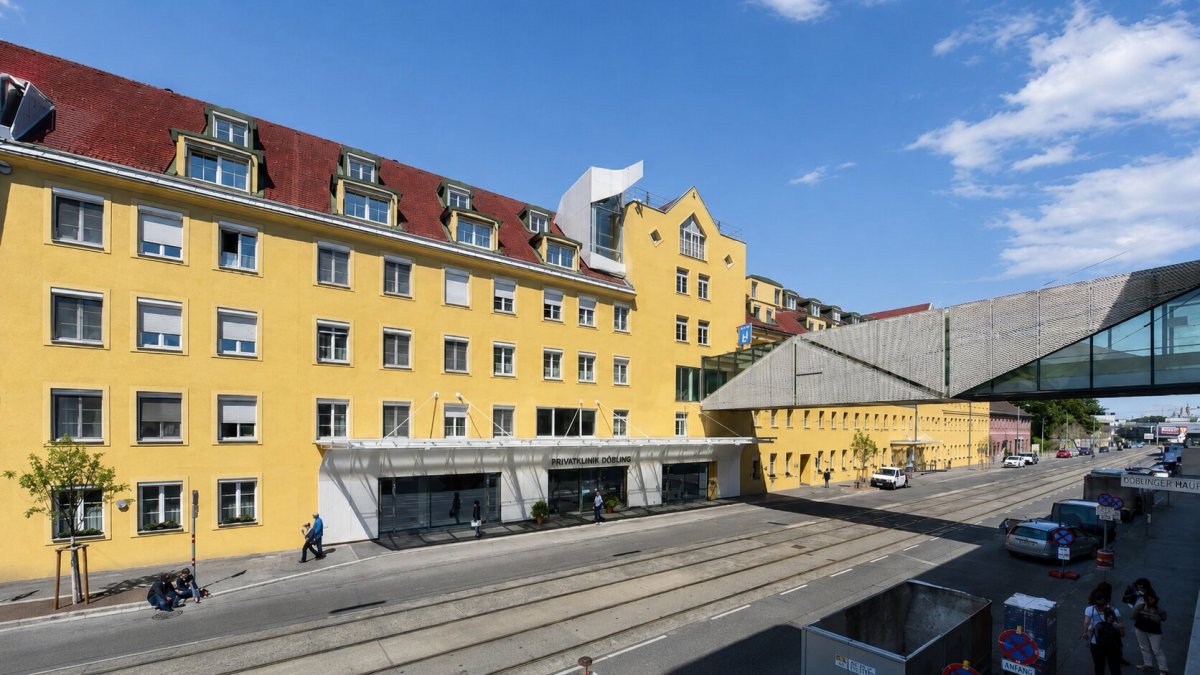
رؤية خبراء Bookimed: يجب على المرضى الذين يبحثون عن خبرة عالمية في مجال الأورام إعطاء الأولوية للعيادات التي يديرها أساتذة من جامعة فيينا. تُعد عيادة فيينا الخاصة (Wiener Privatklinik) مثالية للحالات المتقدمة، حيث تضم مركز الأورام الدولي بقيادة البروفيسور كريستوف زيلينسكي. توفر هذه المنشأة علاجًا مناعيًا متطورًا ورعاية متعددة التخصصات. بالنسبة للمرضى المهتمين بالتكلفة، يوفر مستشفى دوبلينج الخاص (Döbling Private Hospital) رعاية جراحية عالية الجودة، حيث يحافظ على معدلات مضاعفات أقل بكثير من المتوسط الوطني، وتبدأ التكاليف من حوالي 7,400 دولار.
| النمسا | تركيا | إسبانيا | |
|---|---|---|---|
| نانو نايف NanoKnife | ≈ $25,000 | ≈ $9,500 | ≈ $9,500 |
| منظومة دا فينشي الجراحية | ≈ $14,500 | من $23,900 | من $16,800 |
| سايبر نايف CyberKnife | ≈ $7,500 | من $4,900 | من $14,800 |
| المعالجة المقطعية | ≈ $9,500 | من $6,700 | ≈ $7,500 |
| العلاج المناعي مع Keytruda (Pembolizumab) | ≈ $5,800 | من $3,900 | من $10,300 |
اكتشف أفضل سرطان المستقيم العيادات في النمسا: 3 خيارات معتمدة والأسعار





احصلوا على تقييم طبي لـ سرطان المستقيم في النمسا: استشيروا أطباء ذوي خبرة الآن
عرض جميع الأطباء
Christoph Zielinski
يرأس البروفيسور زيلينسكي أكبر قسم للأورام في النمسا، وقد أسس مركز فيينا الشامل للسرطان، المتخصص في علاجات سرطان المستقيم الشخصية.
- أكثر من 44 سنة من الخبرة في طب الأورام وأمراض الدم
- رئيس القسم السريري للأورام في مستشفى فيينا العام
- رائد في مجال العلاج المناعي للسرطان والعلاجات الفردية
- رئيس المجموعة التعاونية لأورام وسط أوروبا
David Kuczer
الدكتور ديفيد كوتسر اختصاصي طب الأورام الإشعاعي ذو خبرة طويلة في تشخيص السرطان وعلاجه. يوفّر وصولاً سريعاً إلى علاج إشعاعي دقيق وفق المعايير العلمية الراهنة.
هو عضو في مركز السرطان بعيادة فيينا الخاصة. يعرض حالة كل مريض على لجنة الأورام الداخلية، ما يتيح مناقشة متعددة التخصصات يجريها فريق ذو سمعة دولية ويساعد على اختيار أفضل علاج.
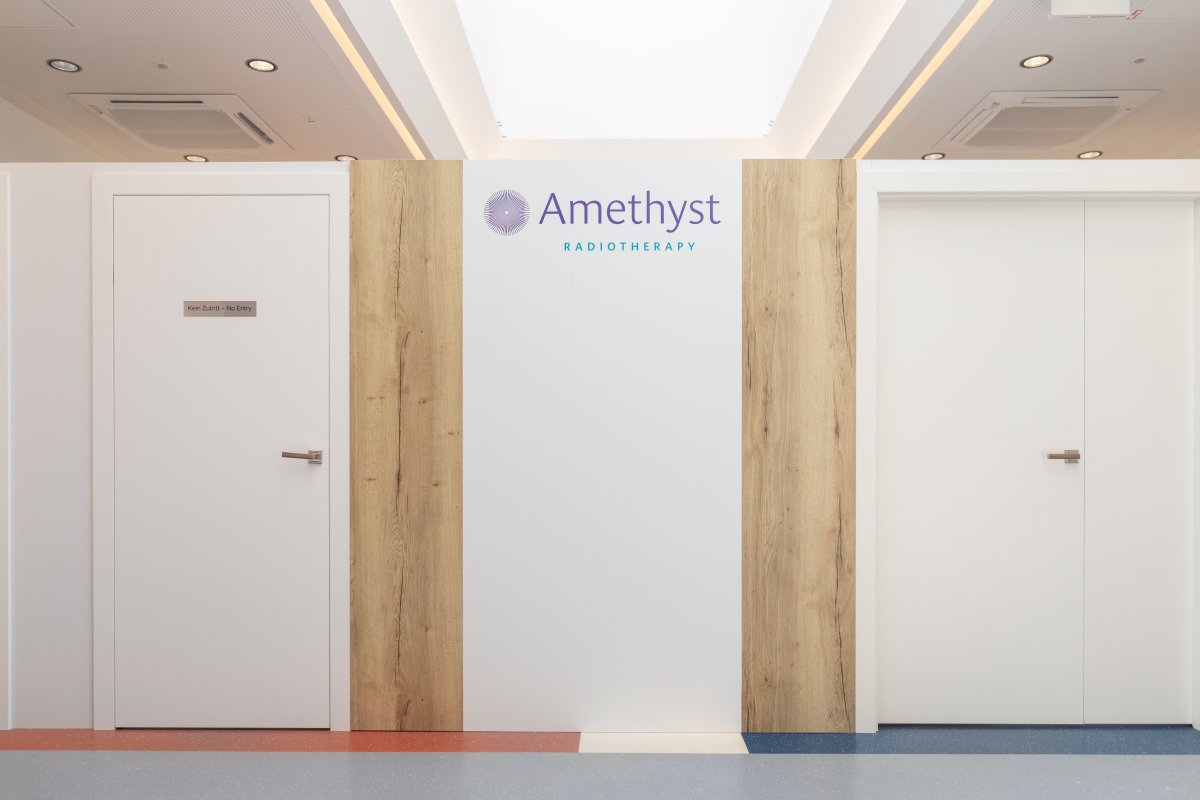
تُقدَّم جميع العلاجات الإشعاعية بالتعاون الوثيق مع Amethyst Radiotherapy في عيادة فيينا الخاصة.

Wolfgang Köstler
البروفيسور فولفغانغ كوستلر هو طبيب أورام نمساوي رائد متخصص في علاج السرطان الفردي، ولديه أكثر من عقدين من الخبرة في عيادة فيينا الخاصة (Wiener Privatklinik).
- خبير في العلاجات الموجهة لسرطان الثدي والأورام النسائية
- استشاري أول في قسم الأورام بجامعة فيينا الطبية
- نشر العديد من الأبحاث حول تطوير المؤشرات الحيوية وبيولوجيا الأورام
- يركز على الطب الشخصي ونهج العلاج المناعي
Alexander Hauswirth
الأستاذ المشارك Priv.-Doz. د. ألكسندر دبليو. هاوسويرث اختصاصي في الطب الباطني وأمراض الدم والأورام في JUVENIS. ومنذ عام 2010 يتولى منصب الطبيب الاستشاري المسؤول عن أمراض الدم/علم الإرقاء والأورام في قسم الطب الباطني الأول بجامعة فيينا الطبية/مستشفى فيينا العام (AKH)، أكبر مستشفيات النمسا.
حصل على شهادة الطب من جامعة فيينا عام 1999. نال التأهيل الجامعي (venia docendi) عام 2010 وعُيّن أستاذاً مشاركاً عام 2012. أكمل تأهيلاً إضافياً في أمراض الدم والأورام عام 2014. كزميل بمنحة شرودنغر في س
مشاركة المحتوى
قصص فيديو من مرضى Bookimed
 Anna Leonova
أسئلة متكررة حول علاج سرطان المستقيم في النمسا
ما هي المراكز المتخصصة في النمسا المعترف بها لعلاج سرطان المستقيم؟
تضم النمسا مراكز متخصصة لعلاج سرطان المستقيم، منها عيادة فيينا الخاصة ومستشفى دوبلينغ الخاص. تقدم هذه المؤسسات جراحة روبوتية متقدمة وعلاجًا مناعيًا وفقًا لمعايير المنظمة الدولية للتوحيد القياسي (ISO). وتتعاون العديد من هذه المرافق مع جامعة فيينا الطبية. وتعتمد هذه العيادات على مجالس أورام متعددة التخصصات لتقديم رعاية شخصية لكل مريض.
- التقنيات الجراحية: يقوم الأخصائيون بإجراء بروتوكولات TaTME و ELAPE لأورام المستقيم السفلية.
- التكنولوجيا المتقدمة: تستخدم المرافق نظام دافنشي الروبوتي والعلاج الإشعاعي بتقنية سايبر نايف.
- أطباء الأورام الخبراء: البروفيسور الجامعي الدكتور كريستوف زيلينسكي رائد في مجال العلاج المناعي الفردي للسرطان في فيينا.
- معايير السلامة: يحافظ مستشفى دوبلينغ الخاص على أهداف السلامة الخاصة باللجنة الدولية المشتركة مع انخفاض معدلات المضاعفات.
رأي خبراء بوكيمد: تُعدّ المرافق الخاصة المتميزة، مثل عيادة فيينا الخاصة، مركزًا لأساتذة جامعة فيينا الطبية. يتيح هذا الهيكل للمرضى سهولة الوصول إلى الخبرات الأكاديمية. فبينما قد تصل فترات الانتظار في القطاع العام إلى ستة أشهر، توفر هذه المراكز الخاصة إمكانية الوصول الفوري إلى نفس الأخصائيين البارزين. وتشير البيانات إ
ما هي بروتوكولات العلاج القياسية المستخدمة في النمسا؟
يتبع العلاج القياسي لسرطان المستقيم في النمسا إرشادات الجمعية الأوروبية للأورام الطبية (ESMO) القائمة على الأدلة. وتُعطي البروتوكولات الأولوية للرعاية متعددة التخصصات من خلال مجالس أورام متخصصة. وتجمع المراكز الطبية بين العلاج الكيميائي الإشعاعي المساعد قبل الجراحة واستئصال المساريق الكلي (TME) لتحقيق معدلات بقاء عالية ومعدلات انتكاس منخفضة.
- العلاج المساعد الجديد: تتلقى حالات المرحلة الثانية/الثالثة إشعاعًا بجرعة 45-50 غراي بالإضافة إلى العلاج الكيميائي بالكابيسيتابين.
- المعيار الجراحي: يقوم الجراحون بإجراء استئصال كامل للمساريق المستقيمية (TME) غالبًا عن طريق التنظير البطني أو الطرق الروبوتية.
- توقيت العلاج: عادةً ما تتم الجراحة الجذرية بعد 8 أسابيع من إكمال المرضى للعلاج الكيميائي الإشعاعي المساعد الجديد.
- التشخيص الدقيق: يستخدم المتخصصون التصوير بالرنين المغناطيسي ثلاثي الأبعاد، والموجات فوق الصوتية عبر المستقيم، واختبار طفرة جين BRAF.
رأي خبراء بوكيمد: يُعدّ التنسيق المتقن بين قسمي الأشعة والأورام معيارًا أساسيًا في أفضل المراكز الطبية في فيينا. فعلى سبيل المثال، يُنسّق الدكتور ديفيد كوتشر في مركز أميثيست للعلاج الإشعاعي جلسات العلاج الإشعاعي تحديدًا مع عيادة فيي
هل من الممكن تجنب إجراء فغر القولون الدائم؟
يُمكن تجنّب فغر القولون الدائم للعديد من مرضى سرطان المستقيم في النمسا. يستخدم الجراحون تقنيات الحفاظ على العضلة العاصرة، مثل استئصال الجزء السفلي من المستقيم، عندما تكون الأورام على بُعد 1-2 سم من العضلات. تُساعد الأنظمة الروبوتية المتطورة والعلاجات قبل الجراحة في الحفاظ على وظيفة الأمعاء الطبيعية ومنع الحاجة إلى فغر دائم.
- العلاج قبل الجراحة: يعمل العلاج الكيميائي أو الإشعاعي على تقليص حجم الأورام للسماح بإعادة توصيلها جراحياً بشكل أكثر أماناً.
- الدقة الروبوتية: يوفر نظام دافنشي صورًا عالية الدقة لجراحة الحوض التي تحافظ على الأعصاب.
- تقنيات متخصصة: إجراءات مثل TaTME أو TEM تزيل الأورام بينما يحافظ الخبراء على العضلة العاصرة.
- الفغرات المؤقتة: غالبًا ما يستخدم الجراحون فغر اللفائفي المؤقت لمدة 6-16 أسبوعًا لضمان الشفاء الآمن.
رأي خبراء بوكيمد: غالبًا ما تعتمد جودة الحياة على نهج متعدد التخصصات وليس على الجراحة وحدها. في فيينا، تستخدم عيادات مثل عيادة فيينا الخاصة مجالس أورام متكاملة بقيادة خبراء مثل الدكتور كريستوف زيلينسكي. يضمن هذا التنسيق الدقيق تسلسل العلاج الإشعاعي والكيميائي والجراحة. وبفضل هذا التنسيق، تحافظ مراكز مثل مستشفى دوبلينغ الخاص على معدلات مضاعفات أق
ما هي استراتيجية المراقبة والانتظار، وهل هي متاحة في النمسا؟
استراتيجية "المراقبة والانتظار" هي نهج غير جراحي لعلاج سرطان المستقيم. في النمسا، تتوفر هذه الاستراتيجية في مراكز متخصصة لعلاج السرطان للمرضى الذين يُظهرون استجابة سريرية كاملة بعد العلاج الكيميائي الإشعاعي. يسمح هذا البروتوكول للمرضى بتجنب الجراحة الغازية من خلال المراقبة المكثفة باستخدام التصوير بالرنين المغناطيسي والتنظير الداخلي.
- معايير الاختيار: الاستجابة السريرية الكاملة بعد العلاج الإشعاعي والكيميائي الأولي مطلوبة.
- الحفاظ على الأعضاء: الهدف هو تجنب فغر القولون الدائم والحفاظ على وظيفة الأمعاء الطبيعية.
- بروتوكول المراقبة: يشمل فحوصات سريرية شاملة ودراسات تصوير كل 3-4 أشهر.
- التوافر في النمسا: تتبع المؤسسات الطبية الرئيسية في فيينا المبادئ التوجيهية الدولية للجمعية الأوروبية للأورام الطبية (ESMO).
رأي خبراء بوكيميد: يتيح اختيار النمسا لهذه الاستراتيجية الوصول إلى نخبة من أشهر أطباء الأورام في أوروبا. وقد نشر الدكتور كريستوف زيلينسكي، من عيادة فينر الخاصة، أكثر من 600 بحث علمي. يُعدّ هذا المستوى من الخبرة بالغ الأهمية لاستراتيجية "المراقبة والانتظار"، إذ يتطلب تحديد الاستجابة الكاملة أعلى مستويات الدقة التشخيصية. وتشير البيانات إلى أن معدلات
ما هي الاختبارات التشخيصية التي يتم إجراؤها قبل بدء العلاج؟
في النمسا، يركز التشخيص قبل الجراحة لسرطان المستقيم على تحديد مرحلة الورم والتحليل الجيني. تشمل الفحوصات الرئيسية تنظير القولون مع أخذ خزعة، والتصوير بالموجات فوق الصوتية عبر المستقيم، والتصوير بالرنين المغناطيسي لتحديد عمق الورم. كما يخضع المرضى للتصوير المقطعي المحوسب واختبار طفرة جين BRAF لتحديد العلاج المناعي المُخصّص أو الجراحة الموجهة.
- التصوير بالمنظار: يؤكد تنظير القولون مع أخذ خزعة وجود ورم خبيث ويسهل مراجعة التقرير النسيجي المرضي.
- تحديد المرحلة الموضعية: يسمح لنا التصوير بالموجات فوق الصوتية عبر المستقيم (TRUS) بتقييم عمق الورم في جدران المستقيم.
- يمكن لتقنيات التصوير الحديثة مثل التصوير المقطعي المحوسب والتصوير الومضاني الكشف عن الانتشار المحتمل للعدوى إلى أعضاء بعيدة.
- التحليل الجزيئي: يمكن أن يساعد اختبار طفرات جين BRAF في تحديد أهلية المرضى للعلاجات المستهدفة المحددة.
رأي خبراء بوكيميد: يدمج كبار المتخصصين النمساويين، مثل البروفيسور كريستوف زيلينسكي، التشخيصات المعقدة للأورام مع مجالس الأورام متعددة التخصصات. في مؤسسات مثل عيادة فيينا الخاصة، تحلل هذه المجالس مؤشرات حيوية محددة إلى جانب دراسات التصوير. يضمن هذا التنسيق عدم البدء بالعلاجات الجهازية، مثل
هل تُجرى العمليات الجراحية الروبوتية وعمليات تنظير البطن، وما الفرق بينهما؟
تُقدّم العيادات النمساوية جراحاتٍ روبوتية وجراحاتٍ بالمنظار لعلاج سرطان المستقيم. تستخدم هذه التقنيات طفيفة التوغل شقوقًا صغيرة لتقليل الصدمة. توفر الأنظمة الروبوتية تصويرًا ثلاثي الأبعاد عالي الدقة، وهي مُجهزة بأدواتٍ مفصلية. أما جراحة المنظار فتستخدم كاميرات ثنائية الأبعاد وأدواتٍ مستقيمة ذات حركة محدودة.
- الدقة الروبوتية: يقوم نظام دافنشي بتصفية الارتعاشات لإجراء عمليات جراحية دقيقة تحافظ على الأعصاب.
- الوصول الجراحي: تعتبر المنصات الروبوتية ممتازة لإجراء العمليات في المساحات الحوضية الضيقة وعمليات الاستئصال المعقدة.
- النتائج السريرية: في الحالات التي تم فيها استخدام الجراحة الروبوتية، لوحظ في كثير من الأحيان انخفاض معدل التحويل إلى الجراحة المفتوحة.
- وقت التعافي: يقضي المرضى عادةً وقتاً أقل في المستشفى ويستعيدون وظيفة الأمعاء بشكل أسرع.
رأي خبراء بوكيمد: تُظهر البيانات ضرورة اختيار مراكز ذات أعداد كبيرة من المرضى لضمان مستوى عالٍ من التميز الجراحي. يعالج مستشفى دوبلينغ الخاص 16000 مريض سنويًا، ويحافظ على معدل مضاعفات أقل من المعايير القياسية. على الرغم من أن الجراحة الروبوتية قد تتطلب وقتًا أطول في غرفة العمليات، إلا أن دقتها تُسهم في الحفاظ على الوظائف الجنسية وا