عيادات طب العيون في إسرائيل


تمت مراجعة المقالة طبيا من قبل
فهد مولود
ما هي تكلفة طب العيون في إسرائيل؟ اكتشف الآن
تتراوح تكلفة طب العيون في إسرائيل عادةً ما بين $4,000 و $8,500. تعتمد النفقات الإجمالية على مدى تعقيد التدخل الجراحي، ونوع العدسات داخل العين المستخدمة، والبيئة السريرية. يمكن للمرضى الدوليين توقع توفير ما بين 30 إلى 50% مقارنة بالولايات المتحدة في إجراءات رعاية العيون المتقدمة.
تكاليف طب العيون النموذجية في إسرائيل
- استشارة طبيب عيون: من $600
- فحص العيون: السعر عند الطلب
- جراحة العيون بالليزر: السعر عند الطلب
- علاج المياه الزرقاء (الجلوكوما): السعر عند الطلب
- رأب القرنية: السعر عند الطلب
تعد تل أبيب والقدس وهرتسليا المراكز الرئيسية لرعاية العيون. وفي حين تظل الأسعار متسقة نسبياً عبر هذه المراكز، قد تقدم المرافق الخاصة في تل أبيب باقات متخصصة. للحصول على سعر دقيق لاحتياجات رؤيتك الخاصة، يرجى استشارة أخصائي.
| إسرائيل | تركيا | إسبانيا | |
|---|---|---|---|
| جراحة انفصال الشبكية | ≈ $7,500 | من $2,800 | من $10,200 |
| جراحة العيون بالليزك | ≈ $1,900 | من $1,000 | من $3,900 |
| جراحة الساد مع زراعة عدسة داخل العين | ≈ $2,400 | من $1,300 | من $7,300 |
| جراحة الساد (كلتا العينين) | من $9,000 | من $2,100 | من $10,100 |
| جراحة الساد (عين واحدة) | من $4,000 | من $1,200 | من $3,500 |
جميع أمراض طب العيون
مزاياك وضماناتك مع Bookimed
أسعار مباشرة
Bookimed لا يضيف رسوماً إضافية على أسعار علاج طب العيون. الأسعار مأخوذة من قوائم الأسعار الرسمية للعيادات. تدفع مباشرة في العيادة مقابل علاجك عند وصولك إلى البلد.
عيادات وأطباء معتمدون فقط
Bookimed ملتزم بسلامتك. نحن نعمل فقط مع المؤسسات الطبية التي تحافظ على معايير دولية عالية في علاج طب العيون ولديها التراخيص اللازمة لخدمة المرضى الدوليين في جميع أنحاء العالم.
مساعدة مجانية على مدار الساعة
Bookimed يقدم مساعدة خبراء مجانية. منسق طبي شخصي يدعمك قبل وأثناء وبعد العلاج، ويحل أي مشاكل. لن تكون وحيداً أبداً في رحلة علاج طب العيون.

منسقك الطبي الشخصي في Bookimed
- يدعمك في كل مرحلة
- المساعدة في اختيار العيادة الطبية المناسبة والطبيب المناسب
- يضمن الوصول السريع والمريح إلى المعلومات
اكتشف أفضل عيادات طب العيون: 17 خيارات معتمدة والأسعار












Assaf Harofeh Medical Center



Soroka Medical Center


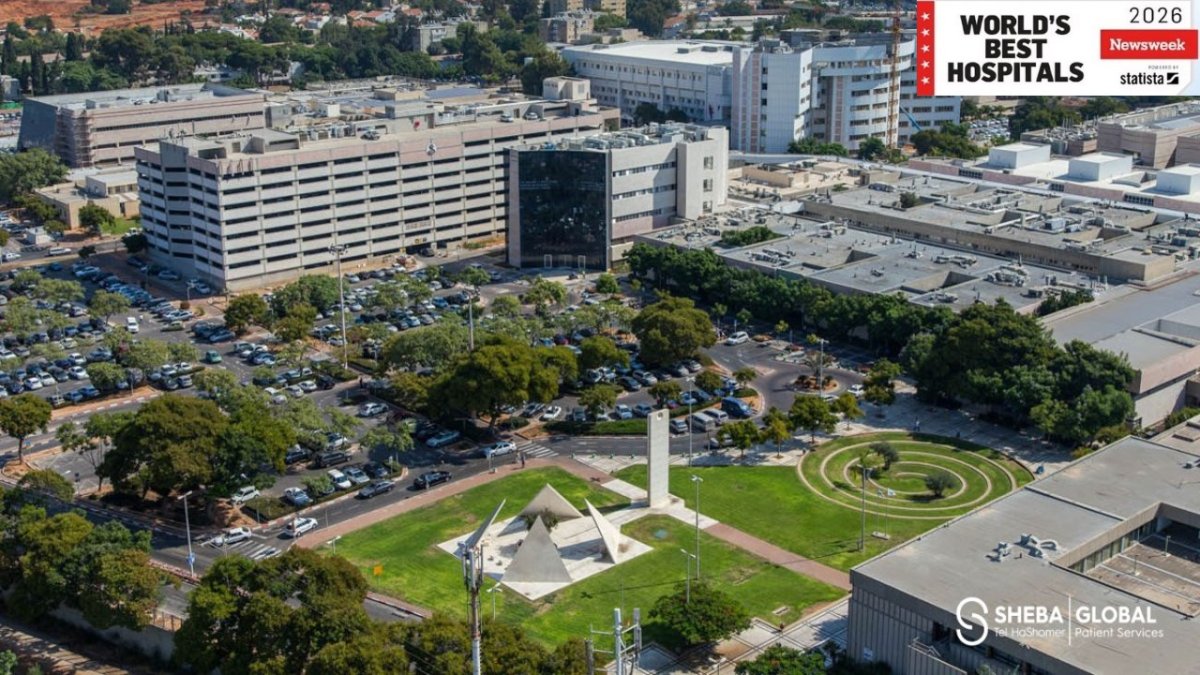
Sheba Tel HaShomer
أفضل مراكز طب العيون في إسرائيل
- Sourasky Medical Center (Ichilov), إسرائيل
- مركز شيبا الطبي, إسرائيل
- Assuta Medical Center, إسرائيل
- Hadassah Medical Center, إسرائيل
- Rambam Medical Center, إسرائيل
- Assaf Harofeh Medical Center, إسرائيل
- Schneider Center for Children Medicine, إسرائيل
- Soroka Medical Center, إسرائيل
- Rabin Medical Center, إسرائيل
- Sheba Tel HaShomer, إسرائيل
احصل على تقييم طبي لـ طب العيون في إسرائيل. استشر الآن 17 أطباء ذوي الخبرة.
عرض جميع الأطباء
Elyia Levinger
خبير إسرائيلي رائد في زراعة القرنية وجراحة المياه البيضاء – يقوم الدكتور ليفينجر بإجراء عدد كبير من عمليات العدسات والقرنية في مركز سوراسكي الطبي.
- أتم زمالة في مستشفى تورنتو الغربي – المشهور بتقنيات طب العيون المتقدمة
- عضو في الأكاديمية الأمريكية لطب العيون وجمعية جراحة المياه البيضاء والجراحة الانكسارية
- ينشر أبحاثاً حول تصحيح اللابؤرية (الاستجماتيزم) وتحسين الرؤية
- جراح أول في العديد من المراكز الطبية الرائدة في تل أبيب

Haim Stolovich
رئيس قسم طب عيون الأطفال في مركز سوراسكي الطبي - يتخصص الدكتور ستولوفيتش حصريًا في رعاية عيون الأطفال.
- حاصل على زمالة في طب عيون الأطفال من معهد كريسي في ديترويت
- عضو في الرابطة الدولية لدراسة/علاج الحول
- نشر أكثر من 40 ورقة علمية حول أمراض عيون الأطفال
- حاصل على أعلى فئة مؤهلات لطب عيون الأطفال في إسرائيل

Igal Leibovich
البروفيسور ليبوفيتش هو طبيب عيون متميز حائز على جوائز متعددة، بما في ذلك تقدير من الأكاديمية الأمريكية لطب العيون. وهو متخصص في جراحة تجميل العين والمحجر.
- أستاذ في كلية الطب بجامعة تل أبيب
- تدريب زمالة في جراحة تجميل العين في مؤسسات دولية كبرى
- محرر ومراجع لمجلات طب العيون الرائدة
- الرئيس السابق للجنة الامتحانات الوطنية في طب العيون

قصص فيديو من مرضى Bookimed
المراجعات
جميع المراجعاتمواد ذات صلة

تجربة دينيس في جراحة العيون بالليزر في تركيا: حياة أكثر وضوحاً في المستقبل
كتب بواسطة Kateryna Zamkovska

علاج العين بالخلايا الجذعية: التكلفة والفوائد وما يمكن توقعه
كتب بواسطة Mariia Mytrofankina

رؤية مثالية لمدة 8 دقائق
كتب بواسطة Veronika Kazina
مشاركة المحتوى
 Anna Leonova
أسئلة متكررة حول طب العيون في إسرائيل
هل جراحة الساد في إسرائيل آمنة ومن الذي يقوم بالإجراء؟
جراحة الساد في إسرائيل آمنة للغاية بمعدل نجاح يبلغ 98% في استعادة الرؤية. يقوم أطباء العيون المعتمدون من قبل الهيئة بإجراء العملية باستخدام تقنيات متقدمة مثل استحلاب العدسة. تحصل العديد من المرافق، بما في ذلك أسوتا وسوراسكي، على اعتماد اللجنة المشتركة الدولية (JCI) للسلامة.
- جراحون خبراء: يُقود الإجراءات أخصائيون مثل الدكتور إلييا ليفينغر في سوراسكي.
- عيادات متقدمة: يقدم مركز أسوتا الطبي ومركز شيبا الطبي رعاية عينية بمستوى عالمي.
- تقنية حديثة: يستخدم الجراحون الليزر الفيمتوثانية والعدسات داخل العين المتميزة للحصول على نتائج دقيقة.
- تعافي سريع: معظم المرضى يعودون إلى الأنشطة الروتينية، بما في ذلك القيادة، في غضون 24 ساعة.
رأي خبير بوكيميد: تظهر البيانات اتجاهاً واضحاً حيث تعالج المستشفيات الإسرائيلية الرائدة، مثل مركز شيبا الطبي وسوراسكي، أكثر من 1,500,000 مريض سنوياً. يتيح هذا الحجم الهائل للجراحين الحفاظ على أعلى مستويات الكفاءة التقنية. يستفيد المرضى الذين يختارون هذه المراكز ذات الحجم الكبير من الخبرة المؤسسية التي نادراً ما تضاهيها العيادات الأصغر.
إجماع المرضى: يشير المرضى إلى أن الإجراء يبدو روتينياً وأكثر أماناً من القيادة إلى المنزل. يؤكدون أن كفاءة الأطباء الجراحية والمهارة التقنية تجعل التجربة سلسة وخالية من القلق.
ما هي التقنيات المتقدمة المستخدمة في إجراءات تصحيح النظر وإزالة الساد في إسرائيل؟
توفر إسرائيل أنظمة ليزر متقدمة بدون شفرة ومنصات مساعدة بالروبوت لتصحيح الرؤية. تستخدم المرافق ليزر الفيمتوثانية لإعادة تشكيل القرنية بدقة عالية وتفتيت الساد. تشمل هذه التقنيات ReLEx SMILE، وتصحيح البصر بالليزر الموجي المخصص LASIK، وزرع عدسات داخل العين فائقة الجودة لاستعادة الرؤية الواضحة على جميع المسافات.
- منصات الإنكسار: يمكن لدى ليزرات VisuMax وIntraLase إجراء إعادة تشكيل القرنية بدقة عالية ودون استخدام شفرة.
- روبوتيات الساد: تستخدم منصة ORYOM الذكاء الاصطناعي والرؤية الحاسوبية للجراحة بمساعدة الروبوت.
- عدسات متقدمة: توفر العدسات المتعددة البؤر وذات نطاق العمق الممتد (EDOF) نطاقات رؤية متواصلة.
- تنقيح ما بعد الجراحة: تسمح العدسات القابلة للضبط بالضوء (LAL) بتعديل الرؤية باستخدام ضوء UV الموجه.
رؤية خبير Bookimed: غالبًا ما تدمج المراكز الإسرائيلية مثل مركز سوروكا الطبي بيانات جراحية عالية الحجم في منصاتها المعتمدة على الذكاء الاصطناعي. هذا الحجم، مع أكثر من 34,000 عملية سنويًا، يسمح للجراحين بتحسين معايرة الليزر لملفات القرنية الخاصة. يستفيد المرضى من هذا التخصص، خاصة في حالات استئصال زجاجية العين المعقدة التي تتم بتقنية الشقوق الصغيرة لشفاء أسرع.
اتفاق المرضى: يلاحظ المرضى أنه من المهم اختيار جراحين لديهم خبرة محددة في التكنولوجيا مثل ليزر VisuMax. ويشدد الكثيرون على أن دقة هذه الأنظمة الإلكترونية توفر راحة نفسية كبيرة أثناء العملية.
كم من الوقت يجب أن أخطط للبقاء في إسرائيل لإجراء جراحة الماء الأبيض أو جراحة مشاكل الانكسار البصري، وكيف تبدو عملية التعافي للسياح الطبيين؟
يجب على السياح الطبيين التخطيط لإقامة تتراوح بين 7 إلى 14 يومًا في إسرائيل لإجراء جراحة العين. غالباً ما تتطلب عمليات إزالة المياه البيضاء من 7 إلى 10 أيام من المتابعات الأساسية. تحتاج الجراحات الانكسارية مثل الليزك أو ReLEx SMILE عادة إلى 10 إلى 12 يومًا لضمان استقرار الرؤية قبل الرحلات الطويلة.
- مدة إقامة جراحة المياه البيضاء: خطط لـ 7-10 أيام لفحصين إلزاميين والاستقرار.
- مدة إقامة الجراحة الانكسارية: السماح بـ 10-14 يومًا للتعافي والتعديلات بعد جراحة الليزك أو PRK.
- سلامة الطيران: انتظر ما لا يقل عن 7 أيام قبل الطيران لتجنب الهواء الجاف في المقصورة.
- جدول الشفاء: يذكر معظم المرضى تحسن الرؤية بنسبة 80٪ خلال 3 إلى 4 أيام.
رأي خبراء Bookimed: تعمل العيادات الإسرائيلية مثل سوراسكي وأسوتا بكفاءة عالية. تُظهر بياناتنا أن المرضى غالبًا ما يكملون جراحة المياه البيضاء في اليوم الثاني والفحص النهائي في اليوم الرابع. هذه السرعة تتيح أيامًا إضافية لمشاهدة المعالم في تل أبيب قبل فترة الانتظار المطلوبة لمدة أسبوع من الطيران.
اجماع المرضى: يذكر المرضى أن الرؤية تتحسن بسرعة، وغالبًا ما تصل إلى 20/20 بحلول الأسبوع الثاني. كما يلاحظون أنه من المفيد إحضار قطرات ترطيب إضافية ونظارات شمسية ذات جودة عالية لأشعة الشمس الساطعة في إسرائيل.
هل أنا مرشح مناسب لتصحيح الرؤية بالليزر في إسرائيل، وكيف يتم التحقق من الأهلية عن بُعد؟
المتطلبات اللازمة لإجراء تصحيح الرؤية بالليزر في إسرائيل تتطلب أن يكون عمرك على الأقل 18 عامًا. يجب أن تظل الوصفة الطبية ثابتة لمدة 12 شهرًا. يقوم المتخصصون مثل الدكتور إيليا ليفينغر في مركز سوراسكي الطبي (إيخيلوف) أيضًا بتقييم سمك القرنية والصحة العامة للعين. تساعد الفحوصات الرقمية في تحديد المرشحين المبدئيين بفعالية قبل السفر.
- متطلبات العمر: يجب أن يكون المرشحون بعمر 18 عامًا أو أكثر، رغم أن بعض الجراحين يفضلون عمر 21 عامًا أو أكثر.
- ثبات الرؤية: يجب أن تكون التغيرات في الوصفة الطبية أقل من 0.5 ديوبتر على مدار عام واحد.
- صحة القرنية: يجب أن تكون القرنيات سميكة بما يكفي وخالية من حالات مثل القرنية المخروطية.
- الأدوات عن بُعد: تستخدم العيادات تطبيقات مثل واتساب، زوم، والاستبيانات عبر الإنترنت لمراجعة التقارير الطبية المحلية.
رؤية الخبراء في بوكيمد: تُعد مراكز علاج الأورام والجراحة الإسرائيلية مثل سوراسكي أو مركز شيبا الطبي من بين الأكثر شهرة على مستوى العالم. تُظهر بياناتنا أن هذه المنشآت تلتزم غالبًا ببروتوكولات أمان أكثر صرامة للمرضى الدوليين. فهي ترفض بشكل متكرر 20-30% من المرشحين المبدئيين خلال الفحوصات عن بعد لتجنب المضاعفات. هذا النهج المحافظ هو السبب وراء تسجيل هذه المستشفيات الحاصلة على اعتماد JCI لمعدلات نجاح عالية.
اتفاقية المرضى: يلاحظ المرضى أن تحميل فحوصات قرنية حديثة من طبيب محلي يمكن أن يوفر رحلة غير ضرورية. أشار البعض إلى حصولهم على موافقة مبدئية خلال 48 ساعة، رغم أن الفحص الشخصي هو دائمًا الخطوة الن
ما هي المدن أو التجمعات الطبية في إسرائيل الأفضل للسياحة العينية؟
تشكل تل أبيب والقدس وحيفا المحاور الطبية الرئيسية للسياحة العلاجية في مجال العيون في إسرائيل. تستضيف هذه المراكز مرافق معتمدة من قبل اللجنة الدولية المشتركة (JCI) تتخصص في جراحة الشبكية، وزراعة القرنية، وطب الأورام البصري. يحظى المرضى بإمكانية الوصول إلى تقنيات الليزر المتقدمة ورعاية الخبراء من أساتذة معترف بهم دولياً في المراكز الأكاديمية الرائدة.
- مجموعة تل أبيب: يتخصص مركز شيبا الطبي ومركز أسوتا في جراحات الشبكية المعقدة وجراحات الانكسار.
- مجموعة القدس: يتصدر مركز هداسا الطبي في علاج الأمراض الجينية للعين وطب الأورام البصري.
- مجموعة حيفا: يعمل مركز رامبام الطبي كمحور في الشمال لحالات طب العيون للأطفال.
- الخبرة المتخصصة: يقدم جراحون مثل الدكتور عديل باراك خبرة تزيد عن 25 عامًا في أمراض الشبكية الزجاجية.
رؤية خبير بوكيمد: تعمل تل أبيب كمركز ذو كفاءة عالية حيث تتيح المراكز الخاصة مثل أسوتا للمرضى اختيار الطبيب المعالج المحدد. هذه المدينة تشهد أيضًا أعلى حجم من الطلبات الدولية. تُظهر البيانات أن العيادات التي تجري أكثر من 90,000 عملية سنويًا، مثل أسوتا، غالبًا ما توفر جدولة أسرع للإجراءات الجراحية بالليزر الاختيارية مقارنة بالمستشفيات الجامعية العامة الكبيرة.
إجماع المرضى: يلاحظ المرضى أن تل أبيب مثالية للجمع بين الاستشارات السريعة والتعافي على الشاطئ. يوصي أولئك الذين لديهم حالات شبكية معقدة بتحديد القدس من أجل أساتذتها العالميين الذين غالبًا ما تلقوا تدريبًا في الولايات المتحدة.
لماذا تُعد إسرائيل واحدة من الوجهات الرائدة في جراحة الأعصاب؟
تُعدّ إسرائيل مركزًا رائدًا في جراحة الأعصاب بفضل مزيجها من التطورات الطبية عالية التقنية والخبرات الجراحية المتميزة. وتستخدم مرافق متطورة مثل مركز شيبا الطبي أنظمة ملاحة تعتمد على الذكاء الاصطناعي والتصوير بالرنين المغناطيسي أثناء الجراحة في الوقت الفعلي. وتشير المراكز المتخصصة إلى نسبة نجاح تصل إلى 98% في العمليات الجراحية المعقدة، بما في ذلك جراحة الدماغ مع اليقظة وعلاج اضطرابات الحركة.
- التكنولوجيا المتقدمة: تستخدم العيادات الموجات فوق الصوتية المركزة الموجهة بالرنين المغناطيسي (MRgFUS) والأنظمة الروبوتية لإجراء الشقوق.
- الخبرة الجراحية: يقود جراحون مثل الدكتور تسفي رام جمعيات دولية بخبرة تزيد عن 25 عامًا.
- الوصول السريع: يمكن للمرضى الدوليين عادةً تحديد مواعيد لإجراء عمليات جراحية معقدة في الدماغ أو العمود الفقري في غضون 2-4 أسابيع.
- الرعاية الطبية المعتمدة: المراكز الكبيرة مثل سوراسكي (إيشيلوف) وأسوتا معتمدة من قبل اللجنة الدولية المشتركة، مما يؤكد سلامتها.
رأي خبراء بوكيمد: تُظهر البيانات فرقًا واضحًا بين خيارات العلاج في القطاعين العام والخاص في إسرائيل. تُجري المراكز الخاصة، مثل مركز أسوتا الطبي، أكثر من 92,000 عملية جراحية سنويًا، وتتيح للمرضى اختيار جراح را
ما هي أنواع الأمراض العصبية التي يتم علاجها في إسرائيل؟
يعالج جراحو الأعصاب الإسرائيليون طيفاً واسعاً من الحالات، بدءاً من أورام الدماغ والحبل الشوكي وصولاً إلى الاضطرابات الوظيفية المعقدة. وتستخدم المراكز المتخصصة أحدث التقنيات، مثل جهاز جاما نايف، والتحفيز العميق للدماغ، والتصوير بالرنين المغناطيسي أثناء الجراحة، لتشخيص دقيق للغاية لحالات الصرع، ومرض باركنسون، وأمراض الأوعية الدموية الدماغية.
- الأمراض السرطانية: علاج الأورام الدبقية والأورام السحائية وأورام الغدة النخامية باستخدام استئصال قاعدة الجمجمة.
- الاضطرابات الوظيفية: علاج مرض باركنسون والرعاش الأساسي باستخدام التحفيز العميق للدماغ.
- أمراض العمود الفقري: تصحيح الجنف، وانزلاق الغضروف، وأورام العمود الفقري باستخدام الأنظمة الروبوتية.
- علاج أمراض الأوعية الدموية الدماغية: العلاج الجراحي لتمدد الأوعية الدموية الدماغية والتشوهات الشريانية الوريدية باستخدام التدخلات داخل الأوعية الدموية.
- جراحة الأعصاب للأطفال: رعاية متخصصة لاستسقاء الرأس والتشوهات الخلقية في مراكز طب الأطفال المتخصصة.
رأي خبراء بوكيمد: غالبًا ما تجمع المستشفيات الإسرائيلية بين تخصصات طبية متعددة لمعالجة الحالات المعقدة. ففي مركز سوراسكي ا
ما هي المستشفيات في إسرائيل التي تشتهر بأقسام جراحة الأعصاب فيها؟
تضم إسرائيل مراكز جراحة أعصاب عالمية المستوى، مثل مركز سوراسكي الطبي، ومركز شيبا الطبي، ومركز هداسا الطبي. وتُعدّ هذه المؤسسات رائدة عالميًا في علاج أورام الدماغ المعقدة، وأمراض العمود الفقري، واضطرابات الحركة. وتستخدم أحدث التقنيات، مثل جهاز جاما نايف، والأنظمة الروبوتية، والتصوير بالرنين المغناطيسي أثناء الجراحة.
- سوراسكي (إيخيلوف): يجري أكثر من 2500 عملية جراحية عصبية سنوياً في تل أبيب بنسبة نجاح تبلغ 98%.
- مركز شيبا الطبي: مصنف ضمن أفضل عشرة مستشفيات في العالم، حيث يعالج 1.9 مليون مريض سنوياً.
- مركز هداسا الطبي: مرشح لجائزة نوبل للسلام. رائد في جراحة الأعصاب للأطفال والعلاج الجيني.
- مركز أسوتا الطبي: أكبر منشأة طبية خاصة في إسرائيل. متخصص في جراحات العمود الفقري والدماغ طفيفة التوغل.
- مستشفى شنايدر للأطفال: مركز رائد في جراحة الأعصاب للأطفال، يعالج 275000 طفل سنوياً.
رأي خبراء بوكيمد: تُظهر بياناتنا أنه بينما يلجأ معظم المرضى للعلاج في تل أبيب، يُقدّم مركز رامبام الطبي في حيفا رعايةً فريدةً لإصابات الدماغ. فهو يضم وحدةً متخصصةً للعناية المركزة العصبية تُعالج ما يقارب مليون مريض سنويًا. وهذا ما يجعله
من هم أبرز جراحي الأعصاب في إسرائيل؟
من بين أبرز جراحي الأعصاب الإسرائيليين البروفيسور تسفي رام، والبروفيسور شلومي كونستانتيني، والبروفيسور إسحاق فريد من مركز سوراسكي الطبي. ويشغل هؤلاء المتخصصون مناصب قيادية في الجمعية الأوروبية لجمعيات جراحة الأعصاب (EANS) والجمعية العالمية لجراحة الأعصاب التجسيمية والوظيفية (WSSFN). ويستخدمون تقنيات رسم الخرائط المتقدمة أثناء الجراحة وأنظمة الروبوتات.
- البروفيسور تسفي رام: خبير في جراحة أورام الدماغ طفيفة التوغل والعلاج الجيني للسرطان.
- الأستاذ شلومي كونستانتيني: متخصص في إجراءات التنظير العصبي المعقدة للأطفال والجراحة المجهرية لأورام الدماغ.
- الأستاذ إسحاق فريد: خبير في جراحة الصرع، ورسم خرائط الدماغ الوظيفية، وتحفيز الدماغ العميق.
- الدكتور إيلي أشكينازي: جراح عظام رائد في مستشفى أسوتا، متخصص في نظام TOPS المبتكر.
رأي خبراء بوكيمد: تشير بيانات مركز سوراسكي وشيبا إلى وجود علاقة وثيقة بين ارتفاع عدد العمليات الجراحية وسلامة المرضى. فعلى سبيل المثال، يُجري مركز سوراسكي أكثر من 34,000 عملية جراحية لعلاج الأورام سنويًا بنسبة نجاح تصل إلى 90%. لذا، ينبغي على المرضى الذين يحتاجون إلى استئصال أورام معقدة إعطاء الأولوية لمراكز كهذه، حيث يُجري الجراحون مئات العمليات الجراحية ا
ما هي متطلبات المرضى الدوليين القادمين الذين يسعون للحصول على رعاية جراحية عصبية؟
يجب على المرضى الأجانب الذين يحتاجون إلى علاج جراحي للأعصاب في إسرائيل تقديم وثائق طبية كاملة، بما في ذلك نتائج التصوير بالرنين المغناطيسي أو التصوير المقطعي المحوسب الحديثة، مترجمة إلى اللغة الإنجليزية. يتطلب دخول المستشفى فحصًا سريريًا من قبل أخصائيين للتأكد من ملاءمة المريض للعلاج. غالبًا ما تطلب المستشفيات دفعًا مسبقًا كاملًا أو دفعة مقدمة كبيرة قبل تأكيد مواعيد الجراحة أو إصدار وثائق التأشيرة.
- السجلات الطبية: تقديم تقارير مفصلة ونتائج التصوير مترجمة إلى اللغة الإنجليزية في غضون 48 ساعة للمراجعة السريرية.
- إثبات القدرة المالية: يرجى تقديم إثبات توفر الأموال بمبلغ تقريبي يتراوح بين _price_from_ و _price_to_ لتغطية تكاليف العلاج.
- دعم التأشيرة: تقوم عيادات مثل مركز سوراسكي الطبي (إيخيلوف) بإصدار خطابات رسمية للحصول على تأشيرة طبية من نوع B-2.
- مرحلة الاستشارة: غالبًا ما يتم إجراء التقييم الأولي عبر استشارة عبر الإنترنت مع جراحين مثل الدكتور شتراوس إيدو.
رأي خبراء بوكيمد: تُظهر البيانات أن المؤسسات الطبية الإسرائيلية الرائدة، مثل مركز شيبا الطبي ومركز هداسا الطبي، تستقبل عددًا هائلًا من المرضى، يتجاوز مليون مريض سنويًا. هذا الطلب المرتفع يعني أن العيادات تُعطي الأول