عيادات طب العيون في بولندا


تمت مراجعة المقالة طبيا من قبل
فهد مولود
ما هي تكلفة طب العيون في بولندا؟ اكتشف الآن
تتراوح تكلفة خدمات طب العيون في بولندا عادةً ما بين $1,900 و $3,200. تعتمد هذه الأسعار بشكل عام على التكنولوجيا الجراحية المستخدمة، ومدى تعقيد حالة العين، وما إذا تم اختيار عدسات ممتازة للزرع. وغالباً ما يجد المرضى توفيراً يتراوح بين 30-70% مقارنة بالتكاليف المعتادة في الولايات المتحدة.
تكاليف طب العيون النموذجية في بولندا
- التصوير المقطعي للترابط البصري (OCT): من $180
- تشخيص المياه البيضاء (الكاتاراكت) قبل العملية: السعر عند الطلب
- جراحة العيون بالليزر: السعر عند الطلب
- جراحة تصحيح النظر بالليزك (LASIK): من $1,000
- زراعة القرنية: السعر عند الطلب
- جراحة الحول: $1,500 – $3,100
- جراحة انفصال الشبكية: من $2,800
- علاج الجلوكوما (المياه الزرقاء): السعر عند الطلب
- جراحة العيون بتقنية ReLEx SMILE: $2,600 – $3,700
- جراحة المياه البيضاء مع استبدال العدسة داخل العين (IOL): من $1,800
تشمل المراكز الرئيسية لرعاية العيون كلاً من وارسو، وجيلينيا غورا، وشتشيتسين. وفي حين توفر وارسو أوسع نطاق من العيادات المتخصصة، قد تقدم المدن الأصغر أسعاراً تنافسية أكثر للباقات المخصصة للمرضى الدوليين. استشر أخصائي عيون للحصول على تسعير دقيق لاحتياجات بصرك الخاصة.
جميع أمراض طب العيون
مزاياك وضماناتك مع Bookimed
أسعار مباشرة
Bookimed لا يضيف رسوماً إضافية على أسعار علاج طب العيون. الأسعار مأخوذة من قوائم الأسعار الرسمية للعيادات. تدفع مباشرة في العيادة مقابل علاجك عند وصولك إلى البلد.
عيادات وأطباء معتمدون فقط
Bookimed ملتزم بسلامتك. نحن نعمل فقط مع المؤسسات الطبية التي تحافظ على معايير دولية عالية في علاج طب العيون ولديها التراخيص اللازمة لخدمة المرضى الدوليين في جميع أنحاء العالم.
مساعدة مجانية على مدار الساعة
Bookimed يقدم مساعدة خبراء مجانية. منسق طبي شخصي يدعمك قبل وأثناء وبعد العلاج، ويحل أي مشاكل. لن تكون وحيداً أبداً في رحلة علاج طب العيون.

منسقك الطبي الشخصي في Bookimed
- يدعمك في كل مرحلة
- المساعدة في اختيار العيادة الطبية المناسبة والطبيب المناسب
- يضمن الوصول السريع والمريح إلى المعلومات
اكتشف أفضل عيادات طب العيون: 25 خيارات معتمدة والأسعار



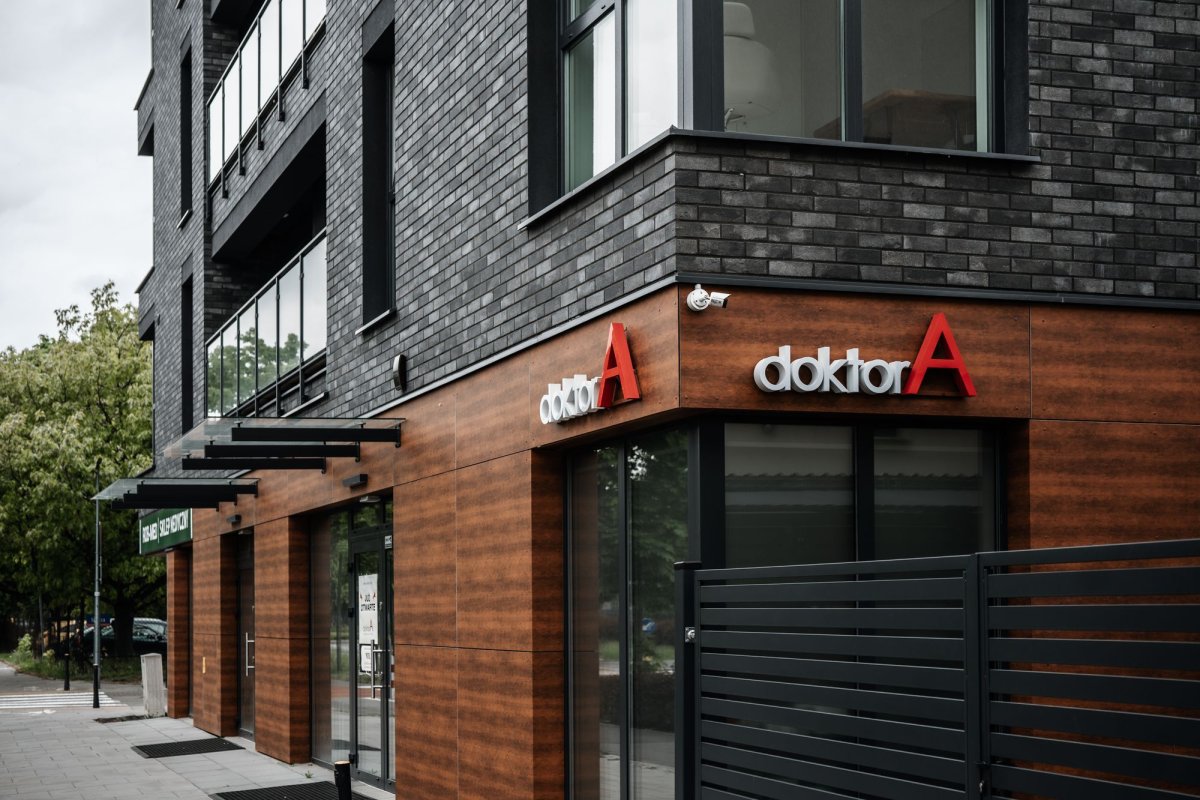
Centrum Medyczne doktorA




Hospital Matopat

Institute of Cybernetic Surgery Cyberknife

Medical Centre ENEL-MED

Clinic of Ophthalmology Retina

Beauty Poland - Plastic Surgery Poland
أفضل مراكز طب العيون في بولندا
- KCM Clinic, بولندا
- Centrum Medyczne doktorA, بولندا
- Carolina Hospital, بولندا
- Hospital Matopat, بولندا
- Institute of Cybernetic Surgery Cyberknife, بولندا
- Medical Centre ENEL-MED, بولندا
- Clinic of Ophthalmology Retina, بولندا
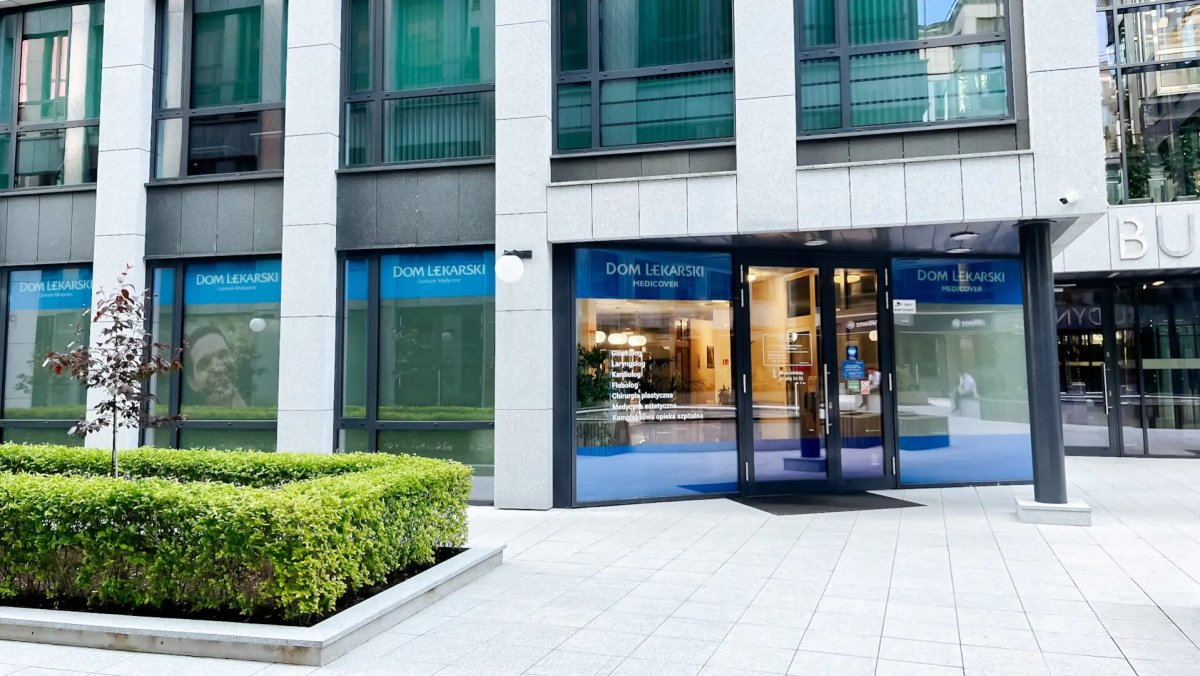
- Dom Lekarski, بولندا
- Beauty Poland - Plastic Surgery Poland, بولندا
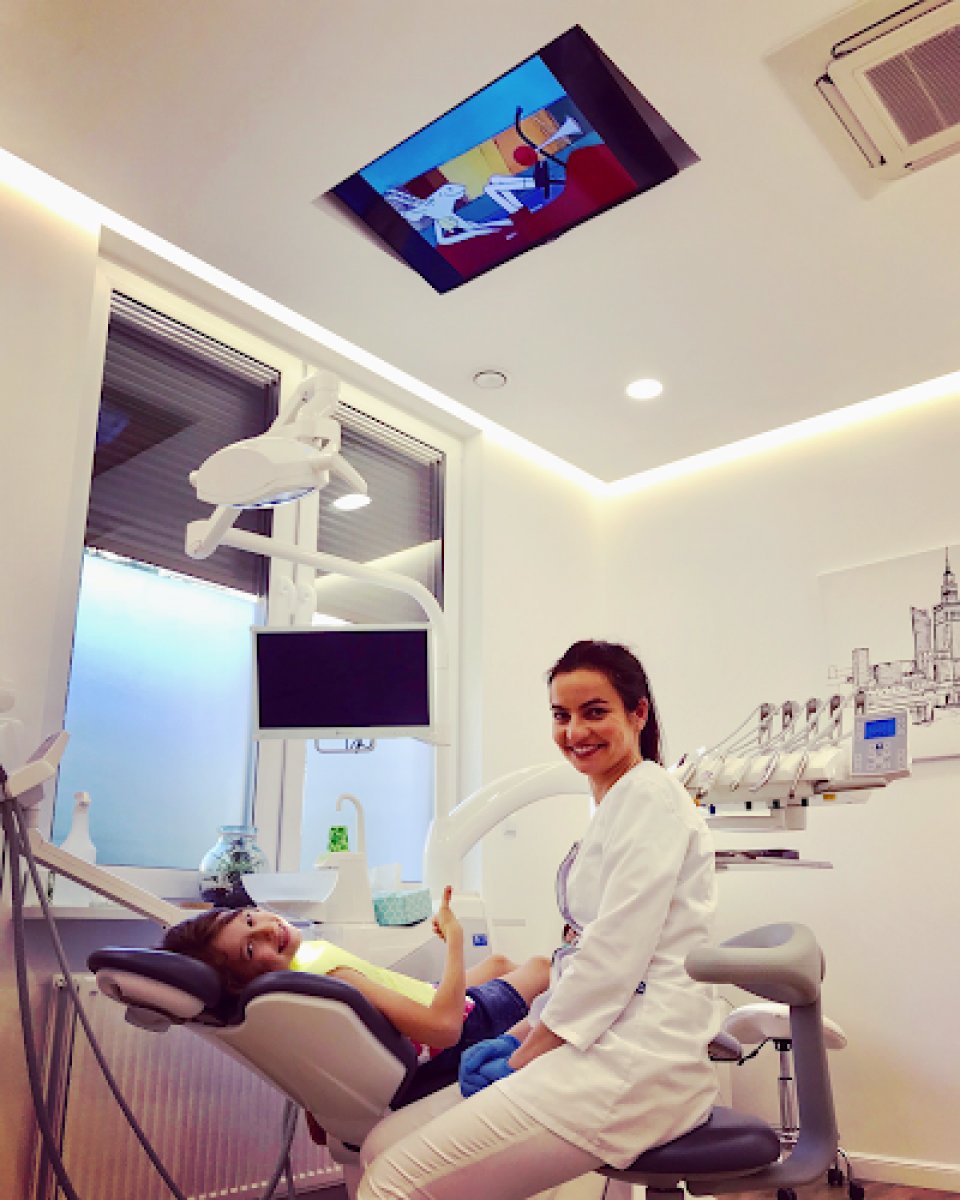
- Warsaw Dental Academy - Implantologia i Stomatologia Estetyczna, بولندا
احصل على تقييم طبي لـ طب العيون في بولندا. استشر الآن 14 أطباء ذوي الخبرة.
عرض جميع الأطباء
Anna Mec-slomska

Karol Nowacki
أكثر من 900 إجراء تم تنفيذه - يجلب الدكتور كارول نواكي أكثر من 13 عاماً من الخبرة في طب العيون إلى عيادة KCM.
- متخصص في علاجات المياه البيضاء (الكاتاركت) والمياه الزرقاء (الجلوكوما)
- يقوم بإجراء تشخيصات متقدمة مثل التصوير المقطعي للتماسك البصري (OCT) وتصوير الأوعية بالفلوريسين
- ماهر في العلاج بالليزر لحالات العيون المتعددة
- حاصل على تقييم 4.3 من قبل المرضى لجودة الرعاية

Maciej Szuszkiewicz
يتخصص الدكتور شوشكيفيتش في علاجات الليزر المتقدمة لحالات العيون، ويقدم تشخيصات وعلاجات دقيقة في عيادة KCM.
- خبير في تصوير الأوعية بالفلوريسين وتصوير الأوعية المقطعي التوافقي البصري (Angio-OCT) للكشف المبكر عن الجلوكوما
- يجري تصويرًا بالموجات فوق الصوتية للعين عالي الدقة للتشخيص الدقيق
- يتخصص في علاجات الليزر للآفات الوعائية الشبكية المرتبطة بمرض السكري
- ماهر في علاجات الليزر لإعتام عدسة العين الثانوي والقزحية

Tomasz Gede
الدكتور توماش جيد هو طبيب مسالك بولية وجراح عام في عيادة KCM في بولندا. يُعرف بأنه أحد أفضل الجراحين في منطقة سيليزيا السفلى. يتخصص الدكتور جيد في علاج مرضى المسالك البولية الأورام والحالات التشخيصية المعقدة. يعمل في عيادة KCM، الحاصلة على شهادة ISO وتخدم أكثر من 700 مريض دولي سنوياً.
- يجري جراحات طفيفة التوغل بما في ذلك إجراءات الليزر للبروستاتا والكلى.
- يعالج حالات المسالك البولية مثل تضخم البروستاتا الحميد، وتضيق الإحليل، وأمراض الكلى.
- متخصص في تركيبات القضيب، وجرا
قصص فيديو من مرضى Bookimed
المراجعات
جميع المراجعاتمواد ذات صلة

تجربة دينيس في جراحة العيون بالليزر في تركيا: حياة أكثر وضوحاً في المستقبل
كتب بواسطة Kateryna Zamkovska

علاج العين بالخلايا الجذعية: التكلفة والفوائد وما يمكن توقعه
كتب بواسطة Mariia Mytrofankina

رؤية مثالية لمدة 8 دقائق
كتب بواسطة Veronika Kazina
مشاركة المحتوى
 Anna Leonova
أسئلة متكررة حول طب العيون في بولندا
ما هي معايير السلامة التي تتبعها عيادات العيون البولندية؟
تتبع العيادات العينية في بولندا المعايير الطبية الصارمة للاتحاد الأوروبي ولوائح الصحة الوطنية. يجب أن تلتزم المرافق بتوجيه مجلس الاتحاد الأوروبي 90/385/EEC لضمان سلامة الأجهزة الطبية. مراكز متخصصة مثل عيادة طب العيون الشبكية تقوم بإجراء آلاف العمليات الجراحية شهرياً في ظل هذه المعايير الصارمة للجودة. يشرف على هذه المرافق الجمعية البولندية لطب العيون.
- شهادة الجودة: تحمل مستشفيات مثل مستشفى كارولينا شهادات ISO 9001:2015 و TÜV NORD.
- الإشراف الخبير: ينتمي جراحون مثل الدكتور لوكاس ماكتكيفيتش إلى الجمعية البولندية لطب العيون.
- التكنولوجيا المتقدمة: تستخدم المراكز الرائدة العلامات التجارية المتميزة للمعدات مثل Zeiss و Alcon.
- حجم الجراحة: تشير المرافق الرئيسية إلى نجاح كبير عبر أكثر من 10,000 عملية جراحية أجريت منذ عام 2004.
رأي خبير في Bookimed: تظهر البيانات وجود ارتباط قوي بين حجم العيادة والبنية التحتية للسلامة في بولندا. غالبًا ما تستثمر المرافق الكبيرة، مثل تلك التي تخدم أكثر من 2,500 مريض سنويًا، في أنظمة Zeiss أو Alcon الأحدث. وتحتفظ هذه المراكز الراسخة عادة بتصنيفات أعلى مثل تصنيف مستشفى كارولينا 4.7 مقارنة بالعيادات الإقليمية الأصغر.
إجماع المرضى: يلاحظ المرضى أنه من المهم التحقق من نماذج المعدات وطلب إثبات مكتوب للتعقيم قبل الحجز. يذكر بعض المسافرين أن المستشفيات الكبيرة في المدن الرئيسية تقدم تواصلاً أوضح وأدوات تشخيصية أكثر حداثة.
كم من الوقت يجب أن أخطط للبقاء في بولندا لجراحة الساد أو الجراحة الانكسارية؟
يوصى بالبقاء لمدة 3 إلى 7 أيام في بولندا لمعظم جراحات العين. عادةً ما يحتاج مرضى إعتام عدسة العين إلى 3 إلى 5 أيام للمتابعات الإلزامية. غالبًا ما تسمح إجراءات تصحيح النظر مثل الليزك برحلة أقصر تتراوح بين يومين إلى 3 أيام. قد تؤدي العلاجات الليزرية المعقدة إلى تمديد إقامتك إلى 7 أيام.
- الإقامة لجراحة إعتام عدسة العين: خطط للبقاء من 3 إلى 5 أيام لإكمال التحقق الضروري من وضع العدسة في اليوم التالي.
- الإقامة لجراحة تصحيح النظر: عليك بحساب 2–3 أيام حيث يستقر معظم المرضى بسرعة بعد علاج الليزر الأولي.
- الإقامة لجراحة الليزر المعقدة: خصص ما يصل إلى 7 أيام للطُرق المتقدمة التي تتطلب مراقبة لمدة أسبوع.
- تصريح السفر: الجراحون عادةً ما يسمحون للمرضى برحلات طيران قصيرة بعد 48 ساعة من المتابعة الأولى.
رأي خبير من Bookimed: تتخصص عيادات مثل عيادة طب العيون "ريتينا" في وارسو في إجراءات تعتمد على إقامة ليوم واحد. تشير هذه الكفاءة العالية إلى أنه رغم أن الجراحة سريعة، إلا أن إجمالي الإقامة متعلق بفحوصات السلامة الإلزامية لمدة 24 ساعة في بولندا. المنشآت ذات الحجم الدولي الكبير، مثل عيادة KCM التي تخدم أكثر من 700 مريض دولي سنويًا، غالبًا ما تضم هذه المتابعات في حزم الإقامة المحلية المحجوزة مسبقًا.
اتفاق المرضى: يؤكد المرضى على ضرورة الوصول قبل يوم واحد على الأقل لإجراء القياسات النهائية. كما يلاحظون أنه رغم أن الجراحة تستغرق 20 دقيقة فقط، إلا أن الرؤية تظل ضبابية لبضعة أيام بعد الجراحة.
ماذا يحدث إذا تطورت لدي مشكلة بعد أن أسافر إلى منزلي؟
المشكلات التي تحدث بعد السفر بعد جراحة العين في بولندا تكون عادةً خفيفة، وغالبًا ما تنجم عن الهواء الجاف في الطائرة أو التعب. تزول معظم الأعراض خلال 7 أيام مع الراحة والترطيب. إذا شعرت بألم شديد، أو فقدان مفاجئ للرؤية، أو إفراز غير معتاد، فاطلب الرعاية الطبية المحلية العاجلة على الفور.
- المتابعات الافتراضية: غالبًا ما تقدم العيادات 1-3 أشهر من المتابعات المجانية عبر البريد الإلكتروني أو الفيديو.
- الرعاية المحلية: خصص ميزانية تتراوح من $80 للاستشارات مع أخصائيين محليين إذا نشأت مضاعفات.
- مراقبة الأعراض: يُعتبر عدم الراحة الطفيف أمرًا شائعًا، ولكن الهالات المستمرة أو العوامات تتطلب تقييمًا فوريًا.
- التوثيق: احتفظ بجميع البروتوكولات ما بعد الجراحة مكتوبة لمشاركتها مع الأطباء في بلدك.
رؤية خبير بوكيميد: العيادات التي تستقبل أعدادًا كبيرة من المرضى من المملكة المتحدة وألمانيا، مثل عيادة KCM، تقدم عادةً حزم للمرضى الدوليين. تركز هذه البرامج المتخصصة غالبًا على التنسيق عبر بوابات المرضى. يضمن ذلك أن يتمكن طبيبك المحلي من الوصول بسرعة إلى السجلات الجراحية لتيسير أي رعاية متابعة ضرورية بعد عودتك إلى الوطن.
إجماع المرضى: يلاحظ المرضى أن من الضروري الحصول على جميع تعليمات التعافي كتابيًا قبل المغادرة. وأكد أحد المرضى أن الطاقم التمريضي في بولندا ممتاز، لكن يجب التأكد من كيفية الوصول بسرعة إلى منسقك إذا شعرت بجفاف العينين أو عدم الراحة بعد رحلتك.
هل أنا مرشح جيد لتصحيح الرؤية بالليزر في بولندا؟
المُرشح الجيد لتصحيح النظر بالليزر في بولندا هو الذي يبلغ من العمر 18 عامًا على الأقل. يجب أن يكون لديك وصفة نظر مستقرة لمدة 12 شهرًا. يجب ألا يتغير قياس النظر بأكثر من 0.5 ديوبتر خلال هذه الفترة. يجب أن تكون صحتك العامة جيدة دون وجود التهابات نشطة في العين.
- النطاق الانكساري: مناسب لقصر النظر حتى -14D، وطول النظر حتى +6D، والاستجماتيزم حتى 6D.
- سمك القرنية: العيادات مثل عيادة طب العيون شبكية العين تتطلب الحد الأدنى من السمك لإجراءات الليزك الآمنة.
- استثناءات صحية: الحالات مثل السكري غير المسيطر عليه، أو الجلوكوما، أو إعتام عدسة العين عادةً ما تستبعد المرضى من الجراحة.
- مرحلة التشخيص: غالبًا ما تتضمن الفحوصات الإجبارية مسح بنتاكام وأنجيو-OCT لضمان سلامة الإجراء.
رؤية خبير من Bookimed: تُعطي العيادات البولندية الأولوية للسلامة عن طريق الحفاظ على معدلات رفض عالية للحالات الحدودية. تظهر بيانات الخبرة أن الجراحين في مرافق مثل عيادة KCM، التي تخدم أكثر من 700 مريض دولي سنوياً، يوصون غالبًا بجراحة PRK بدلاً من الليزك للمرضى بنمط حياة نشط. يركز هذا النهج المحافظ على استقرار القرنية على المدى الطويل بدلاً من مجرد استرداد الرؤية على المدى القصير.
إجماع المرضى: لاحظ المرضى أن الجراحين صارمون جدًا خلال الفحوصات السابقة للجراحة. ينصح الكثيرون بإجراء مسح تضاريس محلي قبل السفر لتجنب رفضهم في الموقع بسبب رقة القرنية.
ماذا يجب أن أحضر أو أرتدي في يوم الجراحة؟
يجب على المرضى ارتداء قمصان فضفاضة بأزرار وأحذية مريحة يسهل خلعها للإجراءات العينية في بولندا. تجنب ارتداء السترات التي تُسحب فوق الرأس لتجنب ملامسة منطقة العين بعد الجراحة. احضر نظارات شمسية داكنة، بطاقة هوية وصورة، وقائمة بالأدوية الحالية إلى العيادة في يوم موعدك.
- الملابس: ارتدِ قمصان بسحاب أو بأزرار في المقدمة لتجنب سحب القماش فوق رأسك.
- الأحذية: اختر أحذية مسطحة ومغلقة الأصابع بدون أربطة لتجنب الانحناء لتثبيت الرباط.
- رعاية العين: احضر نظارات شمسية داكنة واقية لأنها ضرورية لراحتك مباشرة بعد الجراحة.
- الأغراض الشخصية: اترك المجوهرات والساعات والمكياج في المنزل للحفاظ على بيئة جراحية معقمة.
بصيرة خبراء بوكيميد: تتخصص عيادات مثل عيادة طب العيون الشبكية في وارسو في الإقامة ليوم واحد، حيث أجرت أكثر من 10,000 عملية جراحية منذ عام 2004. نظرًا لسرعة هذه الإجراءات، غالبًا ما يقصر المرضى في تقدير الحاجة لحماية العين بعد العملية. تُظهر بياناتنا أن المرافق الرائدة في بولندا تركز على راحة التعافي الفوري من خلال توفير غرف تعافي متخصصة، لكن إحضار نظارات شمسية عالية الجودة يبقى توصية رئيسية لرحلتك إلى المنزل.
إجماع المرضى: يشدد المرضى على أن النظارات الشمسية الداكنة لا غنى عنها في الرحلة إلى المنزل بعد الجراحة. يقترحون أيضًا ارتداء قميص قديم بأزرار، حيث أن القطرات أو المراهم المستخدمة أثناء العملية قد تترك بقع على ملابسك.
ما مدى جودة جراحة الأعصاب في بولندا؟
تُقدم جراحة الأعصاب في بولندا رعاية عالية الجودة في مرافق معتمدة من قبل اللجنة الدولية المشتركة (JCI) والمنظمة الدولية للمعايير (ISO). يلتزم جراحو الأعصاب البولنديون بمعايير تدريب صارمة معتمدة من قبل الاتحاد الأوروبي. وقد أكمل العديد منهم زمالات في الولايات المتحدة أو ألمانيا. وتتوفر التقنيات المتقدمة، مثل جهاز سايبر نايف وجهاز جاما نايف والأنظمة الروبوتية، على نطاق واسع في المراكز الخاصة.
- المؤهلات التخصصية: غالباً ما يكون الأطباء أعضاء في الرابطة الأوروبية لجمعيات جراحة الأعصاب.
- التقنيات المتقدمة: تستخدم العيادات أنظمة CyberKnife والموجات فوق الصوتية المركزة الموجهة بالرنين المغناطيسي لعلاج الدماغ غير الجراحي.
- الحجم السريري: تعالج المراكز الرائدة مثل مستشفى الجامعة في كراكوف أكثر من 455000 مريض سنوياً.
- جراحون ذوو خبرة: أجرى الدكتور ماسيج بوجكو من مستشفى كارولينا أكثر من 2500 عملية جراحية بمفرده.
رأي خبراء بوكيمد: تُظهر البيانات وجود علاقة وثيقة بين تخصص العيادة وأصول مرضاها. تعالج عيادة KCM أكثر من 700 مريض دولي سنويًا، وهي متخصصة في جراحة العمود الفقري طفيفة التوغل. يُمكّنها هذا الحجم من العمل من تقديم باقات خدمات متخصصة، تشمل غالبًا حواجز تشخيصية وزرعات محددة،
ما هي مؤهلات جراحي الأعصاب البولنديين؟
يُعدّ جراحو الأعصاب البولنديون متخصصين ذوي كفاءة عالية، إذ أتموا ما لا يقل عن 13 عامًا من التدريب الطبي المكثف. يشمل ذلك ست سنوات من الدراسة في كلية الطب، و13 شهرًا من التدريب العملي، وست سنوات من الإقامة. ويجب عليهم اجتياز امتحان التخصص الحكومي (PES)، وغالبًا ما يحصلون على شهادة من الجمعية الأوروبية لجمعيات جراحة الأعصاب (EANS).
- التعليم: يتلقى الأطباء تعليمهم الطبي (الطب) بعد 6 سنوات من الدراسة في الجامعة.
- التخصص: تشمل الإقامة 6 سنوات من التدريب المعياري في جراحة الأعصاب السريرية وعلم الأشعة العصبية.
- حجم العمليات الجراحية: غالبًا ما يقوم الأطباء المقيمون بإجراء أكثر من 1000 عملية جراحية، وهو ما يتجاوز متوسط حجم التدريب في المناطق الأخرى.
- الشهادات: العديد من المتخصصين أعضاء في منظمة AO Spine أو الجمعية البولندية لجراحة العمود الفقري.
رأي خبراء بوكيميد: تشير البيانات إلى أن جراحي الأعصاب البولنديين غالبًا ما يتخصصون في تقنيات بالغة التخصص، مثل نظام ApiFix أو نظام SED-YESS لتنظير الفقرات القطنية. ويجمع أخصائيون مثل الدكتور ستانيسواف كويك من عيادة KCM بين أبحاث ما بعد الدكتوراه والممارسة الجراحية النشطة. هذا المزيج من المعرفة الأكاديمية المتعمقة والخبرة الجراحية الوا
ما هي أفضل عيادات جراحة الأعصاب في بولندا؟
من بين أفضل عيادات جراحة الأعصاب في بولندا مستشفى كارولينا، وعيادة KCM، ومراكز أكاديمية رائدة مثل مستشفى جامعة كراكوف. تقدم هذه المؤسسات علاجات متطورة لأمراض العمود الفقري والدماغ، مطابقة لمعايير الجودة ISO، وتضم أخصائيين أعضاء في منظمات دولية مثل AO Spine.
- مستشفى كارولينا: مركز التميز الطبي التابع للفيفا، والمتخصص في جراحات العمود الفقري المعقدة ذات التدخل الجراحي المحدود.
- عيادة KCM: معترف بها دوليًا لجودة إجراءات تنظير العمود الفقري، وتخدم أكثر من 700 مريض دولي سنويًا.
- مستشفى جامعة كراكوف: مركز متعدد التخصصات كبير يقوم بإجراء أكثر من 800 عملية جراحية عصبية سنوياً منذ عام 1788.
- لوكسميد: مركز طبي خاص مرموق في وارسو متخصص في جراحة العمود الفقري المتقدمة للمرضى الدوليين.
رأي خبراء بوكيمد: بينما يتجه الكثيرون إلى أكبر المستشفيات، تُظهر البيانات أن عيادات مثل مستشفى كارولينا تُقدم كفاءة أعلى في العمليات الجراحية الاختيارية. فمع وجود أكثر من 40 طبيباً متخصصاً في هذه المنشأة التي تضم 30 سريراً، تكون نسبة الأطباء إلى المرضى أعلى بكثير مما هي عليه في المراكز الجامعية الحكومية. وهذا يعني رعاية ما بعد الجراحة أكثر عناية، وجدولة أسرع بكثير لإجراءات مثل علاج الانزلاق الغضروفي
ما هي أكثر العمليات الجراحية العصبية شيوعاً في بولندا؟
في بولندا، يركز طب جراحة الأعصاب بشكل أساسي على جراحات العمود الفقري واستئصال أورام الدماغ. وتُجري المستشفيات بشكل متكرر عمليات استئصال القرص المجهرية، ودمج الفقرات، وتحفيز الدماغ العميق. وتستخدم مراكز مثل مستشفى كارولينا وعيادة كي سي إم تقنيات طفيفة التوغل لعلاج الانزلاق الغضروفي، وإصابات العمود الفقري، والاضطرابات العصبية المعقدة.
- جراحة العمود الفقري: يعتبر استئصال القرص واستئصال الصفيحة الفقرية من العلاجات الشائعة لانزلاق القرص.
- علم الأورام العصبية: يقوم الأخصائيون بإجراء عمليات جراحية لإزالة أورام الدماغ باستخدام معدات حديثة مثل تقنية سايبر نايف.
- جراحة الأعصاب الوظيفية: يستخدم التحفيز العميق للدماغ (DBS) على نطاق واسع لعلاج اضطرابات الحركة.
- التقنيات طفيفة التوغل: يستخدم الجراحون تقنيات التنظير الداخلي لتخفيف الضغط عن العمود الفقري وعلاج أورام الغدة النخامية.
رأي خبراء بوكيميد: أصبحت بولندا مركزًا متخصصًا في تثبيت العمود الفقري. تتعاون عيادات مثل مستشفى كارولينا مع الفرق الرياضية الوطنية، مما يعكس خبرتها العالية في علاج إصابات العمود الفقري المعقدة. تُظهر بياناتنا أن هذه المؤسسات غالبًا ما تُدمج إعادة التأهيل مباشرةً في العلاج الجراحي. هذا الدمج يقلل من خطر الم
هل تتوفر خدمات إعادة التأهيل العصبي؟
تتوفر خدمات إعادة التأهيل العصبي على نطاق واسع في بولندا من خلال مراكز متخصصة ومستشفيات متعددة التخصصات. وتشمل هذه البرامج التعافي بعد السكتة الدماغية، وإصابات الحبل الشوكي، والأمراض التنكسية. وتقدم مؤسسات مثل مستشفى كارولينا في وارسو وعيادة KCM علاجًا تحت إشراف طبي. وتتضمن معظم برامج جراحة الأعصاب تقييمًا أوليًا لإعادة التأهيل بعد العملية.
- العلاجات المتاحة: تشمل البرامج العلاج الطبيعي العصبي، والعلاج الوظيفي، وعلاج النطق.
- المؤسسات الرائدة: يقدم مستشفى كارولينا والمركز الطبي ENEL-MED في وارسو خدمات إعادة التأهيل.
- طاقم مؤهل: يعمل أخصائيو العلاج الطبيعي العصبي المتخصصون مع جراحي الأعصاب لوضع خطط علاج فردية.
- النطاق: تهدف إعادة التأهيل إلى استعادة الحركة والتوازن والوظائف الإدراكية بعد التدخلات الجراحية المعقدة.
رأي خبراء بوكيمد: تشير البيانات إلى أن العيادات التي تستقبل أعدادًا كبيرة من المرضى الدوليين، مثل عيادة KCM، غالبًا ما تُدرج إعادة التأهيل الأساسية ضمن برامجها الجراحية. تُعد هذه ميزة هامة، إذ قد يكون تنسيق إعادة التأهيل العصبي بشكل مستقل في بولندا أمرًا صعبًا. يضمن اختيار عيادة تضم أخصائي إعادة تأهيل متواجدًا فيها بدء التعافي في غضون 24 ساعة بعد الجراحة، وهو