اعتلال الشبكية الخداجي العلاج في إسرائيل - التكاليف 2026


تمت مراجعة المقالة طبيا من قبل
فهد مولود
ما هي تكلفة اعتلال الشبكية الخداجي إجراءات التشخيص والعلاج في إسرائيل؟ اعرف الآن
| إسرائيل | تركيا | إسبانيا | |
|---|---|---|---|
| اعتلال الشبكية من جراحة الخداج | ≈ $7,500 | من $6,200 | ≈ $4,500 |
مزاياك وضماناتك مع Bookimed
أسعار مباشرة
Bookimed لا يضيف رسوماً إضافية على أسعار علاج اعتلال الشبكية الخداجي. الأسعار مأخوذة من قوائم الأسعار الرسمية للعيادات. تدفع مباشرة في العيادة مقابل علاجك عند وصولك إلى البلد.
عيادات وأطباء معتمدون فقط
Bookimed ملتزم بسلامتك. نحن نعمل فقط مع المؤسسات الطبية التي تحافظ على معايير دولية عالية في علاج اعتلال الشبكية الخداجي ولديها التراخيص اللازمة لخدمة المرضى الدوليين في جميع أنحاء العالم.
مساعدة مجانية على مدار الساعة
Bookimed يقدم مساعدة خبراء مجانية. منسق طبي شخصي يدعمك قبل وأثناء وبعد العلاج، ويحل أي مشاكل. لن تكون وحيداً أبداً في رحلة علاج اعتلال الشبكية الخداجي.

منسقك الطبي الشخصي في Bookimed
- يدعمك في كل مرحلة
- المساعدة في اختيار العيادة الطبية المناسبة والطبيب المناسب
- يضمن الوصول السريع والمريح إلى المعلومات
اكتشف أفضل اعتلال الشبكية الخداجي العيادات في إسرائيل: 2 خيارات معتمدة والأسعار



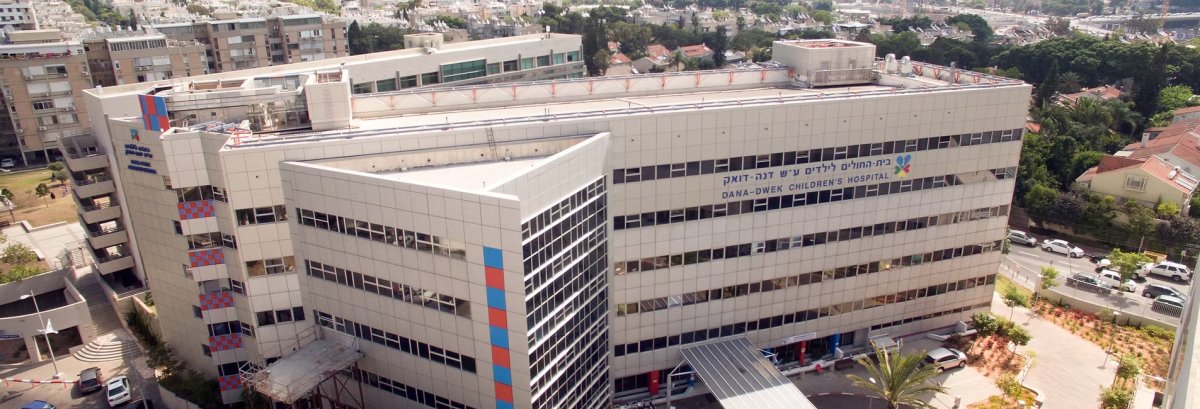
Tel Aviv Sourasky Medical Center (Ichilov)
مشاركة المحتوى
قصص فيديو من مرضى Bookimed
 Anna Leonova
أسئلة متكررة حول علاج اعتلال الشبكية الخداجي في إسرائيل
ما هي علاجات اعتلال الشبكية الخداجي (ROP) المتقدمة المتاحة في العيادات الإسرائيلية؟
توفر العيادات الإسرائيلية علاجات متقدمة لاعتلال الشبكية الخداجي (ROP) بما في ذلك الحقن المجهري بمضادات عامل نمو بطانة الأوعية الدموية (anti-VEGF)، والتخثير الضوئي بالليزر، واستئصال الزجاجية بالجراحة المجهرية. تستخدم مراكز مثل مركز سوراسكي الطبي بروتوكولات معتمدة من اللجنة الدولية المشتركة (JCI) لوقف نمو الأوعية غير الطبيعي. يتم إجراء هذه التدخلات من قبل أطباء عيون أطفال متخصصين في بيئات حديثي الولادة عالية المستوى.
- علاج مضادات عامل نمو بطانة الأوعية الدموية (anti-VEGF): تعمل حقن أفاستين أو لوسينتيس على منع تكاثر الأوعية الدموية غير الطبيعي.
- التخثير الضوئي بالليزر: تمنع جراحة الليزر الدقيقة شد الشبكية والندوب الدائمة.
- جراحة الشبكية والجسم الزجاجي: يقوم الجراحون بإجراء استئصال الزجاجية لحالات الانفصال المتقدمة في المرحلة 4 أو 5.
- تطويق الصلبة: يضع الجراحون أحزمة سيليكون لمواجهة القوى التي تسبب شد الشبكية.
رؤية خبير Bookimed: تدير المراكز الطبية الإسرائيلية أعداداً هائلة من المرضى، حيث يعالج مركز سوراسكي الطبي وحده أكثر من 11,000 طفل سنوياً. يخلق هذا التردد العالي مستوى مركزاً من الخبرة في جراحات عيون حديثي الولادة المعقدة. يجب على الآباء ملاحظة أن المستشفيات الحكومية المعتمدة من JCI غالباً ما توفر دعماً أكثر تكاملاً لوحدات العناية المركزة لحديثي الولادة مقارنة بالعيادات الخاصة الأصغر.
إجماع المرضى: يؤكد الآباء أن العمل السريع أمر حيوي لأن اعتلال الشبكية الخداجي يمكن أن يتفاقم بسرعة بعد الخروج من وحدة العناية المركزة
ما مدى سرعة تلقي طفلي للعلاج إذا تم تشخيص إصابته باعتلال الشبكية الخداجي (ROP) الحاد؟
يتطلب اعتلال الشبكية الخداجي (ROP) الحاد علاجاً في غضون 48 إلى 72 ساعة من التشخيص. قد تتطلب الأشكال العدوانية تدخلاً في غضون 24 ساعة. تعطي المراكز الطبية الإسرائيلية الأولوية للاستجابة السريعة. هذا الجدول الزمني بالغ الأهمية لمنع انفصال الشبكية وفقدان البصر الدائم لدى الأطفال الخدج.
- المرض العدواني: يجب أن يتم العلاج بشكل مثالي في غضون 24 إلى 48 ساعة.
- ROP من النوع 1: تتطلب الإرشادات الطبية القياسية إكمال العلاج في غضون 72 ساعة.
- إجراءات بجانب السرير: غالباً ما يتم العلاج مباشرة في وحدة العناية المركزة لحديثي الولادة (NICU).
- فترة المتابعة: يجب على الجراحين إعادة فحص العينين في غضون 3 إلى 7 أيام بعد العلاج.
رؤية خبير Bookimed: تدير المرافق الإسرائيلية مثل مركز سوراسكي الطبي أعداداً كبيرة من الأطفال تصل إلى حوالي 11,450 طفلاً سنوياً. تشير البيانات إلى أن المراكز متعددة التخصصات الأكبر غالباً ما يكون لديها بروتوكولات لتقديم العلاج في نفس اليوم لأن أطباء العيون موجودون بالفعل في الموقع. اختيار مرفق به قسم جراحة أطفال مخصص يضمن قدرة الفرق على التحرك فوراً دون تأخير في النقل الطبي.
إجماع المرضى: يشير الآباء إلى أن ROP يمكن أن يتطور بين عشية وضحاها ويؤكدون على ضرورة الضغط للحصول على استشارات فورية مع المتخصصين. يسلط الكثيرون الضوء على أن الانتظار لبضعة أيام فقط لتحديد الموعد يمكن أن يزيد بشكل كبير من خطر انفصال الشبكية الجزئي.
ما هي النتائج البصرية طويلة المدى بعد الخضوع للعلاج؟
يهدف علاج اعتلال الشبكية لدى الأطفال الخدج في إسرائيل إلى منع فقدان البصر الدائم. معدلات النجاح مرتفعة، حيث يحقق حوالي 90% من الحالات الأورامية والمعقدة في المراكز الرائدة نتائج إيجابية. التدخل المبكر يقلل بشكل كبير من خطر العمى القانوني لدى الأطفال الخدج.
- حدة البصر: يحقق العديد من الأطفال رؤية تتراوح بين 20/40 و 20/200 بعد العلاج بالليزر.
- خطر قصر النظر: غالبًا ما يتطلب قصر النظر الشديد عدسات تصحيحية في وقت مبكر من الحياة.
- الاستقرار طويل المدى: قد تسبب ندبات الليزر تغيرات في الشبكية تظهر بعد عقود من العلاج.
- الرؤية الوظيفية: يحافظ معظم الناجين على رؤية كافية للمهام اليومية والقيادة المحدودة.
رؤية خبير Bookimed: تعالج المستشفيات الإسرائيلية مثل مركز سوراسكي الطبي أكثر من 11,000 طفل سنويًا. يضمن هذا الحجم الكبير عبر 240 قسمًا متخصصًا أن الأطباء يديرون مخاطر الارتداد النادرة بفعالية. يساعد دمج التصوير الرقمي في تتبع سحب الشبكية حتى بداية مرحلة البلوغ.
إجماع المرضى: يلاحظ الآباء أنه على الرغم من أن العلاج بالليزر ينقذ البصر، إلا أن الأطفال غالبًا ما يحتاجون إلى نظارات قوية لقصر النظر الشديد. يذكر بعض البالغين العيش مع رؤية نفقية أو عمى ليلي لكنهم يقدرون امتلاك الاستقلالية الوظيفية.
ما هي المستندات والسجلات الطبية التي يجب أن أجهزها قبل السفر؟
لعلاج اعتلال الشبكية الخداجي (ROP) في إسرائيل، يجب عليك تجهيز سجلات طبية رقمية بما في ذلك ملخصات الخروج من وحدة العناية المركزة لحديثي الولادة (NICU) وصور قاع العين السابقة. تأكد من أن جواز سفر طفلك صالح لمدة ستة أشهر. قم بتضمين سجلات التعرض للأكسجين وتاريخ حقن مضادات عامل نمو بطانة الأوعية الدموية (anti-VEGF). غالبًا ما تكون الترجمات إلى الإنجليزية أو العبرية مطلوبة للقبول السريري.
- سجلات حديثي الولادة: قم بتضمين سجلات وزن الولادة وجداول التعرض للأكسجين لتحديد المرحلة بدقة.
- التاريخ العيني: قدم جميع فحوصات ROP السابقة وصور قاع العين ومسحات التصوير المقطعي للترابط البصري (OCT).
- تاريخ العلاج: اذكر جميع جراحات الليزر السابقة أو حقن مضادات VEGF مع تواريخ محددة.
- المستندات القانونية: احمل شهادات ميلاد مصدقة وترجمات موثقة لمنع التأخير الإداري.
رؤية خبير Bookimed: تتعامل المراكز الطبية الإسرائيلية مثل سوراسكي (إيخيلوف) مع أكثر من 11,000 طفل سنويًا وتتطلب تواريخ مفصلة للغاية عن الولادة المبكرة. تظهر البيانات أن إرسال السجلات قبل أربعة أسابيع يمنع 90% من التأخيرات الناجمة عن فقدان سجلات الأكسجين في وحدة العناية المركزة لحديثي الولادة. يسمح هذا المراجعة المبكرة لأخصائيي تل أبيب بالتحقق مما إذا كان طفلك يحتاج إلى تدخل ليزر فوري عند الوصول.
إجماع المرضى: يؤكد الآباء أن الحصول على ترجمات جاهزة باللغة العبرية أو الإنجليزية أمر حيوي لأن العيادات قد ترفض سجلات وحدة العناية المركزة غير المترجمة. كما يقترحون إحضار خطابات رفض التأمين
هل يحتاج طفلي الخديج إلى تأشيرة لدخول إسرائيل لتلقي رعاية عاجلة لاعتلال الشبكية الخداجي (ROP)؟
يحتاج كل رضيع يدخل إسرائيل لتلقي رعاية طبية عاجلة إلى تصريح دخول فردي. يحتاج الأطفال من الدول المعفاة من التأشيرة مثل المملكة المتحدة أو الولايات المتحدة إلى تصريح ETA-IL. يجب على المواطنين غير المعفيين الحصول على تأشيرة طبية من فئة B/2. يمكن للمستشفيات إصدار خطابات دعوة عاجلة لتسريع السفر السريري.
- تصاريح الدخول: تقدم بطلب للحصول على ETA-IL عبر الإنترنت لجوازات السفر المعفاة من التأشيرة.
- الدعوة الطبية: اطلب خطاباً عاجلاً من المستشفى لتسريع الحصول على تأشيرة B/2.
- هوية الرضيع: يجب أن يكون لدى الأطفال جواز سفر خاص بهم، ولا يمكنهم السفر بجواز سفر الوالدين.
- وثائق الحدود: احمل شهادات الميلاد وسجلات التشخيص للفحص.
- تصريح الطيران: تطلب شركات الطيران خطابات من أطباء الأطفال تؤكد استقرار حالة الرضيع الخديج للطيران.
رؤية خبير Bookimed: تعالج المراكز الطبية الإسرائيلية للأطفال، مثل مركز سوراسكي الطبي، آلاف الرضع سنوياً. على الرغم من صرامة قواعد التأشيرات، فإن الحجم الكبير لحالات طب حديثي الولادة الدولية يعني أن هذه المرافق مجهزة لتقديم الوثائق اللازمة للدخول الإنساني الطارئ. من الضروري تأمين دعوة المستشفى قبل التوجه إلى القنصلية لضمان المعالجة ذات الأولوية لحالات ROP.
إجماع المرضى: يؤكد الآباء على أهمية التقدم بطلب للحصول على جواز سفر الرضيع فور التشخيص. يلاحظ الكثيرون أن مراقبة الحدود الإسرائيلية تراجع بعناية سجلات فحص الأمراض المعدية قبل الوصول.
هل تتوفر خدمات الترجمة والدعم الثقافي أثناء الإقامة؟
توفر المراكز الطبية الإسرائيلية ترجمة واسعة النطاق ودعماً ثقافياً لعلاج اعتلال الشبكية لدى الخدج (ROP). توفر المرافق المعتمدة من قبل اللجنة الدولية المشتركة (JCI) مثل مركز سوراسكي الطبي (إيخيلوف) مترجمين فوريين في الموقع. يساعد الموظفون متعددو اللغات في التنسيق الطبي، وترجمة المستندات، والدعم على مدار الساعة طوال أيام الأسبوع أثناء الإقامة في وحدة العناية المركزة لحديثي الولادة.
- الترجمة الفورية الشخصية: يساعد الموظفون ثنائيو اللغة في إجراءات دخول المستشفى والتواصل الطبي.
- ترجمة المستندات: توفر المستشفيات أدلة طبية مترجمة، ونماذج موافقة، ومواد سلامة.
- دعم الأطفال: يقدم متخصصون في حياة الأطفال مساعدة خاصة باللغة للعائلات.
- الحساسية الثقافية: توفر المرافق وجبات كوشر أو حلال وتستوعب الممارسات الدينية المتنوعة.
رؤية خبير Bookimed: غالباً ما تدمج المراكز الطبية الإسرائيلية أدوات الترجمة الرقمية إلى جانب الموظفين الشخصيين. يخدم مركز سوراسكي الطبي (إيخيلوف) أكثر من 1,800,000 مريض سنوياً مع 2,200 طبيب في طاقم العمل. هذا الحجم الكبير عبر 240 قسماً يتيح أنظمة قوية متعددة اللغات للمرضى الدوليين. قم بتنسيق احتياجاتك اللغوية قبل 4-6 أسابيع من الوصول لضمان دعم سلس.
إجماع المرضى: يشير الآباء إلى أن الحصول على خيارات وجبات دينية والوصول إلى غرفة الصلاة يساعدهم على الشعور بالراحة. تذكر العائلات أن الحصول على مستندات مترجمة لإجراءات وحدة العناية المركزة لحديثي الولادة يوفر راحة بال كبيرة.
لماذا تُعد إسرائيل واحدة من الوجهات الرائدة في جراحة الأعصاب؟
تُعدّ إسرائيل مركزًا رائدًا في جراحة الأعصاب بفضل مزيجها من التطورات الطبية عالية التقنية والخبرات الجراحية المتميزة. وتستخدم مرافق متطورة مثل مركز شيبا الطبي أنظمة ملاحة تعتمد على الذكاء الاصطناعي والتصوير بالرنين المغناطيسي أثناء الجراحة في الوقت الفعلي. وتشير المراكز المتخصصة إلى نسبة نجاح تصل إلى 98% في العمليات الجراحية المعقدة، بما في ذلك جراحة الدماغ مع اليقظة وعلاج اضطرابات الحركة.
- التكنولوجيا المتقدمة: تستخدم العيادات الموجات فوق الصوتية المركزة الموجهة بالرنين المغناطيسي (MRgFUS) والأنظمة الروبوتية لإجراء الشقوق.
- الخبرة الجراحية: يقود جراحون مثل الدكتور تسفي رام جمعيات دولية بخبرة تزيد عن 25 عامًا.
- الوصول السريع: يمكن للمرضى الدوليين عادةً تحديد مواعيد لإجراء عمليات جراحية معقدة في الدماغ أو العمود الفقري في غضون 2-4 أسابيع.
- الرعاية الطبية المعتمدة: المراكز الكبيرة مثل سوراسكي (إيشيلوف) وأسوتا معتمدة من قبل اللجنة الدولية المشتركة، مما يؤكد سلامتها.
رأي خبراء بوكيمد: تُظهر البيانات فرقًا واضحًا بين خيارات العلاج في القطاعين العام والخاص في إسرائيل. تُجري المراكز الخاصة، مثل مركز أسوتا الطبي، أكثر من 92,000 عملية جراحية سنويًا، وتتيح للمرضى اختيار جراح را
ما هي أنواع الأمراض العصبية التي يتم علاجها في إسرائيل؟
يعالج جراحو الأعصاب الإسرائيليون طيفاً واسعاً من الحالات، بدءاً من أورام الدماغ والحبل الشوكي وصولاً إلى الاضطرابات الوظيفية المعقدة. وتستخدم المراكز المتخصصة أحدث التقنيات، مثل جهاز جاما نايف، والتحفيز العميق للدماغ، والتصوير بالرنين المغناطيسي أثناء الجراحة، لتشخيص دقيق للغاية لحالات الصرع، ومرض باركنسون، وأمراض الأوعية الدموية الدماغية.
- الأمراض السرطانية: علاج الأورام الدبقية والأورام السحائية وأورام الغدة النخامية باستخدام استئصال قاعدة الجمجمة.
- الاضطرابات الوظيفية: علاج مرض باركنسون والرعاش الأساسي باستخدام التحفيز العميق للدماغ.
- أمراض العمود الفقري: تصحيح الجنف، وانزلاق الغضروف، وأورام العمود الفقري باستخدام الأنظمة الروبوتية.
- علاج أمراض الأوعية الدموية الدماغية: العلاج الجراحي لتمدد الأوعية الدموية الدماغية والتشوهات الشريانية الوريدية باستخدام التدخلات داخل الأوعية الدموية.
- جراحة الأعصاب للأطفال: رعاية متخصصة لاستسقاء الرأس والتشوهات الخلقية في مراكز طب الأطفال المتخصصة.
رأي خبراء بوكيمد: غالبًا ما تجمع المستشفيات الإسرائيلية بين تخصصات طبية متعددة لمعالجة الحالات المعقدة. ففي مركز سوراسكي ا
ما هي المستشفيات في إسرائيل التي تشتهر بأقسام جراحة الأعصاب فيها؟
تضم إسرائيل مراكز جراحة أعصاب عالمية المستوى، مثل مركز سوراسكي الطبي، ومركز شيبا الطبي، ومركز هداسا الطبي. وتُعدّ هذه المؤسسات رائدة عالميًا في علاج أورام الدماغ المعقدة، وأمراض العمود الفقري، واضطرابات الحركة. وتستخدم أحدث التقنيات، مثل جهاز جاما نايف، والأنظمة الروبوتية، والتصوير بالرنين المغناطيسي أثناء الجراحة.
- سوراسكي (إيخيلوف): يجري أكثر من 2500 عملية جراحية عصبية سنوياً في تل أبيب بنسبة نجاح تبلغ 98%.
- مركز شيبا الطبي: مصنف ضمن أفضل عشرة مستشفيات في العالم، حيث يعالج 1.9 مليون مريض سنوياً.
- مركز هداسا الطبي: مرشح لجائزة نوبل للسلام. رائد في جراحة الأعصاب للأطفال والعلاج الجيني.
- مركز أسوتا الطبي: أكبر منشأة طبية خاصة في إسرائيل. متخصص في جراحات العمود الفقري والدماغ طفيفة التوغل.
- مستشفى شنايدر للأطفال: مركز رائد في جراحة الأعصاب للأطفال، يعالج 275000 طفل سنوياً.
رأي خبراء بوكيمد: تُظهر بياناتنا أنه بينما يلجأ معظم المرضى للعلاج في تل أبيب، يُقدّم مركز رامبام الطبي في حيفا رعايةً فريدةً لإصابات الدماغ. فهو يضم وحدةً متخصصةً للعناية المركزة العصبية تُعالج ما يقارب مليون مريض سنويًا. وهذا ما يجعله
من هم أبرز جراحي الأعصاب في إسرائيل؟
من بين أبرز جراحي الأعصاب الإسرائيليين البروفيسور تسفي رام، والبروفيسور شلومي كونستانتيني، والبروفيسور إسحاق فريد من مركز سوراسكي الطبي. ويشغل هؤلاء المتخصصون مناصب قيادية في الجمعية الأوروبية لجمعيات جراحة الأعصاب (EANS) والجمعية العالمية لجراحة الأعصاب التجسيمية والوظيفية (WSSFN). ويستخدمون تقنيات رسم الخرائط المتقدمة أثناء الجراحة وأنظمة الروبوتات.
- البروفيسور تسفي رام: خبير في جراحة أورام الدماغ طفيفة التوغل والعلاج الجيني للسرطان.
- الأستاذ شلومي كونستانتيني: متخصص في إجراءات التنظير العصبي المعقدة للأطفال والجراحة المجهرية لأورام الدماغ.
- الأستاذ إسحاق فريد: خبير في جراحة الصرع، ورسم خرائط الدماغ الوظيفية، وتحفيز الدماغ العميق.
- الدكتور إيلي أشكينازي: جراح عظام رائد في مستشفى أسوتا، متخصص في نظام TOPS المبتكر.
رأي خبراء بوكيمد: تشير بيانات مركز سوراسكي وشيبا إلى وجود علاقة وثيقة بين ارتفاع عدد العمليات الجراحية وسلامة المرضى. فعلى سبيل المثال، يُجري مركز سوراسكي أكثر من 34,000 عملية جراحية لعلاج الأورام سنويًا بنسبة نجاح تصل إلى 90%. لذا، ينبغي على المرضى الذين يحتاجون إلى استئصال أورام معقدة إعطاء الأولوية لمراكز كهذه، حيث يُجري الجراحون مئات العمليات الجراحية ا