علاج الساد (الماء الأبيض) في إسرائيل — احصل على 3 عيادات مختارة خصيصاً لك


تمت مراجعة المقالة طبيا من قبل
فهد مولود
كيف نعمل؟
ما هي تكلفة الساد (الماء الأبيض) إجراءات التشخيص والعلاج في إسرائيل؟ اعرف الآن
عادةً ما تتراوح تكلفة علاج المياه البيضاء في إسرائيل من $1,700 إلى $1,800 للتقييم الأولي. وتبلغ تكلفة استشارات الأخصائيين حوالي $770، بينما تبدأ التدخلات الجراحية من حوالي $8,000. في المجمل، يمكن أن تتراوح نفقات العلاج من $8,700 إلى $9,800، اعتمادًا على الخدمات المشمولة.
| إسرائيل | تركيا | إسبانيا | |
|---|---|---|---|
| فيمتوثانية الليزر | ≈ $2,300 | من $890 | من $1,000 |
| جراحة الساد مع زراعة عدسة داخل العين | ≈ $2,400 | من $1,300 | من $10,100 |
| جراحة الساد (كلتا العينين) | من $9,000 | من $2,000 | من $10,100 |
| جراحة الساد (عين واحدة) | من $4,000 | من $1,200 | من $3,500 |
| استئصال الزجاجية | ≈ $5,200 | من $4,600 | من $3,900 |
اكتشف أفضل الساد (الماء الأبيض) العيادات في إسرائيل: 11 خيارات معتمدة والأسعار











Assaf Harofeh Medical Center

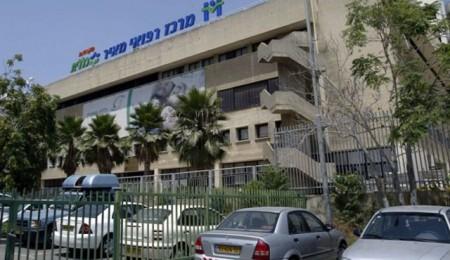
Meir Medical Center

Kaplan Medical Center
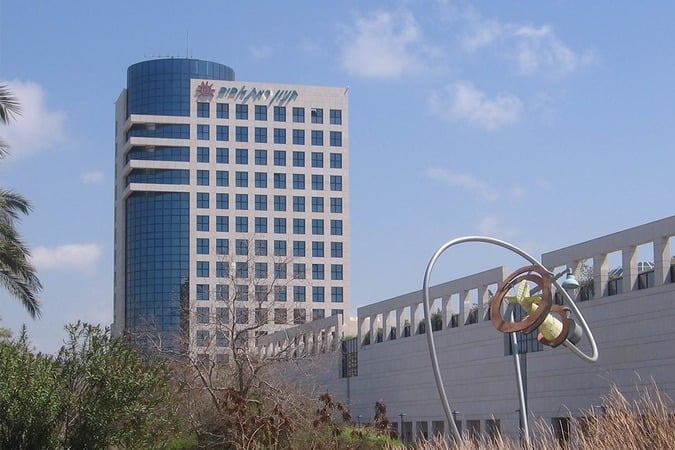
Ramat Aviv Medical Center

Elisha Hospital
احصل على تقييم طبي لـ في إسرائيل. استشر الآن 10 أطباء ذوي الخبرة.
عرض جميع الأطباء
Elyia Levinger
يعد الدكتور ليفينجر خبيراً إسرائيلياً بارزاً في زراعة القرنية وجراحة الساد (الماء الأبيض). وهو يعمل في مركز سوراسكي الطبي المرموق في تل أبيب.
- إجراء العديد من عمليات زراعة العدسات وجراحات العيون المعقدة
- إتمام زمالة ما بعد الدكتوراه المرموقة في مستشفى تورنتو الغربي في كندا
- عضو في الأكاديمية الأمريكية لطب العيون
- العمل كجراح أول في مركزي عينايم وأتيديم الطبيين في تل أبيب
- نشر أبحاث علمية حول تقنيات متقدمة لتصحيح اللابؤرية (الاستجماتيزم)

Anat Loewenstein
البروفيسورة عنات لوفنشتاين هي أخصائية في طب العيون في مركز سوراسكي الطبي (إيخيلوف).
- متخصصة في تقنيات جراحة المياه البيضاء (الكاتاركت) المتقدمة
- تحمل درجة الأستاذية في طب العيون
- تعمل في مركز طبي رائد في إسرائيل

Regenbogen Michael
أكثر من _doctor_3485_عاماً_ من الخبرة في جراحة المياه البيضاء (الكاتاركت) – يتخصص الدكتور ريجنبوغن في إجراءات العيون المتقدمة في مركز تل أبيب الطبي.
- تدرب في طب الشبكية في مركز المستشفى المجتمعي في فرنسا
- دبلوم في طب العيون من المدرسة الأوروبية للدراسات المتقدمة في طب العيون
- محاضر في كلية ساكلر للطب، جامعة تل أبيب
- نشر 10 أوراق بحثية مهنية في طب العيون

Yuval Yasur
يتخصص البروفيسور يوفال ياسور في طب العيون وجراحة العيون في مركز سوراسكي الطبي (إيخيلوف).
- خبير في جراحة المياه البيضاء (الكاتاركت) والإجراءات ذات الصلة
- بروفيسور ذو خلفية أكاديمية وسريرية واسعة
- يمارس عمله في أحد المراكز الطبية الرائدة في إسرائيل
مشاركة المحتوى
قصص فيديو من مرضى Bookimed
 Anna Leonova
أسئلة متكررة حول علاج الساد (الماء الأبيض) في إسرائيل
ما هي خيارات العلاج الرئيسية المتاحة في إسرائيل؟
في إسرائيل، تُعدّ جراحة استحلاب العدسة وجراحة الليزر الفيمتو ثانية مع استبدال العدسة داخل العين من أهم طرق علاج إعتام عدسة العين. وتُقدّم المراكز المعتمدة من اللجنة الدولية المشتركة، مثل مركز سوراسكي الطبي ومركز أسوتا، عدسات متعددة البؤر وعدسات توريك حديثة. تُجرى هذه العمليات عادةً في العيادات الخارجية، مما يُتيح استقرارًا سريعًا في الرؤية خلال أسبوع واحد.
- الأساليب الجراحية: عملية استحلاب العدسة هي إجراء قياسي يتم إجراؤه في العيادات الخارجية باستخدام الموجات فوق الصوتية.
- تقنية الليزر: تسمح أشعة الليزر الفيمتوثانية بإجراء عمليات قطع المحفظة الدقيقة، مما يقلل من خطر حدوث مضاعفات.
- خيارات العدسات: يمكن للمرضى الاختيار من بين العدسات أحادية البؤرة، أو متعددة البؤر، أو العدسات الأسطوانية لتصحيح الاستجماتيزم.
- أخصائيون بارزون: جراحون مثل الدكتور إيليا ليفينجر متخصصون في الحالات المعقدة لأمراض القرنية وإعتام عدسة العين.
رأي خبراء بوكيمد: بينما تستقبل المستشفيات الحكومية أعدادًا كبيرة من المرضى، تتيح المراكز الخاصة مثل أسوتا للمرضى اختيار جراحهم ونوع العدسات المفضل لديهم بأنفسهم. وتشير البيانات إلى أن العيادات في تل أبيب وحيفا غالبًا ما تقدم جراحة فورية. هذا التمييز بالغ ال
ما الذي يجب أن أتوقعه خلال عملية التعافي؟
عادةً ما يكون التعافي بعد جراحة الساد في إسرائيل سريعًا. يلاحظ معظم المرضى تحسنًا ملحوظًا في الرؤية خلال يومين إلى ثلاثة أيام. ويتحقق الاستقرار الكامل عادةً خلال أربعة إلى ثمانية أسابيع. يستخدم الجراحون في مراكز مثل مركز سوراسكي الطبي ومركز أسوتا الطبي تقنيات متقدمة في استحلاب العدسة والعلاج بالليزر الفيمتو ثانية لتحقيق نتائج دقيقة.
- تحسن فوري في الرؤية: غالباً ما يتحسن التركيز البصري بشكل ملحوظ في وقت مبكر يصل إلى اليوم الثاني أو الثالث بعد الجراحة.
- قيود النشاط: تجنب فرك العينين وملامسة الماء لمدة أسبوع إلى أسبوعين على الأقل.
- نظام العلاج: يُطلب من المرضى استخدام قطرات العين الموصوفة عدة مرات في اليوم لمدة شهر واحد.
- علاج الأعراض: عادةً ما تختفي حساسية الضوء والشعور الخفيف بالرمل في العينين في غضون أسبوع إلى أسبوعين.
رأي خبراء بوكيمد: تشير بيانات من مؤسسات طبية إسرائيلية رائدة إلى ارتفاع عدد الحالات المعقدة، حيث يعالج مركز سوراسكي الطبي أكثر من 400,000 مريض سنويًا. ومن أهم المزايا للمرضى الدوليين أن كبار المتخصصين، مثل الدكتور إيليا ليفينجر، غالبًا ما يكونون أعضاءً في الأكاديمية الأمريكية لطب العيون، مما يضمن توافق بروتوكولات إعادة بناء القرنية مع المعايير العالمية.
من هم أفضل أطباء العيون لإزالة المياه البيضاء في إسرائيل؟
يضمّ فريق أطباء العيون الإسرائيليين البارزين البروفيسور يوفال ياسور والدكتور إيليا ليفينجر من مركز سوراسكي الطبي. يستخدم هؤلاء الأخصائيون تقنيات ليزر الفيمتو ثانية وعدسات داخل العين عالية الجودة. معظم خبرائهم معتمدون من قبل اللجنة الدولية المشتركة (JCI) وأكملوا تدريباً دولياً. وعادةً ما يحققون نسب نجاح عالية في جراحات استعادة البصر المعقدة.
- البروفيسور يوفال ياسور: يجري عمليات جراحية معقدة في طب العيون في مركز سوراسكي الطبي في تل أبيب.
- الدكتور إيليا ليفينجر: متخصص في حالات إعتام عدسة العين المعقدة وعمليات زرع القرنية في عيادة سوراسكي.
- الدكتور مايكل ريجينبوجن: متخصص في جراحة الساد وأمراض الشبكية في مركز سوراسكي الطبي.
- الدكتور يائير مراد: أخصائي رائد في علاج إعتام عدسة العين لدى الأطفال، ويمارس عمله في مركز أسوتا الطبي.
رأي خبراء بوكيمد: بينما تستقبل المراكز العامة مثل مركز سوراسكي أعدادًا هائلة من المرضى، يقدم مركز أسوتا الطبي نموذجًا خاصًا فريدًا. إذ يُمكن للمرضى اختيار جراح من بين أفضل الأخصائيين. هذا الاختيار بالغ الأهمية، حيث يستخدم الجراحون الإسرائيليون ذوو الخبرة غالبًا العدسات اللاصقة الطبية. تُصحح هذه العدسات عالية الجودة الاستجماتيزم أثناء جراحة الساد، مما
أين تقع أفضل مرافق العلاج؟
تضم إسرائيل بعضًا من أفضل مراكز علاج إعتام عدسة العين، بما في ذلك مراكز معتمدة من اللجنة الدولية المشتركة (JCI) وأطباء عيون ذوي شهرة عالمية. وتستخدم مؤسسات رائدة مثل مركز سوراسكي الطبي ومركز أسوتا الطبي أحدث تقنيات استحلاب العدسة وعلاج الليزر الفيمتو ثانية. وتقدم هذه المراكز عمليات استبدال العدسات داخل العين بدقة عالية وبنسبة نجاح مرتفعة.
- مركز سوراسكي الطبي: يصنف من بين أفضل المؤسسات الطبية في تل أبيب من قبل مجلة نيوزويك، ويجري 1,800,000 عملية جراحية للمرضى سنوياً.
- مركز أسوتا الطبي: أكبر مستشفى خاص في إسرائيل، متخصص في جراحات العيون المتقدمة وزرع العدسات داخل العين.
- مركز هداسا الطبي: مستشفى جامعي في القدس معروف بخبرته وأبحاثه في الأمراض النادرة.
- مركز رامبام الطبي: المركز الطبي الرائد في حيفا، ويعمل به أخصائيون حائزون على جائزة نوبل ويستخدم أحدث معدات التشخيص.
رأي خبراء بوكيمد: بينما يختار الكثيرون المراكز العامة الكبيرة مثل مركز سوراسكي للحالات المعقدة، توفر العيادات الخاصة مثل أسوتا مزايا كبيرة لمرضى إعتام عدسة العين. تُظهر البيانات أن أسوتا تتيح للمرضى اختيار الطبيب المعالج وموقع الجراحة بشكل مستقل. هذا المستوى من التخصيص نادر في الأنظمة العامة، ويضمن تجربة جراح
لماذا تُعد إسرائيل واحدة من الوجهات الرائدة في جراحة الأعصاب؟
تُعدّ إسرائيل مركزًا رائدًا في جراحة الأعصاب بفضل مزيجها من التطورات الطبية عالية التقنية والخبرات الجراحية المتميزة. وتستخدم مرافق متطورة مثل مركز شيبا الطبي أنظمة ملاحة تعتمد على الذكاء الاصطناعي والتصوير بالرنين المغناطيسي أثناء الجراحة في الوقت الفعلي. وتشير المراكز المتخصصة إلى نسبة نجاح تصل إلى 98% في العمليات الجراحية المعقدة، بما في ذلك جراحة الدماغ مع اليقظة وعلاج اضطرابات الحركة.
- التكنولوجيا المتقدمة: تستخدم العيادات الموجات فوق الصوتية المركزة الموجهة بالرنين المغناطيسي (MRgFUS) والأنظمة الروبوتية لإجراء الشقوق.
- الخبرة الجراحية: يقود جراحون مثل الدكتور تسفي رام جمعيات دولية بخبرة تزيد عن 25 عامًا.
- الوصول السريع: يمكن للمرضى الدوليين عادةً تحديد مواعيد لإجراء عمليات جراحية معقدة في الدماغ أو العمود الفقري في غضون 2-4 أسابيع.
- الرعاية الطبية المعتمدة: المراكز الكبيرة مثل سوراسكي (إيشيلوف) وأسوتا معتمدة من قبل اللجنة الدولية المشتركة، مما يؤكد سلامتها.
رأي خبراء بوكيمد: تُظهر البيانات فرقًا واضحًا بين خيارات العلاج في القطاعين العام والخاص في إسرائيل. تُجري المراكز الخاصة، مثل مركز أسوتا الطبي، أكثر من 92,000 عملية جراحية سنويًا، وتتيح للمرضى اختيار جراح را
ما هي أنواع الأمراض العصبية التي يتم علاجها في إسرائيل؟
يعالج جراحو الأعصاب الإسرائيليون طيفاً واسعاً من الحالات، بدءاً من أورام الدماغ والحبل الشوكي وصولاً إلى الاضطرابات الوظيفية المعقدة. وتستخدم المراكز المتخصصة أحدث التقنيات، مثل جهاز جاما نايف، والتحفيز العميق للدماغ، والتصوير بالرنين المغناطيسي أثناء الجراحة، لتشخيص دقيق للغاية لحالات الصرع، ومرض باركنسون، وأمراض الأوعية الدموية الدماغية.
- الأمراض السرطانية: علاج الأورام الدبقية والأورام السحائية وأورام الغدة النخامية باستخدام استئصال قاعدة الجمجمة.
- الاضطرابات الوظيفية: علاج مرض باركنسون والرعاش الأساسي باستخدام التحفيز العميق للدماغ.
- أمراض العمود الفقري: تصحيح الجنف، وانزلاق الغضروف، وأورام العمود الفقري باستخدام الأنظمة الروبوتية.
- علاج أمراض الأوعية الدموية الدماغية: العلاج الجراحي لتمدد الأوعية الدموية الدماغية والتشوهات الشريانية الوريدية باستخدام التدخلات داخل الأوعية الدموية.
- جراحة الأعصاب للأطفال: رعاية متخصصة لاستسقاء الرأس والتشوهات الخلقية في مراكز طب الأطفال المتخصصة.
رأي خبراء بوكيمد: غالبًا ما تجمع المستشفيات الإسرائيلية بين تخصصات طبية متعددة لمعالجة الحالات المعقدة. ففي مركز سوراسكي ا
ما هي المستشفيات في إسرائيل التي تشتهر بأقسام جراحة الأعصاب فيها؟
تضم إسرائيل مراكز جراحة أعصاب عالمية المستوى، مثل مركز سوراسكي الطبي، ومركز شيبا الطبي، ومركز هداسا الطبي. وتُعدّ هذه المؤسسات رائدة عالميًا في علاج أورام الدماغ المعقدة، وأمراض العمود الفقري، واضطرابات الحركة. وتستخدم أحدث التقنيات، مثل جهاز جاما نايف، والأنظمة الروبوتية، والتصوير بالرنين المغناطيسي أثناء الجراحة.
- سوراسكي (إيخيلوف): يجري أكثر من 2500 عملية جراحية عصبية سنوياً في تل أبيب بنسبة نجاح تبلغ 98%.
- مركز شيبا الطبي: مصنف ضمن أفضل عشرة مستشفيات في العالم، حيث يعالج 1.9 مليون مريض سنوياً.
- مركز هداسا الطبي: مرشح لجائزة نوبل للسلام. رائد في جراحة الأعصاب للأطفال والعلاج الجيني.
- مركز أسوتا الطبي: أكبر منشأة طبية خاصة في إسرائيل. متخصص في جراحات العمود الفقري والدماغ طفيفة التوغل.
- مستشفى شنايدر للأطفال: مركز رائد في جراحة الأعصاب للأطفال، يعالج 275000 طفل سنوياً.
رأي خبراء بوكيمد: تُظهر بياناتنا أنه بينما يلجأ معظم المرضى للعلاج في تل أبيب، يُقدّم مركز رامبام الطبي في حيفا رعايةً فريدةً لإصابات الدماغ. فهو يضم وحدةً متخصصةً للعناية المركزة العصبية تُعالج ما يقارب مليون مريض سنويًا. وهذا ما يجعله
من هم أبرز جراحي الأعصاب في إسرائيل؟
من بين أبرز جراحي الأعصاب الإسرائيليين البروفيسور تسفي رام، والبروفيسور شلومي كونستانتيني، والبروفيسور إسحاق فريد من مركز سوراسكي الطبي. ويشغل هؤلاء المتخصصون مناصب قيادية في الجمعية الأوروبية لجمعيات جراحة الأعصاب (EANS) والجمعية العالمية لجراحة الأعصاب التجسيمية والوظيفية (WSSFN). ويستخدمون تقنيات رسم الخرائط المتقدمة أثناء الجراحة وأنظمة الروبوتات.
- البروفيسور تسفي رام: خبير في جراحة أورام الدماغ طفيفة التوغل والعلاج الجيني للسرطان.
- الأستاذ شلومي كونستانتيني: متخصص في إجراءات التنظير العصبي المعقدة للأطفال والجراحة المجهرية لأورام الدماغ.
- الأستاذ إسحاق فريد: خبير في جراحة الصرع، ورسم خرائط الدماغ الوظيفية، وتحفيز الدماغ العميق.
- الدكتور إيلي أشكينازي: جراح عظام رائد في مستشفى أسوتا، متخصص في نظام TOPS المبتكر.
رأي خبراء بوكيمد: تشير بيانات مركز سوراسكي وشيبا إلى وجود علاقة وثيقة بين ارتفاع عدد العمليات الجراحية وسلامة المرضى. فعلى سبيل المثال، يُجري مركز سوراسكي أكثر من 34,000 عملية جراحية لعلاج الأورام سنويًا بنسبة نجاح تصل إلى 90%. لذا، ينبغي على المرضى الذين يحتاجون إلى استئصال أورام معقدة إعطاء الأولوية لمراكز كهذه، حيث يُجري الجراحون مئات العمليات الجراحية ا
ما هي متطلبات المرضى الدوليين القادمين الذين يسعون للحصول على رعاية جراحية عصبية؟
يجب على المرضى الأجانب الذين يحتاجون إلى علاج جراحي للأعصاب في إسرائيل تقديم وثائق طبية كاملة، بما في ذلك نتائج التصوير بالرنين المغناطيسي أو التصوير المقطعي المحوسب الحديثة، مترجمة إلى اللغة الإنجليزية. يتطلب دخول المستشفى فحصًا سريريًا من قبل أخصائيين للتأكد من ملاءمة المريض للعلاج. غالبًا ما تطلب المستشفيات دفعًا مسبقًا كاملًا أو دفعة مقدمة كبيرة قبل تأكيد مواعيد الجراحة أو إصدار وثائق التأشيرة.
- السجلات الطبية: تقديم تقارير مفصلة ونتائج التصوير مترجمة إلى اللغة الإنجليزية في غضون 48 ساعة للمراجعة السريرية.
- إثبات القدرة المالية: يرجى تقديم إثبات توفر الأموال بمبلغ تقريبي يتراوح بين _price_from_ و _price_to_ لتغطية تكاليف العلاج.
- دعم التأشيرة: تقوم عيادات مثل مركز سوراسكي الطبي (إيخيلوف) بإصدار خطابات رسمية للحصول على تأشيرة طبية من نوع B-2.
- مرحلة الاستشارة: غالبًا ما يتم إجراء التقييم الأولي عبر استشارة عبر الإنترنت مع جراحين مثل الدكتور شتراوس إيدو.
رأي خبراء بوكيمد: تُظهر البيانات أن المؤسسات الطبية الإسرائيلية الرائدة، مثل مركز شيبا الطبي ومركز هداسا الطبي، تستقبل عددًا هائلًا من المرضى، يتجاوز مليون مريض سنويًا. هذا الطلب المرتفع يعني أن العيادات تُعطي الأول
كم من الوقت سأحتاج للبقاء في إسرائيل لإجراء جراحة الأعصاب والمتابعة؟
تتراوح مدة الإقامة المعتادة في قسم جراحة الأعصاب في إسرائيل بين 10 و14 يومًا للحالات غير المعقدة. أما المرضى الذين يخضعون لإجراءات معقدة، مثل استئصال ورم دماغي أو تحفيز الدماغ العميق، فغالبًا ما يحتاجون إلى الإقامة لمدة تتراوح بين 4 و6 أسابيع. تشمل هذه الفترة التشخيص قبل الجراحة، والجراحة نفسها، والمتابعة اللازمة بعد العملية.
- مدة الإقامة في المستشفى: تستغرق الإجراءات طفيفة التوغل من يوم إلى ثلاثة أيام. أما عمليات فتح الجمجمة التقليدية فتستغرق في المتوسط من ثلاثة إلى عشرة أيام.
- التعافي في الموقع: بعد الخروج من المستشفى، البقاء في إسرائيل لمدة 7-14 يومًا لإجراء فحوصات المتابعة الإلزامية.
- سلامة الطيران: يوصي الجراحون بالانتظار من 4 إلى 6 أسابيع قبل السفر جواً للسماح لضغط الجمجمة الداخلي بالاستقرار.
- جدول المتابعة: عادة ما يتم إجراء الفحوصات السريرية الشخصية في الأيام 3 و7 و14 بعد الجراحة.
رأي خبراء بوكيمد: تُظهر بيانات مركز سوراسكي الطبي أنه يعالج أكثر من 400,000 مريض سنويًا بنسب نجاح عالية. غالبًا ما تتميز العيادات التي تستقبل هذا العدد الكبير من المرضى، مثل هاداسا وأسوتا، بإجراءات خروج مبسطة. وهذا يُسهّل على المرضى الدوليين الانتقال بسرعة أكبر إلى إعادة التأهيل في ا