ربط القرنية (CCL) (عين واحدة) في إسرائيل — احصل على 3 عيادات مطابقة مع التكاليف


تمت مراجعة المقالة طبيا من قبل
فهد مولود
ما هي تكلفة ربط القرنية (CCL) (عين واحدة) في إسرائيل؟ اكتشف الآن
من $4,500. تختلف الأسعار بناءً على مستوى العيادة، وخبرة الجراح، والحاجة إلى تصوير تشخيصي متقدم.
- اعتماد العيادات: تفرض المنشآت الحاصلة على اعتماد JCI في تل أبيب رسوماً أعلى نظراً لمعاييرها العالمية.
- استشارات الأخصائيين: قد تزيد تكلفة الفحوصات الأولية التي يجريها كبار الأساتذة بمقدار 400 إلى 1,200 $ على السعر الأساسي.
- الباقات العلاجية: قد تتضمن باقات المستشفيات المتميزة فحوصات شاملة قبل العلاج وأدوية متخصصة.
- الموقع الجغرافي: تُعد مدن القدس وتل أبيب وحيفا المراكز الرئيسية لتلقي هذا العلاج.
رأي خبراء Bookimed: يتيح اختيار مركز رائد كمركز سوراسكي الطبي (إيخيلوف) الوصول إلى خبراء ذوي شهرة عالمية. يمتلك أخصائيون مثل البروفيسور إيليا ليفينجر خبرات دولية اكتسبوها من مؤسسات مثل مستشفى تورونتو الغربي. ورغم أن المراكز المرموقة قد تسجل أسعاراً أعلى، إلا أنها توفر تقنيات متقدمة كالذكاء الاصطناعي والتصوير الرقمي. تحتل هذه المستشفيات مراتب متقدمة في قائمة نيوزويك لأفضل العيادات التخصصية عالمياً، مما يضمن رعاية عالية القيمة للحالات المعقدة.
المزايا الرئيسية
لماذا تختار إسرائيل لإجراء عملية ربط القرنية (CCL) لعين واحدة؟
- عيادات معتمدة: في إسرائيل، المستشفيات المعتمدة من JCI تلتزم بمعايير عالمية وتولي الأولوية لسلامة المرضى.
- أحدث التقنيات: يتم استخدام تقنيات مثل نظام Avedro KXL وربط الأنسجة باستخدام الريبوفلافين/الأشعة فوق البنفسجية لضمان نتائج علاجية فعالة.
- نسب نجاح عالية: أظهرت عملية ربط القرنية (CCL) معدلات فعالية تصل إلى 90% في وقف تقدم القرنية المخروطية.
- جراحون خبراء: أطباء العيون الرائدون، المعتمدون من مؤسسات مرموقة، قاموا بأكثر من 500 عملية ربط قرنية ناجحة. خبرتهم تضمن كفاءة عالية ورضا المرضى.
احصل على حلول متقدمة لربط القرنية (CCL) (عين واحدة) في عيادات موثوقة من $4,500.
| إسرائيل | تركيا | إسبانيا | |
|---|---|---|---|
| ربط القرنية (CCL) (عين واحدة) | من $4,500 | من $1,400 | من $2,400 |
مزاياك وضماناتك مع Bookimed
أسعار مباشرة
Bookimed لا يضيف رسوماً إضافية على أسعار ربط القرنية (CCL) (عين واحدة). الأسعار مأخوذة من قوائم الأسعار الرسمية للعيادات. تدفع مباشرة في العيادة مقابل ربط القرنية (CCL) (عين واحدة) عند وصولك.
عيادات وأطباء معتمدون فقط
Bookimed ملتزم بسلامتك. نحن نعمل فقط مع المؤسسات الطبية التي تحافظ على معايير دولية عالية في ربط القرنية (CCL) (عين واحدة) ولديها التراخيص اللازمة لخدمة المرضى الدوليين في جميع أنحاء العالم.
مساعدة مجانية على مدار الساعة
Bookimed يقدم مساعدة خبراء مجانية. منسق طبي شخصي يدعمك قبل وأثناء وبعد العلاج، ويحل أي مشاكل. لن تكون وحيداً أبداً في رحلة ربط القرنية (CCL) (عين واحدة).

منسقك الطبي الشخصي في Bookimed
- يدعمك في كل مرحلة
- المساعدة في اختيار العيادة الطبية المناسبة والطبيب المناسب
- يضمن الوصول السريع والمريح إلى المعلومات
اكتشف أفضل ربط القرنية (CCL) (عين واحدة) العيادات في إسرائيل: 3 خيارات معتمدة والأسعار







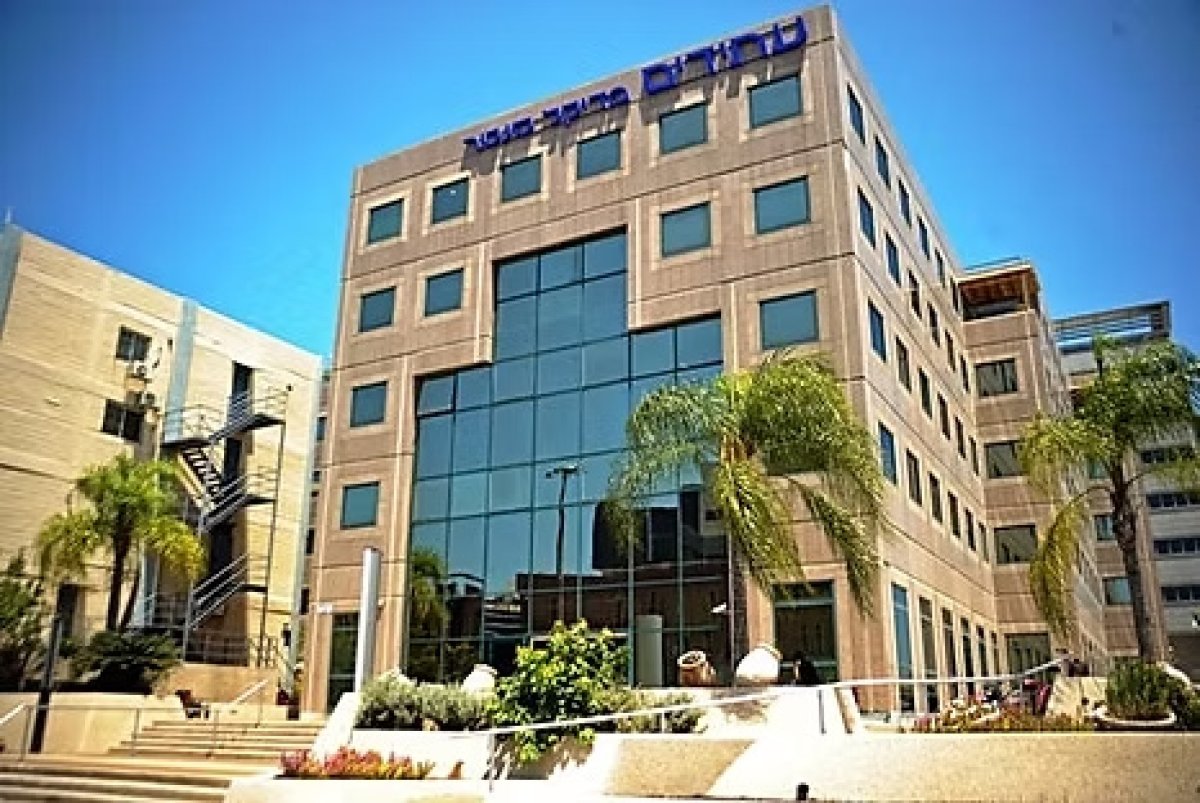
Prof. Or Kaiserman
نظرة عامة على ربط القرنية (CCL) (عين واحدة) في إسرائيل
- ربط القرنية (CCL) (عين واحدة) - من $4,500
يقوي العلاج القرنية من خلال الأشعة فوق البنفسجية والريبوفلافين ، مما يمنع حالات العين التقدمية.
- رأب القرنية - من $14,300
تُزرع هذه الجراحة أنسجة القرنية ، مما يحسن الرؤية أو يخفف الألم ، وغالبًا ما يتميز بالشفاء السريع مع الحد الأدنى من التندب.
- زرع القرنية - من $6,500
تستبدل هذه الجراحة سطح العين التالف بأنسجة متبرع صحية لتحسين الرؤية أو تخفيف الألم.
- زرع حلقات ضمن القرنية - من $2,800
يتضمن الإجراء وضع حلقات صغيرة في العين لإعادة تشكيل القرنية وتحسين الرؤية والراحة.
اليوم الأول - الوصول
- الوصول إلى البلاد.
- تحقق في مكان إقامتك.
اليوم 2 - ما قبل العملية
- استشارة طبيب عيون.
- قم بإجراء فحوصات العين اللازمة.
- استكمل تفاصيل العملية.
اليوم الثالث - ربط القرنية المتقاطع (CCL)
- يبدأ الإجراء بالتخدير الموضعي.
- تستغرق عملية CCL حوالي ساعة إلى ساعتين.
- فحص ما بعد الجراحة من قبل طبيب العيون.
اليوم 4 - بعد العملية
- البقاء في العيادة للمراقبة.
- احضر استشارة ما بعد العملية.
الأسبوع الأول - إعادة التأهيل
- استرح وتجنب الأنشطة الشاقة.
- حضور مواعيد المتابعة إذا لزم الأمر.
الأسبوع 2
- العودة التدريجية إلى الأنشطة العادية.
- استمر في تجنب النشاط البدني الشاق.
الأسبوع 3 - النتيجة النهائية
- فحص مع طبيب العيون.
- انظر النتيجة النهائية للعملية.
يرجى ملاحظة أن العملية قد تختلف حسب حالة الفرد ونصيحة الطبيب.
- إيداع Bookimed: 200 دولار أو 200 يورو.
- وديعة العيادة: ادفع نسبة محددة مقدمًا.
بصفتنا المنصة العالمية الرائدة في مجال السياحة العلاجية ، فإننا نتحمل مسؤولية كبيرة أمام عملائنا - المرضى والمراكز الطبية على حد سواء. تستند جميع المعلومات المقدمة على Bookimed.com إلى البحث والاستبصار والخبرة وتفي بالاهتمام الكبير المتعلق بالمنتج وما يلي:
نظام التصنيف التلقائي الذكي
نحن نشكل قوائمنا للعيادات والأطباء مع لوائح صارمة لنظام التصنيف التلقائي الذكي الخاص بنا. يوفر النظام ، بناءً على معدلات Bookimed الحقيقية للمرضى ، المعلومات الأكثر موضوعية وشفافية حول العيادات والخدمات الطبية ، بما في ذلك ربط القرنية المتقاطعة (CCL) (عين واحدة) في إسرائيل.
يقوم عالم البيانات ذو الخبرة لدينا بجمع البيانات يوميًا ، ومراقبة وتحسين نظام التصنيف باستخدام التعلم الآلي والذكاء الاصطناعي لضمان تحديث نظام التصنيف وتقديم نتائج دقيقة.
تجربة الناس الحقيقية فقط
نقوم بجمع آراء عملاء Bookimed فقط بعد الحصول على خبرة طبية مع العيادة ، بما في ذلك أولئك الذين خضعوا لعملية ربط القرنية المتقاطعة (CCL) (عين واحدة) في إسرائيل ، لذلك يمكن لأي شخص على المنصة الوثوق بالمنشأة التي يختارونها. نحن نسعى جاهدين لجعل المحتوى على منصتنا مفيدًا قدر الإمكان ونضمن حرية التعبير عن الآراء النقدية. وبالتالي ، ننشر مراجعات إيجابية وسلبية ، بهدف أن نكون مصدرًا لاتخاذ قرارات مستنيرة لعملائنا في المستقبل.
مواضيع ذات مستويات عالية من الخبرة والسلطة والجدارة بالثقة
على موقع Bookimed.com ، قد تجد الاختيار والراحة للعثور على أفضل الحلول الطبية من كبار مزودي الخدمات الطبية في مكان واحد فقط ، وغالبًا بأسعار تنافسية. للتأكد من تقديم أحدث المعلومات ، يقوم ممثلو العيادة بتحديث السير الذاتية للأطباء ، وقدرات العيادات ، والصور قبل وبعد ، والأسعار ، والحزم ، والعروض الخاصة بأنفسهم قريبًا. يمكنك مقابلة ممثل العيادة والتحقق من تاريخ المحتوى المحدث في صفحة كل عيادة للتأكد من مصداقيتها ، بما في ذلك تلك التي تقدم ربط القرنية المتقاطع (CCL) (عين واحدة) في إسرائيل.
تم إنشاء مدونتنا والقطع الداعمة من قبل مؤلفين محترفين يتمتعون بخبرة لا تقل عن 3 سنوات في الكتابة الطبية ويتم تحريرها بواسطة متخصصين طبيين يتمتعون بخبرة إكلينيكية وبحثية ذات صلة - تم تعيينهم جميعًا بعناية في الفريق. نحن نسعى جاهدين لتعزيز وصول المريض إلى المعلومات الصحية ، مما يجعلها خبيرة ولكن يسهل فهمها. تتبع جميع القطع إرشادات التحرير الخاصة بـ Bookimed.
القيم المحجوزة
نحن مصنوعون من الناس ومن أجلهم - وهذه هي قيمتنا الأساسية. هذا هو السبب في أن جميع البيانات المقدمة على المنصة يتم جمعها وتحريرها ومراجعتها وتحديثها بانتظام من قبل مرضانا وعياداتنا الشريكة وفريقنا ، بما في ذلك المجلس الاستشاري الطبي Bookimed ، الذي يتكون من أطباء مشهورين عالميًا يتمتعون بخبرة قيمة في أكثر من 20 عاما من الممارسة وسمعة طيبة. تعلم المزيد عنا وعن مهمتنا .
في حال وجدت أي خطأ أو كان لديك أي أسئلة حول المعلومات المقدمة على Bookimed.com ، بما في ذلك معلومات عن Corneal Cross Linking (CCL) (عين واحدة) في إسرائيل ، فلا تتردد في الاتصال بنا على marketing@bookimed.com .
احصل على تقييم طبي لـ ربط القرنية (CCL) (عين واحدة) في إسرائيل: اختر أخصائيك من بين الأفضل في هذا المجال
عرض جميع الأطباء
Elyia Levinger
تتخصص الدكتورة إيليا ليفينجر في جراحة القرنية، بما في ذلك العلاجات المتقدمة مثل زراعة القرنية، في مركز إيخيلوف الطبي.
- تدربت في كلية الطب بالتخنيون ومستشفى تورنتو الغربي
- أجرت العديد من جراحات زراعة القرنية والعدسات
- عضو في الأكاديمية الأمريكية لطب العيون
- جراح أول في العديد من المراكز الطبية الرائدة في تل أبيب

Anat Loewenstein
البروفيسور لوفنشتاين هو أخصائي في طب العيون ولديه خبرة واسعة في علاجات القرنية.
- أستاذ في مؤسسة طبية رائدة
- متخصص في إجراءات العناية المتقدمة بالعين
- يركز على نهج العلاج المتمحور حول المريض

Yuval Yasur
يتخصص البروفيسور يوفال ياسور في طب العيون وجراحة العيون في مركز سوراسكي الطبي (إيخيلوف).
- خبير في علاجات وجراحات القرنية
- خبرة واسعة في إجراءات العيون المتقدمة
- بروفيسور ذو خلفية أكاديمية وسريرية قوية
قصص فيديو من مرضى Bookimed
المراجعات
جميع المراجعاتمشاركة المحتوى
 Anna Leonova
حقائق سريعة عن ربط القرنية (CCL) (عين واحدة)
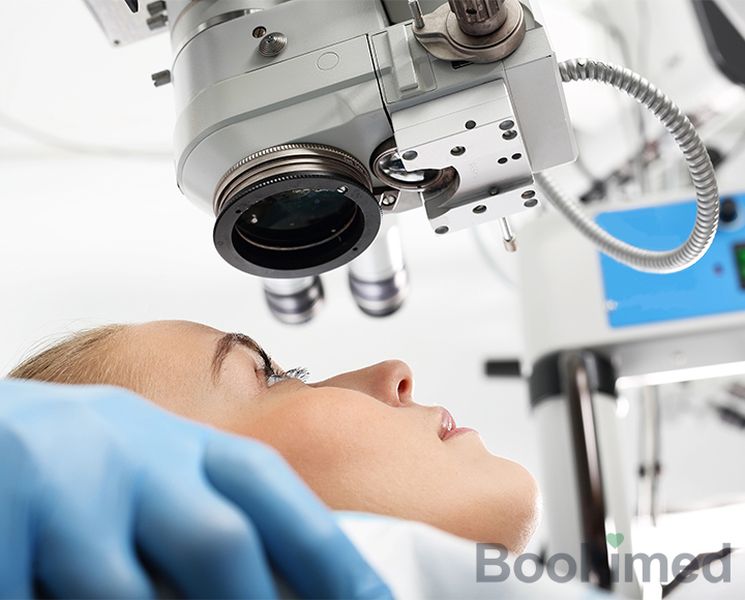
الربط المتقاطع للقرنية (CCL) (عين واحدة)
يعمل هذا الإجراء على تقوية القرنية باستخدام الأشعة فوق البنفسجية وقطرات الريبوفلافين لوقف تطور القرنية المخروطية.
أسئلة متكررة حول ربط القرنية (CCL) (عين واحدة) في إسرائيل
ما هي مخاطر عملية تثبيت القرنية (Cross-linking)؟
تعد عملية تثبيت القرنية فعالة للغاية بنسبة نجاح تتراوح بين 95 إلى 99 بالمائة في إيقاف تطور القرنية المخروطية. تشمل المخاطر الرئيسية ضبابية القرنية المؤقتة، والتهاب القرنية المعدي، وتأخر التئام الظهارة. تؤثر المضاعفات النادرة مثل ندبات القرنية أو فشل العلاج على حوالي 8 بالمائة من المرضى، مما قد يتطلب إجراءات متكررة.
- الضبابية البصرية: يعد تغيم القرنية المؤقت أمراً شائعاً بينما تستقر حدة البصر على مدى عدة أشهر.
- خطر العدوى: يحدث التهاب القرنية المعدي في 1 إلى 2 بالمائة من الحالات بعد الجراحة.
- اختلافات التقنية: تحمل إجراءات إزالة الظهارة (epi-off) حساسية أعلى مقارنة بتقنية الحفاظ على الظهارة (epi-on) التي تلتئم بشكل أسرع.
- فشل العلاج: قد يستمر تطور القرنية المخروطية، مما يستدعي تدخلات بديلة مثل زراعة القرنية.
رؤية خبراء Bookimed: تستخدم المراكز الإسرائيلية مثل مركز سوراسكي الطبي بروتوكولات معتمدة من JCI لتقليل مخاطر العدوى. على الرغم من أن عملية التثبيت تمنع التطور، إلا أنها نادراً ما تحسن الرؤية الطبيعية. تظهر البيانات أن المرضى غالباً ما يحتاجون إلى عدسات لاصقة جديدة بسبب تسطح القرنية غير المتوقع. يؤكد جراحون مثل الدكتور إيليا ليفينجر على أهمية استقرار القرنية قبل التفكير في تصحيح الانكسار.
إجماع المرضى: يبلغ العديد من المرضى عن شعور كبير بالانزعاج والحساسية للضوء خلال الأسبوع الأول. يؤكد معظمهم أن الالتزام الصارم بقطرات المضادات الحيوية أمر حيوي لمنع الندبات.
هل الإجراء فعال؟
يعد ربط القرنية (CCL) فعالاً للغاية في وقف تطور القرنية المخروطية وتوسع القرنية. يستخدم هذا الإجراء طفيف التوغل قطرات العين ريبوفلافين وضوء الأشعة فوق البنفسجية لتقوية ألياف القرنية. وبينما يعمل على تثبيت العين، فإن تصحيح الرؤية يتطلب عادةً عدسات لاصقة بعد التعافي.
- معدل النجاح: يوقف CCL تطور المرض بفعالية لدى حوالي 97% من المرضى.
- وقت التثبيت: يتطلب التثبيت الكامل للقرنية عادةً ما بين 6 إلى 12 شهراً.
- الهدف الأساسي: يركز العلاج على وقف تدهور الرؤية بدلاً من تحسينها.
- التقنيات الجراحية: يقدم المتخصصون في مركز سوراسكي الطبي كلاً من نهجي Epi-off و Epi-on.
رؤية خبير Bookimed: تجري العيادات الإسرائيلية مثل مركز سوراسكي الطبي (إيخيلوف) أكثر من 34,000 عملية سنوياً، مع الحفاظ على دقة عالية في تقوية القرنية. غالباً ما يعطي كبار الجراحين مثل الدكتور إيليا ليفينجر، زميل مستشفى تورنتو الغربي، الأولوية لنهج Epi-off (بروتوكول دريسدن) لتحقيق أقصى قدر من الفعالية. يقلل هذا النهج بشكل كبير من المخاطر طويلة المدى للحاجة إلى زراعة قرنية من خلال إنشاء روابط كيميائية أقوى.
إجماع المرضى: يعطي معظم المرضى الأولوية لعلاج عين واحدة في كل مرة للتعامل مع الانزعاج الشائع بعد الجراحة. وبينما يبلغ الكثيرون عن حساسية للضوء وهالات ليلية في البداية، فإنهم يقدرون الإجراء لمنعه فقدان الرؤية غير القابل للإصلاح.
ما الذي يحدث أثناء الإجراء؟
يعد ربط القرنية المتقاطع في إسرائيل إجراءً خارجيًا يستغرق من 30 إلى 45 دقيقة ويتم إجراؤه تحت تأثير قطرات التخدير الموضعي. يقوم الجراحون بوضع الريبوفلافين (فيتامين ب2) على القرنية وتنشيطه بضوء الأشعة فوق البنفسجية لتقوية الروابط الكيميائية. يعمل هذا النهج الجراحي على إيقاف تطور القرنية المخروطية بشكل فعال.
- تقنية إزالة الطبقة الخارجية (Epi-off): يقوم الجراحون بإزالة الطبقة الخارجية الرقيقة للقرنية لتحسين تغلغل الريبوفلافين.
- تشبع الريبوفلافين: يتم وضع قطرات الفيتامينات كل بضع دقائق قبل التعرض لضوء الأشعة فوق البنفسجية.
- تنشيط الأشعة فوق البنفسجية: يظل المرضى ثابتين لمدة 20-45 دقيقة بينما يعمل ضوء الأشعة فوق البنفسجية على تثبيت الأنسجة.
- عدسة واقية: يتم وضع عدسة لاصقة ضمادية شفافة لحماية العين.
رؤية خبير Bookimed: بينما تركز العديد من العيادات الدولية على البروتوكولات الأساسية، تستعين المراكز الإسرائيلية الرائدة مثل مركز سوراسكي الطبي بجراحين كبار مثل الدكتور إيليا ليفينجر المتخصصين في علاجات القرنية المركبة. إن اختيار مركز كبير يجري أكثر من 34,000 عملية سنويًا يضمن الدقة التقنية اللازمة لمرحلة الأشعة فوق البنفسجية. هذه الخبرة حيوية لأن الإجراء يهدف إلى تثبيت العين بدلاً من تصحيح الرؤية، مما يتطلب توقعات سريرية واقعية.
إجماع المرضى: عادة ما يكون الإجراء النشط غير مؤلم بفضل قطرات التخدير، على الرغم من أن الشعور بوجود رمال في العين أمر شائع بعد ذلك. يعد تجهيز غرفة مظلمة في المنزل أمرًا ضروريًا للتعامل مع حساسية الضوء خلا
ما هي فترة التعافي؟
يتطلب التعافي من عملية تثبيت القرنية (CCL) لعين واحدة في إسرائيل من 3 إلى 7 أيام لاستعادة الرؤية الوظيفية. وعلى الرغم من أن الشفاء الأولي سريع، إلا أن الوضوح البصري الكامل يستغرق عادةً من شهر إلى 3 أشهر. وغالباً ما تظهر الاستقراء الكامل للقرنية والنتائج طويلة المدى بعد 6 أشهر من الجراحة.
- الشفاء المبكر: يحدث التعافي الوظيفي عادةً في غضون 3 إلى 7 أيام بعد الإجراء.
- وضوح الرؤية: توقع وجود ضبابية أو غشاوة خلال الشهر الأول قبل أن تبدأ الرؤية في التحسن.
- فترة الاستقرار: قد تستغرق عملية إعادة تشكيل القرنية والاستقرار البصري النهائي ما يصل إلى 6 أشهر.
- فترة التوقف عن العمل: يجب على المرضى التخطيط لأخذ 5 إلى 7 أيام إجازة من العمل لضمان راحة العين بشكل كافٍ.
رؤية خبير Bookimed: تقدم العيادات مثل مركز سوراسكي الطبي في تل أبيب تقنيتي Epi-off و Epi-on. اختيارك يحدد مستوى راحتك الفوري. غالباً ما يُفضل إجراء Epi-off للاستقرار طويل الأمد ولكنه يتطلب إدارة الألم لمدة 24 إلى 72 ساعة. عادةً ما يوفر إجراء Epi-on عودة أسرع وأقل إيلاماً للأنشطة اليومية.
إجماع المرضى: توقع حساسية كبيرة للضوء لعدة أسابيع. يوصي المرضى بتجهيز غرفة مظلمة للأيام القليلة الأولى وارتداء النظارات الشمسية حتى في الداخل للتعامل مع الانزعاج.
من هو المرشح المناسب لعملية تثبيت القرنية (CXL) في إسرائيل؟
المرشحون المثاليون لعملية تثبيت القرنية (CXL) في إسرائيل هم الأفراد الذين يعانون من القرنية المخروطية التقدمية أو توسع القرنية، وعادة ما تتراوح أعمارهم بين 18 و40 عاماً. يعمل الإجراء على تثبيت القرنية باستخدام الريبوفلافين والأشعة فوق البنفسجية لمنع المزيد من فقدان البصر والحاجة إلى زراعة القرنية في المستقبل.
- تطور المرض: يجب أن يظهر المرشحون زيادة موثقة في تحدب القرنية أو تدهور الاستجماتيزم بمرور الوقت.
- سماكة القرنية: عادة ما تكون هناك حاجة إلى سماكة لا تقل عن 400 ميكرومتر لضمان السلامة.
- معايير العمر: على الرغم من أن الإجراء قياسي للبالغين، إلا أن المرضى الأصغر سناً الذين يعانون من تطور سريع للمرض يعتبرون أولوية قصوى.
- حالة الرؤية: الإجراء هو الأفضل للمرضى قبل حدوث ندبات كبيرة في مركز القرنية أو فقدان دائم للبصر.
رؤية خبراء Bookimed: توفر المراكز الطبية الإسرائيلية مثل مركز سوراسكي (إيخيلوف) رعاية فائقة التخصص حيث يقوم كبار الجراحين أيضاً بالتدريس في الجامعات الكبرى. اختيار هذه المراكز ذات الكثافة العالية يعد استراتيجياً لأن خبرائهم غالباً ما يتعاملون مع الحالات المعقدة حيث تكون سماكة القرنية على الحدود الدنيا. يمكنهم تقديم نهج متخصصة مثل التقنيات المتسارعة التي قد لا تكون متاحة في العيادات الصغيرة.
إجماع المرضى: يؤكد المرضى على أهمية التشخيص المبكر لضمان الحفاظ على الرؤية قدر الإمكان. يقترح الكثيرون استشارة المتخصصين في المستشفيات الكبرى متعددة التخصصات في تل أبيب أو القدس لضمان الوصول إلى أحدث تقنيات تثبيت القرن
هل هذا مؤلم؟
تعد عملية تثبيت القرنية (Corneal cross-linking) غير مؤلمة أثناء الإجراء بفضل قطرات التخدير. ومع ذلك، عادة ما يعاني المرضى من انزعاج متوسط إلى شديد في العين لمدة تتراوح بين 24 إلى 48 ساعة بعد الجراحة. يتطلب التعافي الراحة في غرفة مظلمة لمدة يوم إلى 3 أيام للتعامل مع حساسية الضوء.
- نوع التخدير: يستخدم الجراحون قطرات عين مخدرة لضمان عدم الشعور بأي ألم أثناء وضع الريبوفلافين.
- ذروة ما بعد الجراحة: يبدأ الانزعاج عادةً بعد ساعة إلى ساعتين من الجراحة بمجرد زوال مفعول التخدير.
- تأثير التقنية: تتضمن إجراءات "Epi-off" إزالة سطح القرنية، مما يزيد من ألم التعافي الأولي.
- حساسية الضوء: غالبًا ما تستمر الحساسية الشديدة للضوء لفترة أطول من ألم العين الجسدي الفعلي.
رؤية خبير Bookimed: بينما تجري المراكز الرائدة في إسرائيل مثل مركز سوراسكي الطبي (إيخيلوف) 34,000 عملية جراحية سنويًا، فإن إدارة الألم بعد الجراحة هي العامل المميز. اطلب دائمًا وصفة طبية لمسكنات ألم قوية قبل مغادرة العيادة. وجودها جاهزة يمنع حدوث فجوة مؤلمة بمجرد زوال مفعول قطرات التخدير بعد 90 دقيقة.
إجماع المرضى: تبدو الجراحة نفسها كضغط خفيف، لكن الليلة الأولى هي الأصعب. يقترح معظم المرضى استخدام الكتب الصوتية لتمضية الوقت أثناء الراحة في غرفة مظلمة تمامًا.
كم تستغرق الجراحة؟
يتطلب ربط القرنية المتقاطع (Corneal cross-linking) لعين واحدة عادةً من 30 إلى 90 دقيقة من وقت الجراحة الفعلي. يجب على المرضى التخطيط لقضاء ساعتين إجمالاً في المنشأة لاستيعاب التحضير الأساسي قبل الجراحة وامتصاص قطرات الريبوفلافين. يستخدم الإجراء تخديرًا موضعيًا دون الحاجة إلى إقامة في المستشفى.
- وقت الجراحة الفعلي: تتراوح الإجراءات عمومًا بين 30 إلى 90 دقيقة لكل عين.
- تقنية إزالة الظهارة (Epi-off): يستغرق هذا النهج الجراحي القياسي عادةً من 60 إلى 90 دقيقة.
- تقنية الحفاظ على الظهارة (Epi-on): الإصدار غير الجراحي أسرع، وغالبًا ما يكتمل في 30 إلى 45 دقيقة.
- تشبع الريبوفلافين: يستغرق وضع قطرات فيتامين B2 كل دقيقتين حوالي 30 دقيقة.
رؤية خبير Bookimed: بينما يستمر التعرض لضوء الأشعة فوق البنفسجية لمدة 5 دقائق فقط، تعتمد المدة الإجمالية على مدى سرعة امتصاص القرنية للريبوفلافين. يقوم متخصصون مثل الدكتور إيليا ليفينجر في مركز سوراسكي الطبي (إيخيلوف) بإجراء آلاف جراحات العيون سنويًا. تضمن كفاءتهم في المراكز المعتمدة من قبل JCI أن التحضير التشخيصي ووضع القطرات يتبع بروتوكولًا دقيقًا ومُحسَّنًا للوقت.
إجماع المرضى: توقع أن تكون مرحلة قطرات الريبوفلافين هي الجزء الأكثر استهلاكًا للوقت. يوصي المرضى بالتخطيط لمدة 3 إلى 7 أيام للتعافي والحساسية للضوء إذا كان جراحك يستخدم طريقة Epi-off.
لماذا تُعد إسرائيل واحدة من الوجهات الرائدة في جراحة الأعصاب؟
تُعدّ إسرائيل مركزًا رائدًا في جراحة الأعصاب بفضل مزيجها من التطورات الطبية عالية التقنية والخبرات الجراحية المتميزة. وتستخدم مرافق متطورة مثل مركز شيبا الطبي أنظمة ملاحة تعتمد على الذكاء الاصطناعي والتصوير بالرنين المغناطيسي أثناء الجراحة في الوقت الفعلي. وتشير المراكز المتخصصة إلى نسبة نجاح تصل إلى 98% في العمليات الجراحية المعقدة، بما في ذلك جراحة الدماغ مع اليقظة وعلاج اضطرابات الحركة.
- التكنولوجيا المتقدمة: تستخدم العيادات الموجات فوق الصوتية المركزة الموجهة بالرنين المغناطيسي (MRgFUS) والأنظمة الروبوتية لإجراء الشقوق.
- الخبرة الجراحية: يقود جراحون مثل الدكتور تسفي رام جمعيات دولية بخبرة تزيد عن 25 عامًا.
- الوصول السريع: يمكن للمرضى الدوليين عادةً تحديد مواعيد لإجراء عمليات جراحية معقدة في الدماغ أو العمود الفقري في غضون 2-4 أسابيع.
- الرعاية الطبية المعتمدة: المراكز الكبيرة مثل سوراسكي (إيشيلوف) وأسوتا معتمدة من قبل اللجنة الدولية المشتركة، مما يؤكد سلامتها.
رأي خبراء بوكيمد: تُظهر البيانات فرقًا واضحًا بين خيارات العلاج في القطاعين العام والخاص في إسرائيل. تُجري المراكز الخاصة، مثل مركز أسوتا الطبي، أكثر من 92,000 عملية جراحية سنويًا، وتتيح للمرضى اختيار جراح را
ما هي أنواع الأمراض العصبية التي يتم علاجها في إسرائيل؟
يعالج جراحو الأعصاب الإسرائيليون طيفاً واسعاً من الحالات، بدءاً من أورام الدماغ والحبل الشوكي وصولاً إلى الاضطرابات الوظيفية المعقدة. وتستخدم المراكز المتخصصة أحدث التقنيات، مثل جهاز جاما نايف، والتحفيز العميق للدماغ، والتصوير بالرنين المغناطيسي أثناء الجراحة، لتشخيص دقيق للغاية لحالات الصرع، ومرض باركنسون، وأمراض الأوعية الدموية الدماغية.
- الأمراض السرطانية: علاج الأورام الدبقية والأورام السحائية وأورام الغدة النخامية باستخدام استئصال قاعدة الجمجمة.
- الاضطرابات الوظيفية: علاج مرض باركنسون والرعاش الأساسي باستخدام التحفيز العميق للدماغ.
- أمراض العمود الفقري: تصحيح الجنف، وانزلاق الغضروف، وأورام العمود الفقري باستخدام الأنظمة الروبوتية.
- علاج أمراض الأوعية الدموية الدماغية: العلاج الجراحي لتمدد الأوعية الدموية الدماغية والتشوهات الشريانية الوريدية باستخدام التدخلات داخل الأوعية الدموية.
- جراحة الأعصاب للأطفال: رعاية متخصصة لاستسقاء الرأس والتشوهات الخلقية في مراكز طب الأطفال المتخصصة.
رأي خبراء بوكيمد: غالبًا ما تجمع المستشفيات الإسرائيلية بين تخصصات طبية متعددة لمعالجة الحالات المعقدة. ففي مركز سوراسكي ا
ما هي المستشفيات في إسرائيل التي تشتهر بأقسام جراحة الأعصاب فيها؟
تضم إسرائيل مراكز جراحة أعصاب عالمية المستوى، مثل مركز سوراسكي الطبي، ومركز شيبا الطبي، ومركز هداسا الطبي. وتُعدّ هذه المؤسسات رائدة عالميًا في علاج أورام الدماغ المعقدة، وأمراض العمود الفقري، واضطرابات الحركة. وتستخدم أحدث التقنيات، مثل جهاز جاما نايف، والأنظمة الروبوتية، والتصوير بالرنين المغناطيسي أثناء الجراحة.
- سوراسكي (إيخيلوف): يجري أكثر من 2500 عملية جراحية عصبية سنوياً في تل أبيب بنسبة نجاح تبلغ 98%.
- مركز شيبا الطبي: مصنف ضمن أفضل عشرة مستشفيات في العالم، حيث يعالج 1.9 مليون مريض سنوياً.
- مركز هداسا الطبي: مرشح لجائزة نوبل للسلام. رائد في جراحة الأعصاب للأطفال والعلاج الجيني.
- مركز أسوتا الطبي: أكبر منشأة طبية خاصة في إسرائيل. متخصص في جراحات العمود الفقري والدماغ طفيفة التوغل.
- مستشفى شنايدر للأطفال: مركز رائد في جراحة الأعصاب للأطفال، يعالج 275000 طفل سنوياً.
رأي خبراء بوكيمد: تُظهر بياناتنا أنه بينما يلجأ معظم المرضى للعلاج في تل أبيب، يُقدّم مركز رامبام الطبي في حيفا رعايةً فريدةً لإصابات الدماغ. فهو يضم وحدةً متخصصةً للعناية المركزة العصبية تُعالج ما يقارب مليون مريض سنويًا. وهذا ما يجعله