علاج ضمور العصب البصري في إسرائيل: 4 مستشفيات


تمت مراجعة المقالة طبيا من قبل
فهد مولود
كيف نعمل؟
ما هي تكلفة ضمور العصب البصري إجراءات التشخيص والعلاج في إسرائيل؟ اعرف الآن
اكتشف أفضل ضمور العصب البصري العيادات في إسرائيل: 4 خيارات معتمدة والأسعار







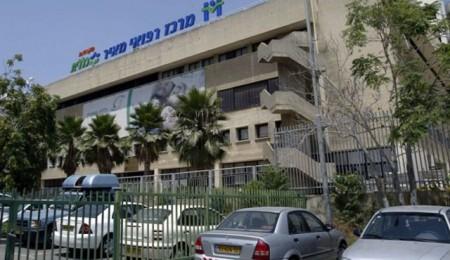
Meir Medical Center

Kaplan Medical Center
مشاركة المحتوى
قصص فيديو من مرضى Bookimed
 Anna Leonova
أسئلة متكررة حول علاج ضمور العصب البصري في إسرائيل
ما هي العلاجات المتاحة في إسرائيل لضمور العصب البصري؟
تركز العلاجات الإسرائيلية لضمور العصب البصري على الحفاظ على الرؤية الحالية من خلال الحماية العصبية والأبحاث التجديدية. يشمل العلاج زراعة الخلايا الجذعية الذاتية، وتدريب الدماغ RevitalVision، والأدوية المتخصصة. توفر المراكز المعتمدة من قبل JCI مثل مركز سوراسكي الطبي تشخيصات متعددة التخصصات لتحديد الأسباب الكامنة وراء تلف الأعصاب.
- الطب التجديدي: تهدف الخلايا الجذعية لنخاع العظم الذاتي إلى تحفيز إصلاح الألياف العصبية.
- الحماية العصبية: تعمل تقنية RevitalVision المعتمدة من إدارة الغذاء والدواء (FDA) على تدريب القشرة البصرية لتحسين معالجة الصور.
- الأدوية الموجهة: تجري التجارب السريرية في مؤسسات مثل شيبا أبحاثاً حول الأدوية النانوية لاستعادة الأعصاب.
- العلاج التحفظي: تساعد موسعات الأوعية الدموية والتحفيز الكهربائي على تحسين الدورة الدموية وإبطاء عمليات الضمور.
رؤية خبير Bookimed: بينما يبحث الكثيرون عن عيادة واحدة، فإن الميزة الحقيقية في إسرائيل هي التكامل مع البحث الأكاديمي. تحتفظ مراكز مثل مركز كابلان الطبي بمرافق خاصة لجمع نخاع العظم. تدعم هذه البنية التحتية علاجات خلوية مخصصة غالباً ما تكون غير متوفرة في العيادات الخاصة الصغيرة. يجب على المرضى إعطاء الأولوية للمرافق التي لديها منشورات بحثية موثقة في طب الأعصاب العيون للحصول على أعلى جودة من الرعاية.
إجماع المرضى: يؤكد المرضى أن النجاح يعني استقرار الرؤية الحالية بدلاً من تحقيق الشفاء التام. ويشيرون إلى أن الاستشارة المبكرة مع طبيب أعصاب العيون أمر حيوي لمنع تفاقم الضر
هل يعتبر العلاج بالخلايا لضمور العصب البصري في إسرائيل آمناً؟
يُعتبر العلاج بالخلايا لضمور العصب البصري في إسرائيل آمناً ضمن التجارب السريرية المرخصة. تقود مؤسسات مثل مركز هداسا الطبي الأبحاث بملفات أمان إيجابية. وعلى الرغم من أنه ليس ممارسة قياسية، إلا أن اللوائح الإسرائيلية تضمن رقابة صارمة. تشير التجارب المبكرة إلى معدلات بقاء عالية دون أحداث سلبية خطيرة.
- الرقابة التنظيمية: توافق لجنة هلسنكي والمجالس الاستشارية على جميع البروتوكولات التجريبية.
- نجاح التجارب: لا تبلغ المراكز الإسرائيلية عن أي مضاعفات خطيرة في التجارب التجديدية المبكرة.
- حدود العلاج: يكون العلاج عادةً غير فعال بمجرد موت محاور العصب البصري.
- الآثار الجانبية الشائعة: قد يعاني المرضى من تشوش مؤقت في الرؤية أو انزعاج خفيف بعد الإجراء.
رؤية خبير Bookimed: توفر المراكز الطبية الإسرائيلية ميزة أمان فريدة من خلال حجمها المؤسسي. يعالج مركز سوراسكي الطبي 1,800,000 مريض سنوياً ويعمل به 2,200 طبيب. يضمن هذا الحجم الكبير عبر 240 قسماً حصول مرضى العلاج بالخلايا التجريبي على وصول فوري إلى رعاية الطوارئ متعددة التخصصات في حال حدوث مضاعفات.
إجماع المرضى: يشير المرضى إلى أنه على الرغم من أن المشاركة في التجارب المبكرة تبدو آمنة، إلا أنهم يشعرون بالقلق بشأن نقص مكاسب الرؤية على المدى الطويل. يؤكد الكثيرون على أهمية التحقق مما إذا كانت العيادة مدرجة في السجلات الرسمية مثل ISRCTN قبل بدء العلاج.
ما هي المدة التي يجب أن يخطط لها السياح الطبيون للبقاء من أجل علاج العصب البصري؟
يجب على السياح الطبيين التخطيط للبقاء في إسرائيل لمدة تتراوح بين 7 إلى 14 يوماً لعلاج العصب البصري. تغطي هذه الفترة الاستشارات التشخيصية، والإجراء المحدد، والمراقبة الأساسية. غالباً ما يحتاج المرضى الذين يخضعون لبروتوكولات تجديدية أو جراحة إلى هذا الإطار الزمني لضمان استقرار الضغط قبل السفر جواً.
- مرحلة التشخيص: خصص من 2 إلى 3 أيام للفحوصات العيونية.
- الإقامة في المستشفى: توقع قضاء ليلة إلى ليلتين للحقن أو المراقبة الجراحية.
- المراقبة السريرية: ابقَ لمدة 7 أيام لمراقبة ضغط العين ومواقع الجراحة.
- سلامة الطيران: قم بتأخير الصعود إلى الطائرة لمدة 10 إلى 14 يوماً لتجنب المخاطر الجوية.
رؤية خبير Bookimed: بينما تعالج المراكز الكبرى مثل مركز سوراسكي الطبي في تل أبيب أكثر من 1,800,000 مريض سنوياً، فإن السرعة ليست الهدف في رعاية العيون. الدقة التشخيصية هي علامة الجودة هنا. إذا كانت العيادة تقدم علاجاً في نفس اليوم دون فحوصات أولية مثل استشارة عيون مفصلة، فقد تفتقر إلى الدقة المعتمدة من JCI الموجودة في أفضل المرافق متعددة التخصصات في إسرائيل.
إجماع المرضى: يؤكد المرضى على الحاجة إلى هامش زمني لمدة أسبوعين. يمكن أن تؤدي مراقبة التورم إلى تمديد الإقامة بشكل غير متوقع، وقد يؤدي السفر مبكراً جداً إلى مضاعفات يمكن تجنبها.
ما هي النتيجة الواقعية لحدة البصر بعد العلاج الإسرائيلي؟
يحقق العلاج العصبي الإسرائيلي عادةً تحسناً بمقدار سطرين إلى 2.5 سطر على مخطط العين القياسي. ينطبق معدل النجاح هذا البالغ 85% تحديداً على تقنيات مثل RevitalVision. فهو يعمل على شحذ المعالجة بين الدماغ والعين للتعويض عن العجز البصري الناجم عن حالات مثل ضمور العصب البصري.
- تحسن الرؤية: يحقق المرضى في المتوسط تحسناً بمقدار 2.5 سطر على مخططات حدة البصر.
- المقياس الوظيفي: يمثل كل سطر في المخطط زيادة بنسبة 10% تقريباً في الرؤية الوظيفية.
- معدل النجاح: تشير البيانات السريرية إلى إمكانية تنبؤ بنسبة 85% لتحسينات المعالجة العصبية.
- النتائج الانكسارية: تحقق البدائل الجراحية في إسرائيل رؤية 20/20 في ما يصل إلى 100% من الحالات.
رؤية خبير Bookimed: تظهر مؤشرات الجودة للرعاية العيون الإسرائيلية في تصنيفات المرافق بدلاً من الحجم وحده. يستقبل مركز سوراسكي الطبي المعتمد من JCI 1.8 مليون زيارة مريض سنوياً ويحتل مراكز عالمية رائدة. تسمح هذه الكثافة السريرية للأطباء بتحسين بروتوكولات عالية الدقة لفقدان البصر المعقد المرتبط بالأعصاب.
إجماع المرضى: يلاحظ المرضى أن التحسينات البصرية تبدو تدريجية وليست فورية. يؤكد معظمهم أن المشاركة المستمرة في جلسات التدريب العصبي أمر حيوي لرؤية نتائج حقيقية.
من هو المرشح المناسب للعلاج بالخلايا لضمور العصب البصري في إسرائيل؟
يجب أن يتمتع المرشحون للعلاج بالخلايا لضمور العصب البصري في إسرائيل بوظيفة بصرية متبقية. عادةً ما يكون لدى الأفراد المؤهلين حدة إبصار مصححة تبلغ 20/40 أو أسوأ. يجب على المرشحين تقديم أدلة موثقة على وجود ألياف عصبية متبقية. يستهدف هذا العلاج الأضرار الناجمة عن الجلوكوما أو نقص التروية أو الصدمات داخل المرافق المعتمدة من قبل JCI.
- الحالة البصرية: مطلوب فقدان جزئي للرؤية لإصلاح الأنسجة العصبية.
- الاستقرار الطبي: يجب أن يكون ضغط العين مستقراً لمدة 3 أشهر على الأقل.
- الفئة العمرية: تستهدف معظم البروتوكولات السريرية للبالغين المرضى الذين تتراوح أعمارهم بين 18 و 78 عاماً.
- معايير الاستبعاد: المرضى الذين يعانون من عمى كامل أو غياب إدراك الضوء.
رؤية خبير Bookimed: تخدم المراكز متعددة التخصصات الإسرائيلية مثل سوراسكي (إيخيلوف) أكثر من 400,000 مريض سنوياً. إنهم يعطون الأولوية للحالات التي تؤكد فيها التصوير الرقمي عالي الدقة وجود خلايا عقدية قابلة للحياة. تشير بياناتنا إلى أن المرضى يستفيدون أكثر عندما يتم إجراء الفحص العيني في المراكز الأكاديمية. غالباً ما تقود هذه المرافق البحث العلمي في تجديد الأعصاب. يتضمن الفحص عادةً مسوحات OCT متقدمة للتحقق من طبقات الألياف العصبية القابلة للعلاج.
إجماع المرضى: يؤكد المرضى على أهمية بدء العلاج في غضون 6 أشهر من ظهور الأعراض. يوصون بإجراء تصوير بالرنين المغناطيسي لتأكيد حيوية الأعصاب قبل السفر لتلقي العلاج.
هل يتطلب العلاج شقوقاً جراحية أو تخديراً عاماً؟
لا تتطلب العلاجات القياسية لضمور العصب البصري في إسرائيل عادةً شقوقاً جراحية أو تخديراً عاماً. تتضمن معظم البروتوكولات فحوصات تشخيصية غير جراحية وعلاجات موضعية. تستخدم إجراءات مثل الحقن داخل الجسم الزجاجي أو حقن الخلايا الجذعية عادةً مواد تخدير موضعية بينما يظل المريض مستيقظاً تماماً.
- نوع التخدير: يستخدم مقدمو الخدمة عادةً قطرات أو حقن تخدير موضعية للإجراءات الخارجية.
- متطلبات الشق: لا تتطلب التقنيات الحديثة تحت الملتحمة أو داخل الجسم الزجاجي أي جروح جراحية أو غرز.
- مدة العلاج: تستغرق معظم الحقن العلاجية أقل من 30 دقيقة في بيئة سريرية قياسية.
- فترة التعافي: غالباً ما يستأنف المرضى أنشطتهم الطبيعية فوراً بعد العلاج الموضعي أو الحقن الوريدي.
رؤية خبير Bookimed: تحافظ المراكز الإسرائيلية مثل مركز سوراسكي الطبي على تصنيفات تخصصية عالية لأنها تعطي الأولوية للتحقيق العصبي البصري على الجراحة الغازية. تظهر البيانات أن هذه المرافق تعالج أكثر من 1.8 مليون مريض سنوياً باستخدام التصوير الرقمي المتقدم. نظراً لأن العصب البصري حساس للغاية، يركز كبار المتخصصين الإسرائيليين على التحفيز غير الجراحي الذي يتجنب مخاطر التخدير العام تماماً.
إجماع المرضى: يشير المرضى إلى أن الحقن الحديثة تبدو أشبه بفحص روتيني للعين منها كإجراء طبي. يصف الكثيرون التجربة بأنها مجرد وخز إبرة بسيط تحت تخدير موضعي دون الحاجة إلى غرفة عمليات.
لماذا تُعد إسرائيل واحدة من الوجهات الرائدة في جراحة الأعصاب؟
تُعدّ إسرائيل مركزًا رائدًا في جراحة الأعصاب بفضل مزيجها من التطورات الطبية عالية التقنية والخبرات الجراحية المتميزة. وتستخدم مرافق متطورة مثل مركز شيبا الطبي أنظمة ملاحة تعتمد على الذكاء الاصطناعي والتصوير بالرنين المغناطيسي أثناء الجراحة في الوقت الفعلي. وتشير المراكز المتخصصة إلى نسبة نجاح تصل إلى 98% في العمليات الجراحية المعقدة، بما في ذلك جراحة الدماغ مع اليقظة وعلاج اضطرابات الحركة.
- التكنولوجيا المتقدمة: تستخدم العيادات الموجات فوق الصوتية المركزة الموجهة بالرنين المغناطيسي (MRgFUS) والأنظمة الروبوتية لإجراء الشقوق.
- الخبرة الجراحية: يقود جراحون مثل الدكتور تسفي رام جمعيات دولية بخبرة تزيد عن 25 عامًا.
- الوصول السريع: يمكن للمرضى الدوليين عادةً تحديد مواعيد لإجراء عمليات جراحية معقدة في الدماغ أو العمود الفقري في غضون 2-4 أسابيع.
- الرعاية الطبية المعتمدة: المراكز الكبيرة مثل سوراسكي (إيشيلوف) وأسوتا معتمدة من قبل اللجنة الدولية المشتركة، مما يؤكد سلامتها.
رأي خبراء بوكيمد: تُظهر البيانات فرقًا واضحًا بين خيارات العلاج في القطاعين العام والخاص في إسرائيل. تُجري المراكز الخاصة، مثل مركز أسوتا الطبي، أكثر من 92,000 عملية جراحية سنويًا، وتتيح للمرضى اختيار جراح را
ما هي أنواع الأمراض العصبية التي يتم علاجها في إسرائيل؟
يعالج جراحو الأعصاب الإسرائيليون طيفاً واسعاً من الحالات، بدءاً من أورام الدماغ والحبل الشوكي وصولاً إلى الاضطرابات الوظيفية المعقدة. وتستخدم المراكز المتخصصة أحدث التقنيات، مثل جهاز جاما نايف، والتحفيز العميق للدماغ، والتصوير بالرنين المغناطيسي أثناء الجراحة، لتشخيص دقيق للغاية لحالات الصرع، ومرض باركنسون، وأمراض الأوعية الدموية الدماغية.
- الأمراض السرطانية: علاج الأورام الدبقية والأورام السحائية وأورام الغدة النخامية باستخدام استئصال قاعدة الجمجمة.
- الاضطرابات الوظيفية: علاج مرض باركنسون والرعاش الأساسي باستخدام التحفيز العميق للدماغ.
- أمراض العمود الفقري: تصحيح الجنف، وانزلاق الغضروف، وأورام العمود الفقري باستخدام الأنظمة الروبوتية.
- علاج أمراض الأوعية الدموية الدماغية: العلاج الجراحي لتمدد الأوعية الدموية الدماغية والتشوهات الشريانية الوريدية باستخدام التدخلات داخل الأوعية الدموية.
- جراحة الأعصاب للأطفال: رعاية متخصصة لاستسقاء الرأس والتشوهات الخلقية في مراكز طب الأطفال المتخصصة.
رأي خبراء بوكيمد: غالبًا ما تجمع المستشفيات الإسرائيلية بين تخصصات طبية متعددة لمعالجة الحالات المعقدة. ففي مركز سوراسكي ا
ما هي المستشفيات في إسرائيل التي تشتهر بأقسام جراحة الأعصاب فيها؟
تضم إسرائيل مراكز جراحة أعصاب عالمية المستوى، مثل مركز سوراسكي الطبي، ومركز شيبا الطبي، ومركز هداسا الطبي. وتُعدّ هذه المؤسسات رائدة عالميًا في علاج أورام الدماغ المعقدة، وأمراض العمود الفقري، واضطرابات الحركة. وتستخدم أحدث التقنيات، مثل جهاز جاما نايف، والأنظمة الروبوتية، والتصوير بالرنين المغناطيسي أثناء الجراحة.
- سوراسكي (إيخيلوف): يجري أكثر من 2500 عملية جراحية عصبية سنوياً في تل أبيب بنسبة نجاح تبلغ 98%.
- مركز شيبا الطبي: مصنف ضمن أفضل عشرة مستشفيات في العالم، حيث يعالج 1.9 مليون مريض سنوياً.
- مركز هداسا الطبي: مرشح لجائزة نوبل للسلام. رائد في جراحة الأعصاب للأطفال والعلاج الجيني.
- مركز أسوتا الطبي: أكبر منشأة طبية خاصة في إسرائيل. متخصص في جراحات العمود الفقري والدماغ طفيفة التوغل.
- مستشفى شنايدر للأطفال: مركز رائد في جراحة الأعصاب للأطفال، يعالج 275000 طفل سنوياً.
رأي خبراء بوكيمد: تُظهر بياناتنا أنه بينما يلجأ معظم المرضى للعلاج في تل أبيب، يُقدّم مركز رامبام الطبي في حيفا رعايةً فريدةً لإصابات الدماغ. فهو يضم وحدةً متخصصةً للعناية المركزة العصبية تُعالج ما يقارب مليون مريض سنويًا. وهذا ما يجعله
من هم أبرز جراحي الأعصاب في إسرائيل؟
من بين أبرز جراحي الأعصاب الإسرائيليين البروفيسور تسفي رام، والبروفيسور شلومي كونستانتيني، والبروفيسور إسحاق فريد من مركز سوراسكي الطبي. ويشغل هؤلاء المتخصصون مناصب قيادية في الجمعية الأوروبية لجمعيات جراحة الأعصاب (EANS) والجمعية العالمية لجراحة الأعصاب التجسيمية والوظيفية (WSSFN). ويستخدمون تقنيات رسم الخرائط المتقدمة أثناء الجراحة وأنظمة الروبوتات.
- البروفيسور تسفي رام: خبير في جراحة أورام الدماغ طفيفة التوغل والعلاج الجيني للسرطان.
- الأستاذ شلومي كونستانتيني: متخصص في إجراءات التنظير العصبي المعقدة للأطفال والجراحة المجهرية لأورام الدماغ.
- الأستاذ إسحاق فريد: خبير في جراحة الصرع، ورسم خرائط الدماغ الوظيفية، وتحفيز الدماغ العميق.
- الدكتور إيلي أشكينازي: جراح عظام رائد في مستشفى أسوتا، متخصص في نظام TOPS المبتكر.
رأي خبراء بوكيمد: تشير بيانات مركز سوراسكي وشيبا إلى وجود علاقة وثيقة بين ارتفاع عدد العمليات الجراحية وسلامة المرضى. فعلى سبيل المثال، يُجري مركز سوراسكي أكثر من 34,000 عملية جراحية لعلاج الأورام سنويًا بنسبة نجاح تصل إلى 90%. لذا، ينبغي على المرضى الذين يحتاجون إلى استئصال أورام معقدة إعطاء الأولوية لمراكز كهذه، حيث يُجري الجراحون مئات العمليات الجراحية ا