عيادات أمراض المناعة والحساسية في إسرائيل


تمت مراجعة المقالة طبيا من قبل
فهد مولود
ما هي تكلفة أمراض المناعة والحساسية في إسرائيل؟ اكتشف الآن
تتراوح تكلفة علاج المناعة في إسرائيل عادةً ما بين $3,500 و $7,800. تعتمد النفقات النهائية على الحالة الطبية المحددة، ونوع أدوية العلاج المناعي المطلوبة، وما إذا كان العلاج يتم في العيادات الخارجية أو يتطلب إقامة في المستشفى. وغالباً ما يجد المرضى وفورات تتراوح بين 30-50% مقارنة بالتكاليف المعتادة في الولايات المتحدة.
تكاليف علاج المناعة المعتادة في إسرائيل
- الفحوصات المخبرية لمرض الذئبة الحمراء الجهازية: من $350
- فحص دوري للنساء فوق سن الأربعين: السعر عند الطلب
تتركز معظم خدمات علاج المناعة في المراكز الرئيسية مثل تل أبيب، والقدس، ورمات غان. وفي حين تظل أسعار التشخيصات المتخصصة متسقة نسبياً عبر هذه المراكز، فإن استشارة أخصائي في علم المناعة يمكن أن تساعدك في الحصول على تسعير دقيق بناءً على تشخيصك وخطة علاجك.
| إسرائيل | تركيا | إسبانيا | |
|---|---|---|---|
| علاج تعزيز المناعة | ≈ $3,500 | ≈ $1,800 | ≈ $2,200 |
| تبادل البلازما | ≈ $4,500 | ≈ $3,900 | ≈ $2,400 |
| المعالجة بالدم السري | ≈ $6,500 | ≈ $3,500 | ≈ $3,800 |
| الفصل العلاجي للدم | ≈ $1,400 | من $4,500 | ≈ $1,400 |
| الفصل الانتقائي للدم | ≈ $2,800 | ≈ $1,600 | ≈ $1,800 |
جميع أمراض أمراض المناعة والحساسية
مزاياك وضماناتك مع Bookimed
أسعار مباشرة
Bookimed لا يضيف رسوماً إضافية على أسعار علاج أمراض المناعة والحساسية. الأسعار مأخوذة من قوائم الأسعار الرسمية للعيادات. تدفع مباشرة في العيادة مقابل علاجك عند وصولك إلى البلد.
عيادات وأطباء معتمدون فقط
Bookimed ملتزم بسلامتك. نحن نعمل فقط مع المؤسسات الطبية التي تحافظ على معايير دولية عالية في علاج أمراض المناعة والحساسية ولديها التراخيص اللازمة لخدمة المرضى الدوليين في جميع أنحاء العالم.
مساعدة مجانية على مدار الساعة
Bookimed يقدم مساعدة خبراء مجانية. منسق طبي شخصي يدعمك قبل وأثناء وبعد العلاج، ويحل أي مشاكل. لن تكون وحيداً أبداً في رحلة علاج أمراض المناعة والحساسية.

منسقك الطبي الشخصي في Bookimed
- يدعمك في كل مرحلة
- المساعدة في اختيار العيادة الطبية المناسبة والطبيب المناسب
- يضمن الوصول السريع والمريح إلى المعلومات
اكتشف أفضل عيادات أمراض المناعة والحساسية: 8 خيارات معتمدة والأسعار









Assaf Harofeh Medical Center

Dental Clinic Dr. Mark Ratner

Elisha Hospital
أفضل مراكز أمراض المناعة والحساسية في إسرائيل
- Sourasky Medical Center (Ichilov), إسرائيل
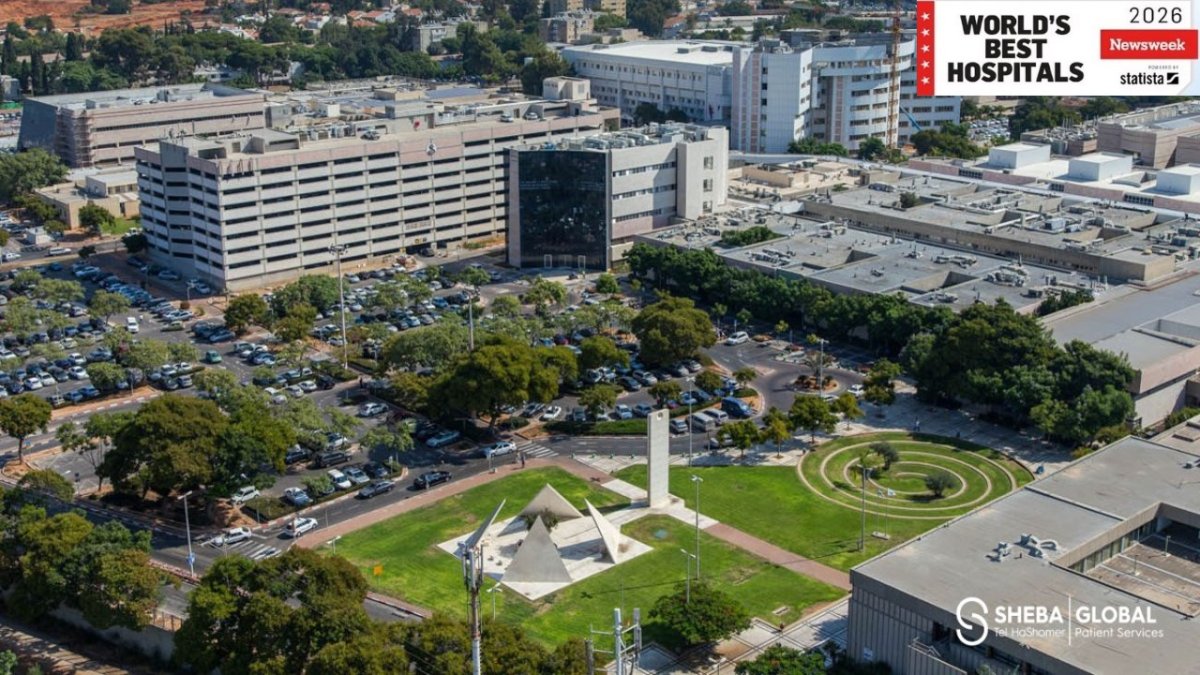
- مركز شيبا الطبي, إسرائيل
- Assuta Medical Center, إسرائيل
- Hadassah Medical Center, إسرائيل
- Rambam Medical Center, إسرائيل
- Assaf Harofeh Medical Center, إسرائيل
- Dental Clinic Dr. Mark Ratner, إسرائيل
- Elisha Hospital, إسرائيل
احصل على تقييم طبي لـ أمراض المناعة والحساسية في إسرائيل. استشر الآن 16 أطباء ذوي الخبرة.
عرض جميع الأطباء
Amos Toren
البروفيسور آموس تورين، MD، PhD، MHA، اختصاصي أمراض دم وأورام الأطفال وخبير زرع نخاع العظم. شغل منصب مدير أمراض دم وأورام الأطفال وزرع نخاع العظم في مركز شيبا الطبي.
حاصل على البورد في طب الأطفال، وأمراض دم وأورام الأطفال، وزرع نخاع العظم. يحمل دكتوراه في علم الوراثة البشرية. ترأس شعبة أمراض الدم في جامعة تل أبيب لولايتين. وهو عضو في ASH وCOG وESPHI وEBMT وCIBMTR، ويعمل أيضاً في لجنة دم الحبل السري بوزارة الصحة.
قاد أحد أكثر برامج أورام الأطفال وزرع نخاع العظم تقدماً في إسرائيل.
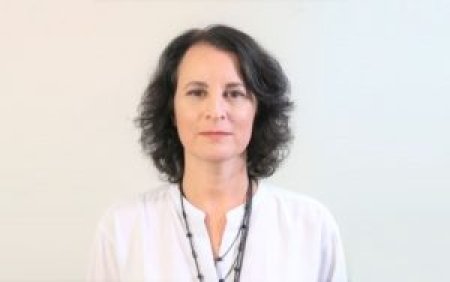
Einat Shacham Shmueli
الدكتورة عينات شاحام‑شموئيلي استشارية أورام طبية في عيادة الجهاز الهضمي، مركز السرطان، مركز شيبا الطبي. تعالج سرطانات القولون والمعدة والبنكرياس، وتدير حالات المرض النقيلي. تستخدم التشخيص الدقيق والواسمات الحيوية، والعلاجات الجهازية، والعلاج الإشعاعي. تُقدَّم الرعاية ضمن فريق متعدد التخصصات.
نشرت أكثر من 25 مقالة مُحكَّمة حول أورام الجهاز الهضمي وبيولوجيا الأورام والعلاجات الجديدة، ويشمل عملها دراسات عن وضع الدعامات لعلاج الانسداد الخبيث في القولون. تعمل باحثة في برامج دولية، منها المع

Dan Kaspy
رئيس قسم الروماتيزم في مركز سوراسكي الطبي - يتخصص الدكتور كاسبي في الحالات المعقدة ويقود برامج تخصص الروماتيزم في إسرائيل.
- أكمل فترة تدريب مرموقة في مستشفى هامرسيمث في لندن
- رئيس سابق لمستشفى اليوم في قسم الروماتيزم في إيخيلوف
- أكثر من 140 منشورًا علميًا حول الروماتيزم
- عضو في جمعيات الروماتيزم الإسرائيلية والأمريكية

Grisaro Galia
تقود الدكتورة غريسارو غاليا خدمة الأمراض المعدية لدى الأطفال في مستشفى دانا دويك للأطفال - وتتخصص حصرياً في حالات الأطفال.
- دور على مستوى مدير في مستشفى أطفال رائد
- تدربت في جامعة تورنتو - وهي رائدة عالمياً في أبحاث الأمراض المعدية
- حاصلة على درجة Marze Bachir في الأمراض المعدية لدى الأطفال
- تركز على الحالات المعدية المعقدة لدى الأطفال
المراجعات
جميع المراجعات
مواد ذات صلة

حاولوا شفاء السرطان لكنهم شفوا .. HIV!
كتب بواسطة Veronika Kazina

طرق علاج الإيدز في إسرائيل
كتب بواسطة Veronika Kazina

طرق علاج فيروس نقص المناعة البشرية والإيدز
كتب بواسطة Veronika Kazina

طرق تشخيص فيروس نقص المناعة البشرية والإيدز
كتب بواسطة Veronika Kazina
مشاركة المحتوى
قصص فيديو من مرضى Bookimed
 Anna Leonova
أسئلة متكررة حول أمراض المناعة والحساسية في إسرائيل
ما هي علاجات المناعة المتخصصة المتاحة فقط في إسرائيل؟
تقدم إسرائيل علاجات مناعية خاصة بما في ذلك علاج إثراء الميتوكوندريا وبروتوكولات CAR-T المتخصصة للورم النخاعي المتعدد. وتعتبر المراكز الرائدة مثل مركز هداسا الطبي ومركز شيبا الطبي رائدة في هذه العلاجات الخلوية. يحصل المرضى على علاجات تجريبية بالخلايا الجذعية واختبارات متقدمة لتوافق العلاج المناعي غير متوفرة على نطاق واسع في أماكن أخرى.
- العلاج الخلوي: علاج إثراء الميتوكوندريا هو علاج إسرائيلي حصري لأمراض الميتوكوندريا النادرة.
- بروتوكولات CAR-T: طور مركز هداسا الطبي علاجات CAR-T محددة بمعدلات شفاء تصل إلى 90%.
- تجارب المناعة الذاتية: يجري مركز شيبا الطبي تجارب CAR-T لحالات الروماتيزم والمناعة الذاتية الشديدة.
- زراعة الميكروبيوتا: تعمل عمليات زراعة البراز المتخصصة على إعادة تحسيس الجهاز المناعي في حالات الورم الميلانيني المقاوم.
- اختبارات معتمدة من إدارة الغذاء والدواء (FDA): يجري مركز سوراسكي الطبي (إيخيلوف) اختبارات فريدة لتوافق أدوية العلاج المناعي.
رؤية خبير Bookimed: تظهر البيانات أن أفضل المستشفيات في إسرائيل، مثل سوراسكي وشيبا، تخدم أكثر من 1,500,000 مريض سنويًا لكل منهما. يسمح هذا الحجم الهائل لهم بإجراء تجارب سريرية متزامنة لعلاجات مثل CAR-T قبل سنوات من وصولها إلى أسواق أخرى. بالنسبة للمرضى الذين يعانون من حالات مستعصية، توفر مراكز الأبحاث ذات الحجم الكبير هذه إمكانية الوصول إلى تجارب المرحلة الثالثة التي غالبًا ما تكون غير متوفرة في الولايات المتحدة أو أوروبا.
إجماع المرضى: يشير المر
كيف أعرف ما إذا كنت مرشحاً للعلاج المناعي في إسرائيل؟
يعتمد الترشح للعلاج المناعي في إسرائيل على اختبارات المؤشرات الحيوية والتقييم السريري من قبل المتخصصين. يقوم الأطباء في مراكز مثل مركز سوراسكي الطبي (إيخيلوف) ومركز هداسا الطبي بتحليل تعبير PD-L1 والحمل الطفري للورم. كما تحدد لياقتك البدنية (درجة ECOG) وتاريخ علاجك مدى أهليتك.
- اختبارات المؤشرات الحيوية: يقوم الأطباء بفحص أنسجة الورم بحثاً عن بروتينات PD-L1 والسمات الجينية مثل MSI-H.
- التقييم السريري: يقوم متخصصون مثل الدكتور مايكل لوتيم بتقييم مدى ملاءمتك لعلاجات محددة تعتمد على المناعة.
- التاريخ الطبي: يجب على المرضى تقديم ملخصات الأورام والتصوير الحديث مثل PET-CT أو التصوير بالرنين المغناطيسي.
- اللياقة البدنية: تحدد درجة حالة أداء ECOG ما إذا كان جسمك قادراً على تحمل العلاج.
رؤية خبير Bookimed: تظهر البيانات من المراكز الإسرائيلية الكبرى أن حجم المرضى يؤثر بشكل مباشر على سرعة التشخيص. يعالج مركز سوراسكي الطبي أكثر من 400,000 مريض سنوياً ويستخدم الذكاء الاصطناعي الداخلي لتحليل أسرع للمؤشرات الحيوية. غالباً ما توفر المرافق الكبيرة النتائج في غضون أيام، وهو أمر حيوي لبدء خطط العلاج المكثفة بسرعة.
إجماع المرضى: يؤكد المرضى على أهمية تقديم تاريخ كامل لأمراض المناعة الذاتية في وقت مبكر. ويشيرون إلى أن اللياقة البدنية غالباً ما تكون أكثر أهمية من العمر عند الحصول على الموافقة لهذه البرامج.
هل العلاج المناعي أكثر أماناً من العلاج الكيميائي؟
يُعتبر العلاج المناعي عموماً أقل سمية من العلاج الكيميائي لأنه يستهدف الخلايا السرطانية بشكل محدد مع تجنيب الخلايا السليمة. وهو يتجنب المشاكل الجهازية مثل تساقط الشعر والغثيان الشديد. ومع ذلك، فإنه يحمل مخاطر فريدة من نوعها تتمثل في الالتهابات المناعية الذاتية في أعضاء مثل الغدة الدرقية أو الرئتين أو الكبد.
- معدلات السمية: يُظهر العلاج المناعي سمية شديدة بنسبة 10-20% مقارنة بـ 40-60% للعلاج الكيميائي التقليدي.
- آلية العمل: يهاجم العلاج الكيميائي جميع الخلايا سريعة النمو. بينما يقوم العلاج المناعي بتدريب الجهاز المناعي على التعرف على السرطان.
- الآثار الشائعة: غالباً ما يبلغ المرضى عن أعراض خفيفة تشبه أعراض الإنفلونزا بدلاً من الإرهاق الشامل للجسم أو الغثيان.
- التركيز على السلامة: الآثار الجانبية مثل الطفح الجلدي أو التعب شائعة ولكن يمكن السيطرة عليها عادةً باستخدام الستيرويدات.
رؤية خبراء Bookimed: تُبلغ المراكز الإسرائيلية مثل مركز سوراسكي الطبي عن معدل نجاح متوسط يبلغ 90% لعلاجات الأورام، ويرجع ذلك إلى حد كبير إلى التشخيص الجزيئي الدقيق. تُظهر بياناتنا أن كبار المتخصصين، مثل الدكتور مايكل لوتم في مستشفى هداسا، يركزون على أبحاث مستقبلات SLAM للتنبؤ بالاستجابات المناعية. يساعد هذا الفحص المتقدم الأطباء على تحديد المرضى المعرضين لخطر حدوث مضاعفات نادرة قبل بدء العلاج.
إجماع المرضى: يصف العديد من المرضى العلاج الكيميائي بأنه إيقاف كامل للجسم، بينما يشعرون أن العلاج المناعي أكثر قابلية للتحمل ويسمح بالعودة السريعة للعمل.
ما هي الحالات غير السرطانية التي تعالجها عيادات المناعة الإسرائيلية؟
تعالج عيادات المناعة الإسرائيلية حالات مختلفة غير سرطانية. وتشمل هذه الاضطرابات المناعية الذاتية مثل الذئبة والتهاب المفاصل الروماتويدي. كما يدير المتخصصون حالات الحساسية الشديدة، ونقص المناعة الأولي، والحالات العصبية مثل التصلب المتعدد. توفر المرافق في تل أبيب والقدس تشخيصات متقدمة وعلاجات متخصصة لاختلالات المناعة المعقدة.
- اضطرابات المناعة الذاتية: علاج الذئبة الحمراء الجهازية، والتهاب المفاصل الروماتويدي، وتصلب الجلد.
- الحساسية الشديدة: إدارة الحساسية المفرطة التي تهدد الحياة، والشرى المزمن، والربو التنفسي.
- نقص المناعة: رعاية نقص المناعة الأولي الخلقي ومشاكل المناعة المكتسبة الثانوية.
- علم المناعة العصبية: بروتوكولات متخصصة للتصلب المتعدد والوهن العضلي الوبيل في مراكز مخصصة.
- أمراض الجهاز الهضمي: الإدارة المناعية لمرض كرون وأمراض الأمعاء الالتهابية.
رأي خبير Bookimed: غالبًا ما تدمج مراكز المناعة الإسرائيلية الأبحاث مباشرة في الممارسة السريرية. يشارك مركز هداسا الطبي ومركز سوراسكي الطبي (إيخيلوف) بشكل متكرر في التجارب السريرية الدولية. وهذا يتيح للمرضى الوصول إلى الأدوية البيولوجية الأحدث والأجسام المضادة وحيدة النسيلة قبل وصولها إلى الأسواق العالمية العامة. تظهر بياناتنا أن هذه العيادات تعالج أكثر من 1,000,000 مريض سنويًا مع أكثر من 2,000 طبيب متخصص.
إجماع المرضى: يلاحظ المرضى أن الأطباء الإسرائيليين غالبًا ما يصفون الأدوية البيولوجية المتقدمة في وقت أبكر من العيادات في البلدان الأخرى. إ
هل يمكنني المشاركة في التجارب السريرية في إسرائيل؟
يمكن للمرضى الدوليين المشاركة في التجارب السريرية في إسرائيل لعلاج أمراض المناعة والحالات المناعية الذاتية. تستضيف مراكز الأبحاث الكبرى مثل مركز هداسا الطبي ومركز شيبا الطبي العديد من الدراسات. تغطي التجارب عادةً تكاليف العلاج وتوفر الوصول إلى علاجات مبتكرة تحت إشراف أخلاقي صارم من لجنة هلسنكي.
- العلاجات المتاحة: غالبًا ما تركز التجارب على العلاج المناعي للميلانوما وبروتوكولات العلاج الجيني.
- المؤسسات الرائدة: يدير مركز شيبا الطبي ومركز هداسا الطبي أكثر من 1,000,000 مريض سنويًا.
- الباحثون الخبراء: يقود متخصصون مثل الدكتور مايكل لوتيم فرقًا متخصصة في أبحاث العلاج المناعي للسرطان.
- متطلبات الدخول: تتطلب المشاركة خطابات دعوة للحصول على تأشيرة طبية وفحص أولي للأهلية.
رؤية خبير Bookimed: تُظهر المراكز الطبية الإسرائيلية تركيزًا عاليًا للخبرة البحثية داخل مرافق فردية. على سبيل المثال، يوظف مركز سوراسكي الطبي 2200 طبيب في 240 قسمًا. تسمح هذه الكثافة بإحالات داخلية أسرع بين أخصائيي المناعة والمتخصصين في المجالات ذات الصلة. غالبًا ما يستفيد المرضى في هذه المراكز ذات الحجم الكبير من عمليات فحص أكثر كفاءة للتجارب السريرية المعقدة متعددة الأنظمة.
إجماع المرضى: يجد المرضى أن بدء العملية بمكالمة فيديو يساعد في تقليل المسافة. ويشيرون إلى أنه على الرغم من أن الرعاية الطبية ممتازة، إلا أن ترتيب التأشيرة الطبية المطلوبة قد يستغرق ما يصل إلى 6 أسابيع.
هل أحتاج إلى أي تطعيمات خاصة قبل السفر إلى إسرائيل لتلقي العلاج؟
لا توجد تطعيمات إلزامية مطلوبة لدخول إسرائيل لتلقي العلاج الطبي. ومع ذلك، يوصي مسؤولو الصحة بشدة بتحديث التطعيمات الروتينية مثل الحصبة (MMR)، وشلل الأطفال، والكزاز (Tdap) قبل الوصول. تحمي هذه الاحتياطات المرضى في البيئات السريرية حيث يكون خطر التعرض للعدوى أعلى.
- التطعيمات الروتينية: تأكد من أن لقاحات MMR والكزاز محدثة قبل رحلتك.
- جرعة تعزيزية لشلل الأطفال: يجب على البالغين التفكير في جرعة تعزيزية واحدة مدى الحياة بسبب التنبيهات المحلية.
- التهاب الكبد B: يوصى به للمرضى الذين يتلقون علاجات تتضمن منتجات الدم أو الإبر.
- التوقيت السريري: أكمل جميع التطعيمات قبل 4-6 أسابيع من السفر لضمان المناعة الكاملة.
رؤية خبير Bookimed: تظهر البيانات من مراكز كبرى مثل مركز سوراسكي الطبي وهداسا أنها تعطي الأولوية لتحاليل الدم قبل العلاج على لقاحات السفر العامة. بالنسبة لمرضى المناعة، يركز أطباء مثل الدكتور شموئيل كيفيتي غالبًا على تصاريح لقاح محددة للعلاجات المثبطة للمناعة. شارك دائمًا سجل تطعيماتك الكامل مع أخصائيك أثناء الاستشارة الأولية لتجنب تأخير العلاج.
إجماع المرضى: يشير المرضى إلى أنه على الرغم من عدم فرض لقاحات خاصة عند الحدود، فإن البقاء على اطلاع بلقاحات الإنفلونزا وكوفيد يعد إجراءً عمليًا. ويؤكدون على الوصول مبكرًا للمواعيد لإدارة التوتر، حيث تركز بروتوكولات المستشفيات بشكل كبير على الفحص بدلاً من حالة التطعيم.
ما الذي يجب أن أتوقعه أثناء جلسة العلاج المناعي؟
تتضمن جلسات العلاج المناعي في إسرائيل عادةً تسريبًا وريديًا يستغرق من 30 إلى 90 دقيقة أو حقنة سريعة لمدة 15 دقيقة. يتلقى المرضى العلاج في مراكز خارجية متخصصة مثل مركز سوراسكي الطبي (إيخيلوف). تتطلب الإجراءات إجراء فحوصات دم مسبقة لمراقبة وظائف الكبد والكلى لضمان سلامة المريض.
- فحوصات ما قبل العلاج: يقوم الممرضون بإجراء فحوصات بدنية ومراقبة العلامات الحيوية قبل البدء.
- عملية التسريب: يتم إعطاء الدواء عبر الوريد أو المنفذ أثناء الجلوس في كراسي مريحة.
- المراقبة بعد الجلسة: يبقى المرضى لمدة 30 دقيقة للتأكد من عدم وجود ردود فعل تحسسية فورية.
- دورات العلاج: يتم جدولة العلاج عادةً كل أسبوعين إلى 4 أسابيع للسماح بالتعافي.
- بروتوكولات السلامة: توفر الفرق الطبية بطاقات تعريفية للمرضى توضح أنهم يتلقون علاجًا مناعيًا لاستخدامها في حالات الطوارئ.
رؤية خبير Bookimed: تشير البيانات إلى أن المراكز الإسرائيلية الكبرى مثل هداسا ومركز شيبا الطبي تدير أكثر من 1,000,000 مريض سنويًا. يسمح هذا الحجم الكبير لهذه المؤسسات بتقديم تجارب سريرية متقدمة وأبحاث حول مستقبلات SLAM. غالبًا ما يستفيد المرضى الذين يزورون هذه المراكز من فرق متعددة التخصصات بقيادة متخصصين يتمتعون بخبرة تزيد عن 20 عامًا.
إجماع المرضى: يشير المرضى إلى أن الحقن يشبه وخزة صغيرة، لكنهم يوصون بارتداء أكمام فضفاضة للراحة. ينصح الكثيرون بحجز الجلسات قبل أشهر بسبب الطلب المرتفع في العيادات العامة.
ما هي أفضل المستشفيات في إسرائيل لعلاجات المناعة؟
تعد إسرائيل رائدة عالمياً في مجال المناعة السريرية. المراكز الرائدة مثل مركز تل أبيب سوراسكي الطبي (إيخيلوف) ومركز شيبا الطبي حاصلة على اعتماد اللجنة الدولية المشتركة (JCI). وهي متخصصة في علاج اضطرابات المناعة المعقدة، ونقص المناعة الأولي، وفيروس نقص المناعة البشرية. تدمج هذه المرافق التحليل الجزيئي المتقدم مع الرعاية السريرية متعددة التخصصات.
- وحدات متخصصة: يضم مركز سوراسكي وحدة مخصصة للحساسية والمناعة.
- قيادة الخبراء: يتخصص الدكتور صموئيل كيفيتي في مركز سوراسكي في حساسية الجهاز التنفسي والحساسية الغذائية.
- تكامل الأبحاث: مركز هداسا الطبي هو الرائد في علاج CAR-T وأمراض المناعة الذاتية النادرة.
- التشخيص المتقدم: تستخدم المرافق تحليل PCR الجزيئي وتقنية FACS لتحديد ملامح المناعة بدقة.
رؤية خبير Bookimed: تعمل المستشفيات الإسرائيلية غالباً كمراكز إحالة أولية لتخصصات محددة. على سبيل المثال، يعمل مركز سوراسكي كمركز وطني للربو المهني. يجب على المرضى الذين يبحثون عن رأي ثانٍ البحث عن أطباء لديهم خبرة تزيد عن 20 عاماً، مثل الدكتور إيفجيني كاتسمان، الذين يتعاملون مع التداخلات المعقدة بين المناعة والأمراض المعدية.
إجماع المرضى: يشير المرضى إلى أهمية الاستعداد للتكاليف العالية للتشخيص. وغالباً ما يشيدون بسرعة الوصول إلى المتخصصين ويؤكدون أن الموظفين في مرافق القدس الرئيسية يتحدثون الإنجليزية بطلاقة.
ما هي أحدث الاختراقات في علم المناعة الإسرائيلي؟
تشمل اختراقات علم المناعة الإسرائيلي علاج CAR-T لمرض الزهايمر ورسم خرائط الجهاز المناعي المدعوم بالذكاء الاصطناعي. طور الباحثون أول لقاح mRNA بكتيري وأنظمة توصيل تعتمد على الجسيمات النانوية. تقود مراكز مثل مركز هداسا الطبي ومركز شيبا الطبي هذه التجارب السريرية العالمية للأمراض التنكسية العصبية والمناعة الذاتية.
- علم المناعة العصبية: نجح علاج CAR-T في تقليل التهاب الدماغ واللويحات في دراسات ما قبل السريرية لمرض الزهايمر.
- العلاج المناعي للسرطان: حدد العلماء بروتين Ly6a كنقطة تفتيش مناعية جديدة للتغلب على المقاومة.
- تقنية mRNA: طور الباحثون لقاح mRNA فعال بنسبة 100% ضد التهديدات البكتيرية المقاومة للمضادات الحيوية.
- رسم خرائط الذكاء الاصطناعي: تعمل منصة scNET على تخصيص علاجات السرطان من خلال التنبؤ بردود فعل الخلايا المناعية تجاه الأدوية.
رؤية خبير Bookimed: تظهر البيانات اتجاهاً واضحاً نحو لامركزية رعاية المناعة من خلال التوصيل الفموي والمخاطي. بينما تتطلب معظم العلاجات العالمية حقناً سريرياً، تركز الابتكارات الإسرائيلية في مركز شيبا الطبي على لقاحات فموية مدمجة ضد كوفيد والإنفلونزا. هذا التحول يبسط الخدمات اللوجستية للمرضى الدوليين الذين يسافرون من أجل تعديل المناعة على المدى الطويل.
إجماع المرضى: يشير المرضى إلى أنه على الرغم من أن العلاجات الرائدة مثيرة، إلا أن الكثير منها لا يزال في مراحل التجربة المبكرة. ويقترحون التحقق من سجلات التجارب السريرية وتأكيد الآثار الجانبية المحددة للأدوية قبل بدء بروتوكولات العلاج الم
هل تتوفر العلاجات التجريبية والتجارب السريرية في إسرائيل؟
تقدم إسرائيل تجارب سريرية متقدمة في مجالات المناعة، وأمراض المناعة الذاتية، ونقص المناعة الوراثي النادر. تجري مراكز كبرى مثل مركز شيبا الطبي ومركز سوراسكي الطبي (إيخيلوف) تجارب من المرحلة الثانية والثالثة. غالبًا ما تتضمن هذه البرامج علاجات CAR-T، وتجارب العلاج الجيني، ومثبطات نقاط التفتيش تحت إشراف صارم من وزارة الصحة.
- التقنيات المتاحة: تستخدم التجارب علاجات CAR-T، والعلاج الجيني، والتشخيص الجزيئي لأمراض الدم.
- المؤسسات الرائدة: يوفر مركز شيبا الطبي ومركز هداسا الطبي بنية تحتية بحثية عالمية المستوى.
- الباحثون الخبراء: يقود الدكتور مايكل لوتيم والبروفيسورة دينا بن يهودا أبحاثًا مبتكرة في العلاج المناعي.
- جداول التسجيل: يتطلب الانضمام إلى التجارب عادةً من 4 إلى 8 أسابيع من الاتصال الأولي.
رؤية خبير Bookimed: غالبًا ما تتبنى المستشفيات الإسرائيلية علاجات المناعة المتطورة بشكل أسرع من العديد من المرافق الأوروبية. تظهر البيانات أن مراكز مثل مركز سوراسكي الطبي ومركز هداسا الطبي تخدم أكثر من 1,000,000 مريض سنويًا. يسمح هذا الحجم الكبير لهذه المؤسسات بالحفاظ على سجلات تجارب متنوعة. غالبًا ما يجد المرضى الذين يعانون من حالات نادرة أو مستعصية فرص توظيف أكثر نشاطًا في تل أبيب والقدس.
إجماع المرضى: يشير المرضى إلى أنه على الرغم من أن العمليات الإدارية قد تكون بطيئة، إلا أن الرعاية الطبية استثنائية. ويؤكدون أن الإصابة بحالة نادرة قد تسرع في الواقع من عملية القبول في التجربة.