علاج التهاب الأوعية الدموية في إسرائيل: 1 مستشفى


تمت مراجعة المقالة طبيا من قبل
فهد مولود
ما هي تكلفة التهاب الأوعية الدموية إجراءات التشخيص والعلاج في إسرائيل؟ اعرف الآن
| إسرائيل | تركيا | إسبانيا | |
|---|---|---|---|
| تبادل البلازما | ≈ $4,500 | ≈ $3,900 | ≈ $2,400 |
| الفصل العلاجي للدم | ≈ $1,400 | من $4,500 | ≈ $1,400 |
| الفصل الانتقائي للدم | ≈ $2,800 | ≈ $1,600 | ≈ $1,800 |
| البلازما | ≈ $1,800 | من $3,200 | من $12,300 |
مزاياك وضماناتك مع Bookimed
أسعار مباشرة
Bookimed لا يضيف رسوماً إضافية على أسعار علاج التهاب الأوعية الدموية. الأسعار مأخوذة من قوائم الأسعار الرسمية للعيادات. تدفع مباشرة في العيادة مقابل علاجك عند وصولك إلى البلد.
عيادات وأطباء معتمدون فقط
Bookimed ملتزم بسلامتك. نحن نعمل فقط مع المؤسسات الطبية التي تحافظ على معايير دولية عالية في علاج التهاب الأوعية الدموية ولديها التراخيص اللازمة لخدمة المرضى الدوليين في جميع أنحاء العالم.
مساعدة مجانية على مدار الساعة
Bookimed يقدم مساعدة خبراء مجانية. منسق طبي شخصي يدعمك قبل وأثناء وبعد العلاج، ويحل أي مشاكل. لن تكون وحيداً أبداً في رحلة علاج التهاب الأوعية الدموية.

منسقك الطبي الشخصي في Bookimed
- يدعمك في كل مرحلة
- المساعدة في اختيار العيادة الطبية المناسبة والطبيب المناسب
- يضمن الوصول السريع والمريح إلى المعلومات
اكتشف أفضل التهاب الأوعية الدموية العيادات في إسرائيل: 1 خيار معتمدة والأسعار





احصلوا على تقييم طبي لـ التهاب الأوعية الدموية في إسرائيل: استشيروا أطباء ذوي خبرة الآن
عرض جميع الأطباء
Dan Kaspy
رئيس قسم الروماتيزم في إيخيلوف-سوراسكي – البروفيسور كاسبي متخصص في حالات الروماتيزم المعقدة ولديه أكثر من 140 منشوراً علمياً.
- أكمل تدريباً مرموقاً في مستشفى هامرسميث، لندن
- رئيس سابق لمستشفى الروماتيزم النهاري في إيخيلوف
- مؤسس برامج تخصص الروماتيزم في إسرائيل
- عضو في جمعيات الروماتيزم الإسرائيلية والأمريكية

Eli Sprecher
أستاذ ورئيس قسم الأمراض الجلدية في مركز تل أبيب سوراسكي الطبي، متخصص في وراثة الأمراض الجلدية.
- يشغل منصب أستاذ في معهد التخنيون المرموق – معهد إسرائيل للتكنولوجيا
- أكمل زمالة متخصصة في علم الوراثة في جامعة توماس جيفرسون في الولايات المتحدة الأمريكية
- مؤلف لأكثر من 220 منشوراً علمياً في مواضيع الأمراض الجلدية
- عضو في جمعيات رئيسية مثل الأكاديمية الأمريكية للأمراض الجلدية
- أكثر من عقدين من الخبرة القيادية والسريرية في الأمراض الجلدية
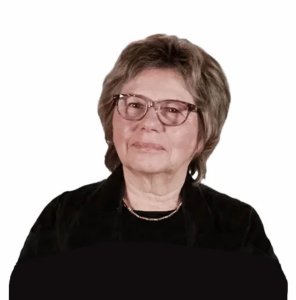
pnina Langevich
البروفيسورة بنينا لانغيفيتش أخصائية روماتيزم ومناعة بخبرة تزيد على 40 عاماً. ترأس المركز الوطني لأمراض الروماتيزم والمناعة الذاتية في مركز شيبا الطبي. اختارتها مجلة فوربس إسرائيل مراراً ضمن أفضل أطباء البلاد.
هي خبيرة في التهاب المفاصل الروماتويدي، والفصال العظمي، وأمراض المفاصل، والذئبة الحمامية الجهازية، وتصلّب الجلد، واضطرابات المناعة الذاتية المعقّدة. تعالج الحالات الشديدة والمقاومة للعلاج باستخدام تقنيات تشخيص متقدمة وعلاج مُخصص.
تلقت تدريبها في طب الروماتيزم والطب الباطني
مشاركة المحتوى
قصص فيديو من مرضى Bookimed
 Anna Leonova
أسئلة متكررة حول علاج التهاب الأوعية الدموية في إسرائيل
من هم كبار المتخصصين في علاج التهاب الأوعية الدموية في إسرائيل؟
من بين كبار المتخصصين في التهاب الأوعية الدموية في إسرائيل البروفيسور دان كاسبي والبروفيسور أوري إلكايام في مركز سوراسكي الطبي. وتقود البروفيسورة ميراف ليدار والبروفيسورة بنينا لانجيفيتز برامج مناعة متقدمة في مركز شيبا الطبي. يستخدم هؤلاء الخبراء العلاجات البيولوجية والتشخيصات المتخصصة للحالات المناعية الذاتية المعقدة.
- البروفيسور دان كاسبي: يعمل في مركز سوراسكي الطبي ومتخصص في الروماتيزم المعقد.
- البروفيسورة ميراف ليدار: ترأس مركز أمراض المناعة الذاتية في مركز شيبا الطبي.
- البروفيسور إلداد بن شيتريت: متخصص في الأمراض الالتهابية الذاتية في مركز هداسا الطبي.
- الخبرة السريرية: غالباً ما يشغل المتخصصون الإسرائيليون أدواراً قيادية في الجمعية الإسرائيلية لأمراض الروماتيزم.
رؤية خبير Bookimed: تُظهر أقسام الروماتيزم الإسرائيلية نمطاً متميزاً من التخصص عبر المستشفيات المختلفة. بينما يخدم مركز سوراسكي الطبي أكثر من 400,000 مريض سنوياً ويتفوق في التجارب البحثية، يعد مركز شيبا الطبي المركز الرئيسي للحالات النادرة والمستعصية. بالنسبة للمرضى الذين يحتاجون إلى حقن بيولوجية عالية التقنية مثل ريتوكسيماب، غالباً ما توفر المستشفيات العامة التابعة للجامعات بروتوكولات سريرية أكثر رسوخاً من العيادات الخاصة الصغيرة.
إجماع المرضى: يشير المرضى إلى أنه على الرغم من أن جودة العلاج استثنائية، إلا أن التعامل مع بيروقراطية المستشفيات يمثل تحدياً بدون دعم لوجستي احترافي. يؤكد الكثيرون على أهمية اختيار مراكز كبرى مثل شيبا أو رابين للحصول على بروت
ما هي خيارات العلاج المتقدمة لالتهاب الأوعية الدموية المتاحة في العيادات الإسرائيلية؟
توفر العيادات الإسرائيلية علاجات متقدمة لالتهاب الأوعية الدموية بما في ذلك علاج الخلايا التائية (CAR-T)، والبروتوكولات البيولوجية، وتصحيح الدم خارج الجسم. يستخدم المتخصصون في المراكز المعتمدة من قبل اللجنة الدولية المشتركة (JCI) مثل مركز سوراسكي الطبي (إيخيلوف) ريتوكسيماب، ومثبطات JAK، وتوسيليزوماب. تستهدف هذه العلاجات مسارات مناعية محددة للسيطرة على الالتهاب الجهازي ومنع تلف الأعضاء بفعالية.
- العلاج البيولوجي: أدوية موجهة مثل ريتوكسيماب وتوسيليزوماب تعمل على حجب بروتينات التهابية محددة.
- علاج CAR-T: هندسة الخلايا التائية المبتكرة في مركز شيبا الطبي تعالج الحالات المقاومة المرتبطة بـ ANCA.
- تبادل البلازما: تعمل فصادة البلازما على إزالة الأجسام المضادة الذاتية الضارة من الدم أثناء النوبات الحادة.
- التشخيص الدقيق: التصوير متعدد الوسائط باستخدام PET-CT والرنين المغناطيسي يتتبع التغيرات الوعائية في الأوعية الكبيرة.
رؤية خبير Bookimed: غالبًا ما توفر أقسام الروماتيزم الإسرائيلية وصولاً أسرع إلى التركيبات البيولوجية التجريبية. تظهر البيانات أن مراكز مثل مركز سوراسكي الطبي (إيخيلوف) تدمج الأبحاث مباشرة في الرعاية السريرية. يقود الدكتور دان كاسبي قسم الروماتيزم هناك بخبرة دولية واسعة. يسمح هذا الارتباط بالأبحاث للمرضى بالوصول إلى مثبطات JAK وبروتوكولات الجرعات الشخصية في وقت مبكر.
إجماع المرضى: يقدر المرضى أن المستشفيات الإسرائيلية تستخدم التنميط الجيني لتخصيص العلاجات البيولوجية. ويلاحظون أن الفرق متعددة التخصصات تتفاعل بسر
ما هي أفضل المستشفيات في إسرائيل لعلاج التهاب الأوعية الدموية؟
تشمل أفضل المستشفيات الإسرائيلية لعلاج التهاب الأوعية الدموية مركز شيبا الطبي ومركز سوراسكي الطبي. تستخدم هذه المرافق فرقاً متعددة التخصصات وعلاجات بيولوجية متقدمة. غالباً ما تحمل العيادات اعتماد اللجنة الدولية المشتركة (JCI). توفر المراكز المتخصصة مثل هداسا ورمبام رعاية قائمة على الأبحاث لحالات المناعة الذاتية المعقدة.
- خبرة متخصصة: يركز الدكتور دان كاسبي في سوراسكي على أمراض الروماتيزم والمناعة المعقدة.
- تشخيص متقدم: تستخدم المرافق التصوير الرقمي والذكاء الاصطناعي لتحديد أنواع معينة من التهاب الأوعية الدموية.
- البحث السريري: تدمج المستشفيات الجامعية مثل هداسا الاكتشافات الجديدة في خطط علاج المرضى.
- نطاق العلاج: تشمل الخيارات العلاجات البيولوجية والبروتوكولات التجريبية للحالات المستعصية.
رؤية خبير Bookimed: على الرغم من أن إسرائيل لديها 26 عيادة في شبكتنا، إلا أن مركز سوراسكي الطبي يبرز بسبب حجمه الكبير. فهو يخدم أكثر من 1,800,000 مريض سنوياً ويعمل به 2,200 طبيب. يسمح هذا النطاق الهائل بتخصص دقيق للغاية. على سبيل المثال، الدكتور دان كاسبي هو عضو مؤسس في برامج الروماتيزم في إسرائيل. بالنسبة للحالات النادرة مثل التهاب الأوعية الدموية، فإن اختيار مركز أكاديمي ذو حجم كبير يضمن الوصول إلى مثل هذه الخبرة الأساسية.
إجماع المرضى: يشير المرضى إلى أن الوحدات القائمة على الأبحاث في مراكز مثل هداسا غالباً ما توفر وصولاً أسرع إلى العلاجات البيولوجية. يقترح الكثيرون استخدام التأمين الخاص لتجاوز قوائم الانتظار العامة الطويلة لاستش
ما هي المدة التي يجب أن يخطط لها المرضى الدوليون للإقامة من أجل علاج التهاب الأوعية الدموية المتقدم في إسرائيل؟
عادةً ما يبقى المرضى الدوليون من أسبوعين إلى 4 أسابيع لتلقي علاج التهاب الأوعية الدموية المتقدم في إسرائيل. تغطي هذه الفترة التشخيص، وبدء العلاج، والمراقبة الحادة. الحالات التي تنطوي على مضاعفات كلوية أو رئوية تتطلب غالبًا من 3 إلى 4 أسابيع. الأنظمة العلاجية الفموية فقط قد تسمح بإقامات أقصر تتراوح من 7 إلى 10 أيام.
- مرحلة التشخيص: تتطلب الفحوصات الشاملة عادةً من 5 إلى 10 أيام في عيادات تل أبيب.
- التحريض المكثف: تستمر بروتوكولات كبت المناعة الوريدية عمومًا من 10 إلى 21 يومًا للحقن الأولية.
- الرعاية الداخلية: غالبًا ما تتضمن الحالات الجهازية الشديدة من 9 إلى 16 يومًا من الاستشفاء المتخصص.
- العلاجات المتقدمة: قد تؤدي العلاجات الخلوية مثل علاج CAR-T إلى تمديد إجمالي الإقامة إلى 10 أسابيع.
رؤية خبير Bookimed: التنسيق بين المتخصصين الإسرائيليين والأطباء في الوطن هو الطريقة الأكثر فعالية لتقليل مدة الإقامة. في مركز سوراسكي الطبي، يشرف خبراء مثل الدكتور دان كاسبي على حالات معقدة غالبًا ما تشمل أقسامًا متعددة. يمكن للمرضى الذين يرتبون لمتابعة عن بعد بعد 10 إلى 14 يومًا من الاستقرار الانتقال بأمان إلى علاج الصيانة في المنزل. اختيار منشأة ذات قدرات طبية عن بعد مدمجة يضمن رعاية مستمرة دون الحاجة إلى رحلات عودة شهرية إلى إسرائيل.
إجماع المرضى: يشير المرضى إلى أنه من المهم تخصيص هامش 5 أيام لتكرار الفحوصات المخبرية أو التصوير غير المتوقع. ويؤكدون أنه على الرغم من أن الإقامة الأولية مكثفة، فإن الانتقال إلى علاج الصيانة يحدث عادةً ب
لماذا تُعد إسرائيل واحدة من الوجهات الرائدة في جراحة الأعصاب؟
تُعدّ إسرائيل مركزًا رائدًا في جراحة الأعصاب بفضل مزيجها من التطورات الطبية عالية التقنية والخبرات الجراحية المتميزة. وتستخدم مرافق متطورة مثل مركز شيبا الطبي أنظمة ملاحة تعتمد على الذكاء الاصطناعي والتصوير بالرنين المغناطيسي أثناء الجراحة في الوقت الفعلي. وتشير المراكز المتخصصة إلى نسبة نجاح تصل إلى 98% في العمليات الجراحية المعقدة، بما في ذلك جراحة الدماغ مع اليقظة وعلاج اضطرابات الحركة.
- التكنولوجيا المتقدمة: تستخدم العيادات الموجات فوق الصوتية المركزة الموجهة بالرنين المغناطيسي (MRgFUS) والأنظمة الروبوتية لإجراء الشقوق.
- الخبرة الجراحية: يقود جراحون مثل الدكتور تسفي رام جمعيات دولية بخبرة تزيد عن 25 عامًا.
- الوصول السريع: يمكن للمرضى الدوليين عادةً تحديد مواعيد لإجراء عمليات جراحية معقدة في الدماغ أو العمود الفقري في غضون 2-4 أسابيع.
- الرعاية الطبية المعتمدة: المراكز الكبيرة مثل سوراسكي (إيشيلوف) وأسوتا معتمدة من قبل اللجنة الدولية المشتركة، مما يؤكد سلامتها.
رأي خبراء بوكيمد: تُظهر البيانات فرقًا واضحًا بين خيارات العلاج في القطاعين العام والخاص في إسرائيل. تُجري المراكز الخاصة، مثل مركز أسوتا الطبي، أكثر من 92,000 عملية جراحية سنويًا، وتتيح للمرضى اختيار جراح را
ما هي أنواع الأمراض العصبية التي يتم علاجها في إسرائيل؟
يعالج جراحو الأعصاب الإسرائيليون طيفاً واسعاً من الحالات، بدءاً من أورام الدماغ والحبل الشوكي وصولاً إلى الاضطرابات الوظيفية المعقدة. وتستخدم المراكز المتخصصة أحدث التقنيات، مثل جهاز جاما نايف، والتحفيز العميق للدماغ، والتصوير بالرنين المغناطيسي أثناء الجراحة، لتشخيص دقيق للغاية لحالات الصرع، ومرض باركنسون، وأمراض الأوعية الدموية الدماغية.
- الأمراض السرطانية: علاج الأورام الدبقية والأورام السحائية وأورام الغدة النخامية باستخدام استئصال قاعدة الجمجمة.
- الاضطرابات الوظيفية: علاج مرض باركنسون والرعاش الأساسي باستخدام التحفيز العميق للدماغ.
- أمراض العمود الفقري: تصحيح الجنف، وانزلاق الغضروف، وأورام العمود الفقري باستخدام الأنظمة الروبوتية.
- علاج أمراض الأوعية الدموية الدماغية: العلاج الجراحي لتمدد الأوعية الدموية الدماغية والتشوهات الشريانية الوريدية باستخدام التدخلات داخل الأوعية الدموية.
- جراحة الأعصاب للأطفال: رعاية متخصصة لاستسقاء الرأس والتشوهات الخلقية في مراكز طب الأطفال المتخصصة.
رأي خبراء بوكيمد: غالبًا ما تجمع المستشفيات الإسرائيلية بين تخصصات طبية متعددة لمعالجة الحالات المعقدة. ففي مركز سوراسكي ا
ما هي المستشفيات في إسرائيل التي تشتهر بأقسام جراحة الأعصاب فيها؟
تضم إسرائيل مراكز جراحة أعصاب عالمية المستوى، مثل مركز سوراسكي الطبي، ومركز شيبا الطبي، ومركز هداسا الطبي. وتُعدّ هذه المؤسسات رائدة عالميًا في علاج أورام الدماغ المعقدة، وأمراض العمود الفقري، واضطرابات الحركة. وتستخدم أحدث التقنيات، مثل جهاز جاما نايف، والأنظمة الروبوتية، والتصوير بالرنين المغناطيسي أثناء الجراحة.
- سوراسكي (إيخيلوف): يجري أكثر من 2500 عملية جراحية عصبية سنوياً في تل أبيب بنسبة نجاح تبلغ 98%.
- مركز شيبا الطبي: مصنف ضمن أفضل عشرة مستشفيات في العالم، حيث يعالج 1.9 مليون مريض سنوياً.
- مركز هداسا الطبي: مرشح لجائزة نوبل للسلام. رائد في جراحة الأعصاب للأطفال والعلاج الجيني.
- مركز أسوتا الطبي: أكبر منشأة طبية خاصة في إسرائيل. متخصص في جراحات العمود الفقري والدماغ طفيفة التوغل.
- مستشفى شنايدر للأطفال: مركز رائد في جراحة الأعصاب للأطفال، يعالج 275000 طفل سنوياً.
رأي خبراء بوكيمد: تُظهر بياناتنا أنه بينما يلجأ معظم المرضى للعلاج في تل أبيب، يُقدّم مركز رامبام الطبي في حيفا رعايةً فريدةً لإصابات الدماغ. فهو يضم وحدةً متخصصةً للعناية المركزة العصبية تُعالج ما يقارب مليون مريض سنويًا. وهذا ما يجعله
من هم أبرز جراحي الأعصاب في إسرائيل؟
من بين أبرز جراحي الأعصاب الإسرائيليين البروفيسور تسفي رام، والبروفيسور شلومي كونستانتيني، والبروفيسور إسحاق فريد من مركز سوراسكي الطبي. ويشغل هؤلاء المتخصصون مناصب قيادية في الجمعية الأوروبية لجمعيات جراحة الأعصاب (EANS) والجمعية العالمية لجراحة الأعصاب التجسيمية والوظيفية (WSSFN). ويستخدمون تقنيات رسم الخرائط المتقدمة أثناء الجراحة وأنظمة الروبوتات.
- البروفيسور تسفي رام: خبير في جراحة أورام الدماغ طفيفة التوغل والعلاج الجيني للسرطان.
- الأستاذ شلومي كونستانتيني: متخصص في إجراءات التنظير العصبي المعقدة للأطفال والجراحة المجهرية لأورام الدماغ.
- الأستاذ إسحاق فريد: خبير في جراحة الصرع، ورسم خرائط الدماغ الوظيفية، وتحفيز الدماغ العميق.
- الدكتور إيلي أشكينازي: جراح عظام رائد في مستشفى أسوتا، متخصص في نظام TOPS المبتكر.
رأي خبراء بوكيمد: تشير بيانات مركز سوراسكي وشيبا إلى وجود علاقة وثيقة بين ارتفاع عدد العمليات الجراحية وسلامة المرضى. فعلى سبيل المثال، يُجري مركز سوراسكي أكثر من 34,000 عملية جراحية لعلاج الأورام سنويًا بنسبة نجاح تصل إلى 90%. لذا، ينبغي على المرضى الذين يحتاجون إلى استئصال أورام معقدة إعطاء الأولوية لمراكز كهذه، حيث يُجري الجراحون مئات العمليات الجراحية ا
ما هي متطلبات المرضى الدوليين القادمين الذين يسعون للحصول على رعاية جراحية عصبية؟
يجب على المرضى الأجانب الذين يحتاجون إلى علاج جراحي للأعصاب في إسرائيل تقديم وثائق طبية كاملة، بما في ذلك نتائج التصوير بالرنين المغناطيسي أو التصوير المقطعي المحوسب الحديثة، مترجمة إلى اللغة الإنجليزية. يتطلب دخول المستشفى فحصًا سريريًا من قبل أخصائيين للتأكد من ملاءمة المريض للعلاج. غالبًا ما تطلب المستشفيات دفعًا مسبقًا كاملًا أو دفعة مقدمة كبيرة قبل تأكيد مواعيد الجراحة أو إصدار وثائق التأشيرة.
- السجلات الطبية: تقديم تقارير مفصلة ونتائج التصوير مترجمة إلى اللغة الإنجليزية في غضون 48 ساعة للمراجعة السريرية.
- إثبات القدرة المالية: يرجى تقديم إثبات توفر الأموال بمبلغ تقريبي يتراوح بين _price_from_ و _price_to_ لتغطية تكاليف العلاج.
- دعم التأشيرة: تقوم عيادات مثل مركز سوراسكي الطبي (إيخيلوف) بإصدار خطابات رسمية للحصول على تأشيرة طبية من نوع B-2.
- مرحلة الاستشارة: غالبًا ما يتم إجراء التقييم الأولي عبر استشارة عبر الإنترنت مع جراحين مثل الدكتور شتراوس إيدو.
رأي خبراء بوكيمد: تُظهر البيانات أن المؤسسات الطبية الإسرائيلية الرائدة، مثل مركز شيبا الطبي ومركز هداسا الطبي، تستقبل عددًا هائلًا من المرضى، يتجاوز مليون مريض سنويًا. هذا الطلب المرتفع يعني أن العيادات تُعطي الأول
كم من الوقت سأحتاج للبقاء في إسرائيل لإجراء جراحة الأعصاب والمتابعة؟
تتراوح مدة الإقامة المعتادة في قسم جراحة الأعصاب في إسرائيل بين 10 و14 يومًا للحالات غير المعقدة. أما المرضى الذين يخضعون لإجراءات معقدة، مثل استئصال ورم دماغي أو تحفيز الدماغ العميق، فغالبًا ما يحتاجون إلى الإقامة لمدة تتراوح بين 4 و6 أسابيع. تشمل هذه الفترة التشخيص قبل الجراحة، والجراحة نفسها، والمتابعة اللازمة بعد العملية.
- مدة الإقامة في المستشفى: تستغرق الإجراءات طفيفة التوغل من يوم إلى ثلاثة أيام. أما عمليات فتح الجمجمة التقليدية فتستغرق في المتوسط من ثلاثة إلى عشرة أيام.
- التعافي في الموقع: بعد الخروج من المستشفى، البقاء في إسرائيل لمدة 7-14 يومًا لإجراء فحوصات المتابعة الإلزامية.
- سلامة الطيران: يوصي الجراحون بالانتظار من 4 إلى 6 أسابيع قبل السفر جواً للسماح لضغط الجمجمة الداخلي بالاستقرار.
- جدول المتابعة: عادة ما يتم إجراء الفحوصات السريرية الشخصية في الأيام 3 و7 و14 بعد الجراحة.
رأي خبراء بوكيمد: تُظهر بيانات مركز سوراسكي الطبي أنه يعالج أكثر من 400,000 مريض سنويًا بنسب نجاح عالية. غالبًا ما تتميز العيادات التي تستقبل هذا العدد الكبير من المرضى، مثل هاداسا وأسوتا، بإجراءات خروج مبسطة. وهذا يُسهّل على المرضى الدوليين الانتقال بسرعة أكبر إلى إعادة التأهيل في ا