أمراض المناعة والحساسية في ألمانيا — التكاليف 2026


تمت مراجعة المقالة طبيا من قبل
فهد مولود
ما هي تكلفة أمراض المناعة والحساسية في ألمانيا؟ اكتشف الآن
تتراوح تكلفة علاج المناعة في ألمانيا عادةً ما بين $3,700 و $7,300. تعتمد التكلفة الإجمالية على ما إذا كنت بحاجة إلى علاج مناعي للحساسية، أو تحاليل دم متخصصة، أو علاجات متقدمة للسرطان. وغالباً ما يجد المرضى الذين يبحثون عن علاج مناعي معقد في ألمانيا وفورات تتراوح بين 30-80% مقارنة بالولايات المتحدة للبروتوكولات المماثلة.
تكاليف علاج المناعة النموذجية في ألمانيا
- تشخيص المرضى الداخليين لأمراض الروماتيزم: السعر عند الطلب
- الفحوصات المخبرية لمرض الذئبة الحمراء الجهازية: من $800
- مراجعة نتائج التصوير بالرنين المغناطيسي: من $340
- علاج الخلايا الجذعية من الحبل السري: $4,500 – $10,500
- علاج الخلايا الجذعية لفيروس نقص المناعة البشرية (HIV): السعر عند الطلب
- العلاج الوريدي بالكركمين: $1,300 – $2,800
تقع مراكز المناعة الرئيسية في برلين وميونخ ودوسلدورف. كما تضم هامبورغ وفرانكفورت عيادات جامعية متخصصة للعلاجات المتقدمة. استشر أخصائياً للحصول على تسعير دقيق لاحتياجاتك الطبية المحددة وخطة علاجك.
| تركيا | إسبانيا | ألمانيا | |
|---|---|---|---|
| علاج تعزيز المناعة | ≈ $1,800 | ≈ $2,200 | ≈ $2,500 |
| تبادل البلازما | ≈ $3,900 | ≈ $2,400 | ≈ $3,800 |
| المعالجة بالدم السري | ≈ $3,500 | ≈ $3,800 | ≈ $4,500 |
| الفصل العلاجي للدم | من $4,500 | ≈ $1,400 | ≈ $1,400 |
| الفصل الانتقائي للدم | ≈ $1,600 | ≈ $1,800 | ≈ $2,800 |
جميع أمراض أمراض المناعة والحساسية
مزاياك وضماناتك مع Bookimed
أسعار مباشرة
Bookimed لا يضيف رسوماً إضافية على أسعار علاج أمراض المناعة والحساسية. الأسعار مأخوذة من قوائم الأسعار الرسمية للعيادات. تدفع مباشرة في العيادة مقابل علاجك عند وصولك إلى البلد.
عيادات وأطباء معتمدون فقط
Bookimed ملتزم بسلامتك. نحن نعمل فقط مع المؤسسات الطبية التي تحافظ على معايير دولية عالية في علاج أمراض المناعة والحساسية ولديها التراخيص اللازمة لخدمة المرضى الدوليين في جميع أنحاء العالم.
مساعدة مجانية على مدار الساعة
Bookimed يقدم مساعدة خبراء مجانية. منسق طبي شخصي يدعمك قبل وأثناء وبعد العلاج، ويحل أي مشاكل. لن تكون وحيداً أبداً في رحلة علاج أمراض المناعة والحساسية.

منسقك الطبي الشخصي في Bookimed
- يدعمك في كل مرحلة
- المساعدة في اختيار العيادة الطبية المناسبة والطبيب المناسب
- يضمن الوصول السريع والمريح إلى المعلومات
اكتشف أفضل عيادات أمراض المناعة والحساسية: 19 خيارات معتمدة والأسعار





Hospital Havelhoehe



Kerckhoff clinic



Heart Center Dresden University Hospital
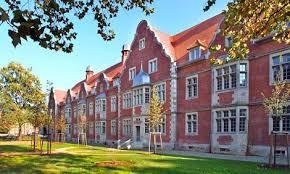
Evangelische Lunge Clinic

Ev.Clinic Hubertus
أفضل مراكز أمراض المناعة والحساسية في ألمانيا
- Medical Center in Solingen, ألمانيا
- Nordwest Clinic (Krankenhaus), ألمانيا
- Nordrhein-Westfalen Clinic Complex, ألمانيا
- Hospital Havelhoehe, ألمانيا
- Charité - Universitätsmedizin Berlin, ألمانيا
- Kerckhoff clinic, ألمانيا
- Medical Center Rechts der Isar , ألمانيا
- Heart Center Dresden University Hospital, ألمانيا
- Evangelische Lunge Clinic, ألمانيا
- Ev.Clinic Hubertus, ألمانيا
احصل على تقييم طبي لـ أمراض المناعة والحساسية في ألمانيا. استشر الآن 8 أطباء ذوي الخبرة.
عرض جميع الأطباء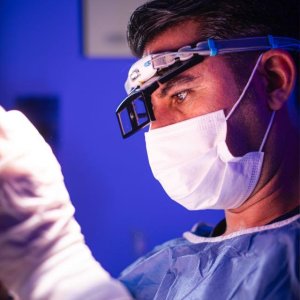
bilal Elbey
الدكتور بلال إلبي يحمل ترخيصاً طبياً ألمانياً (Approbation). تلقى تدريباً سريرياً في طب الأعصاب والطب النفسي في مستشفى كلينيكوم فاهرندورف والجامعة الطبية في هانوفر (MHH) بهانوفر.
يوظّف هذه الخبرة في استعادة الشعر. يقدّم خططاً فردية مبنية على تقييم شامل، مع تركيز واضح على السلامة والنتائج.
شارك في عدة مشاريع أبحاث سريرية. أعماله العلمية مُدرجة على PubMed وGoogle Scholar. يلتزم بالمعايير الطبية الحديثة في علاجاته.
يمارس عمله في ألمانيا ملتزماً بأعلى معايير السلامة والنظافة

Viola Fox
يقود الدكتور فوكس عيادة أمراض الدم والأورام والرعاية التلطيفية في BKZ Solingen - وهو مركز أورام متعدد التخصصات معتمد.
- متخصص في العلاج المناعي والعلاجات الموجهة للأمراض الورامية
- أخصائي مؤهل في علم الوراثة مع خبرة في التشخيص الجزيئي
- باحث نشط في البيولوجيا الجزيئية لعلاجات أمراض الدم والأورام
- خبرة نائب رئيس الأطباء في عيادة أمراض الرئة في كولونيا
- عضو في جمعيات أبحاث الأورام الألمانية والأمريكية

Viktor Alexander Krol
يقود الدكتور فيكتور ألكسندر كرول أقسام أمراض الجهاز الهضمي والطب الباطني في مستشفى سانت مارتينوس دوسلدورف، وهو متخصص في الرعاية الشاملة للجهاز الهضمي والتمثيل الغذائي.
- مدير مركز معتمد لعلاج السمنة باستخدام تقنيات السمنة المتقدمة
- خبير في الإجراءات التنظيرية لاضطرابات الجهاز الهضمي
- متخصص في علاجات التمثيل الغذائي ونظام القلب والأوعية الدموية
- يستخدم أحدث تقنيات التشخيص لخطط العلاج الدقيقة
المراجعات
جميع المراجعاتمواد ذات صلة

حاولوا شفاء السرطان لكنهم شفوا .. HIV!
كتب بواسطة Veronika Kazina

طرق علاج الإيدز في إسرائيل
كتب بواسطة Veronika Kazina

طرق علاج فيروس نقص المناعة البشرية والإيدز
كتب بواسطة Veronika Kazina

طرق تشخيص فيروس نقص المناعة البشرية والإيدز
كتب بواسطة Veronika Kazina
مشاركة المحتوى
قصص فيديو من مرضى Bookimed
 Anna Leonova
أسئلة متكررة حول أمراض المناعة والحساسية في ألمانيا
هل العلاج المناعي متاح لجميع أنواع السرطان في ألمانيا؟
العلاج المناعي متاح في ألمانيا للعديد من أنواع السرطان ولكنه ليس عالميًا لكل نوع. تعتمد إمكانية الوصول على ملف تعريف الورم المحدد، ومرحلة السرطان، ومعايير العلاج الدولية. تشمل الخيارات القياسية مثبطات نقاط التفتيش، وعلاج الخلايا التائية CAR-T، واللقاحات المضادة للأورام المخصصة لسرطان الجلد والرئة والكلى.
- العلاجات الرئيسية: توفر العيادات مثبطات نقاط التفتيش، وعلاج CAR-T، ومجموعات العلاج الموجه.
- الخبرة السريرية: تتخصص البروفيسورة الدكتورة إلكه ييغر في عيادة نوردويست في اللقاحات المضادة للأورام الفردية.
- المراكز المعتمدة: المركز الطبي في سولينغن وعيادة شمال الراين وستفاليا معتمدان من قبل الجمعية الألمانية للسرطان.
- الجدول الزمني للوصول: تستغرق مراجعات التأمين والطب للعلاجات المتخصصة عادةً من 4 إلى 8 أسابيع.
رؤية خبير Bookimed: تُظهر البيانات من المراكز ذات الحجم الكبير مثل شاريتيه وعيادة نوردويست اتجاهًا نحو معاهد البحوث المتكاملة. غالبًا ما تمنح هذه العيادات وصولاً أسرع إلى البروتوكولات التجريبية للأورام النادرة. يستفيد المرضى الذين يختارون المستشفيات التابعة للجامعات عادةً من مجالس الأورام الجزيئية التي تقيم أهلية العلاج المناعي خارج التسمية بشكل أكثر فعالية من المرافق الأصغر.
إجماع المرضى: يجد المرضى المصابون بسرطان الجلد أو سرطان الرئة أن الوصول سهل نسبيًا، على الرغم من أن آخرين يشيرون إلى أن حالات المرحلة المبكرة تواجه أحيانًا عقبات موافقة أكثر صرامة. يُقترح بشدة إحضار نتائج الاختبارات الجزيئية الكاملة، مثل حالة
ما مدى أمان العلاج بالخلايا التغصنية (DCT) في ألمانيا؟
يعد العلاج بالخلايا التغصنية في ألمانيا علاجاً مناعياً آمناً وذا قدرة عالية على التحمل. يعاني معظم المرضى من أعراض خفيفة تشبه أعراض الإنفلونزا لمدة 48 ساعة فقط. يستخدم الإجراء خلايا المريض نفسه لتجنب تلف الأنسجة. تتبع الإجراءات معايير الجودة الأوروبية (EU-GMP) وتخضع لعمليات تدقيق حكومية سنوية.
- آثار جانبية طفيفة: يبلغ معظم المرضى عن حمى مؤقتة أو إرهاق أو احمرار في موقع الحقن فقط.
- إشراف الخبراء: تتمتع البروفيسورة الدكتورة إلكه ييغر في عيادة نوردويست بخبرة تزيد عن 30 عاماً.
- مرافق عالية التقنية: تستخدم المراكز المعتمدة مثل المركز الطبي "ريختس دير إيزار" التصوير الرقمي.
- جودة معتمدة: تمتلك أفضل العيادات اعتمادات من الجمعية الألمانية للسرطان وJCI أو KTQ.
رؤية خبير Bookimed: غالباً ما تدمج العيادات الألمانية المتخصصة في لقاحات مكافحة السرطان العلاج مع التشخيص الجزيئي. تظهر البيانات أن مراكز مثل عيادة نوردويست، التي تخدم أكثر من 61,000 مريض سنوياً، توفر أماناً أفضل. يسمح حجم عملهم الكبير ببروتوكولات دقيقة تقلل من خطر الالتهابات المرتبطة بالمناعة. يجب على المرضى إعطاء الأولوية للعيادات التي تحتوي على مختبرات معتمدة من GMP في الموقع لضمان نقاء اللقاح.
إجماع المرضى: يجد العديد من المرضى أن الآثار الجانبية أسهل بكثير في التعامل معها مقارنة بالعلاج الكيميائي التقليدي. من المهم التعامل مع هذا كعلاج إضافي والتحقق من بروتوكولات العيادة من خلال السجلات الرسمية قبل البدء.
ما هي الأنواع الرئيسية للعلاج المناعي المقدمة؟
توفر العيادات الألمانية علاجاً مناعياً متطوراً بما في ذلك مثبطات نقاط التفتيش، وعلاج الخلايا التائية (CAR-T)، واللقاحات المضادة للأورام. يستخدم المتخصصون التشخيص الجزيئي مثل اختبارات PD-L1 لمطابقة العلاجات مع الملفات الجينية. تقدم مرافق مثل عيادة نوردويست وشاريتيه برلين هذه العلاجات لمختلف أنواع السرطان والاضطرابات المناعية.
- مثبطات نقاط التفتيش: تعمل هذه الأدوية على حجب بروتينات مثل PD-1 لمساعدة الخلايا التائية على مهاجمة السرطان.
- علاج الخلايا التائية (CAR-T): تعديل الخلايا التائية لتحديد وتدمير خلايا سرطانية محددة.
- اللقاحات المضادة للأورام: لقاحات مخصصة يتم تطويرها في مراكز مثل عيادة نوردويست للعلاج الموجه.
- النهج المشترك: غالباً ما يجمع الخبراء بين العلاج المناعي والعلاج الكيميائي أو الإشعاعي للحصول على نتائج أفضل.
- العلاج الموجه: علاجات قائمة على الجزيئات مصممة لمهاجمة علامات محددة على ورم المريض.
رؤية خبير Bookimed: تظهر البيانات أن المراكز الألمانية الرائدة مثل عيادة نوردويست تدمج معاهد البحوث مباشرة في رعاية المرضى. وهذا يسمح لأطباء مثل البروفيسورة الدكتورة إلكه ييغر بتنفيذ لقاحات علاجية غالباً ما تكون غير متوفرة في أماكن أخرى. هذا الانتقال السلس من المختبر إلى العيادة يسرع بشكل كبير الوصول إلى علاجات جديدة.
إجماع المرضى: يشير المرضى إلى أن التنميط التفصيلي للورم هو خطوة أولى حيوية. وغالباً ما يذكرون أنه على الرغم من اختلاف أوقات الاستجابة، فإن التواصل مع مجتمعات دعم محددة يساعد في إ
كم من الوقت يجب أن أبقى في ألمانيا لتلقي العلاج؟
تعتمد إقامتك لعلاج المناعة في ألمانيا على مدى تعقيد بروتوكول العلاج. غالبًا ما تستغرق الفحوصات التشخيصية بضع ساعات. يبلغ متوسط فترة العلاج في المستشفى 7 أيام. تتطلب العلاجات المعقدة مثل زراعة الخلايا الجذعية أو العلاج المناعي المكثف عادةً من 3 إلى 6 أسابيع للمراقبة والاستقرار.
- المرحلة التشخيصية: تتطلب الاستشارات الأولية والتخطيط عادةً من 2 إلى 5 أيام في ألمانيا.
- الحقن الوريدي القياسي: غالبًا ما يبقى المرضى الذين يتلقون الأدوية البيولوجية أو الغلوبولين المناعي الوريدي (IVIG) لمدة تتراوح بين أسبوعين إلى 3 أسابيع.
- علاج الخلايا الجذعية: تتطلب الإجراءات المكثفة مثل علاج الخلايا الجذعية من 4 إلى 6 أسابيع للتعافي.
- حدود التأشيرة: تغطي تأشيرات شنغن ما يصل إلى 90 يومًا للعلاجات الطبية قصيرة الأجل.
رؤية خبراء Bookimed: تتعامل المستشفيات الأكاديمية مثل مستشفى شاريتيه - جامعة برلين الطبية أو عيادة نوردويست مع أعداد هائلة من المرضى. تعالج شاريتيه وحدها أكثر من 845,000 مريض سنويًا. يسمح هذا الحجم الكبير لهذه المراكز بتبسيط الجداول الزمنية للتشخيص. غالبًا ما يكمل المرضى فحوصات المناعة الشاملة في 3 أيام بدلاً من أسابيع.
إجماع المرضى: يشير المرضى إلى أنه من المهم التخطيط لفترة احتياطية مدتها أسبوع واحد لتأخيرات العلاج المحتملة. ينسق الكثيرون مع الأطباء في بلدانهم الأصلية لمتابعة الرعاية للحفاظ على فترة إقامتهم في ألمانيا أقل من 12 يومًا.
ما هي المستندات المطلوبة للقبول الدولي؟
يتطلب القبول الدولي لبرامج علم المناعة في ألمانيا جواز سفر ساري المفعول، وسجلات أكاديمية، وشهادات دراسية مصدقة. غالبًا ما يحتاج المتقدمون من خارج الاتحاد الأوروبي إلى تصديق (Apostille) أو شهادة APS. تعد درجات إتقان اللغة الإنجليزية أو الألمانية الموحدة وإثبات الدعم المالي إلزامية لجميع المرشحين.
- السجلات الأكاديمية: قدم سجلات وشهادات رسمية مع ترجمة معتمدة باللغة الألمانية أو الإنجليزية.
- إتقان اللغة: قدم درجات TOEFL أو IELTS أو TestDaF التي تلبي متطلبات البرنامج المحددة.
- الإثبات المالي: أظهر حسابًا بنكيًا مغلقًا يحتوي على حوالي 11,000 يورو لتغطية نفقات المعيشة.
- المستندات الداعمة: أرفق خطاب تحفيزي مخصص، وسيرة ذاتية، وخطابي توصية من أساتذة جامعيين.
رؤية خبير Bookimed: ركز على العيادات ومراكز الأبحاث ذات أعداد المرضى الكبيرة لتقييم قوة البرنامج. يخدم مستشفى شاريتيه - يونيفرسيتيتس ميديسين برلين أكثر من 845,000 مريض سنويًا وهو أشهر مستشفى جامعي في أوروبا. غالبًا ما توفر المؤسسات التي تتمتع بهذا المستوى من الخبرة السريرية فرصًا فائقة للتواصل البحثي لطلاب علم المناعة.
إجماع المرضى: يلاحظ المرضى والطلاب أن البيروقراطية الألمانية صارمة للغاية. يؤكد الكثيرون على ضرورة بدء عملية شهادة APS وترجمة المستندات قبل 6 أشهر على الأقل لتجنب تفويت المواعيد النهائية.
هل أحتاج إلى تأشيرة طبية؟
عادةً ما يحتاج المرضى المسافرون للعلاج المناعي في ألمانيا إلى تأشيرة شنغن (النوع C) للعلاجات التي تقل مدتها عن 90 يومًا. يجب عليك تحديد الغرض الطبي أثناء تقديم طلبك. بالنسبة للعلاجات الأطول مثل بروتوكولات الخلايا الجذعية المكثفة، يلزم الحصول على تأشيرة وطنية (النوع D) لتجنب التعقيدات القانونية.
- نوع التأشيرة: استخدم تأشيرة شنغن من النوع C للاستشارات القصيرة أو العلاجات الوريدية التي تقل مدتها عن 90 يومًا.
- الإقامات الطويلة: تقدم بطلب للحصول على تأشيرة وطنية من النوع D إذا تجاوز العلاج 3 أشهر.
- المستند المطلوب: توفر المستشفيات مثل Charite - Universitätsmedizin Berlin خطابات دعوة طبية رسمية.
- إثبات مالي: يجب أن يغطي إثبات الأموال تكاليف العلاج التي تتراوح من _price_from_ إلى _price_to_.
رؤية خبراء Bookimed: تتعامل المستشفيات الجامعية الألمانية مثل Charite - Universitätsmedizin Berlin أو عيادة Nordwest (Krankenhaus) مع أعداد كبيرة من المرضى، حيث يستقبل مستشفى Charite أكثر من 800,000 شخص سنويًا. وبسبب هذا النطاق، فإن أقسامهم الدولية فعالة للغاية في إصدار خطابات 'الدعوة الطبية' المحددة التي تطلبها السفارات. الحصول على هذا الخطاب مبكرًا هو الخطوة الأكثر أهمية لمنع تأخير التأشيرة لحالات المناعة المعقدة.
إجماع المرضى: يشير المرضى إلى أنه على الرغم من أن تأشيرة السياحة العادية تعمل للفحوصات السريعة، فإن الحصول على وضع طبي رسمي على تأشيرتك أكثر أمانًا للرعاية الداخلية. ويؤكدون على ضرورة الحصول على خطاب دعوة المستشفى على الفور
ما هي المستشفيات في ألمانيا التي تحظى بأعلى التقييمات في جراحة الأعصاب؟
تضم ألمانيا بعضًا من أرقى أقسام جراحة الأعصاب في العالم، بقيادة مستشفى شاريتيه الجامعي في برلين ومستشفى جامعة هايدلبرغ. وتتميز هذه المراكز بخبرتها الواسعة في علاج أورام الدماغ المعقدة وأمراض الأوعية الدموية الدماغية. ولتحقيق أقصى قدر من الفعالية في عملياتها، تستخدم هذه المراكز أحدث التقنيات، مثل التصوير بالرنين المغناطيسي أثناء الجراحة والتوجيه العصبي بمساعدة الحاسوب.
- مستشفى شاريتيه برلين: يُجري أكثر من 5000 عملية جراحية سنوياً. ويرأس العيادة جراح الأعصاب الشهير الدكتور بيتر فايكوتشي.
- المركز الطبي في سولينجن: أجرى الدكتور رالف بوهل أكثر من 4000 عملية جراحية، بما في ذلك جراحات العمود الفقري طفيفة التوغل.
- عيادة أسكليبيوس نورد: مجهزة بنظام التصوير بالرنين المغناطيسي الثنائي الوحيد في ألمانيا أثناء الجراحة لضمان الدقة الجراحية في الوقت الحقيقي أثناء إزالة الورم.
- عيادة نوردويست: تم الاعتراف بها من قبل مجلة نيوزويك كمستشفى رائد في مجال الابتكار في تكنولوجيا الموجات فوق الصوتية ثلاثية الأبعاد.
رأي خبراء بوكيمد: تشير البيانات إلى أن اختيار المراكز ذات الحجم الجراحي الكبير غالبًا ما يؤدي إلى توصيات علاجية أكثر تحفظًا. ففي مركز سولينجن الطبي، الذي يعالج أكثر من 60,000 مريض
ما هي نسب نجاح العمليات الجراحية العصبية المعقدة في ألمانيا؟
في ألمانيا، تتميز العمليات الجراحية العصبية بالغة التعقيد بمستوى أمان استثنائي. تصل نسبة نجاح عمليات دمج الفقرات إلى 99%، بينما تبلغ نسبة النجاة بعد استئصال أورام الدماغ الأولية 97%. كما يتمتع المرضى بقدرة عالية على الاعتماد على أنفسهم في أداء وظائفهم اليومية، حيث يغادر أكثر من 82% منهم المستشفى مباشرةً بعد العلاج. وتولي المراكز الألمانية اهتماماً بالغاً بالحفاظ على الوظائف العصبية باستخدام أحدث تقنيات التخطيط العصبي.
- استئصال الورم: يحقق الجراحون استئصالًا كاملاً للورم في 87.2% من حالات النقائل الدماغية.
- النجاح في علاج أمراض الأوعية الدموية: أفادت المستشفيات الألمانية بنسبة نجاة بلغت 98.7% لحالات تمدد الأوعية الدموية غير الممزقة.
- تحسن الحالة العصبية: يشهد ما يقرب من 43% من المرضى تحسناً في المعايير الوظيفية بعد عمليات الاستئصال المعقدة.
- سلامة التدخلات الجراحية: في المراكز الجراحية الكبيرة، تتراوح معدلات بقاء المرضى على قيد الحياة بعد جراحة العمود الفقري بين 98-99%.
رأي خبراء بوكيمد: يُجري جراحون ذوو خبرة، مثل الدكتور أوفه كولر من عيادة أسكليبيوس ألتونا، أكثر من 2000 عملية جراحية سنويًا. تُشير البيانات إلى أن هؤلاء المتخصصين يحافظون على معدلات نجاح تصل إلى 90%، حتى
ما هي التقنيات المتقدمة المتوفرة عادةً في عيادات جراحة الأعصاب الألمانية؟
تُدخل عيادات جراحة الأعصاب الألمانية بانتظام أدوات رقمية عالية الدقة وتقنيات تصوير فوري في الممارسة الجراحية. تشمل التقنيات الرئيسية الملاحة العصبية الحاسوبية لجراحات الدماغ والحبل الشوكي. تستخدم مؤسسات مثل عيادة أسكليبيوس نورد التصوير بالرنين المغناطيسي أثناء الجراحة للتحقق من استئصال الورم في الوقت الفعلي. توفر هذه الأنظمة للجراحين نظام ملاحة ثلاثي الأبعاد.
- الملاحة العصبية: توفر تصورًا ثلاثي الأبعاد وتتبعًا فوريًا للأدوات لتحقيق دقة جراحية تصل إلى مستوى أقل من المليمتر.
- التصوير أثناء العملية: تسمح أنظمة مثل التصوير بالرنين المغناطيسي أثناء العملية (iMRI) والتصوير المقطعي المحوسب ذي الذراع O (O-arm CT) بالتأكيد الفوري على نجاح عملية الاستئصال.
- المراقبة العصبية: تراقب الوظائف الحركية والحسية أثناء الجراحة لحماية الجهاز العصبي.
- التشخيص الفلوري: يتم استخدام صبغة 5-ALA لتسليط الضوء على حدود الورم من أجل إزالته بشكل أكثر اكتمالاً.
- المساعدة الروبوتية: تعمل أنظمة مثل نظام دافنشي على تحسين الدقة في الإجراءات المعقدة ذات التدخل الجراحي البسيط.
رأي خبراء بوكيمد: تُجري مراكز طبية كبيرة، مثل مستشفى شاريتيه الج
ما هي التدريبات المتخصصة التي يتلقاها جراحو الأعصاب الممارسون في ألمانيا؟
في ألمانيا، يتعين على جراحي الأعصاب إكمال برنامج إقامة تخصصي لمدة ست سنوات بعد التخرج من كلية الطب. يشمل هذا البرنامج المنظم العناية المركزة، والتدريب السريري، وكتابة مقالات في مجلة جراحية إلزامية. بعد ذلك، يجتاز المرشحون امتحانًا حكوميًا للحصول على لقب طبيب مقيم (Facharzt für Neurochirurgie).
- الإقامة السريرية: تتطلب من 48 إلى 72 شهرًا من الممارسة المتخصصة في جراحة الأعصاب.
- العناية المركزة: تتضمن فترة تدريب إلزامية لمدة 6 أشهر في وحدة العناية المركزة لجراحة الأعصاب.
- المجلة الجراحية: يوثق الجراحون مئات العمليات الجراحية، بما في ذلك عمليات فتح الجمجمة وجراحات العمود الفقري.
- امتحان الترخيص: يجب على المتقدمين اجتياز امتحان طبي شفوي وعملي تديره الدولة.
رأي خبراء بوكيميد: يركز التدريب الألماني في جراحة الأعصاب على الخبرة الجراحية الواسعة. فعلى سبيل المثال، أجرى الدكتور رالف بول من المركز الطبي في سولينجن أكثر من 4000 عملية جراحية. ويتمتع الدكتور يورغن كيويت من مستشفى ميوكلينيك بخبرة تزيد عن 25 عامًا. يضمن هذا النظام الدقيق أن يتعامل المتخصصون في المراكز الكبرى مع الحالات المعقدة بدقة مثبتة.
آراء المرضى: يشع