DNTRIPLED Medical Services مركز العلاج بالأفريز العلاجي
بولندا, وارسو


تمت مراجعة المقالة طبيا من قبل
فهد مولود
تتراوح تكلفة علاج المناعة في بولندا عادةً ما بين $2,900 و $5,200، وذلك اعتماداً على مدى تعقيد اضطراب المناعة والعلاج المحدد المطلوب. تختلف التكاليف بناءً على نوع العلاج، مثل العلاج المتقدم بالخلايا الجذعية أو الحقن الوريدي، ومدة البرنامج العلاجي. غالباً ما يجد المرضى توفيراً يتراوح بين 50-70% مقارنة بالأسعار في الولايات المتحدة.
تكاليف علاج المناعة النموذجية في بولندا
تقع معظم مراكز المناعة المتخصصة في وارسو وكراكوف وغدانسك. وفي حين أن الأسعار متسقة بشكل عام في جميع أنحاء البلاد، فقد توفر المراكز الكبرى مثل وارسو مجموعة أوسع من خيارات التشخيص. استشر أخصائياً للحصول على تسعير دقيق لاحتياجاتك الطبية المحددة.
| بولندا | تركيا | إسبانيا | |
|---|---|---|---|
| علاج تعزيز المناعة | ≈ $1,200 | ≈ $1,800 | ≈ $2,200 |
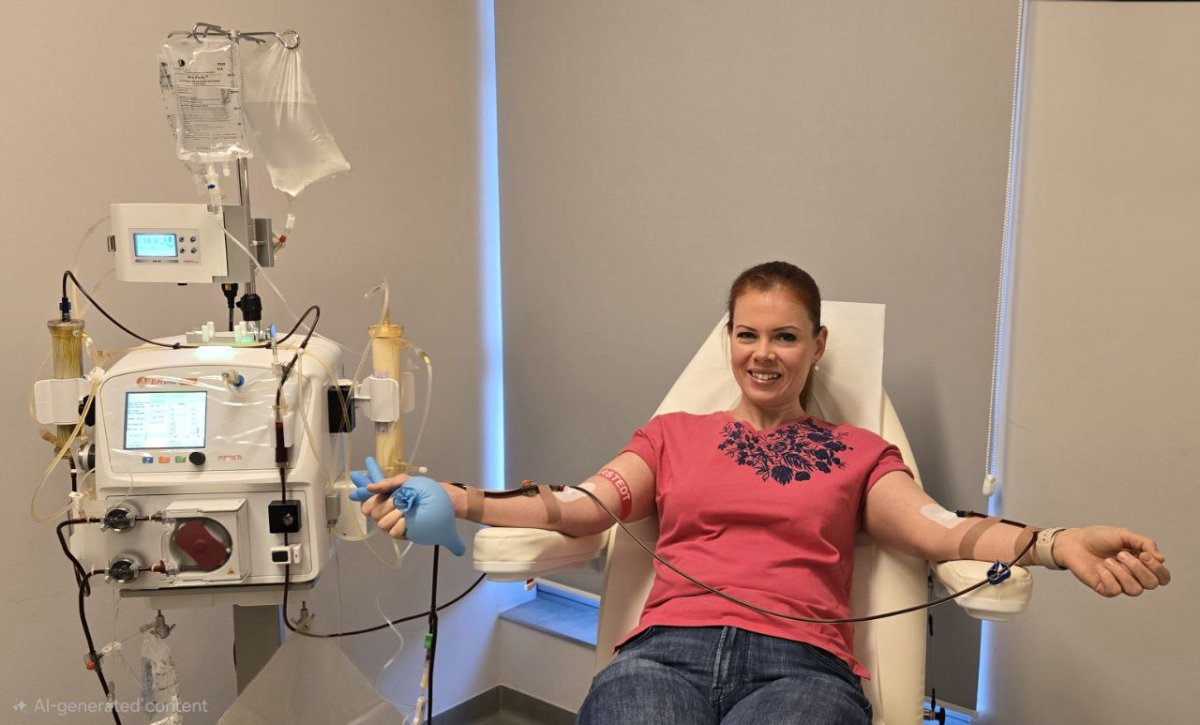
| تبادل البلازما | ≈ $1,800 | ≈ $3,900 | ≈ $2,400 |
| المعالجة بالدم السري | ≈ $4,000 | ≈ $3,500 | ≈ $3,800 |
| الفصل العلاجي للدم | من $3,200 | من $4,500 | ≈ $1,400 |
| الفصل الانتقائي للدم | من $3,200 | ≈ $1,600 | ≈ $1,800 |
Bookimed لا يضيف رسوماً إضافية على أسعار علاج أمراض المناعة والحساسية. الأسعار مأخوذة من قوائم الأسعار الرسمية للعيادات. تدفع مباشرة في العيادة مقابل علاجك عند وصولك إلى البلد.
Bookimed ملتزم بسلامتك. نحن نعمل فقط مع المؤسسات الطبية التي تحافظ على معايير دولية عالية في علاج أمراض المناعة والحساسية ولديها التراخيص اللازمة لخدمة المرضى الدوليين في جميع أنحاء العالم.
Bookimed يقدم مساعدة خبراء مجانية. منسق طبي شخصي يدعمك قبل وأثناء وبعد العلاج، ويحل أي مشاكل. لن تكون وحيداً أبداً في رحلة علاج أمراض المناعة والحساسية.



كتب بواسطة Veronika Kazina

كتب بواسطة Veronika Kazina

كتب بواسطة Veronika Kazina

كتب بواسطة Veronika Kazina
 Anna Leonova
تعد وارسو وكراكوف وفروتسواف المراكز الرئيسية للمناعة المتقدمة في بولندا. تستضيف هذه المدن مراكز مرجعية وطنية متخصصة في نقص المناعة والعلاجات التجريبية. وارسو هي الرائدة في الحالات الطبية للأطفال المعقدة. وتشتهر فروتسواف بأبحاثها في العاثيات (البكتيريا) والعلاج المناعي للسرطان.
رؤية خبير Bookimed: تظهر الأنماط الجغرافية أن العيادات في مدن مثل تورون ووارسو تعطي الأولوية لمعايير الجودة الدولية. يحتفظ مستشفى ماتوبات في تورون بشهادة ISO 9001:2000 لأكثر من 20 عاماً. غالباً ما يؤدي هذا الالتزام طويل الأمد بالبروتوكولات الموحدة إلى جداول زمنية تشخيصية أكثر قابلية للتنبؤ للمرضى الأجانب.
إجماع المرضى: يسلط المرضى الضوء على وارسو كخيار أول للمتخصصين الذين يقدمون العلاج المناعي الحديث تحت اللسان. ويشير أولئك الذين يسافرون إلى غدانسك إلى أن المراكز الجامعية المحلية توفر كتابة HLA عالية الجودة لعمليات الزرع على قدم المساواة مع المراكز الأورو
تشمل العلاجات المناعية المتقدمة في بولندا علاج الخلايا التائية CAR-T، ومثبطات نقاط التفتيش المناعية، والأجسام المضادة وحيدة النسيلة. يحصل المرضى على هذه العلاجات في مراكز أكاديمية معتمدة في وارسو وجليفيتسه وبوزنان. تعالج البرامج المتخصصة الأورام اللمفاوية العدوانية، وسرطان الدم، والميلانوما، وسرطان الرئة باستخدام خلايا معدلة وراثيًا أو أدوية موجهة.
رؤية خبير Bookimed: بينما يبحث الكثيرون عن أورام عالية التقنية، تكمن قوة بولندا في بنيتها التحتية المتخصصة. يستخدم معهد الجراحة السيبرانية Cyberknife تكنولوجيا فريدة ممولة من أوروبا. غالبًا ما يسرع هذا التخصص الطريق إلى العلاج المناعي المتقدم من خلال الجمع بين التشخيص الدقيق والعلاجات البيولوجية الموجهة في موقع واحد.
إجماع المرضى: يشير المرضى إلى أن المستشفيات الجامعية في المدن الكبرى هي الخيار الأفضل للوصول إلى علاج CAR-T. يذكر الكثيرون أن التنقل في عملية الموافقة العامة التي تستغرق من 3 إلى 6 أشهر يتطلب صبرًا كبيرًا وتخطيطًا مبكرًا.
يتم تغطية علاجات المناعة في بولندا من خلال الأموال العامة لأعضاء الصندوق الوطني للصحة (NFZ) وأولئك الذين يحملون بطاقات التأمين الصحي الأوروبية (EHIC). غالبًا ما يقوم التأمين الخاص بتغطية 70% إلى 100% من التكاليف في العيادات الخاصة. يتحدث الأطباء اللغة الإنجليزية على نطاق واسع في المدن البولندية الكبرى مثل وارسو وكراكوف.
رؤية خبير Bookimed: تظهر بياناتنا أن العيادات في كراكوف مثل Centrum Chirurgii Robotycznej تقدم مساعدة متخصصة للمرضى الذين يسعون للحصول على تعويض من التأمين الاجتماعي. هذه خدمة حيوية إذا كنت مواطنًا في الاتحاد الأوروبي. تستخدم بعض المرافق أيضًا نظام الدفع Mediraty. هذا يسمح لك بتقسيم تكاليف المناعة العالية إلى أقساط شهرية يمكن إدارتها.
إجماع المرضى: يشير المرضى إلى أنه على الرغم من أن النظام العام مجاني لحالات الطوارئ، إلا أنه من الأسرع بكثير الذهاب إلى القطاع الخاص للعلاجات الاختيارية. يوصون باستخدام تطبيقات الترجمة للأوراق في المستشفيات العامة، على الرغم من أن معظم الأطباء الأصغر سنًا يتحدثون الإنجليزية بطلاقة.
للتحضير لموعد في عيادة المناعة في بولندا، يجب عليك تنظيم سجلاتك الطبية ووثائقك. أحضر جواز سفر ساري المفعول، وأي نتائج سابقة لتحاليل الدم، وقائمة بالأدوية الحالية. إذا كنت تسعى للحصول على تشخيص للحساسية، توقف عن تناول مضادات الهيستامين قبل 7 أيام على الأقل من موعد استشارتك المحدد.
رؤية خبير Bookimed: تظهر بيانات التنسيق أن اختيار العيادات الخاصة في مدن مثل وارسو أو كراكوف يقلل بشكل كبير من أوقات الانتظار. في حين أن المواعيد في النظام العام قد تستغرق من 2 إلى 6 أشهر، غالباً ما يوفر المتخصصون في القطاع الخاص إمكانية الحجز في نفس اليوم. توفر المرافق التي تعتمد على التكنولوجيا الرقمية مثل مستشفى ماتوبات (Hospital Matopat)، الحاصل على شهادة ISO 9001:2000، تجارب إدارية أكثر سلاسة للمرضى الدوليين.
إجماع المرضى: يقترح المرضى استخدام تطبيقات الترجمة لضمان دقة وصف الأعراض. كما يوصون بالوصول قبل 15 دقيقة لإكمال نماذج التسجيل قبل مقابلة الأخصائي.
تُقدم جراحة الأعصاب في بولندا رعاية عالية الجودة في مرافق معتمدة من قبل اللجنة الدولية المشتركة (JCI) والمنظمة الدولية للمعايير (ISO). يلتزم جراحو الأعصاب البولنديون بمعايير تدريب صارمة معتمدة من قبل الاتحاد الأوروبي. وقد أكمل العديد منهم زمالات في الولايات المتحدة أو ألمانيا. وتتوفر التقنيات المتقدمة، مثل جهاز سايبر نايف وجهاز جاما نايف والأنظمة الروبوتية، على نطاق واسع في المراكز الخاصة.
رأي خبراء بوكيمد: تُظهر البيانات وجود علاقة وثيقة بين تخصص العيادة وأصول مرضاها. تعالج عيادة KCM أكثر من 700 مريض دولي سنويًا، وهي متخصصة في جراحة العمود الفقري طفيفة التوغل. يُمكّنها هذا الحجم من العمل من تقديم باقات خدمات متخصصة، تشمل غالبًا حواجز تشخيصية وزرعات محددة،
يُعدّ جراحو الأعصاب البولنديون متخصصين ذوي كفاءة عالية، إذ أتموا ما لا يقل عن 13 عامًا من التدريب الطبي المكثف. يشمل ذلك ست سنوات من الدراسة في كلية الطب، و13 شهرًا من التدريب العملي، وست سنوات من الإقامة. ويجب عليهم اجتياز امتحان التخصص الحكومي (PES)، وغالبًا ما يحصلون على شهادة من الجمعية الأوروبية لجمعيات جراحة الأعصاب (EANS).
رأي خبراء بوكيميد: تشير البيانات إلى أن جراحي الأعصاب البولنديين غالبًا ما يتخصصون في تقنيات بالغة التخصص، مثل نظام ApiFix أو نظام SED-YESS لتنظير الفقرات القطنية. ويجمع أخصائيون مثل الدكتور ستانيسواف كويك من عيادة KCM بين أبحاث ما بعد الدكتوراه والممارسة الجراحية النشطة. هذا المزيج من المعرفة الأكاديمية المتعمقة والخبرة الجراحية الوا
من بين أفضل عيادات جراحة الأعصاب في بولندا مستشفى كارولينا، وعيادة KCM، ومراكز أكاديمية رائدة مثل مستشفى جامعة كراكوف. تقدم هذه المؤسسات علاجات متطورة لأمراض العمود الفقري والدماغ، مطابقة لمعايير الجودة ISO، وتضم أخصائيين أعضاء في منظمات دولية مثل AO Spine.
رأي خبراء بوكيمد: بينما يتجه الكثيرون إلى أكبر المستشفيات، تُظهر البيانات أن عيادات مثل مستشفى كارولينا تُقدم كفاءة أعلى في العمليات الجراحية الاختيارية. فمع وجود أكثر من 40 طبيباً متخصصاً في هذه المنشأة التي تضم 30 سريراً، تكون نسبة الأطباء إلى المرضى أعلى بكثير مما هي عليه في المراكز الجامعية الحكومية. وهذا يعني رعاية ما بعد الجراحة أكثر عناية، وجدولة أسرع بكثير لإجراءات مثل علاج الانزلاق الغضروفي
في بولندا، يركز طب جراحة الأعصاب بشكل أساسي على جراحات العمود الفقري واستئصال أورام الدماغ. وتُجري المستشفيات بشكل متكرر عمليات استئصال القرص المجهرية، ودمج الفقرات، وتحفيز الدماغ العميق. وتستخدم مراكز مثل مستشفى كارولينا وعيادة كي سي إم تقنيات طفيفة التوغل لعلاج الانزلاق الغضروفي، وإصابات العمود الفقري، والاضطرابات العصبية المعقدة.
رأي خبراء بوكيميد: أصبحت بولندا مركزًا متخصصًا في تثبيت العمود الفقري. تتعاون عيادات مثل مستشفى كارولينا مع الفرق الرياضية الوطنية، مما يعكس خبرتها العالية في علاج إصابات العمود الفقري المعقدة. تُظهر بياناتنا أن هذه المؤسسات غالبًا ما تُدمج إعادة التأهيل مباشرةً في العلاج الجراحي. هذا الدمج يقلل من خطر الم
تتوفر خدمات إعادة التأهيل العصبي على نطاق واسع في بولندا من خلال مراكز متخصصة ومستشفيات متعددة التخصصات. وتشمل هذه البرامج التعافي بعد السكتة الدماغية، وإصابات الحبل الشوكي، والأمراض التنكسية. وتقدم مؤسسات مثل مستشفى كارولينا في وارسو وعيادة KCM علاجًا تحت إشراف طبي. وتتضمن معظم برامج جراحة الأعصاب تقييمًا أوليًا لإعادة التأهيل بعد العملية.
رأي خبراء بوكيمد: تشير البيانات إلى أن العيادات التي تستقبل أعدادًا كبيرة من المرضى الدوليين، مثل عيادة KCM، غالبًا ما تُدرج إعادة التأهيل الأساسية ضمن برامجها الجراحية. تُعد هذه ميزة هامة، إذ قد يكون تنسيق إعادة التأهيل العصبي بشكل مستقل في بولندا أمرًا صعبًا. يضمن اختيار عيادة تضم أخصائي إعادة تأهيل متواجدًا فيها بدء التعافي في غضون 24 ساعة بعد الجراحة، وهو
من أبرز جراحي الأعصاب البولنديين الدكتور يوري كسينيوك والدكتور ماتشي بويكو من مستشفى كارولينسكا في وارسو. يتخصص هذان الطبيبان في جراحة العمود الفقري طفيفة التوغل وتقنيات التنظير الداخلي. وهما حاصلان على شهادات دولية وعضوان في الجمعية البولندية لجراحة العمود الفقري ومنظمة يوروسباين.
رأي خبراء بوكيمد: تُظهر البيانات وجود تركيز عالٍ من الأخصائيين ذوي الكفاءة العالية في وارسو. فمستشفى كارولينا وحده يوظف أكثر من 40 أخصائيًا حاصلين على شهادات مزدوجة في جراحة الأعصاب وجراحة العظام. هذا النهج متعدد التخصصات نادر، ويتيح علاجًا أكثر دقة للحالات المعقدة التي تشمل الأعصاب والعظام معًا.