العودة إلى الصفحة الرئيسية
820К+ مريضًا حصلوا على المساعدة منذ عام 2014
50 دول
1,500 عيادات
6K+ تقييمات
3K+ طبيب مؤهل

ما هي تكلفة أمراض المناعة والحساسية في الصين؟ اكتشف الآن

Immunology and immunotherapy in China typically cost from $4,700 to $17,300. Total expenses depend on the specific therapy type, number of treatment cycles, and whether you choose public or private facilities. International patients often save 70-85% compared to the United States for advanced treatments.

Typical Immunology Costs in China

  • Laboratory tests for systemic lupus erythematosus: $400 – $700
  • Umbilical cord stem cell therapy: $16,500 – $32,500
  • Stem cell therapy for HIV: السعر عند الطلب
  • Immune enhancement therapy: $5,500 – $14,000
  • Curcumin IV therapy: $400 – $700

Major medical centers are concentrated in Beijing, Shanghai, and Guangzhou. While public hospitals offer lower base rates, private JCI-accredited facilities in Shanghai often provide specialized concierge services for international patients. Consult with a specialist to get accurate pricing for your specific diagnosis.

الصينتركياإسبانيا
المعالجة بالدم السريمن $16,500من $5,000من $7,500
العلاج الوريدي بالكركمينمن $350من $350من $450
البلازمامن $2,200من $1,200من $1,800
علاج تعزيز المناعةمن $5,500من $2,200-
تبادل البلازمامن $2,400من $3,900-
تم التحقق من البيانات بواسطة Bookimed اعتبارًا من May 2026، استنادًا إلى طلبات المرضى والعروض الرسمية من 2 عيادة حول العالم. تستند التكاليف المتوسطة إلى الفواتير الحقيقية (2025–2026) ويتم تحديثها شهريًا. قد تختلف الأسعار الفعلية.

مزاياك وضماناتك مع Bookimed

أسعار مباشرة

Bookimed لا يضيف رسوماً إضافية على أسعار علاج أمراض المناعة والحساسية. الأسعار مأخوذة من قوائم الأسعار الرسمية للعيادات. تدفع مباشرة في العيادة مقابل علاجك عند وصولك إلى البلد.

عيادات وأطباء معتمدون فقط

Bookimed ملتزم بسلامتك. نحن نعمل فقط مع المؤسسات الطبية التي تحافظ على معايير دولية عالية في علاج أمراض المناعة والحساسية ولديها التراخيص اللازمة لخدمة المرضى الدوليين في جميع أنحاء العالم.

مساعدة مجانية على مدار الساعة

Bookimed يقدم مساعدة خبراء مجانية. منسق طبي شخصي يدعمك قبل وأثناء وبعد العلاج، ويحل أي مشاكل. لن تكون وحيداً أبداً في رحلة علاج أمراض المناعة والحساسية.

لماذا نحن؟

منسقك الطبي الشخصي في Bookimed

  • يدعمك في كل مرحلة
  • المساعدة في اختيار العيادة الطبية المناسبة والطبيب المناسب
  • يضمن الوصول السريع والمريح إلى المعلومات

اكتشف أفضل عيادات أمراض المناعة والحساسية: 2 خيارات معتمدة والأسعار

تم تصنيف العيادات بواسطة نظام Bookimed الذكي، باستخدام تحليل علوم البيانات عبر 5 معايير رئيسية.
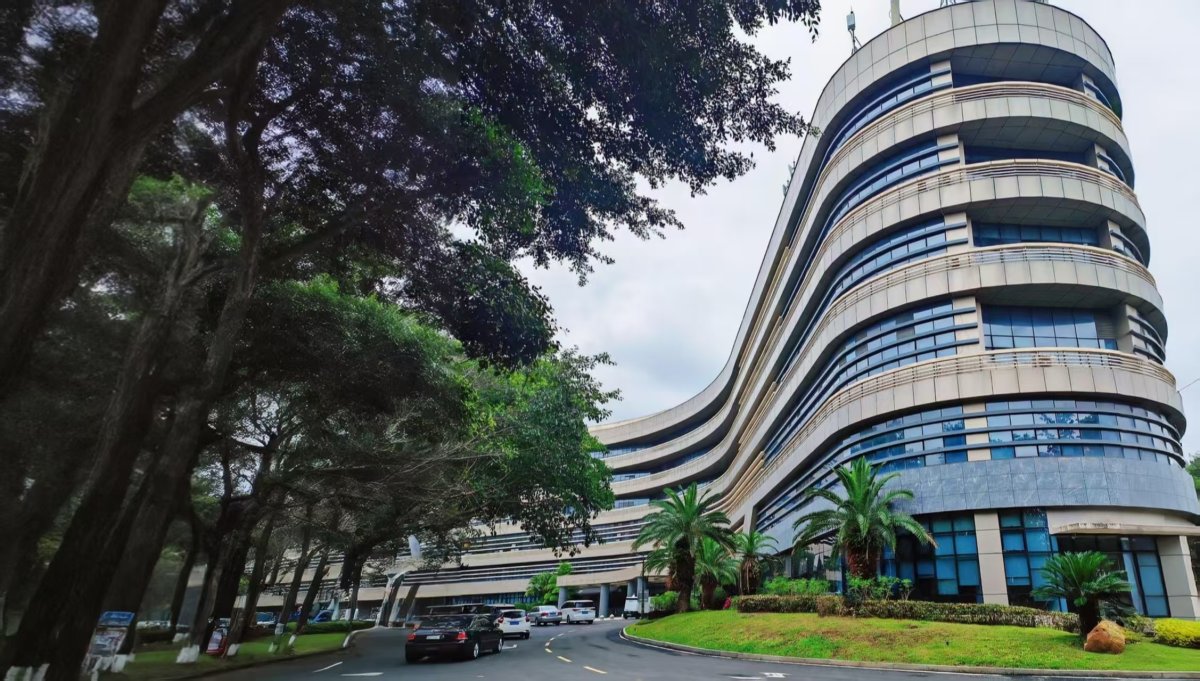
Yanda International Hospital
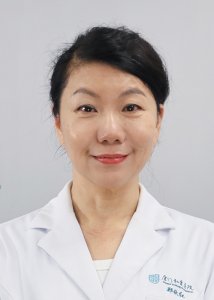
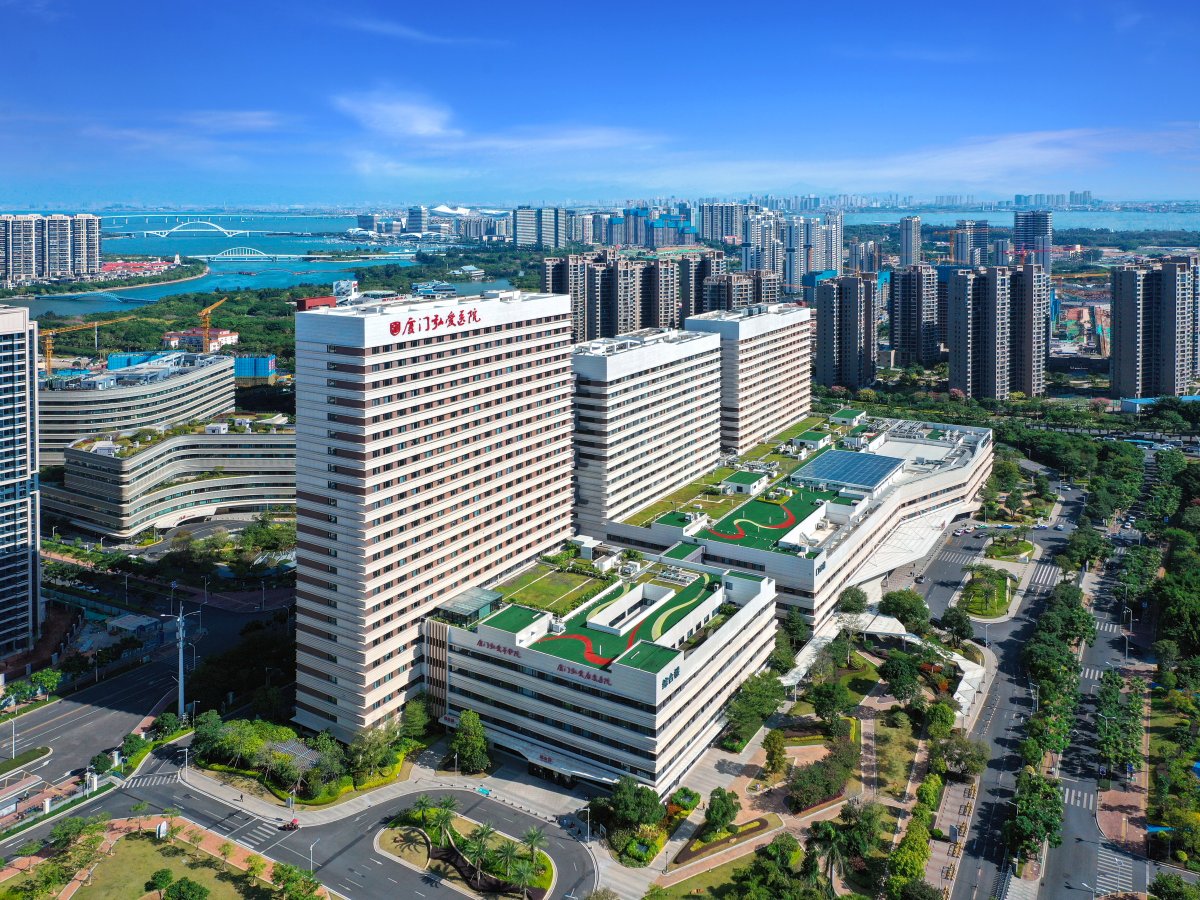
مستشفى شيامن هيومانيتي

احصل على تقييم طبي لـ في الصين: اختر أخصائيك من بين الأفضل في هذا المجال

عرض جميع الأطباء
يؤكد

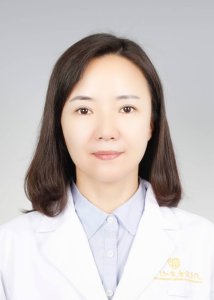
Wang He Tian

42سنة خبره ١٦ سنة

خبير رائد في الطب الصيني التقليدي يتمتع بخبرة تزيد عن 20 عامًا في علاج الالتهابات المزمنة مثل التهاب الأوعية الدموية والوهن العضلي في مستشفى ياندا الدولي.

  • رئيس قسم الطب الصيني التقليدي
  • حائز على جائزة لجنة العلوم والتكنولوجيا في بكين للبحوث السريرية
  • مؤلف لأكثر من 10 كتب سريرية حول الطب الصيني التقليدي
  • نائب مدير لجنة عمل الطب الصيني التقليدي التابعة للجمعية الطبية الصينية
  • متخصص في الحالات المزمنة المعقدة واضطرابات الدورة الدموية

مشاركة المحتوى

Twitter XLinkedinFacebookWhatsAppEmail
أحصل على الرابط

قصص فيديو من مرضى Bookimed

Dayana
جمعت بين إجازتي في أنطاليا والفحص الطبي.
إجراء: فحص صحة الإناث (انظر فحص النساء)
Igor
كان رائعاً! التنقلات والإقامة والعلاج - كل شيء مشمول.
إجراء: زرع الأسنان
مستشفى: WestDent Clinic
Marina
قام Bookimed بكل شيء من أجلي. لم أضطر للقلق بشأن أي شيء.
إجراء: فحص صحة الإناث (انظر فحص النساء)
مستشفى: Severance Hospital
محدث: 11/10/2025
تأليف
Anna Leonova
Anna Leonova
رئيس فريق تسويق المحتوى
محررة طبية معتمدة لديها خبرة تزيد عن 10 سنوات، طوّرت محتوى Bookimed الموثوق، مدعومة بماجستير في علم اللغة ومقابلات مع خبراء طبيين من جميع أنحاء العالم.
تمت المراجعة من قبل المستشار الطبي في Bookimed
فهد مولود
محرر طبي وعالم بيانات
طبيب عام. حاصل على 4 جوائز علمية. خدم في غرب آسيا. رئيس الفريق الطبي الناطق بالعربية سابقا ومسؤول عن معالجة البيانات ودقة المحتوى الطبي حاليا.
فهد مولود Linkedin
قد تحتوي هذه الصفحة على معلومات تتعلق بمختلف الحالات الطبية والعلاجات وخدمات الرعاية الصحية المتوفرة في بلدان مختلفة. يرجى العلم أن المحتوى مقدم لأغراض إعلامية فقط ولا ينبغي تفسيره على أنه نصيحة أو إرشادات طبية. يرجى استشارة طبيبك أو أخصائي طبي مؤهل قبل البدء أو تغيير العلاج الطبي.

أسئلة متكررة حول أمراض المناعة والحساسية في الصين

هذه الأسئلة الشائعة مأخوذة من مرضى حقيقيين يبحثون عن رعاية طبية عبر Bookimed. يتم تقديم الإجابات من قبل منسقين طبيين ذوي خبرة وممثلين موثوقين من العيادات.

What are the primary types of immunotherapy currently available in China for international patients?

China offers advanced immunotherapy including CAR-T cell therapy, immune checkpoint inhibitors, and combination treatments for international patients. Facilities like Yanda International Hospital integrate modern protocols with traditional approaches. Specialized centers in Beijing and Shanghai provide access to domestic PD-1 inhibitors and global clinical trials for various malignancies.

  • CAR-T therapy: Available for blood cancers like leukemia and lymphoma through specialized clinical trials.
  • Checkpoint inhibitors: Includes domestic PD-1 inhibitors like Toripalimab and Camrelizumab for solid tumors.
  • Drug trials: Xiamen Humanity Hospital is accredited to conduct Phase 1 to 4 trials.
  • Combined protocols: High-level Class A clinics offer 28,500+ technologies including integrative Chinese medicine.

Bookimed Expert Insight: Data shows that Class A level 3 hospitals like Yanda International Hospital serve up to 2,500,000 patients annually. These high-volume centers often combine 28,500 modern technologies with traditional Chinese medicine to manage treatment side effects. This integrative approach is a unique differentiator for patients seeking holistic recovery support during intensive immunotherapy.

Patient Consensus: Patients emphasize that Beijing and Shanghai are the primary hubs for accessing PD-1 inhibitors. Many note that working with a bilingual medical agent is essential for navigating the hospital system and confirming trial slots.

Is immunotherapy covered by health insurance for international patients in China?

Most international patients pay out-of-pocket for immunotherapy in China as Western insurance plans often exclude Asian networks. Public coverage is limited to legally employed residents contributing to social security. Major facilities like Yanda International Hospital and Xiamen Humanity Hospital typically require full upfront payments.

  • Insurance limits: Western policies often deny claims for treatments performed outside their specific networks.
  • Public coverage: Social security only covers specific Chinese-made drugs for legally employed international residents.
  • Hospital billing: Facilities like Yanda International Hospital generally require payment before starting intensive treatment.
  • Reimbursement process: Patients must manually submit translated Chinese invoices and fee schedules to insurers.

Bookimed Expert Insight: Data from Xiamen Humanity Hospital shows it is accredited for Phase I-IV drug trials. Patients often find that enrolling in these clinical trials is a reliable way to access new immunotherapies. This strategy can significantly reduce costs compared to private treatment which lacks standard insurance integration.

Patient Consensus: Patients note that Western insurance rarely covers elective care in China and suggest budgeting for full costs. Many recommend requesting itemized English invoices immediately to simplify the difficult manual reimbursement process after returning home.

How effective is immunotherapy for EGFR-mutated lung cancer in Chinese patients?

Immunotherapy monotherapy is generally less effective for Chinese patients with EGFR-mutated lung cancer than those with wild-type tumors. Response rates for single-agent inhibitors range from 1.8% to 14%. Expert protocols in China prioritize combination therapies to overcome the cold tumor microenvironment common in these mutations.

  • Combination efficacy: Triple regimens including chemotherapy and anti-angiogenic drugs reach 10.5 months progression-free survival.
  • Mutation subtypes: Patients with L858R mutations typically respond better than those with Exon 19 deletions.
  • Response rates: Adding chemotherapy to immune checkpoint inhibitors can increase objective response rates to 32.6%.
  • Clinical priority: Immunotherapy is rarely recommended as a first-line treatment for EGFR-positive cases in China.

Bookimed Expert Insight: While monotherapy underperforms, China's Class A Level III centers like Yanda International Hospital utilize advanced diagnostics to identify rare responders. Data shows that patients who are T790M-negative after initial therapy failure often see better results from these combinations. Facilities accredited for Phase I–IV trials, such as Xiamen Humanity Hospital, provide access to emerging protocols that combine next-gen inhibitors with immunotherapy.

Patient Consensus: Patients emphasize that starting immunotherapy alone often leads to rapid progression within 2 months. Many note that skipping straight to next-gen targeted therapies provides more stability than experimental immune combinations.

How can international patients find or join immunotherapy clinical trials in China?

International patients can join immunotherapy clinical trials in China by searching the Chinese Clinical Trial Registry or ClinicalTrials.gov. Successful enrollment requires a formal invitation from a Good Clinical Practice-compliant hospital. Top centers in Beijing and Shanghai often lead these innovative Phase 1–4 drug studies.

  • Trial registries: Use the WHO-accredited Chinese Clinical Trial Registry for the most comprehensive local listings.
  • Hospital focus: Xiamen Humanity Hospital in Beijing is accredited to conduct Phase 1–4 drug trials.
  • Language logistics: Patients need a Chinese SIM card and VPN for essential communication via local apps.
  • Legal entry: You must secure a Medical Invitation Letter from the hospital for an S2 visa.

Bookimed Expert Insight: Our data shows that high-volume centers like Yanda International Hospital, which serves 2,500,000 patients annually, often combine international protocols with local expertise. For clinical trials, focusing on tertiary hospitals in Beijing is strategic. These institutions have the highest concentration of JCI-accredited facilities and specialized research departments.

Patient Consensus: Patients note that while trials offer hope when Western options fail, having a local sponsor is vital. Many emphasize that navigating the process requires professional translation of medical records and a reliable VPN for daily coordination.

Do international patients need a special visa to receive immunotherapy in China, and how long can they stay?

International patients typically use a standard L-visa or M-visa for immunotherapy in China. A hospital invitation letter is required for stays exceeding 30 days. Initial stays range from 30 to 90 days. Extensions up to 180 days are possible with medical justification from the treating facility.

  • Visa types: Patients usually enter on L-class tourist or M-class business visas.
  • Stay duration: Standard visas allow 30 to 90 days for initial treatment cycles.
  • Extension process: Local Public Security Bureaus can extend stays up to 180 days.
  • Clinical invitation: Accredited centers like Yanda International Hospital provide formal letters for applications.

Bookimed Expert Insight: High-volume centers like Yanda International Hospital, which serves 2,500,000 patients annually, have dedicated systems for international documentation. These JCI-accredited facilities often combine traditional Chinese medicine with international protocols. This integrated approach can simplify the medical justification needed for visa extensions at the Public Security Bureau.

Patient Consensus: Patients note that getting the hospital invitation letter early is vital for a smooth embassy application. Many suggest using the 144-hour visa-free transit for an initial consultation before committing to a long-term treatment plan.

Are English-speaking staff and international services available at major Chinese immunotherapy centers?

Major Chinese immunotherapy centers in Beijing and Shanghai provide English-speaking staff and dedicated international departments. High-tier facilities like Yanda International Hospital hold JCI accreditation. These centers offer bilingual medical coordinators, visa support, and specialized VIP wings. Most senior oncologists have international training for direct English consultations.

  • International departments: Specialized VIP wings employ English-speaking doctors, nurses, and administrative coordinators.
  • Expert proficiency: Leading specialists often have international experience, enabling direct medical consultations in English.
  • Service scope: Coordination includes medical record translation, visa assistance, and airport pickup logistics.
  • Accredited facilities: JCI-accredited centers like Yanda International Hospital follow global patient safety standards.

Bookimed Expert Insight: Data shows a clear distinction between public wards and Class A level III clinics like Yanda International Hospital. While public hospitals are massive, serving 2,500,000 patients annually, English proficiency is often limited to their international medical centers. Choosing a facility with a dedicated international department ensures you avoid language barriers in nursing and administrative areas.

Patient Consensus: Patients note that while doctors are often fluent, nursing staff in general wards may not speak English. Many travelers recommend using WeChat groups for real-time translation and hiring a private medical interpreter as a backup for follow-up care.

احصل على استشارة مجانية

حدد أفضل طريقة للاتصال بك