الوهن العضلي العلاج في إسرائيل - التكاليف 2026


تمت مراجعة المقالة طبيا من قبل
فهد مولود
ما هي تكلفة الوهن العضلي إجراءات التشخيص والعلاج في إسرائيل؟ اعرف الآن
| إسرائيل | تركيا | إسبانيا | |
|---|---|---|---|
| تبادل البلازما | ≈ $4,500 | ≈ $3,900 | ≈ $2,400 |
| الفصل العلاجي للدم | ≈ $1,400 | من $4,500 | ≈ $1,400 |
| الفصل الانتقائي للدم | ≈ $2,800 | ≈ $1,600 | ≈ $1,800 |
| البلازما | ≈ $1,800 | من $3,200 | من $12,200 |
مزاياك وضماناتك مع Bookimed
أسعار مباشرة
Bookimed لا يضيف رسوماً إضافية على أسعار علاج الوهن العضلي. الأسعار مأخوذة من قوائم الأسعار الرسمية للعيادات. تدفع مباشرة في العيادة مقابل علاجك عند وصولك إلى البلد.
عيادات وأطباء معتمدون فقط
Bookimed ملتزم بسلامتك. نحن نعمل فقط مع المؤسسات الطبية التي تحافظ على معايير دولية عالية في علاج الوهن العضلي ولديها التراخيص اللازمة لخدمة المرضى الدوليين في جميع أنحاء العالم.
مساعدة مجانية على مدار الساعة
Bookimed يقدم مساعدة خبراء مجانية. منسق طبي شخصي يدعمك قبل وأثناء وبعد العلاج، ويحل أي مشاكل. لن تكون وحيداً أبداً في رحلة علاج الوهن العضلي.

منسقك الطبي الشخصي في Bookimed
- يدعمك في كل مرحلة
- المساعدة في اختيار العيادة الطبية المناسبة والطبيب المناسب
- يضمن الوصول السريع والمريح إلى المعلومات
اكتشف أفضل الوهن العضلي العيادات في إسرائيل: 2 خيارات معتمدة والأسعار






Elisha Hospital
احصلوا على تقييم طبي لـ الوهن العضلي في إسرائيل: استشيروا أطباء ذوي خبرة الآن
عرض جميع الأطباء
Amos Toren
البروفيسور آموس تورين، MD، PhD، MHA، اختصاصي أمراض دم وأورام الأطفال وخبير زرع نخاع العظم. شغل منصب مدير أمراض دم وأورام الأطفال وزرع نخاع العظم في مركز شيبا الطبي.
حاصل على البورد في طب الأطفال، وأمراض دم وأورام الأطفال، وزرع نخاع العظم. يحمل دكتوراه في علم الوراثة البشرية. ترأس شعبة أمراض الدم في جامعة تل أبيب لولايتين. وهو عضو في ASH وCOG وESPHI وEBMT وCIBMTR، ويعمل أيضاً في لجنة دم الحبل السري بوزارة الصحة.
قاد أحد أكثر برامج أورام الأطفال وزرع نخاع العظم تقدماً في إسرائيل.

Dan Kaspy
رئيس قسم الروماتيزم في مركز سوراسكي الطبي – الدكتور كاسبي متخصص في الحالات المعقدة ويقود برامج تخصص الروماتيزم في إسرائيل.
- أكمل تدريباً مرموقاً في مستشفى هامرسميث في لندن
- رئيس سابق للمستشفى النهاري للروماتيزم في إيخيلوف
- أكثر من 140 منشوراً علمياً في مجال الروماتيزم
- عضو في جمعيات الروماتيزم الإسرائيلية والأمريكية
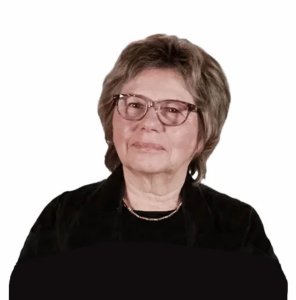
pnina Langevich
البروفيسورة بنينا لانغيفيتش أخصائية روماتيزم ومناعة بخبرة تزيد على 40 عاماً. ترأس المركز الوطني لأمراض الروماتيزم والمناعة الذاتية في مركز شيبا الطبي. اختارتها مجلة فوربس إسرائيل مراراً ضمن أفضل أطباء البلاد.
هي خبيرة في التهاب المفاصل الروماتويدي، والفصال العظمي، وأمراض المفاصل، والذئبة الحمامية الجهازية، وتصلّب الجلد، واضطرابات المناعة الذاتية المعقّدة. تعالج الحالات الشديدة والمقاومة للعلاج باستخدام تقنيات تشخيص متقدمة وعلاج مُخصص.
تلقت تدريبها في طب الروماتيزم والطب الباطني
مشاركة المحتوى
قصص فيديو من مرضى Bookimed
 Anna Leonova
أسئلة متكررة حول علاج الوهن العضلي في إسرائيل
كيف يتعامل مركز رمبام الطبي مع تشخيص وعلاج الوهن العضلي الوبيل؟
يقوم مركز رمبام الطبي بتشخيص الوهن العضلي الوبيل من خلال اختبارات الأجسام المضادة السريعة والدراسات الفسيولوجية العصبية المتقدمة. يشمل العلاج البيريدوستيجمين، ومثبطات المناعة، والعلاجات البيولوجية. يتخصص المركز في استئصال الغدة الزعترية الروبوتي لتحقيق مغفرة طويلة الأمد. تعمل العيادات المتخصصة على تقليل أوقات الانتظار للوحات المناعية الحيوية والتصوير.
- الاختبارات التشخيصية: تجمع بين لوحات الأجسام المضادة AChR/MuSK مع تحفيز العصب المتكرر وتخطيط العضلات بالألياف المفردة (EMG).
- التصوير المتقدم: يستخدم الأشعة المقطعية أو الرنين المغناطيسي للمنصف للكشف عن تضخم الغدة الزعترية أو الورم الزعترية.
- الرعاية الحادة: يستخدم تبادل البلازما والغلوبولين المناعي الوريدي للمرضى في أزمة الوهن العضلي.
- العلاجات البيولوجية: يوفر الوصول إلى علاجات استنزاف الخلايا البائية المستهدفة مثل ريتوكسيماب للحالات المقاومة.
رؤية خبير Bookimed: بينما يعد رمبام مركزاً لشمال إسرائيل، غالباً ما يقارنه المرضى الذين يبحثون عن علم المناعة العصبية المتخصص بمركز سوراسكي الطبي. يعالج سوراسكي أكثر من 400,000 مريض سنوياً ويحمل اعتماد JCI. يتخصص الدكتور دان كاسبي في سوراسكي في الحالات المناعية المعقدة. غالباً ما يعتمد الاختيار بين حيفا وتل أبيب على مدى إلحاح توفر الجراحة الروبوتية.
إجماع المرضى: يقترح المرضى طلب تخطيط العضلات (EMG) ولوحة الأجسام المضادة فوراً لتسريع التشخيص. يلاحظ الكثيرون أن اختيار استئصال الغدة الزعترية الجراحي المبكر غالباً ما يؤدي إلى نتائ
لماذا تُعد إسرائيل واحدة من الوجهات الرائدة في جراحة الأعصاب؟
تُعدّ إسرائيل مركزًا رائدًا في جراحة الأعصاب بفضل مزيجها من التطورات الطبية عالية التقنية والخبرات الجراحية المتميزة. وتستخدم مرافق متطورة مثل مركز شيبا الطبي أنظمة ملاحة تعتمد على الذكاء الاصطناعي والتصوير بالرنين المغناطيسي أثناء الجراحة في الوقت الفعلي. وتشير المراكز المتخصصة إلى نسبة نجاح تصل إلى 98% في العمليات الجراحية المعقدة، بما في ذلك جراحة الدماغ مع اليقظة وعلاج اضطرابات الحركة.
- التكنولوجيا المتقدمة: تستخدم العيادات الموجات فوق الصوتية المركزة الموجهة بالرنين المغناطيسي (MRgFUS) والأنظمة الروبوتية لإجراء الشقوق.
- الخبرة الجراحية: يقود جراحون مثل الدكتور تسفي رام جمعيات دولية بخبرة تزيد عن 25 عامًا.
- الوصول السريع: يمكن للمرضى الدوليين عادةً تحديد مواعيد لإجراء عمليات جراحية معقدة في الدماغ أو العمود الفقري في غضون 2-4 أسابيع.
- الرعاية الطبية المعتمدة: المراكز الكبيرة مثل سوراسكي (إيشيلوف) وأسوتا معتمدة من قبل اللجنة الدولية المشتركة، مما يؤكد سلامتها.
رأي خبراء بوكيمد: تُظهر البيانات فرقًا واضحًا بين خيارات العلاج في القطاعين العام والخاص في إسرائيل. تُجري المراكز الخاصة، مثل مركز أسوتا الطبي، أكثر من 92,000 عملية جراحية سنويًا، وتتيح للمرضى اختيار جراح را
ما هي أنواع الأمراض العصبية التي يتم علاجها في إسرائيل؟
يعالج جراحو الأعصاب الإسرائيليون طيفاً واسعاً من الحالات، بدءاً من أورام الدماغ والحبل الشوكي وصولاً إلى الاضطرابات الوظيفية المعقدة. وتستخدم المراكز المتخصصة أحدث التقنيات، مثل جهاز جاما نايف، والتحفيز العميق للدماغ، والتصوير بالرنين المغناطيسي أثناء الجراحة، لتشخيص دقيق للغاية لحالات الصرع، ومرض باركنسون، وأمراض الأوعية الدموية الدماغية.
- الأمراض السرطانية: علاج الأورام الدبقية والأورام السحائية وأورام الغدة النخامية باستخدام استئصال قاعدة الجمجمة.
- الاضطرابات الوظيفية: علاج مرض باركنسون والرعاش الأساسي باستخدام التحفيز العميق للدماغ.
- أمراض العمود الفقري: تصحيح الجنف، وانزلاق الغضروف، وأورام العمود الفقري باستخدام الأنظمة الروبوتية.
- علاج أمراض الأوعية الدموية الدماغية: العلاج الجراحي لتمدد الأوعية الدموية الدماغية والتشوهات الشريانية الوريدية باستخدام التدخلات داخل الأوعية الدموية.
- جراحة الأعصاب للأطفال: رعاية متخصصة لاستسقاء الرأس والتشوهات الخلقية في مراكز طب الأطفال المتخصصة.
رأي خبراء بوكيمد: غالبًا ما تجمع المستشفيات الإسرائيلية بين تخصصات طبية متعددة لمعالجة الحالات المعقدة. ففي مركز سوراسكي ا
ما هي المستشفيات في إسرائيل التي تشتهر بأقسام جراحة الأعصاب فيها؟
تضم إسرائيل مراكز جراحة أعصاب عالمية المستوى، مثل مركز سوراسكي الطبي، ومركز شيبا الطبي، ومركز هداسا الطبي. وتُعدّ هذه المؤسسات رائدة عالميًا في علاج أورام الدماغ المعقدة، وأمراض العمود الفقري، واضطرابات الحركة. وتستخدم أحدث التقنيات، مثل جهاز جاما نايف، والأنظمة الروبوتية، والتصوير بالرنين المغناطيسي أثناء الجراحة.
- سوراسكي (إيخيلوف): يجري أكثر من 2500 عملية جراحية عصبية سنوياً في تل أبيب بنسبة نجاح تبلغ 98%.
- مركز شيبا الطبي: مصنف ضمن أفضل عشرة مستشفيات في العالم، حيث يعالج 1.9 مليون مريض سنوياً.
- مركز هداسا الطبي: مرشح لجائزة نوبل للسلام. رائد في جراحة الأعصاب للأطفال والعلاج الجيني.
- مركز أسوتا الطبي: أكبر منشأة طبية خاصة في إسرائيل. متخصص في جراحات العمود الفقري والدماغ طفيفة التوغل.
- مستشفى شنايدر للأطفال: مركز رائد في جراحة الأعصاب للأطفال، يعالج 275000 طفل سنوياً.
رأي خبراء بوكيمد: تُظهر بياناتنا أنه بينما يلجأ معظم المرضى للعلاج في تل أبيب، يُقدّم مركز رامبام الطبي في حيفا رعايةً فريدةً لإصابات الدماغ. فهو يضم وحدةً متخصصةً للعناية المركزة العصبية تُعالج ما يقارب مليون مريض سنويًا. وهذا ما يجعله
من هم أبرز جراحي الأعصاب في إسرائيل؟
من بين أبرز جراحي الأعصاب الإسرائيليين البروفيسور تسفي رام، والبروفيسور شلومي كونستانتيني، والبروفيسور إسحاق فريد من مركز سوراسكي الطبي. ويشغل هؤلاء المتخصصون مناصب قيادية في الجمعية الأوروبية لجمعيات جراحة الأعصاب (EANS) والجمعية العالمية لجراحة الأعصاب التجسيمية والوظيفية (WSSFN). ويستخدمون تقنيات رسم الخرائط المتقدمة أثناء الجراحة وأنظمة الروبوتات.
- البروفيسور تسفي رام: خبير في جراحة أورام الدماغ طفيفة التوغل والعلاج الجيني للسرطان.
- الأستاذ شلومي كونستانتيني: متخصص في إجراءات التنظير العصبي المعقدة للأطفال والجراحة المجهرية لأورام الدماغ.
- الأستاذ إسحاق فريد: خبير في جراحة الصرع، ورسم خرائط الدماغ الوظيفية، وتحفيز الدماغ العميق.
- الدكتور إيلي أشكينازي: جراح عظام رائد في مستشفى أسوتا، متخصص في نظام TOPS المبتكر.
رأي خبراء بوكيمد: تشير بيانات مركز سوراسكي وشيبا إلى وجود علاقة وثيقة بين ارتفاع عدد العمليات الجراحية وسلامة المرضى. فعلى سبيل المثال، يُجري مركز سوراسكي أكثر من 34,000 عملية جراحية لعلاج الأورام سنويًا بنسبة نجاح تصل إلى 90%. لذا، ينبغي على المرضى الذين يحتاجون إلى استئصال أورام معقدة إعطاء الأولوية لمراكز كهذه، حيث يُجري الجراحون مئات العمليات الجراحية ا
ما هي متطلبات المرضى الدوليين القادمين الذين يسعون للحصول على رعاية جراحية عصبية؟
يجب على المرضى الأجانب الذين يحتاجون إلى علاج جراحي للأعصاب في إسرائيل تقديم وثائق طبية كاملة، بما في ذلك نتائج التصوير بالرنين المغناطيسي أو التصوير المقطعي المحوسب الحديثة، مترجمة إلى اللغة الإنجليزية. يتطلب دخول المستشفى فحصًا سريريًا من قبل أخصائيين للتأكد من ملاءمة المريض للعلاج. غالبًا ما تطلب المستشفيات دفعًا مسبقًا كاملًا أو دفعة مقدمة كبيرة قبل تأكيد مواعيد الجراحة أو إصدار وثائق التأشيرة.
- السجلات الطبية: تقديم تقارير مفصلة ونتائج التصوير مترجمة إلى اللغة الإنجليزية في غضون 48 ساعة للمراجعة السريرية.
- إثبات القدرة المالية: يرجى تقديم إثبات توفر الأموال بمبلغ تقريبي يتراوح بين _price_from_ و _price_to_ لتغطية تكاليف العلاج.
- دعم التأشيرة: تقوم عيادات مثل مركز سوراسكي الطبي (إيخيلوف) بإصدار خطابات رسمية للحصول على تأشيرة طبية من نوع B-2.
- مرحلة الاستشارة: غالبًا ما يتم إجراء التقييم الأولي عبر استشارة عبر الإنترنت مع جراحين مثل الدكتور شتراوس إيدو.
رأي خبراء بوكيمد: تُظهر البيانات أن المؤسسات الطبية الإسرائيلية الرائدة، مثل مركز شيبا الطبي ومركز هداسا الطبي، تستقبل عددًا هائلًا من المرضى، يتجاوز مليون مريض سنويًا. هذا الطلب المرتفع يعني أن العيادات تُعطي الأول
كم من الوقت سأحتاج للبقاء في إسرائيل لإجراء جراحة الأعصاب والمتابعة؟
تتراوح مدة الإقامة المعتادة في قسم جراحة الأعصاب في إسرائيل بين 10 و14 يومًا للحالات غير المعقدة. أما المرضى الذين يخضعون لإجراءات معقدة، مثل استئصال ورم دماغي أو تحفيز الدماغ العميق، فغالبًا ما يحتاجون إلى الإقامة لمدة تتراوح بين 4 و6 أسابيع. تشمل هذه الفترة التشخيص قبل الجراحة، والجراحة نفسها، والمتابعة اللازمة بعد العملية.
- مدة الإقامة في المستشفى: تستغرق الإجراءات طفيفة التوغل من يوم إلى ثلاثة أيام. أما عمليات فتح الجمجمة التقليدية فتستغرق في المتوسط من ثلاثة إلى عشرة أيام.
- التعافي في الموقع: بعد الخروج من المستشفى، البقاء في إسرائيل لمدة 7-14 يومًا لإجراء فحوصات المتابعة الإلزامية.
- سلامة الطيران: يوصي الجراحون بالانتظار من 4 إلى 6 أسابيع قبل السفر جواً للسماح لضغط الجمجمة الداخلي بالاستقرار.
- جدول المتابعة: عادة ما يتم إجراء الفحوصات السريرية الشخصية في الأيام 3 و7 و14 بعد الجراحة.
رأي خبراء بوكيمد: تُظهر بيانات مركز سوراسكي الطبي أنه يعالج أكثر من 400,000 مريض سنويًا بنسب نجاح عالية. غالبًا ما تتميز العيادات التي تستقبل هذا العدد الكبير من المرضى، مثل هاداسا وأسوتا، بإجراءات خروج مبسطة. وهذا يُسهّل على المرضى الدوليين الانتقال بسرعة أكبر إلى إعادة التأهيل في ا
ما هي التقنيات المتقدمة التي تجعل جراحة الأعصاب في إسرائيل طفيفة التوغل؟
تستخدم جراحة الأعصاب الإسرائيلية أنظمة الملاحة الروبوتية، والتصوير ثلاثي الأبعاد الفوري، والتقنيات غير الجراحية لتقليل الصدمات الجسدية. توفر أنظمة مثل Mazor Robotics دقة تصل إلى أجزاء من المليمتر في زراعة الحبل الشوكي. كما يعالج العلاج بالموجات فوق الصوتية الموجهة بالرنين المغناطيسي (MRgFUS) الرعاش دون الحاجة إلى جراحة. تضمن هذه الأدوات المتقدمة دقة عالية وتقلل فترة النقاهة.
- الأنظمة الروبوتية: تسمح أنظمة مازور وروزا الروبوتية بوضع الأدوات بدقة من خلال شقوق صغيرة.
- العلاج بالموجات فوق الصوتية بدون جراحة: يستخدم العلاج بالموجات فوق الصوتية المركزة الموجهة بالرنين المغناطيسي موجات صوتية عالية الكثافة لعلاج أنسجة المخ بدون تخدير.
- الملاحة الرقمية: يسمح التصوير بالرنين المغناطيسي أثناء العملية والتصوير ثلاثي الأبعاد للجراحين بالتحقق من النتائج في الوقت الفعلي.
- التنظير الداخلي الحديث: تسمح الطرق عبر الأنف وعبر الحجاج بإزالة الأورام دون الحاجة إلى فتح الجمجمة بالطريقة التقليدية.
رأي خبراء بوكيمد: تُطبّق عيادات إسرائيلية مثل سوراسكي وهاداسا تقنيات إسرائيلية خاصة، مثل غرفة العمليات الجراحية، حتى قبل دخولها السوق العالمية. تُظهر بياناتنا أن هذه المراكز تستخدم نماذج الواقع الا
لماذا تُعتبر إسرائيل واحدة من أفضل الأماكن لإجراء جراحة الأعصاب؟
تُعدّ إسرائيل رائدةً عالمياً في جراحة الأعصاب بفضل دمجها للابتكارات الطبية المحلية ومشاركة أخصائيين من مختلف أنحاء العالم. وتُجري مراكز رئيسية مثل مركز سوراسكي الطبي (إيخيلوف) أكثر من 34 ألف عملية جراحية سنوياً. ويتمتع المرضى بإمكانية الوصول إلى أحدث التقنيات، مثل جراحة الدماغ مع اليقظة والتصوير بالموجات فوق الصوتية المركزة الموجهة بالرنين المغناطيسي.
- التكنولوجيا المتقدمة: تستخدم هذه المرافق أنظمة CyberKnife و Gamma Knife والروبوتات لضمان دقة عالية.
- الخبرة: يشغل خبراء مثل الدكتور تسفي رام مناصب قيادية في الجمعيات الأوروبية لجراحة الأعصاب.
- التدريب العالمي: أكمل معظم جراحي الأعصاب ذوي الخبرة لدينا تدريب الزمالة في مؤسسات رائدة في الولايات المتحدة وأوروبا.
- الأقسام المتخصصة: تضم المراكز وحدات متخصصة لجراحة الأعصاب للأطفال، وجراحة قاعدة الجمجمة، والاضطرابات الوظيفية.
رأي خبراء بوكيمد: تتميز جراحة الأعصاب في إسرائيل بتركيزها العالي على الأخصائيين الحاصلين على شهادات مزدوجة. فالعديد من الجراحين البارزين، مثل الدكتور تسفي ليدار، معتمدون لممارسة الجراحة في كل من إسرائيل والولايات المتحدة. وهذا يضمن حصول المرضى على رعاية جراحية بمعايير أمريكية، حتى لو كانوا في تل أبيب أو ال
ما هي أفضل المستشفيات في إسرائيل لإجراء جراحة الأعصاب؟
يُعدّ مركز شيبا الطبي ومركز سوراسكي الطبي (إيخيلوف) من بين أفضل مستشفيات جراحة الأعصاب في إسرائيل. وتُجري هذه المؤسسات المعتمدة من قبل اللجنة الدولية المشتركة آلاف العمليات الجراحية سنويًا. وتُستخدم فيها تقنيات متطورة، مثل جهاز سايبر نايف والتصوير بالرنين المغناطيسي أثناء الجراحة، لعلاج أورام الدماغ المعقدة والآفات الوعائية الدماغية.
- مركز شيبا الطبي: مصنف ضمن أفضل عشرة مستشفيات في العالم من قبل مجلة نيوزويك.
- سوراسكي (إيخيلوف): يُبلغ عن نسبة نجاح تبلغ 98% ويُجري أكثر من 2500 عملية جراحية عصبية سنويًا.
- مركز هداسا الطبي: يشتهر بتقنياته التنظيرية المبتكرة وبرامجه البحثية المتقدمة الشاملة.
- مركز أسوتا الطبي: أكبر مؤسسة طبية خاصة في إسرائيل متخصصة في جراحات العمود الفقري طفيفة التوغل.
- مركز رامبام الطبي: يوظف المركز حائزين على جائزة نوبل، وهو مركز إحالة رئيسي للمرضى إلى الأخصائيين.
رأي خبراء بوكيمد: تُظهر بياناتنا أن المراكز الإسرائيلية الرائدة، مثل سوراسكي وهداسا، تُجري أكثر من 40,000 عملية جراحية سنويًا. يُمكّن هذا العدد الكبير من العمليات الجراحين من الحفاظ على نسبة نجاح تصل إلى 90% حتى في حالات الأورام