العلاج الكيميائي لسرطان المريء في تركيا — احصل على ٣ خيارات مخصصة للعيادات


تمت مراجعة المقالة طبيا من قبل
فهد مولود
كيف نعمل؟
ما هي تكلفة العلاج الكيميائي لسرطان المريء في تركيا؟ اكتشف الآن
تتراوح تكلفة العلاج الكيميائي لسرطان المريء في تركيا بين السعر عند الطلب و السعر عند الطلب. تعتمد التكلفة الإجمالية على نوع الأدوية، وعدد الجلسات، وما إذا كان العلاج يشمل العلاج الموجه أو المناعي. تشمل مراكز الأورام التركية استشارات الطبيب والمتابعة الدورية ضمن سعر الجلسة الأساسي.
- دورات العلاج الكيميائي القياسية: تزيد التكلفة عادة بنسبة 15-20% في المراكز الطبية الكبرى في إسطنبول وأنقرة.
- بروتوكولات الأدوية المخصصة: ترتفع تكلفتها عند اتباع معايير NCCN أو ESMO الدولية للمراحل المتقدمة.
- خدمات الرعاية الداعمة: قد تشمل استشارات المتابعة وإدارة الأدوية الأساسية ضمن رسوم الجلسة.
- العلاج الجهازي المتقدم: يتطلب عادة تكاليف إضافية للحالات المعقدة التي تحتاج لمراقبة متخصصة مكثفة.
رأي خبراء Bookimed: يضمن اختيار المراكز المعتمدة من ESMO في تركيا تطبيق بروتوكولات عالمية بتكلفة معقولة. يتميز مركز أنادولو الطبي باتباع أطبائه لبروتوكولات جونز هوبكنز الطبية. يوفر هذا المركز خبرة فائقة لعلاج سرطان المريء بتكلفة أقل من المملكة العربية السعودية. ولمن لديهم ميزانية محدودة، يقدم مستشفى ميديبول ميجا الجامعي أسعاراً تنافسية تبدأ من 350 $ مع الالتزام بمعايير JCI.
اكتشف أفضل العلاج الكيميائي لسرطان المريء العيادات في تركيا: 11 خيارات معتمدة والأسعار





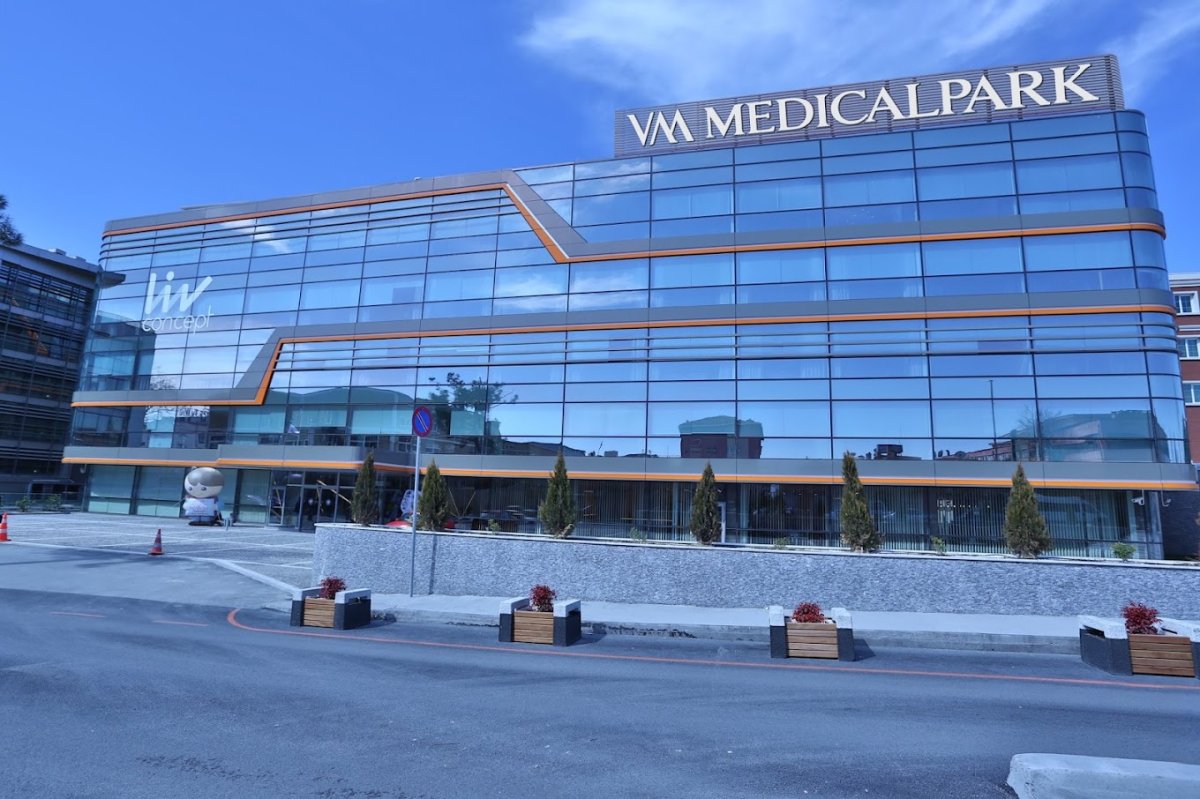
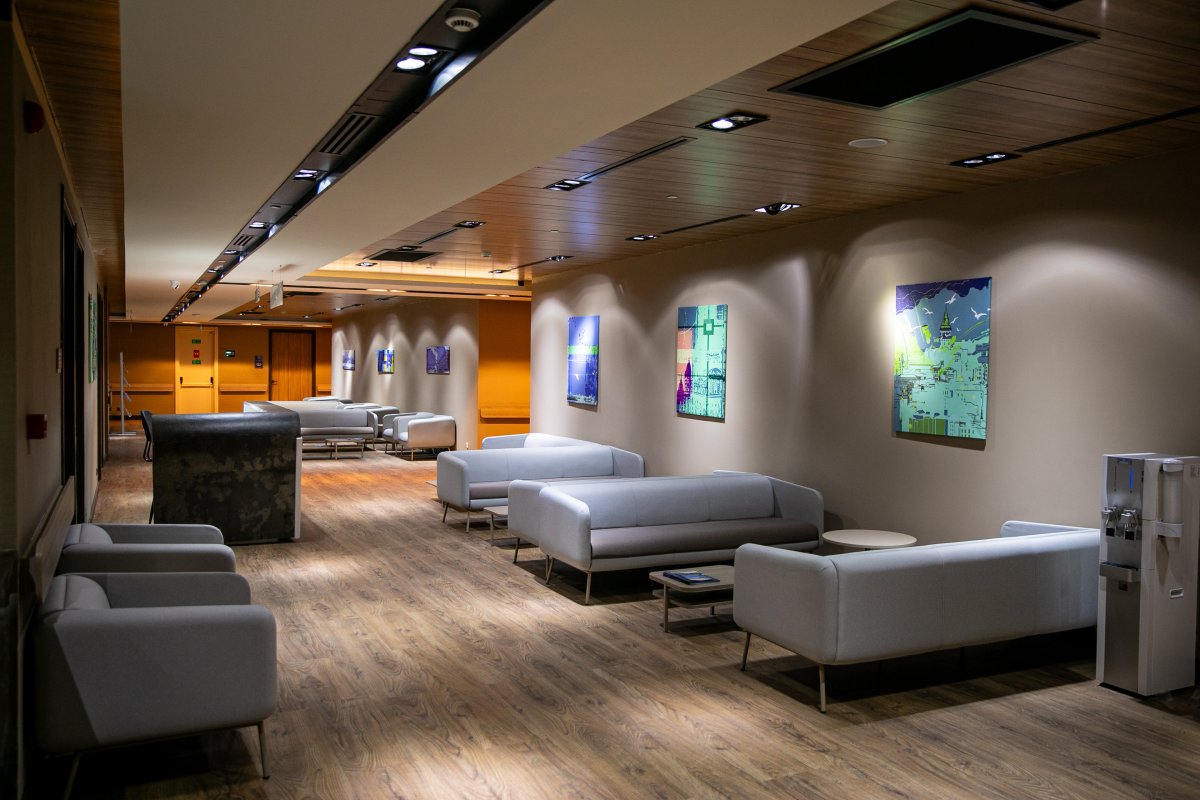
مستشفى Central Hospital





نظرة عامة على العلاج الكيميائي لسرطان المريء في تركيا
- العلاج الكيميائي - من $1,800
يعالج هذا العلاج السرطان باستخدام الأدوية لتدمير الخلايا السرطانية ومنع نموها.
- العلاج الكيميائي داخل الصفاق مفرط الحرارة (HIPEC) - من $18,000
تقوم العملية بتسخين أدوية العلاج الكيميائي وتطبيقها مباشرة داخل البطن لقتل الخلايا السرطانية المخفية.
- العلاج الكيميائي داخل الشريان - من $5,000
يقدم هذا العلاج الأدوية المضادة للسرطان مباشرة إلى الورم ، مما يحسن فعالية العلاج ويقلل من الآثار الجانبية.
- العلاج الكيميائي لسرطان الكبد - من $2,400
يستهدف هذا العلاج الخلايا السرطانية في الكبد ويقتلها ، وذلك باستخدام الأدوية التي تُعطى عن طريق الفم أو الحقن.
- العلاجَ الكيميائي الموضعي للكبد - من $7,800
يجمع هذا العلاج بين الأدوية القاتلة للسرطان وانسداد إمداد الدم لتقليص أورام الكبد بسرعة وفعالية.
- العلاج الكيميائي لسرطان الحنجرة - من $2,800
يساعد هذا العلاج في القضاء على خلايا سرطان الحنجرة باستخدام الأدوية الفعالة ، مما يحتمل أن يحافظ على وظيفة الصوت.
- العلاج الكيميائي لسرطان الرئة - من $850
يستخدم هذا العلاج الأدوية لقتل خلايا سرطان الرئة ، وغالبًا ما يتم إعطاؤها عن طريق الحقن أو الأقراص الفموية ، مما يعزز معدلات البقاء على قيد الحياة.
- العلاج الكيميائي لسرطان البروستاتا - من $1,500
يستخدم هذا العلاج الأدوية لقتل خلايا سرطان البروستاتا ، والتي يتم توصيلها عن طريق الأوردة أو الحبوب ، مما يعزز معدلات البقاء على قيد الحياة.
اليوم 1
- الوصول إلى المستشفى في الموعد المحدد.
- استشر طبيب الأورام حول خطة العلاج الكيميائي.
- قم بإجراء فحوصات الدم للتحقق من الحالة الصحية العامة.
اليوم الثاني
- اخضعي لمزيد من الاختبارات مثل التصوير المقطعي المحوسب والتصوير بالرنين المغناطيسي.
- قابل اختصاصي تغذية لمناقشة التغذية أثناء العلاج الكيميائي.
يوم 3
- ابدأ الجولة الأولى من العلاج الكيميائي.
- يستمر العلاج عدة ساعات ، اعتمادًا على نظام معين.
- يمكن استخدام التخدير الموضعي لإدخال منفذ العلاج الكيميائي.
اليوم الرابع
- الراحة والتعافي من العلاج الأول.
- راقب أي آثار جانبية أو ردود فعل سلبية.
الأسبوع 2
- الجولة الثانية من العلاج الكيميائي.
- استمر في مراقبة الآثار الجانبية.
الأسبوع الثالث - الأسبوع السادس
- اخضعي لجلسات علاج كيماوي أسبوعية.
- مشاورات منتظمة مع طبيب الأورام لرصد التقدم.
الأسبوع السابع
- تقييم ما بعد العلاج مع طبيب الأورام.
- مزيد من الاختبارات لتقييم فعالية العلاج.
الأسبوع الثامن وما بعده
- تبدأ مرحلة إعادة التأهيل ، مع التركيز على التعافي والقوة.
- العودة التدريجية إلى العمل والأنشطة الخفيفة حسب ما تسمح به القوة.
- يمكن رؤية النتائج النهائية للعلاج في الأشهر التالية.
يرجى ملاحظة أن رحلة كل مريض مع العلاج الكيميائي فريدة ويمكن أن تختلف بناءً على الظروف الفردية والاستجابات للعلاج.
- إيداع Bookimed: 200 دولار أو 200 يورو.
- وديعة العيادة: ادفع نسبة محددة مقدمًا.
احصل على تقييم طبي لـ العلاج الكيميائي لسرطان المريء في تركيا. استشر الآن 24 أطباء ذوي الخبرة.
عرض جميع الأطباء
Bulent Karagoz
الطبيب هو أخصائي أورام طبية تركي ذو خبرة عالية متخصص في الساركوما، الليمفوما، سرطان البنكرياس، سرطان الرئة، وسرطان الثدي. مع أكثر من 20 عامًا من الخبرة، يركز الطبيب على بيولوجيا الأورام، علم المناعة للأورام، العلاج المناعي للسرطان، والعلاجات المستهدفة. منذ عام 2019، يعمل الطبيب كأخصائي أورام طبية في مركز الأناضول الطبي وكان قد شغل سابقًا مناصب قيادية في كلية الطب بجامعة إسطنبول أوكان ومستشفى التدريب غاتا حيدر باشا. قام الطبيب بتأليف أكثر من 40 منشورًا في أبحاث السرطان وهو عضو في جمعية الأورام

البروفيسور سيزر ساغلام
يتخصص البروفيسور سيزر ساغلام في أورام الجهاز الهضمي مع أكثر من 27 سنة من الخبرة المركزة. يرأس قسم الأورام الطبية في مستشفى غايريتيبه فلورنس نايتنجيل.
- أستاذ الأورام الطبية منذ عام 2016
- حاصل على زمالة تدريبية من جامعة إسطنبول
- عضو في الجمعية الأوروبية لطب الأورام (ESMO)، والجمعية الأمريكية لعلم الأورام السريري (ASCO)، والجمعية التركية للأورام الطبية
- خبير في أورام الغدد الصم العصبية (عضو في ENET)

Sinan Karaaslan
يتخصص الطبيب في إدارة سرطان الثدي، والسرطان القولوني المستقيمي، وسرطانات الجهاز البولي التناسلي. مع خبرة واسعة منذ عام 2014 في مركز الأناضول الطبي، خدم الطبيب سابقًا في مستشفى ميديكال بارك، ومستشفى كوجالي ديرينجي للتعليم والبحث، ومستشفى أرضروم الإقليمي للتعليم والبحث. تضمنت الخدمة العسكرية للطبيب دورًا كأخصائي في طب الأورام في أكاديمية جولهانة الطبية العسكرية.<\/p>
تشمل الإنجازات التعليمية درجة في الطب العام من جامعة إسطنبول وتخصصات في الطب الباطني وطب الأورام. الطبيب عضو في الجمع

Mustafa Solak
يتخصص الدكتور سولاك في سرطانات الجهاز الهضمي، بما في ذلك سرطان المريء، وقد تلقى تدريبه في معهد السرطان بجامعة حجة تبه ومركز إم دي أندرسون للسرطان.
- أكمل زمالة في معهد السرطان بجامعة حجة تبه
- تدرب في مركز إم دي أندرسون للسرطان بجامعة تكساس
- لديه خبرة في علاج أنواع مختلفة من السرطان، بما في ذلك سرطانات الجهاز الهضمي
- يعمل في مستشفى هيسار إنتركونتيننتال
قصص فيديو من مرضى Bookimed
المراجعات
جميع المراجعاتمشاركة المحتوى
 Anna Leonova
أسئلة متكررة حول العلاج الكيميائي لسرطان المريء في تركيا
ما هي أدوية العلاج الكيميائي المستخدمة عادةً لسرطان المريء في تركيا؟
يعالج أطباء الأورام في تركيا سرطان المريء باستخدام بروتوكولات دولية مثل FLOT وCROSS وFOLFOX. تشمل الأنظمة القياسية عوامل البلاتين مثل سيسبلاتين أو أوكساليبلاتين جنبًا إلى جنب مع فلوروبيريميدينات مثل 5-فلورويوراسيل أو كابيسيتابين. غالبًا ما تدمج الحالات المتقدمة أدوية العلاج المناعي مثل بيمبروليزوماب أو نيفولوماب في المراكز المعتمدة من قبل اللجنة الدولية المشتركة (JCI).
- العوامل القائمة على البلاتين: يشكل السيسبلاتين والكاربوبلاتين والأوكساليبلاتين جوهر معظم خطط العلاج التركية.
- فلوروبيريميدينات: يعتبر 5-فلورويوراسيل (5-FU) وكابيسيتابين الفموي معيارًا للتأثيرات التآزرية.
- علاجات التاكسان: يُستخدم باكليتاكسيل ودوكيتاكسيل بشكل متكرر في البروتوكولات المساعدة الجديدة قبل الجراحة.
- العلاج المناعي الموجه: يتوفر بيمبروليزوماب ونيفولوماب لحالات سرطان الغدية النقيلي السلبي لـ HER2.
رؤية خبير Bookimed: تطبق عيادات إسطنبول الرائدة مثل مركز الأناضول الطبي بروتوكولات الولايات المتحدة من خلال التعاون مع جونز هوبكنز ميديسن. في حين أن الأنظمة القياسية مثل FOLFOX شائعة، غالبًا ما تدمج هذه المراكز عقار تراستوزوماب الموجه للمرضى الذين يعانون من HER2 إيجابي. عادة ما يكون هذا النهج الدقيق المتقدم متاحًا بتكلفة أقل مما هو عليه في أوروبا الغربية.
إجماع المرضى: يسلط المرضى الضوء بشكل متكرر على راحة البروتوكولات الفموية مثل CAPOX في العيادات الخاصة. كما يوصون بطلب أدوية مضادة للغثيان مثل أبريبيتانت في وقت مبكر من دورة العلاج لمزيد من الراحة.
ما هي معدلات البقاء على قيد الحياة لمرضى سرطان المريء الذين يتلقون العلاج الكيميائي في تركيا؟
تصل معدلات البقاء على قيد الحياة لمرضى سرطان المريء في تركيا إلى 52.9% للحالات المتقدمة محلياً عند الجمع بين العلاج الكيميائي والجراحة. ويحقق المرضى الذين يخضعون للعلاج الكيميائي الإشعاعي الجذري معدل بقاء لمدة 5 سنوات بنسبة 31.4% ومتوسط بقاء يبلغ حوالي 22.9 شهراً، اعتماداً على إكمال العلاج ومرحلة الورم.
- البقاء على قيد الحياة بعد العلاج المساعد الجديد: الجمع بين العلاج الكيميائي والجراحة يزيد معدل البقاء لمدة 5 سنوات من 8% إلى 52.9%.
- نتائج العلاج الكيميائي الإشعاعي: تشير بروتوكولات العلاج غير الجراحي المشتركة إلى معدل بقاء لمدة 3 سنوات بنسبة 39.4%.
- إكمال العلاج: إنهاء الأنظمة العلاجية الكاملة يمدد متوسط البقاء على قيد الحياة من 16 إلى 22.9 شهراً.
- العوامل التنبؤية: تظهر الأورام الأصغر حجماً (أقل من 3 سم) نتائج أفضل بكثير أثناء العلاج الجهازي.
رؤية خبير Bookimed: على الرغم من أن إحصائيات البقاء على قيد الحياة تختلف حسب المنطقة، إلا أن المراكز الرائدة مثل مركز الأناضول الطبي تحافظ على نتائج بمستوى الولايات المتحدة من خلال التعاون الاستراتيجي مع Johns Hopkins Medicine. غالباً ما يضمن اختيار العيادات الحاصلة على تصنيفات الجمعية الأوروبية لطب الأورام (ESMO) الوصول إلى أنظمة علاجية موجهة ببيولوجيا الورم. يمكن لهذه البروتوكولات الشخصية أن تسد فجوة البقاء على قيد الحياة التي تظهر في الإحصائيات الإقليمية العامة.
إجماع المرضى: يؤكد المرضى على أهمية تتبع الاستجابة للعلاج الكيميائي من خلال فحوصات PET المبكرة. يوصي الكثيرون بال
ما هي الآثار الجانبية المتوقعة أثناء العلاج الكيميائي لسرطان المريء؟
يسبب العلاج الكيميائي لسرطان المريء عادةً التعب والغثيان وتقرحات الفم التي تجعل البلع مؤلمًا. قد يعاني المرضى أيضًا من تساقط الشعر وزيادة خطر الإصابة بالعدوى واعتلال الأعصاب المحيطية. تختلف هذه الأعراض بناءً على مجموعات الأدوية المحددة والحالة الصحية العامة للمريض أثناء العلاج.
- اضطرابات الجهاز الهضمي: يؤثر الغثيان والقيء على 80% من المرضى في حال عدم استخدام الأدوية المناسبة للتحكم فيهما.
- ألم البلع: يسبب التهاب الغشاء المخاطي ألمًا حارقًا في الحلق، مما يؤثر بشكل كبير على تناول العناصر الغذائية والوزن.
- التأثيرات العصبية: تسبب أدوية مثل سيسبلاتين وخزًا أو تنميلًا في اليدين والقدمين.
- تعداد الدم: يؤدي انخفاض خلايا الدم البيضاء إلى زيادة مخاطر العدوى، بينما يسبب انخفاض خلايا الدم الحمراء الإرهاق الشديد.
رؤية خبير Bookimed: يستخدم مركز الأناضول الطبي بروتوكولات أمريكية من خلال Johns Hopkins Medicine، والتي تركز بشكل كبير على تخفيف الأعراض. غالبًا ما يجمع أطباؤهم الأورام بين العلاج الكيميائي وعلاجات التبريد المحددة أو جرعات الأدوية الفردية. يساعد هذا النهج في تقليل الحساسية للبرد وتلف الأعصاب الشائع مع أدوية سرطان المريء.
إجماع المرضى: يجد الكثيرون أن الغثيان يكون في أشد حالاته في البداية، مما يجعل مخفوقات البروتين المتخصصة ضرورية للحفاظ على الوزن. يؤكد المرضى على استخدام قطع الثلج أثناء الحقن الوريدي وغسولات الفم الطبية للتعامل مع الإحساس بالحرقان الشديد عند البلع.
ما هي المستشفيات في تركيا التي تحظى بتقييم عالٍ لعلاج سرطان المريء بالكيماوي والجراحة؟
تشمل المستشفيات التركية ذات التقييم العالي لعلاج سرطان المريء مركز الأناضول الطبي، ومستشفى ميموريال شيشلي، ومستشفى جامعة ميديبول ميغا. تتخصص هذه المراكز المعتمدة من قبل اللجنة الدولية المشتركة (JCI) في الرعاية متعددة التخصصات، حيث تجمع بين بروتوكولات العلاج الكيميائي المتقدمة والجراحة بمساعدة الروبوت، وتوفر الوصول إلى خبراء الأورام المدربين دولياً في إسطنبول.
- مركز الأناضول الطبي: تابع لـ Johns Hopkins Medicine وحاصل على شهادة ESMO للتميز في طب الأورام.
- مستشفى ميموريال شيشلي: يتميز ببرنامج جراحة روبوتية متخصص باستخدام نظام دافنشي.
- مستشفى ميديبول ميغا: حاصل على الاعتماد الأكاديمي من JCI خصيصاً للإجراءات المعقدة مثل استئصال المريء.
- مستشفى حصار إنتركونتيننتال: معترف به من قبل Bookimed لخدمات المرضى الدوليين الفائقة ورعاية مرضى السرطان.
رؤية خبير Bookimed: تكشف البيانات عن تركيز كبير للخبرة في مركز الأناضول الطبي، حيث يتبع الجراحون مثل البروفيسور بولنت كاراغوز بروتوكولات علاج صارمة تتبع المعايير الأمريكية. تتميز هذه العيادة بدمج العلاج الجهازي والعلاج المناعي ضمن إطار عمل تشرف عليه جونز هوبكنز، مما يضمن معايير بقاء دولية.
إجماع المرضى: يسلط المرضى الضوء بشكل متكرر على التنسيق السلس بين خدمات النقل من المطار، والمترجمين الطبيين، ووسائل النقل اليومية إلى العيادة. ويؤكدون على الطمأنينة التي توفرها إعادة فحص التشخيص بدقة، والدعم اليقظ واللبق من قبل المنسقين المحليين.
لماذا يختار المرضى الدوليون تركيا للعلاج الكيميائي للمريء؟
يختار المرضى الدوليون تركيا للعلاج الكيميائي للمريء للوصول إلى مراكز الأورام المعتمدة من قبل اللجنة الدولية المشتركة (JCI) والتي تقدم أنظمة دوائية متقدمة مثل سيسبلاتين و5-FU.
- المرافق المعتمدة: تمتلك المراكز الرائدة مثل Memorial Şişli وAnadolu Medical Center اعتماد JCI.
- أخصائيون خبراء: يتبع أساتذة مثل بولنت كاراغوز البروتوكولات الدولية من خلال شراكات مع جونز هوبكنز.
- الوصول السريع: غالباً ما يبدأ العلاج في غضون أسبوع إلى أسبوعين، مما يتجاوز قوائم الانتظار الطويلة في أنظمة الصحة العامة الغربية.
رؤية خبير Bookimed: بينما يسعى الكثيرون إلى تركيا بسبب التكاليف المنخفضة، فإن الميزة الحقيقية هي العدد الكبير لحالات سرطان المريء محلياً، مما أدى إلى تحسين بروتوكولات جراحية وكيميائية محددة. تعمل عيادات مثل Anadolu Medical Center على سد الفجوة بين الشرق والغرب من خلال تطبيق معايير طب جونز هوبكنز بأسعار تركية، مما يضمن حصول المرضى على مسارات سريرية بمستوى الولايات المتحدة مقابل السعر عند الطلب إلى السعر عند الطلب.
إجماع المرضى: يقدر المرضى التنسيق السلس الذي يتضمن انتقالات VIP ومترجمين مخصصين يزيلون ضغوط التنق