سرطان المريء العلاج في الهند - التكاليف 2026


تمت مراجعة المقالة طبيا من قبل
فهد مولود
ما هي تكلفة سرطان المريء إجراءات التشخيص والعلاج في الهند؟ اعرف الآن
| الهند | تركيا | إسبانيا | |
|---|---|---|---|
| العلاج الكيميائي لسرطان المريء | ≈ $3,200 | من $1,700 | من $1,100 |
| العلاج الكيميائي لسرطان الثدي | ≈ $3,200 | من $3,000 | من $1,700 |
| العلاج الإشعاعي لسرطان المريء | ≈ $4,000 | من $6,000 | من $6,000 |
| العلاج الإشعاعي لسرطان القولون والمستقيم | ≈ $4,500 | من $5,000 | من $7,500 |
| استئصال المريء | ≈ $9,500 | من $12,000 | من $26,000 |
مزاياك وضماناتك مع Bookimed
أسعار مباشرة
Bookimed لا يضيف رسوماً إضافية على أسعار علاج سرطان المريء. الأسعار مأخوذة من قوائم الأسعار الرسمية للعيادات. تدفع مباشرة في العيادة مقابل علاجك عند وصولك إلى البلد.
عيادات وأطباء معتمدون فقط
Bookimed ملتزم بسلامتك. نحن نعمل فقط مع المؤسسات الطبية التي تحافظ على معايير دولية عالية في علاج سرطان المريء ولديها التراخيص اللازمة لخدمة المرضى الدوليين في جميع أنحاء العالم.
مساعدة مجانية على مدار الساعة
Bookimed يقدم مساعدة خبراء مجانية. منسق طبي شخصي يدعمك قبل وأثناء وبعد العلاج، ويحل أي مشاكل. لن تكون وحيداً أبداً في رحلة علاج سرطان المريء.

منسقك الطبي الشخصي في Bookimed
- يدعمك في كل مرحلة
- المساعدة في اختيار العيادة الطبية المناسبة والطبيب المناسب
- يضمن الوصول السريع والمريح إلى المعلومات
اكتشف أفضل سرطان المريء العيادات في الهند: 19 خيارات معتمدة والأسعار









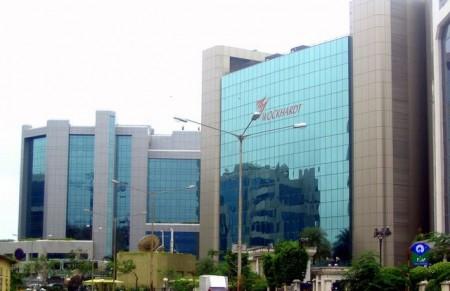
Wockhardt Hospital




احصل على تقييم طبي لـ في الهند. استشر الآن 18 أطباء ذوي الخبرة.
عرض جميع الأطباء
Ranjita Pawar
الدكتورة رانجِيتا باوار هي المديرة وأخصائية علم النفس في مركز "زوربا كير" (ZorbaCare) في مدينة بيون. وهي متخصصة في التعافي من الإدمان، والعلاج الأسري، والصحة النفسية للمراهقين. حاصلة على درجة الدكتوراه في علم النفس وماجستير في علم النفس التطبيقي من معهد "نارسي مونجي" (NMIMS) في مومباي. تشرف الدكتورة باوار على برامج العلاج النفسي في مركز "زوربا كير"، وهو مرفق معتمد بشهادة الآيزو (ISO 9001:2015).
- تعالج اضطرابات تعاطي الكحول والمخدرات والمواد الأفيونية.
- تعالج حالات الصحة النفس
Radha Palakurthi
مشاركة المحتوى
قصص فيديو من مرضى Bookimed
 Anna Leonova
أسئلة متكررة حول علاج سرطان المريء في الهند
ما هي طرق العلاج المتاحة لسرطان المريء في الهند؟
يتبع علاج سرطان المريء في الهند بروتوكولات موحدة تشمل استئصال المريء، والعلاج الكيميائي، والإشعاع المتقدم. تستخدم المراكز الرائدة منصة Halcyon والتقنيات المساعدة بالروبوت لتحقيق الدقة. تدير فرق متعددة التخصصات في المرافق المعتمدة من JCI الحالات المعقدة باستخدام العلاج الكيميائي والإشعاعي المساعد الجديد لتحسين النتائج الجراحية ومعدلات البقاء على قيد الحياة.
- الاستئصال الجراحي: يقوم الجراحون بإجراء عمليات استئصال المريء باستخدام تقنيات مفتوحة أو طفيفة التوغل بمساعدة الروبوت.
- تكنولوجيا الإشعاع: تستخدم المرافق منصة Halcyon وتقنية IGRT لاستهداف الورم بدقة.
- العلاج الجهازي: يقوم أطباء الأورام بإدارة بروتوكولات مستهدفة، والعلاج المناعي، والعلاج الكيميائي التقليدي للحالات المتقدمة.
- الطرق الشمولية: تقدم العيادات المتخصصة علاجاً يعتمد على الحرارة الفائقة (Oncothermia) لتكملة العلاجات القياسية.
رؤية خبير Bookimed: أصبحت الهند رائدة عالمياً في مجال الأورام ذي الحجم الكبير، حيث أجرى أطباء مثل الدكتور راج ناجاركار أكثر من 50,000 جراحة سرطان. يسمح هذا الحجم السريري الهائل للجراحين الهنود بالتعامل مع عمليات إعادة بناء معقدة للغاية قد تتجنبها المراكز الأصغر. بالنسبة لحالات المريء، غالباً ما تترجم هذه الخبرة إلى حفظ أفضل للجهاز الهضمي وانتقال أسرع إلى التغذية عن طريق الفم.
إجماع المرضى: يشير المرضى إلى أنه من الضروري التأكد في وقت مبكر مما إذا كان هدف العلاج علاجياً أو للسيطرة على الأعراض. يؤكد الكثيرون على أهمية بدء الدعم الغذائي ع
ما هو معدل نجاح علاج سرطان المريء في الهند؟
يحقق علاج سرطان المريء في الهند معدل بقاء على قيد الحياة لمدة 5 سنوات يتراوح بين 60% إلى 80% لحالات المرحلة الأولى. يعتمد النجاح بشكل كبير على مرحلة التشخيص. تبلغ الحالات المتقدمة متوسطات أقل. تحقق المراكز ذات الحجم الكبير التي تستخدم العلاج الثلاثي استجابة مرضية كاملة لدى ما يصل إلى 62.5% من المرضى.
- نتائج المرحلة الأولى: يحقق التدخل المبكر معدل بقاء على قيد الحياة لمدة 5 سنوات بنسبة 60% إلى 80% من خلال الجراحة أو التنظير.
- البقاء على قيد الحياة في المرحلة المتقدمة: تظهر حالات المرحلة الثانية والثالثة معدلات بقاء تتراوح بين 10% إلى 24%.
- نجاح العلاج الثلاثي: الجمع بين العلاج الكيميائي والإشعاعي قبل الجراحة يحقق استجابة بنسبة 35% إلى 62.5%.
- التأثير الجراحي: تمد عملية استئصال المريء العلاجية متوسط البقاء على قيد الحياة إلى 45 شهراً للمرشحين المناسبين.
رؤية خبير Bookimed: يعتمد النجاح غالباً على حجم العمليات الجراحية. أجرى الدكتور راجا سوندارام في مستشفى جلوبال تشيناي أكثر من 15,000 عملية جراحية للسرطان. يحمل الدكتور سوريندر داباس في مستشفى BLK Super Speciality أرقاماً قياسية آسيوية للتقنيات الروبوتية. يساعد اختيار الجراحين الذين لديهم أكثر من 8,000 إجراء في إدارة المخاطر مثل التسريبات وتحسين نتائج البلع على المدى الطويل.
إجماع المرضى: يؤكد المرضى أن النجاح يعني استعادة القدرة على البلع والحفاظ على الوزن. ويشيرون إلى أن النتائج تتحسن بشكل ملحوظ عند العلاج في المراكز التي تتعامل مع أحجام كبيرة من جراحات المريء.
هل سأحتاج إلى أنبوب تغذية أو تغييرات غذائية كبيرة بعد العلاج؟
غالبًا ما يتطلب علاج سرطان المريء في الهند دعمًا غذائيًا مؤقتًا وتعديلات غذائية كبيرة. عادةً ما يقوم الجراحون بوضع أنبوب تغذية أثناء استئصال المريء لضمان التغذية أثناء التئام المريء. يعود معظم المرضى إلى التناول الفموي في غضون أسابيع ولكنهم يحتاجون إلى تغييرات مدى الحياة في وتيرة الوجبات وحجم الحصص.
- استخدام أنبوب التغذية: توفر الأنابيب المؤقتة سعرات حرارية أساسية مباشرة بعد الجراحة بينما تلتئم الأنسجة.
- وتيرة الوجبات: يجب على المرضى التحول إلى 5-8 وجبات خفيفة يوميًا بدلاً من الوجبات الكبيرة.
- تعديلات القوام: تساعد الأطعمة اللينة والرطبة في تجنب الألم أو الصعوبة عند بلع القوام الجاف.
- إدارة الارتجاع: النوم مع رفع الرأس يمنع الارتجاع الليلي الشائع بعد استئصال المريء.
رؤية خبير Bookimed: يجب على المرضى إعطاء الأولوية للعيادات التي تضم فرقًا جراحية ذات خبرة عالية، مثل مركز HCG Manavata للسرطان حيث أجرى الدكتور راج ناجاركار أكثر من 50,000 إجراء. غالبًا ما يرتبط حجم الجراحات المرتفع في المراكز الهندية بإدارة أفضل للانتقالات بعد الجراحة. يستخدم جراحون مثل الدكتور سوريندر داباس في مستشفى BLK Super Speciality تقنيات روبوتية قد تساعد في تقليل الندبات الداخلية. هذه الدقة الجراحية حيوية لتقليل صعوبات البلع على المدى الطويل ومساعدة المرضى على العودة إلى نظام غذائي أكثر تنوعًا في وقت أقرب.
إجماع المرضى: يؤكد المرضى أن أنبوب التغذية هو شبكة أمان مفيدة أثناء التعافي المبكر. يذكر الكثيرون أن التحول إلى الأطعمة اللينة الغنية بالسعرات
ما هي أفضل المستشفيات والأخصائيين في الهند لعلاج سرطان المريء؟
تشمل أفضل المستشفيات في الهند لعلاج سرطان المريء مرافق معتمدة من اللجنة الدولية المشتركة (JCI) مثل BLK Super Speciality و Apollo Indraprastha. يستخدم الأخصائيون الرائدون مثل الدكتور سوريندر داباس والدكتور راج ناجاركار استئصال المريء الروبوتي والعلاج الإشعاعي الدقيق. توفر هذه المراكز تحديداً شاملاً للمرحلة عبر فحوصات PET-CT والتنظير الداخلي.
- خبرة في جراحة الأورام: أجرى الدكتور سوريندر داباس أكثر من 8000 جراحة معقدة في الصدر والرأس والرقبة.
- مراكز ذات حجم كبير: يجري مستشفى جلوبال في تشيناي أكثر من 18000 عملية سنوياً بسعة 1000 سرير.
- مؤهلات متقدمة: أجرى الدكتور راج ناجاركار أكثر من 50000 جراحة سرطان مع تدريب متخصص في جراحة الصدر.
- التميز الأكاديمي: يحمل جراحون مثل الدكتور ديفندر شارما زمالات من مؤسسات السرطان الوطنية الرائدة.
رؤية خبير Bookimed: حجم المرضى هو المؤشر الأكثر موثوقية لنجاح استئصال المريء في الهند. على سبيل المثال، أجرى الدكتور راج ناجاركار في HCG Manavata أكثر من 50000 إجراء. غالباً ما يحقق الأخصائيون الذين يتعاملون مع عدد كبير من الحالات نتائج أفضل لأنهم يديرون أعباء عمل أكبر من الجراحين في العيادات الخاصة الصغيرة.
إجماع المرضى: يشير المرضى إلى أنه من الضروري اختيار مركز ثالثي كبير حيث يقوم الفريق الجراحي بإجراء استئصال المريء بشكل روتيني. ويؤكدون أن الدعم الغذائي المتخصص وتحديد المرحلة المنسق أكثر أهمية من وسائل الراحة الفاخرة في المستشفى.
كم من الوقت يجب أن يبقى المريض الدولي في الهند لتلقي العلاج؟
يتطلب علاج سرطان المريء في الهند عادةً إقامة تتراوح من 3 إلى 6 أسابيع. تشمل هذه الفترة 3 أيام للتشخيص و14 إلى 21 يوماً للتعافي بعد الجراحة. غالباً ما تؤدي العمليات الجراحية المعقدة مثل استئصال المريء إلى تمديد الإقامة إلى شهرين للمراقبة.
- مرحلة التشخيص: تستغرق التقييمات قبل الجراحة مثل التصوير المقطعي بالإصدار البوزيتروني (PET-CT) وتنظير المعدة من 2 إلى 3 أيام.
- التعافي الجراحي: يستمر التنويم في المستشفى عادةً من 7 إلى 14 يوماً بعد الجراحة الكبرى.
- مدة التأشيرة: تسمح التأشيرة الطبية الإلكترونية (e-Medical) بالإقامة لمدة 60 يوماً مع ما يصل إلى ثلاث عمليات دخول.
- تصريح السفر: يقترح الأطباء فترة انتظار مدتها 10 أيام بعد الخروج من المستشفى قبل ركوب الرحلات الجوية الطويلة.
رؤية خبراء Bookimed: تسلط بيانات حجم المرضى الضوء على أن المراكز الهندية الكبرى مثل مستشفيات مانيبال ومستشفيات أبولو تعالج أكثر من 1,000,000 مريض سنوياً. هذا المعدل المرتفع يعني اكتمال التشخيص في غضون 48 ساعة. ومع ذلك، غالباً ما يوصي جراحون مثل الدكتور سوريندر داباس بالبقاء بالقرب من العيادة لمدة 14 يوماً بعد الخروج لإدارة الانتقال إلى الأطعمة الصلبة.
إجماع المرضى: يشير المرضى إلى أن تاريخ الخروج من المستشفى نادراً ما يكون هو نفس تاريخ السفر الآمن. ويؤكدون على أهمية البقاء لفترة أطول لضمان استقرار البلع والتغذية قبل العودة إلى الوطن.