علاج سرطان المريء في تركيا — احصل على 3 عيادات مختارة خصيصاً لك


تمت مراجعة المقالة طبيا من قبل
فهد مولود
كيف نعمل؟
ما هي تكلفة سرطان المريء إجراءات التشخيص والعلاج في تركيا؟ اعرف الآن
تختلف التكلفة الإجمالية لعلاج سرطان المريء في تركيا اعتمادًا على خطة العلاج. استشارة طبيب الأورام تكلف حوالي $120، وفحص PET-CT يكلف $650، ووضع قسطرة الميناء يكلف $1,800. جلسات العلاج الكيميائي تكلف $1,100 لكل جلسة، بينما جلسات العلاج المناعي تكلف $3,900 لكل منها. التكلفة المحتملة لـ 30 جلسة من العلاج الإشعاعي حوالي $5,500. بالإضافة إلى ذلك، الدراسات الجينية تكلف $7,500، وكل دورة من نظام العلاج الكيميائي FOLFOX تكلف $1,100، وعلاج نيفولوماب يكلف $6,900 لكل دورة.
اكتشف أفضل سرطان المريء العيادات في تركيا: 34 خيارات معتمدة والأسعار








Memorial Ankara Hospital
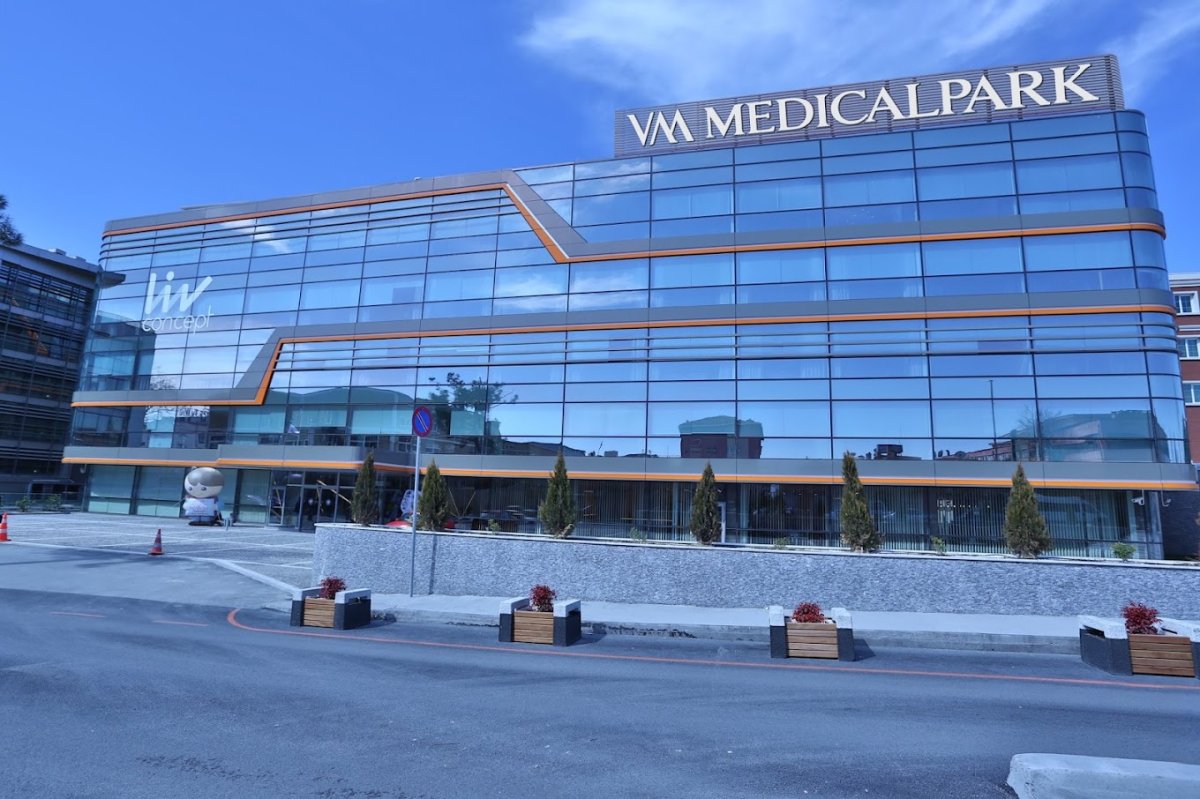


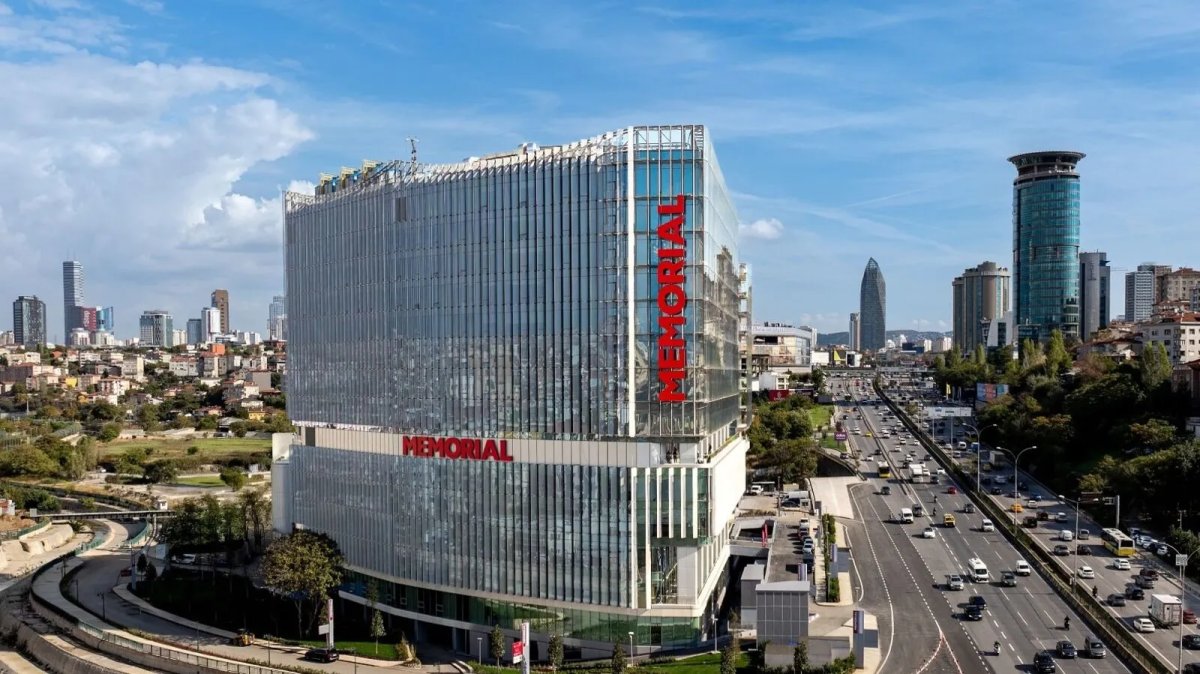
Memorial Göztepe Hospital


احصل على تقييم طبي لـ في تركيا. استشر الآن 85 أطباء ذوي الخبرة.
عرض جميع الأطباء
Bulent Karagoz
تم إجراء أكثر من 900 عملية – يتخصص الدكتور بولنت كاراغوز في سرطان المريء في مركز الأناضول الطبي، مع خبرة 33 سنة في علم الأورام.
- أستاذ في كلية الطب بجامعة إسطنبول أوكان
- مؤلف لأكثر من 40 بحثاً علمياً في مجال الأورام
- متخصص في بيولوجيا الأورام والعلاجات الموجهة
- عضو الجمعية التركية للأورام الطبية

Abdulcabbar Kartal
متخصص في التقنيات طفيفة التوغل لعلاج سرطان المريء في مركز الأناضول الطبي، مع تدريب جراحي مكثف.
- 19 سنة من الخبرة الجراحية، بما في ذلك في المستشفيات التركية الرائدة
- عضو في العديد من الجمعيات الجراحية المرموقة، بما في ذلك الجمعية الأوروبية لجراحة القولون والمستقيم
- مدرب على إجراءات تنظير البطن والتنظير الداخلي المتقدمة
- خبرة في تقنيات التنظير التشخيصي والتداخلي

Vafi Atalay
الدكتور وافي أتالاي جراح أورام وجراحة عامة ذو خبرة تزيد عن 17 عامًا. يختص في جراحات البنكرياس والقولون والمستقيم والكبد، ويجري أيضًا إجراءات تنظيرية متقدمة. نشر 31 مقالة في مجلات محلية ودولية، مساهماً بشكل كبير في الأدبيات الطبية.
حصل على الجائزة الأولى في مسابقة الأبحاث بالمؤتمر العشرين، وجائزة أفضل بحث في المؤتمر الخامس لجراحة الأبحاث. الدكتور أتالاي عضو في الجمعية التركية للجراحة، وجمعية الأطباء الفلسطينيين، والجمعية الدولية للجراحة، ويعكس نشاطه في هذه المنظمات التزامه بالتطور المه
Banu Atalar
الدكتورة بانو أتالار طبيبة أورام إشعاعية حاصلة على شهادة البورد (تركيا، 2004). تشغل منصب أستاذة في جامعة أجيبادم MAA (2018–الآن) وطبيبة سريرية في مركز الأناضول الطبي (2026–الآن). تلقت تدريبها في جامعة إسطنبول وكلية جراح باشا. في عام 2011 أتمّت زمالة أبحاث سريرية بجامعة ستانفورد في الجراحة الإشعاعية التجسيمية. يتركز عملها على أورام الجهاز العصبي المركزي والأورام الصدرية وأورام الجهاز الهضمي. نحو 75% من رعايتها تشمل الجراحة الإشعاعية التجسيمية SRS وSRS التكيفية الموجّهة بالرنين المغناطيسي.
المراجعات
جميع المراجعاتمشاركة المحتوى
قصص فيديو من مرضى Bookimed
 Anna Leonova
أسئلة متكررة حول علاج سرطان المريء في تركيا
ما هي خيارات العلاج المتاحة لسرطان المريء في تركيا؟
يشمل علاج سرطان المريء في تركيا استئصال المريء، والعلاج الكيميائي، والعلاج الإشعاعي. تستخدم المراكز ذات الكفاءة العالية نظام دافنشي الروبوتي للجراحة طفيفة التوغل. يحصل المرضى على تشخيصات متقدمة مثل التصوير المقطعي بالإصدار البوزيتروني/المقطعي المحوسب الرقمي وعلاج TrueBeam الإشعاعي داخل مرافق معتمدة من اللجنة الدولية المشتركة (JCI) لضمان تحديد دقيق للمرحلة.
- التقنيات الجراحية: يقوم الجراحون بإجراء عمليات استئصال المريء بالمنظار وبمساعدة الروبوت لتعزيز التعافي السريع.
- طب الأورام: يقدم المتخصصون العلاج الموجه والعلاج المناعي بناءً على إرشادات ESMO وASCO.
- العلاج الإشعاعي المتقدم: تستخدم المرافق تقنية Halcyon وTrueBeam STx لاستهداف الأورام بدقة.
- الرعاية متعددة التخصصات: تجمع خطط العلاج بين الأورام، وجراحة الصدر، وخدمات الدعم الغذائي المتخصصة.
رؤية خبير Bookimed: تخدم مراكز الأورام التركية مثل مركز الأناضول الطبي وميديبول ميجا ما بين 65,000 إلى 1,000,000 مريض سنوياً. يسمح هذا الحجم الهائل للجراحين مثل الدكتور محمد زكي غونلو أوغلو أو الدكتور كيفانتش ديريا بيكر بالحفاظ على خبرة عالية في استئصال المريء المعقد. يستفيد المرضى من هذه الخبرة من خلال مجالس أورام متعددة التخصصات تراجع كل حالة.
إجماع المرضى: يؤكد المرضى على الحاجة إلى فريق شامل يضم أخصائيي تغذية للتعامل مع فقدان الوزن وصعوبات البلع. يلاحظ الكثيرون كفاءة العيادات التركية في إكمال التشخيص المعقد في غضون أسبوع واحد فقط.
ما مدى سرعة بدء العلاج بمجرد وصولي إلى تركيا؟
عادة ما يبدأ علاج سرطان المريء في تركيا في غضون يوم إلى 3 أيام من الوصول. غالباً ما تحدث الاستشارات السريرية والتصوير التشخيصي على الفور. تعطي المستشفيات الخاصة المعتمدة من قبل اللجنة الدولية المشتركة (JCI) الأولوية للحالات الدولية. يضمن هذا سرعة تحديد المرحلة والجدولة الجراحية. يبدأ معظم المرضى خطة علاج كاملة في غضون أسبوع واحد.
- الاستشارات الأولية: غالباً ما يرى الأطباء المرضى في نفس صباح اليوم أو بعد يوم واحد من الوصول.
- فترة التشخيص: عادة ما يتم الانتهاء من فحص PET-CT، وتنظير المعدة، ومراجعات علم الأمراض في غضون 3 إلى 5 أيام.
- الجدولة الجراحية: عادة ما يتم إجراء العمليات الجراحية المعقدة مثل استئصال المريء في غضون أسبوع واحد من الموافقة.
- الخدمات اللوجستية المتكاملة: تقوم مراكز التخصصات المتعددة مثل مركز الأناضول الطبي بتجميع التشخيصات ومراجعات الأخصائيين.
رؤية خبير Bookimed: تُظهر البيانات أن اختيار العيادات التي لديها مختبرات أنسجة مرضية داخلية، مثل مركز الأناضول الطبي أو Medipol، يمكن أن يوفر 48 ساعة من وقت تحديد المرحلة. هذه السرعة حاسمة لحالات المريء حيث تتطلب صعوبة البلع تدخلاً عاجلاً. ابحث عن باقات مثل تلك الموجودة في Liv Hospital Ulus التي تشمل جميع الاختبارات قبل الجراحة لتجنب تأخير الجدولة.
إجماع المرضى: يشير المرضى إلى أن إحضار شرائح علم الأمراض الأصلية ونتائج فحص PET-CT الحديثة من الوطن أمر ضروري. إن توفرها يسمح للفرق التركية بتأكيد التشخيص وإتمام الخطة الجراحية دون الحاجة إلى تكرار كل اختبار.
ما الذي يجب أن أسأل الفريق الطبي عنه بخصوص خطة علاجي؟
اسأل عن نوع الورم الخاص بك، والمرحلة الدقيقة، وما إذا كان الهدف الأساسي علاجيًا أو تلطيفيًا. تحقق مما إذا كانت الخطة تدار من قبل مجلس أورام متعدد التخصصات. أكد تسلسل العلاج الكيميائي والإشعاعي والجراحة باستخدام تقنيات مثل PET/CT وروبوت دا فينشي.
- النهج الجراحي: اسأل عما إذا كان استئصال المريء بالمنظار أو بمساعدة الروبوت ممكنًا لتقليل وقت التعافي.
- تسلسل العلاج: أكد توقيت فحوصات إعادة التقييم بعد العلاج الكيميائي الإشعاعي لاتخاذ قرار بشأن الجراحة.
- الدعم الغذائي: ناقش خطط الحفاظ على الوزن، وأنابيب التغذية، أو الدعامات قبل بدء العلاج.
- مستوى الخبرة: استفسر عن الحجم السنوي لعمليات استئصال المريء التي يجريها الجراح ومعدلات المضاعفات المحددة.
رؤية خبراء Bookimed: تختلف مراكز الأورام التركية بشكل كبير في تقنياتها الجراحية؛ على سبيل المثال، يقدم مستشفى ليف أولوس أنظمة روبوتية دا فينشي لاستئصال المريء. تكشف مقارنة الباقات أن بعضها يشمل 16 يومًا من إجمالي الإقامة (10 في المستشفى، 6 في الفندق)، بينما يغطي البعض الآخر الجراحة نفسها فقط. اختيار باقة شاملة يضمن حصولك على فترة المراقبة السريرية اللازمة لمدة 10 أيام لمراقبة أي تسرب محتمل بعد الجراحة.
إجماع المرضى: يؤكد المرضى على أهمية العثور على منسق رئيسي للأسئلة العاجلة حول آلام البلع أو الآثار الجانبية المفاجئة. كما يلاحظون أن وجود مترجم مخصص في كل اجتماع أمر حيوي لفهم نتائج التشخيص المعقدة.
ما هو جدول المتابعة طويل الأمد الموصى به بعد علاج سرطان المريء؟
يتبع المرضى جدول فحص صارم لمدة 5 سنوات لمراقبة التكرار. تحدث الفحوصات كل 3 إلى 6 أشهر خلال العامين الأولين. تنخفض التكرارية إلى كل 6 إلى 12 شهرًا للسنوات من 3 إلى 5. تبدأ الزيارات السنوية بعد الوصول إلى علامة الخمس سنوات.
- المراقبة التشخيصية: يستخدم الأطباء فحوصات PET/CT والأشعة المقطعية بـ 512 شريحة للكشف عن عودة السرطان مبكرًا.
- التقييم البدني: يراقب المتخصصون الحفاظ على الوزن، ووظيفة البلع، وأي نقص غذائي محتمل أو ارتجاع.
- المراقبة بالمنظار: يسمح تنظير المعدة الدوري بالتصوير المباشر للمريء للتحقق من وجود تضيق.
- تحليل الدم: تراقب اختبارات الدم الموسعة مؤشرات الأورام والصحة العامة خلال كل زيارة.
رؤية خبراء Bookimed: توفر مراكز الأورام التركية مثل مركز الأناضول الطبي مجالس أورام متعددة التخصصات حيث يراجع أطباء الأورام والجراحون فحوصات المتابعة معًا. يضمن هذا النهج التعاوني تقييم حتى التغيرات الطفيفة في البلع أو الوزن للتأكد مما إذا كانت ناتجة عن تكرار المرض أو مشكلات حميدة بعد الجراحة. تقدم بعض المراكز باقات جراحية شاملة تتراوح بين 24,000 إلى 26,000 دولار تشمل زيارات وفحوصات المتابعة الأولية بعد الجراحة.
إجماع المرضى: يشير المرضى إلى أنه من المهم التعامل مع السعال الجديد أو الارتجاع كسبب للفحص الفوري. يؤكد الكثيرون أن صعوبة البلع لا تعني دائمًا تكرار المرض، ولكنها قد تتطلب توسيعًا مهنيًا.