سرطان المريء العلاج في تايلاند - التكاليف 2026


تمت مراجعة المقالة طبيا من قبل
فهد مولود
ما هي تكلفة سرطان المريء إجراءات التشخيص والعلاج في تايلاند؟ اعرف الآن
من $2,400 / 81,600฿. وتتراوح تكلفة التدخلات الجراحية الكبرى مثل استئصال المريء من $20,000 / 680,000฿ إلى $35,000 / 1,190,000฿. تعتمد النفقات الإجمالية على مرحلة السرطان، ومستوى المستشفى، والعلاج المختار. يمكن للمرضى توقع توفير ما بين 30-50% مقارنة بالولايات المتحدة. تشمل مراكز العلاج الرائدة بانكوك وباتايا.
تكاليف علاج سرطان المريء النموذجية في تايلاند
- فحص PET/CT: من $2,400 / 81,600฿
- خزعة: $300 / 10,200฿ – $850 / 28,900฿
- استشارة مع طبيب أورام: $50 / 1,700฿ – $150 / 5,100฿
- استئصال المريء: $20,000 / 680,000฿ – $35,000 / 1,190,000฿
- العلاج الإشعاعي لسرطان المريء: $8,000 / 272,000฿ – $14,000 / 476,000฿
- العلاج الكيميائي لسرطان المريء: $7,000 / 238,000฿ – $12,000 / 408,000฿
- التشخيص المعقد لسرطان المريء: السعر عند الطلب
- مراجعة الأنسجة المرضية: السعر عند الطلب
- تصوير مقطعي للصدر: السعر عند الطلب
- العلاج الحراري للأورام (Oncothermia): السعر عند الطلب
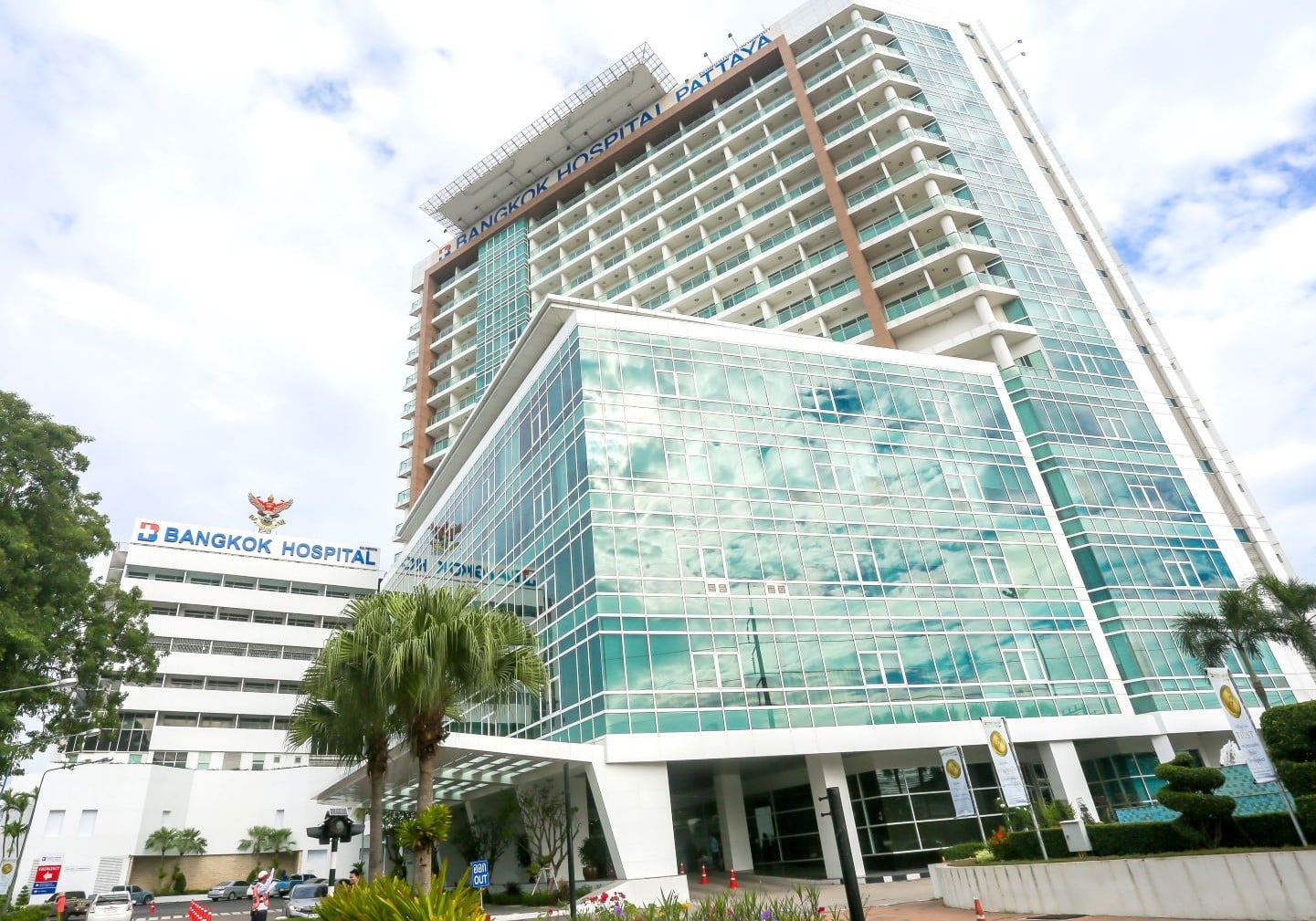
رؤية خبراء Bookimed: تتطلب الحالات المتقدمة مراكز عالية التقنية لتحقيق نتائج أفضل. يُعد مستشفى بامرونجراد الدولي خياراً من الدرجة الأولى للجراحة الروبوتية والتشخيص القائم على الذكاء الاصطناعي. وهو يصنف ضمن أفضل 10 مستشفيات في العالم وحاصل على اعتماد اللجنة الدولية المشتركة (JCI). وبالنسبة للخبرة الإقليمية، يعمل مستشفى بانكوك باتايا كمركز تشخيصي رئيسي وفقاً لمعايير JCI. يستفيد المرضى الدوليون بشكل كبير من هذه الفرق متعددة التخصصات لرعاية حالات سرطان المريء المعقدة.
| تايلاند | تركيا | إسبانيا | |
| العلاج الكيميائي لسرطان المريء | ≈ $7,000 / 238,000฿ | ≈ $5,000 / 170,000฿ | من $1,100 / 37,400฿ |
| العلاج الكيميائي لسرطان الثدي | ≈ $3,000 / 102,000฿ | من $2,000 / 68,000฿ | من $2,600 / 88,400฿ |
| العلاج الإشعاعي لسرطان المريء | ≈ $8,000 / 272,000฿ | من $6,000 / 204,000฿ | من $4,000 / 136,000฿ |
| العلاج الإشعاعي لسرطان القولون والمستقيم | ≈ $5,500 / 187,000฿ | من $3,600 / 122,400฿ | من $11,200 / 380,800฿ |
| استئصال المريء | ≈ $20,000 / 680,000฿ | من $12,000 / 408,000฿ | من $2,900 / 98,600฿ |
مزاياك وضماناتك مع Bookimed
أسعار مباشرة
Bookimed لا يضيف رسوماً إضافية على أسعار علاج سرطان المريء. الأسعار مأخوذة من قوائم الأسعار الرسمية للعيادات. تدفع مباشرة في العيادة مقابل علاجك عند وصولك إلى البلد.
عيادات وأطباء معتمدون فقط
Bookimed ملتزم بسلامتك. نحن نعمل فقط مع المؤسسات الطبية التي تحافظ على معايير دولية عالية في علاج سرطان المريء ولديها التراخيص اللازمة لخدمة المرضى الدوليين في جميع أنحاء العالم.
مساعدة مجانية على مدار الساعة
Bookimed يقدم مساعدة خبراء مجانية. منسق طبي شخصي يدعمك قبل وأثناء وبعد العلاج، ويحل أي مشاكل. لن تكون وحيداً أبداً في رحلة علاج سرطان المريء.

منسقك الطبي الشخصي في Bookimed
- يدعمك في كل مرحلة
- المساعدة في اختيار العيادة الطبية المناسبة والطبيب المناسب
- يضمن الوصول السريع والمريح إلى المعلومات
اكتشف أفضل سرطان المريء العيادات في تايلاند: 3 خيارات معتمدة والأسعار






مشاركة المحتوى
قصص فيديو من مرضى Bookimed
 Anna Leonova
أسئلة متكررة حول علاج سرطان المريء في تايلاند
ما هي خيارات العلاج الرئيسية لسرطان المريء التي تقدمها المستشفيات التايلاندية الرائدة؟
توفر المستشفيات التايلاندية الرائدة رعاية متعددة التخصصات لسرطان المريء باستخدام استئصال المريء الروبوتي، والعلاج الكيميائي الإشعاعي، والعلاج المساعد الجديد. تستخدم المراكز المعتمدة مثل مستشفى بامرونجراد الدولي تشخيصات PET/CT والتخطيط القائم على الذكاء الاصطناعي. تجمع هذه المؤسسات بين طب الأورام، وأمراض الجهاز الهضمي، وجراحة الصدر لإدارة الأورام بشكل متكامل.
- التقنيات الجراحية: تستخدم المستشفيات استئصال المريء الروبوتي وبالمنظار لتقليل وقت التعافي.
- العلاج المتكامل: يجمع الأطباء بين العلاج الكيميائي والإشعاعي كعلاج مساعد جديد لتقليص الأورام.
- التشخيص المتقدم: تستخدم الفرق المتخصصة تقنيات PET/CT وتنظير المعدة عالي الدقة لتحديد مرحلة السرطان بدقة.
- التدخلات الداعمة: يقوم أطباء الجهاز الهضمي بإجراء تركيب دعامات بالمنظار للحفاظ على القدرة على البلع وتناول الطعام.
رؤية خبير Bookimed: تركز مراكز الأورام التايلاندية مثل مستشفى بامرونجراد الدولي على كفاءة التعامل مع أعداد كبيرة من المرضى. فهي تخدم أكثر من مليون مريض سنوياً عبر 70 قسماً متخصصاً. يسمح هذا النطاق الواسع لهم بالحفاظ على مجالس أورام مخصصة للحالات المعقدة للمريء. يستفيد المرضى من هذه البنية التحتية المركزية حيث يتم التشخيص والجراحة في مبنى واحد.
إجماع المرضى: يشير المرضى إلى أن المستشفيات الكبرى تنسق بشكل مثالي بين الجراحة والعلاج الكيميائي في نظام واحد. يعتمد النجاح على اللياقة الجراحية والعثور على مركز يتمتع بخبرة عميقة في عمليات استئصال المريء المعقدة.
أي مستشفيات بانكوك معترف بها لتقديم رعاية عالية الجودة لسرطان المريء؟
يعد مستشفى بامرونجراد الدولي والمقر الرئيسي لمستشفى بانكوك مراكز رائدة لرعاية سرطان المريء. تقدم هذه المرافق خدمات أورام معتمدة من اللجنة الدولية المشتركة (JCI). يستخدمون تشخيصات التصوير المقطعي بالإصدار البوزيتروني (PET/CT) المتقدمة والجراحة الروبوتية. يوفر كلا المستشفيين بروتوكولات شاملة لاستئصال المريء والإشعاع للمرضى الدوليين.
- اعتماد المستشفى: يحمل بامرونجراد اعتماد اللجنة الدولية المشتركة (JCI) واعتماد الرعاية الصحية العالمية (GHA).
- التكنولوجيا الجراحية: يوفر المقر الرئيسي لمستشفى بانكوك جراحة بمساعدة الروبوت لحالات المريء المعقدة.
- مركز متخصص: يركز مركز هورايزون الإقليمي للسرطان بشكل خاص على مسارات الأورام الشخصية.
- أدوات التشخيص: تستخدم المرافق مسوحات التصوير المقطعي بالإصدار البوزيتروني (PET/CT) وعلم الأنسجة لتحديد دقيق لمرحلة السرطان.
رؤية خبير Bookimed: يدير مستشفى بامرونجراد الدولي حجمًا هائلاً يبلغ 1,000,000 مريض سنويًا. نصف هؤلاء من الزوار الدوليين. يضمن هذا الحجم الكبير أن أطبائهم البالغ عددهم 1,300 طبيب يحافظون على مهاراتهم السريرية حادة. غالبًا ما توفر المراكز الكبيرة مثل هذا رعاية متكاملة أكثر من العيادات الصغيرة.
إجماع المرضى: يقدر المرضى المستشفيات التي يعمل فيها جراحو الصدر وأطباء الأورام معًا في مبنى واحد. يلاحظون أيضًا أن وجود منسقين يتحدثون الإنجليزية يجعل إدارة علاجات الأورام المعقدة أسهل بكثير.
ما هو معدل النجاح النموذجي وجودة الرعاية لعلاج سرطان المريء في تايلاند؟
تحقق مراكز الأورام التايلاندية معدل بقاء على قيد الحياة يزيد عن 90% لسرطان المريء في مراحله المبكرة. تمتلك مرافق مثل مستشفى بامرونجراد الدولي اعتماد اللجنة الدولية المشتركة (JCI) وتصنيفات نيوزويك. تستخدم المراكز المتقدمة التصوير المقطعي بالإصدار البوزيتروني (PET/CT) واستئصال المريء بمساعدة الروبوت. تضمن هذه التقنيات رعاية عالية الجودة قابلة للمقارنة بالمعايير السريرية الغربية.
- النجاح في المراحل المبكرة: تبلغ حالات المرحلة 0 عن معدلات شفاء تتجاوز 90% مع الاستئصال.
- الدقة الجراحية: تحقق المراكز التايلاندية المتخصصة معدلات إزالة كاملة للورم تزيد عن 79%.
- تكنولوجيا الروبوت: تستخدم المستشفيات رفيعة المستوى الجراحة الروبوتية لتقليل الألم وتسريع التعافي.
- الاعتماد العالمي: تحافظ المرافق على معايير اللجنة الدولية المشتركة (JCI) واعتماد الرعاية الصحية العالمية.
- فرق متخصصة: تشمل اللجان متعددة التخصصات جراحي الصدر وأطباء الأورام وأطباء الجهاز الهضمي.
رؤية خبير Bookimed: جودة الرعاية في تايلاند مدفوعة بأحجام هائلة من المرضى. يعالج مستشفى بامرونجراد الدولي أكثر من مليون مريض سنويًا. يدير موظفوهم حالات معقدة من 190 دولة مختلفة. يبني هذا الحجم الكبير خبرة متخصصة لا يمكن للعيادات الإقليمية الصغيرة مضاهاتها. يجب على المرضى اختيار المراكز الموجودة في بانكوك حيث تعد شهادات JCI وISO معيارًا قياسيًا.
إجماع المرضى: يلاحظ المرضى أن المستشفيات الكبرى تقدم أوقات انتظار أقصر بكثير من الأنظمة الغربية. ويؤكدون أن التن
هل يتم إجراء الجراحة باستخدام تقنيات طفيفة التوغل أو روبوتية؟
تجري مراكز الأورام التايلاندية جراحة سرطان المريء باستخدام تقنيات طفيفة التوغل ومساعدة الروبوت. يستخدم الجراحون طرق تنظير البطن والصدر لإزالة الأورام بدقة عالية. تمتلك المستشفيات الكبرى في بانكوك وباتايا اعتماد اللجنة الدولية المشتركة (JCI). تتخصص هذه المرافق في استئصال المريء المعقد للمرضى الدوليين.
- التقنيات المتاحة: يقدم الجراحون استئصال المريء عبر التنظير البطني، وتنظير الصدر، وبمساعدة الروبوت.
- التكنولوجيا السريرية: تدمج المرافق الرائدة مثل بامرونجراد الجراحة الروبوتية والتصوير الرقمي.
- معايير الاعتماد: تحافظ المستشفيات على اعتماد الرعاية الصحية العالمية وبروتوكولات سلامة اللجنة الدولية المشتركة (JCI).
- سعة المرضى: تخدم المراكز الكبرى أكثر من مليون مريض سنويًا بأقسام متخصصة.
رؤية خبير Bookimed: تعد المستشفيات التايلاندية مثل بامرونجراد الدولي من بين الأكثر تقدمًا من الناحية التكنولوجية على مستوى العالم. تظهر بياناتنا أن هذه المراكز تتعامل مع أكثر من 190 جنسية سنويًا. يضمن هذا الحجم الكبير عبر 70 قسمًا حفاظ الفرق الجراحية على خبرة حادة في إجراءات الأورام الروبوتية المعقدة. غالبًا ما تحقق المراكز ذات الحجم الكبير دقة أفضل في إعادة بناء المريء.
إجماع المرضى: يؤكد المرضى أنه على الرغم من أن الخيارات طفيفة التوغل تبسط التعافي، إلا أن الإجراء يظل جراحة كبرى. غالبًا ما يوصون باختيار المستشفيات الدولية ذات الحجم الكبير حيث تؤدي الفرق هذه التقنيات المحددة يوميًا.
هل أهداف العلاج علاجية (شفائية) أم تلطيفية؟
يسعى علاج سرطان المريء في تايلاند إلى تحقيق أهداف علاجية أو تلطيفية بناءً على المرحلة. غالبًا ما تستخدم الخطط العلاجية للمراحل المبكرة العلاج الكيميائي والإشعاعي المساعد متبوعًا بجراحة استئصال المريء. يركز الرعاية التلطيفية على تخفيف انسدادات البلع من خلال وضع دعامات أو العلاج الإشعاعي الموجه عندما لا يكون الشفاء ممكنًا.
- النهج العلاجي: يجمع بين العلاج الكيميائي والإشعاعي والجراحة للقضاء على الورم الأساسي.
- التقنيات التلطيفية: تشمل وضع الدعامات والعلاج الإشعاعي لتحسين التغذية وجودة الحياة.
- التشخيص المتقدم: يضمن التصوير المقطعي بالإصدار البوزيتروني (PET/CT) ومراجعة الأنسجة المرضية في المراكز المعتمدة من اللجنة الدولية المشتركة (JCI) تحديد مرحلة دقيقة.
- معايير المرافق: تستخدم مراكز مثل مستشفى بامرونجراد الدولي الذكاء الاصطناعي والتصوير الرقمي للتخطيط.
رؤية خبير Bookimed: تتفوق مراكز الأورام التايلاندية في توفير رعاية مزدوجة المسار داخل مرفق واحد. يدير مستشفى بامرونجراد الدولي 500,000 مريض دولي سنويًا باستخدام 70 قسمًا متخصصًا. يسمح هذا النطاق للمرضى بالانتقال بسلاسة من الجراحة العلاجية إلى الدعم التلطيفي إذا تغيرت الحالة السريرية. غالبًا ما توفر المراكز ذات الحجم الكبير نتائج أكثر استقرارًا للإجراءات المعقدة مثل استئصال المريء.
إجماع المرضى: يؤكد المرضى أن تحسين القدرة على البلع غالبًا ما يهم بقدر إحصائيات البقاء على قيد الحياة. ينصح الكثيرون بالسؤال تحديدًا عما إذا كانت الجراحة ممكنة لتحديد ما إذا كان القصد علاجياً.<
ما هي الآثار الجانبية المتوقعة وكيف يتم التعامل معها؟
تسبب علاجات سرطان المريء في تايلاند عادةً الإرهاق، وصعوبة البلع، وفقدان الوزن. يتعامل الجراحون وأطباء الأورام مع هذه الآثار من خلال تخفيف الألم الاستباقي ودعم التغذية. تستخدم المراكز المعتمدة من اللجنة المشتركة الدولية (JCI) في بانكوك وباتايا وسائل تشخيص متقدمة مثل فحوصات PET/CT لمراقبة التعافي وتكييف بروتوكولات الرعاية الداعمة.
- دعم البلع: تساعد علاجات النطق والبلع المرضى على الانتقال من السوائل إلى الأطعمة اللينة بأمان.
- إدارة التغذية: يوفر اختصاصيو التغذية خططاً عالية السعرات الحرارية أو أنابيب تغذية مؤقتة لمنع فقدان الوزن الخطير.
- السيطرة على الارتجاع: يصف الأطباء أدوية خفض الحموضة ويوصون بالنوم في وضع مرتفع للتحكم في الارتجاع بعد الجراحة.
- تخفيف أعراض الجهاز الهضمي: تستخدم الفرق الطبية مضادات القيء الحديثة وملينات البراز للتحكم في الغثيان والإمساك.
رؤية خبراء Bookimed: تعالج أفضل مستشفيات تايلاند مثل بامرونجراد الدولي (Bumrungrad International) أكثر من مليون مريض سنوياً. هذا الحجم الهائل يعني أن فرق الأورام لديهم تعرف تماماً كيف تختلف الآثار الجانبية باختلاف الجنسية. وغالباً ما يخصصون اختصاصيي تغذية للمرضى الدوليين. يقوم هؤلاء المتخصصون بتكييف خطط الوجبات لتناسب الأنظمة الغذائية الثقافية المألوفة، مما يساعد في الحفاظ على القوة أثناء دورات العلاج الكيميائي المرهقة.
إجماع المرضى: يشير المرضى إلى أن البلع غالباً ما يكون أسوأ قبل أن يتحسن بعد الإشعاع. وقد وجد الكثيرون أن استخدام أنبوب التغذية كان جسراً مفيداً بدلاً
كم من الوقت يحتاج المسافرون لأغراض طبية للبقاء في تايلاند بعد العلاج؟
يبقى المرضى عادةً في تايلاند لمدة تتراوح بين 14 إلى 21 يوماً بعد جراحة المريء. تضمن هذه الفترة السلامة قبل رحلات الطيران الطويلة. وهي تغطي التئام الجروح الأولي وفحوصات ما بعد الجراحة الأساسية. يجب أن يؤكد الأطباء أنك تستطيع الحفاظ على رطوبة جسمك والتحكم في الألم بشكل مستقل قبل السفر.
- التعافي من الجراحة: خصص 10-14 يوماً للمراقبة بعد إجراءات استئصال المريء المعقدة.
- التصريح بالطيران: يشترط الجراحون استقرار العلامات الحيوية وتناول التغذية قبل السماح بالسفر.
- مدة التأشيرة: تمنح التأشيرات الطبية غالباً من 60 إلى 90 يوماً للتعافي.
- فحوصات المتابعة: تُجرى فحوصات PET/CT أو CT بعد الجراحة عادةً في غضون الأسبوع الأول.
رؤية خبراء Bookimed: في حين يتوقع الكثيرون مغادرة سريعة، غالباً ما يبقى المرضى في مراكز ذات حجم عمل كبير مثل مستشفى بامرونجراد الدولي (Bumrungrad International Hospital) لفترة أطول. تخدم هذه العيادة 50% من المرضى الدوليين وتدير حالات عالية التعقيد. تظهر البيانات أن إجراءات المريء الكبرى تتطلب أسبوعين من المراقبة المحلية. وهذا يتماشى مع معايير السلامة المعتمدة من اللجنة المشتركة الدولية (JCI) في عيادات بانكوك.
إجماع المرضى: يشير المرضى إلى أن استعادة القدرة على البلع والأكل تستغرق وقتاً أطول مما كان متوقعاً. ويوصون بتخصيص وقت إضافي للتعامل مع الإجهاد وتعديلات الأدوية قبل السفر.