العودة إلى الصفحة الرئيسية
820К+ مريضًا حصلوا على المساعدة منذ عام 2014
50 دول
1,500 عيادات
6K+ تقييمات
3K+ طبيب مؤهل

ما هي تكلفة أمراض النساء والتوليد في الصين؟ اكتشف الآن

Obstetrics and gynecology cost in China typically averages between $11,500 and $23,600. Total expenses vary based on whether you choose a public hospital, a VIP wing, or a private international clinic. Patients seeking high-end maternal care in China can save approximately 30-50% compared to equivalent private healthcare prices in the US.

Typical Obstetrics and Gynecology Costs in China

  • Childbirth: $6,500 – $12,500
  • Hysterectomy (uterus removal): $11,500 – $22,500
  • Myomectomy (removal of uterine fibroids): $8,800 – $14,200
  • Pregnancy follow-up: $2,800 – $7,200
  • Uterine Artery Embolization: $8,600 – $14,500
  • Ovarian Cyst Removal: $4,800 – $10,500
  • Magnetic Resonance-guided Focused Ultrasound Surgery (MRgFUS): $15,500 – $28,500
  • High intensity focused ultrasound ablation (HIFU): $10,500 – $21,000
  • Сesarean section: $8,600 – $15,400
  • Biopsy: $1,200 – $1,200

Major medical hubs for these services include Beijing, Shanghai, and Guangzhou. Costs in these first-tier cities are consistently higher than in smaller regional centers. You should consult with a specialist to get accurate pricing based on your specific medical needs and choice of facility.

الصينتركياإسبانيا
مخروط عنق الرحم (خزعة مخروطية)من $2,400من $1,040من $2,500
قسم القيصريةمن $8,600من $2,421من $3,000
فحص بالموجات فوق الصوتية الموجهة بالرنين المغناطيسي (MRgFUS)من $15,500من $10,000من $9,000
علاج الورم اللِّيفي الرحمي بالموجات الفوق صوتية الكثيفةمن $6,500من $3,500من $4,200
حبال الداخليمن $4,800من $2,300من $4,500
تم التحقق من البيانات بواسطة Bookimed اعتبارًا من May 2026، استنادًا إلى طلبات المرضى والعروض الرسمية من 2 عيادة حول العالم. تستند التكاليف المتوسطة إلى الفواتير الحقيقية (2025–2026) ويتم تحديثها شهريًا. قد تختلف الأسعار الفعلية.

مزاياك وضماناتك مع Bookimed

أسعار مباشرة

Bookimed لا يضيف رسوماً إضافية على أسعار علاج أمراض النساء والتوليد. الأسعار مأخوذة من قوائم الأسعار الرسمية للعيادات. تدفع مباشرة في العيادة مقابل علاجك عند وصولك إلى البلد.

عيادات وأطباء معتمدون فقط

Bookimed ملتزم بسلامتك. نحن نعمل فقط مع المؤسسات الطبية التي تحافظ على معايير دولية عالية في علاج أمراض النساء والتوليد ولديها التراخيص اللازمة لخدمة المرضى الدوليين في جميع أنحاء العالم.

مساعدة مجانية على مدار الساعة

Bookimed يقدم مساعدة خبراء مجانية. منسق طبي شخصي يدعمك قبل وأثناء وبعد العلاج، ويحل أي مشاكل. لن تكون وحيداً أبداً في رحلة علاج أمراض النساء والتوليد.

لماذا نحن؟

منسقك الطبي الشخصي في Bookimed

  • يدعمك في كل مرحلة
  • المساعدة في اختيار العيادة الطبية المناسبة والطبيب المناسب
  • يضمن الوصول السريع والمريح إلى المعلومات

اكتشف أفضل عيادات أمراض النساء والتوليد: 2 خيارات معتمدة والأسعار

تم تصنيف العيادات بواسطة نظام Bookimed الذكي، باستخدام تحليل علوم البيانات عبر 5 معايير رئيسية.
Yanda International Hospital
Fuda Hospital

احصل على تقييم طبي لـ في الصين: اختر أخصائيك من بين الأفضل في هذا المجال

عرض جميع الأطباء
يؤكد

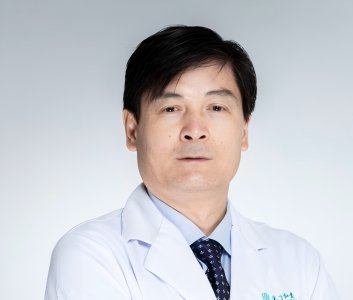
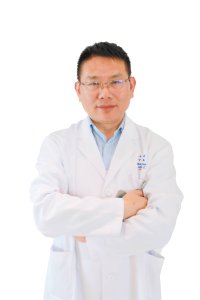
chen Yong Gang

36سنة خبره ١٦ سنة • تم تنفيذ 10000+ علاجات

الدكتور CHEN Yonggang: كبير الأطباء. رئيس قسم طب الموجات فوق الصوتية. الخبير الرئيسي لفريق الاستئصال الحراري للغدة الدرقية. مدير سابق لقسم طب الموجات فوق الصوتية بمستشفى تشونغشان التابع لجامعة شيامن.

يمتلك أكثر من 30 عاماً من الخبرة في علاج الأورام طفيفة التوغل والموجات فوق الصوتية التداخلية. يجمع بين التصوير اللحظي والاستئصال الدقيق. كان رائداً في الخزعة باليد الحرة، بإجراء وخز موجّه بيد واحدة من دون أجهزة مساعدة. أتمّ بشكل مستقلّ أكثر من 10,000 إجراء طفيف التوغل. تتركز أعمال الاستئصال لديه على فرط نشاط الغدة الدرقية، وفرط نشاط جارات الدرق، والعقيدات الدرقية الحميدة، وسرطانات الغدة الدرقية المجهرية، والعقد اللمفاوية الرقبية النقيلية، والأورام الليفية الرحمية، والعضال الغدي.

المناصب: عضو اللجنة الدائمة للجنة التدخل العضلي الهيكلي الفرعية، التابعة للجنة التدخل بالموجات فوق الصوتية، فرع الأطباء التدخليين، في رابطة الأطباء الصينية. عضو مؤسس في قسم الموجات فوق الصوتية بلجنة أمراض الغدة الدرقية التابعة لجمعية المستشفيات البحثية الصينية. نائب رئيس جمعية هندسة الموجات فوق الصوتية في شيامن.

مواد ذات صلة

مشاركة المحتوى

Twitter XLinkedinFacebookWhatsAppEmail
أحصل على الرابط

قصص فيديو من مرضى Bookimed

Dayana
جمعت بين إجازتي في أنطاليا والفحص الطبي.
إجراء: فحص صحة الإناث (انظر فحص النساء)
Igor
كان رائعاً! التنقلات والإقامة والعلاج - كل شيء مشمول.
إجراء: زرع الأسنان
مستشفى: WestDent Clinic
Marina
قام Bookimed بكل شيء من أجلي. لم أضطر للقلق بشأن أي شيء.
إجراء: فحص صحة الإناث (انظر فحص النساء)
مستشفى: Severance Hospital
محدث: 05/27/2022
تأليف
Anna Leonova
Anna Leonova
رئيس فريق تسويق المحتوى
محررة طبية معتمدة لديها خبرة تزيد عن 10 سنوات، طوّرت محتوى Bookimed الموثوق، مدعومة بماجستير في علم اللغة ومقابلات مع خبراء طبيين من جميع أنحاء العالم.
تمت المراجعة من قبل المستشار الطبي في Bookimed
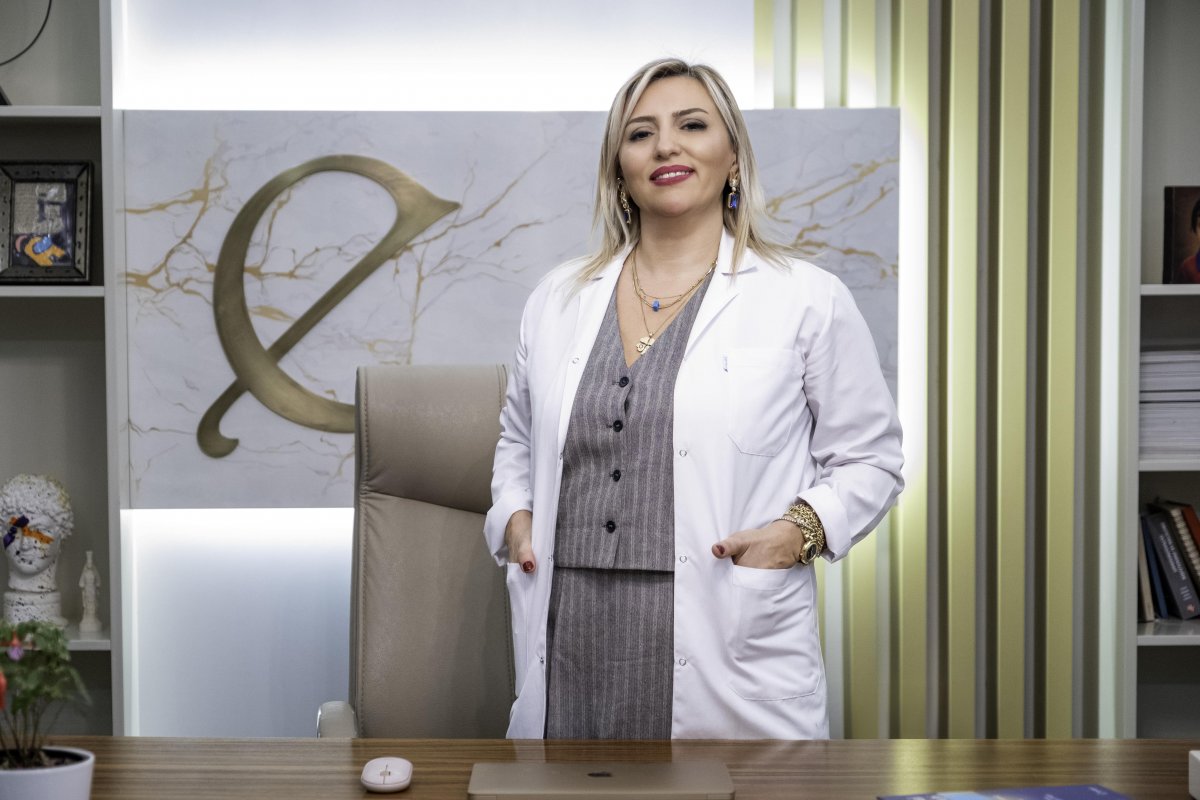
Esra Cabuk Comert
اخصائي خصوبة
الدكتورة إيسرا جابوك كوميارت هي طبيبة نسائية وتوليد. تتخصص في أطفال الأنابيب، والجراحة التجميلية المهبلية، والجراحة بالمنظار، وقد عالجت أكثر من 20,000 حالة. الدكتورة كوميارت حاصلة على شهادة في جراحة التجميل التناسلية من الجمعية الأوروبية للطب الجمالي والجراحة. كما أنها تحمل شهادات في التنظير البطني النسائي والتنظير الرحم، وكلاهما معتمد من وزارة الصحة التركية.
Esra Cabuk Comert Linkedin
قد تحتوي هذه الصفحة على معلومات تتعلق بمختلف الحالات الطبية والعلاجات وخدمات الرعاية الصحية المتوفرة في بلدان مختلفة. يرجى العلم أن المحتوى مقدم لأغراض إعلامية فقط ولا ينبغي تفسيره على أنه نصيحة أو إرشادات طبية. يرجى استشارة طبيبك أو أخصائي طبي مؤهل قبل البدء أو تغيير العلاج الطبي.

أسئلة متكررة حول أمراض النساء والتوليد في الصين

هذه الأسئلة الشائعة مأخوذة من مرضى حقيقيين يبحثون عن رعاية طبية عبر Bookimed. يتم تقديم الإجابات من قبل منسقين طبيين ذوي خبرة وممثلين موثوقين من العيادات.

Do I need to speak Chinese to get treatment?

You do not need to speak Chinese to receive gynecological care in China. International departments in major cities like Beijing and Guangzhou employ English-speaking medical staff. JCI-accredited facilities often provide specialized services for international patients. Many doctors in these centers speak fluent English.

  • International departments: Top-tier public hospitals feature dedicated wings with English-speaking specialists.
  • Private clinics: Facilities in urban hubs prioritize bilingual communication for international patients.
  • Accreditation standards: JCI-accredited centers like Yanda International Hospital follow global communication protocols.
  • Digital tools: Patients successfully use translation apps for routine consultations and symptoms.

Bookimed Expert Insight: High-volume clinics like Yanda International Hospital serve millions of patients annually. These large institutions often have established protocols for international residents. Choosing a facility with over 30 departments usually ensures English-speaking support is available. This is more common in Beijing or Guangzhou hospitals.

Patient Consensus: Patients note that while translation apps are helpful, having a bilingual friend is better. Digital screenshots of symptoms often work better than verbal English in public clinics.

What is the Red Booklet I receive at my first prenatal visit?

The Red Booklet, or Yunfu Jiankang Shouce, is an official pregnancy health record issued during your first prenatal visit in China. This mandatory document tracks medical data, ultrasound results, and mandatory checkup history. It serves as a pregnancy passport required for accessing tiered maternal healthcare services.

  • Medical tracking: Records all blood tests, urine analysis, and fetal growth charts throughout pregnancy.
  • Access to care: Required to qualify for 10+ free prenatal visits in most Chinese provinces.
  • Identity requirement: Patients must present a Chinese ID or residence permit to receive the booklet.
  • Postpartum use: Includes sections for health tracking up to 42 days after your delivery.

Bookimed Expert Insight: While private clinics offer premium comfort, many do not issue the official Red Booklet. Patients often start at a Class A level III facility like Yanda International Hospital to secure this document. Having the official booklet ensures your medical history remains valid if you must transfer to a public hospital for delivery.

Patient Consensus: Patients describe the booklet as a mini medical bible and suggest photocopying every page after each visit. Losing it causes significant stress because replacement copies are difficult to obtain and may delay your scheduled tests.

How does Traditional Chinese Medicine (TCM) integrate with modern obstetric and gynecologic care?

Traditional Chinese Medicine (TCM) integrates with modern obstetric and gynecologic care through combined protocols in Chinese hospitals. Leading facilities like Yanda International Hospital merge international standards with traditional approaches. This model uses acupuncture and herbal medicine alongside surgery and pharmaceuticals for fertility, pregnancy, and chronic conditions.

  • Fertility support: Acupuncture increases blood flow to reproductive organs to improve IVF success.
  • Breech correction: Clinics use moxibustion on specific acupoints to turn babies naturally.
  • Symptom management: Herbal formulas and acupuncture treat PCOS, endometriosis, and menopausal symptoms.
  • Postpartum recovery: Hospitals prescribe traditional herbal soups and confinement regimens after delivery.

Bookimed Expert Insight: Integration in China is so deep that TCM is often part of standard hospital protocols rather than an alternative choice. High-capacity centers like Yanda International Hospital, which serves 2,500,000 patients annually, carry the Class A Level III designation. This ranking confirms they provide the highest level of combined medical expertise and modern technology available in the country.

Patient Consensus: Patients note that doctors routinely prescribe herbal treatments alongside modern procedures like C-sections to balance energy. They emphasize sharing all herbal intake with your medical team to prevent interactions with Western medications.

How quickly can diagnostic tests and imaging be completed?

Diagnostic tests and imaging in China usually finish within 24 to 48 hours at major urban centers. Basic ultrasounds often provide immediate results after the scan. Private facilities and international departments in Beijing or Guangzhou typically offer same-day processing for blood work and routine screenings.

  • Imaging speed: Ultrasounds for pregnancy or gynecology typically take 30–60 minutes including wait times.
  • Lab processing: Common blood tests like hCG or hormone panels often return results within hours.
  • Specialized testing: HPV tests and colposcopies are generally completed within 1 day at international clinics.
  • Facility level: Class A level III clinics provide the fastest diagnostics using high-capacity modern technologies.
  • Digital access: Patients often receive diagnostic reports instantly via hospital apps or mobile platforms.

Bookimed Expert Insight: Data shows that high-volume centers like Yanda International Hospital manage over 2,500,000 patients annually. These large-scale facilities use integrated systems to process diagnostics faster than smaller regional clinics. Choosing a JCI-accredited hospital in a major city often cuts your total waiting time by half.

Patient Consensus: Patients note that arriving by 7 AM and paying upfront via mobile apps helps skip long queues. Many find that results for prenatal panels are ready by the same afternoon in urban private centers.

Are OB-GYN doctors in China predominantly male or female?

In China, OB-GYN doctors are predominantly female. Women make up 74% to 87% of the workforce in this specialty. This trend is strongest among residents and mid-level practitioners. Patients often prefer female doctors for personal comfort and privacy.

  • Gender distribution: Women represent approximately 87% of registered OB-GYN physicians in China.
  • Surgical roles: Male OB-GYNs often specialize in complex gynecological surgeries and oncology.
  • Career trends: Medical school cohorts for this specialty now skew 60–70% female.
  • Senior leadership: Some department heads and senior attending physicians remain predominantly male.

Bookimed Expert Insight: While most clinical staff are female, high-volume centers like Yanda International Hospital offer diverse specialist teams. This hospital manages 2,500,000 patients annually across 39 departments. Patients can often request a specific doctor gender during the scheduling process at such large-scale facilities.

Patient Consensus: Many patients find that modern hospitals in major cities almost always provide female practitioners by default. Some note that while they prefer women for routine exams, they still highly value the expertise of senior male surgical consultants.

Describe the step-by-step payment and appointment workflow in Chinese hospitals.

Chinese hospitals operate on a strict prepayment system for all medical services. Patients must pay for each step—registration, doctor consultations, and diagnostic tests—before receiving care. Digital wallets like Alipay and WeChat Pay are the primary payment methods at clinics like Yanda International Hospital.

  • Appointment booking: Register 1–3 days early using hospital WeChat mini-programs or official apps.
  • Mandatory check-in: Scan a QR code at the entrance to activate your queue position.
  • Phased payment: Pay for every ultrasound or blood test before the department performs them.
  • Inpatient deposits: High-volume centers require significant upfront deposits before elective surgeries or deliveries.

Bookimed Expert Insight: Data from major centers like Yanda International Hospital shows they serve up to 2,500,000 patients annually. This extreme volume makes digital payment non-negotiable for speed. Patients using international hospitals often bypass these loops by uploading insurance documents to the app beforehand. This eliminates the need for repeated on-site kiosk payments.

Patient Consensus: Patients note it's vital to keep a high balance in digital wallets before arriving. Missing a called number often means starting the entire queuing and payment process over.

What is the traditional postpartum practice `Zuo Yuezi` and how is it supported?

Zuo Yuezi is a traditional Chinese postpartum practice lasting 30 to 40 days. It focuses on restoring balance after childbirth through intensive rest and warming diets. This confinement protects mothers from environmental cold and wind. It integrates Traditional Chinese Medicine (TCM) to rebuild energy and blood.

  • Physical recovery: Mothers prioritize total rest and avoid strenuous activity or heavy lifting.
  • Dietary therapy: Nutrition focuses on warming foods like ginger, sesame chicken, and herbal broths.
  • Environmental protection: Women stay indoors and wear warm clothing to prevent cold exposure.
  • Professional support: Specialized nannies, called yue sao, provide overnight infant care and TCM meals.

Bookimed Expert Insight: Modern medical facilities in China now bridge the gap between tradition and science. For example, Yanda International Hospital in Beijing combines international protocols with traditional Chinese approaches. This hybrid model allows patients to follow cultural recovery rituals within a high-level Class A level III clinical setting. It ensures safety while honoring the deep-rooted customs of the postpartum month.

Patient Consensus: Many women find that while family pressure to skip bathing is stressful, the focus on nutrient-dense soups and dedicated rest significantly helps their mental health and physical healing.

What are the key differences between public hospitals and international/VIP hospitals for obstetrics and gynecology care in China?

Public hospitals in China offer authoritative clinical expertise but prioritize high-volume efficiency with Mandarin-only communication. International and VIP hospitals provide western-standard nursing, private suites, and fluent English-speaking staff. These facilities focus on personalized comfort, lower patient-to-doctor ratios, and support for natural birth options.

  • Clinical model: Public centers focus on medical vitals. VIP staff handle all personal care.
  • Privacy standards: Public wards often house 3–8 patients. VIP hospitals offer private hotel-standard suites.
  • Language accessibility: Public care is Mandarin-only. International facilities mandate bilingual doctors and support staff.
  • Wait times: High-volume public hospitals involve long waits. VIP packages allow for skipping lines.

Bookimed Expert Insight: Patient volume data shows that top-tier facilities like Yanda International Hospital manage over 2,500,000 people annually. This high traffic in public and large international sectors makes private VIP wings a strategic choice for those seeking JCI-accredited safety protocols without the typical overcrowding of standard Chinese medical wards.

Patient Consensus: Patients note that public wards can feel overwhelming with 10 or more mothers per room. Many recommend a hybrid approach by using public clinics for affordable scans while choosing VIP facilities for the actual delivery to ensure partner involvement and better pain management.

Is gender selection of the OB/GYN physician possible in Chinese hospitals?

Patients in China can typically select a female OB/GYN physician by using digital booking platforms. Hospitals like Yanda International Hospital offer Class A level III services. These facilities list doctor profiles online. You can view names, photos, and genders before your appointment. This allows for intentional selection during outpatient registration.

  • Booking apps: Use Guahao or Alipay Health to filter physicians by gender in advance.
  • Hospital ranking: Class A level III hospitals provide the most transparent doctor selection options.
  • Language services: International departments often cater to diverse patients with clear specialist profiles.
  • Labor exceptions: On-call physicians during active labor depend on shift schedules rather than selection.

Bookimed Expert Insight: High-volume facilities like Yanda International Hospital manage over 2,000,000 patients annually. They use structured digital registration to distribute this volume. Digital profiles are now the standard for these top-tier clinics. This helps patients secure female specialists for routine screenings without needing on-site negotiation.

Patient Consensus: Patients note that cultural modesty makes female physicians a top priority. They recommend using local apps in major cities to guarantee a female doctor during checkups.

Is IVF treatment available to international patients, and how is it delivered?

International patients can access IVF in China through specialized medical centers in cities like Beijing and Guangzhou. Treatment follows a protocol including ovarian stimulation, egg retrieval, and embryo transfer. Facilities like Yanda International Hospital hold JCI accreditation and provide international protocols for over 2,500,000 patients annually.

  • Initial consultation: Patients start with virtual visits to review medical records and plans.
  • Clinical monitoring: Programs require 10–14 days for daily ultrasounds and bloodwork during stimulation.
  • On-site stay: Patients should plan 4–6 weeks for the full treatment cycle.
  • Hospital standards: Top facilities like Yanda International Hospital maintain Class A level III status.

Bookimed Expert Insight: While many global clinics use hybrid monitoring, China typically requires more on-site presence for stimulation. Clinics like Yanda International Hospital integrate international protocols with traditional approaches. This combination often appeals to patients from over 100 countries seeking high-volume clinical expertise in Beijing.

Patient Consensus: Patients note that while English support is available, hiring a personal translator helps navigate daily clinic visits. Many recommend joining local messaging groups to get the most recent updates on wait times for international travelers.

Can my partner or support person attend the birth?

Partner attendance during birth in China is generally restricted in public hospitals due to strict medical protocols. Private international clinics in major cities like Beijing or Shanghai often permit one support person. These facilities typically require advance negotiation and may charge premium fees for this access.

  • Public facility rules: Most public hospitals maintain a zero-visitor policy during labor and delivery.
  • Private clinic access: International centers like Yanda International Hospital follow protocols more familiar to expats.
  • C-section restrictions: Partners are almost never allowed in operating rooms for surgical births.
  • Regional differences: Tier 1 cities offer more flexibility compared to strictly forbidden rural areas.

Bookimed Expert Insight: Data shows a clear trend where JCI-accredited facilities like Yanda International Hospital prioritize international standards. While public hospitals focus on high patient volume and clinical efficiency, these accredited centers often allow birth partners. Patients should confirm these policies in writing at least 2 months before their due date.

Patient Consensus: Many patients suggest preparing for a solo birth experience as policies can change unexpectedly. Those who successfully had partners present emphasize using private VIP suites as a reliable workaround in mainland hospitals.

How does the Chinese hospital payment process work for each visit?

Chinese hospitals use a prepayment system where you must pay for each medical service before receiving it. Patients settle fees for consultations, diagnostic tests, and medications individually at kiosks or service windows. This phased loop requires multiple transactions during a single obstetrics or gynecology visit.

  • Registration fees: Patients must pay a small fee first to secure an appointment number.
  • Diagnostic payments: Blood work or ultrasounds require full payment before the lab performs them.
  • Pharmacy settlement: You must pay for prescriptions before the hospital pharmacy dispenses any medication.
  • Inpatient deposits: Surgeries or maternity stays require a large upfront deposit before final admission.

Bookimed Expert Insight: While public hospitals like Yanda International Hospital serve millions, they strictly follow the pay-first rule. High-volume clinics often have the longest payment queues at peak times. Preloading WeChat or Alipay with at least 1,000 RMB saves significant time compared to using unreliable on-site ATMs.

Patient Consensus: Patients note that mobile payment is essential since many clinics do not accept international credit cards. One mother shared that even routine prenatal scans require scanning a QR code for immediate payment before the appointment.

Are Traditional Chinese Medicine (TCM) therapies integrated into gynecological treatment plans?

Traditional Chinese Medicine is standard in Chinese gynecological care and often combined with Western protocols. Integrated plans help manage hormonal imbalances, polycystic ovarian syndrome (PCOS), and infertility. Facilities like Beijing Yanda International Hospital apply both international standards and traditional methods for comprehensive patient care.

  • Core modalities: Acupuncture, herbal medicine, and moxibustion treat various reproductive health issues.
  • Fertility support: Specialists use acupuncture to regulate hormones and improve blood flow during IVF.
  • Hormonal regulation: Integrated departments often combine metformin with traditional herbs for managing PCOS.
  • Cancer support: Oncology centers use TCM to reduce side effects from chemotherapy or radiation.

Bookimed Expert Insight: High-volume facilities like Yanda International Hospital serve 2,500,000 patients annually and hold JCI accreditation. This volume allows clinics to offer specialized integrated Chinese-Western departments. These departments often provide more balanced care than smaller centers. Patients should look for hospitals with these dedicated integrated units for standardized treatment.

Patient Consensus: Many patients note that combining herbal soups and acupuncture with Western medicine is especially helpful for postpartum recovery. They often suggest tracking symptoms closely as individual results from traditional therapies can vary.

What documentation is required for registration at every OB/GYN appointment?

Patients must present an original passport or government ID at every OB/GYN appointment in China. Digital hospital cards or physical magnetic cards are also mandatory for registration. You must provide a valid phone number. Most facilities require this for mobile app or mini-program integration.

  • Identity verification: Carry your original physical passport. Clinics do not accept photocopies or digital images.
  • Hospital card: Use the 就诊卡 (Jiuzhenka) issued during your first visit for every follow-up.
  • Mobile registration: Active WeChat or Alipay accounts are required for scanning medical QR codes.
  • Insurance proof: Present your physical health insurance card specifically at private or international hospitals.

Bookimed Expert Insight: Documentation needs vary by a clinic's rank. Class A Level III clinics like Yanda International Hospital often serve 2,500,000+ people yearly. These high-volume sites rely strictly on the hospital's internal electronic system. Linking your passport to the clinic's WeChat mini-program before arrival significantly speeds up the mandatory check-in process.

Patient Consensus: Patients emphasize that forgetting your physical passport means no service even for repeat visits. Having a local phone number is essential to receive the registration codes required for department check-ins.

احصل على استشارة مجانية

حدد أفضل طريقة للاتصال بك