أمراض النساء والتوليد في إسرائيل — التكاليف 2026

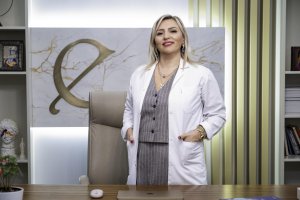
تمت مراجعة المقالة طبيا من قبل
Esra Cabuk Comert
ما هي تكلفة أمراض النساء والتوليد في إسرائيل؟ اكتشف الآن
تتراوح تكلفة خدمات طب التوليد وأمراض النساء في إسرائيل عادةً ما بين $11,300 و $19,300. تعتمد النفقات الإجمالية على مدى تعقيد الإجراء، والمرفق الطبي المختار، ومدة الإقامة في المستشفى. وغالباً ما يجد المرضى الدوليون توفيراً يتراوح بين 40-60% مقارنة بالولايات المتحدة في خدمات أمراض النساء والولادة المتقدمة.
تكاليف طب التوليد وأمراض النساء النموذجية في إسرائيل
- استشارة طبيب أمراض نساء: من $560
- تصوير بالموجات فوق الصوتية عبر المهبل: السعر عند الطلب
- الولادة: من $7,300
- الولادة القيصرية: السعر عند الطلب
- استئصال الرحم: من $18,000
- استئصال الورم العضلي (إزالة الأورام الليفية الرحمية): من $13,000
- إزالة كيس المبيض: السعر عند الطلب
- استئصال مخروطي لعنق الرحم: من $3,500
تتركز معظم الرعاية الطبية المتخصصة في تل أبيب وحيفا ورمات غان. وفي حين أن الأسعار موحدة بشكل عام عبر هذه المراكز الرئيسية، فقد توجد اختلافات إقليمية بين المؤسسات الخاصة والعامة. استشر أخصائياً للحصول على تسعير دقيق لاحتياجاتك الخاصة.
| إسرائيل | تركيا | إسبانيا | |
|---|---|---|---|
| مخروط عنق الرحم (خزعة مخروطية) | ≈ $3,200 | من $1,100 | ≈ $2,300 |
| الولادة | من $7,300 | من $2,100 | من $9,100 |
| الموجات الفوق صوتية عالية التكثيف المركزة HIFU | ≈ $7,500 | من $10,000 | من $8,000 |
| استئصال مخروطي عنقي | من $3,500 | من $900 | ≈ $1,500 |
| استئصال عنق الرحم | ≈ $14,500 | من $5,800 | من $13,400 |
جميع أمراض أمراض النساء والتوليد
مزاياك وضماناتك مع Bookimed
أسعار مباشرة
Bookimed لا يضيف رسوماً إضافية على أسعار علاج أمراض النساء والتوليد. الأسعار مأخوذة من قوائم الأسعار الرسمية للعيادات. تدفع مباشرة في العيادة مقابل علاجك عند وصولك إلى البلد.
عيادات وأطباء معتمدون فقط
Bookimed ملتزم بسلامتك. نحن نعمل فقط مع المؤسسات الطبية التي تحافظ على معايير دولية عالية في علاج أمراض النساء والتوليد ولديها التراخيص اللازمة لخدمة المرضى الدوليين في جميع أنحاء العالم.
مساعدة مجانية على مدار الساعة
Bookimed يقدم مساعدة خبراء مجانية. منسق طبي شخصي يدعمك قبل وأثناء وبعد العلاج، ويحل أي مشاكل. لن تكون وحيداً أبداً في رحلة علاج أمراض النساء والتوليد.

منسقك الطبي الشخصي في Bookimed
- يدعمك في كل مرحلة
- المساعدة في اختيار العيادة الطبية المناسبة والطبيب المناسب
- يضمن الوصول السريع والمريح إلى المعلومات
اكتشف أفضل عيادات أمراض النساء والتوليد: 16 خيارات معتمدة والأسعار





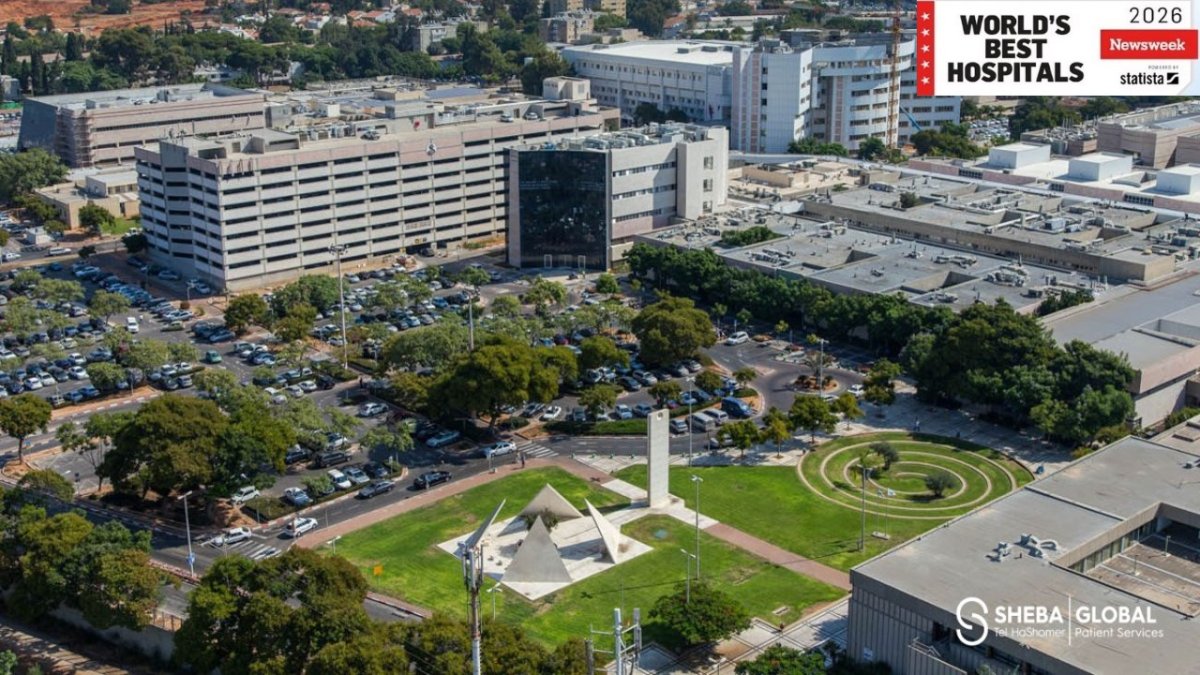








Assaf Harofeh Medical Center



Soroka Medical Center


Herzliya Medical Center
أفضل مراكز أمراض النساء والتوليد في إسرائيل
- Sourasky Medical Center (Ichilov), إسرائيل
- مركز شيبا الطبي, إسرائيل
- Rambam Medical Center, إسرائيل
- Assuta Medical Center, إسرائيل
- Hadassah Medical Center, إسرائيل
- Assaf Harofeh Medical Center, إسرائيل
- Schneider Center for Children Medicine, إسرائيل
- Soroka Medical Center, إسرائيل
- Rabin Medical Center, إسرائيل
- Herzliya Medical Center , إسرائيل
احصل على تقييم طبي لـ أمراض النساء والتوليد في إسرائيل. استشر الآن 19 أطباء ذوي الخبرة.
عرض جميع الأطباء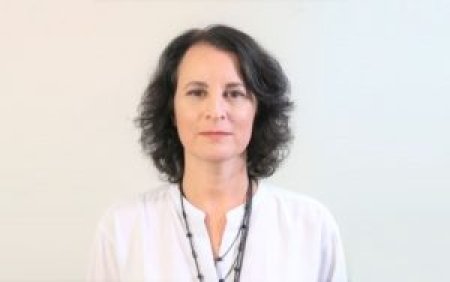
Einat Shacham Shmueli
الدكتورة عينات شاحام‑شموئيلي استشارية أورام طبية في عيادة الجهاز الهضمي، مركز السرطان، مركز شيبا الطبي. تعالج سرطانات القولون والمعدة والبنكرياس، وتدير حالات المرض النقيلي. تستخدم التشخيص الدقيق والواسمات الحيوية، والعلاجات الجهازية، والعلاج الإشعاعي. تُقدَّم الرعاية ضمن فريق متعدد التخصصات.
نشرت أكثر من 25 مقالة مُحكَّمة حول أورام الجهاز الهضمي وبيولوجيا الأورام والعلاجات الجديدة، ويشمل عملها دراسات عن وضع الدعامات لعلاج الانسداد الخبيث في القولون. تعمل باحثة في برامج دولية، منها المع

Yariv Shtabholtz

Dan Grisaro
يقود البروفيسور دان غريزارو قسم أورام النساء في مركز سوراسكي الطبي - المستشفى الأول في إسرائيل - مع 83 مقالاً منشوراً حول علامات السرطان المبكرة والعلاجات الموجهة.
- رئيس قسم التوليد وأمراض النساء في إيخيلوف سوراسكي
- متخصص في أورام النساء بجامعة تورنتو
- عضو في الجمعية الأمريكية لأورام النساء
- محاضر أول في جامعة تل أبيب منذ عام 2011

Yigal Volman
يُعد الدكتور فولمان، مؤلف 80 مقالاً علمياً و11 فصلاً في كتب مدرسية، أستاذاً في جامعة تل أبيب ويعالج الحالات المعقدة في مستشفى سوراسكي.
- أكثر من 20 عاماً من الخبرة في أمراض النساء والتوليد
- متخصص في علاج بطانة الرحم المهاجرة والأورام الليفية وهبوط الرحم
- يوفر المتابعة والإدارة لحالات الحمل عالية الخطورة
- عضو في العديد من الجمعيات الطبية المهنية
المراجعات
جميع المراجعاتمواد ذات صلة
عرض المزيد من التفاصيل
المؤتمر العالمي السادس لمتلازمة تكيس المبايض 2020
كتب بواسطة Ana Hurevska

أفضل 10 عيادات لأطفال الأنابيب في العالم: تصنيف المرضى المحجوزين
كتب بواسطة Ana Hurevska

كم تكلفة علاج العقم؟
كتب بواسطة Veronika Kazina

هل إنجاب الأطفال يطيل العمر؟
كتب بواسطة Veronika Kazina

أطفال الأنابيب الناجحون: أفضل العيادات والأسعار والنتائج
كتب بواسطة Veronika Kazina
مشاركة المحتوى
قصص فيديو من مرضى Bookimed
 Anna Leonova
أسئلة متكررة حول أمراض النساء والتوليد في إسرائيل
متى يجب أن أحدد موعدي الأول مع طبيب النساء والتوليد في إسرائيل؟
حددي موعدك الأول مع طبيب النساء والتوليد في إسرائيل بين الأسبوع السادس والثامن من الحمل. يسمح هذا التوقيت بإجراء فحص بالموجات فوق الصوتية مبكر لتأكيد نبضات قلب الجنين وعمر الحمل. توفر الاستشارات مع متخصصين مثل الدكتور مايكل كوبرمينك في مركز سوراسكي الطبي إحالات أساسية لفحص الثلث الأول من الحمل.
- التوقيت القياسي: احجزي زيارتك بين الأسبوع 6-8 لإجراء فحص حيوية الجنين.
- الموعد النهائي الأقصى: أكملي تسجيلك الرسمي الأول ومراجعة التاريخ الطبي بحلول الأسبوع 12.
- إحالات الفحص: يقدم المتخصصون طلبات لتحاليل الدم والبول المطلوبة حتى الأسبوع 12.
- حالات عالية الخطورة: يجب على المرضى الذين يعانون من حالات مزمنة الاتصال بالطبيب فوراً بعد الحصول على نتيجة اختبار إيجابية.
رؤية خبير Bookimed: تعالج المراكز الطبية الإسرائيلية مثل أسوتا وسوراسكي أعداداً هائلة من المرضى، حيث يستقبل سوراسكي وحده 1,800,000 شخص سنوياً. ولأن مواعيد الموجات فوق الصوتية العامة تمتلئ بسرعة، احجزي فحص الشفافية القفوية للأسبوع 12 في نفس اليوم الذي تؤكدين فيه موعد تحديد عمر الحمل للأسبوع 8. هذا يضمن التزامك بالجدول الزمني المحلي الصارم للتشخيص قبل الولادة.
إجماع المرضى: يؤكد المرضى على ضرورة الاتصال بصندوق التأمين الصحي الخاص بك في نفس اليوم الذي تحصلين فيه على نتيجة اختبار إيجابية. ويشيرون إلى أن تجهيز بطاقة الهوية الخاصة بك أمر حيوي لأن المواعيد في العيادات الشهيرة تختفي في غضون ساعات.
ما هي اختبارات ما قبل الولادة القياسية في النظام الإسرائيلي؟
تشمل رعاية ما قبل الولادة القياسية في إسرائيل الفحص الجيني، وقياس الشفافية القفوية، ومسح التشريح الشامل. يوفر النظام سلة منظمة من الاختبارات بما في ذلك تحاليل الدم ومراقبة الجلوكوز. تحصل الحالات عالية الخطورة على بزل السلى الممول بالكامل. يقود متخصصون مثل الدكتور إيغال فولمان في مركز سوراسكي الطبي هذه البرامج التشخيصية.
- الفحص الجيني: اختبارات للأمراض الوراثية بناءً على الأصل العرقي قبل الأسبوع الثاني عشر.
- الثلث الأول: فحص الشفافية القفوية بالموجات فوق الصوتية وتحاليل الدم بين الأسبوعين 11 و13.
- مسح التشريح: يتم إجراء فحوصات هيكلية مفصلة بالموجات فوق الصوتية في الأسابيع 14–16 و20–23.
- فحص السكري: اختبار تحمل الجلوكوز إلزامي لجميع المريضات خلال الأسابيع 24–28.
رؤية خبير Bookimed: تتعامل المستشفيات الإسرائيلية مع أحجام هائلة من المرضى، مثل مركز سوروكا الطبي الذي يخدم 60% من البلاد. تسمح هذه الترددات العالية للعيادات بتقديم اختبار NIPT بنتائج أسرع من الأنظمة المعتادة. غالبًا ما توفر المرافق الخاصة مثل مركز أسوتا الطبي هذه الفحوصات مع وقت معالجة يصل إلى أسبوع واحد.
إجماع المرضى: يشير المرضى إلى أن النظام يوفر اختبارات أكثر تكرارًا مما هو عليه في البلدان الأخرى. يقترح الكثيرون طلب جدول زمني كامل من عيادات تيبات تشالاف في وقت مبكر للبقاء منظمين.
هل يمكنني اختيار طبيبي للولادة في إسرائيل؟
يمكن للمرضى اختيار طبيب معين للولادة في إسرائيل من خلال اختيار الخدمات الطبية الخاصة (شاراب). بينما يقوم النظام العام بتعيين الفريق المناوب، تسمح المستشفيات الخاصة مثل مركز أسوتا الطبي أو مركز هرتسليا الطبي باختيار الطبيب المعالج والفريق الجراحي.
- الاختيار الخاص: يسمح مركز أسوتا الطبي للمرضى باختيار الطبيب المعالج ونوع الغرفة.
- خيارات القدس: تتوفر خدمات الأطباء الخصوصيين للولادة بشكل أساسي في مرافق مركز هداسا الطبي.
- النظام العام: تتم الولادات القياسية تحت إشراف القابلات، ولا يحضر الطبيب المناوب إلا للتدخلات الطبية.
- خبرة الأطباء: يقدم متخصصون مثل الدكتور عامي أميت والبروفيسور مايكل كوبرمينك رعاية عالية المستوى للأم والجنين.
رؤية خبراء Bookimed: تشير البيانات إلى أن اختيار منشأة ذات حجم كبير مثل مركز سوراسكي الطبي، الذي يتعامل مع أكثر من 11,000 ولادة سنويًا، يوفر الوصول إلى أقسام أكثر تخصصًا. على الرغم من أنه لا يمكنك اختيار طبيب في النظام العام، إلا أن هذه المراكز الكبيرة تمتلك وحدات لأمراض الجنين والمسالك البولية النسائية جاهزة لأي احتياجات ولادة معقدة.
إجماع المرضى: يشير المرضى إلى أن الحصول على تأمين تكميلي في وقت مبكر أمر حيوي لأولئك الذين يرغبون في خيارات الأطباء الخصوصيين في المستشفيات العامة. وأكدت إحدى المريضات أنه على الرغم من تقييد اختيار الطبيب في الأجنحة العامة، إلا أن المستشفيات الأصغر تقدم أحيانًا استمرارية أفضل في طاقم العمل.
ما هي حقوقي أثناء الفحص النسائي في إسرائيل؟
يتمتع المرضى في إسرائيل بحماية قانونية بموجب قانون حقوق المريض. لديك الحق في وجود مرافق أو ممرض طبي أثناء أي فحص حميمي. يجب على الأطباء الحصول على موافقة مستنيرة قبل أي إجراء. يمكنك إيقاف الفحص في أي وقت إذا شعرت بعدم الارتياح.
- الحق في وجود مرافق: يمكنك إحضار شريك أو صديق إلى الغرفة.
- الخصوصية الجسدية: يجب على الأطباء توفير مساحة خاصة لخلع الملابس واستخدام حواجز.
- الموافقة المستنيرة: يجب على الممارسين شرح كل خطوة تشخيصية وأي مخاطر محتملة مرتبطة بها.
- السلوك المهني: يجب على الموظفين ارتداء بطاقات تعريف وتجنب التعليقات غير المتعلقة بالرعاية الطبية.
رؤية خبير Bookimed: في حين أن العيادات العامة في إسرائيل سريعة الوتيرة، فإن مراكز مثل مركز سوراسكي الطبي وأسوتا تعطي الأولوية للرعاية الشخصية. غالبًا ما تسمح لك المرافق الخاصة باختيار أطباء محددين مثل الدكتور إيغال فولمان. يضمن هذا الاختيار علاقة متسقة مع مقدم الخدمة الخاص بك والمزيد من الوقت للاستشارات التفصيلية.
إجماع المرضى: يلاحظ المرضى أن الأطباء الإسرائيليين مباشرون للغاية. من المفيد أن تكون حازمًا وتطلب وجود مرافق على الفور إذا لم يكن هناك أحد موجود بالفعل في الغرفة.
كيف يختلف `نموذج القبالة` في إسرائيل عن الدول الأخرى؟
يوفر نموذج القبالة الإسرائيلي دعمًا مستشفيًا عالي التقنية مع فلسفة تقودها القابلات. تدير القابلات 80% من الولادات المهبلية غير المعقدة بشكل مستقل. يتناقض هذا مع الولايات المتحدة حيث يقود الأطباء معظم عمليات الولادة. لا يتدخل الأطباء في مراكز مثل مركز شيبا الطبي إلا في حالات المضاعفات المعقدة أو العمليات الجراحية.
- استقلالية عالية: تدير القابلات معظم الولادات منخفضة المخاطر دون تدخل مباشر من الطبيب أثناء الولادة النشطة.
- التركيز على المستشفى: تحدث حوالي 99% من الولادات في مستشفيات معتمدة من JCI مثل مركز سوراسكي الطبي.
- التدريب المزدوج: يجب أن يكون الممارسون ممرضين مسجلين قبل إكمال عامين من التعليم المتخصص في القبالة.
- وحدات متخصصة: توفر مرافق مثل مركز هداسا الطبي مراكز مخصصة للولادة الطبيعية والولادة في الماء.
رؤية خبراء Bookimed: تتعامل المستشفيات الإسرائيلية مع أحجام هائلة من الولادات، حيث يبلغ مركز سوراسكي الطبي عن أكثر من 11,000 ولادة سنويًا. يخلق هذا التردد العالي كفاءة فريدة حيث تدير القابلات 90% من الحالات دون أطباء. تؤدي هذه الخبرة القائمة على الحجم إلى انخفاض معدلات التحريض مقارنة بأجنحة الولادة الدولية الأصغر.
إجماع المرضى: غالبًا ما يذكر المرضى أن غرفة الولادة تبدو كمنزل مجتمعي أكثر من كونها عيادة. لاحظت إحدى المريضات أن النهج الذي تقوده القابلات يبدو طبيعيًا ويحافظ على هدوء الجو حتى في المستشفيات المزدحمة.
ما هو ملف الأمان للإجراءات النسائية التي يتم إجراؤها في إسرائيل للمرضى الدوليين؟
تحافظ الإجراءات النسائية في إسرائيل على ملف أمان عالٍ من خلال لوائح وزارة الصحة الصارمة واعتماد اللجنة الدولية المشتركة (JCI) على نطاق واسع. تستخدم المرافق أنظمة روبوتية مثل دا فينشي وجراحة الموجات فوق الصوتية المركزة الموجهة بالرنين المغناطيسي (MRgFUS). تعطي هذه التقنيات الأولوية للنهج طفيفة التوغل لضمان التعافي السريع.
- الرقابة التنظيمية: تفرض وزارة الصحة دعوات مفصلة تدرج جميع المخاطر للمرضى الدوليين.
- مؤهلات الخبراء: يتمتع متخصصون مثل الدكتور ييجال فولمان بأكثر من 25 عامًا من الخبرة السريرية.
- التكنولوجيا المتقدمة: يستخدم مركز سوراسكي الطبي الجراحة الروبوتية والتصوير الرقمي المعتمد على الذكاء الاصطناعي من أجل الدقة.
- معايير الاعتماد: تحمل مستشفيات مثل شيبا وهداسا الأختام الذهبية للجنة الدولية المشتركة (JCI) للتميز السريري.
رؤية خبير Bookimed: تظهر البيانات أن العيادات في القدس وتل أبيب، مثل هداسا وسوراسكي، تدير أكثر من 1,000,000 مريض سنويًا لكل منها. يسمح هذا الحجم الهائل للجراحين بإتقان الحالات النادرة التي نادرًا ما تواجهها المراكز الإقليمية الأصغر. يستفيد المرضى من هذه الخبرة المركزة، خاصة في جراحات الأورام النسائية أو الجراحات الترميمية المعقدة.
إجماع المرضى: يشير المرضى إلى أن اختيار المستشفيات المعتمدة من JCI يوفر راحة البال بسبب البروتوكولات الدولية المعمول بها. سلطت إحدى المريضات الضوء على أهمية السماح بفترة انتظار لمدة يومين لإجراء الفحوصات الأمنية والإدارية قبل الجراحة.
ما هي الأعراض التي تستدعي زيارة فورية لطبيب النساء؟
تعد الرعاية النسائية الفورية في إسرائيل ضرورية في حالات آلام الحوض المفاجئة والشديدة، والتي قد تشير إلى التواء المبيض أو تمزق الأكياس. كما يتطلب النزيف الحاد أو الاشتباه في الحمل خارج الرحم تقييماً طارئاً. يعد التبقع بعد انقطاع الطمث والحمى المصحوبة بآلام الحوض علامات حرجة تتطلب تقييماً تشخيصياً في نفس اليوم.
- الألم الشديد: يتطلب ألم الحوض الحاد في جانب واحد فرزاً فورياً في غرفة الطوارئ لاحتمالية حدوث التواء.
- النزيف الغزير: يتطلب تبلل الفوط الصحية كل ساعة أو أي نزيف بعد انقطاع الطمث فحصاً أورامياً عاجلاً.
- علامات العدوى: تشير الحمى التي تتجاوز 38 درجة مئوية مع إفرازات ذات رائحة كريهة إلى احتمال وجود مرض التهاب الحوض.
- مخاوف الحمل: تتطلب تقلصات أو نزيف بداية الحمل إجراء فحوصات بالموجات فوق الصوتية سريعة المسار في مراكز متخصصة.
رؤية خبير Bookimed: تظهر البيانات من مراكز رائدة مثل مركز سوراسكي الطبي أنهم يخدمون أكثر من 1,500,000 مريض سنوياً وغالباً ما يوفرون تنظير الرحم أو الموجات فوق الصوتية في نفس اليوم. يجب على المرضى استخدام الخطوط الساخنة الطبية للحصول على إحالة فورية. هذا غالباً ما يتجاوز أوقات الانتظار القياسية في المرافق الرئيسية في تل أبيب أو حيفا.
إجماع المرضى: يؤكد المرضى أن تتبع الأعراض بالصور أو توقيتات محددة يساعد في تسريع عملية الفرز. يلاحظ الكثيرون أن الاتصال بخط صحي عاجل قبل التوجه إلى المستشفى غالباً ما يؤدي إلى اهتمام متخصص أسرع.
ما هي التقنيات طفيفة التوغل المتاحة بشكل روتيني لاستئصال الرحم والورم العضلي في المراكز الإسرائيلية؟
توفر المستشفيات الإسرائيلية عمليات استئصال الرحم والورم العضلي طفيفة التوغل المتقدمة باستخدام تنظير البطن، والمنصات المساعدة بالروبوت، وتنظير الرحم بدون شق جراحي. تستخدم مرافق مثل مركز سوراسكي الطبي ومركز شيبا الطبي نظام دافنشي الروبوتي لحالات الأورام الليفية المعقدة. تتطلب معظم الإجراءات إقامة في المستشفى لمدة يوم أو يومين فقط.
- جراحة تنظير البطن: تستخدم 3 شقوق صغيرة. متاحة في هداسا ومركز أسوتا الطبي.
- الجراحة المساعدة بالروبوت: توظف تقنية دافنشي. معيار قياسي في مراكز رمبام وشيبا وسوراسكي.
- استئصال الورم العضلي بالتنظير الرحمي: نهج بدون شق للأورام الليفية تحت المخاطية. يتم إجراؤها بشكل روتيني بواسطة الدكتور كوهين-إيلون شلومي.
- تقنية vNOTES: وصول مهبلي متقدم متاح في أسوتا. هذه الطريقة لا تترك ندبات في البطن.
- خيارات غير جراحية: يعالج MRgFUS الأورام الليفية باستخدام الموجات فوق الصوتية المركزة. متاح بدءًا من حوالي السعر عند الطلب.
رؤية خبير Bookimed: تتعامل المراكز الطبية الإسرائيلية مثل شيبا وسوراسكي مع أحجام هائلة من المرضى، حيث يخدم شيبا 1.5 مليون شخص سنويًا. يسمح هذا التردد العالي للجراحين بالحفاظ على كفاءة استثنائية في الأنظمة الروبوتية. يجب على المرضى ملاحظة أن المرافق الخاصة مثل أسوتا غالبًا ما توفر جدولة أسرع لاستئصال الورم العضلي الاختياري مقارنة بالمستشفيات الجامعية العامة الكبيرة.
إجماع المرضى: يشير المرضى إلى أن الجراحة الروبوتية تسرع التعافي بشكل كبير، وغالبًا ما يعودون إلى ال
ما هي فوائد تلقي العلاج في المراكز الطبية الإسرائيلية الكبرى؟
توفر المراكز الطبية الإسرائيلية الكبرى خبرة معترف بها عالمياً في طب التوليد وأمراض النساء. تقوم مرافق مثل مركز سوراسكي الطبي (إيخيلوف) ومركز شيبا الطبي بتنسيق أكثر من 1,000,000 زيارة للمرضى سنوياً. وهي توفر علاجات متقدمة مثل الجراحة الروبوتية والتشخيص غير الجراحي وفقاً لمعايير سلامة صارمة ومعتمدة من اللجنة الدولية المشتركة (JCI).
- خبرة متخصصة: يقود البروفيسور الدكتور مايكل كوبرمينك في سوراسكي طب الأجنة للأمهات ذوات الحمل عالي الخطورة.
- مراكز ذات حجم كبير: يجري مركز أسوتا الطبي 92,000 عملية جراحية سنوياً مع التركيز على التلقيح الصناعي (IVF).
- تكنولوجيا مبتكرة: تستخدم المراكز تقنية MRgFUS والأنظمة الروبوتية لإزالة الأورام الليفية الرحمية والأكياس.
- نطاق الولادة: يقوم مركز أساف هاروفيه الطبي بتوليد أكثر من 8,300 طفل سنوياً باستخدام مراقبة متقدمة.
رؤية خبير Bookimed: غالباً ما تجمع المستشفيات الإسرائيلية بين إدارة الحمل عالي الخطورة ودورات التشخيص السريعة. تظهر البيانات أن مراكز مثل سوراسكي (إيخيلوف) تدير أكثر من 11,000 ولادة و34,000 عملية جراحية سنوياً. هذا الحجم الهائل يسمح للجراحين بالتخصص في حالات أمراض النساء النادرة التي نادراً ما تواجهها العيادات الإقليمية الأصغر.
إجماع المرضى: يلاحظ المرضى أن المواعيد الطبية متاحة في غضون أيام بدلاً من أسابيع. يؤكد الكثيرون على أهمية طلب ملخصات الاستشارة باللغة الإنجليزية ونسخ من التصوير الطبي لضمان سهولة المتابعة عند العودة إلى الوطن.
ما هي الرعاية بعد الجراحة والجدول الزمني للتعافي الذي يمكن للمرضى المسافرين توقعه بعد جراحة أمراض النساء بالمنظار في إسرائيل؟
عادةً ما يعود المرضى الذين يخضعون لجراحة أمراض النساء بالمنظار في إسرائيل إلى منازلهم في غضون 7 إلى 14 يومًا. يكون التعافي الأولي سريعًا مع إقامة في المستشفى لمدة ليلة أو ليلتين. تستخدم إجراءات مثل استئصال الورم العضلي أو إزالة كيسات المبيض شقوقًا صغيرة تتراوح بين 5 إلى 10 مم. وهذا يقلل من الألم ويسرع من الحركة.
- الإقامة في المستشفى: يبقى معظم المرضى لمدة ليلة أو ليلتين للمراقبة والمشي المبكر.
- إدارة الألم: يستمر ألم غاز ثاني أكسيد الكربون في الكتفين لمدة 3 إلى 7 أيام. استخدم كمادات دافئة وامشِ.
- حدود النشاط: تجنب رفع أكثر من 5 كجم لمدة 4 إلى 6 أسابيع لضمان الشفاء الداخلي السليم.
- توقيت السفر: الرحلات الجوية القصيرة آمنة بعد 7 أيام. تتطلب الرحلات الطويلة 10 إلى 14 يومًا.
رؤية خبير Bookimed: تستخدم المراكز الإسرائيلية مثل مركز سوراسكي الطبي (إيخيلوف) ومركز شيبا الطبي الجراحة الروبوتية والذكاء الاصطناعي لتحقيق دقة عالية. تظهر البيانات أن العيادات الحاصلة على اعتماد JCI غالبًا ما تنسق المتابعات الافتراضية عبر WhatsApp. وهذا يسمح للمرضى الدوليين بالسفر إلى منازلهم في وقت أقرب مع البقاء على اتصال بجراحهم.
إجماع المرضى: يؤكد المرضى على ارتداء جوارب ضاغطة وشرب الكثير من السوائل أثناء رحلة العودة. يقترح الكثيرون حزم ملابس فضفاضة والبدء في تناول ملينات البراز في اليوم الأول لإدارة الراحة بعد الجراحة.