
Fuda Hospital
الصين, قوانغتشو


تمت مراجعة المقالة طبيا من قبل
فهد مولود
تتفاوت تكلفة علاج الأورام الليفية الرحمية في الصين عادةً حسب النهج الجراحي المتبع، حيث تُعد الخيارات الروبوتية والتقنيات طفيفة التوغل هي العوامل الرئيسية المؤثرة في التكلفة. تتراوح تكلفة الإجراء القياسي مثل استئصال الورم العضلي بالمنظار من $4,200 إلى $7,500، بينما تتراوح تكلفة الجراحة المتقدمة بمساعدة الروبوت من $9,500 إلى $15,500. تعتمد النفقات على حجم الورم الليفي، ونوع المستشفى، ومدة الإقامة. يمكن للمرضى توقع توفير كبير يتراوح بين 40-60% مقارنة بالأسعار في الولايات المتحدة. تشمل المراكز الطبية الرائدة كوانزو وبكين.
تكاليف علاج الأورام الليفية الرحمية النموذجية في الصين
رؤية خبراء Bookimed: يجب على المرضى الذين يبحثون عن أعلى المعايير الطبية التفكير في المرافق المعتمدة من اللجنة الدولية المشتركة (JCI) لحالات الأورام الليفية المعقدة. يُعد مستشفى فودا للسرطان (Fuda Cancer Hospital) خياراً أولياً لأولئك الذين يعطون الأولوية للبدائل طفيفة التوغل مثل الجراحة بالتبريد أو تقنية النانو نايف (NanoKnife). بالنسبة للمرضى الدوليين الذين يحتاجون إلى رعاية شاملة، يقدم مستشفى ياندا الدولي (Yanda International Hospital) خبرة من المستوى الثالث (أ). يوفر هذا المرفق بنية تحتية واسعة النطاق تضم 3000 سرير وبرامج تعافي متخصصة. هذه المراكز هي الأنسب للمرضى الذين يحتاجون إلى تكنولوجيا متقدمة إلى جانب بروتوكولات سلامة معترف بها دولياً.
| الصين | تركيا | إسبانيا | |
|---|---|---|---|
| استئصال الورم العضلي مع Robot دافنشي | ≈ $9,500 | من $10,000 | ≈ $6,800 |
| استئصال الورم العضلي بالمنظار | ≈ $4,500 | من $4,100 | ≈ $3,300 |
| استئصال الورم العضلي بالمنظار | ≈ $4,200 | من $7,000 | من $13,500 |
| استئصال الورم العضلي (إزالة الأورام الليفية الرحمية) | من $38,300 | من $3,400 | من $12,100 |
| استئصال الرحم بواسطة روبوت دا فنشي | ≈ $9,500 | من $11,600 | من $21,600 |
Bookimed لا يضيف رسوماً إضافية على أسعار علاج الأورام الليفية الرحمية. الأسعار مأخوذة من قوائم الأسعار الرسمية للعيادات. تدفع مباشرة في العيادة مقابل علاجك عند وصولك إلى البلد.
Bookimed ملتزم بسلامتك. نحن نعمل فقط مع المؤسسات الطبية التي تحافظ على معايير دولية عالية في علاج الأورام الليفية الرحمية ولديها التراخيص اللازمة لخدمة المرضى الدوليين في جميع أنحاء العالم.
Bookimed يقدم مساعدة خبراء مجانية. منسق طبي شخصي يدعمك قبل وأثناء وبعد العلاج، ويحل أي مشاكل. لن تكون وحيداً أبداً في رحلة علاج الأورام الليفية الرحمية.

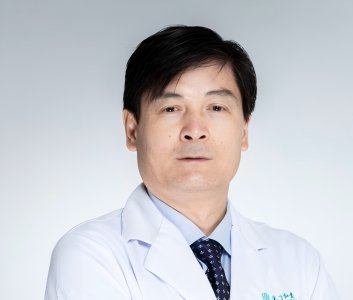
الدكتور CHEN Yonggang: كبير الأطباء. رئيس قسم طب الموجات فوق الصوتية. الخبير الرئيسي لفريق الاستئصال الحراري للغدة الدرقية. مدير سابق لقسم طب الموجات فوق الصوتية بمستشفى تشونغشان التابع لجامعة شيامن.
يمتلك أكثر من 30 عاماً من الخبرة في علاج الأورام طفيفة التوغل والموجات فوق الصوتية التداخلية. يجمع بين التصوير اللحظي والاستئصال الدقيق. كان رائداً في الخزعة باليد الحرة، بإجراء وخز موجّه بيد واحدة من دون أجهزة مساعدة. أتمّ بشكل مستقلّ أكثر من 10,000 إجراء طفيف التوغل. تتركز أعمال الاستئصا
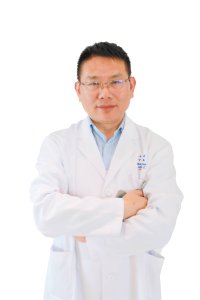
البروفيسور داي هاييان رئيس قسم أمراض النساء وكبير أطبائه، كما يحمل رتبة أستاذ. في جامعة فودان يشرف على طلاب الماجستير. يحمل شهادة المستوى الرابع في جراحة المنظار البطني. أتمّ تدريبًا في أورام أمراض النساء باحثًا زائرًا في مستشفى السرطان بجامعة أوسلو (مستشفى الراديوم) في النرويج.
تشمل خبرته جراحات تنظير الرحم والمنظار البطني طفيفة التوغل. يجري ترميم قاع الحوض والمهبل. يقدّم علاجات لبطانة الرحم المهاجرة مع الحفاظ على الرحم. يمتلك خبرة في طوارئ التوليد والحالات النسائية المعقدة.
يس
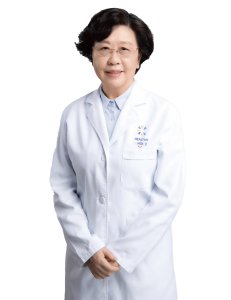
البروفيسورة لين جينفانغ طبيبة استشارية ومشرفة دكتوراه. شغلت سابقًا منصب مديرة قسم الغدد الصماء النسائية في مستشفى أمراض النساء والتوليد بجامعة فودان (البيت الأحمر) في شنغهاي. لديها أكثر من 40 عامًا من الخبرة السريرية، وهي رائدة في الغدد الصماء النسائية وطب الإنجاب وحائزة على كأس لين تشياوتشي.
التركيز: العقم الغُدّي المعقّد؛ القصور المبيضي الأولي وشيخوخة المبيض. طوّرت نهج "إنعاش الجريبات المتبقية". كما تعالج متلازمة تكيّس المبايض، بما في ذلك الأنماط غير المصحوبة بالسمنة، والانتباذ البطا

الدكتورة وو سوفانغ أستاذة، طبيبة استشارية أولى، ومديرة قسم النساء والتوليد في مستشفى ثالثي المستوى في الصين. تمتلك خبرة تفوق 30 عاماً في أورام أمراض النساء. تدربت تحت إشراف الأكاديمي مارتن وأكملت أبحاث ما بعد الدكتوراه في مركز إم دي أندرسون للسرطان.
تشمل خبرتها الجراحية الاستئصال الجذري للرحم، والاستئصال الاختزالي لأورام المبيض، وتحديد مراحل سرطان بطانة الرحم، والاستئصال المعقد للعقد اللمفاوية الحوضية وحول الأبهر. كما تُجري جراحات محافظة على الخصوبة وجراحات طفيفة التوغل. وتُخصص العلاجي

كتب بواسطة Veronika Kazina

كتب بواسطة Veronika Kazina

كتب بواسطة Veronika Kazina

كتب بواسطة Veronika Kazina

كتب بواسطة Veronika Kazina
 Anna Leonova
في الصين، يركز علاج الأورام الليفية الرحمية على تقنيات الحفاظ على الرحم، مثل الموجات فوق الصوتية المركزة عالية الكثافة (HIFU) واستئصال الورم الليفي بالمنظار. وتقدم عيادات متخصصة، مثل مستشفى ياندا الدولي، خدمات معتمدة من اللجنة الدولية المشتركة (JCI). ويمكن للمرضى الاستفادة من تقنيات متقدمة، بما في ذلك الجراحة الروبوتية باستخدام نظام دافنشي والجراحة البردية المتخصصة.
رأي خبراء بوكيمد: تُمثل الصين حالة فريدة، حيث تُعالج مستشفيات من الفئة "أ" (المستوى الثالث) مثل مستشفى ياندا الدولي أكثر من 2,500,000 مريض سنويًا. غالبًا ما تجمع هذه المراكز الكبيرة بين البروتوكولات الدولية والطب الصيني التقليدي. هذا النهج الشامل لديه القدرة على
الموجات فوق الصوتية المركزة عالية الكثافة (HIFU) إجراء غير جراحي يستخدم موجات صوتية مركزة لتدمير الأورام الليفية الرحمية دون الحاجة إلى جراحة. يتوافد المرضى إلى الصين لأنها رائدة عالميًا في التطبيق السريري لهذه التقنية، وتعتبرها معيارًا علاجيًا راسخًا. تُجري العيادات الكبيرة هناك عددًا كبيرًا من هذه العمليات، ولديها خبرة سريرية واسعة.
رأي خبراء بوكيمد: يتميز النظام الطبي الصيني بميزة فريدة، إذ يجمع بين البروتوكولات السريرية الصارمة والطب الصيني التقليدي في عملية التعافي. في مؤسسات من الفئة الثالثة (أ) مثل مستشفى ياندا الدولي، الذي يعالج 2.5 مليون مريض سنويًا، يُسهم هذا التكامل في السيطرة على الالتهابات بعد العمليات الجراحية. كما يضم
يُخفف الطب الصيني التقليدي بشكل فعال من أعراض الأورام الليفية الرحمية، مثل غزارة النزيف والألم. وتشير الأبحاث إلى أن تركيبات مثل "غوي تشي فولينغ وان" قادرة على تقليص حجم الأورام الليفية الصغيرة والمتوسطة. وينصح معظم الأخصائيين بالجمع بين الطب العشبي والطب الغربي لتحقيق أفضل النتائج السريرية وتقليل حجم الورم.
رأي خبراء بوكيمد: يحمل مستشفى بكين ياندا الدولي أعلى تصنيف من الفئة أ، المستوى الثالث. يعالج المستشفى أكثر من 2,500,000 مريض سنويًا، جامعًا بين البروتوكولات المعتمدة من اللجنة الدولية المشتركة (JCI) والأساليب التقليدية. يُظهر هذا الحجم الكبير من العمل أن المراكز الصينية الرائدة تُولي أهمية قصوى لدمج التصوير الهيكلي مع الطب العشبي في الحالات المعقدة.
في الصين، تتراوح مدة الإقامة في المستشفى لعلاج الأورام الليفية الرحمية عادةً بين يوم واحد وأربعة أيام. ويستغرق التعافي والعودة إلى النشاط الطبيعي من أسبوع إلى أسبوعين بعد إجراء غير جراحي باستخدام الموجات فوق الصوتية المركزة عالية الكثافة (HIFU). أما استئصال الورم الليفي جراحياً فيتطلب من أسبوعين إلى ستة أسابيع. وتولي المؤسسات الطبية الصينية أهمية قصوى للحركة المبكرة لتسريع عملية الشفاء.
رأي خبراء بوكيمد: في المراكز الطبية الصينية الرائدة، يؤثر تدفق المرضى على كفاءة الرعاية الطبية. يخدم مستشفى ياندا الدولي 2,500,000 مريض سنويًا وهو معتمد من قبل اللجنة الدولية المشتركة (JCI). غالبًا ما يؤدي هذا الحجم الكبير من المرضى إلى بروتوكولات خروج موحدة وسريعة. يت
تُعدّ بكين وغوانزو من المدن الصينية الرائدة في علاج الأورام الليفية الرحمية على المستوى الدولي. وتضمّ هذه المراكز عيادات معتمدة من اللجنة الدولية المشتركة (JCI) تُقدّم خدمات الموجات فوق الصوتية المركزة عالية الكثافة (HIFU) واستئصال الأورام الليفية الرحمية باستخدام الروبوت. وتتخصص مراكز مثل مستشفى ياندا الدولي في الجمع بين البروتوكولات الجراحية الغربية والأساليب الصينية التقليدية للتعافي.
رأي خبراء بوكيمد: يعالج مستشفى جاندا الدولي 2,500,000 مريض سنويًا. وتتيح هذه القدرة الاستيعابية العالية للمستشفى الحفاظ على 3,000 سرير وإجراء 9,000 عملية جراحية سنويًا. بالنسبة للمرضى الدوليين، يضمن هذا الحجم الكبير أن يواجه الباحثون والجراحون حالات نادرة