تكيس المبايض العلاج في الصين - التكاليف 2026


تمت مراجعة المقالة طبيا من قبل
فهد مولود
ما هي تكلفة تكيس المبايض إجراءات التشخيص والعلاج في الصين؟ اعرف الآن
مزاياك وضماناتك مع Bookimed
أسعار مباشرة
Bookimed لا يضيف رسوماً إضافية على أسعار علاج تكيس المبايض. الأسعار مأخوذة من قوائم الأسعار الرسمية للعيادات. تدفع مباشرة في العيادة مقابل علاجك عند وصولك إلى البلد.
عيادات وأطباء معتمدون فقط
Bookimed ملتزم بسلامتك. نحن نعمل فقط مع المؤسسات الطبية التي تحافظ على معايير دولية عالية في علاج تكيس المبايض ولديها التراخيص اللازمة لخدمة المرضى الدوليين في جميع أنحاء العالم.
مساعدة مجانية على مدار الساعة
Bookimed يقدم مساعدة خبراء مجانية. منسق طبي شخصي يدعمك قبل وأثناء وبعد العلاج، ويحل أي مشاكل. لن تكون وحيداً أبداً في رحلة علاج تكيس المبايض.

منسقك الطبي الشخصي في Bookimed
- يدعمك في كل مرحلة
- المساعدة في اختيار العيادة الطبية المناسبة والطبيب المناسب
- يضمن الوصول السريع والمريح إلى المعلومات
اكتشف أفضل تكيس المبايض العيادات في الصين: 1 خيار معتمدة والأسعار


احصل على تقييم طبي لـ في الصين. استشر الآن 6 أطباء ذوي الخبرة.
عرض جميع الأطباء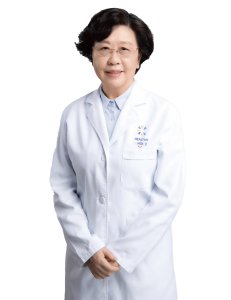
Lin Jinfang
البروفيسورة لين جينفانغ طبيبة استشارية ومشرفة دكتوراه. شغلت سابقًا منصب مديرة قسم الغدد الصماء النسائية في مستشفى أمراض النساء والتوليد بجامعة فودان (البيت الأحمر) في شنغهاي. لديها أكثر من 40 عامًا من الخبرة السريرية، وهي رائدة في الغدد الصماء النسائية وطب الإنجاب وحائزة على كأس لين تشياوتشي.
التركيز: العقم الغُدّي المعقّد؛ القصور المبيضي الأولي وشيخوخة المبيض. طوّرت نهج "إنعاش الجريبات المتبقية". كما تعالج متلازمة تكيّس المبايض، بما في ذلك الأنماط غير المصحوبة بالسمنة، والانتباذ البطا

Wu Sufang
الدكتورة وو سوفانغ أستاذة، طبيبة استشارية أولى، ومديرة قسم النساء والتوليد في مستشفى ثالثي المستوى في الصين. تمتلك خبرة تفوق 30 عاماً في أورام أمراض النساء. تدربت تحت إشراف الأكاديمي مارتن وأكملت أبحاث ما بعد الدكتوراه في مركز إم دي أندرسون للسرطان.
تشمل خبرتها الجراحية الاستئصال الجذري للرحم، والاستئصال الاختزالي لأورام المبيض، وتحديد مراحل سرطان بطانة الرحم، والاستئصال المعقد للعقد اللمفاوية الحوضية وحول الأبهر. كما تُجري جراحات محافظة على الخصوبة وجراحات طفيفة التوغل. وتُخصص العلاجي
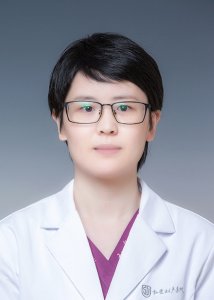
Hou Jinlin
أستاذة وطبيبة استشارية. مديرة قسم أورام النساء. حاصلة على دكتوراه في أورام النساء من مستشفى السرطان التابع للأكاديمية الصينية للعلوم الطبية، وماجستير في التوليد وأمراض النساء من مستشفى كلية اتحاد بكين الطبية. لديها نحو 30 عامًا من الخبرة السريرية. نشرت أبحاثًا في مجلات مفهرسة ضمن SCI ومجلات محورية، وشاركت في تأليف كتابين عن أورام النساء.
متخصصة في التشخيص المعياري والعلاج الشامل لسرطانات المبيض وعنق الرحم وبطانة الرحم. تقدّم الجراحة والعلاج الكيميائي والعلاج الموجّه والعلاج المناعي وال

Chen Hong
الدكتورة تشين هونغ متخصصة في الغدد الصمّاء التناسلية، علاج العقم، وتقنيات الإنجاب المساعدة (ART). تلقت تدريباً لمدة ست سنوات تحت إشراف البروفيسور لين جينفانغ، أحد أبرز خبراء الغدد الصمّاء النسائية في الصين.
يركّز عملها السريري على متلازمة تكيس المبايض (PCOS)، قصور المبيض المبكر (POI)، الإجهاض المتكرر، فشل الانغراس المتكرر، واضطرابات المناعة الإنجابية. شاركت في دراسة وطنية متعددة المراكز مستقبلية حول تغييرات نمط الحياة في متلازمة تكيس المبايض. وهي أيضاً متمرسة في إعادة تأهيل قاع الحوض و
مشاركة المحتوى
قصص فيديو من مرضى Bookimed
 Anna Leonova
أسئلة متكررة حول علاج تكيس المبايض في الصين
هل علاج متلازمة تكيس المبايض آمن ومنظم في الصين؟
يُعدّ علاج متلازمة تكيس المبايض في الصين آمناً ويتوافق مع معايير الرعاية الصحية الوطنية الصارمة. وتحظى مؤسسات عالية الجودة، مثل مستشفى ياندا الدولي، باعتماد اللجنة الدولية المشتركة (JCI)، مما يؤكد سلامة المرضى. ويجمع النظام بين علم الأدوية الغربي والطب الصيني التقليدي الخاضع للرقابة. وتتبع المستشفيات الكبرى الإرشادات السريرية الدولية للعلاج الهرموني.
- تصنيف المستشفى: المستوى الثالث، توفر العيادات من الفئة أ أعلى مستوى من السلامة.
- المعايير السريرية: تستخدم المراكز الطبية أساليب اللجنة الدولية المشتركة لتقييم ومشاركة بروتوكولات السلامة.
- الأدوية الخاضعة للرقابة: تخضع الأدوية العشبية الحاصلة على براءات اختراع مثل Xiao Yao San لتجارب سريرية.
- الرعاية المتخصصة: يقوم أطباء التوليد وأمراض النساء بإجراء التشخيصات باستخدام بروتوكولات دولية موحدة.
رأي خبراء بوكيمد: في الصين، يُعدّ عدد المرضى مؤشراً هاماً على كفاءة الطبيب. يعالج مستشفى ياندا الدولي أكثر من 2,500,000 مريض سنوياً في 39 قسماً. يُمكّن هذا العدد الكبير من الحالات الأطباء من اكتساب خبرة واسعة في علاج الاضطرابات الهرمونية المعقدة. غالباً ما تجمع المراكز التي تتمتع بهذه الإمكانيات بفعالية بين البروتوكولات الدولية والأس
ما هي مؤهلات الأطباء الصينيين الذين يعالجون متلازمة تكيس المبايض؟
يشترط على الأطباء الصينيين المعالجين لمتلازمة تكيس المبايض الحصول على شهادة طبية من جامعة معتمدة. ويتخصصون عادةً في طب النساء والتوليد. ويحمل العديد منهم مؤهلات مزدوجة في الطب الغربي والطب الصيني التقليدي. ويعمل أفضل الأخصائيين غالبًا في مؤسسات طبية من الفئة الثالثة (أ) معتمدة من قبل اللجنة الدولية المشتركة (JCI).
- المؤهلات الأكاديمية: يحمل المتخصصون درجة دكتور في الطب (MD) أو دكتور في الفلسفة (PhD) من مؤسسات مثل جامعة بكين.
- الرتب السريرية: يحصل كبار الأطباء على منصب نائب رئيس الأطباء بعد 5 سنوات أو أكثر من العمل بعد إكمال فترة الإقامة.
- التدريب التكاملي: يجمع العديد من الأطباء بين البروتوكولات الصيدلانية الغربية والشهادات المعتمدة في الطب الصيني التقليدي.
- الخبرة في التشخيص: يستخدم الأطباء المؤهلون معايير روتردام الدولية لتقييم مرحلة متلازمة تكيس المبايض بدقة.
رأي خبراء بوكيمد: تُظهر البيانات أن المؤسسات الطبية الرائدة، مثل مستشفى ياندا الدولي، تعمل كعيادات من الفئة أ المستوى الثالث، وهو أعلى مستوى في الصين. تستخدم هذه المستشفيات أكثر من 28,500 تقنية تُلبي معايير السلامة الدولية، مثل معايير اللجنة الدولية المشتركة (JCI). عند اختيار أخصائي، ابحث عن أطباء في هذه المرا
ما هي خيارات العلاج المتاحة لمتلازمة تكيس المبايض في الصين؟
في الصين، يجمع علاج متلازمة تكيس المبايض بين المعايير الدوائية الدولية والطب الصيني التقليدي. يشمل العلاج عادةً التحكم في الوزن، والميتفورمين لعلاج مقاومة الأنسولين، ودواء ديان-35 لتنظيم الدورة الشهرية. وتجمع العيادات المتخصصة في بكين بين هذه البروتوكولات والوخز بالإبر لتنظيم الهرمونات والدورة الشهرية بفعالية.
- الأدوية: يساعد الميتفورمين والليتروزول في علاج مقاومة الأنسولين ومشاكل التبويض.
- الوخز بالإبر: يقلل الوخز بالإبر في منطقة البطن من مستويات هرمون التستوستيرون ويزيد من مستويات الهرمون المنبه للجريب.
- التركيبات التقليدية: تُستخدم مغلي الأعشاب مثل كانغفو داوتان لعلاج أعراض التمثيل الغذائي.
- الجراحة بالمنظار: تتوفر عملية استئصال المبيض بالمنظار في المؤسسات الطبية الرائدة للحالات المعقدة.
رأي خبراء بوكيميد: تعالج المستشفيات الرائدة في بكين، مثل مستشفى ياندا الدولي المعتمد من اللجنة الدولية المشتركة، أكثر من 2,500,000 مريض سنويًا. تُقدّم هذه المؤسسات الطبية من الفئة الثالثة (أ) أعلى مستوى من الرعاية الطبية في الصين، حيث تجمع بنجاح بين 28,500 تقنية حديثة والأساليب الطبية الصينية التقليدية. غالبًا ما يُدمج أطباء النساء والتوليد ذوو الكفاءة العالية الطب العشبي مباشرةً ف
كم من الوقت يستغرق الأمر حتى تحصل السائحة الطبية على فحص كامل لمتلازمة تكيس المبايض وأول دورة علاجية في الصين؟
ينبغي على السياح الطبيين التخطيط للإقامة في الصين لمدة تتراوح بين 3 و4 أسابيع لإجراء فحص متلازمة تكيس المبايض وبدء دورة العلاج الأولى. عادةً ما يتم التشخيص في المستشفيات الرائدة خلال 3 أيام. أما مرحلة تحفيز الإباضة أو مراقبة التبويض فتستغرق عادةً ما بين 14 و21 يومًا.
- مرحلة التقييم: تستغرق الفحوصات التشخيصية، بما في ذلك الاختبارات الهرمونية والموجات فوق الصوتية، عادةً من يوم إلى ثلاثة أيام.
- دورة العلاج: عادةً ما يستمر تحفيز الإباضة ومراقبتها من 14 إلى 21 يومًا.
- متطلبات التأشيرة: يستخدم معظم المرضى تأشيرة L لمدة 30 يومًا أو يدخلون البلاد بدون تأشيرة.
- المستوى السريري: توفر مستشفيات الفئة أ 3 مثل مستشفى جاندا الدولي أقصى قدر من الكفاءة.
رأي خبراء بوكيمد: على الرغم من أن المستشفيات الصينية الرائدة توفر تشخيصًا سريعًا، إلا أن مدة الإقامة الإجمالية تعتمد على الجمع بين البروتوكولات التقليدية والحديثة. فعيادات مثل مستشفى ياندا الدولي تجمع بين المعايير الدولية والأساليب التقليدية. ويتطلب هذا الجمع غالبًا فترة متابعة لمدة 21 يومًا لضمان تزامن العلاج بشكل فعال دون تسريع الشفاء.
ملاحظات المرضى: يؤكد المرضى على ضرو
هل ستترك عملية استئصال المبيضين ندوباً مرئية؟
لا تترك عملية تثقيب المبيض الجراحية ندوبًا ظاهرة تقريبًا. يستخدم الجراحون تقنية تنظير البطن طفيفة التوغل، حيث يقومون بعمل شق صغير واحد إلى أربعة شقوق، يتراوح طولها عادةً بين 5 و12 مليمترًا. تتلاشى معظم الندوب في غضون 12 شهرًا، لتصبح خطوطًا أو انخفاضات بالكاد تُرى.
- حجم الشق: يبلغ حجم كل فتحة دخول تقريبًا حجم حبة بازلاء صغيرة.
- الوضع الاستراتيجي: غالباً ما يخفي الجراحون الشق الرئيسي داخل السرة.
- المناطق غير الظاهرة: عادةً ما تقع الشقوق الجراحية في أسفل البطن على طول خط البكيني الطبيعي.
- وقت تلاشي البقع: عادةً ما تخف حدة البقع الوردية وتصبح بالكاد ملحوظة بعد عام واحد.
رأي خبراء بوكيمد: تستقبل المؤسسات الطبية الرائدة من الفئة الثالثة (أ) في الصين، مثل مستشفى ياندا الدولي، أعدادًا هائلة من المرضى. ويضمن هذا الحجم الكبير مستوى عالٍ من الخبرة لدى جراحيها في جراحة المناظير. تجمع هذه المستشفيات بين معايير السلامة الدولية المعتمدة من اللجنة الدولية المشتركة (JCI) وأحدث التقنيات الطبية، مما يضمن دقة الشقوق الجراحية وسرعة التئام الجروح.
ملاحظات المرضى: يصف المرضى هذه العلامات بأنها نقاط صغيرة غير ملحوظة. وينصح الكثي
ما هي خدمات الدعم اللاحقة التي يتم تقديمها بعد عودتي إلى الوطن؟
تركز الرعاية اللاحقة للمريضات المصابات بمتلازمة تكيس المبايض في الصين على المتابعة الطبية عن بُعد وبروتوكولات التعافي المنظمة. تتلقى المريضات استشارات رقمية لمدة أسبوع إلى أسبوعين عبر تطبيقات الهاتف المحمول أو مكالمات الفيديو. ويتولى منسقون متخصصون مراقبة تناول الأدوية يوميًا، ومستويات الهرمونات، والمساعدة في تعديل النظام الغذائي بعد الخروج من المستشفى.
- المراقبة عن بعد: تشمل عمليات المتابعة اليومية عبر رابط الفيديو أو الرسائل الفورية إدارة الألم والتوازن الهرموني.
- الدعم الطبي: يقوم الجراحون بكتابة وصفات طبية للأدوية اللازمة، والتي يتم توصيلها في كثير من الأحيان عن طريق خدمات البريد السريع الموثوقة.
- مراقبة الهرمونات: تتيح لك مجموعات التشخيص المنزلية تفسير نتائج فحص الدم عن بعد.
- إرشادات التغذية: أطباء يشاركون خطط وجبات رقمية لتصحيح مقاومة الأنسولين والتمثيل الغذائي.
رأي خبراء بوكيمد: على الرغم من أن المراكز الصينية مثل مستشفى ياندا الدولي تضم 39 قسمًا متخصصًا، إلا أنها تخدم أكثر من 2,500,000 مريض سنويًا. هذا العدد الكبير يعني أن الدعم المقدم بعد الخروج من المستشفى يكون في الغالب موحدًا باستخدام الأدوات الرقمية بدلًا من الرعاية التمريضية الفردية. لذا، ينبغي على المرض