أمراض النساء والتوليد في إسبانيا — التكاليف 2026

تمت مراجعة المقالة طبيا من قبل
Esra Cabuk Comert
ما هي تكلفة أمراض النساء والتوليد في إسبانيا؟ اكتشف الآن
تتراوح تكلفة خدمات طب التوليد وأمراض النساء في إسبانيا عادةً بين $7,400 و $11,800. تعتمد التكاليف النهائية على مدى تعقيد الإجراء، ومدة الإقامة في المستشفى، وما إذا كنت ستختار باقة أمومة شاملة. يمكن للمرضى القادمين من الولايات المتحدة توقع توفير ما بين 40-60% مقارنة بالأسعار المحلية لديهم.
تكاليف خدمات طب التوليد وأمراض النساء النموذجية في إسبانيا
- استشارة طبيب أمراض نساء: من $240
- تصوير بالموجات فوق الصوتية (سونار): من $220
- فحص نسائي شامل: السعر عند الطلب
- الولادة: من $9,100
- رأب غشاء البكارة (ترميم غشاء البكارة): السعر عند الطلب
- استئصال الرحم: من $9,500
- استئصال الورم العضلي (إزالة الأورام الليفية الرحمية): من $12,100
- متابعة الحمل: السعر عند الطلب
- تجديد نشاط المبيض بتقنية البلازما الغنية بالصفائح الدموية (PRP/PRGF): السعر عند الطلب
- إزالة كيس المبيض: السعر عند الطلب
تشمل المراكز الطبية الرئيسية مدريد وبرشلونة وفالنسيا. وفي حين تُعد مدريد وبرشلونة مراكز رئيسية، قد تقدم العيادات الإقليمية أسعاراً مختلفة قليلاً. يجب عليك استشارة أخصائي للحصول على تقدير دقيق للسعر بناءً على احتياجاتك الطبية المحددة والمرفق الطبي الذي اخترته.
| تركيا | إسبانيا | ألمانيا | |
|---|---|---|---|
| مخروط عنق الرحم (خزعة مخروطية) | من $1,100 | ≈ $2,300 | ≈ $3,200 |
| الولادة | من $2,100 | من $9,100 | من $3,500 |
| الموجات الفوق صوتية عالية التكثيف المركزة HIFU | من $10,000 | من $8,000 | ≈ $8,500 |
| استئصال مخروطي عنقي | من $900 | ≈ $1,500 | من $3,000 |
| استئصال عنق الرحم | من $5,800 | من $13,500 | من $16,000 |
جميع أمراض أمراض النساء والتوليد
مزاياك وضماناتك مع Bookimed
أسعار مباشرة
Bookimed لا يضيف رسوماً إضافية على أسعار علاج أمراض النساء والتوليد. الأسعار مأخوذة من قوائم الأسعار الرسمية للعيادات. تدفع مباشرة في العيادة مقابل علاجك عند وصولك إلى البلد.
عيادات وأطباء معتمدون فقط
Bookimed ملتزم بسلامتك. نحن نعمل فقط مع المؤسسات الطبية التي تحافظ على معايير دولية عالية في علاج أمراض النساء والتوليد ولديها التراخيص اللازمة لخدمة المرضى الدوليين في جميع أنحاء العالم.
مساعدة مجانية على مدار الساعة
Bookimed يقدم مساعدة خبراء مجانية. منسق طبي شخصي يدعمك قبل وأثناء وبعد العلاج، ويحل أي مشاكل. لن تكون وحيداً أبداً في رحلة علاج أمراض النساء والتوليد.

منسقك الطبي الشخصي في Bookimed
- يدعمك في كل مرحلة
- المساعدة في اختيار العيادة الطبية المناسبة والطبيب المناسب
- يضمن الوصول السريع والمريح إلى المعلومات
اكتشف أفضل عيادات أمراض النساء والتوليد: 20 خيارات معتمدة والأسعار










SJD Barcelona Children’s Hospital










أفضل مراكز أمراض النساء والتوليد في إسبانيا
- Centro Médico Teknon, إسبانيا
- Quirónsalud Marbella, إسبانيا
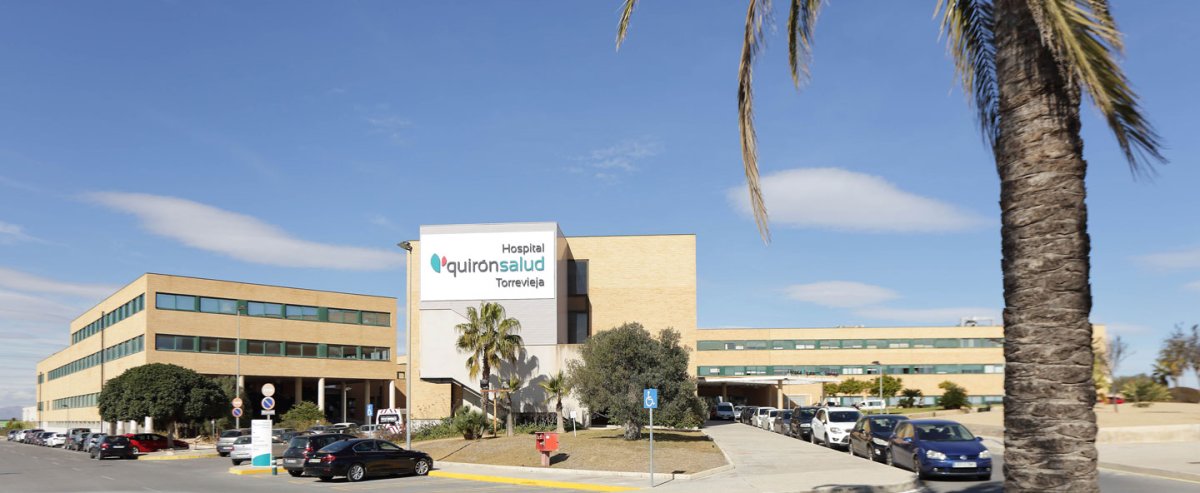
- Quironsalud Torrevieja, إسبانيا
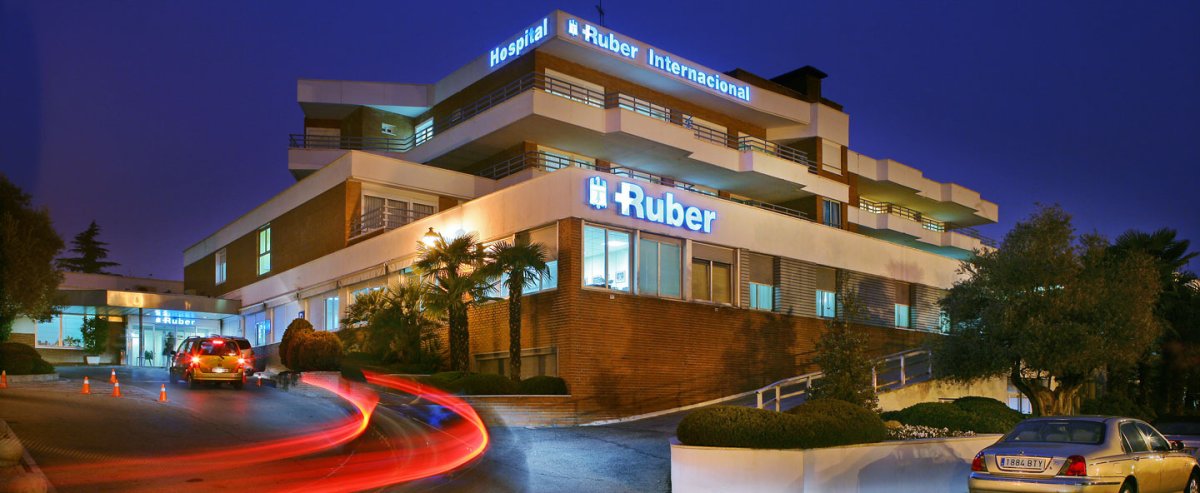
- مستشفى Ruber Internacional, إسبانيا
- Quironsalud Madrid, إسبانيا
- SJD Barcelona Children’s Hospital, إسبانيا
- Hospital Quiron Barcelona, إسبانيا
- HM Hospitales, إسبانيا
- Clinica Universidad de Navarra (Navarra Hospital), إسبانيا
- Hospital HM Nou Delfos, إسبانيا
احصل على تقييم طبي لـ أمراض النساء والتوليد في إسبانيا. استشر الآن 27 أطباء ذوي الخبرة.
عرض جميع الأطباء
Guillermo Luis Bassols
أجرى أكثر من 900 إجراء جراحي نسائي طفيف التوغل - يتخصص الدكتور باسولس في الحالات المعقدة في مركز تيكنون الطبي (Centro Médico Teknon).
- حاصل على شهادة أوروبية في جراحة المناظير النسائية
- كبير الأخصائيين في أورام النساء والأورام المبيضية المعقدة
- رئيس الجمعية الأوروبية لمناظير أمراض النساء
- أكثر من 30 عاماً من الخبرة في أمراض النساء والتوليد

Antonio Fernandez Oliva
أكثر من 900 عملية بطانة رحم مهاجرة وأكثر من 1,100 علاج للأورام الليفية - يتخصص الدكتور فيرنانديز أوليفا في الجراحة النسائية طفيفة التوغل في مركز تيكنون الطبي (Centro Médico Teknon).
- تدرب على تقنيات الروبوت والمناظير في مستشفى فال ديبرون (Hospital Vall d'Hebrón)
- محاضر في أكاديمية CTO الطبية، حيث يساهم في تأهيل المختصين المستقبليين
- يركز في أبحاثه على طب الأجنة والوقاية من تسمم الحمل
- مشارك نشط في المؤتمرات الأوروبية لأمراض النساء
Jordi Antoni Vives
الدكتور جوردي أنطوني فيفيس اختصاصي أمراض النساء والتوليد في تيكنوجين (Centro Médico Teknon، برشلونة). يركّز على جراحة أورام أمراض النساء، وأمراض الرحم والحوض المعقّدة، وتنسيق لجنة الأورام. يقود قسم التوليد في مستشفى CIMA منذ 2015. وهو طبيب استشاري في Parc Taulí منذ 1990.
التعليم/الاعتمادات: درجة في الطب والجراحة، جامعة برشلونة (1983). إقامة MIR في أمراض النساء والتوليد (1990). دبلوم الجامعة الأوروبية في التنظير الجراحي في أمراض النساء، المستوى المتقدم (2000). اعتماد الجراحة الروبوتية ب
المراجعات
جميع المراجعاتمواد ذات صلة
عرض المزيد من التفاصيل
المؤتمر العالمي السادس لمتلازمة تكيس المبايض 2020
كتب بواسطة Ana Hurevska

أفضل 10 عيادات لأطفال الأنابيب في العالم: تصنيف المرضى المحجوزين
كتب بواسطة Ana Hurevska

كم تكلفة علاج العقم؟
كتب بواسطة Veronika Kazina

هل إنجاب الأطفال يطيل العمر؟
كتب بواسطة Veronika Kazina

أطفال الأنابيب الناجحون: أفضل العيادات والأسعار والنتائج
كتب بواسطة Veronika Kazina
مشاركة المحتوى
قصص فيديو من مرضى Bookimed
 Anna Leonova
أسئلة متكررة حول أمراض النساء والتوليد في إسبانيا
كيف يمكنني الوصول إلى طبيب نسائي في النظام العام في إسبانيا؟
يتطلب الوصول إلى طبيب نسائي في إسبانيا تسجيل الإقامة والحصول على إحالة من طبيب الرعاية الأولية. يجب على المرضى أولاً الحصول على بطاقة Tarjeta Sanitaria Individual (TSI) من مركز صحي محلي. يقوم طبيب الأسرة بعد ذلك بتقييم الأعراض قبل إصدار إحالة إلى أخصائي.
- التسجيل: سجل عنوانك في البلدية للحصول على شهادة Empadronamiento.
- البطاقة الصحية: تقدم بطلب للحصول على بطاقة TSI باستخدام رقم الضمان الاجتماعي وشهادة الإقامة الخاصة بك.
- إحالة الطبيب العام: احجز موعداً مع طبيبك المخصص (médico de cabecera) لطلب إحالة.
- أوقات الانتظار: توقع من 4 إلى 6 أشهر لمواعيد الأخصائيين غير العاجلة اعتماداً على منطقتك المحددة.
رؤية خبير Bookimed: تدمج المراكز متعددة التخصصات مثل مستشفى HM Nou Delfos أو Centro Médico Teknon بين الطب الباطني وأمراض النساء. غالباً ما يعني هذا التعاون الداخلي تشخيصاً أسرع للحالات المعقدة. عادةً ما تمتلك الأنظمة الكبيرة التي تضم أكثر من 400,000 مريض سنوياً بروتوكولات أكثر توحيداً للمقيمين الدوليين الذين ينتقلون من الرعاية العامة.
إجماع المرضى: يلاحظ المرضى أن الاتصال بالمراكز الصحية في الساعة 8 صباحاً للاستفسار عن الإلغاءات يمكن أن يقلل أوقات الانتظار بشكل كبير. بالنسبة لرعاية الحمل الروتينية، يجد الكثيرون أنه يمكنهم تجاوز الطبيب العام والوصول إلى قابلة مباشرة.
من يحضر عمليات الولادة في المستشفيات الإسبانية؟
يحضر فريق متخصص من القابلات وأطباء التوليد عمليات الولادة في إسبانيا. تدير القابلات (matronas) الولادات منخفضة المخاطر كمقدمات رعاية أوليات. يتدخل أطباء التوليد (ginecólogos) في الحالات المعقدة أو الإجراءات الجراحية. غالبًا ما توفر المستشفيات الخاصة طبيب توليد ثابتًا يدير كلاً من الحمل والولادة.
- الفريق الطبي: تشمل الفرق قابلات وأطباء توليد وأطباء تخدير وأطباء حديثي الولادة متخصصين.
- دور القابلة: تقود القابلات الولادات الطبيعية في المرافق العامة والخاصة.
- تدخل المتخصصين: يحضر أطباء التوليد الحالات عالية المخاطر ويجرون الولادات بالأدوات أو العمليات القيصرية.
- الرعاية الخاصة: عادة ما يكون لدى المرضى في القطاع الخاص طبيب التوليد الشخصي الخاص بهم حاضرًا طوال فترة الولادة.
رؤية خبير Bookimed: تظهر البيانات من المرافق رفيعة المستوى مثل Centro Médico Teknon و Hospital Universitario HM Madrid حجمًا مرتفعًا يزيد عن 5000 ولادة سنويًا. غالبًا ما توظف هذه المراكز وحدات متعددة التخصصات مخصصة حيث يتواجد أطباء حديثي الولادة وأطباء التخدير في الموقع على مدار الساعة طوال أيام الأسبوع. يعد هذا التوافر الفوري عاملاً مميزًا رئيسيًا لإدارة الحمل عالي المخاطر في العيادات الإسبانية الخاصة.
إجماع المرضى: يشير المرضى إلى أن القابلات يقدمن الدعم الأكثر عملية أثناء المخاض النشط. ويقترحون إعداد خطة ولادة باللغة الإسبانية، حيث قد يتحدث الطاقم الطبي في الأجنحة العامة باللغة المحلية بشكل أساسي.
ما هو الجدول الزمني القياسي لمتابعة الحمل؟
يتضمن الجدول الزمني القياسي لمتابعة الحمل في إسبانيا للحالات غير المعقدة عادةً من 7 إلى 10 زيارات قبل الولادة. تحدث الفحوصات كل 4 إلى 6 أسابيع حتى الثلث الثالث من الحمل. تزداد التكرارية لتصبح كل أسبوعين في الأسبوع 28 وأسبوعية بعد الأسبوع 36 لضمان السلامة.
- فحص الثلث الأول: يحدث بين الأسبوعين 6 و10 لتأكيد الحمل والتاريخ الطبي.
- الفحص الجيني: يتم إجراؤه خلال الأسابيع 11-13 من خلال فحص الشفافية القفوية بالموجات فوق الصوتية واختبارات الدم.
- مسح التشريح: يتم إجراؤه تحديداً بين الأسبوعين 18 و22 لتقييم نمو أعضاء الجنين.
- سكري الحمل: يتم إجراء الفحص عبر اختبارات تحمل الجلوكوز عادةً خلال الأسابيع 24-28.
- فحص بكتيريا GBS: اختبار بكتيريا المجموعة ب العقدية هو إجراء قياسي بين الأسبوعين 35 و37.
رؤية خبير Bookimed: في حين أن الأنظمة العامة في إسبانيا توفر غالباً 3 فحوصات بالموجات فوق الصوتية قياسية، توفر المرافق الخاصة مثل Centro Médico Teknon أو Quironsalud Madrid تصويراً أكثر تكراراً. هذا مفيد للمرضى الذين يبحثون عن وصول مستمر إلى المتخصصين. تدمج العديد من العيادات الإسبانية الرائدة، بما في ذلك تلك الحاصلة على اعتماد JCI، أدوات إدارة المخاطر العالية مثل فحص تسمم الحمل في الثلث الأول.
إجماع المرضى: يلاحظ المرضى أن القابلات يديرن معظم الرعاية الروتينية في النظام العام وهن داعمات للغاية. ومع ذلك، يوصي الكثيرون بحجز الموعد الأول مبكراً لتجنب فترات الانتظار الطويلة للفحوصات الأولية.
هل يمكنني اختيار أو تغيير طبيب النساء والتوليد الخاص بي بمجرد وصولي إلى إسبانيا؟
يمكنك اختيار أو تغيير طبيب النساء والتوليد الخاص بك في إسبانيا. توفر الرعاية الصحية الخاصة أكبر قدر من الحرية. يمكنك اختيار أي متخصص من دليل التأمين الخاص بك. في النظام العام، يتم تعيين طبيب لك بناءً على عنوانك. يجب عليك تقديم طلب رسمي للتغيير.
- مرونة القطاع الخاص: قم بتغيير الأطباء في أي وقت دون أوراق. ببساطة احجز موعداً مع متخصص جديد.
- عملية النظام العام: قدم نموذج الاختيار الحر (Libre elección) في مركزك الصحي المحلي.
- الرعاية التي تقودها القابلات: رعاية ما قبل الولادة العامة تقودها القابلات. يتدخل أطباء النساء والتوليد للفحوصات أو في حالة حدوث مضاعفات.
- أوقات الانتظار: تعتمد التغييرات في النظام العام على توفر الأطباء. قد تستغرق الموافقة ما يصل إلى شهرين.
رؤية خبير Bookimed: غالباً ما تحتوي العيادات ذات الحجم الكبير مثل Centro Médico Teknon أو Hospital Quiron Barcelona على 20-50 قسماً متخصصاً. يتيح لك هذا النطاق التبديل بين التخصصات الفرعية، مثل الانتقال من أمراض النساء العامة إلى إدارة الحمل عالي المخاطر، داخل نفس المنشأة مع الاحتفاظ بسجلاتك الطبية في مكان واحد.
إجماع المرضى: يشير المرضى إلى أن التأمين الخاص يسمح بـ 'التسوق' للعثور على طبيب تشعر بالراحة معه. في النظام العام، من الصعب جداً التغيير دون سبب موثق، على الرغم من أن تحديث تسجيل إقامتك قد يؤدي أحياناً إلى تغيير المركز.
ما هي مكونات الفحص النسائي القياسي؟
يتضمن الفحص النسائي القياسي في إسبانيا استشارة سريرية، وفحصاً بدنياً للثدي، وتقييماً للحوض. يقوم مقدمو الخدمة المتخصصون مثل الدكتور غييرمو لويس باصولس في مركز تيكنون الطبي (Centro Médico Teknon) بإجراء هذه الفحوصات. غالباً ما تتضمن المكونات الرئيسية فحصاً بالمنظار (المباعد)، وتشخيصاً بالموجات فوق الصوتية، وفحوصات للكشف عن سرطان عنق الرحم.
- الاستشارة السريرية: يراجع الأطباء التاريخ الطمثي، واحتياجات منع الحمل، والمخاوف المتعلقة بالصحة الإنجابية.
- فحص الثدي: جس يدوي لأنسجة الثدي للتحقق من وجود كتل أو أي مخالفات.
- فحص الحوض: يشمل فحصاً بالمنظار وجساً ثنائياً للرحم.
- التصوير التشخيصي: تقوم العيادات بشكل متكرر بإجراء فحوصات الموجات فوق الصوتية لتصوير المبيضين والرحم.
- الفحوصات المخبرية: غالباً ما يجمع مقدمو الخدمة عينات لمسحات عنق الرحم أو اختبارات فيروس الورم الحليمي البشري (HPV).
رؤية خبير Bookimed: تُظهر البيانات الواردة من مراكز إسبانية رائدة مثل مركز تيكنون الطبي توجهاً نحو التشخيص المتكامل. غالباً ما تجمع العيادات ذات الكثافة العالية بين الفحص البدني والموجات فوق الصوتية الفورية وتنظير المهبل. يقلل هذا النهج من الحاجة إلى زيارات المتابعة. كما يوفر للمرضى نتائج شاملة خلال استشارة واحدة.
إجماع المرضى: يلاحظ المرضى أن فحص المنظار يسبب ضغطاً مؤقتاً. ويؤكدون أن التنفس العميق يساعد في ذلك. يجد الكثيرون أن العيادات الإسبانية الخاصة تتيح وقتاً أطول للأسئلة التفصيلية. يساعد هذا الوقت الإضافي في تقليل
كيف يمكنني الوصول إلى طبيب نسائي في نظام الرعاية الصحية العام الإسباني؟
يتطلب الوصول إلى طبيب نسائي في النظام العام الإسباني التسجيل أولاً لدى طبيب الرعاية الأولية. يجب على المرضى الحصول على إحالة، تُعرف باسم "volante"، من طبيب الأسرة الخاص بهم لرؤية أخصائي. تتم معظم الفحوصات الروتينية وعمليات المسح في مراكز الصحة الجنسية المحلية.
- التسجيل: سجل إقامتك في البلدية المحلية للحصول على بطاقة صحية فردية.
- الرعاية الأولية: قم بزيارة طبيب الأسرة المعين لك لطلب إحالة الأخصائي اللازمة.
- أوقات الانتظار: توقع من 80 إلى 90 يوماً للمواعيد غير العاجلة مع الأخصائيين اعتماداً على منطقتك.
- مراكز الإنجاب: تتعامل المراكز المحلية مثل ASSIR في كتالونيا مع الفحوصات الروتينية وتوفر وسائل منع الحمل.
رؤية خبراء Bookimed: تُظهر بياناتنا أنه على الرغم من أن أوقات الانتظار العامة قد تتجاوز 80 يوماً، إلا أن المرافق الخاصة مثل Centro Médico Teknon أو Quironsalud Madrid تتعامل مع أكثر من 10,000 مريض سنوياً بفترات انتظار أقصر بكثير. إذا واجهت تأخيرات في النظام العام، فإن هذه المراكز المعتمدة من JCI توفر وصولاً سريعاً للإجراءات المعقدة مثل استئصال الورم العضلي أو علاجات الخصوبة المتخصصة.
إجماع المرضى: يلاحظ المرضى أن الاتصال بمراكز الصحة مباشرة يمكن أن يسرع من جدولة المواعيد مقارنة بانتظار الرسائل. يقترح الكثيرون استخدام العيادات الخاصة للمشاكل العاجلة لتجنب قوائم الانتظار العامة الطويلة.
هل يتم الاعتراف بخطط الولادة في المستشفيات الإسبانية؟
يتم الاعتراف بخطط الولادة قانونياً في إسبانيا بموجب القانون 41/2002 والاستراتيجية الوطنية للصحة لعام 2008. يجب على المستشفيات احترام استقلالية المريض والموافقة المستنيرة. على الرغم من أنها ملزمة قانوناً، إلا أن الطاقم الطبي قد يعطي الأولوية للبروتوكولات السريرية أثناء حالات الطوارئ لضمان سلامة الأم والطفل.
- الوثيقة الرسمية: استخدم نموذج وزارة الصحة المسمى "Plan de Parto" لضمان اعتراف أفضل.
- متطلبات اللغة: يجب أن تكون الخطط باللغة الإسبانية ليفهمها جميع الطاقم الطبي.
- توقيت التقديم: ناقشي تفضيلاتك مع القابلة في حوالي الأسبوع 30 من الحمل.
- اختيار مقدم الخدمة: توفر المرافق الخاصة مثل Quirónsalud Marbella بروتوكولات متخصصة للولادة الإنسانية والعمليات القيصرية.
رؤية خبير Bookimed: تظهر البيانات أن المستشفيات الخاصة في إسبانيا غالباً ما توفر مرونة أكبر للطلبات الشخصية. على سبيل المثال، تطبق Quirónsalud Marbella بشكل خاص برنامجاً للولادة الإنسانية. يتضمن ذلك بروتوكولات فريدة للعمليات القيصرية تعطي الأولوية للترابط بين الأم والطفل. للحصول على أفضل التزام بخطة الولادة، يعد اختيار مرفق حاصل على اعتمادات مخصصة للأنسنة استراتيجية أكثر موثوقية من الاعتماد فقط على الحقوق القانونية في المراكز العامة الأكثر ازدحاماً.
إجماع المرضى: يشير المرضى إلى أنه على الرغم من أن الخطط قانونية، إلا أن التواصل الشفهي مع القابلة غالباً ما يكون أكثر فعالية من الورقة نفسها. يقترح الكثيرون وجود شريك يتحدث الإسبانية للدفاع عن رغباتك أثناء المخاض.
ما هو جدول مواعيد ما قبل الولادة الذي يجب أن يتوقعه المرضى الدوليون في إسبانيا؟
يتبع المرضى الدوليون في إسبانيا جدولاً لمواعيد ما قبل الولادة يتضمن فحوصات شهرية حتى الأسبوع 32. وتزداد وتيرة الزيارات لتصبح كل أسبوعين أو أسبوعياً مع اقتراب موعد الولادة. توفر المراكز الرائدة مثل Centro Médico Teknon فحوصات شاملة ورعاية معتمدة من اللجنة الدولية المشتركة (JCI) لحالات الحمل عالية الخطورة.
- الثلث الأول: الزيارات الأولية بين الأسبوعين 8 و12 تؤكد الحمل وتحدد التاريخ الطبي.
- الفحوصات التشخيصية: يتم إجراء الفحوصات الرئيسية وأول فحص بالموجات فوق الصوتية بحلول الأسبوع 12.
- الثلث الثاني: تراقب الفحوصات الشهرية بانتظام نبضات قلب الجنين والوزن وضغط الدم.
- فحص التشريح: فحص بالموجات فوق الصوتية عالي الدقة في الأسبوع 20-22 يؤكد النمو والجنس.
- الثلث الثالث: يتم إجراء فحوصات النمو واختبارات بكتيريا العقدية من المجموعة ب بين الأسبوعين 32 و37.
رؤية خبير Bookimed: تُظهر البيانات من Quirónsalud Marbella تحولاً قوياً نحو بروتوكولات الولادة القيصرية الإنسانية والرعاية ذات التدخل المنخفض. يختار العديد من المرضى الدوليين المراكز الخاصة لأنها تقدم رعاية متكاملة بقيادة أطباء التوليد بدلاً من النماذج التي تقودها القابلات. غالباً ما تجري هذه المرافق أكثر من 23,000 عملية سنوياً، مما يضمن حجماً سريرياً عالياً وخبرة واسعة.
إجماع المرضى: يلاحظ المرضى أن العيادات الخاصة توفر فحوصات بالموجات فوق الصوتية أكثر تكراراً وتواصلاً شخصياً. يذكر البعض أنه على الرغم من أن المستندات قد تكون باللغة الإسبانية في البداية،
ما هي فترة الانتظار لتأمين الأمومة الخاص في إسبانيا؟
تتراوح فترة الانتظار القياسية لتأمين الأمومة الخاص في إسبانيا عادةً من 8 إلى 10 أشهر للولادة. تطلب معظم شركات التأمين أن تكون حاملاً لبوليصة تأمين لمدة عام تقريبًا قبل تغطية تكاليف الولادة. غالبًا ما تكون استشارات أمراض النساء الأساسية متاحة فور بدء سريان بوليصتك.
- انتظار الولادة: فترة الانتظار القياسية (carencia) هي من 240 إلى 300 يوم للولادة في المستشفى.
- التشخيص قبل الولادة: تتطلب الاختبارات المتقدمة مثل بزل السلى عادةً فترة انتظار من 3 إلى 6 أشهر.
- استثناءات الطوارئ: عادةً ما يتم التنازل عن فترات الانتظار في حالات الطوارئ التي تهدد الحياة أو الولادات المبكرة.
- تغيير مقدم الخدمة: قد تتنازل شركات التأمين الجديدة عن فترات الانتظار إذا قدمت إثباتًا على التغطية المستمرة.
رؤية خبير Bookimed: تُظهر بياناتنا أن المراكز ذات الحجم الكبير، مثل مستشفى كيرون برشلونة (Hospital Quiron Barcelona) الذي يعالج 40,000 مريض سنويًا، غالبًا ما تكون مفضلة لأقسامها المتخصصة. عند اختيار التأمين، تحقق مما إذا كانت العيادة التي تفضلها ضمن شبكة مقدم الخدمة. على سبيل المثال، تمتلك عيادة كيرون سالود ماربيا (Quirónsalud Marbella) وحدة متخصصة في التوليد تتعامل مع 30,000 مريض سنويًا. يعد التأكد من تغطية عيادتك وطبيبك، مثل الدكتور رامون أوريل باليستيروس، قبل إغلاق نافذة الـ 8 أشهر أمرًا حيويًا لتجربة سلسة.
إجماع المرضى: يشير المرضى إلى أنه من الضروري تأكيد تاريخ البدء الدقيق كتابيًا لتجنب المشكلات المتعلقة ببنود الحمل الموجود مسبقًا. يقترح الكثيرو
هل تتوفر حقن الإيبيدورال بشكل شائع في المستشفيات الإسبانية وهل أحتاج إلى طلبها مسبقاً؟
تتوفر حقن الإيبيدورال على نطاق واسع في المستشفيات الإسبانية وتُستخدم في 85% إلى 98% من حالات الولادة. لا تحتاجين إلى حجزها قبل أشهر. ومع ذلك، فإن موعد التخدير المسبق الإلزامي في الأسابيع الأخيرة من الحمل مطلوب للحصول على التصريح الطبي.
- الرعاية القياسية: التخدير فوق الجافية (الإيبيدورال) هو خيار إدارة الألم الافتراضي في معظم المرافق الطبية الإسبانية.
- بروتوكول ما قبل الولادة: تخضع المريضات لتقييم إلزامي مع طبيب التخدير قبل تاريخ الولادة المتوقع.
- الطلب أثناء المخاض: ما عليك سوى إبلاغ القابلة أو الطبيب بمجرد بدء المخاض النشط.
- مزايا القطاع الخاص: تقدم عيادات مثل Quirónsalud Marbella برامج متخصصة للولادة الإنسانية مع ضمان الوصول إليها.
رؤية خبير Bookimed: تُظهر البيانات الصادرة عن مجموعات كبيرة مثل Quirónsalud أن المستشفيات الخاصة غالباً ما توفر تغطية تخدير على مدار الساعة طوال أيام الأسبوع بشكل أكثر اتساقاً من المرافق العامة الصغيرة. في مدن مثل برشلونة أو مدريد، تدمج المراكز الرائدة مثل Centro Médico Teknon هذه الخدمات في باقات توليد شاملة. اختيار مركز خاص عالي الكثافة يضمن وجود طبيب تخدير في الموقع دائماً، بغض النظر عما إذا كنتِ ستلدين ليلاً أو في عطلات نهاية الأسبوع.
إجماع المريضات: تشير المريضات إلى أن توثيق تفضيلاتك بوضوح في خطة ولادة باللغة الإسبانية يمنع الارتباك. تذكر بعضهن أنه على الرغم من شيوع الإيبيدورال، فإن طلبه في وقت مبكر من المخاض يساعد في تجنب التأخير أثناء نوبات عمل المستشفى المزدحمة.