
Fuda Hospital
الصين, قوانغتشو


تمت مراجعة المقالة طبيا من قبل
فهد مولود
تتراوح تكلفة علاج خلل التنسج العنقي في الصين عادةً بين $1,800 و $3,600 للتدخلات الجراحية الأساسية مثل مخروطية عنق الرحم. أما الإجراءات الأكثر تقدمًا مثل استئصال عنق الرحم أو العلاج بالتبريد المتخصص لعنق الرحم فتتراوح تكلفتها عمومًا بين $3,800 و $420. تعتمد النفقات الإجمالية على مرحلة الآفة ومستوى العيادة. غالبًا ما يوفر المرضى ما بين 40-70% مقارنة بأسعار الخدمات الطبية في الولايات المتحدة. تشمل مراكز العلاج الرئيسية قوانغتشو وشنغهاي.
تكاليف علاج خلل التنسج العنقي النموذجية في الصين
رؤية خبراء Bookimed: يجب على المرضى الذين يعانون من آفات في مراحلها المبكرة إعطاء الأولوية للمراكز التي تقدم تقنيات الاستئصال طفيف التوغل. يوفر مستشفى فودا للسرطان (Fuda Cancer Hospital) في قوانغتشو جراحة تبريد متخصصة للغاية لهذه الحالات. تُعد هذه المنشأة الحاصلة على اعتماد اللجنة الدولية المشتركة (JCI) مثالية للمرضى الدوليين الباحثين عن رعاية عالية التقنية. يدير فريقهم أكثر من 30,000 حالة دولية سنويًا. بالنسبة لحالات خلل التنسج المعقدة أو المتكررة، توفر خبرتهم في تقنيات الجراحة بالتبريد قيمة سريرية كبيرة مقارنة بعمليات الاستئصال القياسية.
| الصين | تركيا | إسبانيا | |
|---|---|---|---|
| العلاج بالتبريد العنقي | ≈ $180 | ≈ $250 | ≈ $220 |
| استئصال مخروطي عنقي | ≈ $1,800 | من $900 | ≈ $1,500 |
| استئصال عنق الرحم | ≈ $3,800 | ≈ $2,800 | ≈ $10,000 |
Bookimed لا يضيف رسوماً إضافية على أسعار علاج النمو الشاذ لعنق الرحم. الأسعار مأخوذة من قوائم الأسعار الرسمية للعيادات. تدفع مباشرة في العيادة مقابل علاجك عند وصولك إلى البلد.
Bookimed ملتزم بسلامتك. نحن نعمل فقط مع المؤسسات الطبية التي تحافظ على معايير دولية عالية في علاج النمو الشاذ لعنق الرحم ولديها التراخيص اللازمة لخدمة المرضى الدوليين في جميع أنحاء العالم.
Bookimed يقدم مساعدة خبراء مجانية. منسق طبي شخصي يدعمك قبل وأثناء وبعد العلاج، ويحل أي مشاكل. لن تكون وحيداً أبداً في رحلة علاج النمو الشاذ لعنق الرحم.

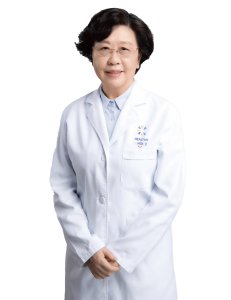
البروفيسورة لين جينفانغ طبيبة استشارية ومشرفة دكتوراه. شغلت سابقًا منصب مديرة قسم الغدد الصماء النسائية في مستشفى أمراض النساء والتوليد بجامعة فودان (البيت الأحمر) في شنغهاي. لديها أكثر من 40 عامًا من الخبرة السريرية، وهي رائدة في الغدد الصماء النسائية وطب الإنجاب وحائزة على كأس لين تشياوتشي.
التركيز: العقم الغُدّي المعقّد؛ القصور المبيضي الأولي وشيخوخة المبيض. طوّرت نهج "إنعاش الجريبات المتبقية". كما تعالج متلازمة تكيّس المبايض، بما في ذلك الأنماط غير المصحوبة بالسمنة، والانتباذ البطا

الدكتورة وو سوفانغ أستاذة، طبيبة استشارية أولى، ومديرة قسم النساء والتوليد في مستشفى ثالثي المستوى في الصين. تمتلك خبرة تفوق 30 عاماً في أورام أمراض النساء. تدربت تحت إشراف الأكاديمي مارتن وأكملت أبحاث ما بعد الدكتوراه في مركز إم دي أندرسون للسرطان.
تشمل خبرتها الجراحية الاستئصال الجذري للرحم، والاستئصال الاختزالي لأورام المبيض، وتحديد مراحل سرطان بطانة الرحم، والاستئصال المعقد للعقد اللمفاوية الحوضية وحول الأبهر. كما تُجري جراحات محافظة على الخصوبة وجراحات طفيفة التوغل. وتُخصص العلاجي
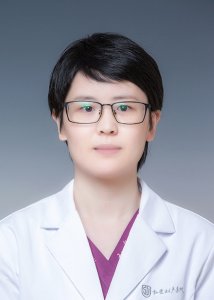
أستاذة وطبيبة استشارية. مديرة قسم أورام النساء. حاصلة على دكتوراه في أورام النساء من مستشفى السرطان التابع للأكاديمية الصينية للعلوم الطبية، وماجستير في التوليد وأمراض النساء من مستشفى كلية اتحاد بكين الطبية. لديها نحو 30 عامًا من الخبرة السريرية. نشرت أبحاثًا في مجلات مفهرسة ضمن SCI ومجلات محورية، وشاركت في تأليف كتابين عن أورام النساء.
متخصصة في التشخيص المعياري والعلاج الشامل لسرطانات المبيض وعنق الرحم وبطانة الرحم. تقدّم الجراحة والعلاج الكيميائي والعلاج الموجّه والعلاج المناعي وال
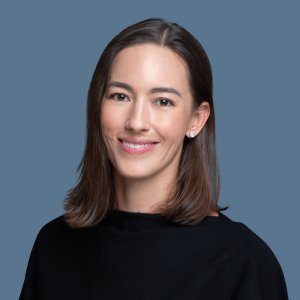
 Anna Leonova
تعطي العلاجات الجراحية القياسية لخلل التنسج العنقي عالي الدرجة في الصين الأولوية لإجراءات الاستئصال مثل الاستئصال الجراحي الكهربائي بالعروة (LEEP) والتحويل بالمشرط البارد. تضمن هذه الطرق إزالة الأنسجة للتحقق المرضي. تستخدم المرافق المعتمدة من قبل اللجنة الدولية المشتركة (JCI) مثل مستشفى فودا للسرطان هذه التقنيات لعلاج خلل التنسج المتقدم والأورام الخبيثة في مراحلها المبكرة.
رؤية خبير Bookimed: بينما تعالج معظم البروتوكولات الدولية CIN 2 و 3 بشكل مشابه، تُظهر المراكز الثالثية الصينية مثل مستشفى فودا للسرطان حجماً أكبر من تطبيقات الجراحة بالتبريد. يشير هذا التركيز على تقنيات التجميد العميق، التي تتكرر غالباً في دورات، إلى تفضيل الاستئصال الحراري المتخصص في الحالات التي يكون فيها الحفاظ على سلامة عنق الرحم أكثر أهمية من الاستئصال التقليدي. يعكس هذا النهج خبرة مؤسسية في إدارة أكثر من 30,000 مريض دولي باستخدام بدائل طفيفة التوغل.
إجماع المرضى: يلاحظ المرضى أن الأطباء الصينيين يتحركون بسرعة للتوصية بالاستئصال الجراحي بمجرد تأكيد خلل التنسج عا
تقدم الصين علاجات متقدمة غير جراحية وتحافظ على الخصوبة للآفات السابقة للسرطان في عنق الرحم. وتشمل هذه العلاج الضوئي الديناميكي (PDT) وإجراءات الاستئصال المحافظة مثل LEEP. تحافظ هذه الطرق على سلامة عنق الرحم، مما يقلل من مخاطر قصور عنق الرحم لدى النساء في سن الإنجاب.
رؤية خبير Bookimed: بينما يبحث الكثيرون عن خيارات غير جراحية تمامًا، تظل الدقة الجراحية حيوية لعلم الأمراض. تركز المراكز المعتمدة من JCI مثل مستشفى فودا للسرطان في قوانغتشو على البدائل طفيفة التوغل. غالبًا ما تدير هذه المستشفيات المتخصصة أكثر من 30,000 مريض دولي سنويًا. يؤدي هذا الحجم الكبير غالبًا إلى خطط علاجية أكثر دقة وتحفظًا مقارنة بالعيادات المحلية الصغيرة.
إجماع المرضى: يؤكد المرضى أن الاستئصال الدقيق لمرة واحدة غالبًا ما يكون أفضل من الخزعات المتكررة. ويشيرون إلى أنه من الضروري تأكيد درجة CIN الدقيقة قبل اختيار الاستئصال بالكي بدلاً من الجراحة.
تشخص المبادئ التوجيهية الصينية القائمة على الأدلة خلل التنسج العنقي من خلال بروتوكول قياسي من ثلاث خطوات: الفحص الأولي لفيروس الورم الحليمي البشري (HPV)، وتقييم تنظير المهبل، وعلم الأنسجة. يقوم الأطباء بتصنيف الآفات باستخدام نظام الورم داخل الظهاري العنقي (CIN). لا يبدأ تحديد المرحلة الحقيقي إلا إذا اخترقت الخلايا الغشاء القاعدي لتصبح سرطانًا غازيًا.
رؤية خبير Bookimed: بينما تقدم العديد من المستشفيات العامة الفحص، تعطي المراكز المعتمدة من JCI مثل مستشفى فودا للسرطان في قوانغتشو الأولوية لدقة التشخيص المتقدمة باستخدام الجراحة بالتبريد والتقنيات التداخلية. تظهر بياناتنا أن هذه المرافق غالبًا ما تتعامل مع حالات معقدة حيث تتعارض نتائج تنظير المهبل والخزعة. يضمن اختيار مستشفى معتمد من JCI معايير السلامة الدولية لهذه الإجراءات التشخيصية الجراحية الدقيقة.
إجماع المرضى: يؤكد المرضى أن الخزعة توفر التشخيص الأكثر دقة مقارنة بالفحوصات البصرية وحدها. يلاحظ الكثيرون أن الحفاظ على جدول متابعة صارم أمر حيوي لإدارة أنواع فيروس الورم الحليمي البشري عا
يطلب الأطباء الصينيون جدول متابعة منظمًا بعد إجراء LEEP أو Cevira لمراقبة الشفاء وتكرار الإصابة. يتضمن هذا البروتوكول اختبارات مشتركة إلزامية في الشهرين السادس والثاني عشر. تضمن الفحوصات المبكرة في الشهر الثالث تعافي الجرح. قد تمتد المراقبة طويلة الأمد إلى 25 عامًا.
رؤية خبراء Bookimed: يسلط الحجم السريري في مراكز مثل مستشفى فودا للسرطان، الذي يخدم أكثر من 30,000 مريض دولي، الضوء على تفضيل التعافي طفيف التوغل. تشير البيانات إلى أنه بينما يتطلب إجراء LEEP فحوصات دقيقة للحواف، غالبًا ما تتضمن العلاجات الضوئية تنظير المهبل الوقائي في الشهر السادس. وهذا يضمن التخلص الخلوي في الحالات التي لم يتم فيها استئصال الأنسجة جسديًا.
إجماع المرضى: تلاحظ المريضات أن الأطباء يعطون الأولوية للحواف الواضحة وسلبية فيروس الورم الحليمي البشري على المظهر الجسدي أثناء التعافي. تؤكد الكثيرات أن المراقبة تستمر حتى لو بدا عنق الرحم سليمًا، خاصة إذا استمرت النتائج عالية الخطورة.
يعد Cevira مناسباً جداً للمرضى الدوليين الذين يسعون للحفاظ على الخصوبة لعلاج آفات CIN2 و HSIL. يعمل هذا العلاج الضوئي غير الجراحي على القضاء على الخلايا غير الطبيعية في أقل من 10 دقائق دون قطع أنسجة عنق الرحم. وهو يحافظ على طول عنق الرحم سليماً، مما يقلل بشكل كبير من مخاطر الولادة المبكرة أو قصور عنق الرحم.
رؤية خبير Bookimed: الصين حالياً هي المركز العالمي الوحيد الذي تمت فيه الموافقة تجارياً على Cevira (APL-1702). بينما لا تزال الهيئات التنظيمية الأوروبية والأمريكية تراجع التجارب السريرية، تقدم المرافق المعتمدة من JCI مثل مستشفى Fuda للسرطان الخدمة بالفعل لمرضى من أكثر من 100 دولة. وهذا يسمح للمرضى الدوليين بالوصول إلى العلاج الضوئي للحفاظ على الخصوبة قبل سنوات من توفره في بلدانهم الأصلية.
إجماع المرضى: يقدر المرضى كيف يتجنب هذا النهج الجراحة ويحمي أهدافهم المستقبلية للحمل. ويؤكدون على أهمية التحقق من الأهلية من خلال نتائج خزعة واض
توفر الصين برامج عامة مجانية للكشف المبكر عن سرطان عنق الرحم، لكن العلاج السريري ليس مجانياً بشكل عام. يقدم برنامج "السرطانين" (Two Cancers) اختبارات مجانية للخلايا أو فيروس الورم الحليمي البشري (HPV) للنساء اللواتي تتراوح أعمارهن بين 35 و64 عاماً. غالباً ما يتم تضمين متابعات تشخيصية محددة مثل تنظير المهبل والخزعات في هذه المسارات الممولة من الحكومة.
رؤية خبير Bookimed: على الرغم من إمكانية الوصول إلى الفحوصات العامة، تتخصص المراكز ذات الحجم الكبير مثل مستشفى فودا للسرطان في قوانغتشو في الحالات المعقدة. تخدم هذه المنشأة المعتمدة من JCI أكثر من 30,000 مريض دولي. وهي تقدم جراحة تجميد متقدمة وعلاجات طفيفة التوغل للتشوهات التي تتطور إلى سرطان في مرحلة متأخرة. يضمن اختيار مركز متخصص الاستمرارية من التشخيص إلى التدخلات المتقدمة مثل مخروطية عنق الرحم.
إجماع المرضى: يشير المرضى إلى أنه على الرغم من أن الفحوصات الأولية منخفضة التكلفة، إلا أن الواقع المالي يظهر أثناء المتابعة. تتراكم النفقات بسرعة مقابل الاختبارات المتكررة، وتنظير المهبل، ومراجعات علم الأمراض