أمراض النساء والتوليد في الهند — التكاليف 2026

تمت مراجعة المقالة طبيا من قبل
Esra Cabuk Comert
ما هي تكلفة أمراض النساء والتوليد في الهند؟ اكتشف الآن
Obstetrics and gynecology costs in India typically range from $3,400 to $6,500. Total expenses vary based on the procedure type, choice between private or public facilities, and hospital room category. International patients usually find 70-80% savings compared to prices in the United States for similar medical care.
Typical Obstetrics and Gynecology Costs in India
- Consultation with a gynecologist: من $13
- Childbirth: $1,800 – $4,000
- Сesarean section: السعر عند الطلب
- Hysterectomy (uterus removal): من $3,500
- Myomectomy (removal of uterine fibroids): من $3,200
- Pregnancy follow-up: السعر عند الطلب
- Ovarian cyst removal: السعر عند الطلب
- Uterine artery embolization: السعر عند الطلب
- High intensity focused ultrasound ablation (HIFU): $4,500 – $6,800
- Magnetic resonance-guided focused ultrasound surgery (MRgFUS): السعر عند الطلب
Major medical hubs include Mumbai, Delhi, Bengaluru, and Chennai, where costs are generally 30-50% higher than in tier-2 cities. For a precise quote tailored to your medical history and chosen facility, consult with a specialist to discuss your specific treatment plan.
| الهند | تركيا | إسبانيا | |
|---|---|---|---|
| مخروط عنق الرحم (خزعة مخروطية) | ≈ $1,500 | من $1,100 | ≈ $2,300 |
| الولادة | ≈ $1,800 | من $2,100 | من $7,200 |
| الموجات الفوق صوتية عالية التكثيف المركزة HIFU | ≈ $4,500 | من $10,000 | من $8,000 |
| استئصال مخروطي عنقي | ≈ $1,100 | من $900 | ≈ $1,500 |
| استئصال عنق الرحم | ≈ $4,200 | من $5,800 | من $13,500 |
جميع أمراض أمراض النساء والتوليد
مزاياك وضماناتك مع Bookimed
أسعار مباشرة
Bookimed لا يضيف رسوماً إضافية على أسعار علاج أمراض النساء والتوليد. الأسعار مأخوذة من قوائم الأسعار الرسمية للعيادات. تدفع مباشرة في العيادة مقابل علاجك عند وصولك إلى البلد.
عيادات وأطباء معتمدون فقط
Bookimed ملتزم بسلامتك. نحن نعمل فقط مع المؤسسات الطبية التي تحافظ على معايير دولية عالية في علاج أمراض النساء والتوليد ولديها التراخيص اللازمة لخدمة المرضى الدوليين في جميع أنحاء العالم.
مساعدة مجانية على مدار الساعة
Bookimed يقدم مساعدة خبراء مجانية. منسق طبي شخصي يدعمك قبل وأثناء وبعد العلاج، ويحل أي مشاكل. لن تكون وحيداً أبداً في رحلة علاج أمراض النساء والتوليد.

منسقك الطبي الشخصي في Bookimed
- يدعمك في كل مرحلة
- المساعدة في اختيار العيادة الطبية المناسبة والطبيب المناسب
- يضمن الوصول السريع والمريح إلى المعلومات
اكتشف أفضل عيادات أمراض النساء والتوليد: 71 خيارات معتمدة والأسعار









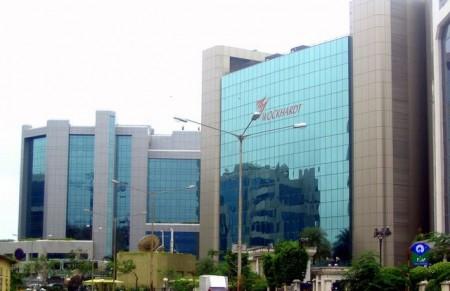
Wockhardt Hospital





أفضل مراكز أمراض النساء والتوليد في الهند
- Artemis Hospitals, الهند
- Fortis Escorts Heart Institute, الهند
- Apollo Hospital Indraprastha, الهند
- Fortis Gurgaon, الهند
- Medanta Hospital, الهند
- Wockhardt Hospital, الهند
- Manipal Hospitals, الهند
- Global Hospital Chennai, الهند
- BLK Super Speciality Hospital, الهند
- Global Hospital Mumbai, الهند
احصل على تقييم طبي لـ أمراض النساء والتوليد في الهند. استشر الآن 38 أطباء ذوي الخبرة.
عرض جميع الأطباء
Rajat Gupa
Sunayna Hansra
Parul Shah
Kanika Chandra
مواد ذات صلة
عرض المزيد من التفاصيل
المؤتمر العالمي السادس لمتلازمة تكيس المبايض 2020
كتب بواسطة Ana Hurevska

أفضل 10 عيادات لأطفال الأنابيب في العالم: تصنيف المرضى المحجوزين
كتب بواسطة Ana Hurevska

كم تكلفة علاج العقم؟
كتب بواسطة Veronika Kazina

هل إنجاب الأطفال يطيل العمر؟
كتب بواسطة Veronika Kazina

أطفال الأنابيب الناجحون: أفضل العيادات والأسعار والنتائج
كتب بواسطة Veronika Kazina
مشاركة المحتوى
قصص فيديو من مرضى Bookimed
 Anna Leonova
أسئلة متكررة حول أمراض النساء والتوليد في الهند
ما هي أفضل المستشفيات لأمراض النساء والتوليد ورعاية الأمومة في الهند؟
تشمل أفضل المستشفيات لأمراض النساء والتوليد ورعاية الأمومة في الهند مرافق معتمدة من اللجنة الدولية المشتركة (JCI) مثل مستشفى أبولو إندرابراستا، ومستشفيات مانيبال، ومستشفى BLK التخصصي الفائق. تقدم هذه المراكز جراحة المناظير الروبوتية، ورعاية حديثي الولادة المتقدمة، وإدارة حالات الحمل عالية الخطورة. تتميز معظم المؤسسات الرائدة بأجنحة ولادة متخصصة وخدمات للمرضى الدوليين.
- مستشفى أبولو إندرابراستا: يحمل هذا المرفق في دلهي اعتماد JCI ويضم 52 قسماً طبياً متخصصاً.
- مستشفيات مانيبال بنغالورو: مزود رائد حاصل على شهادة الأيزو يخدم 2,000,000 مريض سنوياً من خلال 60 قسماً.
- مستشفى BLK التخصصي الفائق: يقدم هذا المستشفى في دلهي طب الإنجاب المتقدم والرعاية الجراحية بالمنظار المعتمدة من JCI.
- مستشفيات أرتميس: مركز معتمد من JCI يقع في جورجاون ويقدم خدمات أمومة عالمية المستوى عبر 40 تخصصاً طبياً.
رؤية خبير Bookimed: تظهر بياناتنا أنه بينما تتعامل العمالقة متعددو التخصصات مثل أبولو ومانيبال مع أكبر الأحجام، غالباً ما يتم تصنيف الوحدات المتخصصة في جورجاون مثل فورتيس أو أرتميس في مرتبة أعلى من حيث التقدم التقني. تحافظ هذه المراكز على أكثر من 1000 سرير وأكثر من 35 قسماً. تضمن هذه البنية التحتية الوصول الفوري إلى متخصصين متنوعين لحالات الأمومة المعقدة وعالية الخطورة.
إجماع المرضى: يشير المرضى إلى أن السلاسل الكبرى مثل أبولو وكلاود ناين تقدم دعماً ممتازاً لحديثي الولادة. يقترح الكثيرون حجز باقات الأمومة مبكراً والتحقق من خيارات الأسعار الثاب
متى يجب أن أستشير أخصائي العقم في الهند؟
استشر أخصائي العقم في الهند بعد 12 شهراً من الجماع المنتظم إذا كان عمرك أقل من 35 عاماً. اطلب المساعدة بعد 6 أشهر إذا كان عمرك بين 35 و39 عاماً. يجب على النساء فوق سن 40 أو اللواتي يعانين من متلازمة تكيس المبايض (PCOS) أو بطانة الرحم المهاجرة أو سل الحوض تخطي الانتظار واستشارة الطبيب فوراً.
- عمر 35+: استشر الطبيب بعد 6 أشهر من الجماع المنتظم بسبب الانخفاض الحاد في الخصوبة.
- التاريخ الطبي: اطلب المساعدة الفورية في حالات عدم انتظام الدورة الشهرية، أو متلازمة تكيس المبايض، أو بطانة الرحم المهاجرة، أو الإجهاض المتكرر.
- عوامل الذكور: يحتاج الشركاء الذين لديهم تاريخ من إصابات الخصية أو العجز الجنسي إلى تقييم مبكر.
- التاريخ الجراحي: تتطلب جراحات الحوض السابقة أو العدوى مثل السل استشارة فورية مع أخصائي.
رؤية خبير Bookimed: تدير المراكز الهندية الرائدة مثل مستشفى أبولو إندرابراستا ومستشفيات مانيبال أعداداً هائلة من المرضى. يسمح هذا العدد الكبير من الحالات لأطباء مثل الدكتور دينيش كانسال بصقل تقنياتهم من خلال أكثر من 11,000 إجراء. يستفيد المرضى من هذه الخبرة المركزة، حيث يرى الجراحون يومياً حالات معقدة قد لا تواجهها العيادات الصغيرة إلا شهرياً.
إجماع المرضى: غالباً ما يندم المرضى على الانتظار لسنوات بسبب ضغوط العائلة ويقترحون إجراء تحليل السائل المنوي في وقت مبكر. ويشيرون إلى أن توثيق علامات الغدة الدرقية والإباضة مسبقاً يوفر الوقت ويتجنب تكرار الاختبارات في المراكز الكبرى.
ما هي المعايير التي يجب أن أستخدمها لاختيار أفضل طبيب نساء وتوليد؟
اختر أفضل طبيب نساء وتوليد في الهند من خلال التحقق من اعتمادات اللجنة الدولية المشتركة (JCI) أو المجلس الوطني لاعتماد المستشفيات (NABH). أعط الأولوية للمتخصصين الذين لديهم خبرة تزيد عن 20 عاماً وسجل حافل في إجراءات محددة مثل جراحة المناظير أو إدارة حالات الحمل عالية الخطورة في المراكز الطبية الكبرى في دلهي أو مومباي أو بنغالورو.
- اعتمادات المستشفى: اختر الأطباء في المرافق المعتمدة من JCI مثل مستشفيات أرتميس أو مستشفى أبولو إندرابراستا.
- الخبرة المتخصصة: ابحث عن خبراء متخصصين مثل الدكتورة أنشال أغاروال للعقم أو الدكتورة كومكوم فاتسا لأورام النساء.
- حجم العمليات الجراحية: ابحث عن جراحين ذوي حجم عمل كبير مثل الدكتورة نيرو ثاكرال، التي أجرت أكثر من 20,000 عملية ولادة ناجحة.
- التدريب المتقدم: أعط الأولوية للأطباء الحاصلين على زمالات دولية، مثل الدكتور دينيش كانسال الذي تدرب في كلية الطب بجامعة هارفارد.
رؤية خبير Bookimed: تُظهر البيانات أن اختيار طبيب نساء وتوليد ضمن شبكة كبيرة متعددة التخصصات مثل مستشفيات مانيبال أو مستشفى جلوبال تشيناي يوفر ميزة أمان. تخدم هذه المؤسسات أكثر من 2,000,000 مريض سنوياً وتوفر وصولاً فورياً إلى خدمات الطوارئ والآراء الطبية الثانية التي لا تستطيع العيادات المستقلة الصغيرة مطابقتها. هذا النهج المتكامل حيوي لحالات الحمل عالية الخطورة أو العمليات التنظيرية المعقدة.
إجماع المرضى: يشير المرضى إلى أنه من المهم العثور على طبيب يشرح كل خطوة من خطوات الإجراء قبل البدء. حذر أحد المرضى من أنه يجب عليك ال
هل جراحو التوليد وأمراض النساء الهنود معترف بهم من قبل المجالس الدولية وما هي معايير تأهيلهم؟
يحمل جراحو التوليد وأمراض النساء الهنود درجات علمية معترف بها مثل MD أو MS أو DNB بعد 11.5 عاماً من التدريب. وبينما تُظهر هذه المؤهلات عمقاً سريرياً عالياً، غالباً ما يحتاج الجراحون إلى اجتياز اختبارات خاصة بكل دولة مثل USMLE أو MRCOG للممارسة الدولية. كما يحمل العديد من كبار المتخصصين الهنود زمالات من مؤسسات أمريكية أو أوروبية.
- المسار التعليمي: إكمال 5.5 سنوات من بكالوريوس الطب والجراحة (MBBS) متبوعة بدرجات تخصص MD أو MS لمدة 3 سنوات.
- الشهادة الوطنية: يجب على الجراحين اجتياز اختبار NEET-PG والتسجيل في اللجنة الطبية الوطنية.
- المعايير الدولية: يسعى العديد من المتخصصين للحصول على شهادة عضوية الكلية الملكية لأطباء النساء والتوليد (MRCOG).
- التدريب العالمي: تدرب خبراء مثل الدكتور دينيش كانسال في مستشفى BLK Super Speciality في هارفارد.
رؤية خبير Bookimed: تُظهر البيانات اتجاهاً قوياً نحو الحصول على شهادات مزدوجة بين كبار أطباء التوليد وأمراض النساء في الهند. غالباً ما يجمع المتخصصون في المراكز المعتمدة من JCI مثل مستشفى أبولو إندرابراستا بين الدرجات العلمية الهندية والزمالات الدولية من فرنسا أو ألمانيا. يضمن هذا المزيج استيفاءهم للمعايير الجراحية العالمية مع الحفاظ على أحجام الإجراءات العالية النموذجية للمراكز الثالثية الهندية.
إجماع المرضى: غالباً ما يعطي المرضى الأولوية لإجمالي عدد الإجراءات الناجحة للجراح على حالة المجلس الدولي. ويشير الكثيرون إلى أن الأطباء في المراكز الكبرى مثل مستشفيات مانيبال لديهم خبرة واسعة تض
ما هي بروتوكولات السلامة ومستويات الاعتماد التي يمكن للسائح الطبي توقعها في مراكز التوليد وأمراض النساء في الهند؟
يمكن للسياح الطبيين في الهند توقع معايير سلامة عالية في المرافق التي تحتفظ بشهادات اللجنة الدولية المشتركة (JCI) والمجلس الوطني لاعتماد المستشفيات (NABH). تطبق هذه المراكز رقابة صارمة على العدوى، وقوائم مراجعة السلامة الجراحية التابعة لمنظمة الصحة العالمية، وبروتوكولات متخصصة لحالات التوليد عالية الخطورة وجراحات أمراض النساء.
- مستويات الاعتماد: تمتلك مؤسسات مثل مستشفيات أرتميس ومستشفى BLK Super Speciality اعتمادات JCI و NABH.
- السلامة الجراحية: يستخدم جراحون مثل الدكتور دينيش كانسال أنظمة تنظير البطن الروبوتية للإجراءات طفيفة التوغل.
- الرعاية المتخصصة: غالبًا ما تضم المرافق فرقًا مخصصة لطب الإنجاب والأورام وإدارة الحمل عالي الخطورة.
- البنية التحتية: توفر المراكز من الدرجة الأولى مثل مستشفى أبولو إندرابراستا توافرًا طبيًا على مدار 24 ساعة وأنظمة مراقبة متقدمة.
رؤية خبير Bookimed: ترتبط مؤشرات الجودة لرعاية التوليد وأمراض النساء في الهند بحجم العمليات الجراحية والتدريب المتخصص. على سبيل المثال، أجرى الدكتور دينيش كانسال في مستشفى BLK Super Speciality أكثر من 11,000 عملية جراحية طفيفة التوغل. عادةً ما يضمن اختيار المراكز ذات الحجم الكبير التي تضم أكثر من 1,000 سرير، مثل ميدانتا أو فورتيس جورجاون، الوصول إلى مرافق البحث في الموقع وقدرات تشخيصية أوسع.
إجماع المرضى: يشير المرضى إلى أنه من المهم التحقق من مؤهلات الجراح المحددة وتدريبه الزمالة بدلاً من الاعتماد فقط على اعتماد المستشفى. كما يقترحون طلب غرف خاصة وخطة متابعة وا
ما هي الإجراءات والتقنيات النسائية الأكثر تقدمًا المتاحة للسياح الطبيين في الهند؟
توفر الهند تقنيات نسائية متقدمة بما في ذلك نظام da Vinci Xi الروبوتي والموجات فوق الصوتية المركزة الموجهة بالرنين المغناطيسي. تتيح هذه الأدوات إجراء جراحات معقدة مثل استئصال الأورام الليفية واستئصال الرحم بدقة عالية. تستفيد المريضات من التصور ثلاثي الأبعاد والجراحة الموجهة بالفلورة لضمان نتائج أفضل وتعافٍ أسرع.
- الأنظمة الروبوتية: استخدام da Vinci Xi لاستئصال الرحم يضمن فقدانًا أقل للدم.
- خيارات غير جراحية: تقنية HIFU الموجهة بالرنين المغناطيسي تدمر الأورام الليفية الرحمية بدون شقوق جراحية أو إشعاع.
- التشخيص المتقدم: تستخدم العيادات تنظير البطن ثلاثي الأبعاد ومناظير الرحم بدقة 4K لتصوير دقيق للحوض.
- تكنولوجيا الإنجاب: تقدم المراكز اختبارات PGT-A والعلاجات التجديدية لحالات العقم المعقدة.
رؤية خبير Bookimed: غالبًا ما تكون مؤشرات الجودة لأمراض النساء في الهند مخفية في شهادات الأطباء. ابحث عن متخصصين مثل الدكتور دينيش كانسال في مستشفى BLK Super Speciality. لقد أجرى أكثر من 11,000 إجراء وتدرب في هارفارد. غالبًا ما تستخدم العيادات الحاصلة على اعتمادات JCI و NABH معايير عالمية متطابقة للجراحة بمساعدة الروبوت.
إجماع المرضى: يشير المرضى إلى أن المستشفيات من الدرجة الأولى تضاهي المعايير الغربية وتوفر وفورات كبيرة. يوصي الكثيرون بالحصول على استشارة عن بعد لمراجعة التصوير قبل السفر لتجنب تمديد فترة الإقامة.
كم من الوقت يجب أن يخطط المرضى الدوليون للبقاء في الهند لإجراء جراحة نسائية روتينية أو ولادة عالية المخاطر؟
يجب على المرضى الدوليين التخطيط لإقامة تتراوح بين 7 إلى 14 يوماً لإجراء العمليات الجراحية النسائية الروتينية في الهند. تتطلب الولادات عالية المخاطر ما لا يقل عن 10 إلى 21 يوماً. تشمل هذه الجداول الزمنية من 1 إلى 3 أيام من الإقامة في المستشفى. كما أنها تغطي المراقبة الأساسية بعد الجراحة وتصريح السفر الآمن.
- الجراحة الروتينية: خطط لما مجموعه 7-14 يوماً بما في ذلك 4-7 أيام للتعافي في العيادات الخارجية بالقرب من العيادة.
- الإقامة في المستشفى: توقع 1-3 أيام كإقامة داخلية لإجراءات تنظير البطن أو 3-5 أيام للجراحة المفتوحة.
- الولادة عالية المخاطر: خصص 10-21 يوماً كحد أدنى، وتمتد إلى 4 أسابيع إذا كانت هناك حاجة لمراقبة وحدة العناية المركزة لحديثي الولادة (NICU).
- تصريح السفر: ينصح الجراحون عادةً بالانتظار لمدة 14 يوماً بعد الجراحة قبل ركوب الرحلات الجوية الدولية لمسافات طويلة.
رؤية خبير Bookimed: تدير المراكز ذات الحجم الكبير مثل مستشفيات مانيبال ومستشفى أبولو إندرابراستا أكثر من 1,000,000 مريض سنوياً. تظهر بياناتنا أن اختيار المرافق التي تحتوي على مكاتب دولية في الموقع، مثل مستشفى BLK Super Speciality، يساعد في مزامنة التعافي مع جداول التأشيرات. هذا يمنع الخطأ الشائع المتمثل في حجز رحلات العودة قبل فحص الغرز النهائي في اليوم السابع.
إجماع المرضى: يؤكد المرضى على أهمية تخصيص وقت إضافي لإجراء فحوصات الموجات فوق الصوتية غير المتوقعة أو في حالة حدوث عدوى طفيفة. يوصي الكثيرون بحجز Airbnb على بعد 30 دقيقة من المستشفى للبقاء مرتاحي
ما هي علامات التحذير أثناء الحمل التي تتطلب عناية طبية فورية؟
تشمل علامات التحذير الفورية أثناء الحمل النزيف المهبلي الغزير، أو انخفاض حركة الجنين، أو تسرب السوائل المفاجئ. كما تتطلب آلام البطن الشديدة، والصداع المستمر، وتغيرات الرؤية رعاية عاجلة. اطلبي المساعدة الطبية في حالة ارتفاع درجة الحرارة فوق 38 درجة مئوية أو تورم شديد في الوجه واليدين.
- النزيف المهبلي: اطلبي الرعاية إذا كان النزيف غزيراً أو يشبه الدورة الشهرية.
- حركة الجنين: اتصلي بأخصائي إذا كان الطفل يتحرك بشكل أقل أو توقف عن الحركة.
- الألم الشديد: راقبي الآلام الحادة في البطن أو الصدر أو آلام الظهر الموضعية المستمرة.
- الأعراض العصبية: تحركي فوراً في حالة تشوش الرؤية، أو ومضات الضوء، أو نوبات الإغماء.
- تسرب السوائل: تدفق مفاجئ أو تنقيط مستمر يشير إلى احتمال تمزق كيس الحمل.
رؤية خبير Bookimed: تدير المراكز الطبية الهندية مثل مستشفيات مانيبال ومستشفى أبولو إندرابراستا أكثر من 1,000,000 مريض سنوياً. يعني حجم المرضى المرتفع في هذه المرافق المعتمدة من JCI غالباً أنها تمتلك وحدات طوارئ توليد مخصصة تعمل على مدار الساعة طوال أيام الأسبوع. هذه البنية التحتية حيوية لأن الأعراض المفاجئة مثل تورم الوجه يمكن أن تشير إلى تسمم الحمل. اختيار مستشفى كبير متعدد التخصصات يضمن الوصول الفوري إلى وحدات العناية المركزة لحديثي الولادة والفرق الجراحية في حالة حدوث مضاعفات.
إجماع المرضى: تؤكد المريضات على أهمية تتبع ركلات الجنين يومياً وتجهيز حقيبة المستشفى. تشير الكثيرات إلى أن آلام الظهر قد تكون علامة خفية على الولا
هل ستكون هناك ندوب مرئية بعد جراحة أمراض النساء بالمنظار أو الجراحة الروبوتية في الهند؟
تؤدي جراحات أمراض النساء بالمنظار والجراحة الروبوتية في الهند إلى حدوث ندوب طفيفة. يستخدم الجراحون 3-5 شقوق صغيرة يتراوح طولها بين 0.5 سم و 1.2 سم. عادة ما تتلاشى هذه الثقوب لتصبح خطوطاً رفيعة بلون الجلد في غضون 6-12 شهراً. معظم العلامات تكون مخفية بالقرب من السرة أو خط البكيني.
- حجم الشق: تتراوح ثقوب الجراحة طفيفة التوغل من 5 مم إلى 12 مم في الطول.
- الموضع الاستراتيجي: غالباً ما يضع الجراحون الشقوق داخل السرة لإخفاء العلامات المرئية.
- الجدول الزمني للشفاء: تحقق الجروح الخارجية شفاءً أولياً في غضون 8 أسابيع وتصبح مسطحة بشكل ملحوظ.
- الدقة الروبوتية: تسمح أنظمة مثل Da Vinci بدقة عالية أثناء الشق والإغلاق.
رؤية خبير Bookimed: تُظهر البيانات السريرية أن الجراحين ذوي حجم الحالات المرتفع، مثل الدكتور دينيش كانسال في مستشفى BLK Super Speciality الذي أجرى أكثر من 11,000 إجراء، غالباً ما يحققون نتائج تجميلية فائقة. اختيار مراكز مثل مستشفى Global Hospital Chennai، الذي يجري أكثر من 18,000 عملية سنوياً، يضمن الوصول إلى تقنيات متطورة لإغلاق الجروح تقلل من ظهور الندوب على المدى الطويل.
إجماع المرضى: يلاحظ المرضى أن الندوب بالكاد تكون مرئية بعد 6 أشهر، وغالباً ما تظهر كنقاط بيضاء صغيرة. ينصح الكثيرون باستخدام كريمات تعتمد على السيليكون بدءاً من الشهر الثاني للمساعدة في اندماج العلامات مع الجلد بشكل أسرع.
كيف تعمل رعاية الحمل في الهند - وما الذي يتضمنه باقة الولادة القياسية؟
توفر باقات الولادة القياسية في الهند رعاية شاملة من الثلث الأول من الحمل وحتى التعافي بعد الولادة. تتضمن هذه الباقات عادةً 8-10 استشارات قبل الولادة، وفحوصات الموجات فوق الصوتية الأساسية مثل فحص الشفافية القفوية وفحص التشوهات، ورسوم الولادة. تغطي معظم المرافق الخاصة إقامة لمدة 2-3 أيام للولادة الطبيعية أو 5 أيام للولادة القيصرية.
- رعاية ما قبل الولادة: تشمل تحاليل الدم الروتينية، وتحليل البول، وفحوصات مراقبة النمو.
- خدمات الولادة: تغطي رسوم غرفة الولادة، ورعاية التمريض، وأتعاب طبيب التوليد.
- دعم ما بعد الولادة: يتضمن عادةً استشارات الرضاعة، وزيارات أخصائي التغذية، ورعاية المتابعة لمدة 6 أسابيع.
- رعاية حديثي الولادة: تشمل زيارات طبيب الأطفال والتطعيمات الأولية مثل BCG والتهاب الكبد B.
- فئات الغرف: يختار المرضى بين الأجنحة العامة، أو الغرف الخاصة، أو الأجنحة الفاخرة.
رؤية خبير Bookimed: تظهر البيانات من الشبكات الكبرى مثل مستشفى أبولو إندرابراستا ومستشفيات مانيبال تحولاً نحو رعاية الأمومة متعددة التخصصات. تدمج المراكز الرائدة الآن أطباء حديثي الولادة المتخصصين ومختبرات التشخيص المتقدمة مباشرة في الباقات القياسية. غالباً ما يقلل هذا التنسيق الداخلي من الحاجة إلى استشارات خارجية مكلفة أثناء حالات الحمل عالية الخطورة.
إجماع المرضى: يشير المرضى إلى أنه على الرغم من أن الباقات تبدو شاملة لكل شيء، فمن الضروري التأكد مما إذا كان التخدير فوق الجافية (الإيبيدورال) أو رعاية حديثي الولادة المتخصصة بتكلفة