العودة إلى الصفحة الرئيسية
820К+ مريضًا حصلوا على المساعدة منذ عام 2014
50 دول
1,500 عيادات
6K+ تقييمات
3K+ طبيب مؤهل

ما هي تكلفة أمراض النساء والتوليد في كوريا الجنوبية؟ اكتشف الآن

Obstetrics and gynecology services in South Korea typically cost from $9,400 to $18,500. Total expenses depend on the type of procedure, hospital stay length, and whether specialized surgical techniques like laparoscopy are used. Patients from abroad can expect 40-70% savings compared to prices for similar treatments in the US.

Typical Obstetrics and Gynecology Costs in South Korea

  • Consultation with a gynecologist: $27 – $100
  • Papanicolaou test (PAP analysis): $100 – $200
  • Blood test for hormonal profile: $100 – $300
  • Hymenoplasty (hymen restoration): السعر عند الطلب
  • Hysterectomy (uterus removal): $5,000 – $16,500
  • Myomectomy (removal of uterine fibroids): $6,500 – $14,500
  • Pregnancy follow-up: $1,900 – $3,400
  • Ovarian cyst removal: $4,800 – $9,800
  • Сesarean section: $6,800 – $11,500
  • Laparoscopic hysterectomy: $11,500 – $19,500

Major medical centers for women's health are located in Seoul and Busan. While quality remains consistent, clinics in Busan occasionally offer more competitive international packages. Consult with a specialist to get accurate pricing for your specific health needs and treatment plan.

كوريا الجنوبيةتركياإسبانيا
قسم القيصريةمن $6,800من $2,421من $3,000
فحص بالموجات فوق الصوتية الموجهة بالرنين المغناطيسي (MRgFUS)من $13,500من $10,000من $9,000
علاج الورم اللِّيفي الرحمي بالموجات الفوق صوتية الكثيفةمن $6,800من $3,500من $4,200
حبال الداخليمن $3,000من $2,300من $4,500
انسداد الشريان الرحميمن $6,200من $3,800من $4,500
تم التحقق من البيانات بواسطة Bookimed اعتبارًا من June 2026، استنادًا إلى طلبات المرضى والعروض الرسمية من 27 عيادة حول العالم. تستند التكاليف المتوسطة إلى الفواتير الحقيقية (2025–2026) ويتم تحديثها شهريًا. قد تختلف الأسعار الفعلية.

مزاياك وضماناتك مع Bookimed

أسعار مباشرة

Bookimed لا يضيف رسوماً إضافية على أسعار علاج أمراض النساء والتوليد. الأسعار مأخوذة من قوائم الأسعار الرسمية للعيادات. تدفع مباشرة في العيادة مقابل علاجك عند وصولك إلى البلد.

عيادات وأطباء معتمدون فقط

Bookimed ملتزم بسلامتك. نحن نعمل فقط مع المؤسسات الطبية التي تحافظ على معايير دولية عالية في علاج أمراض النساء والتوليد ولديها التراخيص اللازمة لخدمة المرضى الدوليين في جميع أنحاء العالم.

مساعدة مجانية على مدار الساعة

Bookimed يقدم مساعدة خبراء مجانية. منسق طبي شخصي يدعمك قبل وأثناء وبعد العلاج، ويحل أي مشاكل. لن تكون وحيداً أبداً في رحلة علاج أمراض النساء والتوليد.

لماذا نحن؟

منسقك الطبي الشخصي في Bookimed

  • يدعمك في كل مرحلة
  • المساعدة في اختيار العيادة الطبية المناسبة والطبيب المناسب
  • يضمن الوصول السريع والمريح إلى المعلومات

اكتشف أفضل عيادات أمراض النساء والتوليد: 27 خيارات معتمدة والأسعار

تم تصنيف العيادات بواسطة نظام Bookimed الذكي، باستخدام تحليل علوم البيانات عبر 5 معايير رئيسية.
Seoul Miz Hospital
Samsung Medical Center
Trinity Women's Clinic
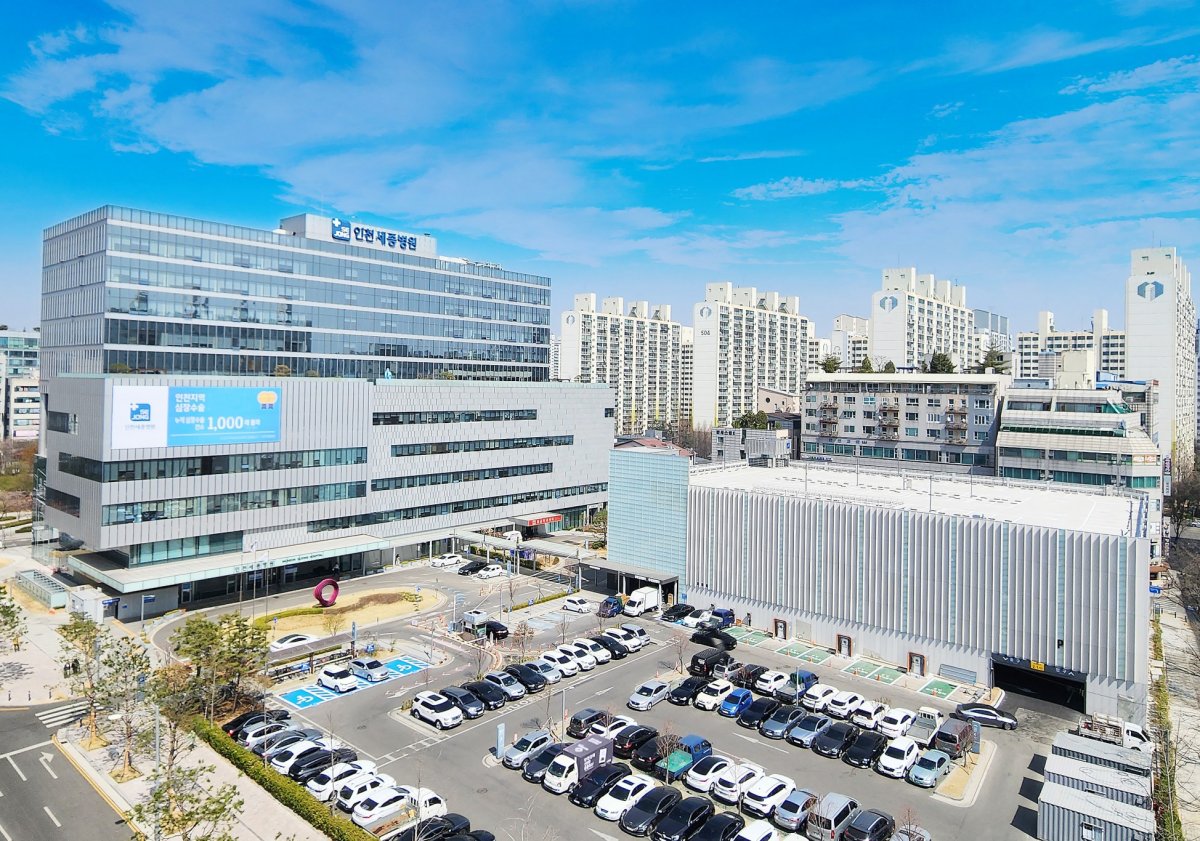
SEJONG HOSPITAL
Ewha Womans University Medical Center
لقد شاهدتم 5 من 27 عيادات

أفضل مراكز أمراض النساء والتوليد في كوريا الجنوبية

  • Seoul Miz Hospital, كوريا الجنوبية
  • Samsung Medical Center, كوريا الجنوبية
  • Trinity Women's Clinic, كوريا الجنوبية
  • SEJONG HOSPITAL, كوريا الجنوبية
  • Ewha Womans University Medical Center, كوريا الجنوبية

احصل على تقييم طبي لـ أمراض النساء والتوليد في كوريا الجنوبية. استشر الآن 20 أطباء ذوي الخبرة.

عرض جميع الأطباء
يؤكد

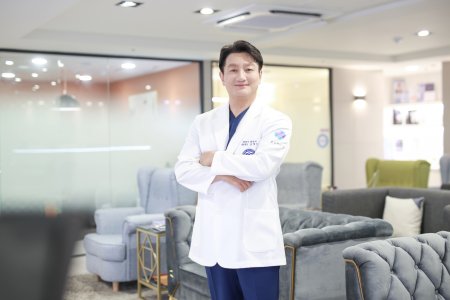
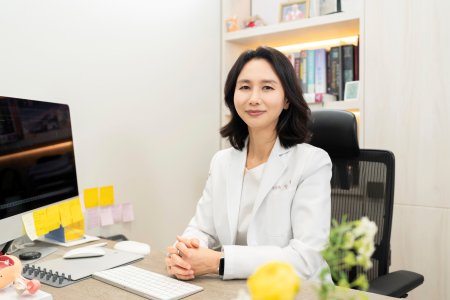
Yeoun E Park

37سنة خبره ١٦ سنة

تم إجراء أكثر من 900 عملية جراحية نسائية طفيفة التوغل - يتخصص الدكتور بارك في الجراحات بالمنظار والجراحات بمساعدة الروبوت في مستشفى سيول ميز.
  • كبير المسؤولين الطبيين مع أدوار قيادية في مستشفيين رئيسيين
  • أستاذ مساعد في أربع جامعات طبية كورية مرموقة
  • متخصص في حالات بطانة الرحم المهاجرة والأورام الليفية المعقدة
  • عضو في الجمعية الكورية لأمراض النساء والتوليد
يؤكد

Yang Ki Yeol

20سنة خبره ١٦ سنة

الدكتورة كي يول يانغ، MD، PhD، هي المؤسسة والمديرة الممثلة لعيادة ترينيتي للنساء. تُعدّ متخصصة في سن اليأس ورائدة في الجراحة النسائية طفيفة التوغل مع الحفاظ على الرحم. تحمل البورد الكوري في التوليد وأمراض النساء، وهي أخصائية معتمدة في سن اليأس (الجمعية الكورية لسن اليأس). تستند ممارستها، المستفادة من عشرات الآلاف من الحالات السريرية، إلى تقديم علاج هرموني تعويضي مُفصَّل ورعاية دقيقة.

لديها خبرة في العلاج بالموجات فوق الصوتية المركزة عالية الشدة (HIFU) والاستئصال بالترددات الراديوية (RFA) لعلاج الأورام الليفية والعضال الغدي، وفي تجديد المهبل بالليزر وإعادة بناء قاع الحوض الوظيفية. تشغل منصب أستاذة سريرية في المركز الطبي لجامعة كيونغ هي، ومديرة الشؤون الأكاديمية في جمعية الممارسين الطبيين الكورية، ومديرة الأعمال في الجمعية الكورية للطب بالموجات فوق الصوتية العلاجية. وهي أيضًا مؤلفة دليل للمرضى حول سن اليأس.

يؤكد

Jung Nan Hee

26سنة خبره ١٦ سنة

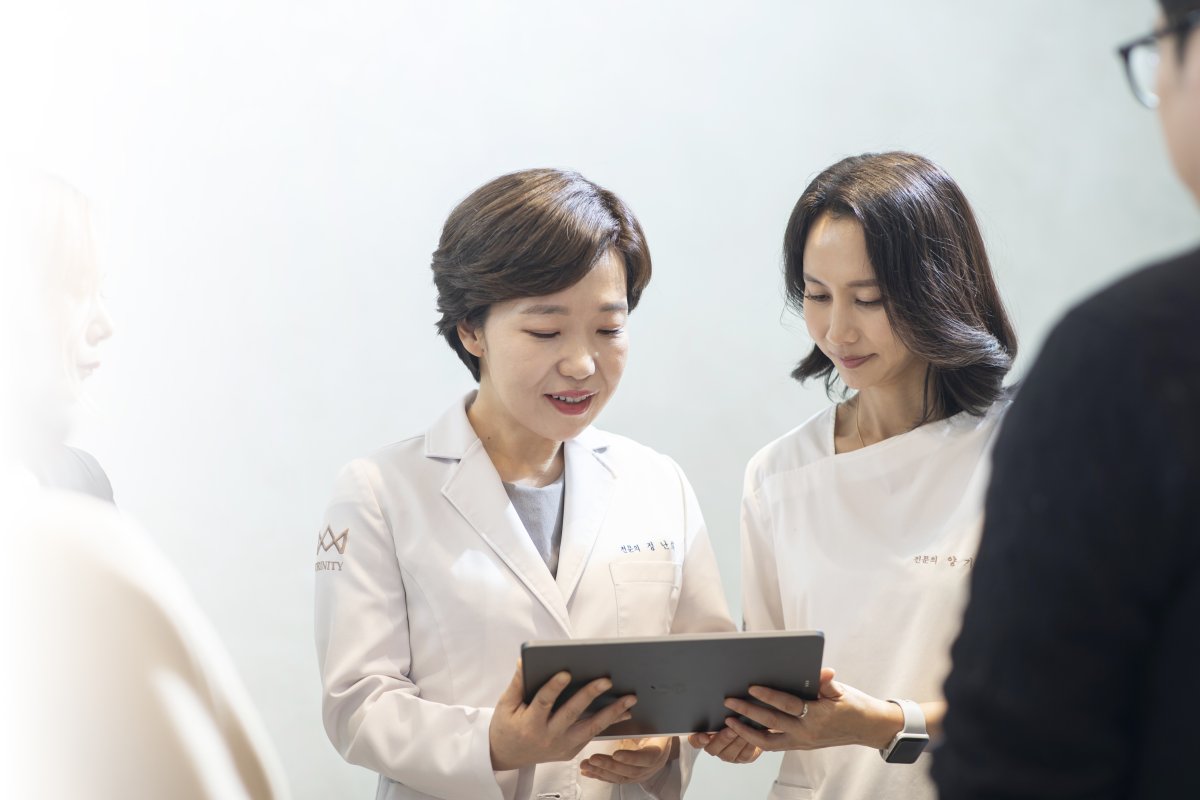
المؤسس لعيادة ترينيتي للنساء. حاصل على اعتماد Master Surgeon في طب أمراض النساء طفيفة التوغّل وجراحة التجميل النسائية. رائد في رعاية محافظة على الرحم وخالية من الندوب باستخدام RFA (الاستئصال بالترددات الراديوية)، وHIFU (الموجات فوق الصوتية المركزة عالية الكثافة)، والعلاج بالتصليب للمبيض.

أستاذ جراحة التجميل النسائية غير الجراحية في IFAAS. يقود دورات Master Class دولية في RFA في تايوان ومنغوليا. مدير الشؤون العامة في الجمعية الكورية لـ HIFU. يشغل مناصب مدير في KMPA وKCOG والجمعية الكورية للموجات فوق الصوتية العلاجية.

MD/PhD من جامعة كوريا. زمالة في أورام أمراض النساء في المركز الطبي لجامعة كوريا. تدريب على HIFU في جامعة فودان. برنامج إشراف سريري في جامعة أوبسالا. شغل سابقاً منصباً تنفيذياً في الشؤون الطبية لدى MSD وتاكيدا ونوفو نورديسك. طبيب رئيسي ومستشار لباير ونوفو نورديسك وفارما ريسيرش وRF Medical. عضو في AACR وIGCS. مستشار طبي في قناتي Channel A وTV Chosun.

يؤكد

Heeseok Kang

27سنة خبره ١٦ سنة

أجرى الدكتور كانغ أكثر من 2,012 عملية استئصال رحم مهبلي بمساعدة المنظار في مركز سامسونج الطبي - أحد أفضل المستشفيات في كوريا.

  • أستاذ مساعد في مركز سامسونج الطبي مع خبرة تزيد عن 20 عاماً في أمراض النساء
  • رائد في جراحة المناظير أحادية المنفذ مع أبحاث منشورة
  • حاصل على جائزة الأطروحة المتميزة من الجمعية الكورية للأورام النسائية
  • متخصص في التقنيات طفيفة التوغل للألياف الرحمية وبطانة الرحم المهاجرة

المراجعات

جميع المراجعات
Дарья • العقم
روسيا الاتحادية
٢٢ مايو ٢٠١٩
مراجعة تم التحقق منها.
"أجريت الاختبارات على الفور"
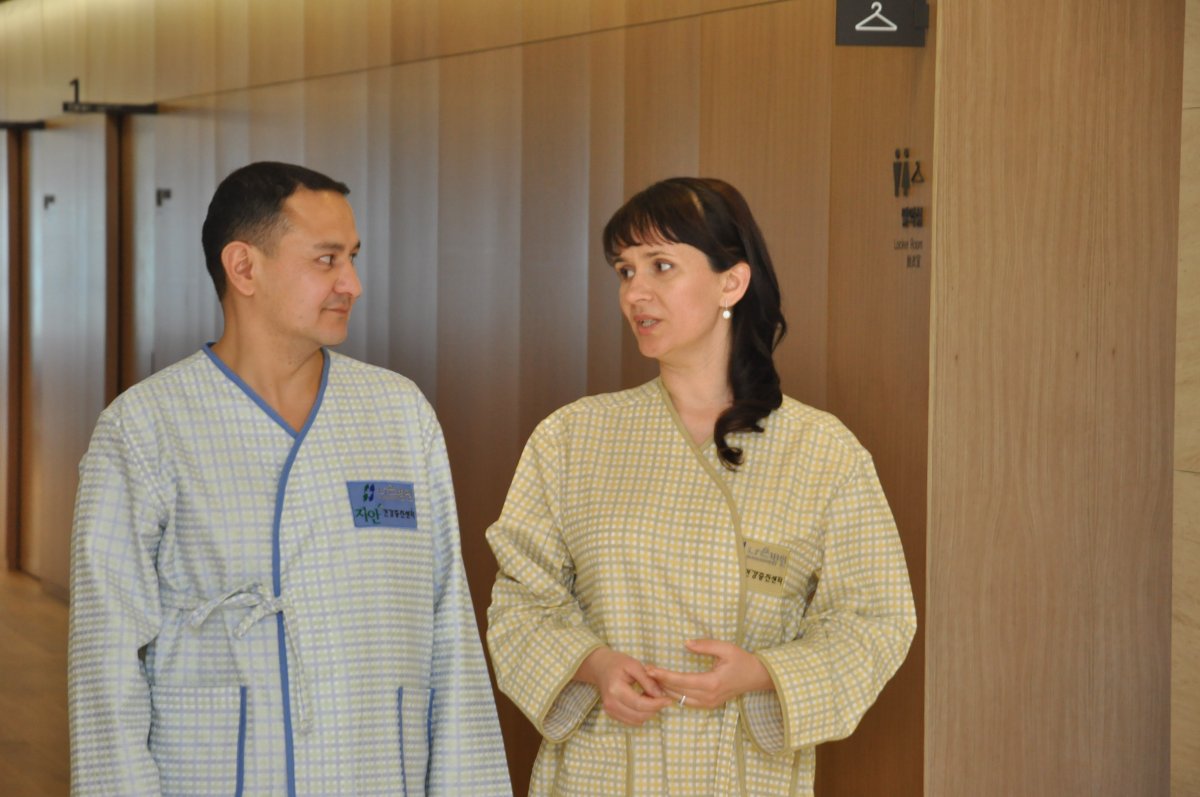
قابلنا فتاتان - مترجمتان ، ودودون للغاية. تم فحص الزوج ، وتم إجراء الاختبارات على الفور. نظرًا لأن النتائج لم تكن جاهزة إلا بعد أسبوع ، فقد دفعنا استشارة أخرى مع طبيب ، ذهب إليها مترجم فتاة بدلاً منا. تم تأجيل النتائج لبضعة أيام. بشكل عام ، كان الانطباع عن زيارة العيادة إيجابيًا.
حول خدمة Bookimed
أحسنت يا فتيات! شكرا جزيلا لك على مساعدتك!
Pauline • تنظير الرحم
سنغافورة
٢٦ ديسمبر ٢٠١٩
مراجعة تم التحقق منها.
اللغة هي مشكلة وليس الكثير من المشورة التشاور

مواد ذات صلة

مشاركة المحتوى

Twitter XLinkedinFacebookWhatsAppEmail
أحصل على الرابط

قصص فيديو من مرضى Bookimed

Dayana
جمعت بين إجازتي في أنطاليا والفحص الطبي.
إجراء: فحص صحة الإناث (انظر فحص النساء)
Igor
كان رائعاً! التنقلات والإقامة والعلاج - كل شيء مشمول.
إجراء: زرع الأسنان
مستشفى: WestDent Clinic
Marina
قام Bookimed بكل شيء من أجلي. لم أضطر للقلق بشأن أي شيء.
إجراء: فحص صحة الإناث (انظر فحص النساء)
مستشفى: Severance Hospital
محدث: 12/26/2019
تأليف
Anna Leonova
Anna Leonova
رئيس فريق تسويق المحتوى
محررة طبية معتمدة لديها خبرة تزيد عن 10 سنوات، طوّرت محتوى Bookimed الموثوق، مدعومة بماجستير في علم اللغة ومقابلات مع خبراء طبيين من جميع أنحاء العالم.
تمت المراجعة من قبل المستشار الطبي في Bookimed
Esra Cabuk Comert
اخصائي خصوبة
الدكتورة إيسرا جابوك كوميارت هي طبيبة نسائية وتوليد. تتخصص في أطفال الأنابيب، والجراحة التجميلية المهبلية، والجراحة بالمنظار، وقد عالجت أكثر من 20,000 حالة. الدكتورة كوميارت حاصلة على شهادة في جراحة التجميل التناسلية من الجمعية الأوروبية للطب الجمالي والجراحة. كما أنها تحمل شهادات في التنظير البطني النسائي والتنظير الرحم، وكلاهما معتمد من وزارة الصحة التركية.
Esra Cabuk Comert Linkedin
قد تحتوي هذه الصفحة على معلومات تتعلق بمختلف الحالات الطبية والعلاجات وخدمات الرعاية الصحية المتوفرة في بلدان مختلفة. يرجى العلم أن المحتوى مقدم لأغراض إعلامية فقط ولا ينبغي تفسيره على أنه نصيحة أو إرشادات طبية. يرجى استشارة طبيبك أو أخصائي طبي مؤهل قبل البدء أو تغيير العلاج الطبي.

أسئلة متكررة حول أمراض النساء والتوليد في كوريا الجنوبية

هذه الأسئلة الشائعة مأخوذة من مرضى حقيقيين يبحثون عن رعاية طبية عبر Bookimed. يتم تقديم الإجابات من قبل منسقين طبيين ذوي خبرة وممثلين موثوقين من العيادات.

How safe are elective cosmetic gynecologic procedures such as labiaplasty and vaginoplasty in Korea?

Elective cosmetic gynecologic procedures in South Korea are safe due to high medical standards and specialized certifications. Surgeons at clinics like Trinity Women's Clinic often hold PhDs and Master Surgeon status. Facilities use advanced technologies like laser rejuvenation and robotic systems to ensure precision and minimal scarring.

  • Specialized expertise: Dr. Jung Nan Hee is a pioneer in scar-less aesthetic design at Trinity Women's Clinic.
  • Hospital volume: Seoul Miz Hospital treats 200,000 patients annually and has performed 5,000+ incontinence surgeries.
  • Advanced technology: Leading clinics utilize High-Intensity Focused Ultrasound (HIFU) and Radiofrequency Ablation for non-surgical rejuvenation.
  • Strict accreditation: Hospitals like Samsung Medical Center and Ewha Womans University Medical Center hold KOIHA accreditation.

Bookimed Expert Insight: Data shows a strong correlation between high patient volume and specialized safety features in Seoul. For example, Seoul Miz Hospital performs over 10,000 gynecological treatments and provides specialized post-operative care including hyperbaric oxygen therapy and nutritionist-designed meals. These recovery-focused amenities are more common in high-volume Korean centers than in smaller international clinics.

Patient Consensus: Patients note that procedures like labiaplasty are straightforward with minimal scarring, but emphasize the importance of having a dedicated English-speaking coordinator. One patient highlighted that while medical tests are efficient, results can occasionally take longer than a week to finalize.

How does South Korea ensure the safety and quality of obstetric and gynecologic care for international patients?

South Korea ensures obstetric and gynecologic safety through mandatory Ministry of Health and Welfare registration and specialized KAHF accreditation. Facilities must maintain specialist oversight and strict infection control. Leading hospitals use Da Vinci robotic systems and provide compulsory medical malpractice insurance for international patients.

  • Government accreditation: KAHF evaluates facilities across 149 safety and service quality items.
  • Specialized technology: Centers like Seoul Miz Hospital use Da Vinci systems for precision.
  • Legal protection: Registered institutions must carry malpractice insurance to protect non-resident patients.
  • Expert oversight: Surgeons like Dr. Yeoun E Park have performed 10,000+ successful treatments.

Bookimed Expert Insight: Quality often correlates with hospital volume and specialized focus. Seoul Miz Hospital handles 200,000 patients annually and reports over 10,000 successful fibroid cases. This high volume allows clinics to bundle 7–10 days of hotel stay into surgery packages. Always check if a private room and nutritionist-prepared meals are included in your recovery plan.

Patient Consensus: Patients value having friendly translators who can attend follow-up consultations on their behalf. They note it's important to confirm the hospital has a dedicated international department to avoid language barriers during medical advice.

What are the most commonly sought obstetric and gynecologic procedures by medical tourists in South Korea?

Medical tourists in South Korea primarily seek high-success fertility treatments, robotic-assisted surgeries for fibroids, and cosmetic gynecology. Precision technologies like the Da Vinci Surgical System and HIFU (High-Intensity Focused Ultrasound) define the local standard. Leading JCI-accredited centers in Seoul report exceptional survival rates for gynecologic cancers.

  • Fertility treatments: IVF and embryo transfer achieve success rates 8–10% higher than European averages.
  • Minimally invasive surgery: Laparoscopic and robotic myomectomy for fibroids typically require only 4 hospital days.
  • Cosmetic gynecology: Specialized clinics focus on labiaplasty, vaginoplasty, and non-surgical laser vaginal rejuvenation.
  • Uterine preservation: Technologies like MRgFUS and RFA treat adenomyosis without requiring traditional major surgery.

Bookimed Expert Insight: Data from Seoul Miz Hospital reveals a high-volume efficiency pattern that benefits international patients. With over 10,000 successful fibroid and cyst treatments performed, these specialized centers often bundle post-operative perks like hyperbaric oxygen therapy and professional hair care into surgical packages. This level of service is rarely found in general hospitals and significantly eases the immediate recovery period for travelers.

Patient Consensus: Patients note that while surgical outcomes are excellent, it is vital to have local follow-up care arranged at home. Many find that physical recovery is fast, but communicating complex post-op questions from abroad can be challenging without a dedicated coordinator.

What is the typical recovery timeline and post-operative care protocol following laparoscopic gynecologic surgery in South Korea?

Laparoscopic gynecologic surgery in South Korea typically involves a 1 to 4 day hospital stay. Patients usually return to light activities within 1 week. Full recovery for major procedures like a hysterectomy takes 4 to 6 weeks. High-tech centers like Samsung Medical Center use minimally invasive robotic systems.

  • Initial mobilization: Patients start light walking within 6 to 24 hours to prevent clots.
  • Activity timeline: Most patients return to sedentary desk jobs within 7 to 10 days.
  • Physical restrictions: Avoid heavy lifting and swimming for 3 to 6 weeks after surgery.
  • Follow-up care: A primary check-up occurs within 7 days for wound monitoring and results.

Bookimed Expert Insight: South Korean clinics like Seoul Miz Hospital emphasize recovery through specialized amenities. Their packages often include nutritionist-prepared meals and unique post-op services like hair washes in a Beauty Club. This focus on comfort helps patients manage the 4-day hospital stay common in specialized Korean maternity hospitals. Choosing a facility with over 10,000 successful cases ensures the clinical team is highly efficient with these protocols.

Patient Consensus: Patients note that hospitals encourage walking almost immediately after waking up. Many find using translation apps helpful for daily communication, as doctors prioritize quick physical rehabilitation over lengthy bedside consultations.

Who is an ideal candidate for minimally invasive myomectomy in South Korea, and what factors exclude a patient?

Ideal candidates for minimally invasive myomectomy in South Korea include women with symptomatic fibroids who wish to preserve fertility. This approach is best for patients with fewer than 10 fibroids under 10 cm in size. Robotic systems like Da Vinci offer enhanced precision for complex cases.

  • Uterine preservation: Patients must prioritize keeping the uterus for future pregnancy or personal preference.
  • Fibroid specifications: Intramural or subserosal types under 10 cm are typically eligible for laparoscopy.
  • Clinical exclusion: Extensive fibroid burden exceeding 10 myomas often requires traditional open surgery.
  • Health contraindications: Suspected malignancy or severe heart and kidney disease exclude minimally invasive options.

Bookimed Expert Insight: High-volume centers in Seoul, such as Seoul Miz Hospital, have performed over 10,000 successful treatments. Our data shows these specialized clinics often bundle advanced diagnostics like CT scans and AMH fertility tests into a single pre-operative day. This efficiency is critical for international patients who need to confirm candidacy quickly before surgery.

Patient Consensus: Patients emphasize getting an MRI before traveling to confirm the exact number and location of fibroids. They note that even ideal cases should discuss the possibility of switching to open surgery with their surgeon.

What kind of interpreter, concierge, and accommodation support can international obstetric patients expect during their stay in Seoul?

International obstetric patients in Seoul receive comprehensive support through dedicated medical interpreters and high-end concierge services. Major facilities provide on-site language assistance and VIP logistics. Premium packages often bundle airport limousine transfers with luxury accommodations in private suites or coordinated hotel stays.

  • Language support: Staffed interpreters or multilingual apps provide real-time translation during consultations and labor.
  • Concierge logistics: Services include airport-to-clinic limousine transfers and assistance with medical documentation.
  • Accommodation types: Options range from private VVIP hospital suites to coordinated 7–10 day hotel stays.
  • Recovery amenities: Premium facilities like Seoul Miz Hospital offer nutritionist-prepared meals and post-surgery beauty care.

Bookimed Expert Insight: Data shows that clinics with high international volumes, like Seoul Miz Hospital, often include 7 to 10 days of hotel accommodation in their surgical packages. This is a significant advantage over larger general hospitals where patients must typically arrange external housing independently. These specialized clinics also provide unique recovery benefits like hyperbaric oxygen therapy and nutritionist-led meal plans that cater specifically to post-operative or postpartum needs.

Patient Consensus: Patients note that having friendly, dedicated translators present for every appointment makes the process seamless. Some mention that while language barriers can occur in larger centers, specialized women's hospitals feel like a VIP experience with very attentive personal support.

How long should an international patient plan to stay in South Korea for a medically indicated Cesarean section?

International patients should plan for a 14 to 21 day stay in South Korea for a Cesarean section. This timeframe includes a 3 to 5 day hospital stay and 10 to 14 days of recovery. Patients must receive medical clearance before clearing the risk of post-surgical blood clots.

  • Pre-operative prep: Arrive 5 to 7 days before surgery for final consultations and imaging.
  • Hospital duration: Standard inpatient care typically lasts 3 to 5 days for monitoring.
  • Post-op check: Schedule wound checks and suture removal between day 7 and 10.
  • Flight clearance: Surgeons recommend waiting 14 days post-surgery to minimize deep vein thrombosis risks.

Bookimed Expert Insight: While many focus on the surgery, the local 180-bed Seoul Miz Hospital manages over 200,000 patients annually by integrating specialized recovery services. High-volume centers often provide in-house nutritionists and 24-hour nursing care. Choosing a facility with integrated postpartum support can streamline your recovery timeline from weeks to days.

Patient Consensus: Patients note that having a support person present for the full 4-week period is essential. They also emphasize that results and follow-up documents may take a few extra days to process before departure.

Is it easy to find English-speaking OB-GYN doctors in Korea?

Finding English-speaking OB-GYN doctors in South Korea is highly accessible in Seoul, Busan, and Incheon. Major JCI-accredited institutions like Severance Hospital and Samsung Medical Center maintain dedicated international clinics. These centers provide fluent coordinators to bridge communication during complex gynecological procedures and prenatal care.

  • Specialized centers: Seoul Miz Hospital serves 200,000 annual patients with English language assistance.
  • Expert credentials: Dr. Yeoun E Park has performed 10,000+ successful fibroid and cyst treatments.
  • Advanced technology: Top facilities utilize the Da Vinci Surgical System for minimally invasive robotic operations.
  • Global standards: Samsung Medical Center and Severance Hospital consistently rank in Newsweek World's Best Hospitals.

Bookimed Expert Insight: While large university hospitals offer high-level English support, they often handle extreme patient volumes, sometimes exceeding 2,100,000 annually. For routine care or non-surgical treatments like HIFU, specialized smaller clinics in Seoul often provide more personalized attention. These boutique facilities frequently include luxury perks like nutritionist-prepared meals or private VVIP suites in their international packages.

Patient Consensus: Patients note that while coordinators are usually fluent, some doctors at larger centers may still have limited conversational English. Bringing a translation app for specific medical terms helps clarify nuances during sensitive exams or when discussing prescriptions.

What are `Sanho-joriwons` and how do they support postpartum recovery?

Sanho-joriwons are specialized South Korean postpartum centers providing clinical and hospitality-based care for mothers and newborns. These facilities emphasize maternal recovery through professional nursing, traditional thermal therapy, and nutritional support. Most stays last 2 to 4 weeks during the critical neonatal period.

  • Professional nursery care: Registered nurses provide 24/7 newborn monitoring, diapering, and medical observation.
  • Maternal recovery: Centers offer specialized massages, sitz baths, and thermal therapy to reduce swelling.
  • Nutritional support: Dietitians provide iron-rich meals, traditionally including seaweed soup to support lactation.
  • Parental education: Staff conduct hands-on training for breastfeeding, infant bathing, and basic pediatric care.

Bookimed Expert Insight: Language accessibility is a key differentiator in Seoul for international patients. While Samsung Medical Center and Severance Hospital handle massive patient volumes, specialized centers like Seoul Miz Hospital and Ewha Womans University Medical Center specifically bundle language assistance and private rooms. If you do not speak Korean, prioritize facilities that formally include translation services in their recovery packages to ensure clear communication with nursing staff.

Patient Consensus: Patients note these centers are an essential investment for resting while staff handle early morning feedings. Many recommend booking during the first trimester because the most popular facilities fill up months in advance.

How frequently are ultrasounds performed during pregnancy in Korea?

Pregnant women in Korea typically receive 7 to 17 ultrasounds. This frequency far exceeds typical Western standards of 1–2 scans. Clinics often perform a scan at every prenatal visit. These occur monthly in early pregnancy and weekly toward the final term.

  • First trimester: Scans occur monthly to confirm pregnancy and perform nuchal translucency screenings.
  • Second trimester: Monthly visits include detailed level 2 anatomy scans for fetal organ checks.
  • Third trimester: Frequency increases to every 2 weeks and then weekly before the birth.
  • Specialty scans: Many private clinics offer 3D or 4D keepsake imaging as routine services.

Bookimed Expert Insight: High-volume centers like Seoul Miz Hospital, which performs 200,000 annual consultations, often bundle ultrasounds into comprehensive packages. Choosing a dedicated women's hospital over a general one can provide more specialized technology, like the Da Vinci systems used by Dr. Yeoun E Park. Check if your clinic includes these frequent scans in their base pregnancy follow-up price of $1,900 to $3,400.

Patient Consensus: Patients note that private clinics often perform scans every 2 weeks. They recommend bringing a translation app as language barriers can sometimes limit detailed medical advice during these frequent appointments.

Can I choose the gender of my OB-GYN when booking an appointment?

Patients can choose the gender of their OB-GYN in South Korea by selecting specific specialists during booking. Many private facilities like Seoul Miz Hospital and Trinity Women's Clinic feature prominent female leads. Requesting a female provider (yeo-uisa) is a standard practice across Korean women's health centers.

  • Provider selection: Patients can book specifically with female experts such as Dr. Yeoun E Park.
  • Specialized clinics: Ewha Womans University Medical Center is a dedicated facility serving only female patients.
  • Booking methods: Specifying gender preferences during initial coordination helps secure your preferred specialist's schedule.
  • Facility types: Private clinics in Seoul offer more gender-specific flexibility than large public hospitals.

Bookimed Expert Insight: Data shows a strong trend where specialized women's centers in Seoul, such as Trinity Women's Clinic, are often founder-led by female MDs like Dr. Jung Nan Hee. While large multidisciplinary centers like Severance Hospital have high patient volumes, choosing smaller, specialized clinics typically guarantees more consistent access to female-led surgical teams.

Patient Consensus: Patients note that while male doctors are common in university hospitals, they often prefer private clinics for a guaranteed female physician. Many suggest explicitly asking for a nurse to be present during exams if a male doctor is assigned.

احصل على استشارة مجانية

حدد أفضل طريقة للاتصال بك