علاج سرطان الدم في الصين: 1 مستشفى


تمت مراجعة المقالة طبيا من قبل
فهد مولود
ما هي تكلفة سرطان الدم إجراءات التشخيص والعلاج في الصين؟ اعرف الآن
من $50
تكاليف علاج سرطان الدم النموذجية في الصين
- تعداد الدم الكامل: من $50
- تحليل كيمياء الدم: من $80
- العلاج الكيميائي لسرطان الدم: $6,500 – $13,500
- علاج الخلايا التائية CAR T-cell: من $187,500
رؤية خبراء Bookimed: تستفيد حالات الأطفال عالية الخطورة من مراكز متخصصة مثل مستشفى بكين كيوتو للأطفال. تدير الدكتورة شياو خوان اضطرابات الدم المستعصية هناك بخبرة تمتد لـ 20 عاماً. يجب على المرضى البالغين الذين يبحثون عن أعلى المعايير الطبية التفكير في المرافق من الدرجة الثالثة (Class A level III). يحمل مستشفى ياندا الدولي اعتماد اللجنة الدولية المشتركة (JCI) ويخدم أكثر من 2.5 مليون مريض سنوياً. توفر هذه المراكز خيارات أدوية محلية ومستوردة لتحقيق التوازن بين التكلفة والفعالية.
| الصين | تركيا | إسبانيا | |
|---|---|---|---|
| الفصل العلاجي للدم | ≈ $900 | من $4,500 | ≈ $1,400 |
| العلاج بالخلايا التائية ذات مستقبل المستضد الخيمري | من $187,500 | من $200,000 | من $386,200 |
| العلاج الكيميائي لسرطان الدم (اللوكيميا) | ≈ $6,500 | من $38,900 | من $6,200 |
| العلاج الكيميائي لسرطان الثدي | ≈ $14,800 | من $3,000 | من $1,700 |
مزاياك وضماناتك مع Bookimed
أسعار مباشرة
Bookimed لا يضيف رسوماً إضافية على أسعار علاج سرطان الدم. الأسعار مأخوذة من قوائم الأسعار الرسمية للعيادات. تدفع مباشرة في العيادة مقابل علاجك عند وصولك إلى البلد.
عيادات وأطباء معتمدون فقط
Bookimed ملتزم بسلامتك. نحن نعمل فقط مع المؤسسات الطبية التي تحافظ على معايير دولية عالية في علاج سرطان الدم ولديها التراخيص اللازمة لخدمة المرضى الدوليين في جميع أنحاء العالم.
مساعدة مجانية على مدار الساعة
Bookimed يقدم مساعدة خبراء مجانية. منسق طبي شخصي يدعمك قبل وأثناء وبعد العلاج، ويحل أي مشاكل. لن تكون وحيداً أبداً في رحلة علاج سرطان الدم.

منسقك الطبي الشخصي في Bookimed
- يدعمك في كل مرحلة
- المساعدة في اختيار العيادة الطبية المناسبة والطبيب المناسب
- يضمن الوصول السريع والمريح إلى المعلومات
اكتشف أفضل سرطان الدم العيادات في الصين: 1 خيار معتمدة والأسعار
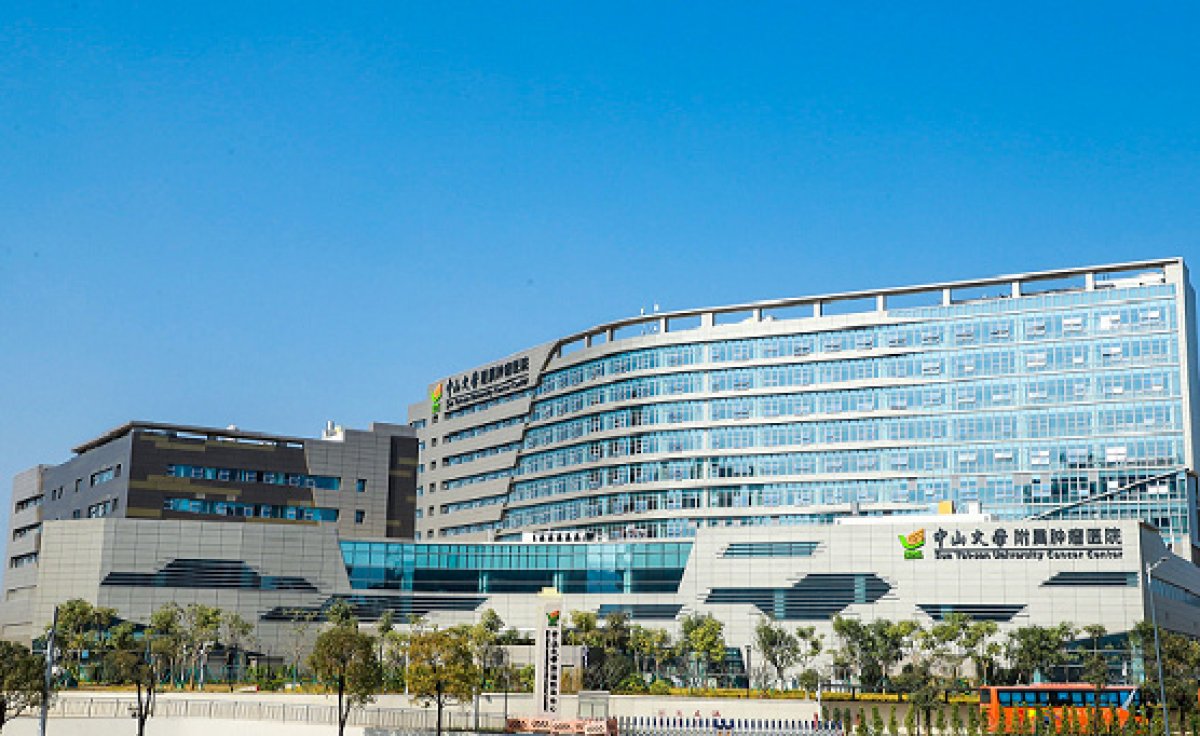

احصل على تقييم طبي لـ في الصين. استشر الآن 10 أطباء ذوي الخبرة.
عرض جميع الأطباء
Li Ping
الدكتورة لي بينغ، دكتوراه في الطب ودكتوراه فلسفة، طبيبة رئيسية وأستاذة في قسم أمراض الدم بمستشفى تونغجي في شنغهاي، التابع لكلية الطب بجامعة تونغجي. تشرف على طلاب الدكتوراه والماجستير، وهي خبيرة في الأورام الدموية الخبيثة.
حصلت على دكتوراه في العلوم الطبية من جامعة ناغويا وأتمّت أبحاث ما بعد الدكتوراه. تتخصص في تشخيص وعلاج سرطانات الدم، وتركّز على أورام الجهاز اللمفاوي، بما في ذلك اللوكيميا والأورام اللمفاوية والورم النقوي المتعدد. تعالج المرضى بالعلاج الكيميائي، وزرع الخلايا الجذعية ال
Xiao Yueyong
الأستاذ شياو يويونغ هو كبير الأطباء في قسم التشخيص الإشعاعي بالمستشفى العام لجيش التحرير الشعبي الصيني، وخبير بارز في طب الأورام التداخلي طفيف التوغل. يشغل منصب الرئيس المؤسس لـWATA (2025–). ويرأس الجمعية الدولية (2020–) والجمعية الآسيوية (2012–) للعلاج بالتجميد. كما أنه نائب رئيس مجموعة الخبراء بهيئة الصحة الوطنية (NHC) للوائح استئصال الأورام (2009–).
أجرى أكثر من 100,000 إجراء طفيف التوغل موجهًا بالتصوير المقطعي/الرنين المغناطيسي. يشمل عمله الاستئصال الكيميائي، والاستئصال بالترددات ا

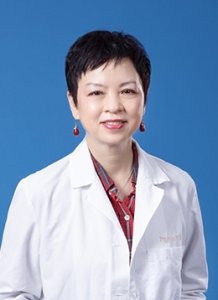
Ding Yi
الدكتورة دينغ يي نائبة كبير الأطباء في قسم أمراض الدم بمستشفى تونغجي بشانغهاي، وتشغل أيضاً منصب نائبة مديرة قسم نقل الدم بالإنابة. تحمل درجة الماجستير في الطب من جامعة تونغجي، وهي عضوة في لجنة الشباب بجمعية شانغهاي لأمراض الدم.
متمرسة في تشخيص وعلاج ابيضاض الدم واللمفوما والمايلوما المتعددة. تُقدّم علاجات بالخلايا الجذعية المكوِّنة للدم وبالخلايا الجذعية من دم الحبل السري. متخصّصة في ابيضاض الدم الحاد، وقد طوّرت بروتوكولات علاجية تسلسلية. شاركت في أبحاث نالت الجائزة الثانية لتقدّم العل
Lu Peihua
مواد ذات صلة

كم تكلفة علاج اللوكيميا؟
كتب بواسطة Veronika Kazina

كم تكلفة زراعة نخاع العظام؟
كتب بواسطة Veronika Kazina
مشاركة المحتوى
قصص فيديو من مرضى Bookimed
 Anna Leonova
أسئلة متكررة حول علاج سرطان الدم في الصين
ما هي علاجات سرطان الدم المتقدمة المتوفرة أو التي تم تطويرها خصيصاً في الصين؟
كانت الصين أول دولة في العالم تستخدم العلاج التمايزي لعلاج ابيضاض الدم النخاعي الحاد. كما أنها رائدة في مجال العلاج المناعي الخلوي، إذ تُجري أكبر عدد من التجارب السريرية النشطة لعلاج الخلايا التائية المعدلة وراثيًا (CAR-T). وتستخدم المراكز الرائدة بروتوكول بكين لزراعة الخلايا الجذعية غير المتطابقة تمامًا من متبرعين من العائلة، وهي عملية فعالة للغاية.
- بروتوكول بكين: يسمح بعمليات زرع ناجحة من متبرعين من العائلة "متوافقين جزئياً" للمرضى الذين لا يتطابقون تماماً.
- العلاج المبتكر: حقق كل من حمض الريتينويك (ATRA) وثلاثي أكسيد الزرنيخ نسبة بقاء على قيد الحياة بلغت 95% في حالات ابيضاض الدم النخاعي الحاد.
- الابتكار في علاج CAR-T: يوفر علاجًا مزدوج الهدف (CD19/CD22) وإنتاجًا سريعًا للخلايا في غضون 36 ساعة.
- Inaticabtagene autoleucel: أول علاج CAR-T معتمد في البلاد لعلاج سرطان الدم الليمفاوي الحاد للخلايا البائية.
رأي خبراء بوكيمد: تُعدّ الصين رائدةً في طب أمراض الدم لدى الأطفال نظرًا لكثرة المرضى فيها. يتمتع الدكتور شياو هوانغ، من مستشفى بكين كيوتو للأطفال، بخبرة تزيد عن 20 عامًا في علاج سرطان الدم عالي الخطورة لدى الرضع. هذه الخبرة الواسعة تُمكّن الأخصائيين الصينيين
كيف تتم مقارنة معدلات البقاء على قيد الحياة بين الصين والدول الغربية بالنسبة للأنواع الرئيسية من سرطان الدم؟
تتفاوت معدلات البقاء على قيد الحياة لمرضى اللوكيميا في الصين بشكل كبير تبعًا لنوع المرض. وتُلبي بروتوكولات العلاج المُحددة لسرطان الدم الليمفاوي الحاد وسرطان الدم الليمفاوي المزمن لدى الأطفال المعايير الغربية أو تتجاوزها. ورغم أن المتوسطات الوطنية غالبًا ما تكون أقل من مثيلاتها في دول الشمال، فإن مراكز أمراض الدم المتخصصة في المدن تُبلغ عن نتائج مماثلة باستخدام أساليب علاجية متقدمة.
- سرطان الدم لدى الأطفال: تصل معدلات البقاء على قيد الحياة لمدة خمس سنوات لسرطان الدم الليمفاوي الحاد لدى الأطفال في المراكز الحضرية إلى 85-91%.
- سرطان الدم لدى البالغين: لا يزال معدل البقاء على قيد الحياة لسرطان الدم النخاعي الحاد لدى البالغين أقل من المتوسط الصيني بنسبة 24٪.
- سرطان الدم الليمفاوي المزمن: يتمتع المرضى الصينيون بمعدل بقاء على قيد الحياة لمدة خمس سنوات بنسبة 85٪ مع العلاج الموجه، مقارنة بنسبة 65٪ في البلدان الأخرى.
- العلاج المناعي الخلوي: إن الوصول إلى علاج الخلايا التائية المعدلة وراثيًا يزيد من معدل البقاء على قيد الحياة بنسبة 20-30% في حالات الأمراض المقاومة للعلاج.
رأي خبراء بوكيمد: تُظهر البيانات تحسنًا في معدلات البقاء على قيد الحياة في الصين، لا سيما للمرضى الذين يسعو
كيف يتم دمج الطب الصيني التقليدي مع علاجات سرطان الدم الحديثة في الصين؟
في الصين، يندمج الطب الصيني التقليدي مع علاجات سرطان الدم الحديثة، جامعًا بين البروتوكولات الغربية كالعلاج الكيميائي وعلاج الخلايا التائية المعدلة وراثيًا (CAR T-cell therapy) والعلاجات العشبية. يعتمد هذا النهج متعدد المكونات على الطب الصيني التقليدي للحد من الآثار الجانبية، وتسريع تعافي الجهاز المناعي، وتحسين معدلات البقاء على قيد الحياة. وتتولى مستشفيات كبيرة من الفئة الأولى (أ) والمستوى الثالث في بكين تنسيق هذه العلاجات الشاملة.
- الدعم المساعد: قد تقلل الأعشاب مثل عشبة الأستراغالوس من الآثار الجانبية للعلاج الكيميائي، مثل الغثيان والتعب.
- الأدوية المشتقة من النباتات: يعتبر كل من أكسيد الزرنيخ الثلاثي والهوموهارينغتونين من أدوية الطب الصيني التقليدي المستخدمة لعلاج أنواع فرعية معينة من سرطان الدم.
- تنظيم المناعة: يساعد علاج فو تشنغ على استعادة وظيفة تكوين الدم وعدد خلايا الدم البيضاء.
- العلاج الوقائي: يستخدم الأطباء مشروبات عشبية مختارة بشكل فردي لمنع الانتكاس بعد تحقيق الشفاء السريري.
رأي خبراء بوكيمد: تُظهر بيانات من مؤسسات طبية رائدة مثل مستشفى ياندا الدولي أن العلاجات المتكاملة تكون أكثر فعالية عند إجرائها في مراكز معتمدة من قبل اللجنة الدولية المشتركة (JCI). في
ما هو بروتوكول بكين لزراعة الخلايا الجذعية ولماذا هو مهم؟
يُعدّ بروتوكول بكين أسلوبًا طبيًا رائدًا في مجال زراعة الخلايا الجذعية من متبرعين غير متطابقين تمامًا. فهو يسمح للمرضى بتلقي عمليات الزرع من أفراد عائلاتهم الذين لا تتجاوز نسبة التشابه الجيني بينهم 50%. ويساهم هذا الأسلوب بفعالية في معالجة نقص المتبرعين، إذ يضمن وجود متبرع محتمل في عائلة كل مريض تقريبًا.
- توافر المتبرعين: يمكن للوالدين أو الأشقاء أن يكونوا متبرعين بغض النظر عن التطابق الجيني التام.
- معدلات النجاح: يحقق ما يقرب من 99% من المرضى استقرارًا مستدامًا في عملية زرع الخلايا النخاعية باستخدام هذا البروتوكول المتخصص.
- إدارة الطعوم: يستخدم الجراحون طعومًا غير معدلة دون إزالة الخلايا التائية خارج الجسم.
- التسامح المناعي: تساعد الجرعات الدقيقة من الغلوبولين المضاد للخلايا التائية (ATG) في منع مرض الطعم ضد المضيف (GVHD).
رأي خبراء بوكيمد: يُعدّ هذا البروتوكول فعالاً للغاية في الحالات العاجلة وعالية الخطورة عندما يستغرق العثور على متبرع مناسب وقتاً طويلاً. ويُعتبر مستشفى بكين غوبرود بورين ومستشفى كيوتو للأطفال مركزين رئيسيين لمثل هذه عمليات الزرع. في حين أن تكلفة حزم العلاج القياسية بتقنية CAR-T قد تصل إلى حوالي 100,000 دولار أمريكي، فإن بروتوكولات الخلايا الجذعية ا
ما هي المدة النموذجية لإقامة المرضى الأجانب الذين يتلقون علاج الخلايا التائية المعدلة وراثيًا في الصين؟
عادةً ما يقيم المرضى الدوليون الذين يخضعون للعلاج بالخلايا التائية المعدلة وراثيًا (CAR T-cell) في الصين لمدة تتراوح بين 3 و8 أسابيع. تشمل هذه الفترة جمع الخلايا، وإنتاجها في المختبر، والمتابعة بعد الحقن. غالبًا ما تتطلب المراكز المتخصصة في بكين وشنغهاي إقامةً في المستشفى لمدة 30 يومًا على الأقل لضمان سلامة المرضى.
- مرحلة الاستشفاء: تشمل باقات خدمات مستشفى بكين جوبرود بورين الإقامة لمدة 30 يومًا للمرضى الداخليين.
- مدة الإنتاج: في المختبرات الصينية، تستغرق زراعة الخلايا التائية عادةً من 14 إلى 21 يومًا.
- فترة المراقبة: تستمر المراقبة الحرجة لمتلازمة إطلاق السيتوكين من أسبوعين إلى أربعة أسابيع بعد التسريب.
- المدة الإجمالية: ينبغي على معظم المرضى التخطيط للبقاء في البلاد لمدة تتراوح بين شهرين وثلاثة أشهر.
رأي خبراء بوكيمد: بينما يستغرق إنتاج خلايا CAR-T بالطريقة التقليدية ما يصل إلى ثلاثة أسابيع، تستخدم بعض العيادات الصينية منصات متخصصة تُقلل هذه المدة إلى 36 ساعة. قد يُساهم اختيار عيادة تستخدم هذه التقنية في تقصير مدة إقامتك في المستشفى. مع ذلك، يبقى الرصد الإلزامي للآثار الجانبية، مثل السمية العصبية، صارمًا، بغض النظر عن معدل إنتاج الخلايا.