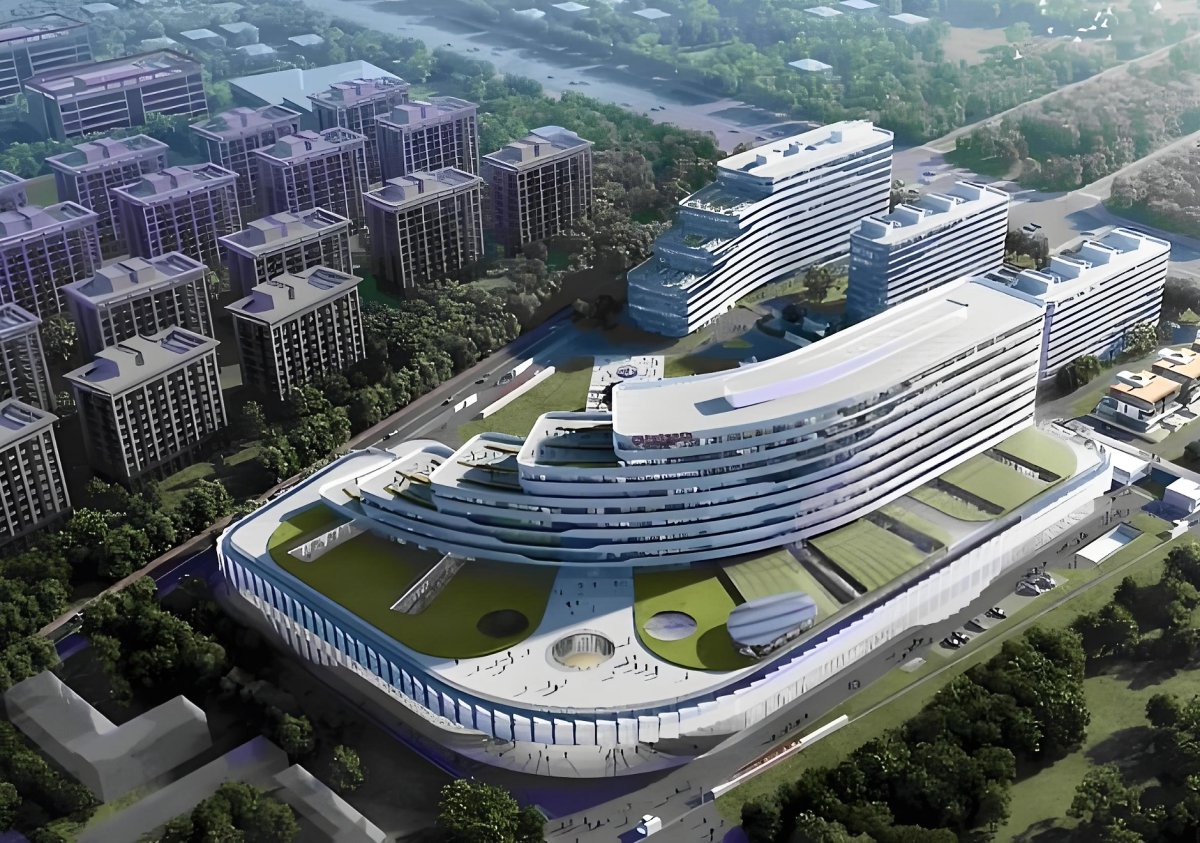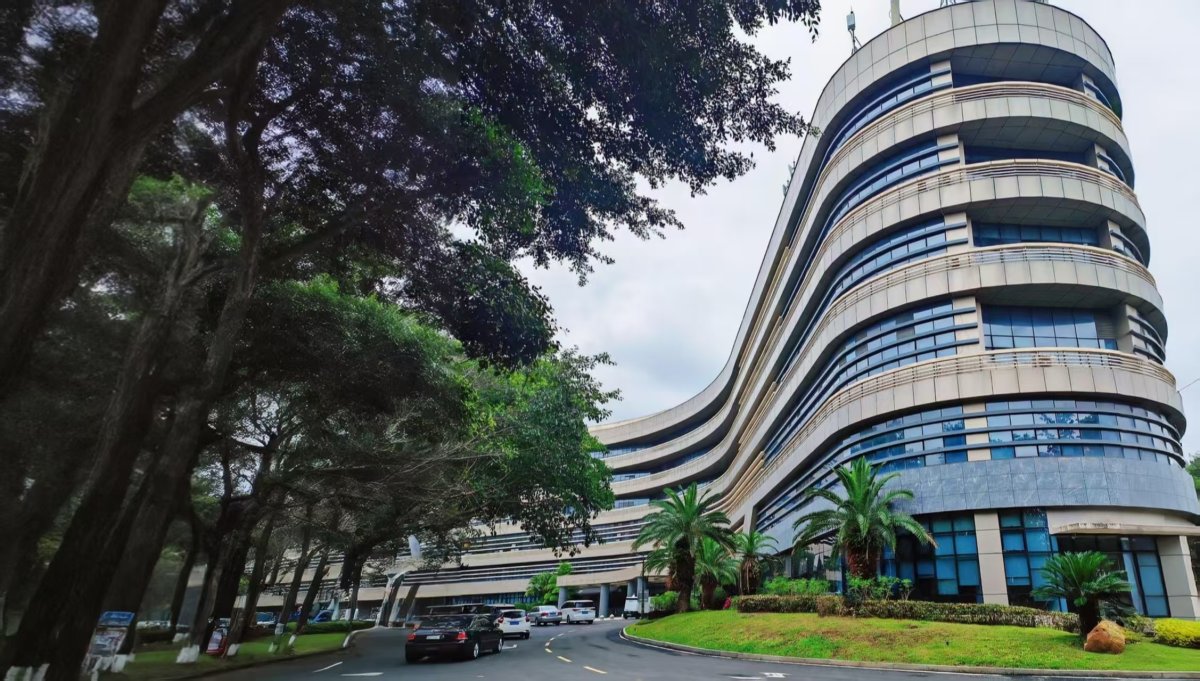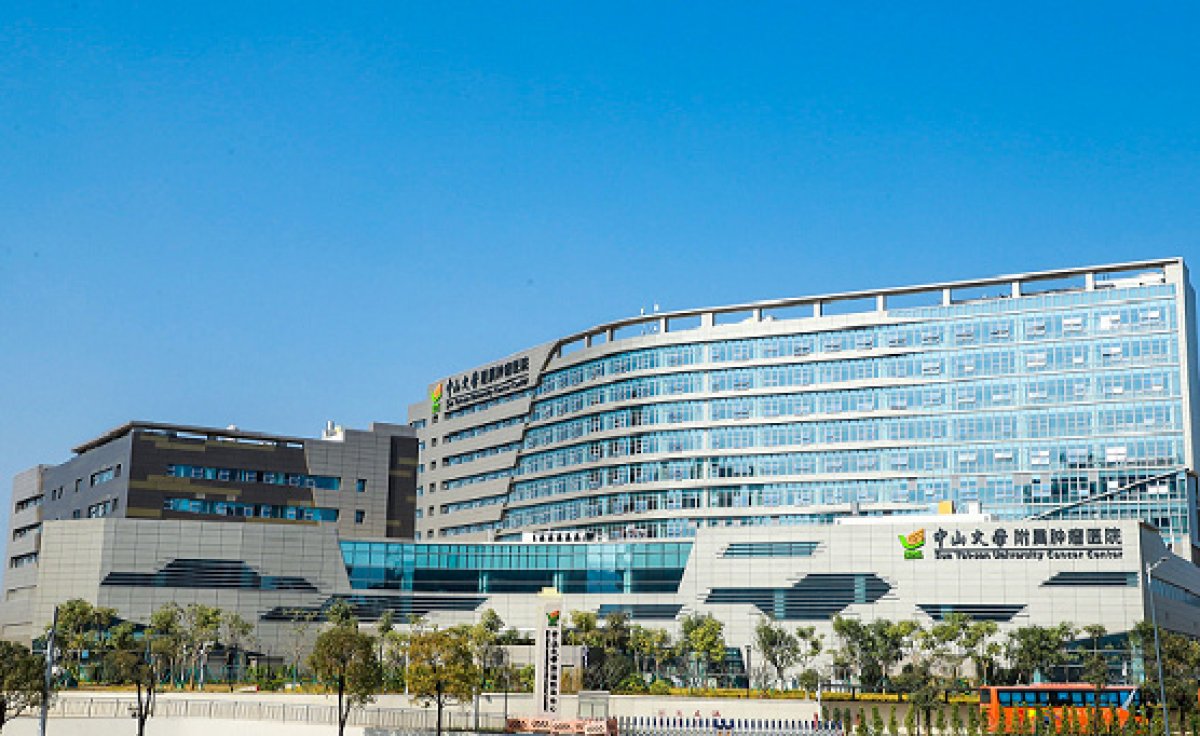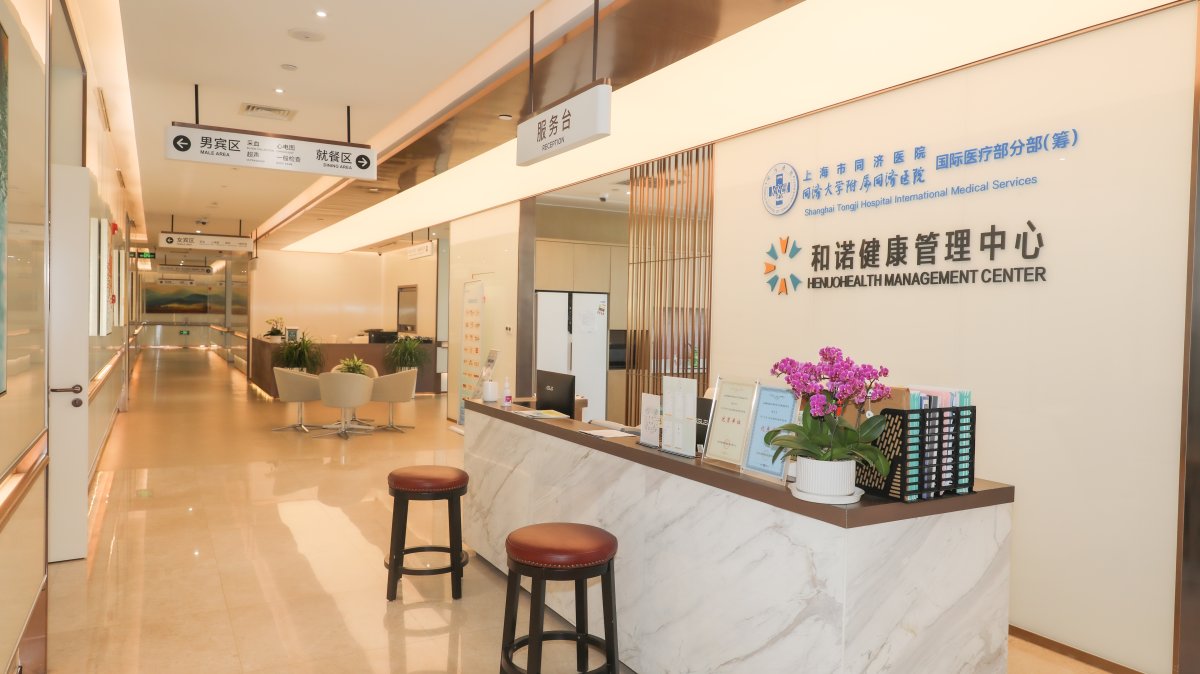
مركز أمراض الدم والعلاج الخلوي Shanghai Tongji Hospital
الصين, Shanghai


تمت مراجعة المقالة طبيا من قبل
فهد مولود
| الصين | تركيا | إسبانيا | |
|---|---|---|---|
| فصادة البلازما ذات الترشيح المزدوج | ≈ $450 | ≈ $1,900 | ≈ $1,100 |
| تبادل البلازما | ≈ $1,500 | ≈ $3,900 | ≈ $2,400 |
| الفصل العلاجي للدم | ≈ $900 | من $4,500 | ≈ $1,400 |
| البلازما | ≈ $2,200 | من $3,200 | من $12,300 |
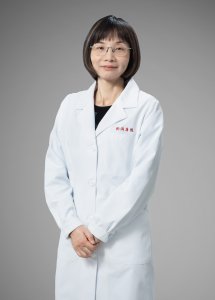
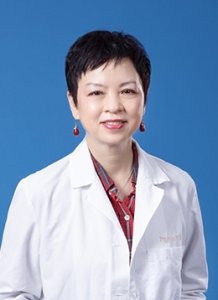
الدكتورة لي بينغ، دكتوراه في الطب ودكتوراه فلسفة، طبيبة رئيسية وأستاذة في قسم أمراض الدم بمستشفى تونغجي في شنغهاي، التابع لكلية الطب بجامعة تونغجي. تشرف على طلاب الدكتوراه والماجستير، وهي خبيرة في الأورام الدموية الخبيثة.
حصلت على دكتوراه في العلوم الطبية من جامعة ناغويا وأتمّت أبحاث ما بعد الدكتوراه. تتخصص في تشخيص وعلاج سرطانات الدم، وتركّز على أورام الجهاز اللمفاوي، بما في ذلك اللوكيميا والأورام اللمفاوية والورم النقوي المتعدد. تعالج المرضى بالعلاج الكيميائي، وزرع الخلايا الجذعية ال

الدكتورة دينغ يي نائبة كبير الأطباء في قسم أمراض الدم بمستشفى تونغجي بشانغهاي، وتشغل أيضاً منصب نائبة مديرة قسم نقل الدم بالإنابة. تحمل درجة الماجستير في الطب من جامعة تونغجي، وهي عضوة في لجنة الشباب بجمعية شانغهاي لأمراض الدم.
متمرسة في تشخيص وعلاج ابيضاض الدم واللمفوما والمايلوما المتعددة. تُقدّم علاجات بالخلايا الجذعية المكوِّنة للدم وبالخلايا الجذعية من دم الحبل السري. متخصّصة في ابيضاض الدم الحاد، وقد طوّرت بروتوكولات علاجية تسلسلية. شاركت في أبحاث نالت الجائزة الثانية لتقدّم العل
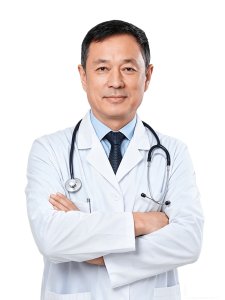
الأستاذ شياو يويونغ هو كبير الأطباء في قسم التشخيص الإشعاعي بالمستشفى العام لجيش التحرير الشعبي الصيني، وخبير بارز في طب الأورام التداخلي طفيف التوغل. يشغل منصب الرئيس المؤسس لـWATA (2025–). ويرأس الجمعية الدولية (2020–) والجمعية الآسيوية (2012–) للعلاج بالتجميد. كما أنه نائب رئيس مجموعة الخبراء بهيئة الصحة الوطنية (NHC) للوائح استئصال الأورام (2009–).
أجرى أكثر من 100,000 إجراء طفيف التوغل موجهًا بالتصوير المقطعي/الرنين المغناطيسي. يشمل عمله الاستئصال الكيميائي، والاستئصال بالترددات ا
_doctor_10659_سنوات_ من الخبرة في أمراض الدم – قام الدكتور لو بيههوا بتقييم أكثر من 900 خطة علاج شخصياً في مستشفى لو داوبي لأمراض الدم.
 Anna Leonova
يؤكد علاج الورم النقوي (المايلوما) في الخط الأول في الصين على مجموعات العلاج الثلاثي الجديدة. تستخدم البروتوكولات القياسية مثبطات البروتيازوم، والأدوية المعدلة للمناعة، والكورتيكوستيرويدات. تتخصص مراكز مثل مستشفى لو داوبي لأمراض الدم في إدارة هذه الأنظمة المعقدة. تعطي المبادئ التوجيهية الوطنية الأولوية لأهلية زراعة الخلايا الجذعية لتحديد مسار التحفيز المحدد.
رؤية خبير Bookimed: يعمل حجم المرضى كوكيل حاسم للخبرة في الصين. على سبيل المثال، يعالج مستشفى لو داوبي لأمراض الدم 200,000 مريض سنويًا. مع وجود 350 طبيبًا و30 قسمًا، تقدم هذه المراكز ذات الحجم الكبير فرقًا متخصصة في أورام الدم. يضمن هذا التركيز للحالات أن الجراحين وأطباء الدم على دراية تامة بإدارة الآثار الجانبية المرتبطة بالأدوية.
إجماع المرضى: يشير المرضى إلى أن الآثار الجانبية للستيرويد مثل الأرق أو تغيرات المزاج غالبًا ما تكون غير متوقعة أثناء العلاج الأولي. ويؤكدون على أهمية التأكد مما إذا كانت الأدوية الأحدث مثل ليناليدوميد مغطاة بالتأمين المحلي قبل بدء التحفيز.
يتم إجراء زراعة الخلايا الجذعية الذاتية (ASCT) على نطاق واسع في الصين في مراكز الأورام الحضرية الكبرى. تكمل البلاد أكثر من 6500 إجراء ذاتي سنويًا. على الرغم من ارتفاع الحجم، إلا أن عمليات الزرع الخيفي تهيمن حاليًا على المشهد. تخدم المرافق الرائدة مثل مستشفى لو داوبي لأمراض الدم 200,000 مريض كل عام.
رؤية خبير Bookimed: يعد حجم المرضى مؤشرًا رئيسيًا للجودة في الصين. يعالج مستشفى لو داوبي لأمراض الدم 200,000 مريض سنويًا باستخدام 350 طبيبًا متخصصًا. يشير هذا النطاق الهائل إلى بروتوكولات مبسطة للغاية لجمع الخلايا. غالبًا ما تدير المراكز ذات الحجم الكبير حالات المايلوما المعقدة بكفاءة أكبر من العيادات الإقليمية الأصغر.
إجماع المرضى: يشير المرضى إلى أن زراعة الخلايا الجذعية الذاتية هي مسار قياسي في المستشفيات الحضرية الكبيرة. غالبًا ما يكون التحدي الحقيقي هو إدارة الخدمات اللوجستية مثل توفر الأسرة ودعم مقدمي الرعاية خلال فترة التعافي.
تعد الصين مركزاً عالمياً رائداً لعلاج الورم النقوي بخلايا CAR-T. وقد وافقت الإدارة الوطنية للمنتجات الطبية على العديد من المنتجات مثل Equecabtagene Autoleucel وZevorcabtagene Autoleucel. تستهدف هذه العلاجات مستضد نضج الخلايا البائية للحالات الانتكاسية أو المقاومة للعلاج. وتوفر أكثر من 700 تجربة سريرية وصولاً إضافياً.
رؤية خبير Bookimed: تخدم مراكز ذات حجم كبير مثل مستشفى لو داوبي لأمراض الدم 200,000 مريض سنوياً. يسمح هذا النطاق الضخم للمتخصصين مثل الدكتور لو بيهوا بإدارة الآثار الجانبية النادرة بكفاءة. غالباً ما تؤدي أحجام المرضى الكبيرة إلى معالجة أكثر كفاءة للخلايا وأوقات خروج أسرع من المستشفى مقارنة بالمراكز الأصغر.
إجماع المرضى: يشير المرضى إلى أن الوصول يعتمد بشكل كبير على المستشفيات الأكاديمية الكبرى في المدن الكبيرة. غالباً ما يكون العثور على مركز يلبي معايير مرضية محددة أكثر صعوبة من العلاج نفسه.
وافقت الهيئات التنظيمية الصينية مؤخرًا على علاجات خلوية متقدمة لمرضى المايلوما المتعددة المنتكسة. يتوفر عقار زيفوركابتاجين أوتولوسيل (Zevorcabtagene autoleucel) وإيكيكابتاجين أوتولوسيل (equecabtagene autoleucel) للحالات التي تلقت علاجات مكثفة مسبقًا. تستهدف هذه الأدوية المبتكرة على وجه التحديد مستضد نضج الخلايا البائية لعلاج سرطان نخاع العظم المقاوم. يتم التنفيذ في الغالب في المراكز الطبية رفيعة المستوى.
رؤية خبير Bookimed: يعد حجم المرضى مؤشرًا رئيسيًا على الخبرة في الصين. يعالج مستشفى لو داوبي لأمراض الدم في بكين 200,000 مريض سنويًا. يسمح هذا النطاق الهائل لأطباء مثل الدكتور لو بيهوا بتحسين بروتوكولات CAR-T بشكل أسرع من المراكز الأصغر. توفر المستشفيات المتخصصة التي تضم 1300 سرير وصولاً أكبر إلى التجارب التجريبية. يجب على المرضى التركيز على هذه المراكز ذات الحجم الكبير للحصول على أحدث علاجات المايلوما المنتكسة.
إجماع المرضى: يشير المرضى إلى أن الوصول إلى علاج CAR-T غالبًا ما يقتصر على مستشفيات النخبة في المدن.
يكمل الطب الصيني التقليدي (TCM) بفعالية بروتوكولات المايلوما الغربية مثل علاج الخلايا التائية CAR-T أو عمليات زرع الخلايا الجذعية كعناية داعمة. يؤكد المتخصصون في مراكز مثل مستشفى لو داوبي لأمراض الدم أن الطب الصيني التقليدي يجب ألا يحل محل علاجات الأورام القياسية أبدًا. يركز الدمج على تحسين جودة الحياة وإدارة الآثار الجانبية للعلاج.
رؤية خبير Bookimed: يستفيد المرضى الذين يبحثون عن رعاية تكاملية في الصين من مراكز أمراض الدم المتخصصة مثل مستشفى لو داوبي لأمراض الدم. تدير هذه المنشأة 200,000 مريض سنويًا وتضم أكثر من 350 طبيبًا، بما في ذلك خبراء مثل الدكتور لو بيههوا. يسمح الحجم الكبير للأطباء بمراقبة كيفية تفاعل علاجات داعمة محددة مع علاجات متقدمة مثل CAR-T. اختيار مركز أمراض دم واسع النطاق يضمن أن خطتك التكاملية مدعومة بخبرة سريرية كبيرة.
إجماع المرضى: يؤكد المرضى على استخدام الطب الصيني التقليدي لتخفيف الأعراض فقط بدلاً من كونه علاجًا أساسيًا. يفضل الكثيرون الوخز بالإبر على التركيبات العشبية لتجن
يسافر المرضى الدوليون إلى الصين لعلاج المايلوما للوصول إلى علاجات مبتكرة بخلايا CAR-T والرعاية الدموية السريعة. تقدم المراكز الصينية تخفيضات كبيرة في التكاليف مقارنة بالعلاجات التجارية الغربية. توفر المرافق المتقدمة علاجات مناعية من الجيل التالي مثل FasTCAR مع سرعات تصنيع تتراوح من 24 إلى 36 ساعة.
رؤية خبير Bookimed: يخلق حجم المرضى المرتفع في مراكز مثل مستشفى لو داوبي لأمراض الدم، الذي يعالج 200,000 مريض سنوياً، مركز خبرة فريداً. مع وجود 350 طبيباً و30 قسماً تحت سقف واحد، تعمل هذه المؤسسات كنظم بيئية موحدة. يسمح هذا النطاق بالتشخيص السريع والانتقال الفوري إلى علاجات معقدة مثل تصنيع خلايا CAR-T دون تأخيرات الإحالة المعتادة.
إجماع المرضى: يقدر المرضى سرعة بدء العلاج ولكنهم يؤكدون على الحاجة إلى مترجم موثوق. ينصح معظمهم بتأمين خطة مكتوبة لضمان قدرة الأطباء في الوطن على إدارة رعاية المتابعة ومراقبة المختبرات بأمان.