فقر الدم اللاتنسجي العلاج في الصين - التكاليف 2026


تمت مراجعة المقالة طبيا من قبل
فهد مولود
ما هي تكلفة فقر الدم اللاتنسجي إجراءات التشخيص والعلاج في الصين؟ اعرف الآن
من $50
تكاليف علاج فقر الدم اللاتنسجي النموذجية في الصين
- تعداد الدم الكامل: من $50
- زراعة نخاع العظم: من $233,000
- زراعة نخاع العظم الخيفي من متبرع قريب: $38,000 – $70,000
- زراعة نخاع العظم الخيفي من متبرع غير قريب: $38,000 – $58,000
رؤية خبراء Bookimed: بالنسبة للحالات المعقدة التي تتطلب خبرة عالية، توفر المراكز الكبيرة المتخصصة أفضل أمان سريري. يدير مستشفى لو داوبي لأمراض الدم أكثر من 200,000 مريض سنوياً بوجود 350 طبيباً متخصصاً. يستفيد المرضى الأطفال الذين يعانون من حالات عالية الخطورة من متخصصين مثل الدكتورة شياو خوان، التي تمتلك أكثر من 20 عاماً من الخبرة في زراعة الخلايا الجذعية المكونة للدم للأطفال. توفر مستشفيات أمراض الدم المتخصصة هذه سعة سريرية أكبر وأقساماً متخصصة مقارنة بالعيادات العامة.
| الصين | تركيا | إسبانيا | |
|---|---|---|---|
| زرع نخاع العظم | من $233,000 | من $30,000 | من $100,900 |
| زراعة النخاع العظمي من متبرع قريب | ≈ $38,000 | من $55,000 | من $130,000 |
| زراعة النخاع العظمي من متبرع غير قريب | ≈ $38,000 | من $65,000 | من $170,000 |
مزاياك وضماناتك مع Bookimed
أسعار مباشرة
Bookimed لا يضيف رسوماً إضافية على أسعار علاج فقر الدم اللاتنسجي. الأسعار مأخوذة من قوائم الأسعار الرسمية للعيادات. تدفع مباشرة في العيادة مقابل علاجك عند وصولك إلى البلد.
عيادات وأطباء معتمدون فقط
Bookimed ملتزم بسلامتك. نحن نعمل فقط مع المؤسسات الطبية التي تحافظ على معايير دولية عالية في علاج فقر الدم اللاتنسجي ولديها التراخيص اللازمة لخدمة المرضى الدوليين في جميع أنحاء العالم.
مساعدة مجانية على مدار الساعة
Bookimed يقدم مساعدة خبراء مجانية. منسق طبي شخصي يدعمك قبل وأثناء وبعد العلاج، ويحل أي مشاكل. لن تكون وحيداً أبداً في رحلة علاج فقر الدم اللاتنسجي.

منسقك الطبي الشخصي في Bookimed
- يدعمك في كل مرحلة
- المساعدة في اختيار العيادة الطبية المناسبة والطبيب المناسب
- يضمن الوصول السريع والمريح إلى المعلومات
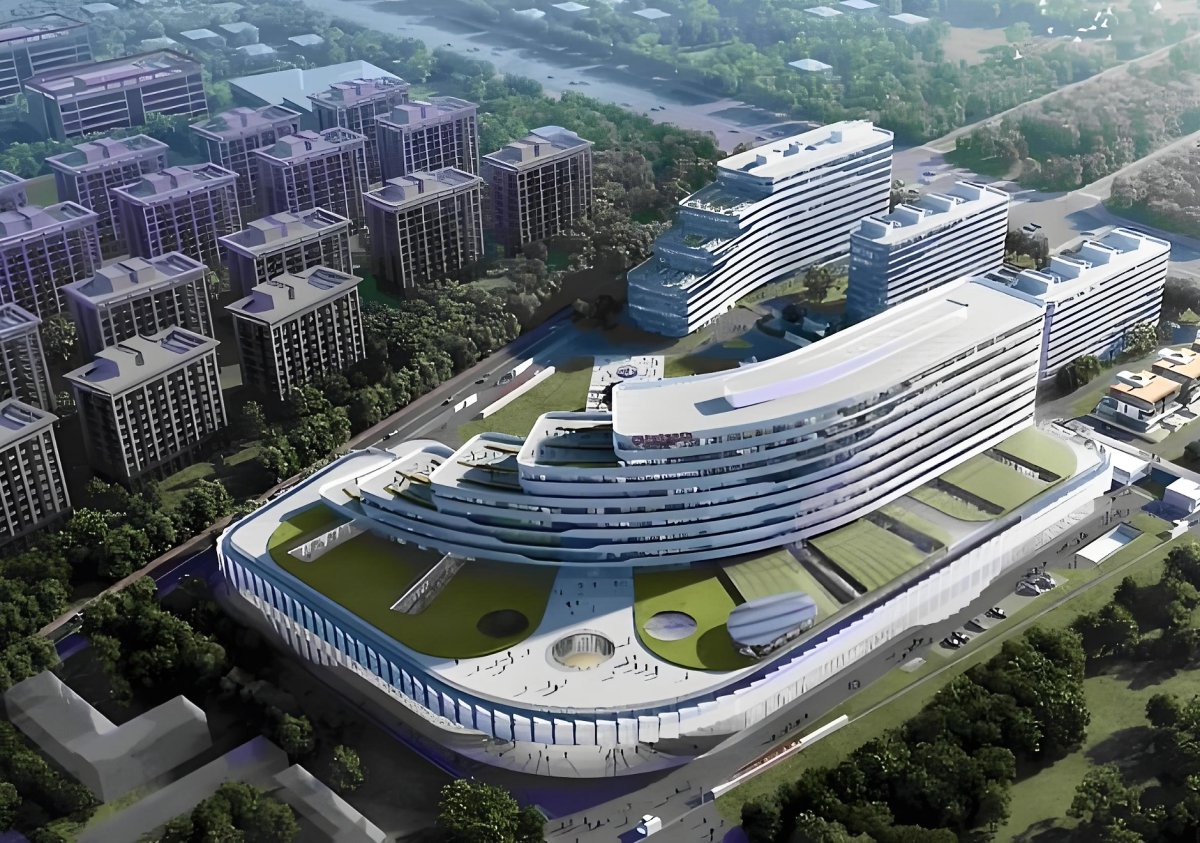
اكتشف أفضل فقر الدم اللاتنسجي العيادات في الصين: 1 خيار معتمدة والأسعار
احصل على تقييم طبي لـ في الصين. استشر الآن 9 أطباء ذوي الخبرة.
عرض جميع الأطباء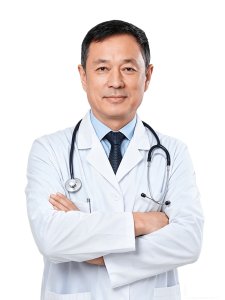
Xiao Yueyong
الأستاذ شياو يويونغ هو كبير الأطباء في قسم التشخيص الإشعاعي بالمستشفى العام لجيش التحرير الشعبي الصيني، وخبير بارز في طب الأورام التداخلي طفيف التوغل. يشغل منصب الرئيس المؤسس لـWATA (2025–). ويرأس الجمعية الدولية (2020–) والجمعية الآسيوية (2012–) للعلاج بالتجميد. كما أنه نائب رئيس مجموعة الخبراء بهيئة الصحة الوطنية (NHC) للوائح استئصال الأورام (2009–).
أجرى أكثر من 100,000 إجراء طفيف التوغل موجهًا بالتصوير المقطعي/الرنين المغناطيسي. يشمل عمله الاستئصال الكيميائي، والاستئصال بالترددات ا
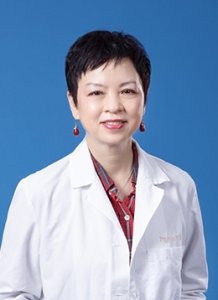
Lu Peihua
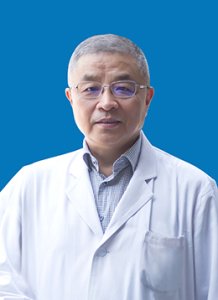
Zhao Daobin
Lu Yue
مشاركة المحتوى
قصص فيديو من مرضى Bookimed
 Anna Leonova
أسئلة متكررة حول علاج فقر الدم اللاتنسجي في الصين
هل زراعة نخاع العظم آمنة لعلاج فقر الدم اللاتنسجي في الصين؟
في الصين، تُجرى عمليات زرع نخاع العظم لعلاج فقر الدم اللاتنسجي بأمان في مراكز متخصصة ذات خبرة واسعة في هذا المجال. وتشير المراكز الرائدة إلى معدلات بقاء على قيد الحياة لمدة خمس سنوات تتراوح بين 70% و90%. وتُمكّن البروتوكولات المتخصصة، مثل بروتوكول بكين، من إجراء عمليات زرع نخاع العظم بنجاح من متبرع مطابق جزئيًا. وتتبع هذه المراكز إرشادات موحدة قائمة على الأدلة، وُضعت مع مراعاة سلامة المرضى.
- معدلات البقاء على قيد الحياة: في المؤسسات الطبية الرائدة، يصل معدل البقاء على قيد الحياة لمدة خمس سنوات للأطفال إلى حوالي 85٪.
- بروتوكولات مبتكرة: يسمح بروتوكول بكين بإجراء عمليات زرع ناجحة من متبرعين أقارب متوافقين جزئياً.
- تدفق كبير للمرضى: تبلغ سعة مستشفى لو داوبي لأمراض الدم 200,000 مريض و1,300 سرير.
- سجل المتبرعين: يوجد في الصين ما يقرب من 3.49 مليون متبرع محتمل مسجل، مما يساعد على تقليل التأخير في الإجراءات.
رأي خبراء بوكيمد: يُعدّ عدد المرضى مؤشرًا موثوقًا لسلامة المرضى في مجال أمراض الدم في الصين. يعالج مستشفى لو داوبي لأمراض الدم 200,000 مريض سنويًا ويعمل به 350 طبيبًا. يُمكّن هذا العدد الكبير من الجراحين، مثل الدكتور شياو هوانغ، من التخصص في الحالات عالية الخطورة. غالبًا
ماذا يحدث إذا لم يكن لدي متبرع من الأشقاء المتطابقين في الصين؟
يخضع المرضى الذين لا يجدون متبرعًا مناسبًا من الأقارب غالبًا لعملية زرع نخاع العظم من متبرع غير مطابق تمامًا باستخدام بروتوكول بكين. تعتمد هذه الطريقة على استخدام أفراد من العائلة متوافقين جزئيًا، كالأبوين أو الأبناء. وتشير المراكز الصينية إلى معدلات نجاح مماثلة لمعدلات التطابق التام. تشمل الخيارات الأخرى التسجيل في برنامج التبرع بنخاع العظم الصيني أو استخدام دم الحبل السري.
- زراعة الأعضاء من متبرعين متطابقين جزئياً: يتم استخدام متبرعين من العائلة بنسبة 50% متطابقين مع مستضدات الكريات البيضاء البشرية (HLA) بموجب بروتوكول بكين.
- متبرع غير ذي صلة: يتيح الوصول إلى برنامج التبرع بنخاع العظم في الصين، والذي يضم 3.4 مليون متطوع.
- دم الحبل السري: يتم استخدام وحدات مُعدة مسبقًا، وغالبًا ما يتم استخدامها بالاشتراك مع متبرعين متطابقين جزئيًا لأغراض السلامة.
- العلاج المثبط للمناعة: يجمع بين الأدوية وعوامل النمو في حالة تأخر عملية الزرع.
رأي خبراء بوكيميد: تعالج المراكز الكبيرة، مثل مستشفى لو داوبي لأمراض الدم، أكثر من 200,000 مريض سنويًا. يتيح هذا الحجم الاستفادة من الخبرات المتخصصة في طب الأطفال، مثل خبرة الدكتور شياو هوانغ من مستشفى بكين كيوتو للأطفال. يؤدي ارتفاع عدد المرضى ف
كم من الوقت أحتاج للبقاء في الصين لإجراء عملية زرع نخاع العظم، وما هو جدول المتابعة؟
ينبغي على المرضى التخطيط للبقاء في الصين لمدة تتراوح بين 3 و4 أشهر لإجراء عملية زرع نخاع العظم. تشمل هذه الفترة أسبوعين من التحضير، و3 إلى 5 أسابيع من العزل في المستشفى. يلي ذلك فترة مراقبة خارجية حاسمة لمدة شهرين للتأكد من نجاح عملية الزرع ومتابعة التعافي المبكر.
- مرحلة التقييم: تستغرق عملية فحص الدم الشاملة والتحضير لها من أسبوع إلى أسبوعين.
- فترة الإقامة في المستشفى: من المتوقع أن تستغرق الرعاية المتخصصة في غرف عزل معقمة من 30 إلى 60 يومًا.
- فترة الالتئام: يحدث التعافي عادةً في غضون 14 إلى 21 يومًا بعد نقل نخاع العظم.
- مراقبة الكثافة السكانية: يتم إجراء فحوصات يومية أو مرتين أسبوعياً خلال أول 100 يوم.
رأي خبراء بوكيميد: يعالج مستشفى بكين لو داوبي لأمراض الدم 200 ألف مريض سنويًا، ويضمن طاقمه الطبي المكون من 350 طبيبًا مستويات عالية من الخبرة. يتطلب هذا الحجم الكبير من العمل معرفة متخصصة في الحالات المعقدة، سواء لدى الأطفال أو البالغين. غالبًا ما يتابع أطباء مثل الدكتور شياو هوانغ من مستشفى بكين كيوتو للأطفال المرضى عن بُعد عبر تطبيق وي تشات. يساعد هذا التواصل الرقمي على سد الفجوة بعد عودة المرضى إلى منازلهم عقب إقامتهم الأولية في المستشفى التي تستغرق 90 يومًا.
ما هي المضاعفات الرئيسية التي يجب الانتباه إليها بعد عملية الزرع في الصين؟
يتطلب التعافي بعد زراعة الأعضاء لعلاج فقر الدم اللاتنسجي في الصين مراقبة دقيقة للكشف عن داء الطعم حيال المضيف والعدوى التي تهدد الحياة. يجب مراقبة المرضى يوميًا للكشف عن الحمى والطفح الجلدي والتغيرات الهضمية. يبقى رفض الطعم أو فشله خطرًا رئيسيًا. تعتمد معدلات البقاء على قيد الحياة المرتفعة على اتباع بروتوكولات تعقيم صارمة وإجراء فحوصات دم دورية.
- مرض الطعم ضد المضيف: راقب احمرار الجلد، أو الإسهال المستمر، أو أعراض اليرقان.
- العدوى البكتيرية: تعتبر المكورات العنقودية الذهبية والكلبسيلة الرئوية من عوامل الخطر الإقليمية الشائعة.
- إعادة تنشيط الفيروس: راقب التهاب الكبد ب، والفيروس المضخم للخلايا، والهربس النطاقي.
- الآثار السامة لنظام العلاج: قد تسبب الجرعات المفرطة غثيانًا شديدًا أو التهابًا في الغشاء المخاطي أو مشاكل في الكبد.
رأي خبراء بوكيمد: يعالج مستشفى لو داوبي لأمراض الدم 200,000 مريض سنويًا، ويضم 1,300 سرير. هذا العدد الهائل من المرضى يُمكّن أخصائيين مثل الدكتور شياو هوانغ من علاج الأطفال المعرضين لمخاطر عالية، ولديهم خبرة تزيد عن 20 عامًا. غالبًا ما توفر المراكز الصينية الكبيرة خبرة متعمقة في حالات عدم توافق الأعضاء المتبرع بها. مع ذلك، ينبغي على المرضى التأكد من
ما هي المدن في الصين التي تضم أكثر مراكز زراعة الأعضاء ازدحامًا وخبرة لعلاج فقر الدم اللاتنسجي؟
تضم بكين وسوتشو وهانغتشو أكثر مراكز زراعة الأعضاء ازدحامًا في الصين لعلاج فقر الدم اللاتنسجي. وتحتل بكين المرتبة الأولى على مستوى البلاد، حيث تُجري 21% من إجمالي عمليات الزرع. وتتخصص هذه المراكز في زراعة الخلايا الجذعية المكونة للدم، وتستخدم بروتوكولات متطورة للمتبرعين ذوي التوافق الجزئي، مما يُحسّن معدلات البقاء على قيد الحياة على المدى الطويل.
- يتم إجراء أكثر من 1000 عملية زرع خلايا جذعية سنوياً في مستشفى جامعة بكين الشعبية في بكين .
- بنية تحتية متخصصة: يحتوي مستشفى لو داوبي لأمراض الدم على 1300 سرير و30 قسمًا متخصصًا.
- تجربة سوتشو: يقوم المستشفى الأول التابع لجامعة سوتشو بإجراء حوالي 800 عملية زرع أعضاء سنوياً.
- الرعاية الطبية للأطفال: يضم مستشفى بكين كيوتو للأطفال أقسامًا متخصصة لعلاج أمراض الدم لدى الأطفال عالية الخطورة.
رأي خبراء بوكيمد: يُعدّ عدد المرضى مؤشرًا موثوقًا على خبرة الأخصائيين في أمراض الدم المعقدة. يعالج مستشفى لو داوبي لأمراض الدم 200,000 مريض سنويًا ويعمل به 350 طبيبًا متخصصًا. يتيح هذا الحجم تخصصًا عاليًا في علاج الأمراض النادرة، مثل فقر الدم اللاتنسجي. غالبًا ما توفر مراكز بكين خبرةً متخصصةً في طب الأطفال أكثر من المراكز الإقليمية الأصغر.
ما هي خدمات الدعم اللغوي والوثائق الطبية والقانونية التي يمكن للمرضى الدوليين توقعها؟
يتلقى المرضى الأجانب في الصين مساعدة طبية وقانونية متخصصة، بالإضافة إلى دعم لغوي، من خلال أقسام دولية متخصصة. غالبًا ما توظف المرافق الطبية أخصائيين ثنائيي اللغة ومترجمين طبيين. تشمل المستندات المطلوبة نماذج الموافقة المستنيرة، وملخصات الخروج من المستشفى، والتقارير الطبية. تقدم مراكز متخصصة المساعدة في الحصول على ترجمات معتمدة مطلوبة لتمديد تأشيرات العلاج.
- الدعم اللغوي: يقدم المترجمون الطبيون المحترفون خدمات الترجمة شخصيًا أو عبر مكالمة فيديو.
- طاقم ثنائي اللغة: توظف مستشفيات أمراض الدم الدولية أطباء وممرضين يجيدون اللغة الإنجليزية بطلاقة.
- الموافقة المستنيرة قانونياً: يوقع المرضى على موافقة مستنيرة مترجمة توضح جميع مخاطر وفوائد عملية الزرع.
- دعم التأشيرات: تقوم الإدارات الدولية بإصدار شهادات طبية مختومة لطلبات التأشيرة.
رأي خبراء بوكيمد: على الرغم من أن مستشفى لو داوبي لأمراض الدم يعالج 200,000 مريض سنويًا، إلا أن تخصصه في أمراض الدم يُسهّل عملية التوثيق. في حالات فقر الدم اللاتنسجي المعقدة، يُنصح المرضى باختيار مستشفيات تضم أقسامًا دولية متخصصة، مثل مستشفى كيوتو للأطفال. تُقدم هذه الأقسام ترجمات موثقة من الصينية إلى الإنجليزية، وهي مطلوبة للامتثال القانوني وللمتابع