علاج سرطان الدماغ في تركيا: 42 مستشفيات


تمت مراجعة المقالة طبيا من قبل
فهد مولود
كيف نعمل؟
ما هي تكلفة سرطان الدماغ إجراءات التشخيص والعلاج في تركيا؟ اعرف الآن
تختلف تكلفة علاج سرطان الدماغ في تركيا بناءً على الإجراءات والخدمات المحددة المطلوبة. تكلف استشارة مع جراح الأعصاب أو طبيب الأعصاب $200. يتم تسعير العملية الجراحية، بما في ذلك PET-CT، وفحوصات السمع، واستئصال الورم المخيخي مع المراقبة العصبية، بـ $25,000. تبدأ تكلفة العلاج الكيميائي من $1,050 للعلاج الأول، بينما تكلف 30 جلسة من العلاج الإشعاعي مع الأدوية $7,200. يتم تخصيص خطة العلاج بعد تقييم شامل من قبل الفريق الطبي.
اكتشف أفضل سرطان الدماغ العيادات في تركيا: 42 خيارات معتمدة والأسعار








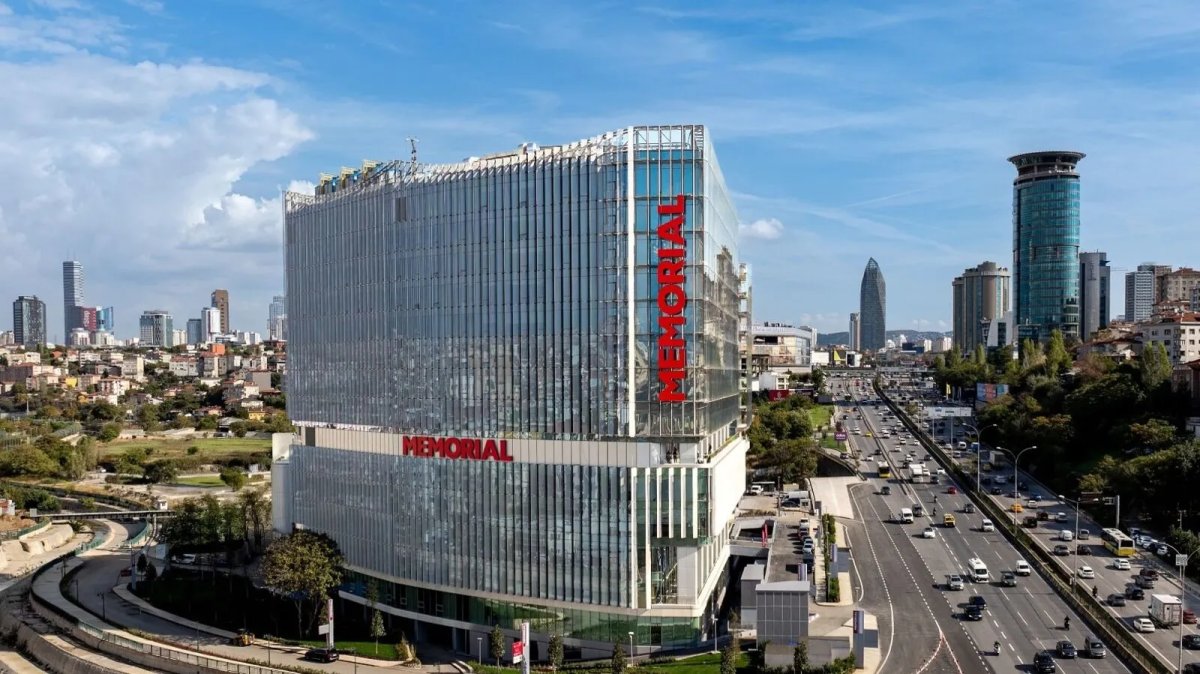
Memorial Göztepe Hospital


Memorial Ankara Hospital

احصل على تقييم طبي لـ في تركيا. استشر الآن 50 أطباء ذوي الخبرة.
عرض جميع الأطباء
Bulent Karagoz
يتمتع الدكتور بولنت كاراغوز بخبرة تزيد عن 33 سنة في طب الأورام، وهو متخصص في بيولوجيا الأورام والعلاج المناعي لسرطان الدماغ في مركز الأناضول الطبي.
- أستاذ طب الأورام في جامعة إسطنبول أوكان
- رئيس سابق لقسم طب الأورام في مستشفى غاتا حيدر باشا التعليمي
- نشر أكثر من 40 ورقة بحثية حول علاجات السرطان
- عضو الجمعية التركية لطب الأورام
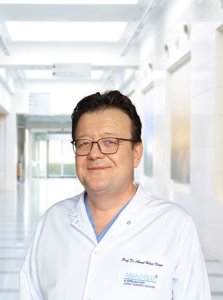
Ahmet Hilmi Kaya
البروفيسور الدكتور أحمد حلمي كايا أستاذ جراحة الأعصاب في مركز الأناضول الطبي في غبزة، تركيا. حصل على شهادة الطب من جامعة إسطنبول - جراح باشا (البرنامج الإنجليزي)، وأكمل فيها اختصاص جراحة الأعصاب بين 1996 و2003. نال لقب أستاذ عام 2015، وأتم فترتي ملاحظة في جامعة ماسترخت عامي 2007 و2009.
يركز عمله السريري على جراحة الأعصاب الوظيفية والتوضيعية (التجسيمية)، بما في ذلك التحفيز العميق للدماغ لعلاج مرض باركنسون والرعاش الأساسي. كما يعالج أورام العمود الفقري وتضيق القناة الشوكية ويجري تثبيتات
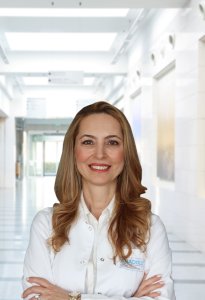
Banu Atalar
الدكتورة بانو أتالار طبيبة أورام إشعاعية حاصلة على شهادة البورد (تركيا، 2004). تشغل منصب أستاذة في جامعة أجيبادم MAA (2018–الآن) وطبيبة سريرية في مركز الأناضول الطبي (2026–الآن). تلقت تدريبها في جامعة إسطنبول وكلية جراح باشا. في عام 2011 أتمّت زمالة أبحاث سريرية بجامعة ستانفورد في الجراحة الإشعاعية التجسيمية. يتركز عملها على أورام الجهاز العصبي المركزي والأورام الصدرية وأورام الجهاز الهضمي. نحو 75% من رعايتها تشمل الجراحة الإشعاعية التجسيمية SRS وSRS التكيفية الموجّهة بالرنين المغناطيسي.
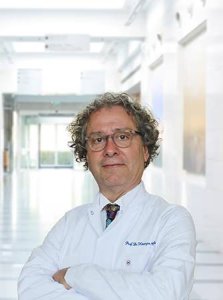
Huseyin Baloglu
البروفيسور حسين بال أوغلو اختصاصي علم الأمراض في مركز الأناضول الطبي بغبزه، كوجالي، تركيا. يركز على علم الأمراض الجزيئي، وعلم الأمراض الجراحي، وخزعات الأورام والتشخيص.
التعليم والاعتمادات: دكتوراه في الطب، كلية طب غاتا (1986). تدريب تخصصي في علم الأمراض، غاتا (1992). أستاذ مشارك (Doçent)، غاتا (2004). باحث زائر في كلية طب ألبرت آينشتاين (نيويورك) وجامعة هايدلبرغ.
الإنجازات: مؤلف لأكثر من 600 منشور مُحكَّم. يحمل براءة اختراع في التشخيص الجزيئي لسرطان الغدة الدرقية. يقود خدمات الخ
مواد ذات صلة

علاج سرطان الدماغ في إسرائيل: ابتكارات منقذة للحياة
كتب بواسطة Veronika Kazina

كل ما يحتاج الجميع لمعرفته حول مراحل سرطان الدماغ. مرحلة غير صالحة للعمل.
كتب بواسطة Veronika Kazina

تشخيص سرطان الدماغ في مرحلة مبكرة. نصائح للكشف عن سرطان الدماغ.
كتب بواسطة Veronika Kazina

سرطان الدماغ: الأسباب وعوامل الخطر والإحصاءات
كتب بواسطة Veronika Kazina

كيف يظهر سرطان الدماغ نفسه؟ علامات وأعراض سرطان الدماغ
كتب بواسطة Veronika Kazina
مشاركة المحتوى
قصص فيديو من مرضى Bookimed
 Anna Leonova
أسئلة متكررة حول علاج سرطان الدماغ في تركيا
هل يمكنني التسجيل في تجربة سريرية أثناء تلقي العلاج في تركيا؟
يمكن للمرضى الذين يتلقون علاجاً لسرطان الدماغ في تركيا التسجيل في التجارب السريرية من خلال وحدات بحث متخصصة. تتبع المرافق التركية لوائح هيئة الأدوية والأجهزة الطبية (TİTCK) والمعايير الأخلاقية الدولية. يتطلب التسجيل الحصول على موافقة مستنيرة وأهلية محددة بناءً على العلامات الجزيئية للورم أو التاريخ السابق للعلاج الإشعاعي.
- الهيئة التنظيمية: يتم التصريح بالتجارب من قبل وكالة الأدوية والأجهزة الطبية (TİTCK).
- وحدات البحث: يحتفظ مستشفى ميموريال جوزتيبي بوحدة مخصصة لابتكارات العلاج العالمية.
- المواقع الرئيسية: تحدث معظم الأبحاث السريرية النشطة في المستشفيات الجامعية الكبرى في إسطنبول.
- عوامل الأهلية: تعتمد المشاركة على نوع الورم، وتاريخ الجراحة، وفترات الغسل (washout periods) المحددة.
رؤية خبير بوكيميد (Bookimed): تظهر بيانات بوكيميد أن مستشفى ميموريال جوزتيبي هو خيار استراتيجي للرعاية الموجهة نحو البحث. إنه منشأتهم الثالثة عشرة ويضم وحدة بحث سريري تركز على الابتكارات العالمية. هذا أمر نادر بين المستشفيات الخاصة. يحصل المرضى هناك على تقنيات التصوير بالرنين المغناطيسي 3 تسلا المدعومة بالذكاء الاصطناعي و MR Linac. توفر هذه الأدوات التصوير الدقيق الذي غالباً ما يكون مطلوباً لأهلية التجارب ومراقبتها.
إجماع المرضى: يلاحظ المرضى أن المستشفيات الخاصة غالباً ما تكون أكثر مرونة في مشاركة السجلات الطبية وعلم الأمراض لفحوصات التجارب. ويؤكدون أن التنسيق السريع مع فريق التجربة ضروري لتجنب الاستبعاد بسبب بدء العلاجات القياسية في وقت م
هل السفر إلى تركيا لعلاج أورام المخ آمن؟
تعد تركيا وجهة آمنة وعالية الجودة لعلاج أورام المخ. تستخدم المرافق المعتمدة من قبل اللجنة الدولية المشتركة (JCI) تقنيات متقدمة مثل الجراحة الإشعاعية بجهاز جاما نايف وسايبر نايف. غالباً ما يتمتع جراحو الأعصاب المؤهلون تأهيلاً عالياً بخبرة تزيد عن 20 عاماً. تتبع العيادات بروتوكولات سلامة دولية صارمة لإزالة الأورام المعقدة.
- معايير المرافق: تحمل معظم العيادات الرائدة اعتماد اللجنة الدولية المشتركة (JCI) للسلامة.
- خبرة جراحة الأعصاب: أجرى جراحون مثل الدكتور إرتوغرول بينار أكثر من 900 إجراء جراحي للمخ.
- التكنولوجيا المتقدمة: تستخدم المراكز التصوير بالرنين المغناطيسي 3 تسلا و iMRI لمراقبة دقيقة للأورام.
- الرعاية التعاونية: تحافظ المستشفيات الرائدة على ارتباطات مع مؤسسات كبرى مثل جونز هوبكنز للطب.
رؤية خبير Bookimed: يعد حجم المرضى مؤشراً رئيسياً للسلامة في تركيا. يعالج مركز الأناضول الطبي 65,000 مريض كل عام. يضمن هذا الحجم الهائل أن يدير جراحو الأعصاب حالات معقدة يومياً. تجربتهم مع أنواع الأورام النادرة تقلل من المخاطر الجراحية غير المتوقعة.
إجماع المرضى: يشير المرضى إلى أنه من الضروري اختيار جراح بناءً على حجم حالات أورام المخ المحددة. يؤكدون على أهمية وجود خطة واضحة للتصوير والمتابعة والتحكم في النوبات بعد العودة إلى المنزل.
هل جراحو الأعصاب الأتراك مؤهلون لإجراء جراحات أورام المخ المعقدة؟
جراحو الأعصاب الأتراك مؤهلون تأهيلاً عالياً لإجراء جراحات أورام المخ المعقدة. يحمل الكثير منهم درجات الأستاذية وزمالات دولية في مؤسسات مثل جامعة ييل. وهم يستخدمون تقنيات متقدمة بما في ذلك التصوير بالرنين المغناطيسي أثناء الجراحة وجهاز جاما نايف. تحافظ المراكز الرائدة على اعتماد اللجنة الدولية المشتركة (JCI) وتستخدم البروتوكولات السريرية الأمريكية لضمان السلامة.
- خبرة متخصصة: يمتلك البروفيسور الدكتور نجات أكالان أكثر من 35 عاماً من الخبرة في جراحة الأعصاب.
- حجم كبير من الإجراءات: أجرى جراحون مثل الدكتور إرتوغرول بينار أكثر من 900 عملية استئصال لأورام المخ.
- التصوير المتقدم: تستخدم العيادات أجهزة O-arm، والتصوير بالرنين المغناطيسي أثناء الجراحة، وتخطيط الدماغ أثناء اليقظة لضمان الدقة.
- التدريب الدولي: أكمل العديد من المتخصصين زمالات في ألمانيا أو الولايات المتحدة.
رؤية خبير Bookimed: بينما يختار الكثيرون تركيا بسبب تكنولوجيتها، فإن الميزة الحقيقية هي الجراحون المتخصصون في مواقع محددة للأورام. على سبيل المثال، يركز بعض الخبراء حصرياً على جراحة قاعدة الجمجمة بالمنظار بدلاً من جراحة الأعصاب العامة. يفسر هذا التخصص سبب إبلاغ بعض المراكز الخاصة عن معدلات نجاح عالية لإزالة الأورام السحائية المعقدة.
إجماع المرضى: يشير المرضى إلى أنه من الضروري التحقق من حجم حالات جراح معين لنوع الورم الخاص بك. غالباً ما يوصون بالحصول على رأي ثانٍ من أخصائي علم الأمراض قبل السفر إلى إسطنبول لإجراء الجراحة.
أي مستشفيات تركيا هي الأكثر شهرة لعلاج سرطان الدماغ؟
يُعد كل من مركز الأناضول الطبي (Anadolu Medical Center)، ومستشفى ميديبول ميجا الجامعي (Medipol Mega University Hospital)، ومستشفى ميموريال شيشلي (Memorial Şişli Hospital) من بين أكثر المراكز شهرة في تركيا لعلاج سرطان الدماغ. تستخدم هذه المرافق المعتمدة من قبل اللجنة الدولية المشتركة (JCI) مجالس أورام متعددة التخصصات. كما أنها تستخدم تقنيات متقدمة مثل جاما نايف (Gamma Knife)، وسايبر نايف (CyberKnife)، وMR Linac للحالات المعقدة.
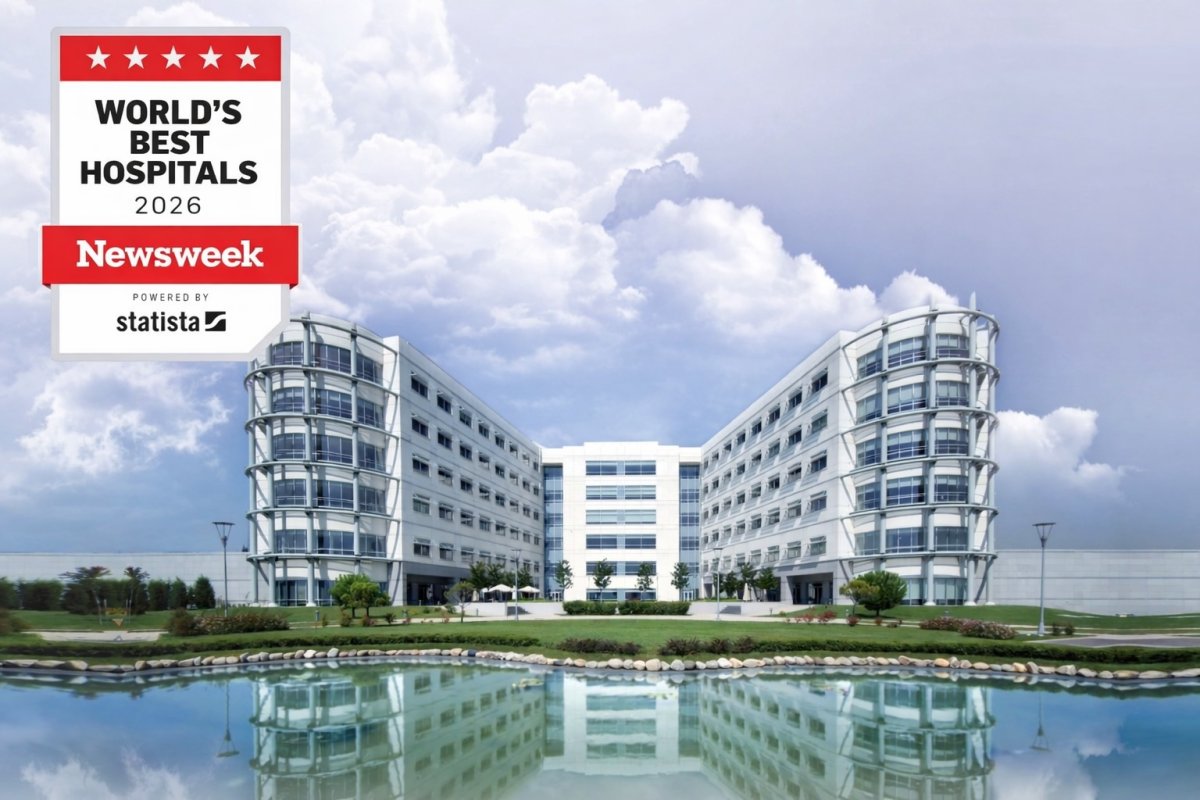
- مركز الأناضول الطبي: تابع لمستشفى جونز هوبكنز ومصنف ضمن أفضل مستشفيات العالم لعام 2026.
- مستشفى ميديبول ميجا: يتميز بأقسام متخصصة لجراحات الأورام الدبقية المعقدة ويخدم 1,000,000 مريض سنوياً.
- مستشفى ميموريال شيشلي: أول مرفق معتمد من JCI في تركيا، ويضم فرقاً متقدمة في طب الأورام العصبي وتكنولوجيا التصوير المقطعي بـ 512 شريحة.
- مستشفى هيسار إنتركونتيننتال: يوظف جراحي أعصاب لديهم أكثر من 900 إجراء جراحي دماغي لاستئصال الأورام بدقة عالية.
رؤية خبراء Bookimed: بينما يبحث الكثيرون عن أقل تكلفة، تظهر بياناتنا وجود فجوة في الجودة تتعلق بالخبرة الجراحية. في مستشفى هيسار، أجرى جراحون مثل الدكتور إرتوغرول بينار أكثر من 900 جراحة أعصاب. هذه الخبرة القائمة على حجم العمل هي السبب في أن المراكز التركية تحافظ على معدلات نجاح عالية في عمليات بضع القحف المعقدة.
إجماع المرضى: يؤكد المرضى على أهمية اختيار جراحي أعصاب محددين بناءً على حجم حالاتهم. ويشيرون إلى أنه من الضروري التأكد من هوية الجراح بدقة والتحقق مما إ
ما هي التقنيات المتقدمة التي تستخدمها المستشفيات التركية لعلاج أورام المخ؟
تستخدم المستشفيات التركية تقنيات متقدمة مثل سكين جاما (Gamma Knife)، وسايبر نايف (CyberKnife)، والتصوير بالرنين المغناطيسي أثناء الجراحة (iMRI) لعلاج أورام المخ بدقة عالية. تتميز المراكز المعتمدة من قبل اللجنة الدولية المشتركة (JCI) في إسطنبول بتوفر تقنيات التصوير بالذراع القوسي (O-arm) وأنظمة الملاحة العصبية. تسمح هذه الأدوات لجراحي الأعصاب برسم خرائط لمناطق الدماغ الوظيفية وزيادة استئصال الورم بأمان.
- الجراحة الإشعاعية الدقيقة: تستهدف أنظمة CyberKnife وGamma Knife الأورام بدقة إشعاعية دون المليمتر.
- التصوير المتقدم: يوفر الرنين المغناطيسي بقوة 3 تسلا والتصوير المقطعي بالإصدار البوزيتروني (PET/CT) الرقمي تحديداً عالي الدقة لموقع الورم.
- الملاحة الجراحية: تعمل أنظمة O-arm وStealthStation مثل نظام تحديد المواقع (GPS) لرسم خرائط الدماغ في الوقت الفعلي.
- المراقبة أثناء الجراحة: يراقب الجراحون وظائف الأعصاب أثناء العملية لحماية المهارات الحركية.
رؤية خبراء Bookimed: تكشف بيانات المرضى عن التركيز على الخبرة الجراحية عالية المستوى. يستخدم الدكتور نجات أكالان في مستشفى ميديبول ميجا نظام O-arm لتعزيز السلامة. يخدم مستشفى ميديبول 1,000,000 مريض سنوياً. اختيار المراكز ذات الحجم الكبير يضمن غالباً الوصول إلى أحدث الأنظمة الروبوتية مثل دافنشي XI.
إجماع المرضى: يؤكد المرضى على أهمية استخدام الملاحة العصبية لتحديد مواقع الأورام بدقة. كما يشير الكثيرون إلى أن وجود فريق متخصص في طب الأورام العصبية أمر ضروري للتخطيط المعقد.
ما الذي يتم تضمينه عادةً في باقات العلاج للمرضى الدوليين؟
تتضمن باقات علاج أورام الدماغ في تركيا عادةً الجراحة الأساسية، وأتعاب الجراح، والتخدير. توفر معظم البرامج استشارات ما قبل الجراحة والتصوير التشخيصي مثل الرنين المغناطيسي أو الأشعة المقطعية. عادةً ما تحصل على خدمة النقل من المطار إلى الفندق والوصول إلى مترجم محترف لجميع المواعيد الطبية.
- الخدمات الطبية: تغطي جراحة القحف أو الجراحة الإشعاعية، وتكاليف غرفة العمليات، ورعاية التمريض القياسية.
- التشخيص: غالبًا ما يشمل تحاليل الدم قبل الجراحة، والأشعة المقطعية للدماغ بعد الجراحة، واستشارات جراح الأعصاب.
- الخدمات اللوجستية: توفر خدمة نقل VIP من المطار إلى العيادة ودعم من منسق المرضى الدوليين باللغة الإنجليزية.
- الإقامة في المستشفى: تشمل الإقامة القياسية عادةً من 1 إلى 3 ليالٍ في الجناح أو وحدة العناية المركزة.
رأي خبراء Bookimed: تظهر بيانات الباقات عتبة سعرية كبيرة تبلغ 7000 دولار. غالبًا لا تشمل الباقات التي تقل عن هذا السعر الإقامة في الفندق، مما يتطلب من المرضى دفع تكاليف 4 ليالٍ أو أكثر بأنفسهم. في المقابل، تشمل الباقات الأكثر تكلفة عادةً المراقبة في وحدة العناية المركزة والتصوير المتقدم بعد الجراحة مثل الرنين المغناطيسي مع التباين.
رأي المرضى: يؤكد المرضى على ضرورة توضيح ما إذا كان الفحص المرضي أو الرأي الطبي الثاني مشمولاً. يشير الكثيرون إلى أن ملصق "شامل كلياً" غالبًا ما يشير فقط إلى العملية، وليس إلى العلاج الكيميائي أو الإشعاعي طويل الأمد.
هل تتوفر خيارات الجراحة الإشعاعية طفيفة التوغل لأورام المخ في تركيا؟
تقدم تركيا جراحة إشعاعية متقدمة طفيفة التوغل لأورام المخ من خلال منصات CyberKnife و Gamma Knife. تستخدم المراكز الكبرى المعتمدة من JCI في إسطنبول هذه التقنيات لعلاج الآفات الصغيرة والانبثاثات والأورام السحائية دون الحاجة إلى شقوق جراحية. غالبًا ما تكون هذه العلاجات التي تركز على الدقة بدائل للأورام العميقة أو غير القابلة للجراحة.
- التقنيات المتاحة: تستخدم العيادات CyberKnife و Gamma Knife والعلاج المقطعي (Tomotherapy) لتدمير الأورام بطريقة غير جراحية.
- معايير الدقة: يستخدم الجراحون التصوير بالرنين المغناطيسي أثناء الجراحة والملاحة العصبية لاستهداف الأورام بدقة.
- الإطار الزمني للعلاج: تكتمل الجراحة الإشعاعية عادةً في 1 إلى 5 جلسات خارجية.
- اعتماد المنشأة: تمتلك العيادات الرائدة مثل مركز الأناضول الطبي شهادات JCI و ISO.
رؤية خبير Bookimed: يعد حجم المرضى مؤشرًا رئيسيًا للجودة في جراحة الأعصاب التركية. يخدم مستشفى جامعة ميديبول ميغا حوالي 1,000,000 مريض سنويًا. هذا التردد العالي يسمح لجراحي الأعصاب باكتساب خبرة واسعة في الحالات المعقدة. اختيار مركز ذو حجم كبير يضمن غالبًا الوصول إلى أحدث المعدات مثل نظام التصوير O-arm.
إجماع المرضى: يلاحظ المرضى أن جدولة الجراحة الإشعاعية في تركيا أسرع بكثير مما هي عليه في أوروبا الغربية. يؤكد الكثيرون على ضرورة التأكد من أن منصة الجراحة الإشعاعية المحددة متاحة بالفعل في الموقع قبل السفر.
كم من الوقت يجب أن أخطط لإقامتي في تركيا للتشخيص والعملية؟
يجب على المرضى التخطيط لإقامة في تركيا تتراوح بين 5 إلى 14 يوماً لإجراء عملية ورم في المخ. يتطلب علاج الجراحة الإشعاعية، مثل جاما نايف (Gamma Knife)، حوالي 4-5 أيام. تتطلب الإجراءات المعقدة، مثل بضع القحف لاستئصال الورم، عادةً من 3 إلى 7 أيام من العلاج في المستشفى قبل الخروج.
- فترات التشخيص: يستغرق الفحص الشامل، بما في ذلك التصوير بالرنين المغناطيسي للدماغ والتصوير المقطعي بالإصدار البوزيتروني (PET/CT)، 3 أيام.
- الإقامة لجاما نايف: يحتاج معظم المرضى إلى 0 ليلة في المستشفى و4 ليالٍ في الفندق.
- التعافي بعد بضع القحف: غالباً ما تشمل الحزم الجراحية 3 ليالٍ في وحدة العناية المركزة.
- مرونة السفر: توصي الفرق الطبية بـ 7 أيام إضافية في الموقع لمتابعة آمنة بعد العملية.
رأي خبراء Bookimed: على الرغم من أن جاما نايف غالباً ما يكون إجراءً خارجياً، إلا أن الحزم الجراحية في مراكز مثل مستشفى هيسار إنتركونتيننتال (Hisar Hospital Intercontinental) غالباً ما تشمل الإقامة في العناية المركزة في التكلفة الأساسية. هذا مهم، لأن المراقبة المكثفة خلال أول 72 ساعة بعد بضع القحف تحسن النتائج بشكل كبير. عادةً ما يضمن اختيار حزمة جراحية "شاملة" تنظيم أيام التعافي الحرجة هذه مسبقاً دون نفقات غير متوقعة.
إجماع المرضى: يشير المرضى إلى أنه من المهم تخصيص ما يصل إلى 4 أسابيع للتشخيص الأولي والعملية. بعد العودة من إسطنبول، يلزم التنسيق مع الطبيب في الوطن للمتابعة.