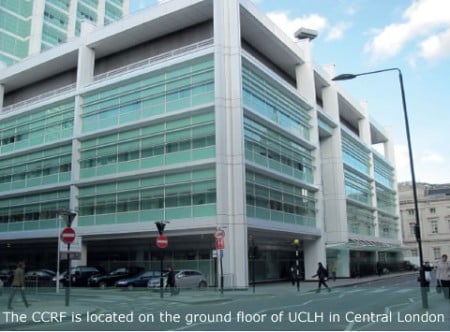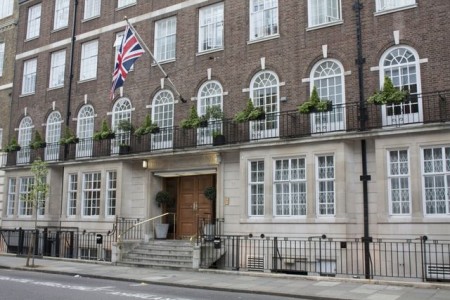
Harley Street Clinic
المملكة المتحدة, لندن


تمت مراجعة المقالة طبيا من قبل
فهد مولود
من $1,500. وتتراوح تكلفة التدخلات الجراحية مثل حج القحف (Craniotomy) من $31,000 إلى $46,000، بينما تبلغ تكلفة إجراءات سكين جاما (Gamma Knife) المتقدمة من $15,500 إلى $21,500. تعتمد النفقات النهائية على درجة الورم، ومدة الإقامة في المستشفى، والتقنية المحددة المستخدمة. تشمل أفضل المدن لرعاية الأورام الخاصة لندن وبرمنغهام.
تكاليف علاج سرطان الدماغ النموذجية في المملكة المتحدة
رؤية خبراء Bookimed: يجب على المرضى الذين يسعون للحصول على وصول سريع إلى التشخيصات المتقدمة إعطاء الأولوية للشبكات الخاصة في لندن. يوفر شارع هارلي في مستشفى كلية لندن (University College Hospital) إجراءات تشخيصية وعلاجية على مدار الساعة طوال أيام الأسبوع. تقدم هذه المؤسسة المشتركة رعاية متخصصة للسرطان مع اعتمادات CQC وISO. بالنسبة للحالات المعقدة، توفر عيادة شارع هارلي (Harley Street Clinic) إمكانية الوصول إلى أكبر شبكة رعاية صحية خاصة في المملكة المتحدة. تُعد هذه المراكز الأفضل للمرضى الدوليين الذين يحتاجون إلى إشراف متعدد التخصصات فوري دون قوائم انتظار.
| المملكة المتحدة | تركيا | إسبانيا | |
|---|---|---|---|
| سايبر نايف CyberKnife | ≈ $35,000 | من $4,900 | من $14,800 |
| حج القحف | ≈ $31,000 | من $8,900 | من $32,400 |
| جراحة التجسيمي | ≈ $12,500 | من $6,400 | من $18,100 |
| المعالجة المقطعية | ≈ $11,500 | من $6,700 | ≈ $7,500 |
| العلاج بالبروتون (انظر العلاج بحزم البروتون) | ≈ $90,000 | من $25,000 | من $43,300 |
Bookimed لا يضيف رسوماً إضافية على أسعار علاج سرطان الدماغ. الأسعار مأخوذة من قوائم الأسعار الرسمية للعيادات. تدفع مباشرة في العيادة مقابل علاجك عند وصولك إلى البلد.
Bookimed ملتزم بسلامتك. نحن نعمل فقط مع المؤسسات الطبية التي تحافظ على معايير دولية عالية في علاج سرطان الدماغ ولديها التراخيص اللازمة لخدمة المرضى الدوليين في جميع أنحاء العالم.
Bookimed يقدم مساعدة خبراء مجانية. منسق طبي شخصي يدعمك قبل وأثناء وبعد العلاج، ويحل أي مشاكل. لن تكون وحيداً أبداً في رحلة علاج سرطان الدماغ.


كتب بواسطة Veronika Kazina

كتب بواسطة Veronika Kazina

كتب بواسطة Veronika Kazina

كتب بواسطة Veronika Kazina

كتب بواسطة Veronika Kazina
 Anna Leonova
تتبع قرارات علاج أورام المخ في المملكة المتحدة إطار عمل إرشادات NICE NG99. يقوم فريق متخصص متعدد التخصصات في طب الأورام العصبية بمراجعة جميع الحالات المشتبه بها. يضم هذا الفريق جراحي أعصاب، وأطباء أورام، وأخصائيي علم الأمراض. يتعاونون لتأكيد درجة الورم والعلامات الجزيئية قبل التوصية بالجراحة أو الإشعاع.
رؤية خبير Bookimed: توفر مراكز لندن تقنيات متخصصة للغاية تؤثر على مسار العلاج. كانت عيادة Harley Street أول منشأة في المملكة المتحدة تقدم تقنية CyberKnife. تحمل Harley Street في مستشفى جامعة كوليدج اعتمادات CQC و JACIE. تضمن هذه الاعتمادات حصول المرضى على رعاية تلبي معايير السلامة والجودة الصارمة.
إجماع المرضى: يشير المرضى إلى أن الجراحة غالباً ما تكون الخطوة الأولى لتأكيد التشخيص الدقيق. ويؤكدون أن طلب رأي ثانٍ أمر قيم، خاصة للأورام الموجودة في مناطق عميقة.
يتضمن علاج سرطان الدماغ في NHS الجراحة، والعلاج الإشعاعي، والعلاج الكيميائي بتنسيق من فرق متعددة التخصصات. تشمل البروتوكولات القياسية استئصال الورم أو تقليص حجمه للحفاظ على وظائف الدماغ. تتوفر خيارات متقدمة مثل العلاج بالبروتون والجراحة الإشعاعية التجسيمية في مراكز وطنية مخصصة لحالات سريرية محددة.
رؤية خبير Bookimed: بينما تستخدم مسارات NHS القياسية الجراحة والعلاج الكيميائي، يختلف الوصول إلى تقنيات معينة حسب المنشأة. على سبيل المثال، كانت عيادة Harley Street هي الأولى التي قدمت "سايبر نايف" في المملكة المتحدة. يجب على المرضى التأكد مما إذا كان المركز المخصص لهم يوفر خيارات الجراحة الإشعاعية غير الغازية المتخصصة هذه.
إجماع المرضى: يشير المرضى إلى أنه على الرغم من أن الستيرويدات تعالج تورم الدماغ بفعالية، إلا أنها لا تعالج الورم نفسه. يؤكد الكثيرون على أهمية سؤال فريقهم الطبي عن أهلية المشاركة في التجارب السريرية إذا كان تمويل الأدوية القياسية مقيدًا.
يحصل المرضى في المملكة المتحدة على علاجات مبتكرة لسرطان الدماغ من خلال التجارب السريرية وبرامج هيئة الخدمات الصحية الوطنية (NHS) المتخصصة. تقدم المراكز الرائدة جراحة إشعاعية متقدمة مثل CyberKnife والعلاج بالبروتون. توفر شراكات البحوث السريرية وصولاً مبكراً إلى الأدوية التجريبية قبل حصولها على الموافقة التنظيمية القياسية.
رؤية خبير Bookimed: غالباً ما يعتمد الوصول إلى التجارب السريرية على نتائج الاختبارات الجزيئية. يجب على المرضى طلب تقارير علم الأمراض في وقت مبكر لتحديد طفرات الورم المحددة. تحافظ المراكز التي تركز على الأبحاث مثل Harley Street في مستشفى كلية لندن على أحجام تجارب أعلى. غالباً ما تعمل هذه المؤسسات كجسر بين الأبحاث التجريبية والرعاية السريرية القياسية.
إجماع المرضى: يشير المرضى إلى أن استيفاء معايير الأهلية الصارمة هو العقبة الأكبر أمام دخول التجارب. يؤكد الكثيرون أن التحقق من خيارات التجارب فور الحصول على نتائج علم الأمراض أمر بالغ
يؤثر علاج سرطان الدماغ على الحياة اليومية من خلال التعب الجسدي والتغيرات الإدراكية. يعيق العلاج القدرة على القيادة والعمل بسبب مخاطر النوبات وتراجع التركيز. توفر المراكز المتخصصة في لندن تشخيصات متقدمة مثل التصوير بالرنين المغناطيسي للدماغ مع التباين ومسح PET/CT. تساعد هذه الفحوصات الفرق الطبية على مراقبة تعافيك وسلامتك.
رؤية خبير Bookimed: توفر عيادات لندن ميزة سريرية فريدة من خلال شراكات بحثية متكاملة. على سبيل المثال، يتعاون شارع هارلي في مستشفى كلية لندن مع معهد سارة كانون للأبحاث. يمنح هذا المرضى إمكانية الوصول إلى تجارب سريرية غير متوفرة في المراكز الأصغر. غالبًا ما توفر هذه التجارب إمكانية الوصول إلى علاجات دقيقة قد تحافظ بشكل أفضل على الوظيفة الإدراكية أثناء العلاج.
إجماع المرضى: غالبًا ما يكون فقدان الاستقلالية بسبب حظر القيادة هو أصعب تحدٍ عاطفي يمكن التعامل معه. يجد المرضى أن التخطيط ليومهم بالكامل حول فترات التعب يساعدهم في الحفاظ على بعض الروتين الاجتماعي.
تتبع إعادة التأهيل العصبي في المملكة المتحدة نهجاً متعدد التخصصات يركز على الاستقلالية الوظيفية. توفر المراكز المتخصصة العلاج الطبيعي العصبي، والعلاج الوظيفي، وإعادة التأهيل المعرفي. تعالج الخدمات المهارات الحركية، والنطق، والاحتياجات النفسية العصبية من خلال مسارات المرضى الداخليين والخارجيين عبر القطاعين الخاص والعام.
رؤية خبير Bookimed: يتركز الوصول إلى إعادة التأهيل في لندن بشكل كبير في مراكز متخصصة. يحمل شارع هارلي في مستشفى كلية لندن (UCLH) شهادات لجنة جودة الرعاية (CQC) وISO. وهذا يضمن السلامة السريرية لمرضى السرطان المعقدين. تقدم عيادة شارع هارلي تقنية CyberKnife، والتي تتطلب مراقبة محددة بعد العلاج. نوصي بتأكيد إحالتك من طبيب أعصاب في وقت مبكر لتجنب تأخيرات قوائم الانتظار المحلية.
إجماع المرضى: يشير المرضى إلى أن إعادة التأهيل غالباً ما تستخدم بروتوكولات إصابات الدماغ بدلاً من المسارات الخاصة بالسرطان. يؤكد الكثيرون على طلب العلاج الطبيعي العصبي وعلم النفس العصبي بالاسم لضمان الحصول على دعم شامل.
الممرض السريري المتخصص هو ممرض متقدم الممارسة حاصل على درجة الماجستير ويركز على الرعاية المتخصصة مثل طب الأورام العصبي. يقومون بتنسيق مسارات العلاج، وإدارة الأعراض، وتسهيل التواصل بين المرضى والاستشاريين. يمكنك التواصل معهم عبر لوحة مفاتيح المستشفى أو من خلال التحقق من وثائق الخروج السريري للحصول على خطوط مباشرة.
رؤية خبير Bookimed: تساعد مؤشرات الجودة في تحديد الأماكن التي تعد فيها رعاية التمريض عالية المستوى معياراً. مراكز مثل Harley Street Clinic تحمل علامة جودة بيئة ماكميلان (Macmillan Quality Environment Mark). تشير هذه الجائزة المحددة إلى أن المنشأة تحافظ على معايير صارمة لدعم المرضى وبيئات التمريض المتخصصة. عند اختيار عيادة لعلاج سرطان الدماغ، فإن البحث عن هذه الشهادات البيئية المحددة غالباً ما يؤدي إلى وصول أفضل إلى ممرضين متخصصين يسهلون مسارات الرعاية المعقدة.
إجماع المرضى: يجد المرضى أن الممرض المتخصص حيوي لترجمة المصطلحات الطبية إلى مصطلحات واضحة. يقترحون الاحتفاظ بأوراق الخروج الخاصة بك في متناول اليد لأنها تحتوي عادةً على رقم الهاتف الأكثر مباشرة لمنسقك الخاص.