علاج سرطان الدماغ في الهند: 22 مستشفيات


تمت مراجعة المقالة طبيا من قبل
فهد مولود
ما هي تكلفة سرطان الدماغ إجراءات التشخيص والعلاج في الهند؟ اعرف الآن
Brain cancer treatment cost in India typically ranges from $6,500 to $7,000 for a craniotomy, while advanced radiosurgery runs from $4,500 to $7,200. Total expenses depend on the tumor type, hospital tier, and the specific technology used during therapy. Patients often save approximately 60-80% compared to costs in the US. Top cities for neuro-oncology include Delhi, Gurgaon, and Mumbai.
Typical Brain Cancer Treatment Costs in India
- Craniotomy: $6,500 – $7,000
- Radiosurgery of a brain tumor: $4,500 – $7,200
- CyberKnife: $4,500 – $6,500
- Gamma Knife: $4,500 – $6,500
- Resection of glioma: $6,500 – $10,500
- Resection of glioblastoma: السعر عند الطلب
- Resection of medulloblastoma: السعر عند الطلب
- Proton-beam therapy: $22,000 – $35,000
- Tomotherapy: $4,500 – $6,800
- Halcyon: السعر عند الطلب
Bookimed Expert Insight: Advanced cases requiring high precision benefit from centers like BLK Super Speciality Hospital. They were the first in Asia to use the CyberKnife VSI system. For patients prioritizing survival rates, Global Hospital Chennai reports a 95% five-year survival for complex transplants. International patients often find better value at Apollo Hospital Indraprastha. Their costs are 2–3 times lower than US rates for JCI-accredited care.
| الهند | تركيا | إسبانيا | |
|---|---|---|---|
| سايبر نايف CyberKnife | ≈ $4,500 | من $4,900 | من $14,800 |
| حج القحف | من $6,500 | من $8,900 | من $32,400 |
| جراحة التجسيمي | من $5,300 | من $6,400 | من $18,100 |
| المعالجة المقطعية | ≈ $4,500 | من $6,700 | ≈ $7,500 |
| العلاج بالبروتون (انظر العلاج بحزم البروتون) | ≈ $22,000 | من $25,000 | من $43,300 |
مزاياك وضماناتك مع Bookimed
أسعار مباشرة
Bookimed لا يضيف رسوماً إضافية على أسعار علاج سرطان الدماغ. الأسعار مأخوذة من قوائم الأسعار الرسمية للعيادات. تدفع مباشرة في العيادة مقابل علاجك عند وصولك إلى البلد.
عيادات وأطباء معتمدون فقط
Bookimed ملتزم بسلامتك. نحن نعمل فقط مع المؤسسات الطبية التي تحافظ على معايير دولية عالية في علاج سرطان الدماغ ولديها التراخيص اللازمة لخدمة المرضى الدوليين في جميع أنحاء العالم.
مساعدة مجانية على مدار الساعة
Bookimed يقدم مساعدة خبراء مجانية. منسق طبي شخصي يدعمك قبل وأثناء وبعد العلاج، ويحل أي مشاكل. لن تكون وحيداً أبداً في رحلة علاج سرطان الدماغ.

منسقك الطبي الشخصي في Bookimed
- يدعمك في كل مرحلة
- المساعدة في اختيار العيادة الطبية المناسبة والطبيب المناسب
- يضمن الوصول السريع والمريح إلى المعلومات
اكتشف أفضل سرطان الدماغ العيادات في الهند: 22 خيارات معتمدة والأسعار








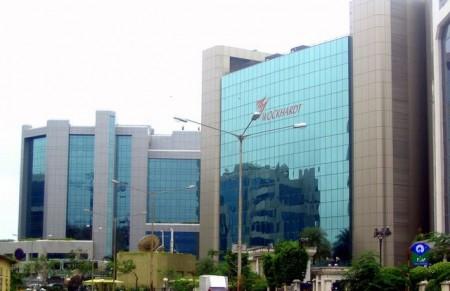
Wockhardt Hospital




احصل على تقييم طبي لـ في الهند. استشر الآن 10 أطباء ذوي الخبرة.
عرض جميع الأطباء
Raj Nagarkar
أكثر من 50,000 عملية جراحية للسرطان – يجلب الدكتور راج ناجاركار خبرة واسعة في علاج سرطان الدماغ في مركز HCG Manavata للسرطان.
- _doctor_2241_سنوات_ من الخبرة في جراحة الأورام
- تدرب في مستشفى تاتا التذكاري والكلية الملكية للجراحين في إدنبرة
- تركيز خاص على جراحة أورام الثدي والصدر
- أستاذ في تخصص DNB الجراحي للأورام
- شارك في أكثر من 200 تجربة سريرية

Sridhar P.S.
يتخصص الدكتور سريدهار في علاج سرطان الدماغ في مركز HCG Manavata للسرطان مع تدريب متقدم في العلاج الإشعاعي.
- _doctor_3397_عاماً_ من الخبرة في علاج الأورام بالإشعاع
- تدرب في جامعة باناراس الهندوسية والمجلس الوطني للامتحانات
- عضو في جمعية الأورام العصبية
- خبير في تقنيات العلاج الإشعاعي المتقدمة لأورام الدماغ

Chaitainya Borde
أجرى أكثر من 30,000 فحص PET وعالج 1,000 مريض بسرطان الغدة الدرقية – الدكتور بورد متخصص في الطب النووي المتقدم في مركز HCG Manavata للسرطان.
- _doctor_2774_سنوات_ من الخبرة في الطب النووي
- خبير في فحوصات PET-CT وعلاجات اليود المشع
- ماهر في علاجات Lu-177 RN للعلاج الموجه
- نشر أبحاثاً في العديد من المجلات الطبية

Ravindra Tandale
الدكتور رافيندرا تاندالي هو استشاري في مركز HCG مانافاتا للسرطان في ناشيك. وهو متخصص في التخدير لجراحات الأورام، بما في ذلك جراحات سرطان الثدي والرئة والكبد. يحمل الدكتور تاندالي مؤهلات بكالوريوس الطب والجراحة (MBBS) ودبلوم التخدير (DA).
يعمل الدكتور تاندالي في مركز HCG مانافاتا، وهو منشأة تعالج 75,000 مريض سنوياً وحاصلة على اعتمادات NABL وNABH. يتولى الدكتور تاندالي إدارة التخدير لمختلف العمليات الجراحية، بما في ذلك الإجراءات المتعلقة بحالات السرطان المتقدمة. كما يقدم استشارات عبر الإن
مواد ذات صلة

علاج سرطان الدماغ في إسرائيل: ابتكارات منقذة للحياة
كتب بواسطة Veronika Kazina

كل ما يحتاج الجميع لمعرفته حول مراحل سرطان الدماغ. مرحلة غير صالحة للعمل.
كتب بواسطة Veronika Kazina

تشخيص سرطان الدماغ في مرحلة مبكرة. نصائح للكشف عن سرطان الدماغ.
كتب بواسطة Veronika Kazina

سرطان الدماغ: الأسباب وعوامل الخطر والإحصاءات
كتب بواسطة Veronika Kazina

كيف يظهر سرطان الدماغ نفسه؟ علامات وأعراض سرطان الدماغ
كتب بواسطة Veronika Kazina
مشاركة المحتوى
قصص فيديو من مرضى Bookimed
 Anna Leonova
أسئلة متكررة حول علاج سرطان الدماغ في الهند
ما هي أفضل المستشفيات لعلاج سرطان الدماغ في الهند؟
تضم الهند مرافق متميزة ومعتمدة من اللجنة الدولية المشتركة (JCI) لعلاج سرطان الدماغ، بما في ذلك مستشفى أبولو إندرابراستا، وميدانتا، ومستشفى BLK التخصصي الفائق. تستخدم هذه المراكز تقنيات متقدمة مثل CyberKnife وGamma Knife والعلاج بالبروتون. غالبًا ما يتمتع كبار جراحي الأعصاب بخبرة تزيد عن 20 عامًا وأجروا آلاف العمليات الجراحية الناجحة.
- مستشفى ميدانتا: مرفق معتمد من NABH في جورجاون متخصص في استئصال الأورام المعقدة.
- أبولو إندرابراستا: مركز معتمد من JCI في دلهي يخدم أكثر من 1,000,000 مريض سنويًا.
- BLK التخصصي الفائق: يضم المدير الدكتور سوريندر داباس، الذي يحمل أرقامًا قياسية في الجراحة الروبوتية.
- فورتيس جورجاون: صنفته مجلة نيوزويك كثاني أكثر مستشفى تقدمًا من الناحية التقنية في العالم.
رؤية خبير Bookimed: تسلط بيانات حجم المرضى الضوء على فجوة كبيرة في الخبرة بين المستشفيات العامة والشبكات ذات القدرة العالية مثل مانيبال وأبولو. تخدم مستشفيات مانيبال أكثر من 2,000,000 مريض سنويًا عبر شبكتها. يترجم هذا الحجم الهائل إلى بروتوكولات ما بعد الجراحة المحسنة. في طب الأورام العصبي، غالبًا ما توفر المراكز التي تضم أكثر من 10 أقسام رعاية متكاملة أفضل بين جراحي الأعصاب وأخصائيي الإشعاع.
إجماع المرضى: يشير المرضى إلى أن السفر إلى المراكز الحضرية الكبرى ضروري للوصول إلى التصوير المتطور. ويؤكدون أنه على الرغم من أن المستشفيات الخاصة توفر وسائل الراحة الحديثة، فإن خبرة الجراح المحددة في عمليات الاستئصال المعقدة هي العامل الأكثر أهمية لت
ما هي طرق العلاج المتقدمة المستخدمة في الهند؟
تستخدم الهند علاجات متقدمة لسرطان الدماغ بما في ذلك CyberKnife وGamma Knife والعلاج بالبروتونات. توظف المستشفيات من الدرجة الأولى مثل Artemis وApollo الاستئصال المجهري وجراحة الدماغ أثناء اليقظة. تحافظ هذه المرافق على اعتماد اللجنة الدولية المشتركة (JCI). تضمن الأمراض الجزيئية والكيمياء النسيجية المناعية الدقة في تحديد أنواع الأورام الفرعية المحددة للحصول على رعاية شخصية.
- الجراحة الإشعاعية الدقيقة: يوفر CyberKnife وGamma Knife علاجًا غير جراحي للأورام المتحركة.
- جراحة الأعصاب المتقدمة: تحافظ جراحة الدماغ أثناء اليقظة على وظائف الكلام والحركة أثناء إزالة الأورام المعقدة.
- تكنولوجيا الإشعاع: يستهدف العلاج الإشعاعي المعدل الشدة (IMRT) والعلاج بالبروتونات الآفات العميقة بدقة.
- الدقة التشخيصية: تحدد تصوير PET/CT والتحليل الجزيئي درجات الورم الدقيقة لخطط العلاج.
رؤية خبراء Bookimed: تعمل الهند كقائد إقليمي في الحجم العصبي، حيث تعالج مراكز مثل مستشفيات مانيبال أكثر من 2,000,000 مريض سنويًا. في حين أن الكثيرين يبحثون عن العلاج بالبروتونات، فإنه يظل أداة متخصصة لحالات الأطفال أو حالات الجمجمة العميقة المحددة. بالنسبة لمعظم الأورام الأرومية الدبقية والأورام الدبقية، فإن الجمع بين جراحة الدماغ أثناء اليقظة وIMRT المتاح في المراكز المعتمدة من JCI يوفر معيار الرعاية الأكثر فعالية.
إجماع المرضى: يؤكد المرضى على الحاجة إلى أمراض جزيئية وكيمياء نسيجية مناعية متقدمة قبل بدء أي علاج. ويشيرون إلى أن اختيار جراح يستخدم الجراحة المجهرية
ما هو معدل نجاح علاج أورام المخ في الهند؟
تتراوح معدلات نجاح علاج أورام المخ في الهند من 80% إلى 90% للإجراءات الجراحية القياسية. تركز النتائج على البقاء على قيد الحياة والحفاظ على الوظائف. تظهر الأورام الحميدة مثل الأورام السحائية نجاحاً بنسبة 95%. تعطي الحالات الخبيثة العدوانية مثل الورم الأرومي الدبقي الأولوية لجودة الحياة وإطالة العمر.
- الأورام الحميدة: تصل معدلات النجاح إلى 90% إلى 95% لإجراءات الاستئصال الكامل.
- الأورام الدبقية منخفضة الدرجة: عادة ما يرى المرضى معدلات بقاء على قيد الحياة لمدة 5 سنوات تتراوح بين 70% و 85%.
- الأورام عالية الدرجة: يركز علاج الورم الأرومي الدبقي على السيطرة على الأعراض وإطالة فترة البقاء على قيد الحياة.
- الدقة الجراحية: يزداد النجاح عندما يحقق الجراحون إزالة شبه كاملة لحجم الورم.
رؤية خبير Bookimed: تتركز أعلى معدلات النجاح في الهند غالباً في المراكز ذات الحجم الكبير مثل مستشفيات مانيبال، التي تخدم 2,000,000 مريض سنوياً. تسمح الشبكات الكبيرة للجراحين مثل الدكتور فيكاس غوبتا في مستشفى BLK Super Speciality بالتخصص بعمق في مجالات متخصصة مثل جراحة الأعصاب داخل الأوعية الدموية وجراحة العمود الفقري طفيفة التوغل، مما يمكن أن يحسن السلامة في الحالات المعقدة.
إجماع المرضى: يؤكد المرضى أن إكمال سلسلة العلاج الكاملة أسهل في الهند بسبب انخفاض النفقات الطبية. يلاحظ الكثيرون أن التعافي الوظيفي وتخفيف الأعراض لا يقل أهمية عن النتيجة الجراحية الأولية.
ما هي الخطوات الأساسية التي توجه عملية العلاج وما هي المخاطر؟
يتبع علاج سرطان الدماغ في الهند مساراً صارماً يشمل التقييم العصبي الأورامي، والتصوير المتقدم، والتخطيط متعدد التخصصات. تنتهي العملية بتدخلات مخصصة مثل الجراحة المجهرية أو الجراحة الإشعاعية. تعطي مراكز جراحة الأعصاب المتخصصة الأولوية لزيادة فرص البقاء على قيد الحياة مع حماية وظائف الدماغ الحيوية مثل الكلام والمهارات الحركية.
- تسلسل التشخيص: يؤكد التصوير بالرنين المغناطيسي مع التباين والتصوير المقطعي بالإصدار البوزيتروني (PET-CT) حجم الورم وموقعه ونشاطه الأيضي.
- التخطيط الجراحي: يستخدم جراحو الأعصاب التوجيه التجسيمي لتحقيق أقصى قدر من الاستئصال الآمن أو أخذ خزعات دقيقة بالإبرة.
- العلاج المساعد: يتبع العلاج الإشعاعي أو الكيميائي أو المناعي نتائج علم الأمراض للأورام العدوانية مثل الورم الأرومي الدبقي.
- المراقبة العصبية: تركز الرعاية بعد الجراحة على إدارة تورم الدماغ ومنع نشاط النوبات الثانوية.
رؤية خبير Bookimed: تتفوق الهند في جراحة الأعصاب ذات الحجم الكبير، حيث تخدم مستشفيات مثل أبولو ومانيبال أكثر من 1,000,000 مريض سنوياً. في حين أن المهارة الفردية عالية، تكمن القيمة الحقيقية في الوصول إلى التكنولوجيا. توفر المرافق الموجهة نحو البحث مثل ميدانتا أو فورتيس جورجاون أنظمة روبوتية وسايبر نايف. غالباً ما تقلل هذه الأدوات من فترات الإقامة في المستشفى إلى ليلة أو ليلتين فقط للإجراءات غير الجراحية.
إجماع المرضى: يؤكد المرضى أن نتائج علم الأمراض النهائية يمكن أن تغير خطة العلاج بأكملها. ويشيرون إلى أن إدارة التورم الفوري بعد ال
كم من الوقت يجب أن أتوقع البقاء في الهند للتشخيص والعلاج؟
يجب على المرضى التخطيط للبقاء من 4 إلى 8 أسابيع في الهند لعلاج سرطان الدماغ. يغطي هذا الجدول الزمني الأيام الثلاثة إلى الخمسة الأولى للتشخيص مثل التصوير المقطعي بالإصدار البوزيتروني (PET/CT). كما يأخذ في الاعتبار 14 إلى 21 يومًا من الاستشفاء لجراحة الأعصاب المعقدة أو العلاج الإشعاعي المتقدم.
- مرحلة التشخيص: غالبًا ما تنتهي الاختبارات مثل التصوير بالرنين المغناطيسي مع التباين في غضون 48 ساعة.
- دخول المستشفى: تتطلب عمليات استئصال الأورام المعقدة عادةً من 2 إلى 3 أسابيع من الإقامة في المستشفى.
- تنوع العلاج: تتراوح الإجراءات من الجراحة الإشعاعية CyberKnife إلى بضع القحف الغازي أو العلاج الكيميائي.
- فترة التعافي: يطلب الجراحون من 10 إلى 21 يومًا بعد الخروج قبل السماح بالرحلات الجوية الدولية.
- فترة التأشيرة: تسمح التأشيرة الطبية الإلكترونية الهندية بـ 60 يومًا لاحتياجات التعافي غير المتوقعة.
رؤية خبير Bookimed: تعد سرعة التشخيص في الهند ميزة كبيرة لطب الأورام العصبي. تستقبل المراكز الكبيرة مثل مستشفيات Artemis أو BLK Super Speciality أكثر من 1,000,000 مريض سنويًا. يعني هذا الحجم الكبير أنه يمكنك غالبًا إكمال تصوير الدماغ بالرنين المغناطيسي واستشارة جراح الأعصاب في يوم واحد. يساعدك هذا على بدء علاجات مثل CyberKnife بشكل أسرع بكثير مما هو عليه في الدول الغربية.
إجماع المرضى: يشير المرضى إلى أنه من الضروري ترتيب سكن محلي لمدة شهر على الأقل. يؤكد معظمهم أنه على الرغم من سرعة الاختبارات، فإن التعافي الج