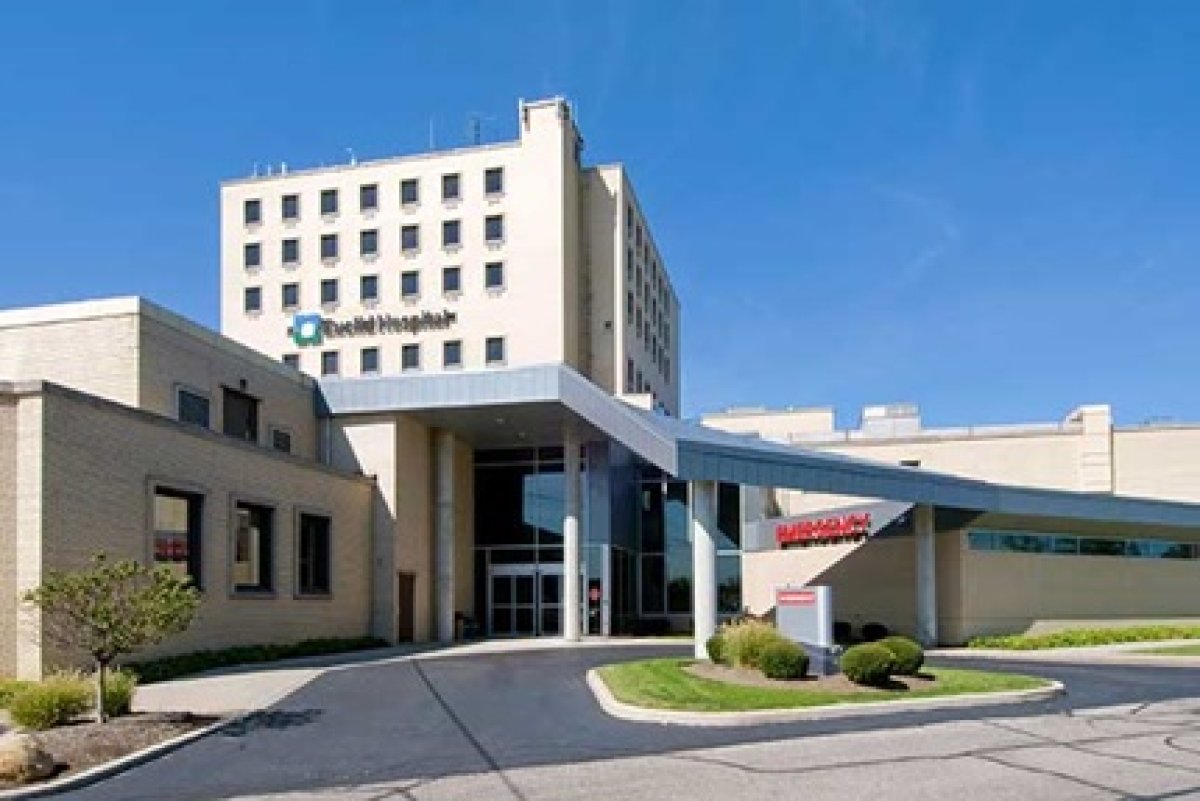
University of Texas MD Anderson Cancer Center
الولايات المتحدة الامريكيه, Houston


تمت مراجعة المقالة طبيا من قبل
فهد مولود
تتضمن تكلفة علاج سرطان الدماغ في الولايات المتحدة الأمريكية عادةً تشخيصات أساسية مثل التصوير بالرنين المغناطيسي للدماغ مع التباين، والذي يتراوح سعره من السعر عند الطلب إلى السعر عند الطلب. تتراوح تكاليف التدخلات الجراحية الأولية مثل حج القحف من $80,000 إلى $160,000، بينما تتراوح تكلفة الجراحة الإشعاعية التجسيمية بين $22,000 و $38,000. تعتمد النفقات النهائية على مرحلة المرض، ودرجة خباثة الورم، ومدة العلاج المطلوبة. تقع أفضل مراكز العلاج في هيوستن ونيويورك وماريلاند.
تكاليف علاج سرطان الدماغ النموذجية في الولايات المتحدة الأمريكية
رؤية خبراء Bookimed: يجد المرضى الذين يعانون من أورام خبيثة معقدة أعلى قيمة في مراكز السرطان الشاملة المعتمدة من المعهد الوطني للسرطان (NCI). يتصدر مركز إم دي أندرسون للسرطان التابع لجامعة تكساس مجال الأورام في الولايات المتحدة، حيث يخدم أكثر من 130,000 مريض سنوياً. يعد مركز ميموريال سلون كيترينج للسرطان خياراً أولياً لحالات الأطفال، حيث يعالج 200 نوع من أنواع السرطان. توفر هذه المؤسسات رفيعة المستوى إمكانية الوصول إلى فرق متعددة التخصصات وجراحي أعصاب متخصصين مثل جون دي غروت.
| الولايات المتحدة الامريكيه | تركيا | إسبانيا | |
|---|---|---|---|
| سايبر نايف CyberKnife | ≈ $40,000 | من $4,900 | من $14,800 |
| حج القحف | ≈ $80,000 | من $8,900 | من $32,400 |
| جراحة التجسيمي | ≈ $22,000 | من $6,400 | من $18,100 |
| المعالجة المقطعية | ≈ $30,000 | من $6,700 | ≈ $7,500 |
| العلاج بالبروتون (انظر العلاج بحزم البروتون) | ≈ $38,000 | من $25,000 | من $43,300 |
Bookimed لا يضيف رسوماً إضافية على أسعار علاج سرطان الدماغ. الأسعار مأخوذة من قوائم الأسعار الرسمية للعيادات. تدفع مباشرة في العيادة مقابل علاجك عند وصولك إلى البلد.
Bookimed ملتزم بسلامتك. نحن نعمل فقط مع المؤسسات الطبية التي تحافظ على معايير دولية عالية في علاج سرطان الدماغ ولديها التراخيص اللازمة لخدمة المرضى الدوليين في جميع أنحاء العالم.
Bookimed يقدم مساعدة خبراء مجانية. منسق طبي شخصي يدعمك قبل وأثناء وبعد العلاج، ويحل أي مشاكل. لن تكون وحيداً أبداً في رحلة علاج سرطان الدماغ.


يتخصص جون دي غروت في أورام الدماغ في مركز إم دي أندرسون للسرطان بجامعة تكساس.

كتب بواسطة Veronika Kazina

كتب بواسطة Veronika Kazina

كتب بواسطة Veronika Kazina

كتب بواسطة Veronika Kazina

كتب بواسطة Veronika Kazina
 Anna Leonova
تشمل علاجات سرطان الدماغ الأولية في الولايات المتحدة الاستئصال الجراحي الآمن قدر الإمكان عبر بضع القحف، والعلاج الإشعاعي عالي الدقة، والعلاج الكيميائي الجهازي. تستخدم المراكز المتخصصة تقنيات مثل "جاما نايف" (GammaKnife)، والعلاج بالبروتونات، ومجالات علاج الأورام (TTFields) لاستهداف الخلايا الخبيثة. تقوم فرق متعددة التخصصات في المراكز المعتمدة من المعهد الوطني للسرطان (NCI) بتصميم بروتوكولات مخصصة بناءً على المؤشرات الحيوية الجينية.
رؤية خبير Bookimed: تُظهر المراكز الأمريكية ذات الحجم الكبير نتائج متفوقة بفضل التخصص. يجري مركز ميموريال سلون كيترينج للسرطان أكثر من 800 عملية جراحية للدماغ سنوياً. يسمح هذا الحجم باكتساب خبرة متخصصة في أنواع الأورام النادرة. يجب على المرضى البحث عن مراكز مثل مركز إم دي أندرسون التابع لجامعة تكساس، الذي يخدم 130,000 مريض سنوياً، للوصول إلى تشخيصات الرنين المغناطيسي بقوة 3.0 تسلا ووحدات العلاج بالبروتونات المتخصصة.
إجماع المرضى: يؤكد المرضى أن الحص
يحمي جراحو الأعصاب في الولايات المتحدة أنسجة المخ السليمة من خلال دمج الملاحة العصبية، ورسم خرائط الدماغ أثناء اليقظة، والممرات الجراحية المتخصصة. توفر هذه الأنظمة دقة على مستوى المليمتر أثناء استئصال الورم. يعطي المتخصصون الأولوية للاستئصال الآمن الأقصى للحفاظ على الوظائف الحيوية مثل الكلام والحركة مع استخدام نماذج رقمية ثلاثية الأبعاد عالية الدقة.
رؤية خبير Bookimed: غالبًا ما تعطي مراكز الأورام الأمريكية الكبرى الأولوية للتكنولوجيا المتخصصة على حجم الجراحة العام. على سبيل المثال، يجري مركز ميموريال سلون كيترينج للسرطان أكثر من 800 عملية دماغ سنويًا باستخدام أسطول روبوتي مخصص. يستخدم مستشفى برينستون في بلينسبورو غرفة عمليات هجينة مع تصوير ثلاثي الأبعاد لتأكيد الهوامش على الفور. يساعد اختيار مركز بهذه التقنيات المحددة في ضمان دقة أعلى في حالات الأورام العصبية المعقدة.
إجماع المرضى: يشير المرضى إلى أن الجراحين قد يتركون عمدًا آثارًا صغيرة للورم إذا كانت تتداخل مع مناطق وظيفية حرجة. م
العلاج بالبروتونات هو علاج إشعاعي دقيق يستخدم جسيمات دون ذرية بدلاً من الأشعة السينية. يستهدف أورام الدماغ عن طريق ترسيب الطاقة بدقة في موقع الورم. هذا التأثير (ذروة براج) يحمي الأنسجة السليمة. حالياً، يوجد حوالي 50 مركزاً متخصصاً فقط يقدم هذا العلاج في جميع أنحاء الولايات المتحدة.
رؤية خبير Bookimed: على الرغم من أن العلاج بالبروتونات مطلوب بشدة، إلا أن قادة الأورام في الولايات المتحدة مثل مركز إم دي أندرسون للسرطان بجامعة تكساس يستخدمون أيضاً تقنية "جاما نايف" (GammaKnife) للآفات الأصغر. تظهر بياناتنا أن المراكز المتخصصة غالباً ما تجمع بين هذه التقنيات لعلاج أكثر من 200 نوع من السرطان. يجب على المرضى التحقق مما إذا كان حجم الورم لديهم يتناسب مع معايير البروتون أو إذا كانت الجراحة الإشعاعية التجسيمية أكثر فعالية.
إجماع المرضى: يشير المرضى إلى أنه على الرغم من قلة الآثار الجانبية الفورية، فمن المهم الاستعداد لاحتمالية حدوث صداع أو دوار بعد أشهر من العلاج. يؤكد الكثيرون أن الحصول على إحالة غالباً ما يتضمن الكثير من الأعمال ا
يتطلب الوصول إلى علاجات سرطان الدماغ التجريبية في الولايات المتحدة التسجيل في التجارب السريرية في المراكز المعتمدة من قبل المعهد الوطني للسرطان (NCI). يجب على المرضى إجراء تحليل جزيئي لمطابقة جينات الورم مع العلاجات الدقيقة. تقدم المراكز الرائدة مثل MD Anderson و Memorial Sloan Kettering بروتوكولات متقدمة تشمل العلاج المناعي والجراحة الإشعاعية بـ GammaKnife.
رؤية خبير Bookimed: غالباً ما تتخصص مراكز الأورام في الولايات المتحدة في مجالات بحثية مختلفة. طور مركز Memorial Sloan Kettering تسعة أدوية معتمدة من إدارة الغذاء والدواء (FDA). يخدم مركز MD Anderson أكثر من 130,000 مريض سنوياً ويقدم علاجاً متخصصاً بـ GammaKnife والعلاج بالبروتون. تحقق مما إذا كانت العيادة تتمتع بوضع مركز شامل معتمد من NCI، حيث أنها عادة ما تقود أكثر التجارب السريرية تنوعاً.
إجماع المرضى: يشير المرضى إلى أن السفر إلى المراكز الأكاديمية الكبرى غالباً ما يكون ضرورياً للتأهل للتجارب. ويؤكدون على أهمية تجهيز تقارير علم الأمراض والاختبارات الجزيئية للحصول على
تعمل الرعاية الداعمة والتلطيفية على إدارة أعراض أورام الدماغ والآثار الجانبية للعلاج منذ لحظة التشخيص. يعالج المتخصصون الوذمة الدماغية، والنوبات، والتغيرات الإدراكية جنباً إلى جنب مع العلاجات النشطة مثل الإشعاع. يعمل هذا النهج متعدد التخصصات على تحسين جودة الحياة من خلال مواءمة الأهداف الطبية مع قيم المريض وتفضيلاته الشخصية.
رؤية خبير Bookimed: توفر المراكز الكبيرة مثل MD Anderson أو Memorial Sloan Kettering فرق رعاية تلطيفية متخصصة. غالباً ما يكتشف هؤلاء المتخصصون التغيرات العصبية الدقيقة قبل أن تتطلب تدخلاً طارئاً. يساعد الوصول المبكر إلى هذه الرعاية المرضى في الحفاظ على استقلاليتهم الوظيفية أثناء العلاجات المعقدة مثل العلاج بالبروتون.
إجماع المرضى: يؤكد المرضى أن الرعاية التلطيفية توفر نقطة اتصال حيوية للأسئلة العاجلة. هذا الدعم الموثوق يقلل من التوتر ويساعد العائلات على تجنب الزيارات الطارئة لغرف الطوارئ.