علاج التصلب الجانبي الضموري في تركيا: 29 مستشفيات


تمت مراجعة المقالة طبيا من قبل
فهد مولود
كيف نعمل؟
ما هي تكلفة التصلب الجانبي الضموري إجراءات التشخيص والعلاج في تركيا؟ اعرف الآن
تختلف التكلفة الإجمالية لعلاج التصلب الجانبي الضموري في تركيا بناءً على الإجراءات والخطط العلاجية المختارة. يتم تسعير العلاج بالخلايا الجذعية، باستخدام الخلايا الجذعية الوسيطة من الحبل السري البشري، بمبلغ $5,500 لكل جلسة، مع التوصية بإجمالي ست جلسات. تبلغ تكلفة علاج إعادة التأهيل العصبي حوالي $5,500 وتشمل 21 يومًا من العلاج. تتراوح تكلفة الإجراءات التشخيصية مثل تخطيط كهربية العضل وفحوصات التصوير بالرنين المغناطيسي بين $200 و $1,000. يتم تخصيص خطة العلاج لكل مريض بعد تقييم شامل من قبل الفريق الطبي.
| تركيا | إسبانيا | ألمانيا | |
|---|---|---|---|
| العلاج بالخلايا الجذعية متعددة القدرات المستحثة | ≈ $6,500 | ≈ $9,000 | ≈ $14,000 |
| العلاج بالخلايا الجذعية لمرض التصلب الجانبي الضموري (ALS) | من $10,000 | ≈ $9,000 | ≈ $14,000 |
| العلاج بالخلايا الجذعية | من $1,500 | ≈ $3,500 | ≈ $4,500 |
| البلازما | من $3,200 | من $12,300 | ≈ $2,200 |
اكتشف أفضل التصلب الجانبي الضموري العيادات في تركيا: 29 خيارات معتمدة والأسعار



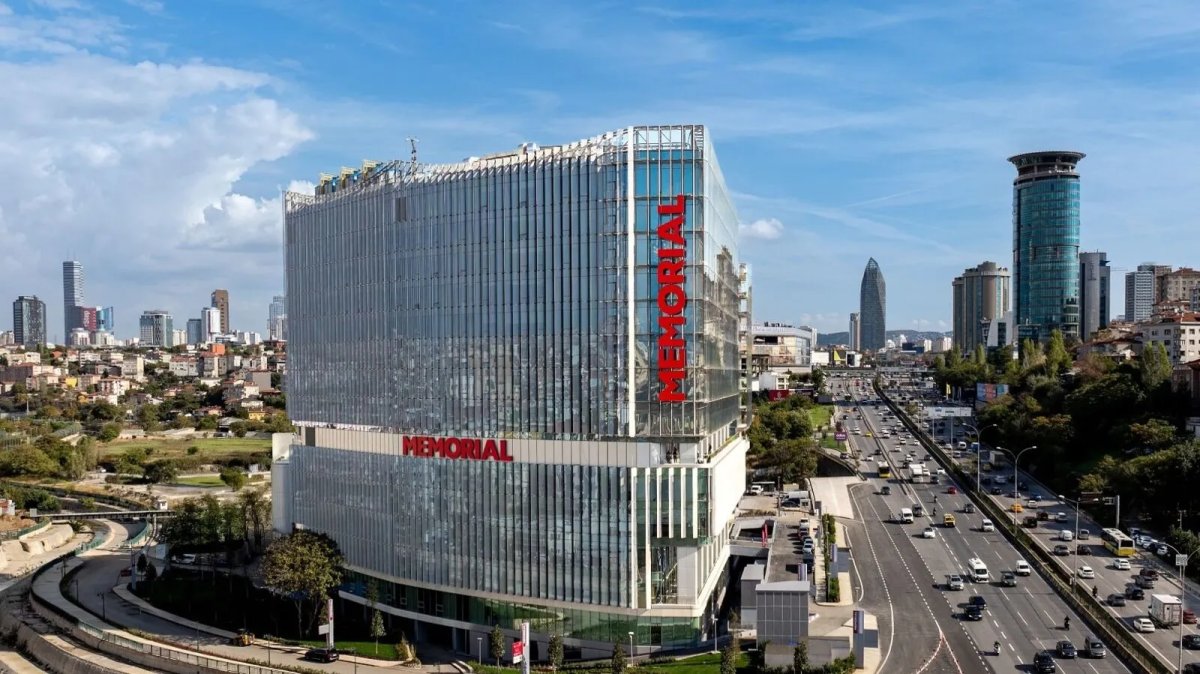
Memorial Göztepe Hospital


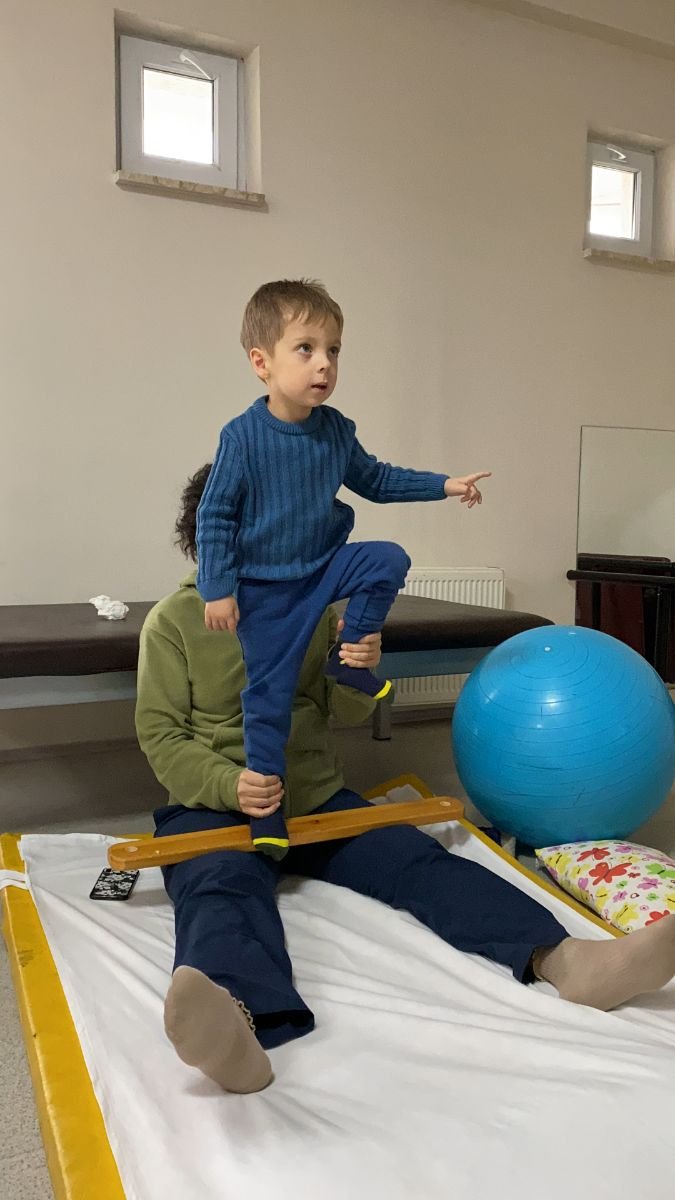
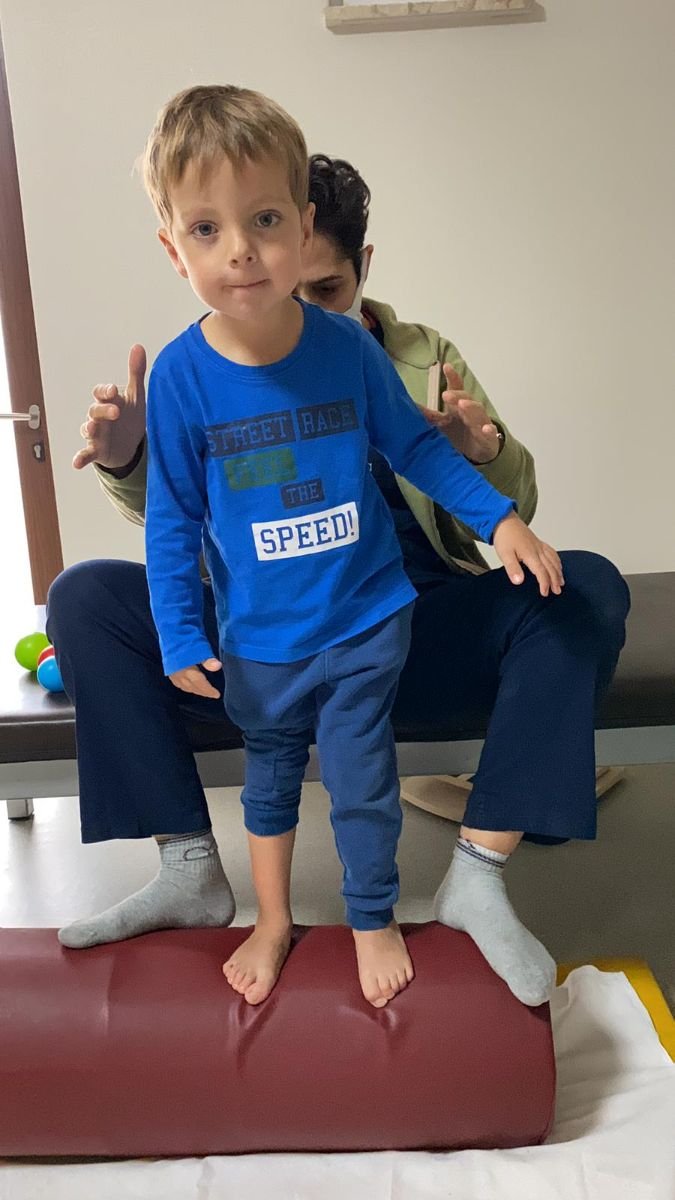
Fizyomer Terapia Physical Therapy and Rehabilitation & Aesthetic & Dental Medical Center
Turkan Tunerir





Memorial Ankara Hospital
احصل على تقييم طبي لـ في تركيا. استشر الآن 21 أطباء ذوي الخبرة.
عرض جميع الأطباء
Betul Tavil
الدكتورة بيتول تافيل هي أستاذة في أمراض الدم والأورام للأطفال، وخبيرة عالمية في زراعة نخاع العظم للأطفال.
لماذا يثق المرضى بالدكتورة تافيل:
- طبيبة ذات نتائج استثنائية — عالجت بنجاح أكثر من 500 طفل مصاب باللوكيميا وأجرت عمليات زرع نخاع العظم لأكثر
Turkan Tunerir

Dilek Necioglu Orken
الدكتورة ديليك نيسيوغلو أوركين هي طبيبة أعصاب في مستشفى ميموريال شيشلي في إسطنبول. تركز على الحالات العصبية المعقدة وإدارة المرضى. شغلت الدكتورة أوركين سابقاً منصب رئيس قسم الأعصاب في جامعة ديميروغلو للعلوم. كما شغلت منصب مسؤول التعليم والإدارة في مستشفى شيشلي حميدية إتفل.
- عملت كعضو في هيئة التدريس بجامعة ديميروغلو للعلوم.
- مارست العمل كأخصائية في مستشفى شيشلي حميدية إتفل للتدريب والبحوث.
- تعمل في ميموريال شيشلي، وهو أول مستشفى في تركيا يحصل على اعتماد اللجنة الدولية

Gulumser Kiziltas Tokmak
تتخصص الدكتورة توكماك في تخطيط العضلات (EMG)، وتخطيط الدماغ (EEG)، ودراسة النوم (PSG) - وهي أدوات تشخيصية رئيسية لمرض التصلب الجانبي الضموري (ALS). تجلب الدكتورة خبرة واسعة في الفيزيولوجيا الكهربائية إلى ممارستها في طب الأعصاب في مستشفى هيسار إنتركونتيننتال.
- درجة الماجستير في الفيزيولوجيا الكهربائية من جامعة إسطنبول
- تخصصت في طب الأعصاب في مستشفى أوكميداني للتعليم والبحوث
- أجرت العديد من الدراسات حول تطبيقات EMG وEEG وPSG
- تمارس عملها في مستشفى هيسار إنتركونتيننتال ومستشفيات ميديكال بارك
المراجعات
جميع المراجعاتمشاركة المحتوى
قصص فيديو من مرضى Bookimed
 Anna Leonova
أسئلة متكررة حول علاج التصلب الجانبي الضموري في تركيا
ما هي خيارات علاج التصلب الجانبي الضموري (ALS) الرئيسية المتاحة في تركيا؟
يتميز علاج التصلب الجانبي الضموري (ALS) في تركيا بنهج متعدد التخصصات يجمع بين الأدوية المعتمدة من إدارة الغذاء والدواء (FDA) وإعادة التأهيل العصبي المتقدم. توفر المراكز المعتمدة من اللجنة الدولية المشتركة (JCI) عقار ريلوزول لإبطاء تطور المرض وحقن إيدارافون لتقليل التدهور الوظيفي. تدمج العيادات المتخصصة علاجات الخلايا الجذعية الوسيطة مع العلاج الطبيعي المكثف بمساعدة الروبوت للحصول على رعاية شاملة.
- العلاج الدوائي: يعتبر ريلوزول المعيار لتقليل مستويات الغلوتامات البيولوجية للحفاظ على الوظيفة الحركية.
- علاج الخلايا الجذعية: تستخدم المراكز خلايا جذعية وسيطة بمعايير ممارسات التصنيع الجيدة (GMP) لاستهداف الالتهاب العصبي وإصلاح الخلايا.
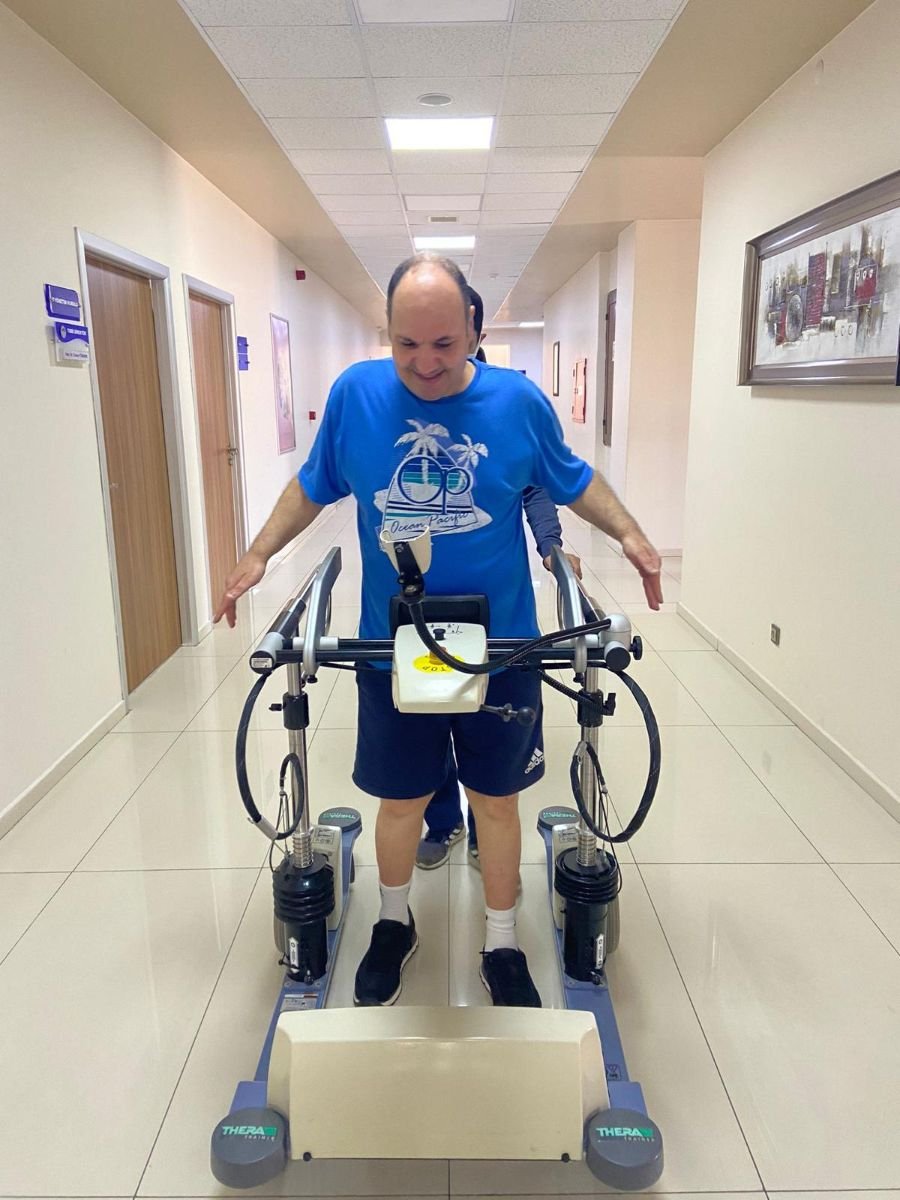
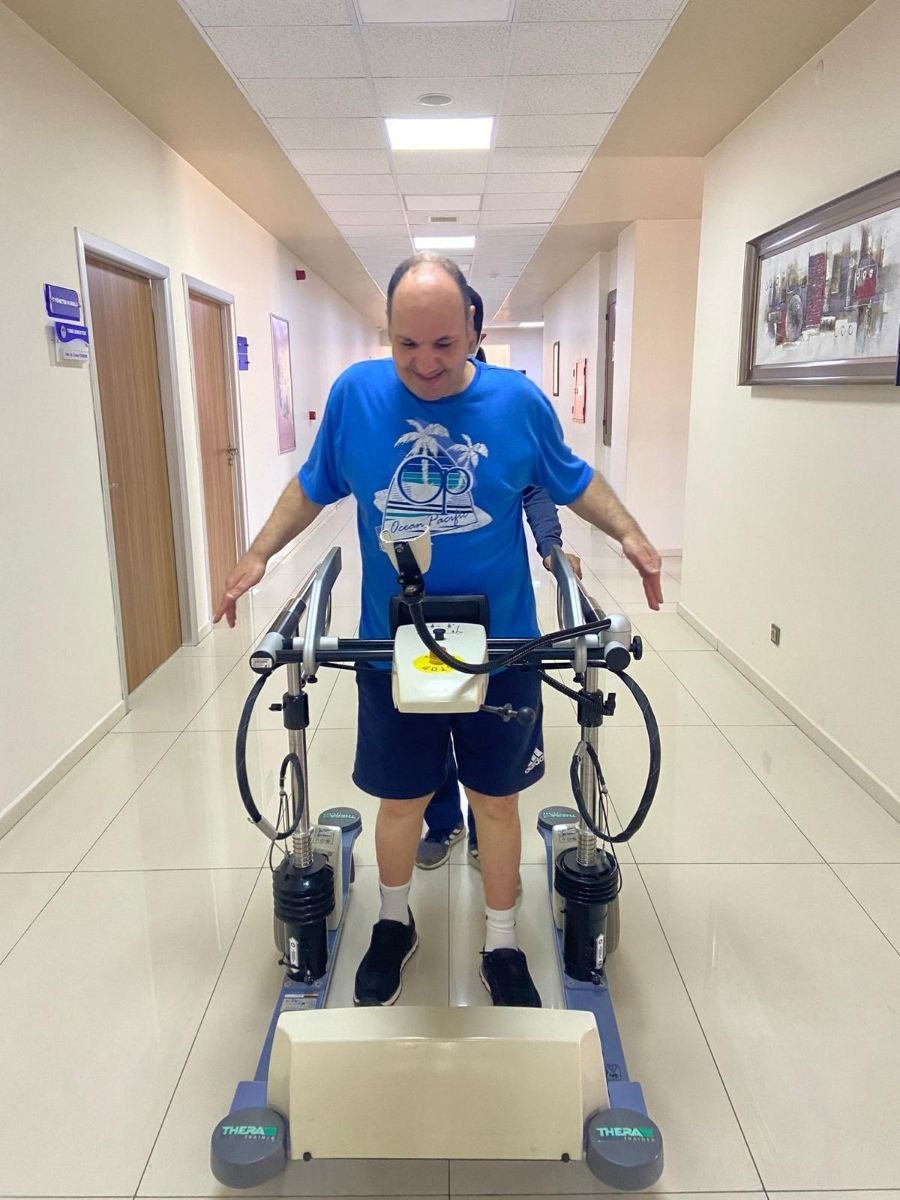
- إعادة التأهيل المكثف: تستخدم البرامج في Fizyomer Terapia المشي الروبوتي والعلاج المائي لتحسين الحركة.
- وحدات متخصصة: تدير أقسام الأعصاب والعضلات المخصصة في إسطنبول مئات الحالات المعقدة من التصلب الجانبي الضموري سنويًا.
رؤية خبير Bookimed: غالبًا ما تسد مراكز الأعصاب التركية مثل مستشفى NP Istanbul Brain الفجوة بين الطب النفسي وطب الأعصاب. هذا أمر حيوي لأن علاج التصلب الجانبي الضموري يتطلب إدارة التدهور الجسدي والصحة العاطفية معًا. إن استخدامهم لقياس وظائف الدماغ جنبًا إلى جنب مع الاختبارات الحركية القياسية يوفر صورة سريرية أكثر اكتمالًا من التقييمات الحركية الأساسية وحدها.
إجماع المرضى: يشير المرضى إلى أنه من المهم التأكد مما إذا كانت باقات الخلايا الجذعية تشمل الإقامة في الفنادق. يؤكد الكثي
هل يتوفر علاج بالخلايا الجذعية لمرض التصلب الجانبي الضموري (ALS) في تركيا، وكيف يعمل؟
يتوفر علاج الخلايا الجذعية لمرض التصلب الجانبي الضموري (ALS) في تركيا في مراكز متخصصة تحت إشراف وزارة الصحة. يستخدم الإجراء خلايا جذعية وسيطة لحماية الخلايا العصبية الحركية المتبقية وتقليل الالتهاب العصبي. يقوم الأطباء عادةً بحقن هذه الخلايا عن طريق الحقن داخل القراب في السائل الشوكي لتجاوز الحاجز الدموي الدماغي.
- بروتوكول العلاج: تستخدم العيادات غالبًا نظام جرعتين من الخلايا الجذعية الوسيطة المنتجة وفقًا لمعايير ممارسات التصنيع الجيدة (GMP).
- الخدمات المشمولة: غالبًا ما تغطي الباقات المميزة حقن الفيتامينات، وتحاليل الدم قبل الجراحة، واستشارات الأطباء.
- الإقامة في المستشفى: تتطلب البروتوكولات عادةً يومين من الإقامة في المستشفى للمراقبة والإعطاء.
- الرعاية الداعمة: غالبًا ما يتم دمج إعادة التأهيل المكثف مع العلاج للحفاظ على القوة العضلية الموجودة.
رؤية خبير Bookimed: تكشف بيانات مستشفى ليف أولوس (Liv Hospital Ulus) عن نموذج فريد للإقامة الطويلة لمرضى الأعصاب. بينما تبلغ مدة الإقامة في المستشفى يومين فقط، تتضمن باقتهم المميزة 16 يومًا من الإقامة في الفندق. تسمح هذه الإقامة الممتدة للمتخصصين بمراقبة التفاعلات المتأخرة وتقديم فحوصات المتابعة قبل عودة المريض إلى وطنه.
إجماع المرضى: يشير المرضى إلى أهمية إدارة التوقعات، واصفين العلاج بأنه أداة لإبطاء الأعراض وليس علاجًا نهائيًا. يؤكد الكثيرون على قيمة وجود مترجمين فوريين أثناء الاستشارات لفهم البروتوكولات الإدارية المعقدة.
ما هي النتائج التي يمكن توقعها بشكل واقعي بعد علاج الخلايا الجذعية لمرض التصلب الجانبي الضموري (ALS) في تركيا؟
يهدف علاج الخلايا الجذعية لمرض التصلب الجانبي الضموري في تركيا بشكل أساسي إلى إبطاء تطور المرض وإدارة الأعراض بدلاً من توفير علاج نهائي. يمكن للمرضى توقع تأثير استقرار على الوظائف الحركية والقدرة التنفسية بشكل واقعي. غالبًا ما تشمل التحسينات تقليل تشنجات العضلات، ووضوح الكلام، وتحسن البلع لمدة تتراوح بين 4 إلى 8 أشهر.
- الاستقرار الوظيفي: يستمر استقرار النتيجة الحركية عادةً لمدة تتراوح بين 4 إلى 8 أشهر بعد العلاج.
- تخفيف الأعراض: يلاحظ المرضى بشكل متكرر انخفاضًا في تشنجات العضلات وتحسنًا في الطاقة للأنشطة اليومية.
- بروتوكول العلاج: تستخدم عيادات مثل مستشفى ليف أولوس (Liv Hospital Ulus) خلايا جذعية وسيطة منتجة وفقًا لمعايير ممارسات التصنيع الجيدة (GMP) للدعم المناعي.
- الإقامة الطبية: تشمل الباقات المميزة إقامة في المستشفى لمدة يومين وفترة تعافي في الفندق لمدة 16 يومًا.
رؤية خبير Bookimed: بينما يغفل الكثيرون عن الجوانب اللوجستية، تعطي بروتوكولات التصلب الجانبي الضموري التركية الأكثر شمولاً الأولوية للمراقبة طويلة المدى على الحقن السريع. على سبيل المثال، تتضمن الباقة المميزة في مستشفى ليف أولوس 16 يومًا من الإقامة في الفندق وفحوصات المتابعة. تسمح هذه الفترة الممتدة للأطباء بمراقبة الاستجابة الخلوية الأولية وتوفير حقن الفيتامينات اللازمة قبل سفر المريض.
إجماع المرضى: يشير المرضى إلى أهمية توفر مترجمين فوريين لأن التنسيق الطبي يتضمن مناقشات عصبية معقدة. يسلط أولئك الذين زاروا عيادات مثل مستشفى ميموريال شيشلي (Memorial Şiş
ما هي معايير السلامة أو الجودة التي يجب على المرضى التحقق منها لعلاج الخلايا الجذعية في تركيا؟
يجب على المرضى التحقق من ترخيص وزارة الصحة التركية وشهادة ممارسات التصنيع الجيدة (GMP) للمختبرات. غالبًا ما تحصل المرافق عالية الجودة على اعتماد اللجنة الدولية المشتركة (Joint Commission International) لضمان السلامة العالمية. يساعد تأكيد خبرة المتخصصين وشفافية مصدر الخلايا في تقليل المخاطر الإجرائية للحالات العصبية المعقدة.
- شهادة المختبر: يجب معالجة الخلايا الجذعية في مختبرات معتمدة وفقًا لممارسات التصنيع الجيدة.
- اعتماد المستشفى: تحافظ المراكز الرائدة مثل مستشفى ميموريال شيشلي على معايير اللجنة الدولية المشتركة.
- أوراق اعتماد الأطباء: تأكد من أن المتخصصين مثل الدكتور إردال كاراوز قد أسسوا مراكز خلوية معترف بها وطنياً.
- شفافية الخلايا: يجب أن تقدم العيادات شهادات تحليل تؤكد أن الخلايا خالية من الأمراض المعدية.
رؤية خبير Bookimed: تُظهر البيانات مستوى جودة واضحًا بين مقدمي الخدمات الأتراك بناءً على البنية التحتية للمختبرات. على سبيل المثال، أسس الدكتور إردال كاراوز في مستشفى ليف أولوس أول مركز خاص للخلايا الجذعية حاصل على شهادة ممارسات التصنيع الجيدة في تركيا. هذا تمييز حاسم، حيث تعطي الباقات المميزة التي تبلغ حوالي 21,000 دولار الأولوية غالبًا لبيئات المعالجة المعقمة والمنظمة للغاية. اختيار منشأة ذات جذور تصنيعية راسخة يضمن عادةً نقاءً خلويًا أعلى من المستشفيات العامة التي تقدم الخلايا الجذعية كخدمة ثانوية.
إجماع المرضى: يؤكد المرضى على أهمية الاطلاع على البيانات التي تمت مراجعتها من قبل الأقران ونتائج المتابعة طويل
كيف يتم تنظيم تقييم التصلب الجانبي الضموري (ALS) النموذجي في المراكز التركية الحديثة؟
يتضمن تقييم التصلب الجانبي الضموري (ALS) النموذجي في تركيا مساراً تشخيصياً متعدد التخصصات بقيادة أطباء أعصاب كبار. وهو يجمع بين الفحوصات السريرية وتخطيط كهربائية العضل (EMG) والتصوير المتقدم لتأكيد التشخيص. تستخدم مراكز مثل مستشفى NP Istanbul Brain ومستشفى Liv Hospital Ulus مقاييس وظيفية موحدة وبروتوكولات فحص جيني.
- الفحص السريري: يقوم أطباء الأعصاب بتقييم ضعف العضلات، والوظيفة الحركية، والتاريخ الطبي.
- الاختبارات الفيزيولوجية الكهربائية: يحدد تخطيط كهربائية العضل (EMG) تلف الأعصاب وأنماط استجابة العضلات.
- التصوير المتقدم: تستبعد فحوصات التصوير بالرنين المغناطيسي للدماغ والعمود الفقري العنقي حالات مثل أورام العمود الفقري.
- التقييم الوظيفي: يستخدم المتخصصون مقياس ALSFRS-R لقياس الكلام والتنفس.
رؤية خبير Bookimed: غالباً ما تدمج مراكز الأعصاب التركية التقييمات التشخيصية مع الجاهزية للطب التجديدي. على سبيل المثال، يدير مستشفى Liv Hospital Ulus مركزاً للخلايا الجذعية معتمداً من ممارسات التصنيع الجيدة (GMP). وهذا يسمح للمرضى بالانتقال من التقييم إلى بروتوكولات الخلايا الجذعية ذات الجرعتين خلال إقامة واحدة مدتها 18 يوماً. هذه الكفاءة هي السبب في أن مراكز مثل مستشفى Hisar Hospital Intercontinental تخدم أكثر من 250,000 مريض سنوياً.
إجماع المرضى: يشير المرضى إلى أنه من المهم إحضار جميع السجلات الطبية السابقة لتجنب التأخير في التشخيص. ويؤكد الكثيرون أن الحصول على مساعدة لغوية أمر بالغ الأهمية لأن الاستشارات السريرية التفصيلية
ما هي المستشفيات في تركيا التي لديها برامج مخصصة لمرض التصلب الجانبي الضموري (ALS) أو الأمراض العصبية العضلية؟
تقدم تركيا علاجاً متقدماً لمرض التصلب الجانبي الضموري (ALS) في مرافق معتمدة من اللجنة الدولية المشتركة (JCI) مثل مستشفى NP Istanbul Brain Hospital ومركز Anadolu الطبي. توفر هذه المراكز برامج عصبية عضلية متعددة التخصصات. تشمل الرعاية المتخصصة الفسيولوجيا العصبية، والاختبارات الجينية، والعلاجات التجديدية. تدمج العديد من البرامج دعم الرئة، والعلاج الطبيعي، وعلاج النطق من أجل إدارة شاملة.
- التشخيص المتخصص: تستخدم المراكز تخطيط كهربية العضل (EMG) واللوحات الجينية لطفرات SOD1.
- الخبرة التابعة: يحتفظ مركز Anadolu الطبي بتبعية سريرية مع Johns Hopkins Medicine.
- الطب التجديدي: يتميز مستشفى Liv Hospital Ulus بمركز بمعايير ممارسات التصنيع الجيدة (GMP) لتطبيقات الخلايا الجذعية.
- التركيز على الطب النفسي العصبي: يتخصص مستشفى NP Istanbul Brain Hospital في وظائف الدماغ وطب الأعصاب.
رؤية خبير Bookimed: يجب على المرضى الذين يبحثون عن رعاية مبتكرة ملاحظة أن مستشفى Liv Hospital Ulus يقدم باقة متميزة متخصصة لعلاج الخلايا الجذعية. يتضمن هذا البرنامج جرعتين من الخلايا المنتجة وفقاً لمعايير GMP ويتطلب إقامة إجمالية لمدة 18 يوماً في تركيا. تضمن هذه المدة قدرة الفريق الطبي على مراقبة الاستجابة الأولية للعلاج الخلوي بشكل صحيح قبل عودة المريض إلى وطنه.
إجماع المرضى: يشير المرضى إلى أن القرب من المطارات الدولية في إسطنبول يجعل الزيارات المتكررة لاختبارات المتابعة أسهل بكثير. يؤكد الكثيرون أن وجود منسقين شخصيين متاحين يساعدهم في التنقل عبر جداول
هل توجد خيارات إعادة تأهيل غير طبية مخصصة لمرضى التصلب الجانبي الضموري (ALS) في تركيا؟
توفر تركيا برامج إعادة تأهيل غير طبية متخصصة لمرضى التصلب الجانبي الضموري (ALS) داخل أقسام الأعصاب المعتمدة من قبل اللجنة الدولية المشتركة (JCI). تدمج المرافق التدريب الروبوتي على المشي، والعلاج الطبيعي التنفسي، والعلاج الوظيفي لإدارة الأعراض. تركز هذه البروتوكولات على الحفاظ على التنسيق الحركي وكتلة العضلات مع تعزيز الاستقلالية اليومية والتواصل.
- إعادة التأهيل الروبوتي: يعمل التدريب المتقدم على المشي والذراعين على تحسين التنسيق في مستشفى NP Istanbul Brain Hospital.
- العلاج الطبيعي: تمنع تمارين الإطالة المكثفة وتدريبات القوة منخفضة التأثير تقلصات العضلات.
- علاج النطق: تساعد الجلسات المتخصصة في إدارة صعوبات البلع والحفاظ على القدرات التواصلية.
- العلاج الوظيفي: يوفر الخبراء معدات تكيفية وتعديلات بيئية للمهام اليومية.
رؤية خبير Bookimed: توفر عيادات مثل Liv Hospital Ulus وNP Istanbul Brain Hospital ميزة فريدة من خلال الجمع بين إعادة التأهيل القياسي والتشخيصات العصبية المتقدمة. على سبيل المثال، يدير Liv Hospital Ulus مركزاً للعلاج الخلوي معتمداً من ممارسات التصنيع الجيدة (GMP)، مما يسمح للمرضى بالجمع بين إعادة التأهيل البدني وبروتوكولات الطب التجديدي خلال زيارة واحدة.
إجماع المرضى: يقدر المرضى وجود مترجمين لغويين متخصصين والمستوى العالي من التنسيق الطبي. يؤكد الكثيرون أن النهج المتكامل، الذي يشمل أطباء متخصصين ومعدات حديثة، يجعل إقامتهم شاملة وفعالة.