علاج التصلب الجانبي الضموري في كوريا الجنوبية: 4 مستشفيات


تمت مراجعة المقالة طبيا من قبل
فهد مولود
ما هي تكلفة التصلب الجانبي الضموري إجراءات التشخيص والعلاج في كوريا الجنوبية؟ اعرف الآن
| كوريا الجنوبية | تركيا | إسبانيا | |
|---|---|---|---|
| العلاج بالخلايا الجذعية متعددة القدرات المستحثة | ≈ $12,000 | ≈ $6,500 | ≈ $9,000 |
| العلاج بالخلايا الجذعية لمرض التصلب الجانبي الضموري (ALS) | ≈ $15,000 | من $10,000 | ≈ $9,000 |
| العلاج بالخلايا الجذعية | من $3,500 | من $1,600 | من $33,700 |
| البلازما | ≈ $1,500 | من $3,200 | من $12,300 |
مزاياك وضماناتك مع Bookimed
أسعار مباشرة
Bookimed لا يضيف رسوماً إضافية على أسعار علاج التصلب الجانبي الضموري. الأسعار مأخوذة من قوائم الأسعار الرسمية للعيادات. تدفع مباشرة في العيادة مقابل علاجك عند وصولك إلى البلد.
عيادات وأطباء معتمدون فقط
Bookimed ملتزم بسلامتك. نحن نعمل فقط مع المؤسسات الطبية التي تحافظ على معايير دولية عالية في علاج التصلب الجانبي الضموري ولديها التراخيص اللازمة لخدمة المرضى الدوليين في جميع أنحاء العالم.
مساعدة مجانية على مدار الساعة
Bookimed يقدم مساعدة خبراء مجانية. منسق طبي شخصي يدعمك قبل وأثناء وبعد العلاج، ويحل أي مشاكل. لن تكون وحيداً أبداً في رحلة علاج التصلب الجانبي الضموري.

منسقك الطبي الشخصي في Bookimed
- يدعمك في كل مرحلة
- المساعدة في اختيار العيادة الطبية المناسبة والطبيب المناسب
- يضمن الوصول السريع والمريح إلى المعلومات
اكتشف أفضل التصلب الجانبي الضموري العيادات في كوريا الجنوبية: 4 خيارات معتمدة والأسعار
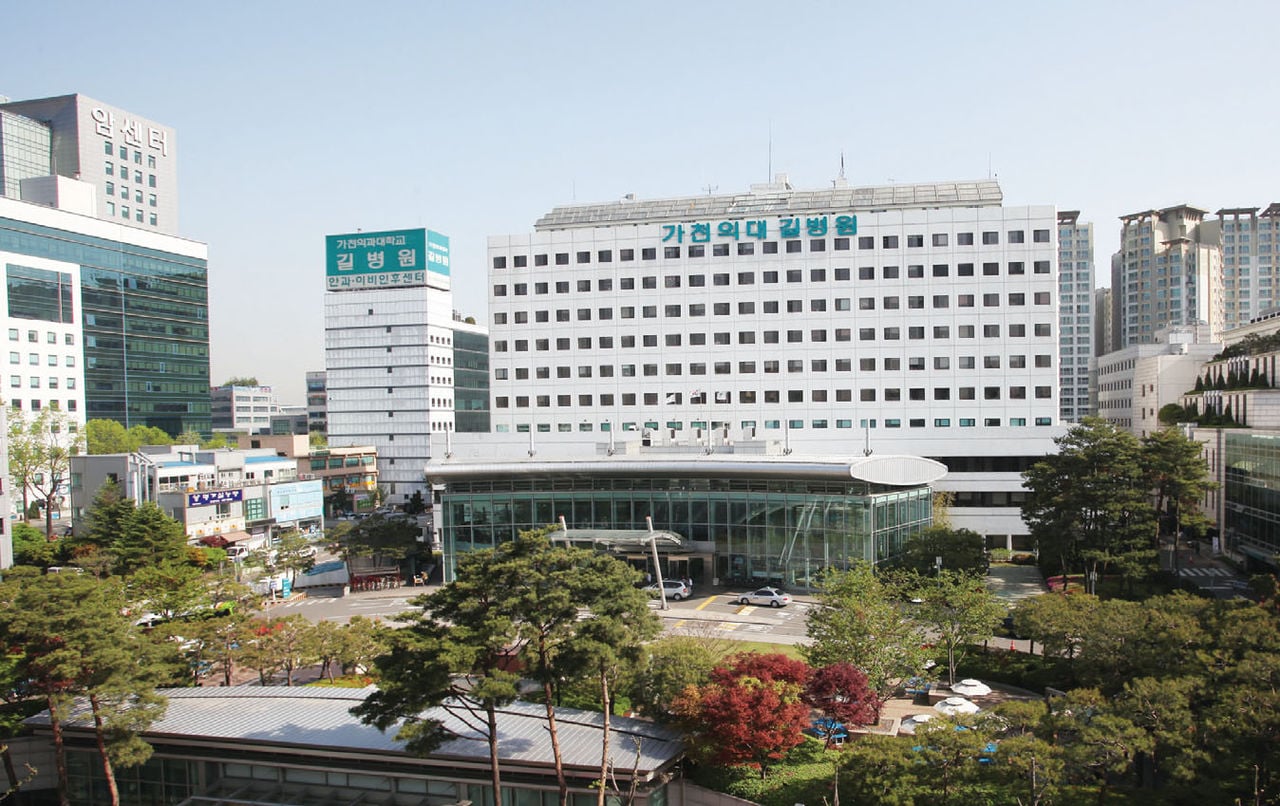






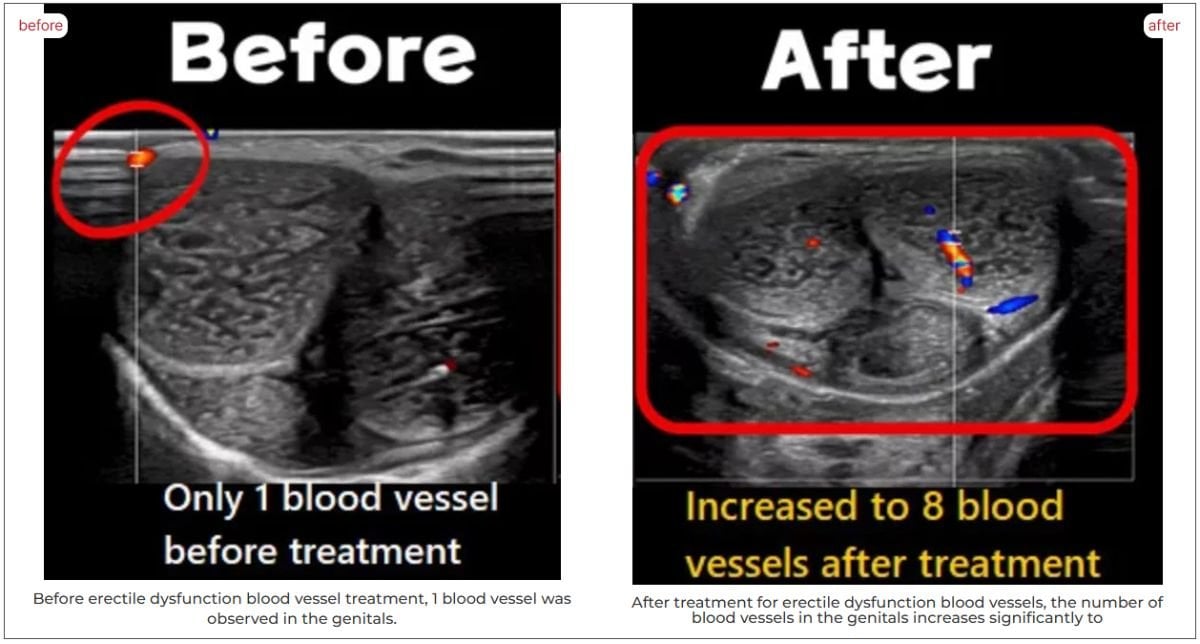
RE:YOUTH (YONSEI BH Arterial Stemcell Clinic)
Byung-hee Lee


احصلوا على تقييم طبي لـ التصلب الجانبي الضموري في كوريا الجنوبية: استشيروا أطباء ذوي خبرة الآن
عرض جميع الأطباءByung-hee Lee
يتمتع الدكتور بيونغ-هي لي بخبرة _doctor_9660_سنوات_ وأجرى أكثر من 900 علاج، متخصصاً في الأساليب المبتكرة للحالات العصبية.
- عضو مؤسس في الجمعية الكورية لطب الأعصاب التداخلي
- عضو مؤسس في الجمعية الكورية للسكتة الدماغية
- مؤلف لـ 24 مقالة في مجلات SCI
- قدم عروضاً في أكثر من 50 مؤتمراً دولياً ومحلياً
- عضو دائم في الجمعية الأمريكية للسكتة الدماغية والجمعية العالمية للسكتة الدماغية
مشاركة المحتوى
قصص فيديو من مرضى Bookimed
 Anna Leonova
أسئلة متكررة حول علاج التصلب الجانبي الضموري في كوريا الجنوبية
ما هي علاجات التصلب الجانبي الضموري (ALS) الفريدة المتاحة في كوريا الجنوبية والتي لا توجد في أماكن أخرى؟
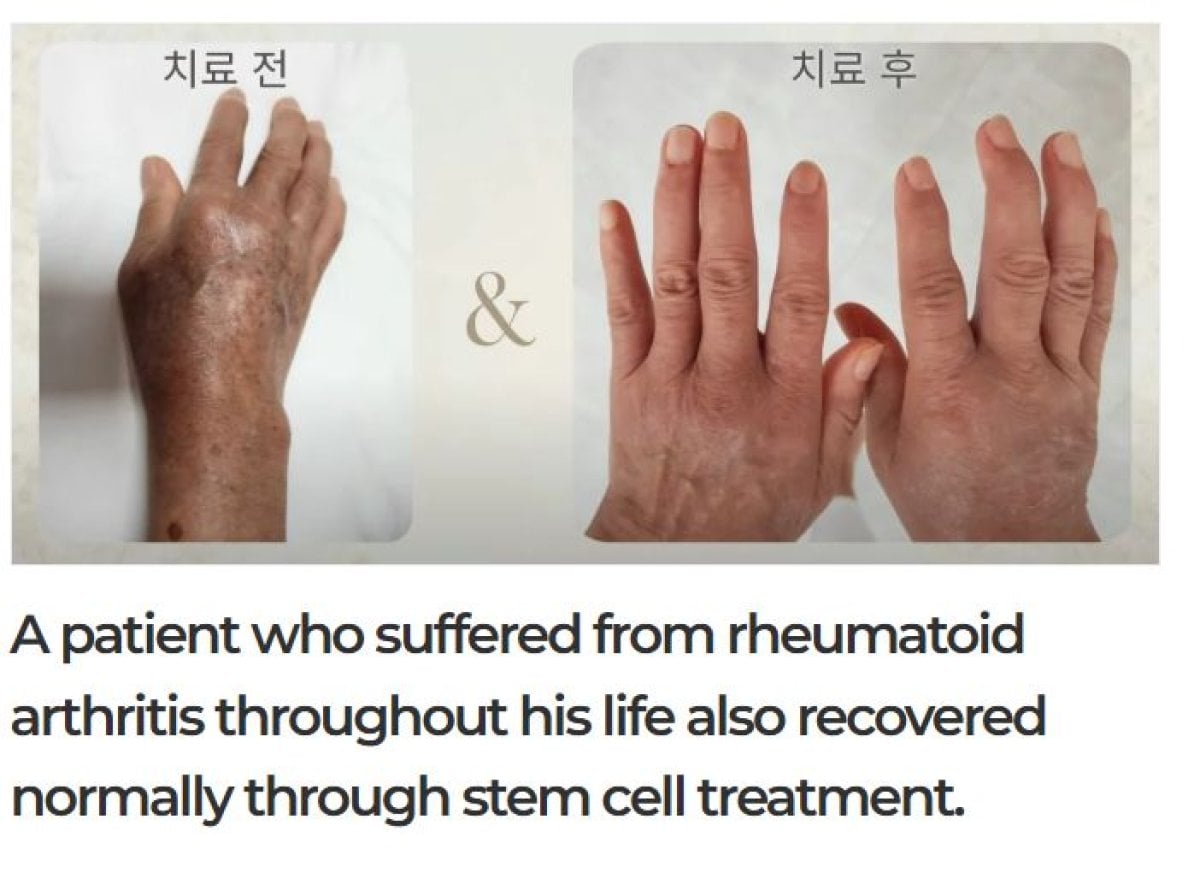
تقدم كوريا الجنوبية عقار Neuronata-R، وهو أول علاج بالخلايا الجذعية مرخص في العالم لمرض التصلب الجانبي الضموري (ALS). هذا العلاج بالخلايا الجذعية الوسيطة الذاتية متاح حاليًا فقط في المستشفيات الجامعية الكورية المتخصصة. ويهدف إلى إبطاء تطور المرض من خلال الحقن داخل القراب في السائل الشوكي.
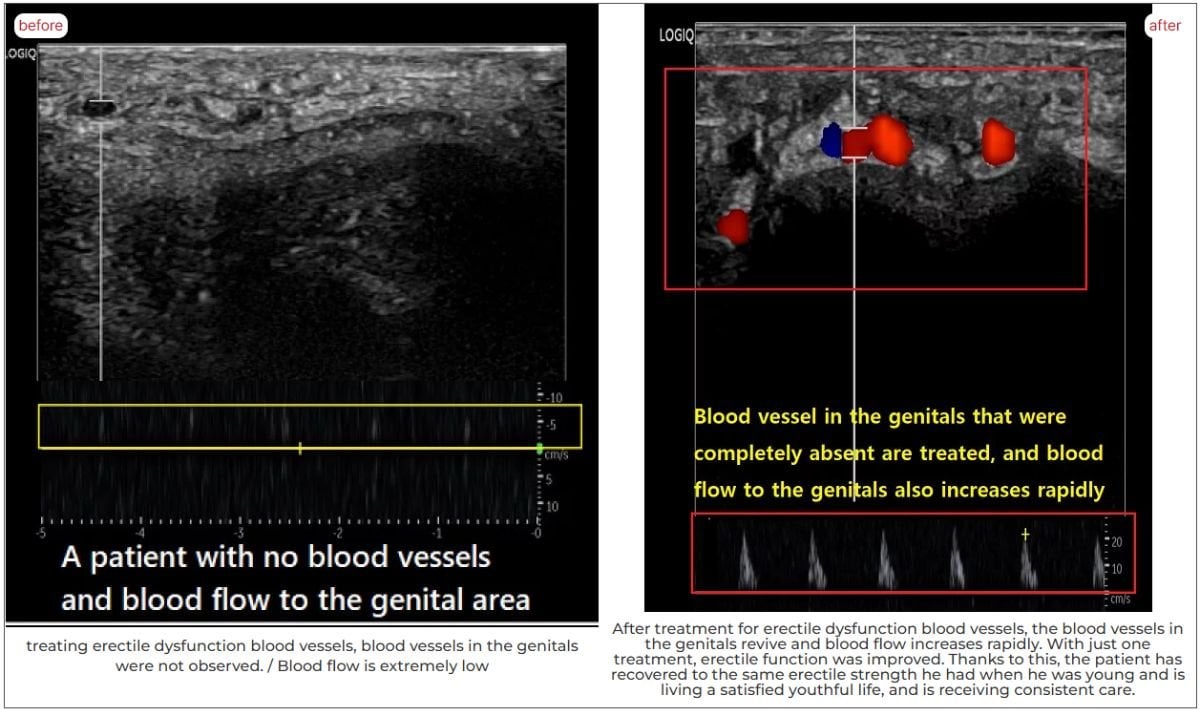
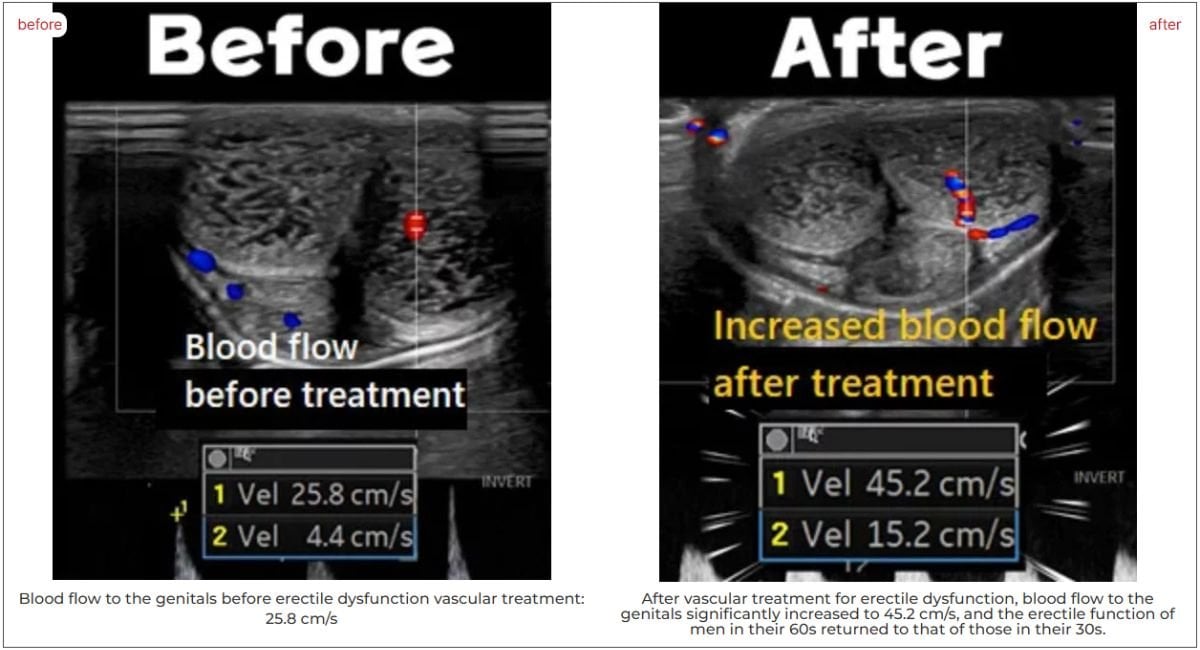
- التوصيل الشرياني: تستخدم عيادة RE:YOUTH طرقًا شريانية لاستهداف الأعضاء بشكل مباشر بنسبة 100% أثناء العلاج.
- الطب التكاملي: تجمع المراكز المتخصصة بين رعاية مرضى باركنسون والوخز الدوائي بسم النحل والمغليات العشبية.
- مرافق متخصصة: يدير المركز الطبي لجامعة هانيانغ عيادة مخصصة تركز بشكل صارم على مرض التصلب الجانبي الضموري.
- المعايير الإقليمية: تحافظ البروتوكولات الكورية على معدلات أعلى لإجراءات ثقب القصبة الهوائية لتحسين إدارة الجهاز التنفسي في المراحل المتأخرة.
رؤية خبير Bookimed: في حين تقدم العديد من البلدان علاجات تجريبية بالخلايا الجذعية، تتميز كوريا الجنوبية بأن عقار Neuronata-R مرخص رسميًا للاستخدام السريري. تتخصص مرافق مثل RE:YOUTH في التوصيل الشرياني لضمان وصول الخلايا إلى الأعضاء المستهدفة. يوفر هذا الاعتماد التنظيمي مستوى من الرقابة الرسمية نادرًا ما يوجد في مراكز الخلايا الجذعية العالمية الأخرى.
إجماع المرضى: يشير المرضى إلى أنه على الرغم من أن العيادات الكورية توفر وصولاً سريعًا إلى علاجات جديدة، إلا أن الجهد اللوجستي مرتفع. ويقترحون إعطاء الأولوية للمستشفيات القائمة على العيادات الصغيرة لضمان دعم متعدد التخصصات شامل وتجارب
ما هي المستشفيات في كوريا الجنوبية الأكثر خبرة في تشخيص وإدارة التصلب الجانبي الضموري (ALS) متعدد التخصصات؟
توفر المستشفيات الجامعية في كوريا الجنوبية رعاية متخصصة لمرض التصلب الجانبي الضموري (ALS) من خلال عيادات مخصصة وفرق متعددة التخصصات. تدمج المراكز الرائدة مثل مستشفى جامعة هانيانغ ومستشفى سيفيرانس بين طب الأعصاب وإعادة التأهيل والدعم التنفسي. كما تقدم هذه المؤسسات علاجات مبتكرة بما في ذلك العلاج بالخلايا الجذعية وفصادة البلازما.
- مستشفى جامعة هانيانغ: افتتح أول عيادة مخصصة لمرض ALS في كوريا مع خبرة بحثية سريرية كبيرة.
- مستشفى سيفيرانس: تدير هذه المنشأة المعتمدة من JCI 1.6 مليون مريض خارجي سنوياً باستخدام الذكاء الاصطناعي المتقدم.
- مركز أسان الطبي: يقدم تقييمات عصبية شاملة ويشارك في دراسات عالمية متعددة المراكز حول مرض ALS.
- RE:YOUTH Yonsei BH: متخصص في العلاج بالخلايا الجذعية الشريانية لتوصيل الخلايا مباشرة إلى الأعضاء.
رؤية خبير Bookimed: يعد حجم المرضى مؤشراً رئيسياً على دقة التشخيص في كوريا. يدير مستشفى سيفيرانس أكثر من 1.6 مليون مريض خارجي سنوياً. تجلب الدكتورة يون جونغ كيم في مركز أسان الطبي خبرة دولية من مستشفى نيويورك بريسبيتيريان. غالباً ما توفر هذه المراكز ذات الحجم الكبير إمكانية الوصول إلى البرامج الحكومية التي تقلل من التكاليف التي يتحملها المرضى.
إجماع المرضى: يؤكد المرضى على أهمية التواصل مع أقسام الأعصاب المتخصصة في المراكز الرئيسية في سيول لتأكيد توفر فريق متعدد التخصصات. يلاحظ الكثيرون أن التواصل مع مجموعات دعم المرضى المحلية يساعد في التنقل في مسارات الرعاية المحددة في كوريا الجنوبية.
هل يغطي التأمين الصحي الدولي عقار NeuroNata-R أو حقن الخلايا الجذعية في كوريا؟
نادراً ما يغطي التأمين الصحي الدولي عقار NeuroNata-R أو حقن الخلايا الجذعية في كوريا الجنوبية. وعادة ما يصنف شركات التأمين هذه العلاجات التجديدية على أنها تجريبية أو قيد البحث. وعلى الرغم من أن كوريا الجنوبية وافقت بشروط على عقار NeuroNata-R لعلاج التصلب الجانبي الضموري (ALS)، إلا أنه يفتقر إلى الموافقة الكاملة من إدارة الغذاء والدواء الأمريكية (FDA).
- الحالة التجريبية: ترفض شركات التأمين معظم مطالبات العلاجات التجديدية التي تفتقر إلى موافقة كاملة من إدارة الغذاء والدواء.
- التغطية المحلية: لا يغطي نظام التأمين الصحي الوطني في كوريا الجنوبية عقار NeuroNata-R.
- الرعاية القياسية: عادة ما يتم تغطية الإجراءات الراسخة مثل عمليات زرع نخاع العظم لسرطانات الدم.
- وثائق العيادة: توفر مراكز مثل RE:YOUTH وثائق لمساعدة المرضى في السعي للحصول على تعويض محتمل.
رؤية خبير Bookimed: تشير بيانات حجم المرضى إلى أن الكثيرين يسافرون إلى كوريا الجنوبية من أجل توصيل الخلايا الجذعية الشريانية. تستهدف هذه الطريقة، المتاحة في عيادات مثل RE:YOUTH، الأعضاء مباشرة بدلاً من استخدام الوريد التقليدي. يركز أطباء مثل الدكتور بيونغ-هي لي على هذه الدقة، ومع ذلك يجب على المرضى التخطيط لتكاليف من جيبهم الخاص.
إجماع المرضى: يشير المرضى إلى أنه على الرغم من تعقيد البيروقراطية الطبية، فإن الحصول على تقارير سريرية مفصلة باللغة الإنجليزية أمر حيوي. وغالباً ما يؤكدون أن التعامل مع هذه التكاليف بمفردهم هو الجزء الأكثر إرهاقاً في الرحلة.
كيف تبدو ممارسة الرعاية التلطيفية الكورية لمرض التصلب الجانبي الضموري (ALS) فيما يتعلق بدعم مجرى الهواء والتغذية؟
تؤكد الرعاية التلطيفية لمرض التصلب الجانبي الضموري (ALS) في كوريا الجنوبية على التدخلات الطبية المكثفة داخل المستشفيات الجامعية. تعطي الممارسات الأولوية لإدارة مجرى الهواء الغازية ودعم التغذية الإجرائي. يخضع حوالي 35% من المرضى لعملية ثقب القصبة الهوائية. هذا المعدل أعلى بكثير مما هو عليه في معظم أنظمة الرعاية الصحية الغربية.
- استخدام ثقب القصبة الهوائية: يستخدم حوالي 32.2% من المرضى أجهزة التنفس الصناعي في غضون 24 شهرًا من التشخيص.
- انتقالات مجرى الهواء: غالبًا ما تنتقل الرعاية التنفسية بسرعة من الأقنعة غير الغازية إلى الطرق الجراحية الغازية.
- دعم فغر المعدة: يتلقى حوالي 26.6% من المرضى فغر المعدة بالمنظار عن طريق الجلد (PEG) للتغذية.
- فرق متعددة التخصصات: تدير فرق متخصصة تضم أخصائيي تغذية وصيادلة بروتوكولات معقدة للتغذية المعوية.
رؤية خبير Bookimed: تكشف البيانات السريرية أن كوريا الجنوبية تعمل كمركز رئيسي لطب الأعصاب المعقد. يعالج مستشفى سيفيرانس وحده 1.6 مليون مريض خارجي سنويًا. يدعم هذا الحجم الكبير بنية تحتية ضخمة للتدخلات التقنية مثل ثقب القصبة الهوائية. ومع ذلك، فإن مرض التصلب الجانبي الضموري غير مؤهل حاليًا للحصول على مزايا رعاية المحتضرين الرسمية بموجب القانون الكوري. غالبًا ما ينتقل المرضى إلى مراكز ذات سعة عالية مثل مركز جاشون الجامعي الطبي (Gachon University Gil Medical Center) للحصول على دعم متقدم.
إجماع المرضى: يشير المرضى إلى أن أفراد الأسرة غالبًا ما يتولون الرعاية اليومية لأنابيب التغذية بعد الخروج
كم تستغرق دورة التقييم/العلاج النموذجية لمريض التصلب الجانبي الضموري (ALS) الدولي في كوريا؟
تتطلب التقييمات القياسية لمرض التصلب الجانبي الضموري في كوريا الجنوبية عادةً أسبوعًا واحدًا. تختلف دورات العلاج حسب البروتوكول، حيث تستمر دورات العلاج بالخلايا الجذعية الواحدة من 9 إلى 10 أيام. غالبًا ما تتطلب البروتوكولات المتقدمة أو حقن الأدوية مثل إيدارافون (Edaravone) إقامات تتراوح من 10 إلى 14 يومًا لكل جلسة.
- التقييم التشخيصي: تستغرق الفحوصات القياسية بما في ذلك تخطيط العضلات (EMG)، وسرعة التوصيل العصبي (NCV)، والتصوير بالرنين المغناطيسي حوالي أسبوع واحد.
- دورة الخلايا الجذعية: تستغرق دورة واحدة من العلاج بالخلايا الجذعية الذاتية عادةً من 9 إلى 10 أيام.
- دورات الحقن: تتطلب دورات علاج إيدارافون عمومًا من 10 إلى 14 يومًا من الحقن الخاضع للإشراف.
- البروتوكولات الموسعة: قد يبقى المرضى الذين يتلقون حقنًا متعددة من 4 إلى 12 أسبوعًا أو يعودون لاحقًا.
رؤية خبير Bookimed: بينما تدير المراكز الكبرى مثل مستشفى سيفيرانس (Severance Hospital) أعدادًا هائلة من المرضى، تركز العيادات المتخصصة على طرق توصيل محددة. تستخدم عيادة RE:YOUTH طريقة حقن شرياني مستهدفة للعلاج بالخلايا الجذعية. هذا يؤكد أن وقت العلاج لا يتعلق فقط بالدواء المستخدم، بل يعتمد على تعقيد تكنولوجيا التوصيل المتاحة في العيادة.
إجماع المرضى: يشير المرضى إلى أنه من المفيد أن المراكز الكبرى لديها فرق دولية مخصصة. يساعد هؤلاء المنسقون في تسريع العملية بحيث تبدأ التقييمات فور الوصول.
هل توجد رعاية لاحقة أو متابعة عن بعد بمجرد عودتي إلى المنزل؟
توفر المستشفيات الكورية الجنوبية متابعة شاملة عن بعد لمرضى التصلب الجانبي الضموري (ALS) باستخدام أنظمة متطورة للطب عن بعد والسجلات الصحية الإلكترونية. تستخدم مرافق مثل مستشفى سيفيرانس (Severance Hospital) التصوير الرقمي وتكنولوجيا المباني الذكية لمراقبة التعافي. يتلقى المرضى وثائق وتعليمات مفصلة ثنائية اللغة لضمان استمرارية الرعاية بسلاسة مع الأطباء المحليين.
- تكامل الطب عن بعد: يستخدم مستشفى سيفيرانس الذكاء الاصطناعي والطب عن بعد لاستشارات المرضى عن بعد بكفاءة.
- المراقبة الرقمية: تسمح السجلات الصحية الإلكترونية (EHRs) للأطباء بتتبع تقدم المريض من الخارج.
- استمرارية الرعاية: توفر العيادات تقارير ثنائية اللغة لضمان قدرة أطباء الأعصاب المحليين على إدارة الرعاية المستمرة.
- تنسيق المتابعة: تدير الخدمات الدولية في المراكز المتخصصة جدولة الفحوصات الافتراضية وتجديد الوصفات الطبية.
رؤية خبير Bookimed: في حين أن العديد من المرافق تقدم متابعة قياسية، فإن اختيار عيادة ذات سجلات صحية إلكترونية متكاملة وذكاء اصطناعي مثل مستشفى سيفيرانس يعد نقلة نوعية. يساعدهم حجمهم الهائل الذي يبلغ 1.6 مليون مريض خارجي سنوياً على تحسين بروتوكولات المراقبة عن بعد. تضمن هذه البنية التحتية الرقمية حصول طبيبك في بلدك على بيانات دقيقة، مما يمنع أي فجوات في خطة إدارة مرض التصلب الجانبي الضموري الخاصة بك.